Last Updated on November 26, 2025 by Bilal Hasdemir
Radiation therapy is key in fighting colon cancer. It helps control tumor growth and kills cancer cells left after surgery. This makes it an important part of cancer of the colon treatment, especially when combined with surgery or chemotherapy.
Recent studies show radiation therapy boosts patient outcomes. It lowers the chance of cancer coming back and improves survival rates.
Radiation treatment for colon cancer uses high-energy rays to target and kill cancer cells. It can be used before surgery to shrink tumors or after to get rid of any left-over cells, making it a valuable option in cancer of the colon treatment.
Key Takeaways
- Radiation therapy is used to kill cancer cells in colon cancer.
- It can be administered before or after surgery.
- The goal is to shrink tumors or eliminate remaining cancer cells.
- Radiation therapy improves patient outcomes and reduces recurrence risk.
- It is a vital part of the treatment plan for colon cancer.
Understanding Colon Cancer
It’s important to know about colon cancer to catch it early and treat it well. Colon cancer, also known as colorectal cancer, happens in the colon or rectum.
Colon cancer has different types and stages. These details help doctors choose the right treatment.
Types and Stages of Colon Cancer
Colon cancer types are based on the cells affected. The most common is adenocarcinoma, making up about 95% of cases.
- Adenocarcinoma: Comes from glandular cells.
- Carcinoid tumors: Grow slowly.
- Gastrointestinal stromal tumors (GIST): Rare, start in connective tissue.
The cancer’s stage shows how far it has spread. The TNM system is used. It looks at the tumor size (T), lymph nodes (N), and if it has spread (M).
- Stage I: Cancer is in the colon wall.
- Stage II: Cancer has grown but not to lymph nodes.
- Stage III: Cancer has reached nearby lymph nodes.
- Stage IV: Cancer has spread to distant organs.
Risk Factors and Prevalence
Many things can increase your risk of colon cancer. These include:
- Age: Risk goes up after 50.
- Family history: Having a close relative with colon cancer.
- Lifestyle factors: Eating a lot of red meat, not enough fiber, not being active, smoking, and drinking too much alcohol.
Colon cancer is a big problem worldwide. In the U.S., it’s the third leading cause of cancer deaths. Knowing the risks helps prevent and catch it early.
Overview of Cancer of the Colon Treatment Options

It’s important for patients to know about colon cancer treatments. These include surgery, chemotherapy, and radiation therapy, used alone or together. The right treatment depends on the cancer’s stage, the patient’s health, and other factors.
Surgery as Primary Treatment
Surgery is a main treatment for colon cancer. It aims to remove the tumor and affected colon parts. The American Cancer Society says surgery can cure early-stage cancer.
“Surgery offers the best chance of cure for patients with colon cancer, when diagnosed early.”
Chemotherapy Approaches
Chemotherapy uses drugs to kill cancer cells. It’s often used with surgery. Drugs can be given before surgery to shrink tumors or after to kill remaining cells. The choice of drugs depends on the cancer’s stage and the patient’s health.
Radiation Therapy Basics
Radiation therapy uses high-energy rays to kill cancer cells. It’s not the first choice for colon cancer but can be helpful in some cases. Radiation therapy can lower the chance of cancer coming back. It’s also used for rectal cancer, which is similar to colon cancer.
What is Radiation Therapy?
Radiation therapy is a medical treatment that uses ionizing radiation. It damages the DNA of cancer cells, stopping them from dividing and growing.
Definition and Basic Principles
Radiation therapy, also known as radiotherapy, is a cancer treatment. It uses high-energy rays to destroy or damage cancer cells. This shrinks tumors and slows disease progression.
The therapy aims to deliver a precise dose of radiation to a targeted area. This maximizes damage to cancer cells while protecting healthy tissues.
The therapy works because cancer cells are more sensitive to radiation than normal cells. This allows radiation therapy to target and kill malignant cells effectively.
How Radiation Kills Cancer Cells
Radiation therapy kills cancer cells by damaging their DNA. When exposed to radiation, cancer cells can suffer:
- DNA breaks that are irreparable, leading to cell death
- Disruption of cell division, preventing cancer cells from proliferating
- Apoptosis, or programmed cell death, which eliminates damaged cells
These effects help control tumor growth and reduce cancer recurrence risk.
In colon cancer, radiation therapy is key. It’s often used with surgery and chemotherapy.
Types of Radiation Therapy for Colorectal Cancer
Radiation therapy is key in fighting colorectal cancer. It uses high-energy rays to kill cancer cells or slow their growth. For colorectal cancer, several types of radiation therapy are used, each with its own benefits.
External Beam Radiation Therapy (EBRT)
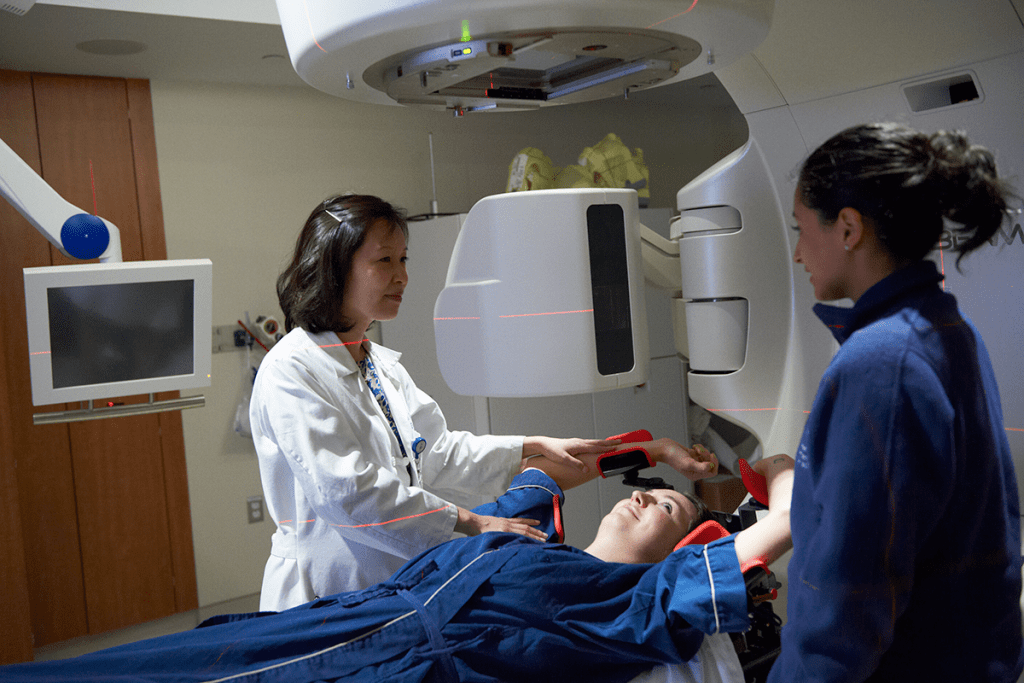
External Beam Radiation Therapy (EBRT) is the most common treatment for colorectal cancer. It sends radiation from a machine outside the body to the tumor. This method is precise, aiming at the tumor while protecting healthy tissues.
Advantages of EBRT: It’s non-invasive and can be customized for each patient, based on the tumor’s size and location.
Internal Radiation Therapy (Brachytherapy)
Brachytherapy places radioactive material inside or near the tumor. It delivers high doses of radiation directly to cancer cells, reducing harm to healthy tissues.
Benefits of Brachytherapy: It’s great for treating localized tumors. It can also be used with other treatments like surgery or EBRT.
Proton Therapy for Colon Cancer
Proton therapy uses protons instead of X-rays to kill cancer cells. It’s very precise, delivering a high dose of radiation to the tumor while sparing more healthy tissue than traditional radiation therapy.
“Proton therapy represents a significant advancement in radiation oncology, improving outcomes for patients with colorectal cancer.”
Key Benefits of Proton Therapy: It reduces damage to surrounding tissues and may cause fewer side effects.
Each radiation therapy type has its role in treating colorectal cancer. The choice depends on the cancer’s stage, location, and the patient’s health.
When is Radiation Therapy Used for Colon Cancer?
Radiation therapy is used in several important ways during colon cancer treatment. It depends on the cancer stage, the patient’s health, and the treatment goals.
Neoadjuvant Therapy (Before Surgery)
One key use of radiation therapy is as neoadjuvant therapy, given before surgery. Its main goal is to shrink tumors that are too big to be removed surgically. This makes them easier to operate on.
Neoadjuvant radiation also helps see how the tumor responds to treatment. This info is key for planning the next steps in care.
Adjuvant Therapy (After Surgery)
After surgery, radiation therapy is used as adjuvant therapy to kill any cancer cells left behind. This is very important for patients with stage II or III colon cancer. It helps lower the chance of cancer coming back.
- Targets microscopic cancer cells that may have been left behind
- Reduces the risk of local recurrence
- Can be combined with chemotherapy for enhanced effectiveness
Palliative Treatment for Advanced Cases
When colon cancer is too advanced to be cured, radiation therapy is used for palliative care. The goal here is to improve life quality by easing symptoms like pain, bleeding, or blockages caused by the tumor.
Palliative radiation therapy can greatly help. It lets patients manage their symptoms and stay comfortable as their disease progresses.
Understanding when radiation therapy is used in colon cancer treatment shows its importance. It’s used before surgery to shrink tumors, after surgery to kill remaining cancer cells, or in advanced cases for symptom relief. Radiation therapy is key to improving patient outcomes.
How is Radiotherapy Performed?
Radiotherapy for colon cancer is a detailed process. It’s tailored to each patient. The goal is to hit cancer cells hard while keeping healthy tissue safe.
Initial Consultation and Planning
The first step is an initial consultation. Here, a radiation oncologist checks the patient’s health and cancer details. This meeting is key to picking the right radiotherapy plan.
Patients should share their medical history. This includes any past treatments or health issues that could impact radiotherapy. The oncologist will talk about treatment goals, possible side effects, and what to expect.
Simulation and Mapping Process
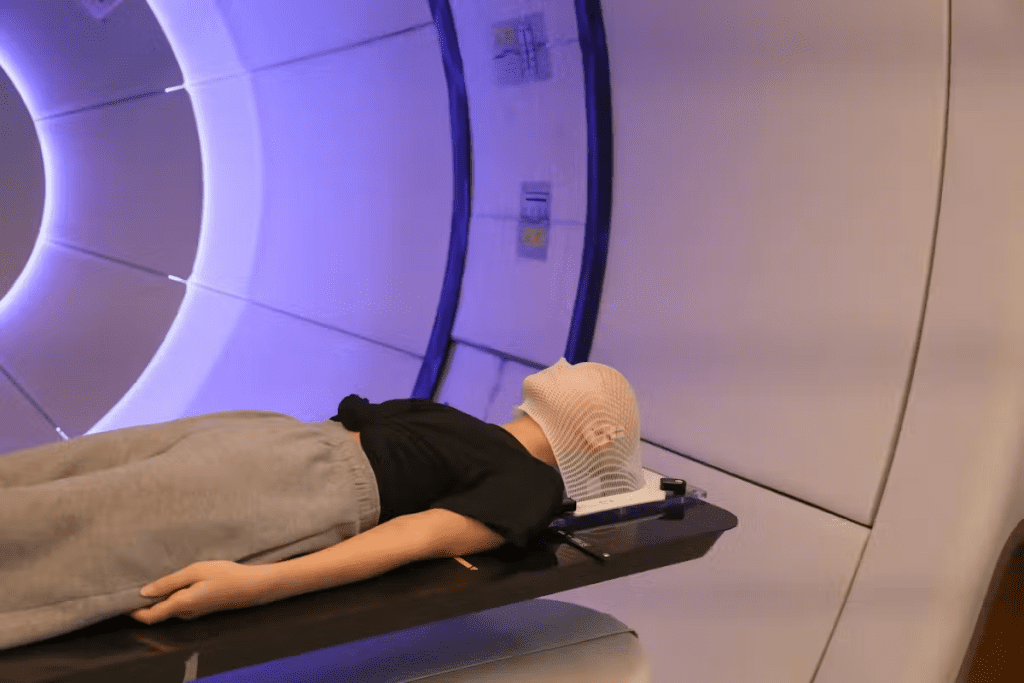
Next, a simulation and mapping process happens. This uses CT scans to find the tumor’s exact spot. The patient lies on a table, and special devices keep them steady during treatment.
The data from this step helps create a detailed map. This map guides the radiation therapy.
Treatment Schedule and Duration
The treatment schedule changes based on the case. Some get radiation daily, Monday to Friday, for weeks. Others might have a shorter treatment.
Each session is short, just a few minutes. But getting ready can take longer. The total treatment time depends on the cancer type, stage, and the patient’s health.
What to Expect During Sessions
During treatment, patients lie on a table. Radiation comes from different angles to hit the tumor right. It’s painless, but side effects can happen. These depend on the dose and area treated.
“Radiation therapy is a local treatment, meaning it only affects the area being treated. Most people are able to continue their normal activities during treatment, though they might need to adjust their lifestyle a bit.”
It’s important for patients to ask questions and share any concerns or side effects. This helps ensure the best results.
Radiation Therapy for Rectal Cancer vs. Colon Cancer
It’s important to know how radiation therapy works for rectal and colon cancer. Both are types of colorectal cancer, but they need different treatments. This is because of their different locations and how they work in the body.
Anatomical Differences and Treatment Approaches
The rectum and colon are in different places and do different things. This affects how radiation therapy is given. The rectum is near the pelvis and has fewer natural barriers. So, it’s key to aim radiation carefully to avoid harming nearby tissues.
Rectal Cancer: For rectal cancer, treatment often includes radiation and chemotherapy. This combo helps shrink tumors before surgery. It makes it easier to remove the tumor and keep the sphincter working.
Colon Cancer: Radiation therapy is not as common for colon cancer. It’s used for tumors in specific spots or with certain traits that benefit from it.
Combined Modality Treatment Strategies
Both rectal and colon cancer often use combined modality treatment (CMT). CMT mixes radiation therapy with surgery and chemotherapy for better results.
In rectal cancer, CMT might include shrinking the tumor with chemoradiation before surgery. Then, surgery is done, and sometimes more chemotherapy is given to kill any cancer left.
For colon cancer, surgery is the main treatment. But, CMT might be used for stage II or III colon cancer. Here, chemotherapy is often given after surgery. Radiation therapy is considered for high-risk cases.
Choosing the right treatment depends on many things. These include the cancer’s stage, the patient’s health, and the tumor’s traits.
Side Effects of Radiation Treatment for Colon Cancer
Radiation treatment for colon cancer is effective but can cause side effects. These side effects can affect a patient’s life quality during and after treatment.
Short-term Side Effects
Short-term side effects happen during or right after treatment. Common ones include:
- Fatigue, or feeling extremely tired
- Skin reactions, such as redness or irritation
- Nausea and vomiting
- Diarrhea or changes in bowel habits
- Abdominal pain or cramping
Managing these side effects is key to keeping quality of life. For example, changing what you eat can help with nausea and diarrhea.
Long-term Side Effects
Long-term side effects can last months to years after treatment. These may include:
- Chronic bowel problems, such as persistent diarrhea
- Infertility or sexual dysfunction
- Increased risk of secondary cancers
- Fatigue that persists over time
It’s important for patients to talk to their healthcare provider about these long-term effects. This helps understand the risks and benefits of radiation treatment for colon cancer.
Managing Radiation Side Effects
Managing radiation side effects requires medical help and lifestyle changes. Medications can help with symptoms like nausea and diarrhea. Eating a bland diet or avoiding certain foods can also help.
Staying healthy, including regular exercise and enough rest, can also help. Patients should work with their healthcare team to create a plan for managing side effects.
Comparing Radiation and Chemotherapy
Radiation therapy and chemotherapy are key treatments for colon cancer. They fight cancer in different ways and have unique side effects.
Difference Between Chemotherapy and Radiation
Chemotherapy uses drugs to kill cancer cells all over the body. It’s great for cancers that have spread. Radiation therapy, on the other hand, targets cancer in a specific area with high-energy rays. It’s often used before or after surgery to kill any remaining cancer cells.
“The choice between chemotherapy and radiation therapy depends on the stage of colon cancer, the patient’s overall health, and other factors,” says a renowned oncologist. This shows how important personalized treatment plans are in cancer care.
Hair Loss and Other Physical Effects
Chemotherapy can cause hair loss because it affects cells that grow fast, like hair follicles. Other side effects include nausea, fatigue, and a higher risk of infections. Radiation therapy can also cause side effects like skin irritation, fatigue, and bowel changes, depending on where it’s used.
When Each Treatment is Preferred
The choice between radiation therapy and chemotherapy depends on several factors. These include the cancer’s stage and location, and the patient’s health. For early-stage colon cancer, surgery might be the main treatment, with radiation or chemotherapy added later. For more advanced cases, chemotherapy is often preferred because it treats the whole body.
In conclusion, both radiation therapy and chemotherapy are essential in treating colon cancer. Knowing their differences and side effects helps patients make informed decisions about their care.
Radiation Therapy for Different Stages of Colon Cancer
Radiation therapy is a key treatment for colon cancer, used in different ways for each stage. It’s used more in early stages, stage 3, and for advanced and metastatic cases.
Early Stage Colon Cancer Treatment
In early colon cancer, radiation isn’t usually the first choice. Surgery is often the main treatment to remove the tumor and affected colon parts. Radiation might be used if the cancer is near the surgery area or if there’s a high chance of it coming back.
Doctors decide on radiation for early-stage cancer based on the tumor’s size, location, and the patient’s health.
Radiation for Stage 3 Colon Cancer
For stage 3 colon cancer, radiation is used as an adjuvant treatment after surgery. It aims to kill any cancer cells left behind to prevent recurrence. This is more common for cancers in the lower rectum or for those with high-risk features.
Using radiation with chemotherapy can make the treatment more effective. It helps control the disease and can improve survival chances.
Advanced and Metastatic Colon Cancer Approaches
In advanced or metastatic colon cancer, radiation is mainly for palliative care. The goal is to ease symptoms, improve quality of life, and manage pain.
Radiation can shrink tumors, relieve blockages, and stop bleeding. This makes patients more comfortable and functional.
By adjusting radiation therapy to the cancer’s stage and type, doctors can better treat patients. This approach improves treatment results and patient care.
Effectiveness and Outcomes of Radiation Therapy
It’s important for colon cancer patients to know about radiation therapy’s effectiveness. This treatment uses high-energy particles or waves to kill cancer cells. It’s a key part of cancer treatment, including colon cancer.
Success Rates and Survival Statistics
Success in treating colon cancer with radiation is shown through success rates and survival stats. Research shows radiation therapy helps control tumors and lowers recurrence risk. For example, a study found patients treated with radiation had better survival rates than those without it.
| Treatment Stage | 5-Year Survival Rate | Local Recurrence Rate |
| Early Stage | 80% | 10% |
| Advanced Stage | 50% | 30% |
Factors Affecting Treatment Success
Several things can affect how well radiation therapy works for colon cancer. These include the cancer’s stage, the patient’s health, and the radiation technique used. Newer radiation methods, like IMRT, can target tumors more precisely. This reduces harm to healthy tissues.
Key factors affecting treatment success include:
- Cancer Stage: Earlier stages of cancer tend to have better outcomes.
- Patient Health: Patients with fewer comorbidities generally have better survival rates.
- Radiation Technique: Advanced techniques like IMRT can improve local control and reduce side effects.
Understanding these factors helps doctors create better treatment plans. This can lead to better outcomes for patients.
Patient Experience and Preparation
When colon cancer patients start radiation therapy, knowing what to expect helps a lot. This treatment is complex and needs both medical skill and patient knowledge.
Preparing for Radiation Treatment
Getting ready for radiation treatment is important. Patients need to understand the process and how to handle side effects. This reduces anxiety and helps them stick to the treatment plan.
- Initial Consultation: The journey starts with a talk with a radiation oncologist. They discuss the treatment plan and answer questions.
- Simulation and Mapping: A simulation session maps the treatment area. This ensures the radiation goes exactly where it should.
- Treatment Schedule: Patients learn about the treatment schedule. This includes how often and how long each session will be.
Daily Life During Treatment
Trying to keep a normal routine helps patients deal with treatment. But, knowing about side effects and taking precautions is also key.
Here are some tips for daily life during treatment:
- Staying Hydrated: Drinking lots of water helps get rid of toxins.
- Nutrition: Eating a balanced diet that’s easy to digest is important. Avoid foods that might irritate the treatment area.
- Rest: Getting enough rest helps the body recover from treatment.
Emotional and Psychological Support
The emotional and psychological effects of radiation therapy are big. Patients might feel anxious, scared, or depressed. Having a strong support system is vital.
Support can be different things, like:
- Family and Friends: Having loved ones nearby offers emotional support and practical help.
- Support Groups: Joining a support group connects patients with others facing similar challenges.
- Professional Counseling: Mental health experts can help find ways to deal with treatment’s emotional side.
Being prepared and having the right support makes it easier to get through radiation treatment. This improves the patient’s experience and outcome.
Emerging Technologies in Radiation Oncology
Emerging technologies are changing radiation oncology. The field is growing, with big steps forward in treatment precision and results.
“The integration of new technologies in radiation therapy is revolutionizing cancer treatment,” says a leading radiation oncologist. “It’s exciting to see how these innovations are improving patient care.”
Advanced Imaging and Targeting Techniques
New imaging methods, like MRI and PET scans, are being used in radiation therapy. They help doctors aim radiation more accurately at tumors. This means they can give more radiation to the tumor while protecting healthy tissue.
Key advancements include:
- Image-guided radiation therapy (IGRT)
- Intensity-modulated radiation therapy (IMRT)
- Stereotactic body radiation therapy (SBRT)
These methods have greatly improved results for colon cancer patients.
Future Directions in Radiation Therapy
The future of radiation oncology is bright with ongoing innovation. Researchers are working on new ways to make treatments better and less harmful.
“The future of radiation therapy is bright, with ongoing research into proton therapy, FLASH therapy, and other cutting-edge technologies,” notes a radiation oncology researcher.
These new technologies are promising. They could make radiation therapy even more precise and effective for colon cancer patients.
Conclusion
Radiation treatment plays a key role in managing colon cancer. It offers benefits based on the cancer’s stage and type. We’ve looked at different treatment options, including radiation therapy, for various stages of colon cancer.
Effective treatment often combines radiation therapy with surgery and chemotherapy. Knowing about radiation treatment helps patients make better care choices.
Advances in radiation oncology have made treatments more effective. This shows how important it is to stay current with new treatment options. Radiation therapy is a big part of colon cancer management, leading to better results for patients.
FAQ
What is radiation treatment for colon cancer?
Radiation treatment for colon cancer uses high-energy rays to kill cancer cells. It can be used before surgery to shrink tumors. It can also be used after surgery to kill any remaining cancer cells or to relieve symptoms in advanced cases.
How does radiation therapy work?
Radiation therapy damages the DNA of cancer cells. This stops them from dividing and growing. It helps control the growth of the tumor by killing cancer cells.
What are the different types of radiation therapy used for colorectal cancer?
There are several types of radiation therapy for colorectal cancer. These include external beam radiation therapy (EBRT), internal radiation therapy (brachytherapy), and proton therapy. Each type is used in different scenarios.
What is the difference between chemotherapy and radiation therapy?
Chemotherapy uses drugs to kill cancer cells. Radiation therapy uses high-energy rays. Chemotherapy affects the whole body, while radiation therapy targets specific areas where cancer is present.
Do you lose your hair with radiotherapy?
Hair loss is not common with radiation therapy. It only happens if the treatment area includes the head or scalp. Radiation therapy is localized, so hair loss is limited to the treated area.
Is chemo the same as radiation?
No, chemotherapy and radiation therapy are not the same. Chemotherapy uses drugs to kill cancer cells. Radiation therapy uses high-energy rays.
What are the side effects of radiation treatment for colon cancer?
Side effects of radiation treatment for colon cancer include fatigue, skin irritation, diarrhea, and abdominal pain. These side effects vary based on the dose and location of the radiation therapy.
How is radiotherapy performed?
Radiotherapy starts with an initial consultation and planning session. Then, a simulation and mapping process target the tumor precisely. Treatment is delivered according to a plan, with the patient lying on a table while the radiation is administered.
Can you get chemo and radiation at the same time?
Yes, chemotherapy and radiation therapy can be given together. This is called chemoradiation. It is used in some cases to make treatment more effective.
What is the treatment for colon cancer?
Treatment for colon cancer includes surgery, chemotherapy, radiation therapy, or a combination of these. The choice depends on the cancer’s stage, location, and the patient’s health.
How long is radiation treatment for colon cancer?
Radiation treatment for colon cancer lasts from a few days to several weeks. It depends on the cancer’s stage, treatment goals, and whether it’s used alone or with other therapies.
What are the success rates and survival statistics for radiation therapy in colon cancer?
Success rates and survival statistics for radiation therapy in colon cancer vary. They depend on the cancer’s stage at diagnosis and the patient’s overall health. Radiation therapy can significantly improve outcomes when used correctly.
How does radiation therapy kill cancer cells?
Radiation therapy kills cancer cells by damaging their DNA. This prevents them from dividing and growing. It leads to the death of the cancer cells.
What are the emerging technologies in radiation oncology?
New technologies in radiation oncology include advanced imaging and targeting techniques. Examples are intensity-modulated radiation therapy (IMRT) and proton therapy. These allow for more precise radiation delivery, reducing damage to healthy tissues.
Reference
American Cancer Society. (2023). Radiation Therapy for Colorectal Cancer. Retrieved from https://www.cancer.org/cancer/types/colon-rectal-cancer/treating/radiation-therapy.html