Last Updated on November 13, 2025 by
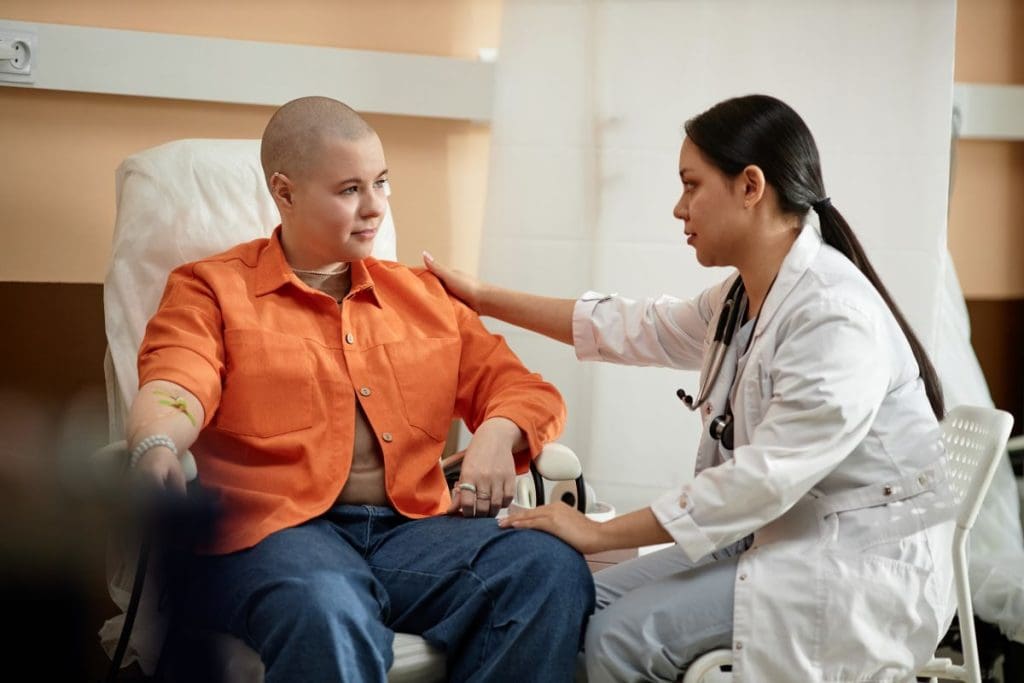
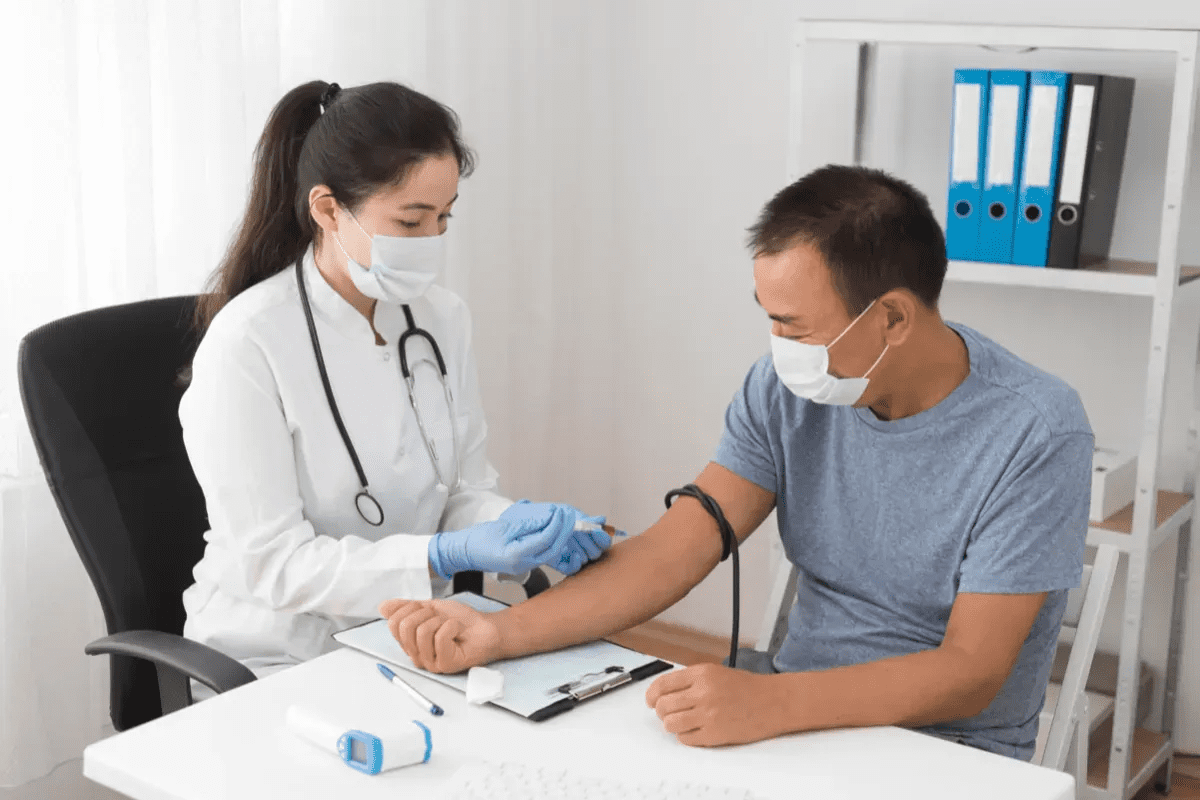
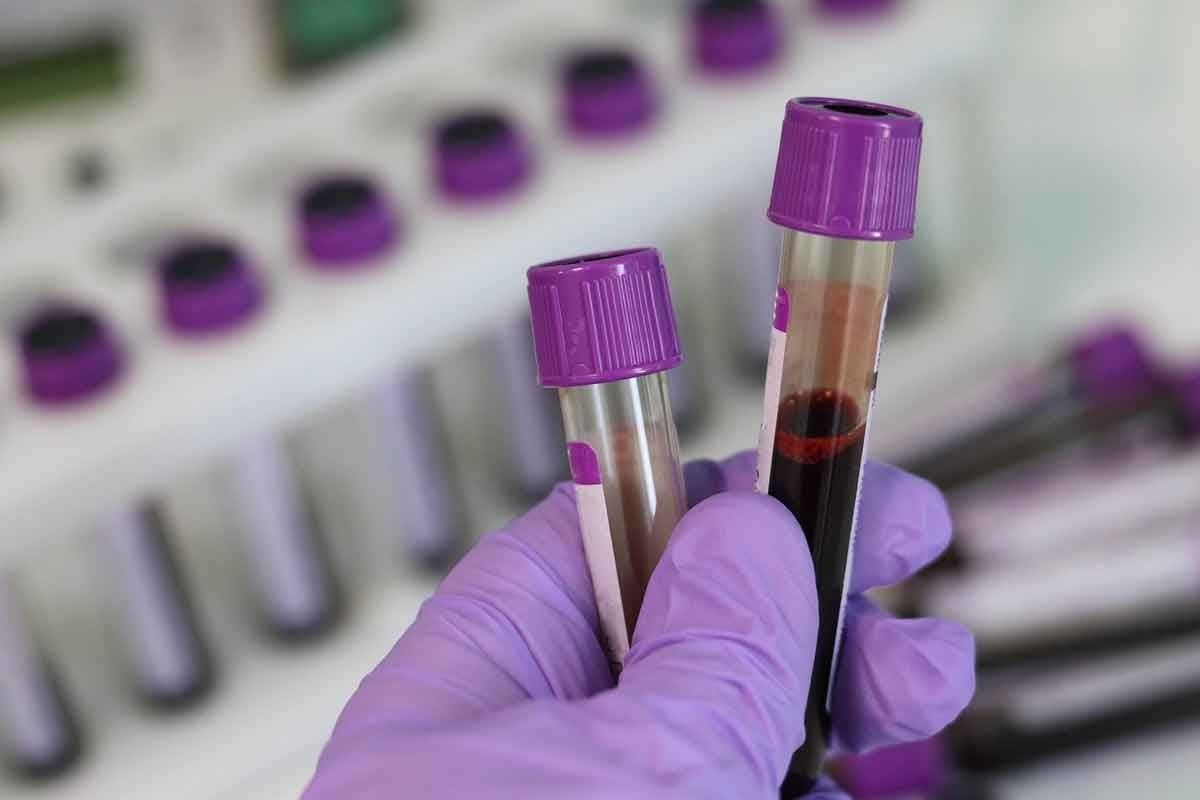
Getting a cancer diagnosis changes your life. You start your journey as a cancer survivor at this point. We admire your bravery and are here to support you every step of the way.
The National Cancer Institute says a survivor is anyone with cancer from diagnosis to the end of their life. Being a survivor isn’t just about treatment or disease stage. It’s about the care and support you get along the way.
At Liv Hospital, we aim to give top-notch healthcare and support to patients worldwide. We’re here to help you stay well for life after cancer.
Key Takeaways
- Cancer survivorship begins at the moment of diagnosis.
- Comprehensive care is key throughout the journey.
- Leading hospitals like LIV Hospital support lifelong well-being after cancer.
- The definition of a survivor covers the whole journey, from diagnosis to the end of life.
- Receiving a cancer diagnosis takes courage and a strong support system.
The Definition of Cancer Survivorship
Cancer survivorship now includes anyone diagnosed with cancer, from the start. This new definition recognizes the ongoing challenges survivors face, not just during treatment.
The National Cancer Institute’s Official Definition
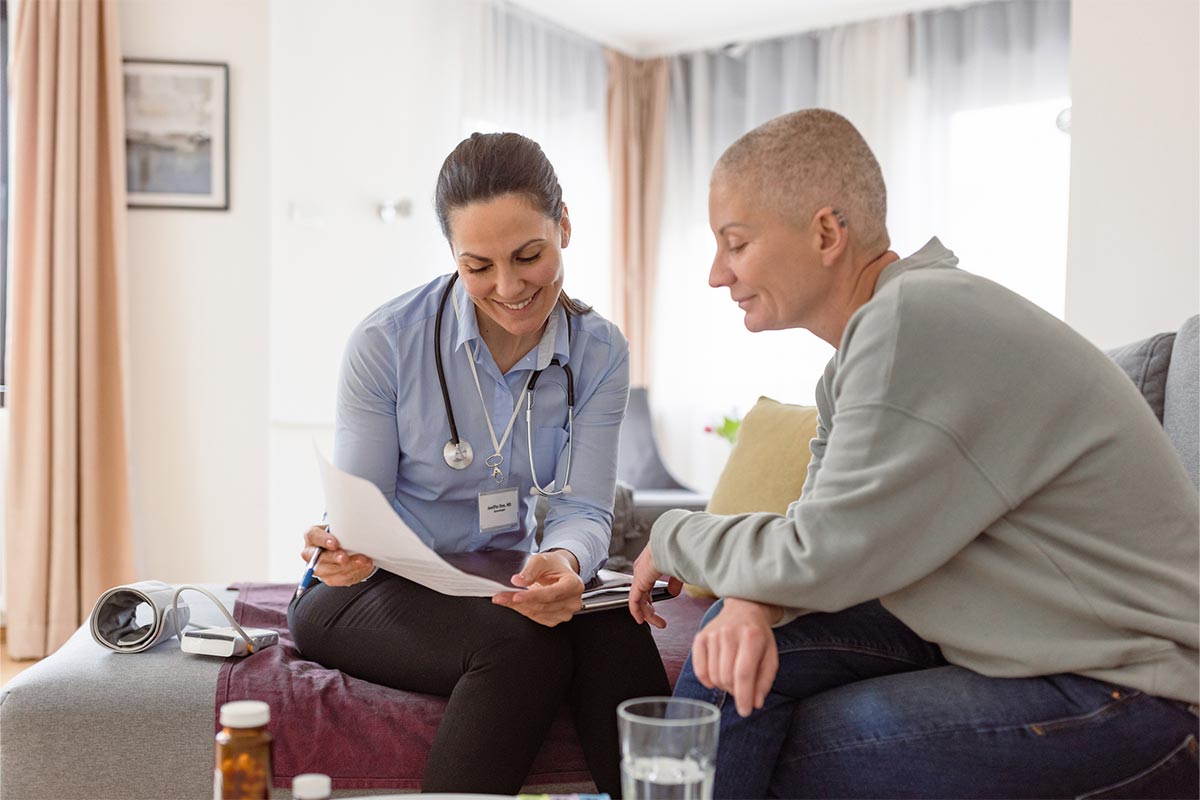
The National Cancer Institute says a survivor is anyone with cancer from diagnosis to the end of life. This wide view covers the whole journey, not just treatment. It includes care and support after treatment too.
“Survivorship begins at diagnosis and continues through the rest of a person’s life.” This shows the long-term care and support cancer survivors need.
When Survivorship Begins: From the Moment of Diagnosis
The National Cancer Institute and the American Cancer Society agree. They say anyone with cancer is a survivor, no matter the treatment stage. So, survivorship starts right when a diagnosis is made.
This understanding is key for patients and doctors. It shows the need for care that covers physical, emotional, and mental health.
By seeing cancer survivorship as broad, we can help those affected more. We can give them the care and support they need on their journey.
Understanding What It Means to Be a Cancer Survivor
Being a cancer survivor means looking at the emotional and mental sides of recovery. It changes a person’s life, affecting their identity, outlook, and health.
The Psychological Impact of the Survivor Label
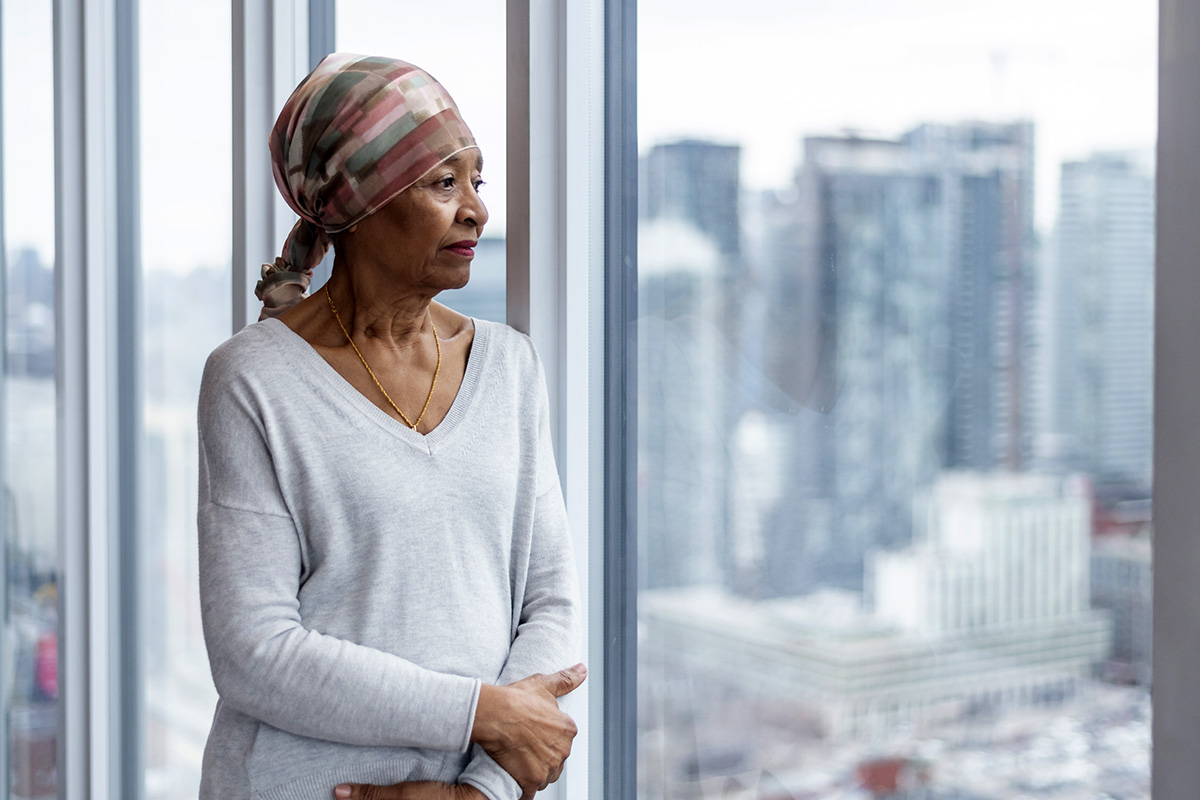
The word “survivor” can make people feel strong or scared. Research shows it can make some feel brave, but others worry about getting sick again.
We help survivors deal with these feelings. We offer support and resources to ease their mental journey.
Embracing Identity as a Survivor
Accepting the role of a cancer survivor is a big step towards healing. It means recognizing the impact of cancer on your life and finding ways to live with it.
This acceptance can give survivors a new purpose. They can use their experience to help others and raise awareness about cancer survivorship.
Cancer Survivor Statistics in the United States
The number of cancer survivors in the United States shows how far we’ve come in medical care. As we keep improving cancer treatment, more people are beating the disease.
Current Population: Over 18 Million Survivors
Right now, over 18 million people in the U.S. are cancer survivors. This big number shows we need better care for them. It’s not just about treating the cancer, but also making sure survivors live well.
Projected Growth to 22.1 Million by 2030
By 2030, we expect to see 22.1 million cancer survivors. This growth makes it even more critical to have good care plans. We aim to give top-notch healthcare to everyone, including international patients, to help them through their journey.
These numbers tell us we must keep improving cancer care and support. As more people survive, we need to offer services that meet their needs. We’re committed to caring for cancer survivors and helping them live well.
Cancer Remission vs. Survivorship
Cancer remission and survivorship are important in a patient’s journey. They are connected but have different meanings. It’s key for patients, caregivers, and doctors to know the difference.
Defining Remission in Cancer
Cancer remission means symptoms lessen or go away, thanks to treatment. There are different types of remission:
- Partial Remission: Tumour size or symptoms decrease, but not all go away.
- Complete Remission: All cancer symptoms and signs disappear.
Remission is a big win in cancer treatment. It shows the disease is being controlled. But it doesn’t mean the cancer is gone for good.
The Relationship Between Remission and Survivorship
Survivorship covers the whole time of living with cancer. It includes physical, emotional, and social challenges from diagnosis to the end of life.
Remission is about not having cancer symptoms. Survivorship is about the whole journey, including ongoing needs and experiences. It’s about managing treatment effects, staying healthy, and getting support after cancer.
“Survivorship is not just about the individual; it’s about the family, caregivers, and community that support them throughout their journey.”
Knowing the difference between remission and survivorship helps give better care. It meets the many needs of cancer survivors.
The Significance of the 5-Year Cancer-Free Milestone
Reaching five years without cancer coming back shows that the treatment worked well. It also shows the survivor’s strength. This milestone is important for both health and mental reasons, marking a key point in the journey of beating cancer.
The 5-year mark is a key point in cancer research and treatment success. It means the risk of cancer coming back goes down a lot. But, it doesn’t mean the survivor is completely cured.
Medical Importance of the 5-Year Mark
From a medical view, hitting the 5-year mark means treatment worked. It’s when the chance of cancer coming back starts to go down. For many cancers, it’s a big sign of long-term survival.
Key medical reasons for the importance of the 5-year milestone include:
- Reduced risk of recurrence
- Improved long-term survival rates
- Enhanced confidence in treatment efficacy
Statistical Significance in Cancer Research
In cancer research, the 5-year survival rate is a key measure. It shows how well treatments work and compares studies. It helps track progress in fighting cancer.
The statistical significance of the 5-year milestone lies in its ability to:
- Provide a common benchmark for comparing treatment outcomes
- Help in understanding the prognosis for different types of cancer
- Inform healthcare policies and guidelines for cancer treatment
Psychological Impact of Reaching Five Years
Reaching the 5-year cancer-free milestone has a big impact on survivors’ minds. It’s a time to celebrate, showing a big step towards getting better and living normally again. Survivors feel many emotions, from relief and joy to worry about the future.
For many, hitting this milestone brings hope and confidence back. It shows their strength and resilience against tough times.
Beyond the Patient: The Extended Cancer Survivor Community
Cancer affects not just the person diagnosed but also their family, caregivers, and friends. This forms a larger survivor community. It’s important to see the role of family, caregivers, and support networks as co-survivors. They face challenges and contribute greatly to the fight against cancer.
Family Members as Co-Survivors
Family members are key in supporting cancer patients. They offer emotional and practical help, making a big difference in the survivor’s journey. By seeing them as co-survivors, we acknowledge the big impact cancer has on their lives too.
Emotional Support: Family members help patients deal with the emotional side of cancer.
Practical Assistance: They help with daily tasks, like managing medication and household chores.
The Essential Role of Caregivers
Caregivers are essential for cancer patients’ well-being and recovery. They provide critical care and support, helping patients through treatment.
Caregiver Responsibilities: Caregivers manage medication, monitor health, and offer emotional support.
Challenges Faced by Caregivers: Caregivers often face stress, fatigue, and emotional strain. It’s important to recognize their role and support them.
Friends and Support Networks
Friends and support networks are also vital in the cancer journey. They offer emotional support, practical help, and a sense of community. This helps patients feel less alone during treatment.
- Emotional support and companionship
- Practical assistance, such as meal preparation and transportation
- A sense of normalcy and connection to the community
By recognizing the extended cancer survivor community, we can better meet their needs. This includes supporting not just patients but also their loved ones and caregivers.
Phases of the Cancer Survivor Journey
The journey of a cancer survivor is complex and multifaceted. It involves various phases that require different types of support and care. As individuals navigate their cancer diagnosis and treatment, they move through distinct stages. Each stage has its unique challenges and needs.
Acute Survivorship: During Active Treatment
Acute survivorship refers to the period during active cancer treatment. This phase is characterized by intense medical interventions, such as surgery, chemotherapy, or radiation therapy. Survivors face significant physical and emotional challenges during this time.
Support during acute survivorship is critical. It can significantly impact a survivor’s ability to adhere to their treatment plan and maintain their overall well-being. Healthcare providers play a vital role in guiding, managing symptoms, and providing emotional support during this critical phase.
Extended Survivorship: Post-Treatment Monitoring
Once active treatment is completed, individuals enter the extended survivorship phase. This phase involves regular monitoring and follow-up care. It is essential for detecting any recurrence or late effects of treatment.
During extended survivorship, survivors work closely with their healthcare team to develop a survivorship care plan. This plan outlines the necessary follow-up appointments, screenings, and interventions to ensure their continued health and well-being. It also addresses any lingering physical or emotional issues related to their cancer treatment.
Long-Term Survivorship: Living Beyond Cancer
Long-term survivorship refers to the period after the initial treatment and post-treatment monitoring phases have concluded. At this stage, individuals have transitioned back to their normal lives. They may require ongoing medical care and support to manage any long-term effects of their cancer treatment.
During long-term survivorship, individuals often focus on rebuilding their lives. They re-engage in activities they enjoy and re-establish their sense of identity and purpose. Healthcare providers continue to play a supportive role, guiding on maintaining a healthy lifestyle and managing any late effects.
Throughout these phases, the role of family, friends, and support networks is vital. They provide emotional support, practical assistance, and help survivors navigate the complexities of their cancer journey. By understanding the different phases of cancer survivorship, healthcare providers can offer more effective and personalized care. This ultimately enhances the quality of life for cancer survivors.
Comprehensive Survivorship Care Plans
A well-structured survivorship care plan is key for cancer survivors. It ensures they get the right medical follow-up and support. These plans are made just for them, helping them stay healthy and happy.
They tackle the special challenges cancer survivors face. This makes them a big part of the journey after treatment.
Essential Components of a Survivorship Care Plan
A good survivorship care plan has several important parts. Medical follow-up schedules are key to watching over the survivor’s health. They help spot any signs of cancer coming back or treatment side effects.
Prevention strategies are also a big part. They help survivors stay healthy by taking action themselves. Plus, these plans include health monitoring to keep an eye on how they’re doing.
Medical Follow-Up Schedules and Protocols
Medical follow-up is a big part of survivorship care. It makes sure any problems are caught and fixed early. Follow-up plans are made just for each person, based on their cancer type, treatment, and health.
These plans might include regular doctor visits, tests, and lab work. They all help keep a close eye on the survivor’s health.
Prevention Strategies and Health Monitoring
Prevention is a big part of survivorship care plans. They might suggest changes in diet and exercise. They also help manage treatment side effects.
Health monitoring tracks the survivor’s physical and emotional health. This lets doctors catch and treat problems early. By focusing on prevention and monitoring, these plans help survivors feel confident in their post-treatment life.
Comprehensive care plans give cancer survivors the support they need to thrive. We know how important these plans are for their health and well-being. We’re dedicated to providing top-notch, personalized care.
Managing Life as a Cancer Survivor
Surviving cancer is just the start. The real challenge is managing life after treatment. Survivors face many challenges, from physical health issues to emotional and social adjustments. We aim to offer full support to help them overcome these hurdles and enhance their quality.
Physical Health Considerations and Late Effects
Managing physical health is key after cancer. Survivors may deal with late effects, like chronic pain and fatigue. Regular follow-up care is vital to catch and manage these issues early.
It’s important for survivors to work with their doctors to create a personalized care plan. This plan should include ways to handle late effects, like medication and lifestyle changes. Taking proactive steps can help survivors manage these effects and improve their health.
Emotional and Psychological Well-being
The emotional and psychological effects of cancer should not be ignored. Survivors often feel anxious, depressed, and worried about cancer coming back. Emotional support is essential during this time, coming from loved ones, friends, support groups, or mental health experts.
We advise survivors to seek the support they need. This could be through individual counselling or support groups. Sharing stories and connecting with others who’ve faced similar challenges can be very empowering. It helps survivors deal with their emotions.
Social Reintegration and Quality of Life Improvements
Social reintegration is also critical for survivors. Going back to work, rebuilding social connections, and finding new hobbies can greatly improve life quality. We support survivors in their journey to rejoin society, providing resources and guidance.
“The journey of a thousand miles begins with a single step.” – Lao Tzu
By taking small steps, survivors can find purpose and fulfillment again. We’re committed to helping survivors achieve this, giving them the tools and support to thrive after cancer.
Resources and Support Systems for Cancer Survivors
Cancer survivors need access to many resources and support systems. These help them deal with physical, emotional, and mental challenges. They are key to recovery.
National Organizations and Programs
National groups offer a lot of help to cancer survivors. They provide information, guidance, and support. Some top organizations are:
- The American Cancer Society has programs like support groups, counselling, and educational resources.
- The National Cancer Institute gives detailed info on cancer diagnosis, treatment, and survivorship.
- CancerCare is a group that offers free support services like counselling, education, and financial help.
These groups are very important for survivors. They give the support and info needed to face cancer.
Community Support Groups and Services
Community support groups help survivors connect with others who face similar challenges. They offer emotional support, advice, and a sense of community. Services include:
- Face-to-face groups, where survivors share experiences and get support.
- Online forums and groups make it easy to connect.
- Educational workshops and events, covering topics important for survivors.
These groups and services are vital. They help survivors feel part of their communities again and improve their lives.
Digital Resources and Telehealth Options
Digital health technologies have made more resources available to survivors. Digital tools include:
- Telehealth services allow remote medical consultations and support.
- Mobile apps help track health, manage symptoms, and find support.
- Online educational platforms, with courses and info on survivorship and health.
These digital tools and telehealth options make support more accessible. They ensure survivors get the care they need, whenever they need it.
Conclusion
Understanding cancer survivorship is key to top-notch healthcare for international patients. We must recognize the many needs of survivors. This way, we can help them live with dignity and a better quality of life.
Our goal is to offer outstanding healthcare services tailored to cancer survivors. We make sure they have the resources and support they need. This helps them smoothly return to their daily lives. Our care goes beyond just medical treatment, focusing on emotional and psychological health too.
We aim to improve the lives of those who have battled cancer. Our focus is on survivorship, support, and all-around care. We want to create a supportive space where survivors can thrive after their cancer fight.
FAQ
What is the definition of cancer survivorship?
Cancer survivorship is more than just treatment. It’s about facing physical, emotional, and social challenges after diagnosis.
When am I considered a cancer survivor?
You’re a cancer survivor from the moment you’re diagnosed. This starts your journey with cancer.
What is the difference between cancer remission and survivorship?
Remission means cancer symptoms are gone or lessened. Survivorship is about living with, through, and beyond cancer.
Why is achieving five years without cancer recurrence significant?
Five years without cancer is a big deal. It shows treatment worked, and the survivor is strong. It’s also important in cancer research.
Who are considered co-survivors in the context of cancer?
Family, caregivers, and support networks are co-survivors. They help the survivor and face their own challenges.
What are the phases of the cancer survivor journey?
The journey has phases. There’s acute survivorship during treatment, extended survivorship after, and long-term survivorship beyond cancer.
What is a comprehensive survivorship care plan?
It’s a plan for each survivor. It includes follow-ups, prevention, and health checks to keep survivors healthy.
How can cancer survivors manage their lives after diagnosis?
Survivors can manage by focusing on physical health, emotional well-being, and social reintegration. This improves their quality.
What resources are available for cancer survivors?
Survivors have many resources. There are national organizations, support groups, and digital tools to help them.
What is survivorship’s definition according to the National Cancer Institute?
The National Cancer Institute says survivorship is the whole journey from diagnosis. It includes all challenges faced after treatment.
What does it mean to be in remission for cancer?
Remission means symptoms are gone or less. But survivorship is about the whole experience of living with cancer.
How many people are cancer survivors in the United States?
Over 18 million people in the U.S. are cancer survivors. This number is expected to grow to 22.1 million by 2030.
References:
- National Cancer Institute. (n.d.). Definition of survivorship. NCI Dictionary of Cancer Terms. Retrieved from https://www.cancer.gov/about-cancer/diagnosis-staging