Last Updated on November 26, 2025 by Bilal Hasdemir
Did you know that PET scans are very useful but can miss some cancers? They might not catch cancers that are small, in hard-to-reach places, or don’t show up much on scans. This shows how important it is to know what PET scan for cancer can and can’t do.
At our place, we know how vital it is to give international patients the best care. We offer top-notch pet scan cancer detection and help patients understand their treatment choices. Knowing how PET scans work in finding cancer is key to making smart health decisions.
Key Takeaways
- PET scans have limitations in detecting certain cancers.
- The size, location, and metabolic activity of a tumor can affect its visibility on a PET scan.
- Comprehensive care includes advanced diagnostic services and personalized support.
- Understanding PET scan capabilities is essential for informed decision-making.
- International patients can access specialized care and support services.
Understanding PET Scans: Basic Principles and Functionality
Learning about PET scans is key for those facing cancer diagnosis and treatment. PET scans, or Positron Emission Tomography scans, are tools that show how the body works. They give insights into the body’s metabolic processes.
What is a PET Scan?
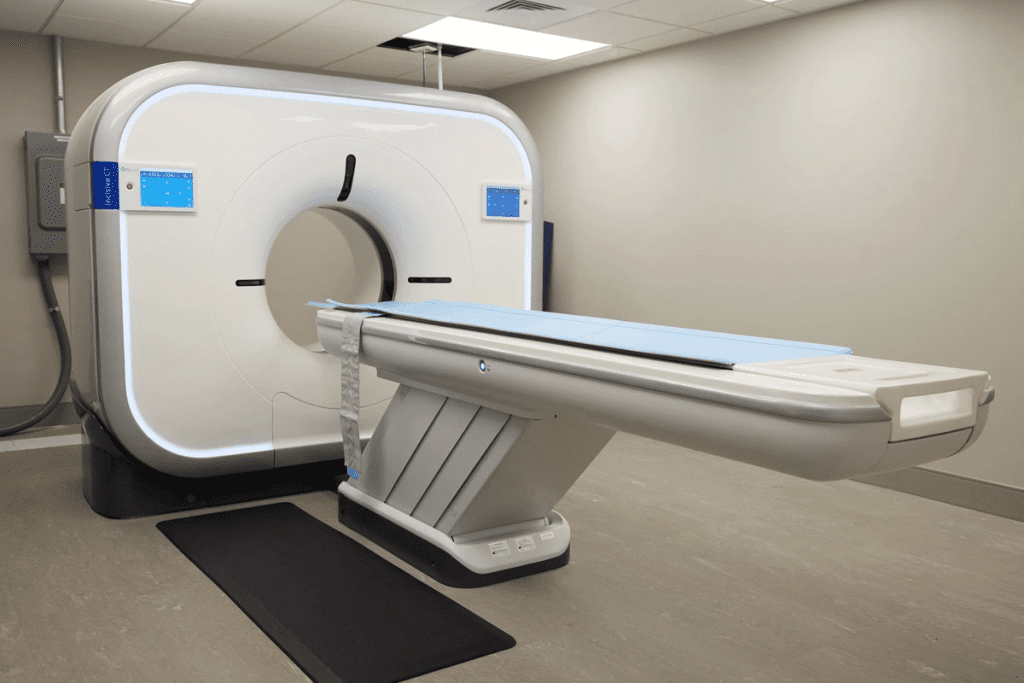
A PET scan is a test that uses a special sugar molecule to find diseases. It injects a small amount of radioactive tracer into the body. This tracer goes to areas with high activity, like growing cancer cells.
How PET Scans Work in Cancer Detection
PET scans are great for finding cancer because they spot areas with high activity. They use a tracer that cancer cells take up more of. This makes cancer cells show up on the scan.
Key benefits of PET scans in cancer detection include:
- Early detection of cancer
- Assessment of cancer spread (metastasis)
- Monitoring response to treatment
- Guiding biopsies and other treatments
The Science Behind Positron Emission Tomography
PET scans work by detecting positrons from the tracer. When positrons meet electrons, they create gamma rays. The PET scanner picks up these rays to make detailed images of the body.
“PET scans have revolutionized the field of oncology by providing a window into the metabolic processes of the body, enabling early detection and treatment of cancer.”
” An Oncologist
The table below shows the main differences between PET scans and CT scans.
| Characteristics | PET Scan | CT Scan |
| Primary Use | Metabolic activity detection | Anatomical imaging |
| Radiation Type | Positron emission (gamma rays) | X-rays |
| Cancer Detection | Excellent for metabolic activity | Good for anatomical detail |
The Role of PET Scans in Cancer Diagnosis and Staging
PET scans have changed how we find and understand cancer. They show how active tumors are, helping doctors diagnose and plan treatments better.
When Doctors Recommend PET Scans
Doctors use PET scans for many reasons. They help see how far cancer has spread, check if treatments are working, and find cancer that might come back. They’re very helpful in finding lung cancer and seeing if it has spread.
Benefits of PET Scans in Oncology
PET scans have many benefits in fighting cancer. They can spot cancer early, track how well treatments are working, and help plan surgeries. They’re great for cancers like melanoma and lymphoma, where knowing the cancer’s stage is key.
Here’s how PET scans compare to other imaging methods:
| Imaging Method | Primary Use | Advantages |
| PET Scan | Cancer diagnosis and staging | High sensitivity for detecting metabolic activity |
| CT Scan | Detailed anatomical images | Quick and widely available |
| MRI | Soft tissue imaging | High resolution for soft tissues |
PET Scan vs. Other Imaging Methods
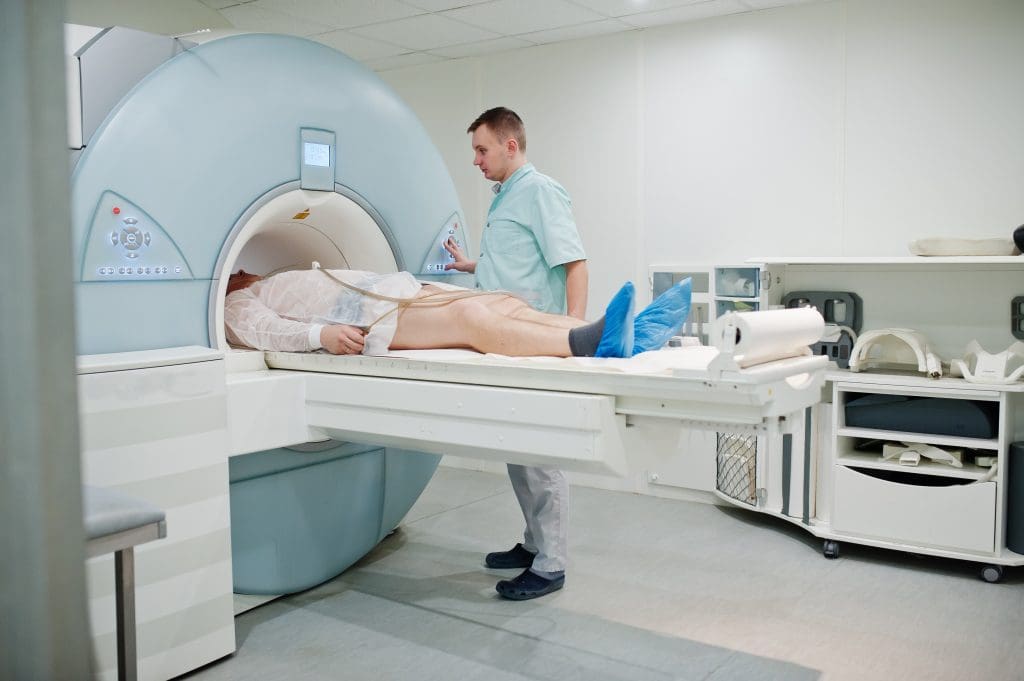
PET scans are great for some things, but other methods have their own benefits. CT scans give detailed body pictures, and MRI is best for soft tissues. The right choice depends on the cancer and the situation.
Knowing what PET scans can and can’t do helps doctors make better choices. As we learn more about cancer, PET scans will likely play an even bigger role in fighting it.
Cancers That Are Highly Detectable on PET Scans
PET scans have changed how we find cancer, showing high sensitivity for many cancers. They help us spot cancers early, which leads to better treatment results. Some cancers are easier to find with PET scans because of how they work.
Lung Cancer Detection Rates
Lung cancer is one cancer PET scans find very accurately. Studies show PET scans can spot lung cancer 85-95% of the time. This high rate is key for early treatment and planning.
Using PET/CT scans for lung cancer has made staging and restaging more accurate. Research shows PET and CT together give detailed info on tumor size and spread.
Lymphoma and PET Scan Accuracy
PET scans are very good at finding lymphoma, a cancer of the lymph system. They are 80-90% accurate in detecting lymphoma. We use PET scans to see how far lymphoma has spread and how well it’s responding to treatment.
A study found PET scans can spot lymphoma even when CT scans don’t show anything. This makes PET scans very important in managing lymphoma.
Colorectal Cancer Visibility
PET scans are also useful for colorectal cancer. They’re not used for screening but are great for finding cancer that has come back and checking for spread. Research shows PET scans are very good at finding cancer recurrence early.
| Cancer Type | PET Scan Sensitivity | Clinical Utility |
| Lung Cancer | 85-95% | Staging, restaging, and treatment planning |
| Lymphoma | 80-90% | Assessing disease extent and treatment response |
| Colorectal Cancer | 80-90% for recurrence | Detecting recurrence and metastasis |
Melanoma Detection Capabilities
PET scans also help find and stage melanoma, mainly in advanced cases. They’re not usually used for early melanoma but are good for finding distant spread. We find PET scans helpful in seeing how far melanoma has spread.
A study on melanoma detection with PET scans found they’re good at finding spread. This helps in planning treatment and improving patient outcomes.
Cancers That May Be Difficult to Detect on PET Scans
PET scans are very useful, but they can miss some cancers. This is because of how the cancer grows and its biology. Some cancers are hard to spot because of their size, how they use energy, and their unique growth patterns.
Low Metabolic Activity Cancers
Cancers that don’t use much energy are tough to see on PET scans. This is because they don’t take up enough of the tracer, Fluorodeoxyglucose (FDG). These tumors might show up as “less glow” on a scan. This is true for slow-growing tumors or those with different energy use.
Small Tumors Below Detection Threshold
PET scans can only see so much, and small tumors are often missed. Tumors smaller than a few millimeters are hard to spot. The technology of PET scans can’t always find very small, active tumors.
Specific Cancer Types with Lower Detection Rates
Some cancers are harder to find with PET scans. For example, neuroendocrine tumors and mucinous carcinomas might not show up well. This makes it important to use other imaging methods or special PET tracers for these cancers.
It’s key to understand what PET scans can and can’t do. We need to use different imaging methods and think carefully about each case. This helps make sure we find and treat cancers correctly.
Cancers That Cannot Be Reliably Detected on PET Scans
PET scans are very useful but have some limits. They can’t find all types of cancer. This is because some tumors are hard to spot with this technology.
Prostate Cancer Limitations
Prostate cancer is tricky for PET scans to find. They work best for bigger, more aggressive tumors. For smaller or less serious tumors, they might not be as good.
A study in the Journal of Nuclear Medicine found a problem. It said PET scans are not as good at finding prostate cancer as they could be. This is true for tumors that are not very aggressive.
Certain Brain Tumors
Some brain tumors are hard to see on PET scans. This is because they don’t take up much glucose. Low-grade gliomas are an example. They look too much like normal brain tissue.
“The role of PET in the management of brain tumors is complex and depends on the type and grade of the tumor.” – Expert in Neuro-Oncology
Mucinous Carcinomas
Mucinous carcinomas are hard to spot on PET scans. They have a lot of mucin and not many cells. This makes them hard to see.
| Cancer Type | PET Scan Detection Challenges |
| Prostate Cancer | Low sensitivity for early-stage or low-grade tumors |
| Certain Brain Tumors | Low metabolic activity in low-grade gliomas |
| Mucinous Carcinomas | Low cellularity and metabolic activity |
Neuroendocrine Tumors
Neuroendocrine tumors (NETs) can also be hard to find. But, Gallium-68 DOTATATE is helping. It works well for tumors that have somatostatin receptors.
It’s important to know these limits. This helps doctors and patients. It shows we need to use many ways to find and check cancer.
Factors Affecting PET Scan Accuracy in Cancer Detection
Many things can change how reliable PET scans are in finding cancer. Knowing about these factors is key for patients. It helps them get results they can trust.
Patient Preparation Impact
Getting ready for a PET scan is very important. Patients usually need to fast for hours before to keep blood sugar low. This helps the scan work better. It’s important to listen to what your doctor says about getting ready.
Drinking water is also important. It helps spread the special dye used in the scan. But, your doctor will tell you how much to drink before the scan.
Blood Glucose Levels and False Results
Blood sugar levels can mess with PET scan results, mainly for people with diabetes. High blood sugar can make tumors harder to find, leading to wrong results. People with diabetes should talk to their doctor about managing their blood sugar before the scan.
Timing of Scans After Treatment
When you have a PET scan after treatment can also matter. Scans done too soon after surgery, chemo, or radiation can show false positives. Doctors usually tell patients when it’s best to have a scan to avoid these problems.
Medication Interactions
Some medicines can mess with PET scan results. For example, some drugs can change how the dye works or affect blood sugar. It’s important to tell your doctor about all the medicines you take before the scan.
By knowing and dealing with these issues, patients can make sure their PET scans are as accurate as they can be. This helps doctors find and treat cancer more effectively.
PET Scan Limitations: Technical and Biological Constraints
It’s important to know the limits of PET scans for accurate diagnosis and treatment planning in oncology. PET scans give valuable insights into cancer metabolism. But, their effectiveness is affected by technical and biological factors.
Resolution Limitations
PET scans have limits in resolution that can miss small tumors or lesions. The resolution is usually 4-6 mm. This means small structures might not be seen clearly. This is a big issue when looking at small lymph nodes or tiny metastases.
To get around this, hybrid imaging like PET/CT or PET/MRI is used. These combinations help better locate PET findings and spot small lesions more easily.
Physiologic Uptake and False Positives
Physiologic uptake is normal metabolic activity in tissues and organs on PET scans. It can cause false positives, where non-cancerous processes look like cancer. Common areas of physiologic uptake include the brain, heart, and urinary tract.
Inflammation or infection can also show up as increased glucose metabolism, looking like cancer on PET scans. To avoid false positives, it’s key to match PET findings with clinical history and other imaging.
Inflammation vs. Cancer: Differentiation Challenges
One big challenge in reading PET scans is telling inflammation from cancer. Both can show increased metabolic activity, making it hard to tell them apart with just PET scans.
Advanced imaging and careful clinical correlation are needed to solve this problem. For example, using specific PET tracers that are less taken up by inflammatory cells can help improve accuracy.
| Limitation | Description | Potential Solution |
| Resolution Limitations | Inability to detect small tumors or lesions | Hybrid imaging (PET/CT, PET/MRI) |
| Physiologic Uptake | Normal metabolic activity mistaken for cancer | Correlation with clinical history and other imaging |
| Inflammation vs. Cancer | Difficulty differentiating between inflammatory and malignant processes | Advanced imaging techniques, specific PET tracers |
Pet Scans Near Me: Finding Quality Diagnostic Imaging Centers
Looking for PET scan locations can feel overwhelming. We’re here to help you find a reliable PET scan facility. It’s key for accurate diagnosis and treatment planning.
How to Locate Accredited PET Scan Facilities
For the best care, look for facilities accredited by the American College of Radiology (ACR). Ask your healthcare provider for recommendations or search online for ‘pet scans near me’ with your location.
When checking facilities, consider these points:
- Accreditation status
- Experience with PET scans
- Technology and equipment used
- Patient reviews and testimonials
Questions to Ask When Scheduling a PET Scan
Before your PET scan, ask important questions. Here are some key ones:
- What preparation is needed?
- How long will the scan take?
- Are there any additional procedures?
- How will I get my results?
A top oncologist, says, “Asking the right questions can greatly improve your diagnostic experience and ensure top care.”
“The quality of your PET scan depends on the facility’s expertise and equipment. Don’t hesitate to ask questions.”
Preparing for Your PET Scan Appointment
To have a smooth PET scan, follow these tips:
- Fasting or dietary restrictions
- Avoid certain medications or supplements
- Wear comfortable clothes and remove jewelry
- Arrive early to do paperwork
Being informed and prepared helps you find and use a PET scan facility confidently. Remember, your healthcare provider is a great resource for advice and recommendations.
PET/CT Combination: Improving Cancer Detection Accuracy
Using PET and CT together, known as PET/CT, has made cancer diagnosis better. This method combines PET’s functional info with CT’s anatomy. It gives a clearer picture of the disease.
Advantages of Hybrid Imaging
The PET/CT combo has many benefits. Improved diagnostic accuracy is a big plus. It helps doctors see where tumors are and how big they are.
It also enhances the ability to detect small tumors. By mixing PET’s metabolic info with CT’s anatomy, it spots tiny lesions that might be missed.
| Benefits of PET/CT | Description |
| Improved Diagnostic Accuracy | Correlates metabolic activity with precise anatomical locations |
| Enhanced Detection of Small Tumors | Combines metabolic and anatomical information to identify small lesions |
| Better Staging and Treatment Planning | Provides detailed info for accurate staging and treatment planning |
When PET/CT is Preferred Over PET Alone
PET/CT is best when you need to know exactly where something is, like in lung cancer staging. It helps tell the difference between cancer and other conditions, making diagnoses more accurate.
In pet ct lung cancer cases, it shows how active lung nodules are and where they are. This helps doctors plan treatments better.
Interpreting PET/CT Results
Understanding PET/CT results takes knowing both PET and CT well. Doctors look for high activity on PET scans and match it with CT’s images. The SUV (Standardized Uptake Value) is key in PET scans, showing how much tracer is in tumors.
PET/CT’s benefits are clear, and its role in fighting cancer keeps growing. As we learn more, we’ll see even better ways to find and treat cancer.
Alternative Imaging Methods for Cancers Not Visible on PET Scans
When PET scans can’t find some cancers, other imaging methods help. PET scans are great for finding and checking cancer, but they’re not perfect. So, we use other ways to make sure we get a full picture of a patient’s health.
MRI Applications in Cancer Detection
Magnetic Resonance Imaging (MRI) shows soft tissues very clearly. It’s great for finding cancers in the brain, spine, and prostate. Plus, MRI doesn’t use harmful radiation.
Key benefits of MRI in cancer detection include:
- Excellent soft tissue contrast
- No radiation exposure
- Ability to assess tumor extent and involvement with surrounding structures
Specialized CT Protocols
Computed Tomography (CT) scans use X-rays to make detailed images of the body. Special CT scans, like those with contrast, can spot cancers better. They show tumors more clearly than regular tissue.
Advantages of specialized CT protocols include:
- Rapid image acquisition
- High spatial resolution
- Ability to image a wide range of body parts
Ultrasound for Specific Cancer Types
Ultrasound uses sound waves to see inside the body. It’s good for looking at the thyroid gland and guiding biopsies. It’s also great for checking liver and breast cancer.
Ultrasound benefits:
- Non-invasive and painless
- No radiation exposure
- Real-time imaging capability
Emerging Imaging Technologies
New imaging tech is always coming out to help find and diagnose cancer better. New MRI methods and hybrid imaging are just a few examples. They aim to make cancer detection even more accurate.
Future directions in cancer imaging include:
- Integration of artificial intelligence in image analysis
- Development of new contrast agents for MRI and CT
- Advancements in molecular imaging techniques
Specialized PET Tracers for Difficult-to-Detect Cancers
Specialized PET tracers are changing how we find tumors that regular PET scans miss. They play a big role in making cancer diagnosis better, focusing on hard-to-spot cancers. This is a big step forward in cancer detection.
Beyond FDG: Alternative Radiopharmaceuticals
Fluorodeoxyglucose (FDG) is the top PET tracer, but it’s not perfect for all cancers. New tracers are being made to find specific cancer types better. For example, some cancers are hard to see on FDG scans, but new tracers can spot them.
There’s a move towards personalized medicine with these new PET tracers. They’re made to stick to certain proteins on cancer cells. This makes finding and understanding cancers more accurate.
PSMA PET for Prostate Cancer
PSMA PET is a big deal for prostate cancer. It uses tracers that find PSMA, a protein on prostate cancer cells. This lets doctors find prostate cancer even when it’s not showing up in blood tests.
| Characteristics | FDG PET | PSMA PET |
| Target | Glucose metabolism | PSMA expression |
| Sensitivity for Prostate Cancer | Variable | High |
| Specificity for Prostate Cancer | Low | High |
Gallium-68 DOTATATE for Neuroendocrine Tumors
Gallium-68 DOTATATE is made for finding neuroendocrine tumors (NETs). It looks for somatostatin receptors on NET cells. This has made diagnosing and planning treatment for NETs much better.
“The introduction of Gallium-68 DOTATATE PET/CT has revolutionized the management of neuroendocrine tumors, providing a highly sensitive and specific diagnostic tool.”
Future Directions in PET Tracer Development
New PET tracers are on the horizon, with research into more targets. These tracers aim to find a wider range of cancers. As we learn more about cancer, we’ll see even better PET tracers.
There’s also talk of using different tracers together. This could give a clearer picture of cancer. It might help doctors tailor treatments to each patient better.
Understanding PET Scan Results: Interpretation and Next Steps
Getting your PET scan results is a big step. It helps figure out what to do next in your treatment. You might wonder what the results mean and how they’ll affect your care.
Interpreting SUV Values
The Standardized Uptake Value (SUV) shows how active a tumor or area is. A higher SUV value usually means more aggressive cancer. But, many things can change SUV values, like the cancer type and blood sugar levels.
| SUV Value Range | Interpretation |
| Low (<2.5) | May indicate low metabolic activity or benign conditions |
| Moderate (2.5-5) | Could suggest moderate metabolic activity, potentially indicative of cancer |
| High (>5) | Often associated with high metabolic activity, potentially aggressive cancer |
When Negative Results Don’t Rule Out Cancer
A negative PET scan doesn’t always mean you’re cancer-free. Some cancers may not be detectable because they’re small or have low activity. PET scans are just one tool in diagnosing and staging cancer.
Follow-up Recommendations After Inconclusive Scans
If your PET scan is unclear, your doctor might suggest more tests. This could include more PET scans, MRI, or CT scans. They aim to get a clearer picture to help decide on treatment.
Discussing Results with Your Healthcare Provider
When talking about your PET scan results, come ready with questions. Ask about what your results mean, what to do next, and if more tests are needed. Open communication is key to understanding your diagnosis and treatment options.
Understanding your PET scan results and working with your healthcare team is important. It helps you make informed decisions and move forward in your cancer journey.
Conclusion: The Future of Cancer Detection Beyond PET Limitations
PET scans are key in finding and staging cancer. Yet, they have their limits, mainly in spotting some cancers. The future of cancer detection is bright, thanks to new imaging and diagnostic methods.
New technologies like hybrid imaging and special PET tracers are making cancer detection more precise. For example, PSMA PET for prostate cancer and Gallium-68 DOTATATE for neuroendocrine tumors are making a big difference. These advancements help in finding cancers that were hard to spot before.
As research keeps moving forward, we’ll see even more breakthroughs in cancer detection. Using artificial intelligence with imaging will likely make diagnoses more accurate and treatments more tailored. We’re dedicated to top-notch healthcare, embracing these new technologies to support patients fully.
FAQ
What is a PET scan, and how does it work?
A PET scan uses a special sugar molecule to find cancer and other diseases. It injects a tiny amount of radioactive material into the body. This material is then absorbed by cells.
What are the limitations of PET scans in detecting cancer?
PET scans can miss some cancers, like those with low activity or small tumors. They also can’t tell the difference between cancer and inflammation or infection.
Can PET scans detect all types of cancer?
No, PET scans can’t find all cancers. They’re not good for detecting prostate cancer, some brain tumors, mucinous carcinomas, or neuroendocrine tumors.
How accurate are PET scans in detecting cancer?
The accuracy of PET scans varies. It depends on the cancer type, disease stage, and scan quality. They’re very good at finding lung cancer and lymphoma.
What factors can affect the accuracy of PET scans?
Several things can impact PET scan accuracy. These include how well the patient prepares, blood sugar levels, scan timing after treatment, and medication effects. Proper preparation and careful consideration of these factors are key to getting accurate results.
Are there alternative imaging methods for detecting cancers that are not visible on PET scans?
Yes, methods like MRI, specialized CT scans, and ultrasound can find cancers PET scans miss. New imaging technologies are also being developed to improve detection.
What is the difference between a PET scan and a CT scan?
A PET scan shows how cells function, while a CT scan shows the body’s structure. PET/CT scans combine both, providing detailed information.
How do I prepare for a PET scan?
To prepare for a PET scan, you might need to fast, avoid certain meds, and follow your doctor’s instructions. It’s important to follow these steps carefully for accurate results.
How do I interpret PET scan results?
Understanding PET scan results involves knowing about SUV and other metrics. It’s best to discuss your results with your doctor to understand what they mean and what to do next.
Can PET scans be used to monitor treatment response?
Yes, PET scans can track how well treatment is working. They show changes in tumor activity over time. This helps doctors adjust treatment plans as needed.
Are PET scans safe?
PET scans are generally safe but involve some radiation. The benefits usually outweigh the risks. It’s important to talk to your doctor about any concerns.