Last Updated on November 26, 2025 by Bilal Hasdemir
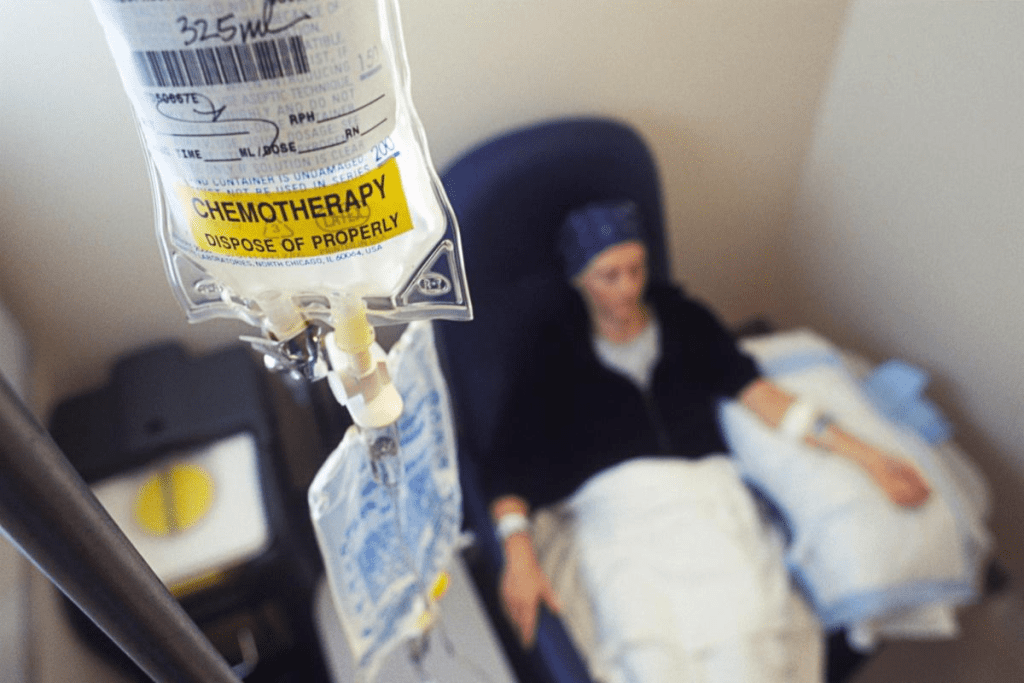
Nearly 40% of cancer patients face a high risk of cancer coming back. This makes it key to take preventive steps. Preventive chemotherapy, also known as adjuvant chemotherapy, is a proactive way to handle this risk, mainly for those with high-risk factors. Cancers treated with preventive chemo commonly include breast cancer, colon cancer, lung cancer, uterine cancer, and biliary tract cancers. This treatment uses chemotherapy drugs to eliminate any remaining microscopic cancer cells after primary treatments like surgery, significantly reducing the chances of recurrence. Knowing which cancers are treated with preventive chemo helps patients and doctors make informed choices about treatment plans and improves patient outcomes.
Key Takeaways
- Preventive chemotherapy is used to manage cancer risk.
- It is very helpful for people with high-risk factors.
- The goal is to stop cancer from coming back or starting.
- Certain cancers get a lot of benefit from this approach.
- Knowing how preventive chemotherapy works is key for managing cancer well.
Understanding Preventative Chemotherapy
Preventative chemotherapy is a key tool in the fight against cancer. It’s a proactive way to help those at high risk. It uses drugs to stop cancer before it starts, not after.
Definition and Purpose of Preventative Chemotherapy
Preventative chemotherapy is when drugs are given to those at high risk of cancer. The goal is to stop cancer from happening. This is for people with a high risk due to genes, environment, or other factors.
A study in the Journal of Clinical Oncology found it works. It shows a big drop in cancer risk for those at high risk.
“The prevention of cancer through chemotherapy is a rapidly evolving field, with significant potentia to reduce cancer incidence and mortality.”
Difference Between Preventative and Traditional Chemotherapy
Traditional chemotherapy treats cancer after it’s found. It tries to kill or slow cancer cells. Preventative chemotherapy is given to stop cancer before it starts. This shows the main difference between the two.
| Characteristics | Preventative Chemotherapy | Traditional Chemotherapy |
| Purpose | Prevent cancer in high-risk individuals | Treat existing cancer |
| Target Population | High-risk individuals without cancer | Patients diagnosed with cancer |
| Treatment Goal | Reduce cancer risk | Kill cancer cells or stop their growth |
The difference between these two shows how cancer treatment is changing. As research grows, so will the use of preventative chemotherapy. This brings hope for lowering cancer rates.
The Science Behind Preventative Chemotherapy
Preventative chemotherapy targets the root causes of cancer. It’s a proactive way to prevent cancer. This method is based on a deep understanding of cancer biology and how tumors form.
How Preventative Chemotherapy Works
Preventative chemotherapy finds and treats people at high risk of cancer. It uses chemotherapy drugs to stop cancer before it starts, not to treat it after it’s formed.
First, a detailed risk assessment is done. This includes genetic tests and looking at medical history. If someone is at high risk, a special chemotherapy plan is made. This plan is made just for that person to be effective and have fewer side effects.
Molecular Targets and Mechanisms
The success of preventative chemotherapy comes from its focus on cancer’s molecular roots. It targets specific ways cancer starts and grows. Key areas include:
- DNA repair mechanisms: Chemotherapy can hit faulty DNA repair paths that lead to cancer.
- Cell cycle regulators: It can adjust cell cycle regulators to stop cells from growing too much.
- Angiogenesis inhibitors: By stopping new blood vessel growth, it cuts off tumors’ food and oxygen supply.
Knowing these molecular targets and how they work is key to making good preventative chemotherapy plans. Research keeps finding new targets and improving treatments. This helps lower cancer rates in people at high risk.
Cancers Treated with Preventive Chemo: An Overview
Preventive chemotherapy is a key treatment for many cancers. It helps lower the risk of getting cancer. It’s very important for people at high risk because of their genes or other factors.
Common Cancer Types Eligible for Preventative Treatment
Many cancers can be treated with preventive chemotherapy. This includes breast cancer, colorectal cancer, and lung cancer. For example, people with a BRCA1 or BRCA2 gene mutation are at higher risk for breast and ovarian cancers. They might get preventive chemotherapy.
According to the
“Chemotherapy can be used to reduce the risk of cancer in people who are at high risk of developing the disease, such as those with a family history or genetic predisposition.”
Studies and guidelines support using preventive chemotherapy. It helps lower the number of new cancer cases.
Risk Assessment for Preventative Chemotherapy
Checking risk is key before starting preventive chemotherapy. Doctors look at genetic mutations, family history, and lifestyle factors. The Gail model for breast cancer risk assessment helps doctors figure out the risk.
This detailed check helps doctors find who will benefit most from preventive chemotherapy. It makes cancer prevention more personal.
Adjuvant Chemotherapy: A Key Preventative Strategy
Adjuvant chemotherapy is a big help in stopping cancer from coming back. It’s given after the main treatment, like surgery. This helps lower the chance of cancer returning.
Definition and Purpose of Adjuvant Therapy
Adjuvant therapy is extra treatment added to the main one. The main goal of adjuvant chemotherapy is to kill any cancer cells left after the main treatment. This makes it less likely for cancer to come back.
It’s very important for people at high risk of cancer coming back. Knowing about adjuvant therapy helps patients understand their treatment better.
Cancer Types Commonly Using Adjuvant Approaches
Many cancers use adjuvant chemotherapy in their treatment. These include:
- Breast Cancer
- Colorectal Cancer
- Lung Cancer
Whether to use adjuvant chemotherapy depends on several things. These include the cancer’s stage and type, and the patient’s health.
| Cancer Type | Common Adjuvant Chemotherapy Regimens |
| Breast Cancer | Anthracycline-based regimens, Taxane-based regimens |
| Colorectal Cancer | FOLFOX, FLOX |
| Lung Cancer | Platinum-based regimens |
Understanding adjuvant chemotherapy helps patients make better choices. It’s key to talk about the good and bad with a doctor.
Breast Cancer and Preventative Chemotherapy
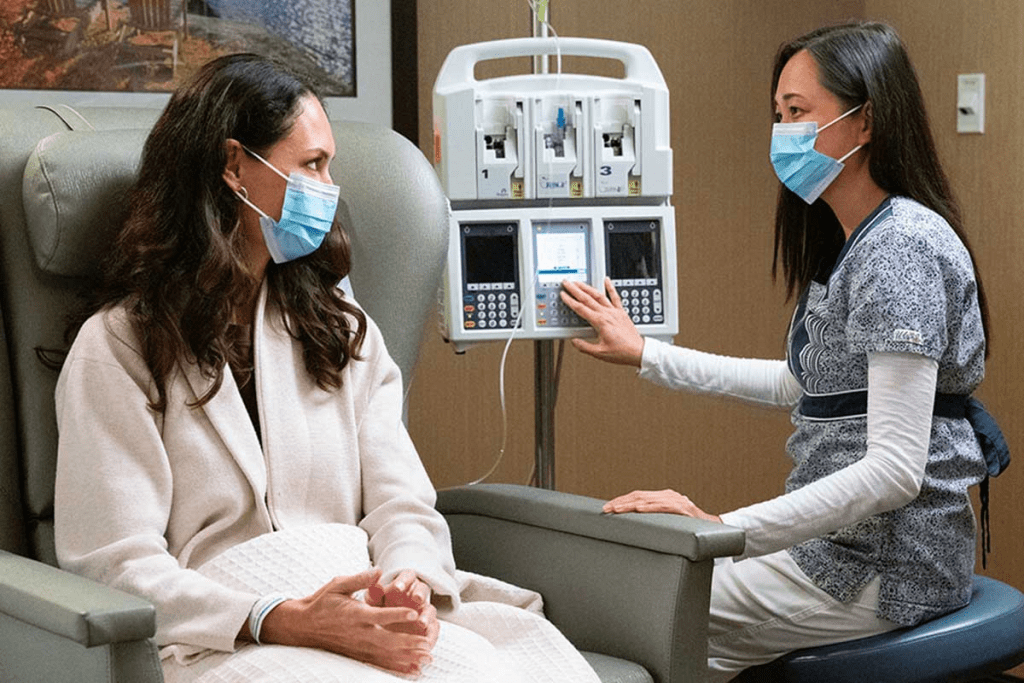
Preventative chemotherapy is key in fighting breast cancer, mainly for those at high risk. Women with BRCA1 and BRCA2 genes can greatly benefit from it.
High-Risk Breast Cancer Scenarios
Spotting high-risk breast cancer cases is vital for using preventative chemotherapy. High-risk factors include:
- Genetic mutations (BRCA1, BRCA2)
- Family history of breast cancer
- Previous breast cancer or non-cancerous breast conditions
Research shows that these risk factors can be lowered with preventative steps.
Preventative Protocols and Success Rates
Preventative chemotherapy plans differ based on risk and health. Success is seen in lower breast cancer rates in high-risk groups.
| Preventative Protocol | Success Rate | Study Findings |
| Selective Estrogen Receptor Modulators (SERMs) | 50% reduction in breast cancer incidence | A study in the Journal of the National Cancer Institute found SERMs cut breast cancer risk in high-risk women. |
| Aromatase Inhibitors (AIs) | Up to 65% reduction in breast cancer incidence | The Lancet reported AIs lowered breast cancer risk in postmenopausal high-risk women. |
A New England Journal of Medicine study found preventative chemotherapy cuts breast cancer risk in high-risk women. It’s a hopeful strategy for cancer prevention.
“Preventative chemotherapy has changed how we prevent breast cancer. It offers new ways to lower risk in high-risk groups.”
Adding preventative chemotherapy to high-risk breast cancer plans is a big step forward. Knowing the protocols and success rates helps doctors and patients make better choices.
Colorectal Cancer Prevention Through Chemotherapy
Preventing colorectal cancer with chemotherapy means knowing the risks and how to screen for it. People with a family history or other risk factors can take steps to prevent it.
Risk Factors and Screening
Many things can raise your risk of getting colorectal cancer. These include genes, age, and lifestyle. Screening methods like colonoscopies are key to catching it early.
- Family history of colorectal cancer
- Genetic syndromes like Lynch syndrome
- Age over 50
- Lifestyle factors such as diet and physical activity
Regular screenings can spot polyps that could turn cancerous. Early detection makes treatment much more effective.
Preventative Strategies and Medications
For those at high risk, chemotherapy can be a preventive measure. Medications like aspirin and NSAIDs might help lower the risk of colorectal cancer.
Scientists are always looking for better ways to prevent colorectal cancer. They aim to find agents that can stop it in people at high risk.
- Aspirin and NSAIDs for chemoprevention
- Other possible chemopreventive agents being researched
Lung Cancer and Preventative Chemotherapy Approaches

Preventative chemotherapy for lung cancer is a growing field. It shows promise for those at high risk. Lung cancer is a major cause of death globally. Finding ways to prevent it is key.
High-Risk Populations
Some groups face a higher risk of lung cancer. These include long-term smokers, those exposed to asbestos or radon, and those with a family history. For these groups, early prevention can be very helpful.
The American Cancer Society says smokers are at the greatest risk. They suggest talking to a doctor about screening options.
“For individuals at high risk of lung cancer, preventative chemotherapy may offer a viable option to reduce their risk.”
Current Preventative Protocols
Today, we have ways to prevent lung cancer. These include low-dose CT scans and certain medications. These have been shown to lower lung cancer risk.
| Preventative Measure | Description | Target Population |
| Low-dose CT scans | Annual screening to detect lung cancer at an early stage | Individuals aged 50-74 with a 20-pack-year smoking history |
| Medications (e.g., retinoids) | Use of specific drugs to prevent lung cancer development | High-risk individuals, including those with a history of smoking |
Preventative chemotherapy is being tested in trials. Some studies show it might lower lung cancer risk in high-risk groups.
As research goes on, the role of preventative chemotherapy in lung cancer will grow. This offers hope for those at highest risk.
Blood Cancers: Leukemia and Lymphoma Preventative Strategies
Research into preventing leukemia and lymphoma is growing. These blood cancers are influenced by genetics, environment, and lifestyle. Knowing how to prevent them is key to reducing risk.
Childhood Leukemia Prevention
Childhood leukemia is the most common cancer in kids. To prevent it, we focus on avoiding risk factors and checking for genetic issues early. Some genetic conditions, like Down syndrome, raise the risk of leukemia. Early detection and monitoring are vital.
- Minimizing exposure to ionizing radiation
- Avoiding certain chemicals and pesticides
- Genetic counseling for families with a history of leukemia
Research suggests that a mother’s diet during pregnancy can affect a child’s leukemia risk. Eating more fruits and vegetables is advised. More research is needed to understand how diet impacts leukemia risk.
Adult Lymphoma Preventative Approaches
Adult lymphoma includes Hodgkin and non-Hodgkin types. Preventive steps for adults involve managing risk factors and possibly using preventive chemotherapy. Risk assessment is key to deciding on preventive measures.
“The identification of high-risk individuals and the development of targeted preventive strategies are critical in the fight against lymphoma.”
Some risk factors for adult lymphoma include:
- Age: Risk increases with age
- Immunosuppression: Weakened immune systems are more susceptible
- Infections: Certain infections, such as Epstein-Barr virus, are linked to lymphoma
For those at high risk, preventive chemotherapy might be an option. This method aims to lower lymphoma risk by targeting cancer cells early.
Gynecological Cancers: Preventative Chemotherapy Options
Preventive chemotherapy is playing a big role in fighting gynecological cancers. These cancers, like ovarian, cervical, and endometrial, are major health issues for women globally. For those at high risk, preventive chemotherapy is a hopeful solution.
Ovarian Cancer Prevention in High-Risk Women
Women with BRCA1 and BRCA2 mutations face a higher risk of ovarian cancer. For them, preventive chemotherapy might be an option. Studies suggest that some chemotherapy drugs can lower ovarian cancer risk.
Key Considerations for Ovarian Cancer Prevention:
- Genetic testing to identify high-risk mutations
- Risk assessment based on family history and other factors
- Discussion of preventive chemotherapy options with a healthcare provider
Cervical and Endometrial Cancer Preventative Approaches
Preventing cervical cancer mainly involves HPV vaccination and regular screenings. For those at high risk of endometrial cancer, treatments like chemotherapy might be suggested. Scientists are working hard to find the best ways to prevent these cancers.
Here’s a table that shows some chemotherapy options for preventing gynecological cancers:
| Cancer Type | Preventive Chemotherapy Options | Target Population |
| Ovarian Cancer | Risk-reducing chemotherapy | Women with BRCA1/2 mutations |
| Cervical Cancer | HPV vaccination, regular screening | General female population |
| Endometrial Cancer | Chemotherapy, hormonal therapy | Women with Lynch syndrome or other high-risk factors |
Preventive chemotherapy for gynecological cancers is a field that’s growing fast. New studies and trials are helping us learn more about preventing these cancers.
Rare Cancers Using Preventative Chemotherapy
Preventive chemotherapy is getting more attention for rare cancers like sarcomas and neuroendocrine tumors. People with certain genetic syndromes might find it helpful.
Sarcomas and Preventative Approaches
Sarcomas are rare cancers from mesenchymal cells. Some genetic conditions, like Li-Fraumeni syndrome, raise the risk. Preventive chemotherapy might help those at high risk.
- High-risk genetic syndromes: Li-Fraumeni syndrome, familial adenomatous polyposis
- Potential preventive chemotherapy agents: Doxorubicin, Ifosfamide
Neuroendocrine Tumors and Prevention
Neuroendocrine tumors (NETs) are rare and come from neuroendocrine cells. Surgery is the main treatment. But, preventive chemotherapy is being looked into for high-risk cases.
- Risk factors: Genetic syndromes like Multiple Endocrine Neoplasia Type 1 (MEN1)
- Potential preventive strategies: Targeted therapies, somatostatin analogs
Research on preventive chemotherapy for rare cancers is growing. Clinical trials are checking its safety and effectiveness for sarcomas and neuroendocrine tumors.
Side Effects and Risks of Preventative Chemotherapy
Preventative chemotherapy is a way to fight cancer before it starts. But, it’s important to know the risks and side effects. People thinking about this treatment need to understand the challenges they might face.
Common Side Effects
Preventative chemotherapy can cause many side effects. Some are quite serious. Here are a few common ones:
- Fatigue and weakness
- Nausea and vomiting
- Hair loss
- Increased risk of infections
Table: Common Side Effects of Preventative Chemotherapy
| Side Effect | Frequency | Management Strategies |
| Fatigue | High | Rest, exercise, nutritional support |
| Nausea and Vomiting | Moderate to High | Anti-nausea medication, dietary changes |
| Hair Loss | High | Counseling, scalp cooling |
Long-Term Health Considerations
Preventative chemotherapy can also affect your health in the long run. Some possible issues include:
- Increased risk of secondary cancers
- Cardiovascular problems
- Neurological issues
It’s key to know these risks when thinking about preventative chemotherapy. Talk to your doctor about your specific risks and any worries you have.
Patient Selection: Who Should Consider Preventative Chemotherapy
Genetic testing and medical history are key in deciding who should get preventative chemotherapy. This is most important for people at high risk of certain cancers.
Genetic Testing and Risk Assessment
Genetic tests can spot mutations that raise cancer risk, like BRCA1 and BRCA2 for breast and ovarian cancers. Those with these mutations might benefit from preventative chemotherapy.
Tools like the Gail model for breast cancer help figure out cancer risk. They look at family history, genetics, and other factors to see if preventative chemotherapy is needed.
| Risk Factor | Description | Relevance to Preventative Chemotherapy |
| Family History | Having first-degree relatives with certain cancers | Increases the likelihood of being recommended for preventative chemotherapy |
| Genetic Mutations | Presence of specific genetic mutations like BRCA1/2 | Strongly considered for preventative chemotherapy |
| Personal Medical History | Previous cancers or pre-cancerous conditions | May influence the decision to use preventative chemotherapy |
Medical History Considerations
A patient’s medical history is vital in choosing if they should get preventative chemotherapy. Past treatments, health conditions, and cancers are all looked at.
Key Considerations:
- Previous cancer treatments and their outcomes
- Existing health conditions that could affect treatment tolerance
- Family history and genetic predispositions
Doctors consider these factors to decide if preventative chemotherapy is right for each patient.
Future Directions in Cancer Prevention Through Chemotherapy
The future of cancer prevention is looking bright thanks to new ways of using chemotherapy. Our growing knowledge of cancer biology is opening up new paths for prevention. These paths promise to lower cancer rates and better outcomes for patients.
Emerging Research and Clinical Trials
New genetic tests and targeted therapies are leading to better prevention strategies. Clinical trials are testing different chemopreventive agents in people at high risk. For example, research is looking into selective estrogen receptor modulators (SERMs) to prevent breast cancer in high-risk women.
Research is also diving into the molecular reasons behind cancer. This is key for finding new targets for preventive chemotherapy. Trials are checking if COX-2 inhibitors and nonsteroidal anti-inflammatory drugs (NSAIDs) can stop colorectal cancer.
| Cancer Type | Preventive Strategy | Agent/Intervention |
| Breast Cancer | Risk Reduction | SERMs, Aromatase Inhibitors |
| Colorectal Cancer | Chemoprevention | COX-2 Inhibitors, NSAIDs |
| Lung Cancer | Smoking Cessation | Nicotine Replacement Therapy, Vaccines |
Personalized Prevention Strategies
The future of cancer prevention is in personalized medicine. Genetic tests can spot people at high risk of certain cancers. This lets us target prevention efforts more effectively.
Personalized prevention means tailoring plans based on your genes, medical history, and lifestyle. This makes prevention more effective and less likely to cause harm.
As research gets better, we’ll use new tech like artificial intelligence and genomics. This will make personalized prevention even more effective. The future of cancer prevention through chemotherapy is full of promise.
Conclusion: Making Informed Decisions About Preventative Chemotherapy
Preventative chemotherapy is a key tool in the battle against cancer. It helps lower the risk of cancer coming back or starting in people at high risk. We’ve looked at what it is, how it works, and which cancers it can prevent.
Deciding on preventative chemotherapy needs careful thought. You must know its good points and bad sides. It’s also important to think about other options. Always talk to doctors to figure out what’s best for you.
Knowing how preventative chemotherapy fights cancer helps you make smart choices. Your decision should be based on your risk, genes, and health history. This way, you can take charge of your cancer prevention journey.
In the end, the best way to prevent cancer is to make smart choices about preventative chemotherapy. This means staying up-to-date with research and tailoring prevention to your needs. By doing this, you can lower your cancer risk and improve your health.
FAQ
What is preventive chemotherapy, and how does it differ from traditional chemotherapy?
Preventive chemotherapy is a way to manage cancer risk before it starts. It uses chemotherapy to stop cancer from happening or coming back. This is different from traditional chemotherapy, which treats cancer that already exists.
What types of cancers are eligible for preventive chemotherapy?
Many cancers can be treated with preventive chemotherapy. These include breast, colorectal, lung, leukemia, lymphoma, and gynecological cancers. Even rare cancers like sarcomas and neuroendocrine tumors may be treated based on risk.
How does preventive chemotherapy work?
Preventive chemotherapy targets cancer development at the molecular level. This reduces the chance of cancer happening or coming back.
What are the benefits of preventive chemotherapy for high-risk individuals?
High-risk individuals can greatly lower their cancer risk with preventive chemotherapy. This is true for those with genetic mutations or a strong family history of cancer.
What are the common side effects of preventive chemotherapy?
Preventive chemotherapy can cause side effects like fatigue, nausea, hair loss, and a higher risk of infections. These effects can be significant.
How is risk assessment done for preventive chemotherapy?
Risk assessment involves looking at genetic testing, family history, and medical history. This helps figure out the chance of cancer happening or coming back.
Can preventive chemotherapy be used for primary cancer prevention?
Yes, it can be used to prevent cancer from starting in the first place. This is for people at high risk.
What is adjuvant chemotherapy, and how is it used in cancer prevention?
Adjuvant chemotherapy aims to lower cancer recurrence risk after initial treatment. It targets any hidden cancer cells.
Are there any emerging research or clinical trials on preventive chemotherapy?
Yes, research and trials are ongoing. They’re looking into new ways to prevent cancer, like personalized treatments and targeted therapies.
How do I determine if I should consider preventive chemotherapy?
Talk to your healthcare provider about your genetic testing, risk assessment, and medical history. They can help decide if preventive chemotherapy is right for you.
What are the future directions in cancer prevention through chemotherapy?
Future plans include better genetic testing, targeted therapies, and personalized prevention. These aim to make preventive chemotherapy safer and more effective.
Can preventive chemotherapy be used for rare cancers?
Yes, it may be considered for those with genetic syndromes leading to rare cancers. This includes sarcomas and neuroendocrine tumors.
What are the long-term health considerations for individuals undergoing preventive chemotherapy?
Long-term effects include risks of secondary cancers, heart problems, and other late effects. It’s important to discuss these with your healthcare provider.
Reference
- Li, N., et al. (2021). Chemoprevention in high-risk women with BRCA1 or BRCA2 mutations: opportunities and challenges. Frontiers in Oncology, 11, 650324. https://pubmed.ncbi.nlm.nih.gov/33815657/