Last Updated on December 3, 2025 by Bilal Hasdemir
Chemotherapy is a strong treatment that kills cancer cells, but it affects the body deeply, making it important to know what you cannot do while on chemo.
When you’re on chemo, your body is very stressed. Some activities or foods can make cancer symptoms worse. For example, trying to eat less calories can cause malnutrition. This weakens your body’s recovery power.
Key Takeaways
- Understanding chemotherapy’s effects is key for patients.
- Certain activities can make cancer symptoms worse during treatment.
- Choosing foods, like eating less, might not be good.
- Chemotherapy patients need to know their body’s limits.
- Malnutrition is a big risk during chemotherapy.
Understanding Chemotherapy and Its Effects on the Body
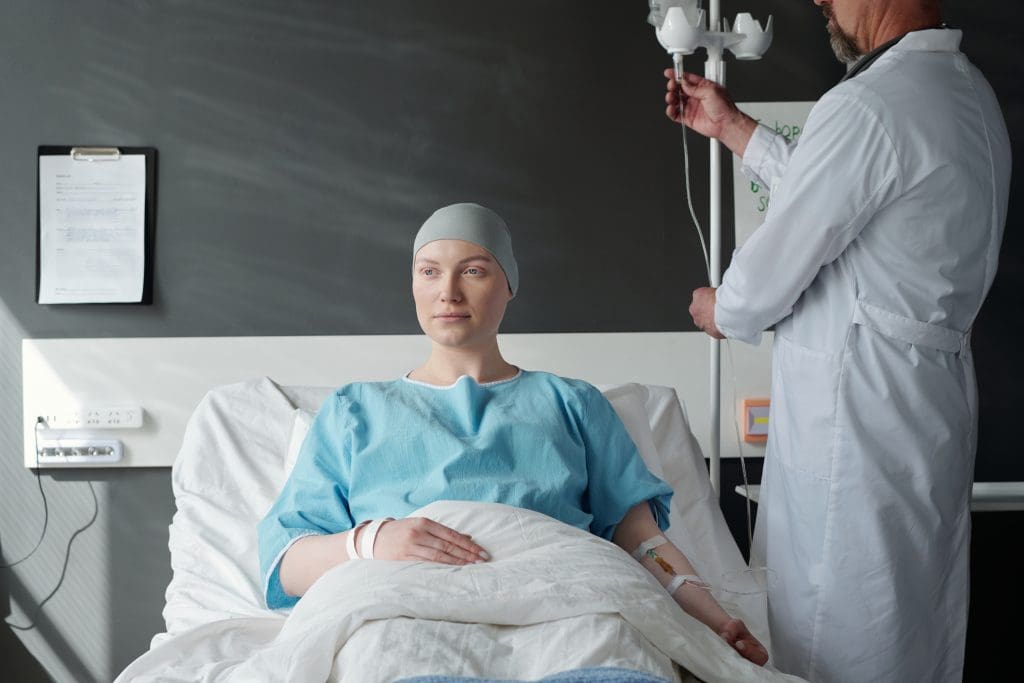
Chemotherapy targets cells that grow fast, like cancer cells and some healthy ones. This is why it fights cancer but also causes side effects.
To get the full picture of chemotherapy’s impact, we need to know how it works and its common side effects.
How Chemotherapy Works
Chemotherapy uses drugs to kill cells that grow quickly. Cancer cells grow fast, so chemotherapy hits them hard. But, it also harms healthy cells that grow fast, like in the bone marrow and hair follicles.
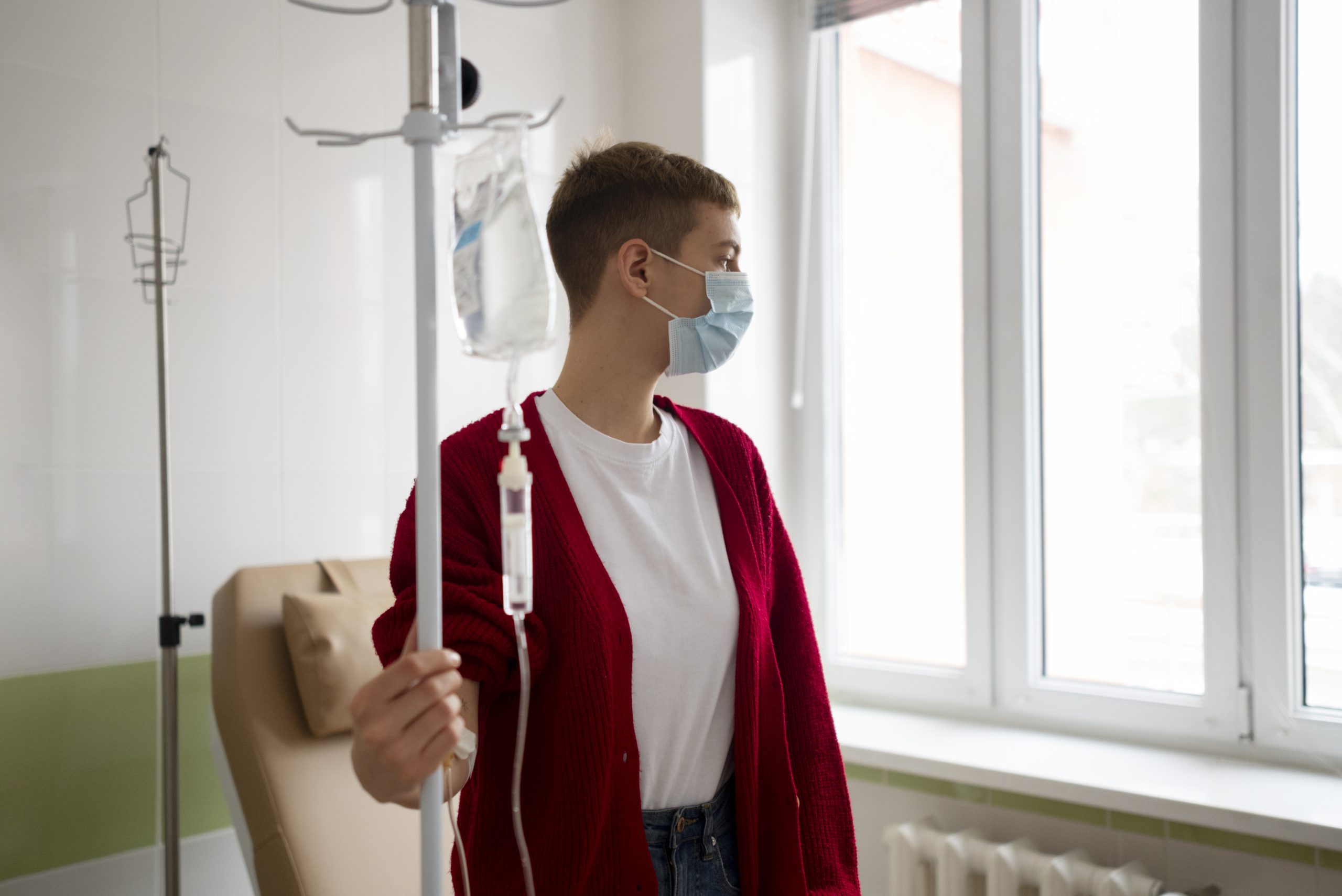
pick one or more drugs based on the cancer type, its stage, and the patient’s health. These drugs can be taken by mouth or given through an IV.
Common Side Effects of Chemotherapy
Chemotherapy side effects vary by drug, dose, and how a person reacts. Common ones include:
- Nausea and Vomiting: Happens because chemotherapy affects the digestive system.
- Hair Loss: Occurs because of chemotherapy’s effect on hair follicles.
- Fatigue: Results from chemotherapy’s impact on the bone marrow and body’s response.
- Increased Risk of Infection: Chemotherapy lowers white blood cells, making infections more likely.
Knowing these side effects helps manage them. For example, there are medicines for nausea and vomiting. Patients can also take steps to avoid infections.
| Side Effect | Cause | Management Strategy |
| Nausea and Vomiting | Effect on the digestive tract | Anti-nausea medication, dietary changes |
| Hair Loss | Impact on hair follicles | Counseling, scalp cooling |
| Fatigue | Effect on bone marrow and overall body response | Rest, exercise, nutritional support |
“The key to managing chemotherapy side effects is understanding their causes and being proactive in their management.”
” An Oncologist
Knowing how chemotherapy works and its side effects helps patients through their treatment. It’s a tough journey, but with the right info and support, people can face its challenges.
Dietary Restrictions During Chemotherapy
A well-planned diet is key for those going through chemotherapy. It helps lower the risk of infection and manage side effects. Chemotherapy weakens the immune system, making it easier to get sick from food.
Nutritional Considerations are vital for treatment success. Some foods can raise the risk of infection or make treatment harder. So, it’s important to stick to a carefully planned diet.
Foods to Avoid During Treatment
Patients should steer clear of foods that are high-risk or hard to digest. This includes foods high in sugar, salt, and unhealthy fats. Also, avoid raw or undercooked foods.
Staying away from these foods can lower the risk of problems. For example, a neutropenia diet is often suggested for those with low neutrophil counts. It focuses on cooked foods and avoids raw or undercooked items.
Raw and Undercooked Foods
Raw and undercooked foods are risky because they can have harmful bacteria like Salmonella or E. coli. Examples include:
- Raw eggs
- Undercooked meat, poultry, or seafood
- Unpasteurized dairy products or juices
Choosing cooked or pasteurized foods can greatly lower the risk of getting sick from food.
Managing Neutropenia Diet
A neutropenia diet aims to lower the risk of infection in those with weak immune systems. Key tips include:
- Cooking foods thoroughly
- Avoiding raw or undercooked foods
- Choosing pasteurized products
- Avoiding foods from salad bars or buffets where food may be left at room temperature for extended periods
Following these guidelines can help patients avoid infections and support their health during chemotherapy.
“A safe diet during chemotherapy not only helps in managing the treatment’s side effects but also plays a vital role in the patient’s recovery process,” says a registered dietitian specializing in oncology nutrition.
Managing Calorie Deficit and Nutrition Challenges
Nutrition challenges are common among chemotherapy patients. It’s key to manage calorie deficit. Chemotherapy can lead to unwanted weight loss and other issues.
Preventing Unwanted Weight Loss
It’s important to prevent unwanted weight loss during chemotherapy. Eating high-calorie foods that are also nutritious is helpful. Nuts, dried fruits, and avocados are good choices because they’re full of calories and vitamins.
Eating smaller, more frequent meals can help manage nausea and keep energy up. Adding beef tallow or other healthy fats to meals can boost calorie intake without losing nutritional value.
| Food Type | Examples | Benefits |
| High-Calorie Snacks | Nuts, dried fruits, granola | Easy to consume, rich in calories and nutrients |
| Protein-Rich Foods | Eggs, lean meats, fish | Supports muscle mass, essential for overall health |
| Healthy Fats | Avocados, olive oil, beef tallow | Increases calorie intake, rich in nutrients |
Strategies for Maintaining Adequate Nutrition
Maintaining adequate nutrition during chemotherapy requires careful planning. Patients should aim for a balanced diet with foods from all groups. Drinking plenty of fluids is also key.
“A well-balanced diet is critical for patients undergoing chemotherapy. It helps manage side effects and supports overall health.”
Nutrition Expert
In some cases, nutritional supplements may be needed. Consulting with a healthcare provider or dietitian can help figure out the best approach.
Working with a Dietitian
Working with a dietitian offers personalized nutrition advice. They can create a meal plan that addresses calorie deficit and ensures adequate nutrition.
They can also provide guidance on managing side effects like nausea and diarrhea. By working with a healthcare team, patients can develop a plan to maintain nutritional health during chemotherapy.
Physical Activity Limitations
During chemotherapy, finding the right balance in exercise is key. Too much can be harmful. Yet, some activities can help manage side effects.
Exercise Restrictions and Recommendations
Before starting any exercise, talk to your . They will suggest what’s best for you based on your health and treatment. This includes the type and how hard you should exercise.
General guidelines for exercise during chemotherapy include:
- Start slow and gradually increase your workout intensity and time.
- Avoid high-impact activities that could cause injury or strain.
- Choose low-to-moderate intensity exercises like walking, yoga, or swimming.
- Rest when your body tells you to.
When to Avoid Strenuous Activities
There are times when you should avoid hard activities during chemotherapy. These include:
- If you’re too tired or weak to do daily tasks.
- When your blood counts are low (neutropenia, anemia, thrombocytopenia).
- If there’s a risk of bleeding or bruising.
- When you have a fever or infection.
In these cases, rest and recovery are more important to avoid problems.
Safe Exercise Options During Treatment
Some exercises are safe and good during chemotherapy. These include:
| Exercise Type | Benefits | Precautions |
| Gentle Yoga | Improves flexibility, reduces stress | Avoid poses that cause strain |
| Brisk Walking | Enhances cardiovascular health | Watch for signs of overexertion |
| Swimming | Low-impact, improves cardiovascular fitness | Avoid swimming in crowded or unsanitary pools |
| Lymphatic Drainage Massage | Helps reduce swelling, promotes relaxation | Should be performed by a licensed therapist |
Some patients also find red light therapy helpful in managing chemotherapy side effects.
Working with your healthcare team is vital. They can help create a personalized exercise plan. This plan will consider your unique needs and limitations during treatment.
Infection Risk Management
Managing the risk of infection is a big challenge during chemotherapy. Chemotherapy weakens the immune system by lowering white blood cell production. Neutrophils, key in fighting infections, are affected.
Avoiding Crowds and Sick People
To lower infection risk, stay away from crowded places and sick people. Avoid busy public transport, skip big events, and avoid those with infections.
- Avoid close contact with anyone who has a cold, flu, or other contagious illness.
- Consider postponing travel to areas with outbreaks of infectious diseases.
- Stay away from children who have recently been vaccinated with live vaccines.
Personal Hygiene Practices
Good personal hygiene is key to preventing infections. This includes:
- Frequent handwashing with soap and water, after using the bathroom and before eating.
- Using hand sanitizer when soap and water are not available.
- Showering or bathing daily to keep the body clean.
- Brushing and flossing teeth gently to prevent oral thrush and other mouth infections.
Recognizing Signs of Infection
Knowing the signs of infection is vital. Look out for:
- Fever or chills.
- Swollen lymph nodes, which can be a sign that the body is fighting an infection.
- Persistent cough or sore throat.
- Unusual vaginal discharge or itching.
- Redness, swelling, or pain around a wound or catheter site.
If you notice these symptoms, contact your healthcare provider right away for advice.
Sun Exposure and Skin Care Restrictions
When you’re going through chemotherapy, it’s key to know about sun risks. Some chemo drugs make your skin more sensitive to the sun. This is called photosensitivity.
Photosensitivity During Chemotherapy
Photosensitivity means your skin reacts badly to sunlight. It can lead to sunburn, blisters, or rashes. Some chemo drugs can make this worse. Knowing your meds and their skin effects is important.
Common chemotherapy drugs that may cause photosensitivity include:
- Certain antibiotics
- Antihistamines
- Some chemotherapy agents like dacarbazine and vinblastine
Recommended Skin Protection Measures
To keep your skin safe from the sun during chemo, follow these tips:
- Use a broad-spectrum sunscreen with a Sun Protection Factor (SPF) of at least 30.
- Wear protective clothing, including a wide-brimmed hat and long-sleeved shirts.
- Seek shade, specially during peak sun hours (10 am to 4 pm).
- Avoid artificial sources of UV radiation, such as tanning beds.
Managing Skin Changes and Reactions
Chemo can make your skin dry, itchy, or more prone to freckles. Here’s how to handle these issues:
- Moisturize your skin regularly, preferably with fragrance-free creams or lotions.
- Avoid harsh skin products that can strip your skin of its natural oils.
- Consider using products containing collagen peptides to help improve skin elasticity and hydration.
| Skin Care Tip | Benefit |
| Moisturizing regularly | Reduces dryness and itchiness |
| Avoiding harsh products | Preserves natural skin oils |
| Using collagen peptides | Improves skin elasticity and hydration |
By understanding sun risks and taking good care of your skin, you can avoid problems during chemo.
Alcohol and Tobacco Restrictions
Drinking alcohol and smoking tobacco can harm chemotherapy’s success. It’s key to know the risks. often tell patients to cut down or stop these habits to help their treatment work better and avoid problems.
Impact of Alcohol on Chemotherapy
Alcohol can mess with how well chemotherapy drugs work. It might make side effects worse. Drinking can also make dehydration worse, a big problem during treatment.
It’s best to avoid alcohol during chemotherapy to avoid these issues. If quitting is hard, try to drink less. Some might suggest safer drinks like kombucha, but always check with them first.
Smoking and Chemotherapy Interactions
Smoking can make it harder for the body to heal during chemotherapy. It can make some drugs less effective and raise the chance of infections and breathing problems. Smoking can also cause hypoxia, or low oxygen in tissues, making treatment harder.
“Smoking cessation is key for patients on chemotherapy to get the most from treatment and lower risks.”
Quitting smoking is a must for those on chemotherapy. There are many resources like counseling, support groups, and nicotine replacement therapy to help.
Alternative Coping Mechanisms
If quitting alcohol or smoking is tough, there are other ways to cope. Counseling and support groups can offer help and support. Meditation, yoga, and other relaxation methods can also help manage stress and cravings.
Staying active and having a strong support network can help a lot. It’s important to talk to your about the best ways to deal with chemotherapy’s challenges.
Medication and Supplement Restrictions
Patients on chemotherapy need to talk to their before taking any medication or supplement. Chemotherapy uses strong drugs that can mix badly with other substances. This can cause bad side effects or make the treatment less effective.
Over-the-Counter Medications to Avoid
Some over-the-counter (OTC) drugs can be risky during chemotherapy. For example, aspirin and ibuprofen can make bleeding more likely. Acetaminophen might be safer, but you should always check with a to avoid liver damage.
Supplements and Herbal Remedies Concerns
Popular supplements like chlorophyll, colostrum, and collagen are thought to be healthy. But, we don’t know how they react with chemotherapy. It’s very important to talk to a before taking them.
| Supplement | Potential Risk | Recommendation |
| Chlorophyll | Possible interaction with chemotherapy drugs | Consult healthcare provider |
| Colostrum | May affect immune system | Avoid during chemotherapy |
| Collagen | Potential for allergic reactions or interactions | Discuss with healthcare provider |
Medication Timing and Interactions
When you take medication and supplements during chemotherapy matters a lot. Some drugs shouldn’t be taken with chemotherapy to avoid bad reactions. A can help figure out the best times and warn about possible problems.
In short, managing medications and supplements during chemotherapy needs careful thought and a advice. This ensures your treatment is safe and works well.
Medical Procedures to Postpone During Treatment
It’s important for people getting chemotherapy to know which medical procedures to delay. Some procedures might need to wait until after treatment to avoid problems and make sure it works well.
Dental Work Considerations
Dental work, like cleanings and big treatments, might need to wait or change during chemotherapy. It’s key to talk to your oncologist and dentist about what’s best. Avoid dental work that could cause infection or bleeding.
“Patients undergoing chemotherapy should inform their dentist about their treatment schedule to plan dental care.”
Elective Surgeries
Elective surgeries, which aren’t urgent, should wait until after chemotherapy. This helps avoid complications like infection or slow healing, which are more common in chemotherapy patients.
- Talk about your chemotherapy plan with your surgeon.
- Plan elective surgeries for after your treatment is done.
Certain Diagnostic Tests
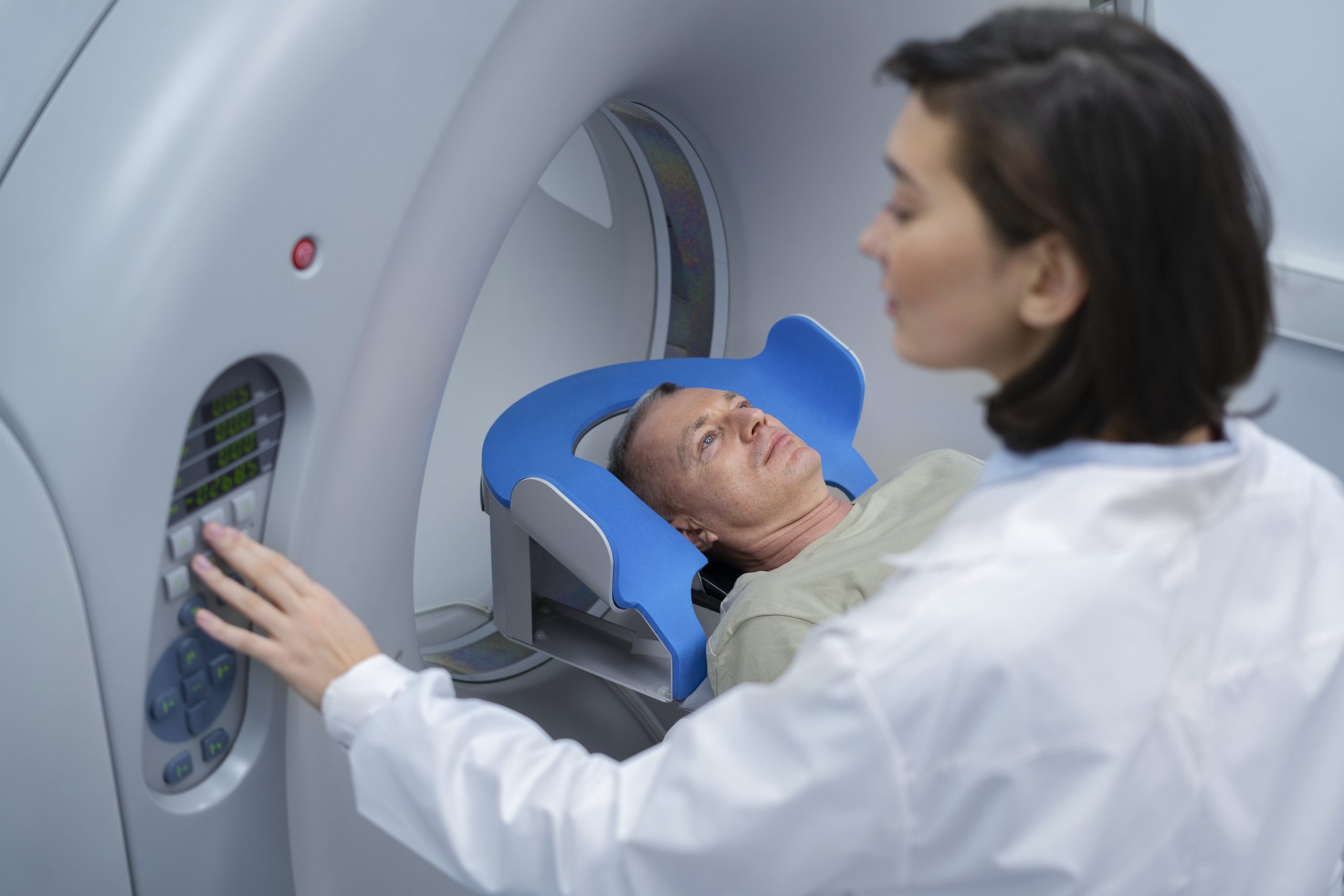
Some diagnostic tests might need to be rescheduled during chemotherapy. For example, a colonoscopy or Pap smear might wait unless it’s really needed. Also, imaging tests like a PET scan could be affected by chemotherapy, so plan their timing with your .
| Diagnostic Test | Considerations During Chemotherapy |
| Colonoscopy | May need to be postponed unless urgent. |
| Pap Smear | Should be discussed with your oncologist for timing. |
| PET Scan | Timing may be affected by chemotherapy treatment. |
In conclusion, managing medical procedures during chemotherapy needs careful planning and teamwork with your healthcare team. Knowing which procedures to delay helps avoid risks and ensures the best treatment results.
Work and Daily Activity Adjustments
Patients on chemotherapy must make big changes to their daily lives and work. The treatment is hard on the body and mind. It requires big changes in how we live and work to handle its effects well.
When to Take Time Off Work
Patients often wonder if they should keep working or take a break. The choice depends on the job, treatment stage, and how the body reacts. Jobs that are physically demanding or expose individuals to infections might require a break. It’s key to talk to your employer about medical leave options.
Taking a break can help manage chemotherapy side effects like tiredness, nausea, and hair loss. But, it’s also good to stay active to keep your body and mind strong.
Modifying Daily Routines
Changing daily routines is important to fit with chemotherapy’s effects. This might mean adjusting meal times, doing gentle exercises, and getting enough rest. Even simple tasks like shopping or cleaning might need to be planned around treatment days.
Listening to your body and resting when needed is important. Avoiding too much effort helps keep a sense of control and normalcy during treatment.
Communicating Needs to Employers
Talking to employers about your needs is key when working during chemotherapy. Being open about your situation can make your work environment more supportive. Employers might offer flexible hours, remote work, or adjust your job tasks.
Having a note about your treatment and needs can help. It makes talking to your employer easier and ensures both sides are understood.
Travel Restrictions During Chemotherapy
Traveling during chemotherapy is tricky. It can lead to health issues and the need for ongoing medical care.
Air Travel Considerations
Air travel is risky for those on chemotherapy. The air is dry, and air pressure changes can be uncomfortable. There’s also a chance of getting sick because of the closed space.
Before flying, talk to your . They can tell if it’s safe for you to travel. Consider your treatment stage, health, and risk of getting sick.
Also, check with the airline about any rules for people with medical conditions.
Planning for Medical Care While Away
Traveling with chemotherapy means planning for medical care. Look up local hospitals and at your destination. Have a plan for emergencies
Steps to take include:
- Find nearby hospitals or
- Carry your medical records and your healthcare team’s contact info
- Have emergency contact numbers ready
An oncologist says, “Never travel without medical care access. Be ready for anything.”
“Traveling with chemotherapy needs careful planning. Your health and safety should always come first.”
Travel insurance is key for chemotherapy patients. Not all policies cover pre-existing conditions. Always read the policy details.
| Aspect | Description | Importance |
| Pre-existing condition coverage | Covers conditions before the policy was bought | High |
| Medical evacuation coverage | Covers emergency medical transport | High |
| Trip cancellation or interruption | Covers if the trip is cancelled or interrupted for medical reasons | Medium |
Eating healthy is also important while traveling. Eat foods high in fiber and drink lots of water or electrolytes to manage chemotherapy side effects.
Lastly, keep an eye on your health. Use a BMI calculator to check your BMI and stay healthy.
Sexual Activity and Intimacy Considerations
Chemotherapy can change how people feel about sex and intimacy. It might make them less interested in sex or make it harder to do it. This is because of side effects like fatigue and pain.
Physical Limitations and Precautions
Chemotherapy can make you tired, hurt, and have other side effects. It’s important to talk to a about these issues. They can help find ways to keep intimacy alive.
Some people might need to be careful to avoid getting sick or hurt while being intimate. Using lubricants can help with dryness in the vagina, a common side effect.
Fertility Concerns During Treatment
Chemotherapy can affect fertility in both men and women. Talking to a about fertility before starting treatment is key. They can explain how chemotherapy might affect fertility and what options are available.
Women might face issues like early menopause due to chemotherapy. Men could see a drop in sperm count or quality.
Contraception Requirements
Using birth control during chemotherapy is often advised. Chemotherapy can harm a growing fetus, so it’s important to talk to a about birth control.
It’s also good to know how chemotherapy and hormonal birth control might interact. A can recommend the safest birth control options during treatment.
Household Chores and Pet Care Limitations
When you’re getting chemotherapy, it’s key to know how to handle household chores and pet care safely. Chemotherapy can make you feel weak and tired, making some tasks hard.
Avoiding Certain Cleaning Products
Some cleaning products have harsh chemicals that can irritate your skin or lungs, which might be more sensitive during chemotherapy. Choose gentle, fragrance-free cleaning products to lower risks. Also, wear gloves when cleaning to protect your skin.
Make a cleaning schedule to avoid getting too tired. Break tasks into smaller parts, and don’t be afraid to ask for help when you need it.
Pet Handling Precautions
Taking care of pets is a big job, and during chemotherapy, it’s important to be careful. Practice good hygiene by washing your hands often, mainly after touching pet waste or before eating.
If you have pets that need handling or cleaning up after, ask a family member or friend for help. This can reduce your risk of getting sick.
When to Ask for Help
It’s important to know when you need help with household chores or pet care. If you’re feeling tired, in pain, or have other symptoms that make tasks hard, ask for help.
| Task | Potential Risk | Precaution |
| Cleaning with harsh chemicals | Skin or respiratory irritation | Use gentle, fragrance-free products |
| Handling pet waste | Infection risk | Practice good hygiene, ask for help |
| Strenuous household chores | Fatigue, injury | Break tasks into smaller chunks, rest when needed |
By being aware of these limits and taking the right precautions, you can manage your daily tasks better during chemotherapy.
Mental Health Considerations and Stress Management
Going through chemotherapy is more than just fighting cancer. It’s also about keeping your mind healthy. Chemotherapy can really affect your mental health. So, managing stress and staying strong emotionally is key during this time.
Recognizing Emotional Limitations
It’s important for patients to know their emotional limits during chemotherapy. The treatment can lead to a lot of stress, anxiety, and depression. Recognizing these feelings is the first step to managing them well.
Healthy Coping Strategies
Using healthy coping strategies can greatly improve mental health during chemotherapy. Activities like meditation, deep breathing, and yoga can help reduce stress and anxiety. Doing things that bring joy can also be a great distraction from treatment challenges.
Keeping a healthy lifestyle, like eating well and exercising (if okay with your ), can also help your mental health. For those with conditions like lymphoma or sarcoidosis, knowing how symptoms affect mental health is important.
Support Groups and Resources
Support groups and resources are very important for mental health during chemotherapy. Connecting with others who understand can offer emotional support and a sense of community. Many organizations provide support groups, counseling, and educational materials for cancer patients.
For those facing stomach cancer symptoms or other cancer-related challenges, specific support groups can offer helpful advice and understanding. Using these resources can greatly help patients deal with the emotional side of chemotherapy.
Conclusion: Navigating Life During Chemotherapy
Life during chemotherapy can be tough. It’s important to know how it affects you and make changes to stay healthy. We’ve talked about diet, exercise, and managing risks during treatment.
Keeping a healthy weight and knowing about pancreatic cancer symptoms are key. Adding probiotics to your diet can also help with stomach issues from chemo.
Understanding how chemo affects your body helps you make better choices. This includes what you eat, how much you exercise, and more. By doing this, you can face cancer treatment better. This way, you can improve your life during and after chemo.
FAQ
What are the most common side effects of chemotherapy?
Common side effects include nausea, vomiting, and diarrhea. Also, constipation, fatigue, hair loss, and neutropenia are common. It’s important to manage these to keep quality of life high during treatment.
What foods should be avoided during chemotherapy?
Avoid raw or undercooked foods like raw eggs and unpasteurized dairy. This reduces infection risk. A neutropenia diet can also help.
How can I manage a calorie deficit during chemotherapy?
Eat nutrient-dense foods like protein, complex carbs, and healthy fats. A dietitian can help create a personalized plan.
Are there any exercise restrictions during chemotherapy?
Exercise is good, but some activities are off-limits. Avoid hard work if you’re tired or have low blood counts. Safe options like yoga or walking are better.
How can I reduce my risk of infection during chemotherapy?
Practice good hygiene like washing hands often. Avoid crowds and sick people. Watch for fever, chills, or cough and seek medical help.
How can I manage stress and mental health during chemotherapy?
Stress and mental health are key during treatment. Try meditation, support groups, and counseling. They help with emotional challenges.
How can I manage household chores and pet care during chemotherapy?
You might need to adjust your chores and pet care due to fatigue. Ask for help or hire services. This makes life easier.