Last Updated on November 25, 2025 by Ugurkan Demir

At Liv Hospital, we know how confusing abnormal heart rhythms can be. Both cardiac arrhythmia and dysrhythmia are about irregular heartbeats. Knowing the difference is key for the right treatment.
We will look at seven main differences between cardiac arrhythmia and dysrhythmia. We’ll give clear definitions and explanations. This will help you understand these complex heart issues better.
Our aim is to provide top-notch healthcare and support for patients from abroad. By explaining the differences between these two, we want to give you the knowledge to take care of your heart.
Key Takeaways
- Understanding the differences between cardiac arrhythmia and dysrhythmia is key for the right treatment.
- Both refer to irregular heartbeats caused by electrical impulse problems.
- Clear explanations help patients grasp these complex heart issues.
- Liv Hospital is dedicated to world-class healthcare and support for international patients.
- Knowing about heart health empowers patients to make smart choices.
The Basics of Heart Rhythm and Electrical Conduction

Discover the differences between cardiac arrhythmia vs dysrhythmia and how each affects heart rhythm. The heart works well because of its electrical system. This system makes sure the heart beats in sync and efficiently.
Normal Cardiac Conduction System
The heart’s electrical system starts with the sinus node, the heart’s natural pacemaker. The electrical signal then goes to the atrioventricular node. There, it waits a bit before reaching the ventricles.
This pause lets the atria fully contract before the ventricles start. This is key for the heart to work right.
How Electrical Impulses Control Heartbeats
Electrical impulses make the heart beat by making muscle cells contract and relax. As the signal moves through the heart, it makes the atria and then the ventricles contract. This pumps blood all over the body.
“The heart’s electrical system is a remarkable example of precision and coordination,” say cardiology experts. It’s vital for a normal heart rhythm.
Cardiac Arrhythmia vs Dysrhythmia: Terminology Explained
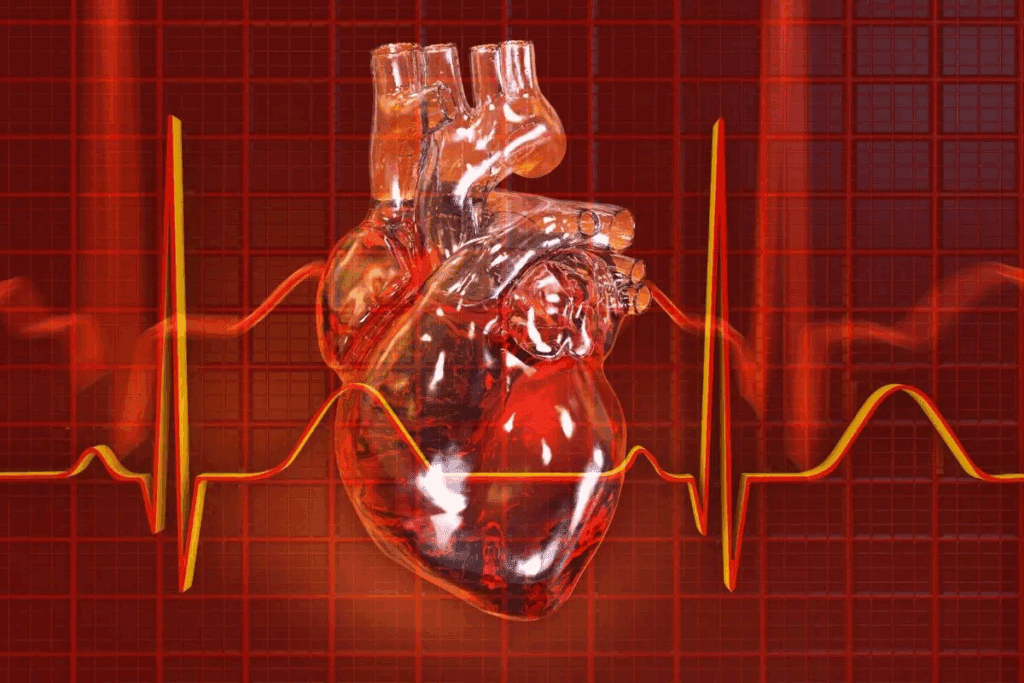
To understand the difference between arrhythmia and dysrhythmia, we need to look at their origins and how doctors use them today. Knowing these terms helps doctors and patients get the right diagnosis and treatment.
Etymology and Medical Definitions
The word “arrhythmia” comes from “a-” meaning “without” and “rhythm.” This means the heart doesn’t beat in a regular way. On the other hand, “dysrhythmia” comes from “dys-” meaning “abnormal” and “rhythm.” It points to an irregular or problematic heart rhythm.
Arrhythmia covers any heart rhythm that’s not normal, including irregularities and abnormal rates. Dysrhythmia is often used the same way but focuses more on the abnormal rhythm.
Both terms describe heart rhythm problems, like a heart beating too fast or too slow. But, doctors and medical texts usually use arrhythmia more often.
Historical Usage in Cardiology
For a long time, both terms have been used in cardiology to talk about heart rhythm issues. How we use these terms has changed over the years. This change is due to new medical studies, clinical practices, and regional preferences.
Current Clinical Terminology Preferences
Today, doctors tend to prefer the term arrhythmia when diagnosing and writing about heart rhythm problems. This preference is seen in the latest medical studies and guidelines.
Here’s a table to show how these terms are used:
| Term | Etymology | Medical Definition | Current Usage |
| Arrhythmia | “a-” meaning “without” | Any deviation from normal heart rhythm | Widely used in clinical practice and literature |
| Dysrhythmia | “dys-” meaning “abnormal” | Abnormal heart rhythm | Less commonly used; often in specific contexts |
In summary, while both terms describe heart rhythm issues, knowing their origins, meanings, and current use is key. It helps in clear communication and better care.
The 7 Key Differences Between Arrhythmia and Dysrhythmia
Understanding the differences between arrhythmia and dysrhythmia helps us grasp heart rhythm disorders better. Both terms describe abnormal heart rhythms, but they have slight differences in meaning and use.
Difference 1: Prefix Meanings (“A-” vs “Dys-“)
The prefix “a-” in arrhythmia means “without,” showing a lack of rhythm. On the other hand, “dys-” in dysrhythmia means “bad” or “abnormal,” showing an abnormal rhythm. This difference in prefixes changes how we see these terms in medicine.
Difference 2: Prevalence in Clinical Documentation
Arrhythmia is more often seen in medical records and studies. It appears more in journals and patient files than dysrhythmia. This makes arrhythmia more familiar to doctors and patients.
Difference 3: Regional and International Usage Patterns
How people use arrhythmia and dysrhythmia varies by region and country. In North America, “arrhythmia” is the go-to term. In Europe, both are used, but “arrhythmia” is slightly more common. Knowing these differences helps doctors talk clearly across borders.
Difference 4: Academic vs. Clinical Applications
In schools, both terms are used, but “arrhythmia” is more common in research. Doctors prefer “arrhythmia” in patient care because it’s widely accepted.
Looking into these differences helps us understand arrhythmia and dysrhythmia better. This knowledge improves how we diagnose and treat heart rhythm problems.
Common Types of Cardiac Rhythm Disorders
It’s important to know about the different cardiac rhythm disorders. These issues can really affect a person’s life quality. If not treated, they can cause serious problems.
Atrial Arrhythmias
Atrial arrhythmias happen in the heart’s upper chambers (atria). They include fibrillation, flutter, and tachycardia. Atrial fibrillation causes an irregular and fast heart rate. This can lead to blood clots and stroke risks.
Atrial flutter has a fast, regular rhythm. Atrial tachycardia is a fast heart rate starting in the atria.
Ventricular Dysrhythmias
Ventricular dysrhythmias are serious and start in the heart’s lower chambers (ventricles). Ventricular tachycardia is a fast heart rate. It can turn into ventricular fibrillation, where the heart doesn’t beat right, leading to cardiac arrest if not treated fast.
Bradyarrhythmias and Conduction Blocks
Bradyarrhythmias mean a slow heart rate. This is due to heart electrical system problems. Conduction blocks happen when there’s a delay or block in the electrical path between the atria and ventricles.
These can cause dizziness, fatigue, and fainting.
| Type of Arrhythmia | Description | Common Symptoms |
| Atrial Fibrillation | Irregular and often rapid heart rate | Palpitations, shortness of breath |
| Ventricular Tachycardia | Rapid heart rate originating in ventricles | Dizziness, chest pain, fainting |
| Bradyarrhythmias | Slow heart rate | Fatigue, dizziness, fainting |
Recognizing Symptoms of Abnormal Heart Rhythms
It’s key to know the signs of irregular heartbeats to keep your heart healthy. Abnormal heart rhythms, or arrhythmias, can show up in different ways. These can be from mild to severe symptoms.
Mild to Moderate Symptoms: Palpitations and Dizziness
Mild to moderate symptoms might include palpitations, which feel like your heart is beating irregularly or too hard. You might also feel dizziness or lightheaded. These feelings can be scary but might not mean a big problem. Yet, it’s important not to ignore them.
Severe Warning Signs Requiring Emergency Care
Severe symptoms that need quick medical help are chest pain, shortness of breath, and fainting. These signs can mean a serious condition and need emergency care right away.
Silent Arrhythmias: When Symptoms Are Absent
Some arrhythmias don’t show symptoms, or “silent,” making regular health checks very important. Below is a table that lists different symptoms:
| Symptom Category | Common Symptoms | Severity |
| Mild to Moderate | Palpitations, dizziness | Low to Moderate |
| Severe | Chest pain, shortness of breath, fainting | High |
| Silent Arrhythmias | No noticeable symptoms | Varies |
Knowing these symptoms can help people get the right medical care. This can stop serious problems from happening.
Diagnosing Heart Rhythm Abnormalities
Diagnosing arrhythmias needs advanced tools and techniques. It’s key to find the right treatment. Accurate diagnosis is essential.
Standard Diagnostic Tools: ECG and Holter Monitoring
ECGs and Holter monitoring are basic but important tools. An ECG shows the heart’s electrical activity at one time. Holter monitoring tracks it for 24 to 48 hours, catching irregular rhythms.
These tools help spot different heart rhythm problems.
Advanced Diagnostic Technologies
More advanced tools are also vital. Event monitors and implantable loop recorders track heart activity for longer. They catch events missed by shorter monitoring.
These tools improve how well we can diagnose.
The Role of Electrophysiology Studies
Electrophysiology studies (EPS) map the heart’s electrical paths. They pinpoint arrhythmia causes and guide treatments like catheter ablation. This method is key for complex cases.
Risk Factors and Causes of Arrhythmias and Dysrhythmias
Arrhythmias and dysrhythmias come from many sources. These include structural heart disease, congenital heart defects, and outside factors. Knowing what causes them helps doctors find the right treatments.
Structural Heart Disease and Congenital Factors
Heart problems and birth defects are big risks for arrhythmias and dysrhythmias. Issues like coronary artery disease and heart valve problems can mess with the heart’s electrical system. This leads to rhythm issues.
Heart defects at birth can also affect the heart’s structure and electrical system. This makes it more likely for arrhythmias to happen.
Lifestyle and Environmental Contributors
Lifestyle and environment play big roles in arrhythmias and dysrhythmias. Too much caffeine and alcohol, smoking, and stress can cause heart rhythm problems. Environmental toxins and pollutants can also raise the risk.
Medication-Induced Rhythm Disorders
Some medicines can cause arrhythmias and dysrhythmias as side effects. This includes some antiarrhythmic drugs and medications for mental health. It’s key for patients to tell their doctors about all their medicines to check for risks.
Treatment Approaches for Cardiac Rhythm Disorders
Cardiac rhythm disorders can be managed with a mix of medicines, procedures, and devices. These methods aim to fix the heart’s rhythm, ease symptoms, and boost life quality.
Pharmacological Management Strategies
Medicine is often the first step in treating heart rhythm problems. Antiarrhythmic medications help control heart rate or fix an abnormal rhythm. The right medicine depends on the arrhythmia type, its severity, and the patient’s health.
For example, beta-blockers slow the heart in tachycardia. Amiodarone keeps the rhythm normal in other cases.
Interventional Procedures: Ablation and Cardioversion
For those not helped by medicine, procedures are considered. Catheter ablation destroys the heart’s bad electrical paths. Cardioversion uses a shock to fix the rhythm.
These methods work well for arrhythmias like atrial fibrillation and supraventricular tachycardia.
Implantable Devices: Pacemakers and Defibrillators
Implantable devices are key for managing arrhythmias, mainly for those at risk. Pacemakers keep the heart rate up for bradyarrhythmias. Implantable cardioverter-defibrillators (ICDs) prevent sudden death by shocking the heart when needed.
These devices greatly improve survival and life quality for those with severe arrhythmias.
Healthcare providers tailor treatments to each patient. This approach effectively manages cardiac rhythm disorders, reducing symptoms and improving outcomes.
Potential Complications of Untreated Rhythm Disorders
Ignoring heart rhythm problems can lead to serious issues. Untreated arrhythmias and dysrhythmias can harm your health a lot. They can make your life quality drop and raise the risk of severe problems.
Stroke Risk and Prevention Strategies
Untreated atrial fibrillation, a common arrhythmia, can cause stroke. Blood can pool and clot in the heart, raising stroke risk. Anticoagulation therapy is key to prevent clots and stroke. We also suggest a healthy diet and exercise to manage stroke risk.
Heart Failure and Cardiomyopathy Development
Untreated rhythm disorders can cause heart failure and cardiomyopathy. Arrhythmias can weaken the heart, making it less efficient. This can lead to heart failure. Cardiomyopathy, a heart muscle disease, can also develop from chronic arrhythmias. Early treatment is vital to avoid these issues.
Sudden Cardiac Death: Risk Assessment and Prevention
Sudden cardiac death is a risk with untreated rhythm disorders. Arrhythmias like ventricular fibrillation and tachycardia can be deadly if not treated quickly. We highlight the need for risk assessment and prevention. This includes using implantable cardioverter-defibrillators (ICDs) for those at high risk.
In summary, untreated rhythm disorders can have severe and life-threatening complications. We emphasize the need for timely medical care and following treatment plans. This is to prevent these complications and improve patient outcomes.
Prevention Strategies and Lifestyle Management
We can lower the risk of arrhythmias with simple lifestyle changes. By choosing a heart-healthy lifestyle, we can boost our heart health. This helps prevent arrhythmias.
Heart-Healthy Diet and Exercise Recommendations
Eating a balanced diet is key for heart health. Include fruits, veggies, whole grains, and lean proteins. Also, regular exercise like walking, cycling, or swimming helps. It keeps your heart fit and lowers stress.
Stress Management and Sleep Quality
Stress can harm your heart. Use meditation, yoga, or deep breathing to manage stress. Also, getting enough sleep is important. Keep a regular sleep schedule and relax before bed.
Medication Adherence and Regular Monitoring
If you have arrhythmias, follow your medication plan. Also, see your doctor regularly. This ensures your treatment is working well for your heart health.
Liv Hospital’s Approach to Cardiac Rhythm Management
Liv Hospital leads in cardiac rhythm management with innovative tech and team care. We use the latest in diagnosis and treatment to give our patients the best care.
Advanced Diagnostic and Treatment Protocols
We use top technology to find and fix heart rhythm problems. Our modern facilities have the latest tools for accurate diagnosis and treatment.
Multidisciplinary Care Teams
Our teams include skilled cardiologists, electrophysiologists, and nurses. They work together to create a care plan that fits each patient’s needs.
Patient Education and Support Programs
We teach our patients how to manage their condition well. Our programs offer ongoing support and guidance, helping them through their treatment journey.
| Key Components | Description |
| Advanced Diagnostics | State-of-the-art equipment for precise diagnosis |
| Multidisciplinary Teams | Collaborative care from experienced cardiologists and nurses |
| Patient Education | Ongoing support and guidance for effective condition management |
Conclusion: Understanding the Importance of Proper Cardiac Care
Proper cardiac care is key to preventing and managing heart rhythm problems. Quick action and the right treatment can greatly help patients. Knowing the difference between arrhythmia and dysrhythmia is the first step to getting the right care.
At Liv Hospital, we stress the importance of heart health. Our teams use advanced methods to diagnose and treat heart issues. We believe in educating and supporting patients to manage their heart rhythm problems.
Getting the right cardiac care can lower the risk of serious problems. It can also improve a patient’s life quality. We aim to provide top-notch cardiac care to patients from around the world. We offer the support and treatment they need to manage their heart condition well.
FAQ
What is the difference between arrhythmia and dysrhythmia?
Both terms describe irregular heartbeats. “A-” in arrhythmia means without rhythm. “Dys-” in dysrhythmia means bad or abnormal rhythm. They are often used the same way, but differ in their origins.
Are arrhythmia and dysrhythmia the same condition?
Yes, they both describe irregular heartbeats. The main difference is that arrhythmia is more commonly used in medical settings.
What are the symptoms of abnormal heart rhythms?
Symptoms can vary from mild to severe. They include palpitations, dizziness, and shortness of breath. Some arrhythmias may not show symptoms, making regular check-ups important.
How are heart rhythm abnormalities diagnosed?
Doctors use ECG, Holter monitoring, and electrophysiology studies to diagnose. These tests help find the type and severity of the arrhythmia.
What are the risk factors for developing arrhythmias?
Risk factors include heart disease, congenital conditions, lifestyle choices, and certain medications.
How are arrhythmias treated?
Treatment includes medicines, procedures like ablation, and devices like pacemakers and defibrillators.
Can arrhythmias be prevented?
Yes, by living a heart-healthy lifestyle, managing stress, and following medication, you can lower your risk.
What are the possible complications of untreated arrhythmias?
Untreated arrhythmias can cause stroke, heart failure, cardiomyopathy, and sudden cardiac death. This shows why early treatment is key.
How does Liv Hospital approach cardiac rhythm management?
Liv Hospital uses the latest diagnostic and treatment methods. They have a team approach and offer support programs for patients with cardiac rhythm disorders.
What is the significance of understanding cardiac arrhythmia and dysrhythmia?
Knowing about these conditions is vital for good heart care. It helps people recognize symptoms, get medical help early, and get the right treatment to avoid serious problems.
What is dysrhythmia medical definition?
Dysrhythmia is when the heart beats irregularly, too fast, too slow, or irregularly, due to abnormal electrical impulses.
Are dysrhythmias and arrhythmias treated differently?
Generally, the treatment for both is similar. It focuses on managing symptoms, preventing complications, and addressing the underlying causes.
References
- Lung, K., & Lui, F. (2023). Anatomy, Abdomen and Pelvis: Arteries. In StatPearls. National Center for Biotechnology Information. https://www.ncbi.nlm.nih.gov/books/NBK525959/