Last Updated on November 25, 2025 by Ugurkan Demir
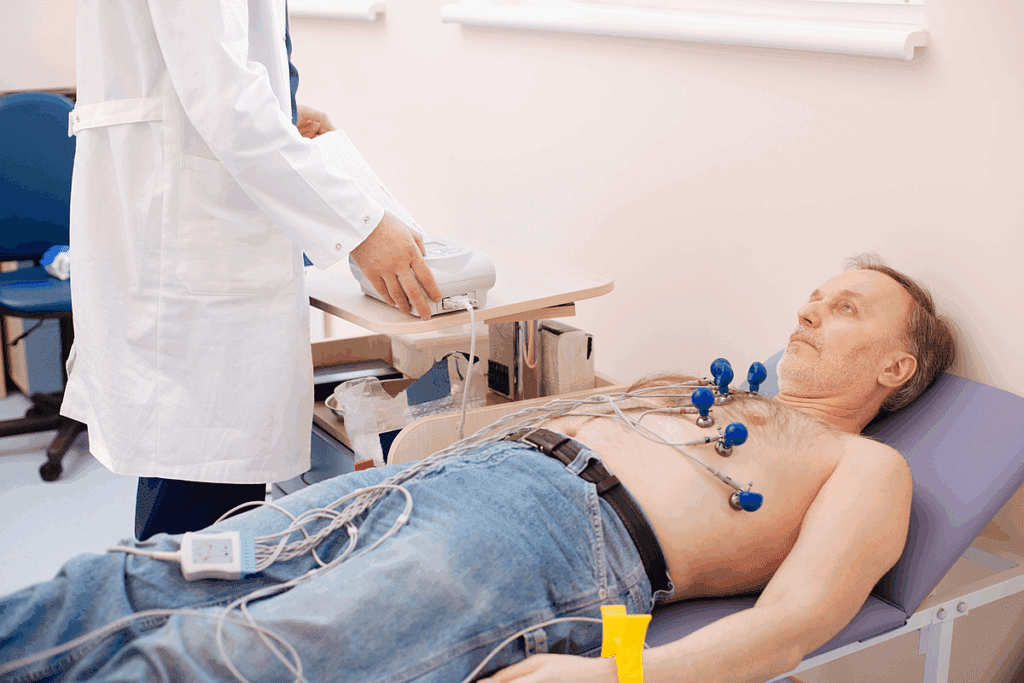
At Liv Hospital, we know how vital cardiac rehabilitation is for heart recovery. It’s a detailed, doctor-supervised program aimed at boosting the health of those with heart issues. We mix personalized workouts, education, emotional support, and health checks to help patients get back on their feet after a heart event.
Our cardiac rehab plans are made just for each patient, often suggested after a heart attack or surgery. Joining these programs can make your heart healthier, lessen symptoms, and boost your life quality.
Key Takeaways
- Cardiac rehabilitation is a personalized program that combines exercise, education, and emotional support.
- It is medically supervised to ensure safe and effective recovery.
- Our programs are designed to improve heart health and reduce the risk of future heart problems.
- Cardiac rehabilitation enhances overall quality of life by reducing symptoms and improving physical strength.
- Liv Hospital’s cardiac rehabilitation programs are internationally recognized and trusted.
Understanding Cardiac Rehabilitation
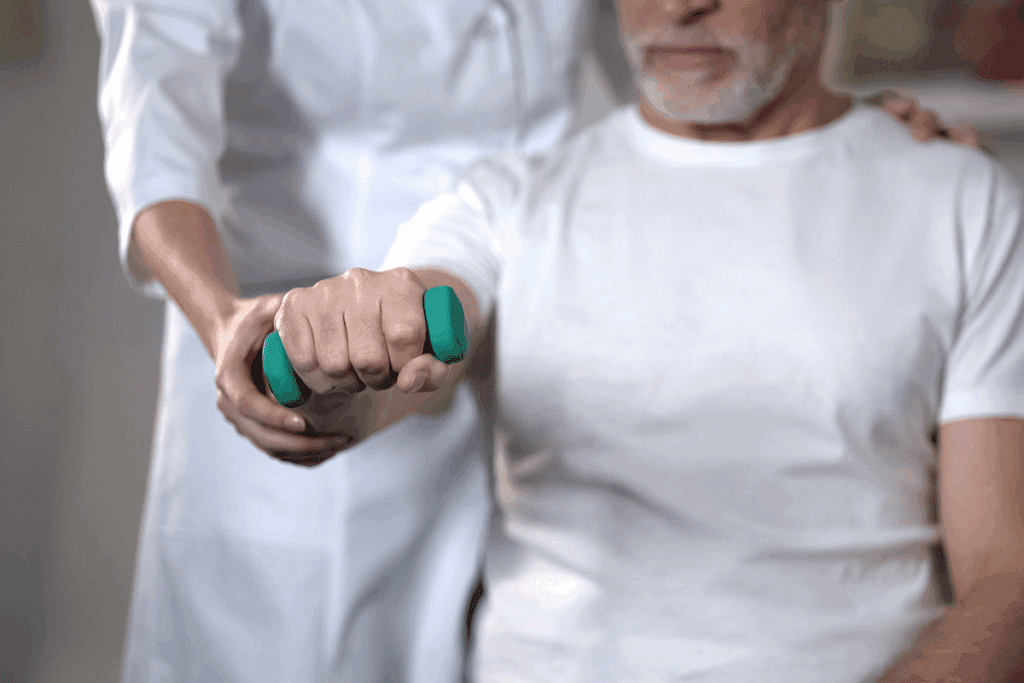
Cardiac rehabilitation programs help patients with heart conditions get better. They offer medical checks, exercise, and education. This helps improve heart health and lowers the chance of future heart issues.
Definition and Purpose of Cardiac Rehabilitation
Cardiac rehab is a program for those with heart problems or who have had heart surgery. It aims to help patients fully recover and live better lives. It also aims to prevent future heart problems.
We know everyone’s recovery is different. So, our cardiac rehab programs are made just for you. We focus on cardiovascular therapy to improve heart function and overall well-being.
| Program Component | Description | Benefits |
| Medical Evaluation | Initial assessment and ongoing monitoring by healthcare professionals. | Ensures safe participation and tailored program design. |
| Exercise Training | Supervised exercise sessions to improve cardiovascular health. | Enhances heart function, increases stamina, and reduces symptoms. |
| Education and Counseling | Information and guidance on heart-healthy living, stress management, and lifestyle changes. | Empowers patients to make informed decisions about their health and adopt sustainable lifestyle changes. |
Who Benefits from Cardiac Rehabilitation
Cardiac rehabilitation programs help many with heart conditions or after heart surgery. This includes those with heart failure, coronary artery disease, or after a heart attack. It also helps those who have had heart transplants or bypass surgery.
By joining a heart rehabilitation program, patients can greatly improve their heart health. They can also lower the risk of future heart problems and live a better life.
The Components of Cardiology Rehabilitation Programs
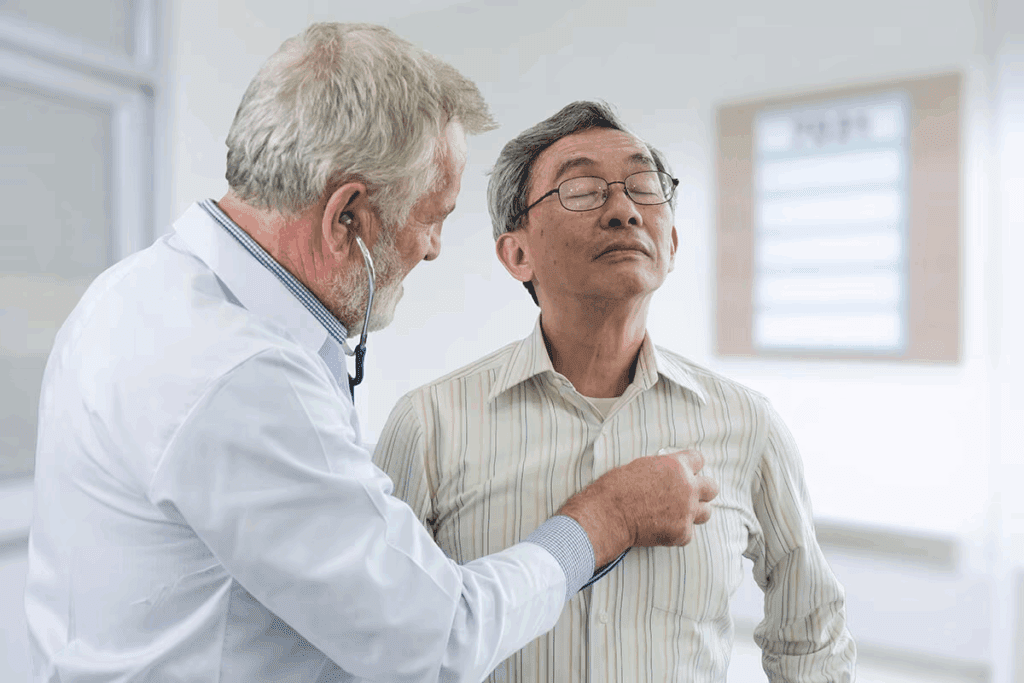
Cardiac rehabilitation combines medical checks, exercise, education, and mental support. These programs meet the needs of heart patients in a complete way. They help patients recover fully.
Medical Evaluation and Monitoring
When you join a cardiac program, you get a detailed medical check. This first step is key to making a good rehab plan. Continuous monitoring lets doctors tweak the plan as needed. This ensures you get the best care.
Tailored Exercise Training
Exercise is key in cardiac rehab. Tailored exercise training boosts heart health and physical function. It’s made just for you, helping you progress safely and effectively.
Education for Heart Health
Learning is a big part of cardiopulmonary rehab. You’ll get tips on healthy living, like eating right and managing stress. This knowledge helps you make smart health choices for the long run.
- Nutritional counseling to promote heart-healthy eating habits
- Stress management techniques to reduce anxiety and depression
- Lifestyle modification strategies to support long-term health
Psychological Support and Counseling
Cardiac physical therapy covers physical and emotional recovery. Psychological support and counseling help you deal with heart disease’s emotional side. It creates a supportive space for healing.
Cardiac rehab centers offer a full support system for heart health recovery. Our method ensures you get the care and advice needed for the best heart health.
Proven Benefits of Cardiac Therapy
Studies show that cardiac therapy is key for heart patients to recover. By joining cardiac rehabilitation programs, people see many benefits. These benefits greatly improve their health and happiness.
Reduction in Mortality Rates
Cardiac therapy is great for lowering death rates in heart disease patients. Research shows it can cut 20 to 30 percent of deaths and hospital stays after a heart event. This is thanks to medical checks, exercise plans, and heart health education.
Decreased Hospital Readmissions
Cardiac rehab teaches patients to manage their heart health well. This lowers the chance of going back to the hospital. By focusing on cardiovascular rehabilitation, people learn to follow their treatment plans better. This leads to fewer hospital visits and complications.
Enhanced Exercise Capacity
Heart rehab also boosts exercise ability. Tailored workouts help patients get fitter. This makes daily tasks easier and lowers the risk of more heart problems.
Improved Emotional and Mental Health
Cardiac rehab also helps with emotional and mental health. It offers psychological support and counseling. This way, rehab cardiac programs ensure patients get all-around care. This improves their overall well-being.
In summary, cardiac therapy offers many benefits. It lowers death rates, cuts hospital stays, boosts exercise, and improves mental health. Cardiac rehabilitation is essential for managing and recovering from heart disease.
Types of Cardiac Rehabilitation Programs
Cardiac rehabilitation comes in many forms to meet various needs. Each person’s path to better heart health is unique. Our programs are designed to reflect this.
Inpatient Rehabilitation Settings
Inpatient programs are for those needing constant medical watch, often right after a heart event or surgery. They take place in hospitals. There, a team of experts provides close care and monitoring.
Outpatient Rehabilitation Centers
Outpatient centers are for those who are stable but need ongoing support. These places have the latest equipment and staff with special training in cardiac care.
Home-Based Programs
Home-based programs offer the flexibility of rehab at home. They include virtual monitoring, educational materials, and regular check-ins with healthcare pros.
Let’s look at how each program type differs and what they offer:
| Program Type | Setting | Level of Supervision | Flexibility |
| Inpatient | Hospital | High | Low |
| Outpatient | Rehabilitation Center | Medium | Medium |
| Home-Based | Home | Low to Medium | High |
Knowing about the different cardiac rehab programs helps people make better choices with their healthcare team. Whether it’s inpatient, outpatient, or home-based, the aim is the same: to help you recover safely and effectively.
The Role of Cardiac Physical Therapy in Recovery
Cardiac physical therapy plays a key role in heart recovery. It helps patients regain strength and mobility after heart issues. This therapy is vital for a full recovery.
It focuses on improving heart function and reducing pain. Physical therapists use exercises and techniques to help patients get back to their normal lives. This includes managing symptoms and improving overall health.
Cardiac physical therapy is tailored to each patient’s needs. It helps them regain their strength and mobility. This therapy is essential for a successful recovery.
It helps patients manage their symptoms and improve their overall health. By working with a physical therapist, patients can achieve a full recovery.
Cardiac physical therapy is a vital part of heart recovery. It helps patients regain their strength and mobility. It also improves heart function and reduces pain.
By following a personalized plan, patients can manage their symptoms and improve their overall health. This therapy is essential for a successful recovery.
Cardiac physical therapy is tailored to each patient’s needs. It helps them regain their strength and mobility. This therapy is essential for a successful recovery.
It helps patients manage their symptoms and improve their overall health. By working with a physical therapist, patients can achieve a full recovery.
Cardiac physical therapy is a vital part of heart recovery. It helps patients regain their strength and mobility. It also improves heart function and reduces pain.
By following a personalized plan, patients can manage their symptoms and improve their overall health. This therapy is essential for a successful recovery.
What to Expect at a Cardiac Rehabilitation Center
At a cardiac rehabilitation center, your heart recovery journey starts with a detailed assessment and a care plan made just for you. We know everyone’s heart health path is different. So, our programs are tailored to meet your specific needs and goals.
Initial Assessment and Goal Setting
When you join, you’ll get an initial assessment. This includes looking at your medical history, current health, and personal goals. It helps our team create a tailored rehabilitation plan just for you.
- Medical history review
- Physical examination
- Exercise stress test
- Personalized goal setting
Typical Session Structure
A typical session at our center includes exercise training, education, and counseling. Our skilled staff will help you through each step. They make sure you feel comfortable and confident.
- Warm-up exercises
- Aerobic exercise training
- Strength training
- Cool-down stretches
- Educational seminars
Equipment and Facilities
Our facilities are top-notch, equipped with the latest technology for your rehab. You’ll find a variety of exercise equipment, like treadmills, stationary bikes, and resistance machines. They’re all designed to help you reach your goals safely.
Program Duration and Progression
The duration of our cardiac rehabilitation programs depends on your needs, usually lasting several months. Our team keeps an eye on your progress and adjusts the program as needed. This ensures you’re on track to meet your goals.
- Ongoing assessment and adjustment of the rehabilitation plan
- Gradual progression of exercise intensity and complexity
- Support and guidance throughout the program
The Multidisciplinary Team in Heart Rehabilitation
The team behind cardiac rehab is key to success. We think a team effort is vital for top-notch care for heart patients.
Cardiac rehab is more than just exercise and meds. It’s a full-care approach. A team of experts works together to meet patients’ physical, emotional, and nutritional needs. Each specialist brings their skills to ensure patients get the best care.
Cardiologists and Medical Doctors
Cardiologists and doctors lead cardiac rehab. They watch over patients, tweak plans as needed, and keep the rehab safe and effective.
Cardiac Rehab Nursing Specialists
Nursing specialists offer ongoing support and education. They help patients understand their condition, manage symptoms, and stick to their plans.
Exercise Physiologists and Physical Therapists
These experts create and oversee exercise plans for heart patients. They make sure patients do safe, effective workouts that boost heart health and overall well-being.
The exercise plans aim to:
- Boost heart function
- Strengthen muscles
- Improve flexibility
- Help with weight control
Nutritionists and Mental Health Professionals
Nutritionists and mental health experts are also key team members. Nutritionists help with healthy eating, and mental health pros offer counseling for emotional and psychological support.
This diverse team ensures patients get all-around care. They tailor care to meet each patient’s unique needs, helping them recover fully.
We know every patient’s journey is unique. Our team is dedicated to providing personalized care that supports each person’s recovery path.
Measuring Success in Cardiopulmonary Rehab
We measure the success of cardiopulmonary rehab in many ways. This includes looking at clinical outcomes and how well patients feel. It’s not just about medical numbers. It’s also about how much better a patient feels overall.
Clinical Outcomes and Metrics
Clinical outcomes are key to seeing if cardiopulmonary rehab works. We look at how well the heart works, how much exercise patients can do, and their overall health. We track things like:
- Enhanced exercise tolerance
- Improved cardiovascular health
- Reduced symptoms of heart disease
- Better management of risk factors
Research shows that cardiac rehab is safe and helps a lot. It improves heart function and exercise ability. By focusing on these areas, we can make our programs even better.
| Clinical Metric | Pre-Rehab Average | Post-Rehab Average |
| Exercise Tolerance (METs) | 4.2 | 7.5 |
| Blood Pressure (mmHg) | 140/90 | 120/80 |
| Cholesterol Levels (mg/dL) | 250 | 180 |
Quality of Life Improvements
Improvements in quality of life are also important. We check how rehab affects daily life. This includes how well patients can do everyday tasks, their mood, and how happy they are with life. If patients see these improvements, it means rehab is working well.
Long-term Health Benefits
The long-term benefits of cardiopulmonary rehab are a big success indicator. It helps lower the risk of heart problems, improves survival rates, and boosts overall health. We follow up to make sure our programs keep giving benefits over time.
By looking at clinical outcomes, quality of life, and long-term health, we get a full picture of rehab success. This way, we can always make our programs better to meet our patients’ changing needs.
Overcoming Barriers to Cardiac Rehabilitation
Cardiac rehab programs have many benefits, but many people face barriers to join. These programs help improve heart health. Yet, many don’t get to enjoy these benefits because of obstacles.
Access and Availability Challenges
Access and availability are big hurdles. Where you live can affect your ability to join. People in rural areas often face a lack of rehab centers. Also, money can be a big issue for some.
Geographic barriers make it hard for people to get to rehab. Long travel distances are a problem, even more so for those with mobility issues or no car.
Insurance and Cost Considerations
Insurance and cost are big factors. Some can’t join because they don’t have insurance or can’t afford it. This is a big problem.
We know that cost considerations are key. Healthcare providers should help patients understand their insurance. They should also look into financial help options.
Strategies for Improving Participation
To beat these barriers, we need to try different things. Raising awareness about cardiac rehab is important. We also need to make it easier to get to these programs.
- Teaching patients about the benefits and where to find cardiac rehab.
- Creating programs that fit different needs.
- Looking into new ways to deliver rehab, like online or in the community.
By tackling these barriers, we can get more people into cardiac rehab. This way, more can enjoy the benefits of these programs.
The Future of Cardiovascular Rehabilitation
Cardiovascular rehabilitation is changing fast. New trends show a future with more personalized and tech-driven care. The mix of technology and custom plans will be key in heart health.
Technological Innovations in Cardiac Programs
New tech is changing cardiac rehab. We see advanced monitoring systems, wearable tech, and mobile apps. These tools help track health and progress.
Key Technological Advancements:
- Wearable devices for continuous monitoring
- Mobile apps for patient engagement and tracking
- Advanced data analytics for personalized insights
Telehealth and Remote Monitoring
Telehealth and remote monitoring are big in cardiac rehab now. They let patients do rehab at home. This makes care easier and cuts down on hospital visits.
| Benefits of Telehealth | Description |
| Increased Accessibility | Patients can participate in rehab programs remotely |
| Reduced Hospital Visits | Less need for in-person visits, improving efficiency |
| Enhanced Patient Engagement | Continuous monitoring and feedback encourage active participation |
Personalized Medicine Approaches
Personalized medicine is changing cardiac rehab. It tailors programs to each person’s needs. This uses genetic info, medical history, and lifestyle to create custom plans.
These new trends make cardiac rehab better and more accessible. They help improve outcomes for heart patients. As the field grows, staying up-to-date with new developments is vital.
Conclusion: The Vital Role of Cardiac Rehabilitation in Heart Recovery
Cardiac rehabilitation is key in heart recovery. It boosts cardiovascular health and overall well-being. A program that covers physical, emotional, and educational needs is vital for the best recovery.
This approach to heart health improves well-being and lowers the risk of future heart issues. The benefits of cardiac rehabilitation are huge. Its role in heart recovery is very important.
We need to keep spreading the word about cardiac rehabilitation. This will help more people with heart conditions. Cardiac therapy is a big part of this, helping people recover fully and stay healthy long-term.
FAQ
What is cardiac rehabilitation?
Cardiac rehabilitation is a program for people with heart issues. It aims to improve their health and lower the risk of future heart problems. It’s supervised by medical professionals.
Who benefits from cardiac rehabilitation?
Many people can benefit from it. This includes those with heart failure, coronary artery disease, and those who’ve had a heart attack or surgery.
What are the components of a complete cardiac rehabilitation program?
It includes several key parts. These are medical checks, exercise plans tailored to the individual, heart health education, and support for mental health.
What are the benefits of participating in cardiac rehabilitation?
It can greatly improve your health. You might see lower death rates, fewer hospital visits, better exercise ability, and better mental health.
What types of cardiac rehabilitation programs are available?
There are many types. You can find programs in hospitals, outpatient centers, or even at home.
What is the role of cardiac physical therapy in recovery?
Cardiac physical therapy is key in recovery. It offers exercises to boost heart health, increase strength, and improve physical function.
What can I expect at a cardiac rehabilitation center?
At a center, you’ll start with an assessment and set goals. Then, you’ll do exercises, learn about heart health, and get counseling. They use various equipment and facilities.
Who is part of the multidisciplinary team in heart rehabilitation?
The team includes doctors, nurses, physical therapists, and nutritionists. Mental health professionals are also part of it.
How is the success of cardiopulmonary rehabilitation measured?
Success is measured by looking at health outcomes and quality of life. It also looks at long-term health benefits.
What are the barriers to cardiac rehabilitation, and how can they be overcome?
Barriers include lack of access and cost. To overcome these, raise awareness, improve access, and address cost issues.
What is the future of cardiovascular rehabilitation?
The future will bring new technologies and remote monitoring. It will also focus on personalized care to make it more effective and accessible.
References
- White, H. J. (2023). Anatomy, Thorax, Superior Vena Cava. In StatPearls. National Center for Biotechnology Information. https://www.ncbi.nlm.nih.gov/books/NBK545255/