Cardiology is the medical specialty focused on the heart and the cardiovascular system. It involves the diagnosis, treatment, and prevention of conditions affecting the heart and blood vessels. These conditions include coronary artery disease, heart failure, arrhythmias (irregular heartbeats), and valve disorders. The field covers a broad spectrum, from congenital heart defects present at birth to acquired conditions like heart attacks.
Send us all your questions or requests, and our expert team will assist you.

The human heart is often described as the engine of the body, tirelessly pumping blood to every organ and tissue. Inside this engine, there are four critical components known as heart valves. These valves function similarly to one-way doors or gates. Their primary job is to ensure that blood flows in only one direction through the heart’s four chambers and out to the rest of the body. When the heart beats, these valves open to let blood pass through and then close tightly to prevent it from flowing backward. This seamless opening and closing happens roughly 100,000 times a day, every day of your life.
However, similar to the hinges on a door can become rusty or the frame can warp over time, heart valves can develop problems. Valve surgery is a medical procedure performed to repair or replace these damaged “doors” to restore normal blood flow. When a valve is not working correctly, the heart has to work much harder to push blood where it needs to go. Over time, this extra effort can weaken the heart muscle and lead to serious health issues. Valve surgery is designed to resolve this mechanical problem, relieve the burden on the heart, and allow patients to return to an active, healthy life. It is one of the most common and successful types of heart surgery performed today, offering a lifeline to those whose natural valves can no longer function properly.


To truly understand why surgery might be necessary, it helps to visualize the layout of the heart. The heart has four chambers: two upper chambers called atria and two lower chambers called ventricles. The blood moves through these chambers in a specific loop. Controls at each exit point keep the traffic moving forward. There are four main valves: the tricuspid valve, the pulmonary valve, the mitral valve, and the aortic valve. Each has a specific role and location.
The tricuspid and mitral valves control blood flow between the upper and lower chambers. The pulmonary and aortic valves control blood flow as it leaves the heart to go to the lungs or the rest of the body. These valves are made of thin but strong flaps of tissue, often called leaflets or cusps. In a healthy heart, these leaflets are flexible and fit together perfectly when closed. They open fully so blood can rush through without obstruction, and they shut tight so not a single drop leaks back. When this system works, you don’t even feel it. But when one part fails, the efficiency of the entire circulation system drops, triggering the need for medical intervention.

Heart valve disease generally falls into two main categories: the valve is either too tight, or it is too loose. Occasionally, a patient can have both problems in the same valve or issues in multiple valves at once. Understanding the difference between these two mechanical failures helps clarify why specific symptoms occur and why surgery is often the only permanent remedy. These defects can be present at birth, or they can develop slowly over many years due to aging, infection, or other underlying health conditions.
Stenosis occurs when the valve opening becomes narrowed or constricted. Imagine a door that is stuck and can only open a few inches. This condition is exactly what happens in the heart. The valve leaflets may become thick or stiff, or the heart must exert great pressure to push blood through the small opening. is akin to putting your thumb over the end of a garden hose; the pressure builds up behind the blockage. This extra work causes the heart muscle to thicken and eventually tire out, potentially leading to heart failure if the obstruction is not removed.
Regurgitation, also known as insufficiency or incompetence, is the opposite problem. In this scenario, the valve does not close tightly. Imagine a door that swings shut but leaves a large gap, or a swinging door that swings the wrong way. When the heart pumps, some of the blood that should move forward leaks backward into the chamber it just left. This means the heart has to pump the same blood again and again. To cope with this inefficiency, the heart chambers often enlarge or stretch to hold the extra volume of leaking blood. This stretching can permanently damage the heart’s electrical system and pumping ability.

The primary goal of any heart valve surgery is to restore the normal flow of blood through the heart. By resolving the mechanical issue, surgeons aim to reduce the workload on the heart muscle. If the heart no longer has to push against a narrowed valve or pump extra blood due to a leak, it can recover its strength. For many patients, the most immediate goal is the relief of symptoms. People often undergo surgery because they are short of breath, constantly worn out, or unable to perform daily tasks. Surgery aims to eliminate these limitations.
Another critical goal is the preservation of life and the prevention of future complications. Untreated valve disease is progressive, meaning it typically gets worse over time. If left alone, it can lead to irreversible heart failure, stroke, or sudden cardiac arrest. Surgery often serves as a preventive measure to halt this progression. Even if a patient feels relatively okay, a doctor might recommend surgery because the heart is showing signs of strain on imaging tests. The objective is to intervene before permanent damage occurs to the heart muscle, ensuring a longer and higher quality of life.
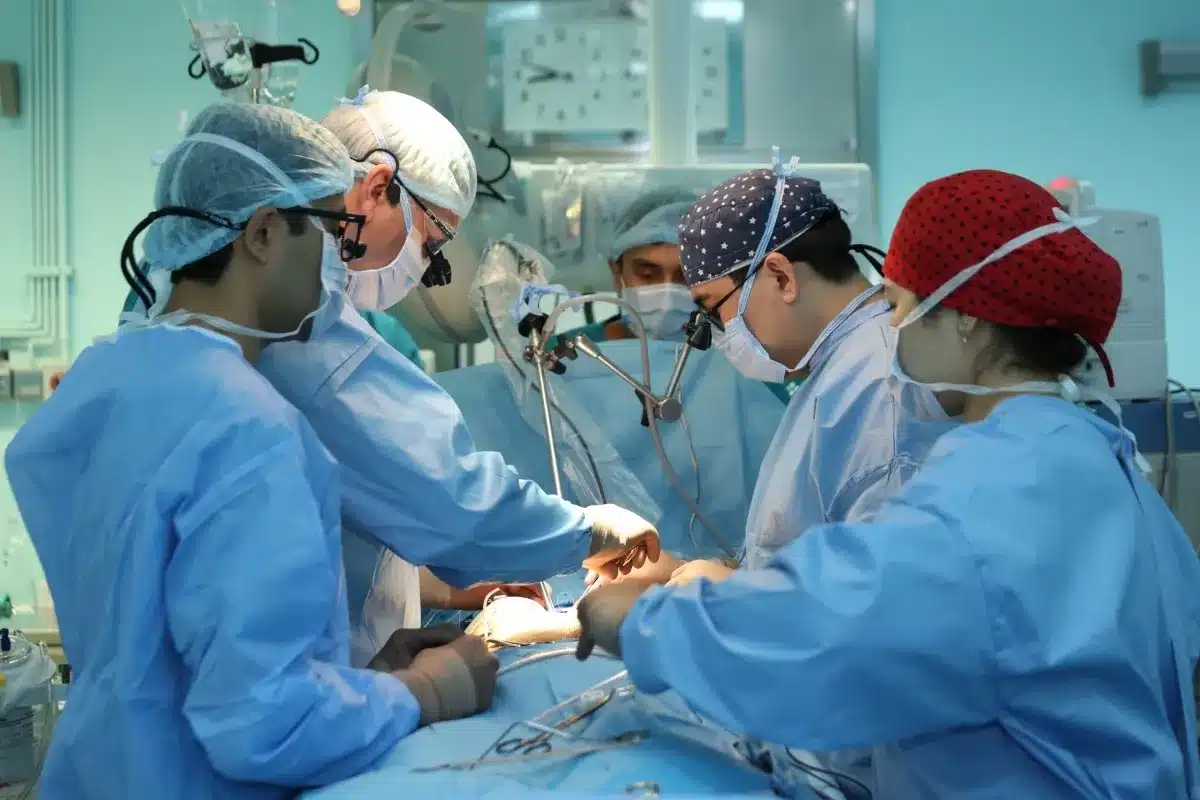
In the past, there was only one way to fix a heart valve: a major operation requiring a large incision. Today, medical technology has advanced significantly, giving patients and surgeons more options. The affected valve, the severity of the problem, the patient’s overall health, and the surgeon’s expertise determine the surgical approach choice. The ultimate aim of any approach is safety and effectiveness, ensuring the best possible outcome with the smoothest recovery.
This is the conventional method and remains the gold standard for many complex valve cases. In this procedure, the surgeon makes a vertical incision down the center of the chest through the breastbone. This technique provides direct view and access to the heart. The heart is stopped for a short time, and a heart-lung machine takes over the job of moving blood and oxygen around the body. This technique allows the surgeon to work on a still heart. While it sounds intense, it is a highly refined and safe procedure that allows for precise repair or replacement of any valve.
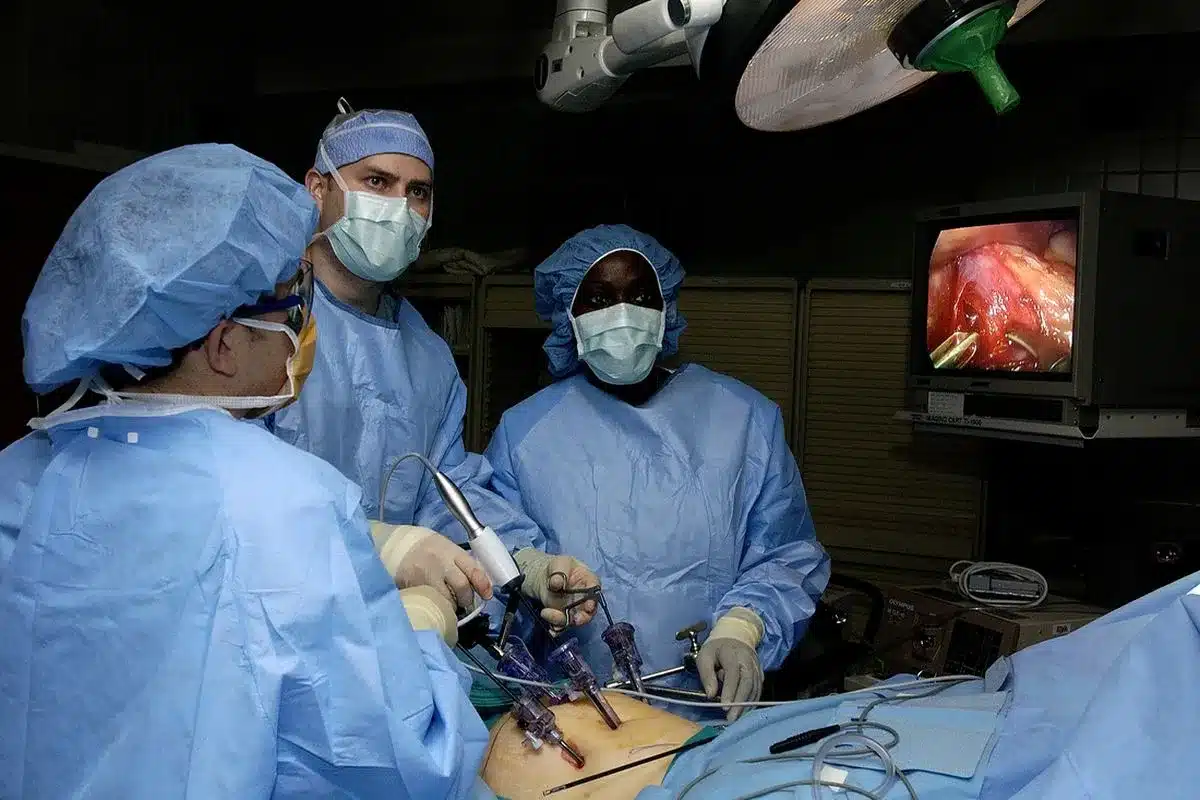
Minimally invasive surgery is becoming increasingly common. Instead of a large incision through the breastbone, the surgeon makes one or more small incisions on the side of the chest, between the ribs. Special long instruments and cameras are used to operate on the valve. Because the breastbone is not divided, the bone structure of the chest remains intact. This feature often leads to less pain after surgery, a lower risk of infection, and a quicker return to normal activities. However, not every patient is a candidate for this approach; it depends heavily on anatomy and the specific type of valve disease.
When a valve can’t be fixed, a replacement must be chosen. There are two main categories: mechanical valves and biological (tissue) valves. Mechanical valves are built from durable materials like titanium and carbon. They are incredibly strong and are designed to last a lifetime. They do not wear out. However, because they are artificial, blood cells like to stick to them and form clots. Therefore, patients with mechanical valves must take blood-thinning medication (anticoagulants) every day for the rest of their lives to prevent strokes.
Biological or tissue valves are made from animal tissue, usually from a pig (porcine) or a cow (bovine), or sometimes from human donor tissue. These valves look and behave very much like natural human valves. The major advantage is that patients typically do not need to take long-term blood thinners unless they have other heart conditions. The downside is durability. Like natural valves, tissue valves can wear out over time. They typically last between 10 and 20 years, after which a second surgery might be needed to replace them again. The decision is personal and involves balancing the desire to avoid medication against the desire to avoid future surgeries.
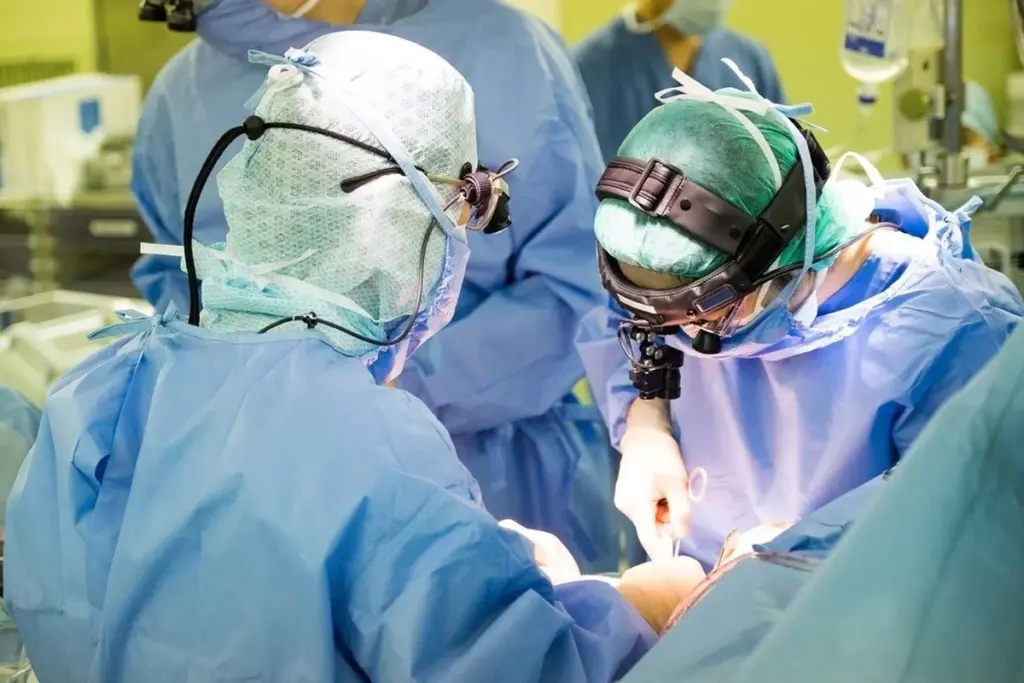
The field of valve surgery has changed dramatically over the last few decades. Fifty years ago, a diagnosis of severe valve disease often carried a poor prognosis. The development of the heart-lung machine was a revolutionary step that made open-heart surgery possible. Since then, we have seen the refinement of artificial valves, moving from simple ball-in-cage designs to sophisticated leaflets that mimic natural blood flow dynamics.
More recently, we have entered the era of transcatheter therapies. Procedures like Transcatheter Aortic Valve Replacement (TAVR) allow doctors to replace a valve without any surgical incision on the chest at all. Instead, the new valve is compressed onto a thin tube (catheter) and guided through a blood vessel in the leg up to the heart. Once in place, it expands and takes over the job of the old valve. This innovation has been a miracle for elderly or frail patients who were previously considered too sick for surgery. As technology continues to improve, these less invasive options are becoming available to a wider range of patients, making valve treatment safer and more accessible than ever before.

Send us all your questions or requests, and our expert team will assist you.
The main purpose is to repair or replace a malfunctioning heart valve that is either leaking or narrowed. This restores normal blood flow through the heart, relieves strain on the heart muscle, and alleviates symptoms like shortness of breath and fatigue.
The duration depends on the complexity of the case and the method used. Traditional open-heart surgery typically takes between three and five hours. Minimally invasive or catheter-based procedures might take less time, sometimes only one to two hours.
Yes, heart valve surgery is very common and has a high success rate. While all surgeries carry some risk, advances in technology and anesthesia have made it one of the safest major cardiac procedures performed today.
Most patients need some medication immediately after surgery to manage pain and prevent infection. If you receive a mechanical valve, you will need to take blood thinners for life. If you receive a tissue valve, you may only need it for a short time.
A repaired valve can function well for a long time, often for the rest of a patient’s life, but it is possible for issues to return. Tissue replacement valves do wear out eventually, usually after 10 to 20 years, and may need to be replaced again.

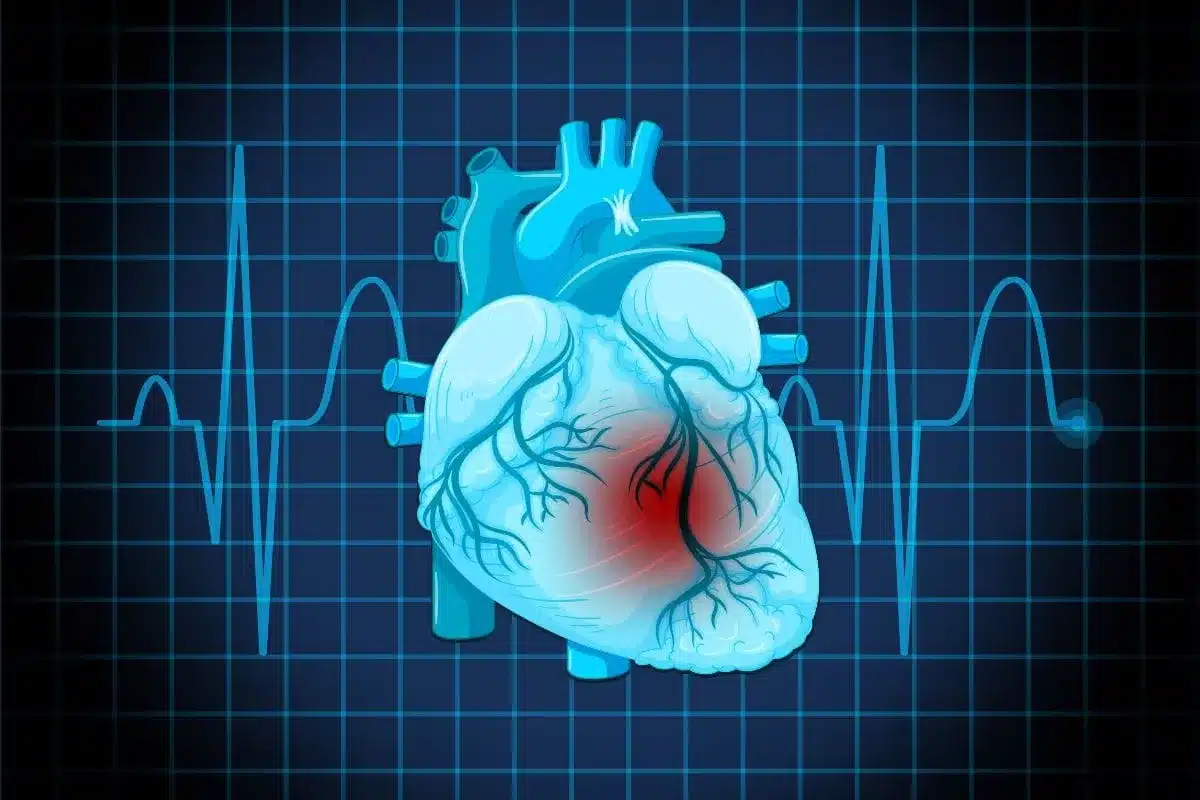
Heart valve problems affect millions globally, with 1 in 4 people over 65 facing valve disease. It’s vital to tackle these issues quickly and effectively.

Find out the key average time for heart valve replacement surgery duration. Get powerful facts and know what to expect. Heart valve disease affects millions
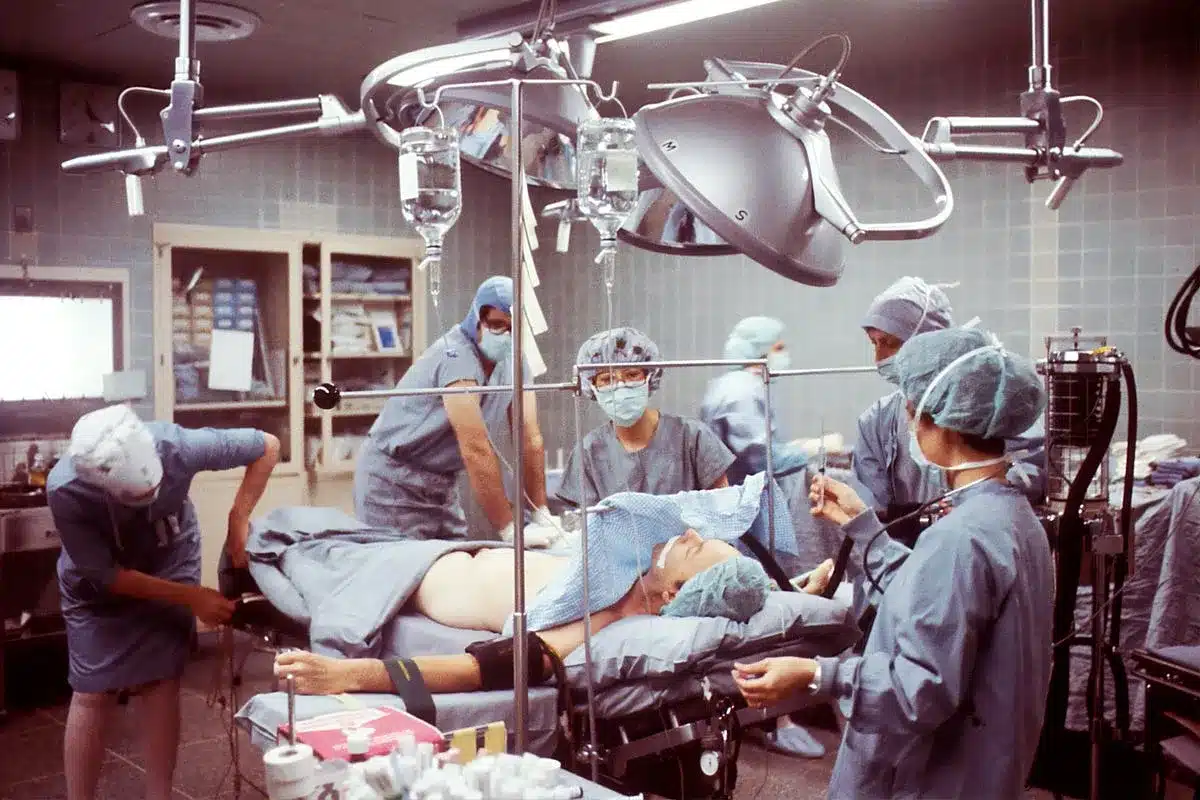
Heart valve disorders affect millions worldwide, with many needing surgery. Surprisingly, nearly 1 in 5 patients undergoing heart surgery has a challenging heart condition that
Heart valve disease affects millions worldwide. Valvular repair surgery is a life-changing treatment for many. Recent data shows that medical technology advancements, like those by

Did you know that heart valve disorders affect over 4 million people in the United States? The mitral valve is one of the most commonly

Nearly 1 in 5 adults in the United States have heart valve disease. Mitral valve issues are very common. Mitral valve repair surgery is a

Leave your phone number and our medical team will call you back to discuss your healthcare needs and answer all your questions.
Your Comparison List (you must select at least 2 packages)