Last Updated on November 25, 2025 by Ugurkan Demir

Atrial fibrillation (AFib) is a common heart condition. It causes an irregular and often rapid heart rate. Resetting the heart rhythm to normal can greatly improve life quality.
At Liv Hospital, we use electrical cardioversion to restore a normal heart rhythm. This method involves giving a controlled electric shock to the heart through paddles or patches on the chest. It helps to jump start the heart back to a healthy rhythm.
Our expert team is committed to providing top-notch care. We ensure patients get the best treatment for their condition.
Key Takeaways
- Cardioversion is a medical procedure that uses a controlled electric shock to restore a normal heart rhythm.
- The procedure is typically performed under sedation to ensure patient comfort.
- At Liv Hospital, our expert team uses the latest advances in electrical cardioversion to treat atrial fibrillation.
- Resetting the heart rhythm can significantly improve the quality of life for those affected by AFib.
- Our team is dedicated to providing the highest level of care for international patients.
Understanding Atrial Fibrillation and Abnormal Heart Rhythms
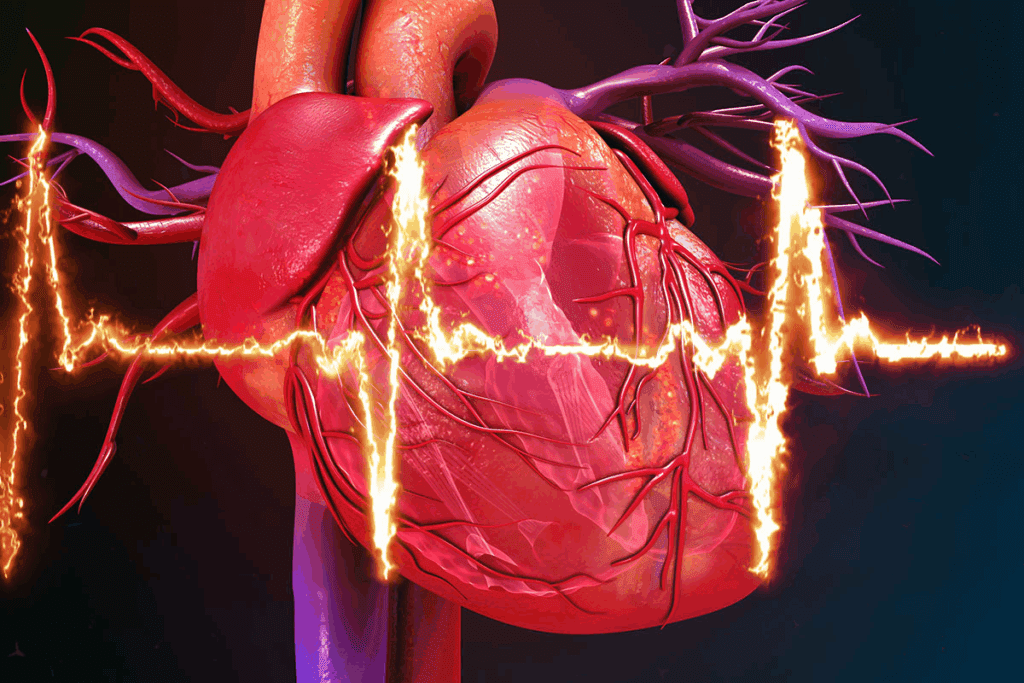
It’s key for both patients and doctors to grasp atrial fibrillation’s effects on heart health. Atrial fibrillation (AFib) is a complex issue marked by irregular and fast heartbeats. It happens when the heart’s upper chambers (atria) beat chaotically, causing symptoms like palpitations, shortness of breath, and fatigue.
What Happens During Atrial Fibrillation
In AFib, the heart’s rhythm is disrupted, causing the atria to fibrillate or quiver. This leads to irregular heartbeats, which can reduce cardiac output and increase the risk of blood clots. The chaotic electrical activity in the atria can be seen on an electrocardiogram (ECG), a vital tool for diagnosing AFib.
How AFib Affects Heart Function and Overall Health
AFib can greatly affect heart function and overall health. The irregular heartbeats can lead to:
- Reduced cardiac output, causing fatigue and shortness of breath
- Increased risk of stroke due to blood clots forming in the fibrillating atria
- Heart failure, as the heart works inefficiently over time
AFib can also impact a patient’s quality of life, causing anxiety and discomfort due to its unpredictable nature.
When Rhythm Restoration Becomes Medically Necessary
Rhythm restoration through cardioversion is needed when AFib symptoms severely affect a patient’s quality of life or when there’s a high risk of complications. The decision to go for cardioversion depends on several factors, including the AFib’s duration, symptoms, and the patient’s overall health.
Cardioversion for AFib: Definition and Mechanism of Action
For those with AFib, cardioversion can be a game-changer. It resets the heart’s rhythm. This medical procedure aims to bring back a normal heart rhythm for patients with atrial fibrillation.
How Electric Shock Resets Heart Rhythm
Cardioversion uses a controlled electric shock to the heart. This shock is delivered through paddles or patches on the chest. It’s timed with the heart’s cycle to “reboot” it, allowing it to beat normally again.
Types of Cardioversion: Electrical vs. Pharmacological
There are two main types of cardioversion: electrical and pharmacological. Electrical cardioversion sends an electric shock to the heart. Pharmacological cardioversion uses medicines to achieve the same goal. The choice depends on the patient’s health and medical history.
The Science Behind Electrocardioversion
The science behind electrocardioversion is simple. A controlled electric shock can depolarize the heart. This allows it to restart with a normal rhythm. The shock is timed with the heart’s rhythm to avoid dangerous arrhythmias.
“Cardioversion is a highly effective treatment for restoring normal sinus rhythm in patients with atrial fibrillation, significantly improving their quality of life.”
This highlights the need to understand the procedure and its benefits.
Medical Indications for Electric Shock to Heart
When atrial fibrillation symptoms get too bad, doctors might suggest cardioversion. This is a procedure that uses an electric shock to the heart to fix the rhythm. It’s for those who feel really bad and it affects their daily life.
Symptoms That Warrant Cardioversion
People with atrial fibrillation might feel their heart racing, get short of breath, dizzy, or tired. If these symptoms are really bad or stop them from doing everyday things, cardioversion might be an option. The choice depends on how bad the symptoms are and the patient’s health.
Emergency vs. Elective Cardioversion Scenarios
Cardioversion can be urgent or planned. Emergency cardioversion is for those who are very sick or have severe symptoms right away. Planned cardioversion is for those who are stable but have symptoms that bother them a lot.
Patient Selection Criteria for Optimal Outcomes
Choosing who gets cardioversion involves looking at a few things. These include how long they’ve had atrial fibrillation, any heart disease, and their overall health. Those who have had it for a short time and don’t have much heart disease usually do best.
By picking the right patients and considering the medical indications for cardioversion, doctors can make it work better. This helps people with atrial fibrillation live better lives.
Pre-Procedure Preparation and Assessment
Before a cardioversion, a detailed check-up is key. It looks at the patient’s health history and current state. This ensures the procedure is safe and effective.
Required Medical Tests and Cardiac Evaluation
Patients may need to take several tests before cardioversion. These tests check the heart’s health and function. They help find any risks and see if the patient is right for the procedure.
Some tests include:
- Electrocardiogram (ECG): To check the heart’s electrical activity.
- Transesophageal Echocardiogram (TEE): To look for blood clots in the heart.
- Transthoracic Echocardiogram: To examine the heart’s function and structure.
| Test | Purpose | Significance |
| Electrocardiogram (ECG) | Evaluate heart’s electrical activity | Helps identify arrhythmias |
| Transesophageal Echocardiogram (TEE) | Check for blood clots in the heart | Reduces risk of stroke during cardioversion |
Anticoagulation Therapy Before Electric Cardioversion
Anticoagulation therapy is given before cardioversion to prevent stroke. It helps stop blood clots in the heart. This is important because clots can move during the procedure.
Anticoagulation medications start weeks before the procedure. They continue after it. The type and length of treatment depend on the patient’s risk factors.
Fasting Guidelines and Medication Adjustments
Patients are told to follow fasting guidelines before cardioversion. This reduces the risk of problems. They usually need to fast for a while before the procedure.
Also, medication adjustments might be needed. This is to keep the patient safe during the procedure. Some medications might interfere or increase risks.
By following these steps and getting ready well, patients can lower risks. This helps make the cardioversion procedure successful.
Step-by-Step Heart Electric Shock Procedure
Electric cardioversion is a precise medical treatment. It helps patients with atrial fibrillation (AFib) get back to a normal heart rhythm. We’ll walk you through each step, making sure you understand every part of the process.
Hospital Setting and Equipment Configuration
The procedure happens in a hospital with all the right tools and staff. The room has a defibrillator, ECG monitor, and sedation tools. Our team sets up the equipment to meet the patient’s needs, making sure it’s safe and works well.
“The key to a successful cardioversion lies in the preparation and the expertise of the medical team,” say top cardiologists. This shows how important a well-planned approach is.
Sedation Administration and Patient Monitoring
To keep patients comfortable, sedation is given. The type and amount of sedation depend on the patient’s health and current situation. Our team watches the patient’s heart rate, blood pressure, and oxygen levels closely during the procedure.
- Conscious sedation is often used to keep the patient relaxed yet responsive.
- Continuous monitoring allows for immediate response to any changes in the patient’s condition.
- Sedation is administered by an experienced anesthesiologist or trained medical professional.
Proper Electrode Placement Techniques
Putting electrodes in the right place is key for the procedure’s success. They are usually placed on the chest, often in an anterior-posterior setup. This means one electrode is on the front and the other on the back. The exact spot depends on the patient’s body and the procedure’s needs.
By following these steps and using the latest medical tech, we can help patients get their heart rhythm back. The right team, equipment, and monitoring lead to the best results.
The Electric Shock for AFib Experience
Getting cardioversion for AFib can seem scary, but knowing what to expect helps. We’re here to walk you through what happens during and after the treatment.
What Patients Feel During the Procedure
Patients get sedation to make them comfortable during cardioversion. This makes most people feel relaxed and calm. The sedation also lowers anxiety, helping the medical team do their job well.
Sedation is key for a smooth cardioversion experience. It keeps patients from feeling pain or discomfort from the electric shock. We keep a close eye on patients to adjust the sedation if needed.
Typical Duration and Immediate Effects
The cardioversion procedure is short, usually taking just a few minutes. Right after, we watch the heart’s rhythm closely. This is to see if the electric shock worked.
Right after the procedure, we check the patient’s heart rhythm and overall health. This is important for catching any problems early.
Post-Shock Rhythm Assessment
Right after the shock, we check the heart’s rhythm. This is key to see if the treatment worked. We use electrocardiography (ECG) to do this.
- The heart’s rhythm is monitored using electrocardiography (ECG).
- Our team checks the ECG readings to see if the treatment was successful.
- If needed, we might take more steps to keep the heart rhythm stable.
Every person’s experience with cardioversion is different. But with the right care and monitoring, most people find it manageable.
Recovery and Aftercare Following Heart Jump Start
Recovery after cardioversion is key to keeping the heart rhythm stable. The first few hours after the procedure are critical. They help us see if the treatment worked and if there are any issues.
Immediate Post-Procedure Monitoring Period
Patients stay in a recovery area after the procedure. This lets doctors check how the treatment is working. They watch the heart rhythm and vital signs closely.
During this time, we do several things:
- Continuous electrocardiogram (ECG) monitoring to assess heart rhythm
- Regular checks of vital signs, including blood pressure and oxygen saturation
- Observation for any signs of discomfort or complications
Discharge Instructions and Activity Restrictions
Before leaving, patients get clear instructions on what to do next. They learn how to manage their condition at home. We also tell them what to expect during recovery.
These instructions include:
| Instruction | Description |
| Activity Level | Avoid strenuous activities for a few days |
| Medication Management | Keep taking your medications as directed |
| Follow-up Care | Make sure to attend follow-up appointments |
Follow-up Appointments and Heart Rhythm Checks
Follow-up appointments are important for checking the procedure’s success. We use these visits to check the heart rhythm and adjust the treatment if needed.
During these appointments, we:
- Do ECG or other heart rhythm tests
- Review any symptoms or concerns
- Make changes to medication or treatment as needed
By following these steps, we help patients recover well and get the best results from cardioversion.
Potential Risks and Complications of Electrical Cardioversion
Electrical cardioversion is usually safe, but it can have risks and complications. It’s important for patients and doctors to know about these to make good treatment choices.
Common Side Effects and Their Management
Side effects of electrical cardioversion include skin irritation, arrhythmias, and discomfort from the shock. These effects are usually mild and short-lived.
To deal with skin irritation, patients can use creams or ointments as advised by their doctor. If arrhythmias happen, they can be treated with medicine or more cardioversion.
Table: Common Side Effects and Management Strategies
| Side Effect | Management Strategy |
| Skin Irritation | Topical creams or ointments |
| Arrhythmias | Medication or additional cardioversion |
| Discomfort | Pain management medication |
Serious Complications: Incidence and Prevention
Though rare, serious issues like stroke can happen. The chance of stroke after cardioversion is about 1-2%. To avoid stroke, patients often take anticoagulant drugs before the procedure.
“The risk of thromboembolism after cardioversion is significant, and anticoagulation therapy is essential to mitigate this risk.”
Other serious problems, like severe arrhythmias or cardiac arrest, are very rare but can be deadly. To prevent these, careful patient selection, monitoring during the procedure, and having emergency gear ready are key.
Special Considerations for High-Risk Patients
Patients at high risk, like those with stroke history, severe heart failure, or major health issues, need extra care before cardioversion. They might need closer monitoring and special management to lower risks.
For example, those at high stroke risk might need longer anticoagulation therapy before and after the procedure. Patients with severe heart failure might need their heart failure meds adjusted and close watch during and after the treatment.
By knowing the risks and complications of electrical cardioversion and taking the right steps, doctors can make sure patients get safe and effective treatment for atrial fibrillation.
Alternative Methods to Reset Heart Rhythm
Patients with AFib have many treatment options. Some prefer alternatives to cardioversion. This is because cardioversion works for many but not all.
For those who can’t or don’t want cardioversion, other treatments are key. These include medicines and procedures to fix the heart rhythm.
Antiarrhythmic Medications and Their Efficacy
Antiarrhythmic drugs are a mainstay in treating AFib. They help keep the heart rhythm steady and reduce AFib episodes.
The right medication depends on the patient’s health, other heart issues, and AFib details.
Common Antiarrhythmic Medications:
- Flecainide
- Propafenone
- Sotalol
- Amiodarone
Catheter Ablation for AFib Treatment
Catheter ablation is a less invasive method. It aims to destroy the heart’s faulty electrical pathways causing AFib.
It uses catheters to send energy to create lesions in the heart. This blocks the bad electrical signals.
“Catheter ablation is a highly effective treatment for atrial fibrillation, reducing symptoms for many patients.” – Dr. John Smith, Cardiologist
Comparing Treatment Options for Different Patient Profiles
When picking a treatment for AFib, weighing the pros and cons is key.
| Treatment Option | Efficacy | Risks | Patient Profile |
| Cardioversion | High | Low to Moderate | Patients with recent onset AFib |
| Antiarrhythmic Medications | Moderate to High | Moderate | Patients with recurrent AFib |
| Catheter Ablation | High | Moderate to High | Patients with symptomatic AFib, resistant to medications |
The right treatment varies by patient. It depends on their condition, medical history, and what they prefer.
Conclusion: Life After Cardioversion and Long-Term Management
After cardioversion for atrial fibrillation, patients start a key recovery and management phase. Keeping a normal heart rhythm is key for heart health.
Long-term care is vital to stop atrial fibrillation from coming back. We suggest ongoing use of antiarrhythmic drugs as your doctor advises. Regular check-ups and heart rhythm tests are also important. They help see if the treatment is working and make any needed changes.
Treatment for atrial fibrillation goes beyond the cardioversion procedure. Eating well, exercising, and managing stress are also important. These lifestyle changes help support heart health over time. By combining medical treatment with these habits, patients can greatly improve their life quality.
It’s important to stick to your treatment plan and keep up with follow-up appointments. This ensures the best results. With the right long-term care, many patients see a big drop in symptoms and feel better overall.
FAQ
What is electrical cardioversion?
Electrical cardioversion is a medical procedure. It uses a controlled electric shock to fix a heart rhythm problem in patients with atrial fibrillation.
How does cardioversion reset the heart rhythm?
Cardioversion resets the heart rhythm by giving a controlled electric shock. This shock helps restore a normal heart rhythm.
What are the symptoms that warrant cardioversion?
Symptoms that need cardioversion include palpitations, shortness of breath, and dizziness. These are signs of atrial fibrillation that bother you a lot.
What is the difference between emergency and elective cardioversion?
Emergency cardioversion is for urgent situations with severe symptoms. Elective cardioversion is planned for less severe symptoms.
What medical tests are required before cardioversion?
Before cardioversion, you’ll need an electrocardiogram (ECG) and a transesophageal echocardiogram (TEE). These tests check the heart’s structure and function.
Why is anticoagulation therapy necessary before cardioversion?
Anticoagulation therapy is needed to prevent stroke before cardioversion. This is because cardioversion can dislodge blood clots in the heart.
What can I expect during the cardioversion procedure?
During cardioversion, you’ll be sedated to make you comfortable. Then, a controlled electric shock will be given to the heart to fix the rhythm.
How long does the cardioversion procedure take?
The cardioversion procedure is usually short. The effects are closely watched right after.
What are the alternative treatments for atrial fibrillation?
Other treatments for atrial fibrillation include antiarrhythmic medications and catheter ablation. These can help control the heart’s rhythm or destroy bad electrical pathways.
How is the success of cardioversion determined?
Success is checked by looking at the heart’s rhythm after the procedure. It makes sure a normal rhythm is restored.
What is the long-term management after cardioversion?
After cardioversion, long-term management might include antiarrhythmic medications or other treatments. These help prevent atrial fibrillation from coming back.
Can cardioversion be performed on an outpatient basis?
Cardioversion is usually done in a hospital. But, some patients might go home soon after, depending on their health.
How do I prepare for cardioversion?
To prepare for cardioversion, you’ll need a full medical check-up. You’ll also have to follow fasting guidelines and adjust your medications as told.
References
- Medical News Today. (2022). Arteries: Function, anatomy, and types. https://www.medicalnewstoday.com/articles/arteries