Last Updated on November 26, 2025 by Bilal Hasdemir

Effective colostomy care starts before surgery. It includes patient education and guidance from a wound ostomy continence nurse (WOCN). They teach about stoma care and mental health. This helps patients adjust to life with a colostomy bag more easily. Follow this caring for a colostomy guide with easy steps for stoma and bag management.
Learning about ostomy care is key. Knowing the basics of colostomy management helps patients feel in control. It lowers anxiety and makes managing the ostomy bag easier.
Key Takeaways
- Comprehensive patient education before surgery improves colostomy management.
- A wound ostomy continence nurse (WOCN) provides critical guidance on stoma care.
- Proper preparation makes adjusting to life with a colostomy easier.
- Understanding ostomy care basics empowers patients to manage their condition.
- Effective colostomy care boosts overall comfort and quality of life.
Understanding Colostomy: What It Is and Why It’s Performed
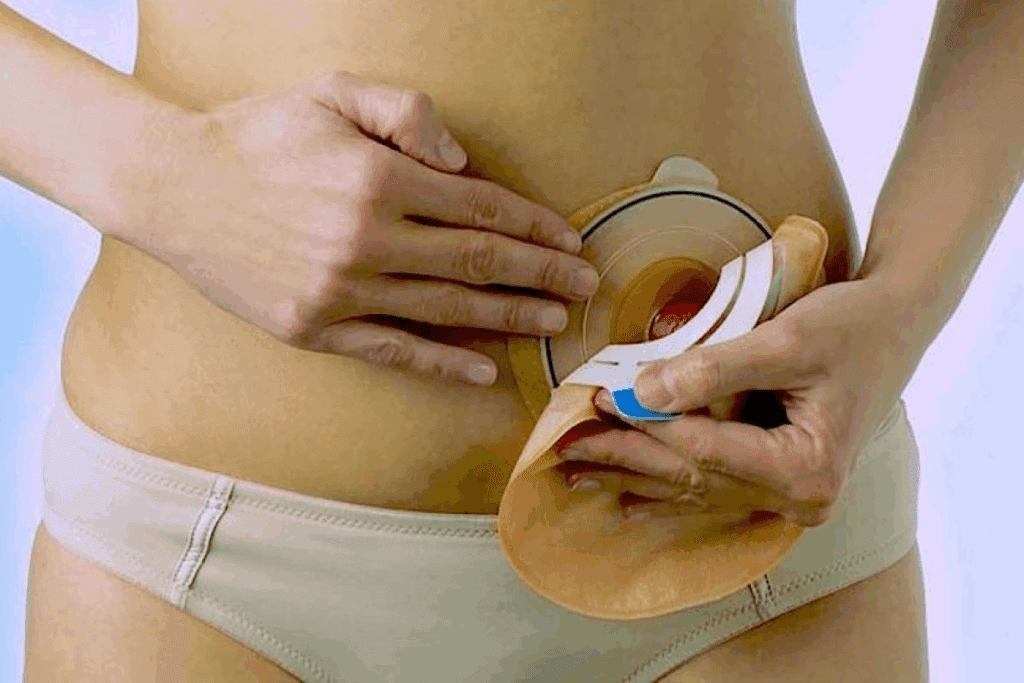
Knowing about colostomy is key for those who have had or will have this surgery. A colostomy is a surgery that makes a hole in the belly. This hole, called a stoma, lets the colon’s waste leave the body.
This is needed because of health issues that stop the colon from working right. The details of the surgery and its effects can change a lot. This depends on the type of colostomy and if it’s short-term or permanent.
Types of Colostomies and Their Differences
Colostomies are sorted by the part of the colon used. The main kinds are:
- Sigmoid Colostomy: Uses the sigmoid colon, near the rectum and anus.
- Descending Colostomy: Uses the descending colon, on the left side.
- Transverse Colostomy: Uses the transverse colon, across the top of the abdomen.
- Ascending Colostomy: Uses the ascending colon, on the right side.
Each type has its own reasons and effects on the patient’s life and managing the stoma.
Common Conditions Leading to Colostomy Surgery
Colostomy surgery is done for many reasons. It’s often needed because of serious problems with the colon. Some common reasons include:
| Condition | Description |
| Colorectal Cancer | A cancer in the colon or rectum that might need part of it removed. |
| Diverticulitis | Inflammation of small pouches in the colon wall, which can cause problems needing a colostomy. |
| Trauma | Severe belly injury that harms the colon, possibly needing a colostomy to manage waste. |
Temporary vs. Permanent Colostomies
Colostomies can be either short-term or permanent. This depends on why the surgery was needed and the patient’s health.
Temporary Colostomies are used when part of the colon needs to heal. They might be closed once the healing is done.
Permanent Colostomies are needed when a big part of the colon or rectum is removed. In these cases, the colostomy is a long-term solution.
Preparing for Colostomy Surgery

Getting ready for colostomy surgery is key to a good outcome. A detailed plan helps patients face surgery and recovery. It covers important steps to make the journey smoother.
Pre-Surgery Patient Education
Learning about surgery before it happens is vital. Patients get a pre-op check-up. Here, they learn about their future ostomy.
They find out about the surgery, where the colostomy will be, and how to care for it. Good education lets patients make smart choices and feel ready.
The Role of Stoma Care Nursing
Stoma care nurses are key in getting ready for and recovering from surgery. They know a lot about ostomies and help patients one-on-one. Nurses teach patients how to manage their stoma and bag.
Their help is critical for getting the care patients need.
Mental Health Preparation and Counseling
Preparing mentally and getting counseling is important. Surgery can be tough on the mind, leading to anxiety or depression. Counseling services offer support to help patients deal with these feelings.
They help patients adjust to their new life and stay positive.
What to Expect After Surgery
Knowing what comes after surgery is important for a smooth recovery. In the hospital, patients learn about caring for their colostomy. They learn to empty and change their bag, manage their stoma, and handle any issues.
Post-surgery care aims to give patients the skills to manage their condition well.
By focusing on these areas, patients can be well-prepared for surgery and recovery. Good preparation and support are key to a better life with a colostomy.
Essential Colostomy Supplies and Equipment
The right ostomy supplies can greatly improve life for those with a colostomy. It’s important to know and use the right equipment for comfort, security, and hygiene.
One-Piece vs. Two-Piece Ostomy Systems
Ostomy systems come in one-piece and two-piece types. A one-piece ostomy system has the pouch and skin barrier together. This makes it simpler to apply and remove.
A two-piece ostomy system separates the pouch from the skin barrier. This allows for easier pouch changes without removing the skin barrier.
Choosing between these systems depends on personal preference and skin sensitivity. Some like the simplicity of one-piece systems. Others prefer the flexibility of two-piece systems.
Different Types of Bags
There are many types of bags for colostomy care, like colonostomy, ileostomy, and urostomy bags. The right bag depends on the surgery and output type.
| Type of Bag | Description | Key Features |
| Colonostomy Bag | Designed for colostomy output | Closed or drainable, odor-resistant |
| Ileostomy Bag | For ileostomy output | Drainable, accommodating liquid output |
| Urostomy Bag | For urostomy output | Designed with a tap for urine drainage |
Skin Barriers, Adhesives, and Protective Products
Skin barriers, adhesives, and protective products are key for stoma skin care. Skin barriers shield the skin from output. Adhesives keep the ostomy system in place. Products like skin sealants and wipes add extra protection and comfort.
Creating a Complete Colostomy Care Kit
A complete colostomy care kit should have all needed supplies. This includes ostomy bags, skin barriers, adhesives, cleaning items, and protective products. A well-stocked kit helps manage the colostomy and improves life quality.
Understanding Your Stoma: Appearance and Function
The look and function of your stoma tell a lot about your health. A stoma is a man-made opening in your belly. It lets waste leave your body. Knowing what’s normal helps you take good care of your colostomy.
Normal Stoma Characteristics: Color, Size, and Moisture
A healthy stoma is pink or red, showing good blood flow. It should be a bit moist, but not too wet or dry. It’s usually about 1-2 inches wide. Checking these things every day can spot problems early.
Signs of a Healthy vs. Problematic Stoma
A healthy stoma doesn’t show signs of infection like redness or swelling. It might bleed a bit when it’s new, but not too much. But if your stoma looks different, hurts, or has a lot of bleeding, it’s not good.
Stoma Output: What’s Normal and What’s Not
How much your stoma outputs depends on your colostomy type and diet. It should be semi-solid or formed, based on where it is in your colon. But if your stool is too runny or hard, or if you see blood or gas, that’s not right.
When to Contact Healthcare Providers
If you see any signs of trouble with your stoma, like changes in output or pain, call your doctor. As one doctor said, “
Early detection and intervention are key to managing complications and ensuring the best possible outcomes for individuals with a colostomy.
” Seeing your healthcare team regularly helps keep your stoma healthy.
Caring for a Colostomy: Daily Management Routine
Having a daily routine is key for those with a colostomy. It keeps things clean, prevents problems, and boosts overall health.
When and How to Empty the Colostomy Bag
Emptying the colostomy bag is a big part of daily care. It’s best to do it when the bag is one-third to one-half full. This stops overflow and lessens the chance of leaks. Here’s how to do it:
- Prepare a toilet or a suitable container.
- Open the drain at the bottom of the bag.
- Empty the contents into the toilet or container.
- Clean the drain with toilet paper.
- Close the drain securely.
Doing this often helps control smell and keeps the skin around the stoma healthy.
Proper Cleaning Techniques Around the Stoma
Cleaning the area around the stoma is important to avoid irritation and infection. Use mild soap and lukewarm water. Pat dry with a clean towel. Stay away from harsh products or rough materials that can hurt the skin.
“Proper stoma care involves gentle cleaning and thorough drying to prevent complications.”
— Ostomy Care Guidelines
Preventing and Treating Skin Irritation
To avoid skin irritation, make sure the ostomy bag fits right, use protective barriers, and clean regularly. If irritation happens, use a treatment your doctor suggests.
| Cause of Irritation | Prevention Method | Treatment |
| Poor Fit | Ensure proper sizing and fitting | Adjust the ostomy bag |
| Skin Reaction | Use hypoallergenic products | Apply topical corticosteroid |
| Infection | Maintain hygiene | Antibiotic treatment |
Maintaining a Regular Schedule for Optimal Management
Sticking to a routine is vital for colostomy care. This includes changing bags, cleaning, and watching for any issues. A steady routine helps manage the colostomy well and improves life quality.
By following these tips, people with a colostomy can stay healthy and clean. This leads to a better life.
Step-by-Step Guide to Changing Your Colostomy Bag
Changing a colostomy bag is a key part of keeping clean and avoiding problems. This guide will help you through the steps to change your bag safely and effectively.
Gathering and Preparing Your Supplies
First, make sure you have all the ostomy supplies you need. This includes a new bag, adhesive remover, skin barrier, and any other stoma care items.
- New colostomy bag
- Adhesive remover
- Skin barrier
- Cleaning materials (e.g., warm water, mild soap)
Safely Removing the Old Bag
To take off the old bag, start peeling the adhesive from the top down. If it’s hard to remove, use an adhesive remover to avoid skin irritation.
- Peel off the adhesive slowly and carefully.
- Use adhesive remover if the adhesive is stubborn.
- Dispose of the used bag properly.
Cleaning and Inspecting the Stoma Area
Cleaning the stoma area is important to prevent infection and ensure the new bag sticks well. Use warm water and mild soap, then pat it dry.
Check the stoma for any signs of irritation or problems, like redness, swelling, or unusual discharge.
Applying the New Bag Securely
Make sure the skin is clean and dry before applying the new bag. Place the skin barrier over your stoma and press the adhesive onto your skin, starting from the center.
| Step | Description |
| 1 | Align the skin barrier with the stoma. |
| 2 | Press the adhesive onto the skin, starting from the center. |
| 3 | Ensure the bag is securely attached. |
By following these steps, you can change your colostomy bag safely and effectively. This helps keep your stoma care and overall health in good shape.
Colostomy Irrigation: Techniques and Benefits
For those with a colostomy, irrigation helps manage bowel movements. It uses water to flush the colon through the stoma. This leads to more control over when and where you go to the bathroom.
Who Can Benefit from Irrigation
People with descending or sigmoid colostomies get the most from irrigation. It helps them have a more regular bowel routine. This means they don’t always need to wear a colostomy bag. Always talk to a healthcare provider to see if irrigation is right for you.
Required Equipment for Safe Irrigation
You’ll need special equipment for safe irrigation. This includes an irrigation bag, a cone or catheter, tubing, and a belt. Keeping all equipment clean and in good shape is key to avoiding problems.
Getting ready for irrigation is important. Fill the irrigation bag with lukewarm water and lubricate the cone or catheter. Then, insert it into the stoma. The water then flows into the colon, causing a bowel movement.
Step-by-Step Irrigation Process
The irrigation process has several steps:
- Prepare the irrigation bag by filling it with lukewarm water.
- Lubricate the cone or catheter before gently inserting it into the stoma.
- Allow the water to flow into the colon, which may take several minutes.
- After the water has been instilled, allow the colon to drain into the toilet or a drainage bag.
- Clean and store the equipment properly after use.
Troubleshooting Common Irrigation Problems
Some people might face issues like cramping, leakage, or trouble inserting the catheter. Knowing how to fix these problems is key to successful irrigation.
| Issue | Possible Cause | Solution |
| Cramping | Water temperature too cold or hot | Use lukewarm water |
| Leakage | Insufficient cone or catheter insertion | Ensure proper insertion and secure the cone |
| Difficulty with catheter insertion | Stoma stenosis or blockage | Consult a healthcare provider for guidance |
Learning colostomy irrigation can greatly improve your life. It gives you more independence and confidence in managing your ostomy care. When done right, it can make a big difference in your quality of life.
Managing Common Colostomy Complications
Dealing with colostomy complications can be tough, but knowing how to handle them is key. Issues like skin irritation, leakage, and blockages are common. Understanding their causes and solutions can greatly improve your life.
Addressing Skin Irritation and Breakdown
Skin irritation around the stoma is a frequent problem. It can be caused by allergies, friction, or chemical reactions from stool. To avoid this, make sure the ostomy appliance fits right and use protective skin barriers.
Prevention Tips:
- Use gentle products when cleaning the skin around the stoma.
- Avoid using harsh soaps or products containing alcohol.
- Ensure the ostomy bag is properly sized for the stoma.
Preventing and Managing Leakage
Leakage under the ostomy appliance is a big worry. It can lead to skin irritation and other problems. A tight seal and regular checks for wear can help stop leaks.
As noted by ostomy care experts, “A well-fitting ostomy appliance is key to preventing leakage and ensuring the comfort and confidence of the individual.”
Understanding Blood in the Colostomy Bag: Causes and Solutions
Seeing blood in the colostomy bag can be scary, but it’s not always a big deal. Minor bleeding might happen due to irritation or granulation tissue. But, if the bleeding doesn’t stop or is heavy, you should see a doctor.
“While occasional spotting may not be serious, repeated instances of bleeding should be investigated to rule out underlying issues such as injury to the stoma or disease recurrence.”
Dealing with Blockages and Constipation
Blockages and constipation can be problems with a colostomy. Eating more fiber and drinking plenty of water can help. Sometimes, irrigation is suggested to control bowel movements.
Management Strategies:
- Maintain a high-fiber diet to promote regular bowel movements.
- Stay well-hydrated to prevent constipation.
- Consider irrigation as a means to manage bowel movements, under the guidance of a healthcare provider.
Nutrition and Lifestyle with a Colostomy
Living with a colostomy means making changes in diet and lifestyle. Knowing how these changes affect your colostomy can greatly improve your life.
Foods That May Cause Gas, Odor, or Blockage
Some foods can lead to gas, odor, or blockage if you have a colostomy. It’s important to know which foods to avoid.
- Gas-producing foods: Beans, cabbage, broccoli, and carbonated drinks can lead to gas.
- Odor-causing foods: Foods like fish, eggs, and garlic can cause unpleasant odors.
- Foods that may cause blockage: High-fiber foods such as nuts, seeds, and raw vegetables can sometimes cause blockages if not properly chewed.
Keeping a food diary can help identify which foods cause issues, allowing you to make informed dietary choices.
Hydration and Fiber: Finding the Right Balance
Drinking enough water and eating the right amount of fiber are key for those with a colostomy.
Water helps prevent constipation and keeps the stoma output right. Aim for 8-10 glasses a day, based on your activity and climate.
Fiber is important, but add it slowly to avoid discomfort. Include whole grains, fruits, and cooked veggies in your diet.
Physical Activity Guidelines and Precautions
Regular exercise is good for your health and stress management. But, there are guidelines to follow.
- Start slowly: Begin with gentle exercises like walking or stretching.
- Avoid heavy lifting: Lifting heavy objects can put strain on your abdominal muscles.
- Listen to your body: If you experience discomfort or pain, stop the activity and rest.
Talk to your healthcare provider before starting any new exercise.
Clothing Considerations for Comfort and Discretion
Choosing the right clothes can make a big difference in comfort and privacy with a colostomy.
Wear loose clothes that don’t press on the stoma. Special ostomy clothes or accessories can add comfort and security.
By making smart choices about food and lifestyle, people with a colostomy can live active, happy lives. It’s about finding the right balance and being aware of how different things affect your colostomy.
Long-Term Colostomy Management and Prevention
Managing a colostomy long-term requires ongoing care and support. It involves regular medical check-ups, skilled stoma care, and using community resources.
Regular Medical Check-ups and Stoma Assessment
Regular visits to the doctor are key for stoma health. Healthcare providers check the stoma’s condition and offer tips for care.
Key aspects of stoma assessment include:
- Evaluating the stoma’s color, size, and output
- Checking the condition of the peristomal skin
- Ensuring the ostomy appliance is fitting properly
Working with Stoma Care Nurses for Ongoing Support
Stoma care nurses are essential for colostomy management. They offer specialized advice, help solve problems, and provide emotional support. “A good stoma care nurse can make a significant difference in a patient’s ability to manage their colostomy confidently,” notes a leading ostomy care expert.
Working with a stoma care nurse can help individuals with a colostomy face challenges and improve their life quality.
Support Groups and Community Resources
Support groups and community resources offer extra support for those with a colostomy. They provide a place to share experiences, learn from others, and discover new products and techniques.
“Connecting with others who understand the challenges and benefits of living with a colostomy can be incredibly empowering,” said a member of an ostomy support group.
Early Disease Management to Potentially Avoid Colostomy
For some conditions, early management can prevent the need for a colostomy. This highlights the importance of timely medical care and following treatment plans.
By focusing on prevention and proactive care, individuals can lower their risk of complications and improve their health outcomes.
Conclusion: Living Well with a Colostomy
Living with a colostomy means making some changes, but it’s possible to live well. Knowing how to care for your stoma and having the right supplies is key. This helps manage your condition effectively.
Creating a daily routine is important. This includes changing your bag regularly, keeping it clean, and watching for any issues. Eating well, staying hydrated, and being active also help your overall health.
Getting help from healthcare professionals and joining support groups can be very helpful. They offer advice and support. With the right mindset and help, living with a colostomy can be rewarding.
Being proactive in managing your colostomy care helps you feel more in control. It makes living with a colostomy more confident and independent.
FAQ
What is a colostomy, and why is it performed?
A colostomy is a surgery that makes a hole in the belly. This hole, called a stoma, lets waste leave the body. It’s done for many reasons, like cancer, diverticulitis, or injury.
What are the different types of colostomies?
Colostomies are named by where they are in the colon. They can be ascending, transverse, descending, or sigmoid. They can also be temporary or permanent, based on the reason for surgery.
How do I care for my stoma and colostomy bag?
Keeping your stoma area clean is key. Empty and change your colostomy bag as needed. Use the right supplies to avoid skin problems and keep the bag in place.
What are the signs of a healthy stoma, and what are the signs of problems?
A healthy stoma is pink or red, moist, and slightly raised. Watch for skin issues, bleeding, or changes in waste. If you notice anything off, see a doctor.
How often should I irrigate my colostomy, and what are the benefits?
Irrigation helps control bowel movements. It’s done daily or as needed. Talk to a healthcare provider or stoma care nurse to figure out the best schedule for you.
What are common complications associated with colostomies, and how can they be managed?
Problems like skin irritation, leakage, blockages, and constipation can happen. To manage, take good care of your skin, adjust your bag, and get help if issues don’t go away.
How can I manage my diet and lifestyle with a colostomy?
Eat a balanced diet with plenty of water and fiber. Be careful with foods that might cause gas or blockages. Stay active and wear comfortable clothes to feel better.
What are the benefits of working with a stoma care nurse, and how can they support me?
Stoma care nurses offer expert advice, help with complications, and emotional support. They can also help with irrigation, bag changes, and provide resources for ongoing care.
How can I find support groups and community resources for living with a colostomy?
Look for support groups, online forums, and local organizations. Healthcare providers, stoma care nurses, and online searches can help you find these resources.
Can I avoid getting a colostomy bag, and what are the alternatives?
In some cases, early treatment might avoid surgery. Talk to your healthcare provider about other treatments and management strategies.
What does blood in the colostomy bag mean, and when should I seek medical attention?
Blood in the bag can mean irritation, infection, or serious issues. Always check with a healthcare provider to find out why and what to do next.