Last Updated on December 2, 2025 by Bilal Hasdemir

Those with carotid artery stenosis face a big risk of stroke. The Medical organization warns that ignoring this condition can lead to serious problems.
A 90% blockage in the carotid arteries cuts down brain blood flow. This can cause a stroke. Such a blockage is very serious and needs quick medical help.
It’s key to understand the dangers of a 90% blockage. Doctors stress the need to find and treat arterial stenosis to avoid strokes.
Key Takeaways
- A 90% blockage of the carotid artery is considered severe.
- Carotid artery stenosis can lead to reduced blood flow to the brain.
- Untreated carotid stenosis can result in a stroke.
- Timely medical intervention is critical for preventing severe outcomes.
- Diagnosis and treatment of arterial stenosis are vital.
Understanding the Carotid Artery and Its Function

The carotid arteries are key blood vessels in the neck. They are vital for bringing blood to the brain, face, and neck. Knowing how they work is key to understanding their role in our health.
Anatomy of the Carotid Artery System
The carotid artery system has several parts, each with its own job. The common carotid artery splits into the internal carotid artery and the external carotid artery.
Common, Internal, and External Carotid Arteries
The common carotid artery starts from the brachiocephalic trunk on the right and the aortic arch on the left. It goes up the neck and splits into the internal and external carotid arteries. The internal carotid artery feeds the brain, while the external carotid artery goes to the face and neck.
The Carotid Bulb and Its Significance
The carotid bulb is a small widening at the internal carotid artery’s base. It’s a common spot for plaque buildup, which can cause stenosis. The carotid bulb is important for blood pressure control through baroreception.
Role in Blood Supply to the Brain
The internal carotid artery is essential for the brain’s oxygen supply. It branches into cerebral arteries that cover different brain areas. Any blockage here can cause serious problems, like a stroke.
Normal Blood Flow Patterns
Normal blood flow in the carotid arteries is smooth, flowing in parallel layers. Any disruption or turbulence can signal stenosis or other vascular problems.
| Artery | Function | Area Supplied |
| Common Carotid Artery | Main trunk | Neck |
| Internal Carotid Artery | Supplies brain | Brain |
| External Carotid Artery | Supplies face and neck | Face and Neck |
What is Carotid Artery Stenosis?

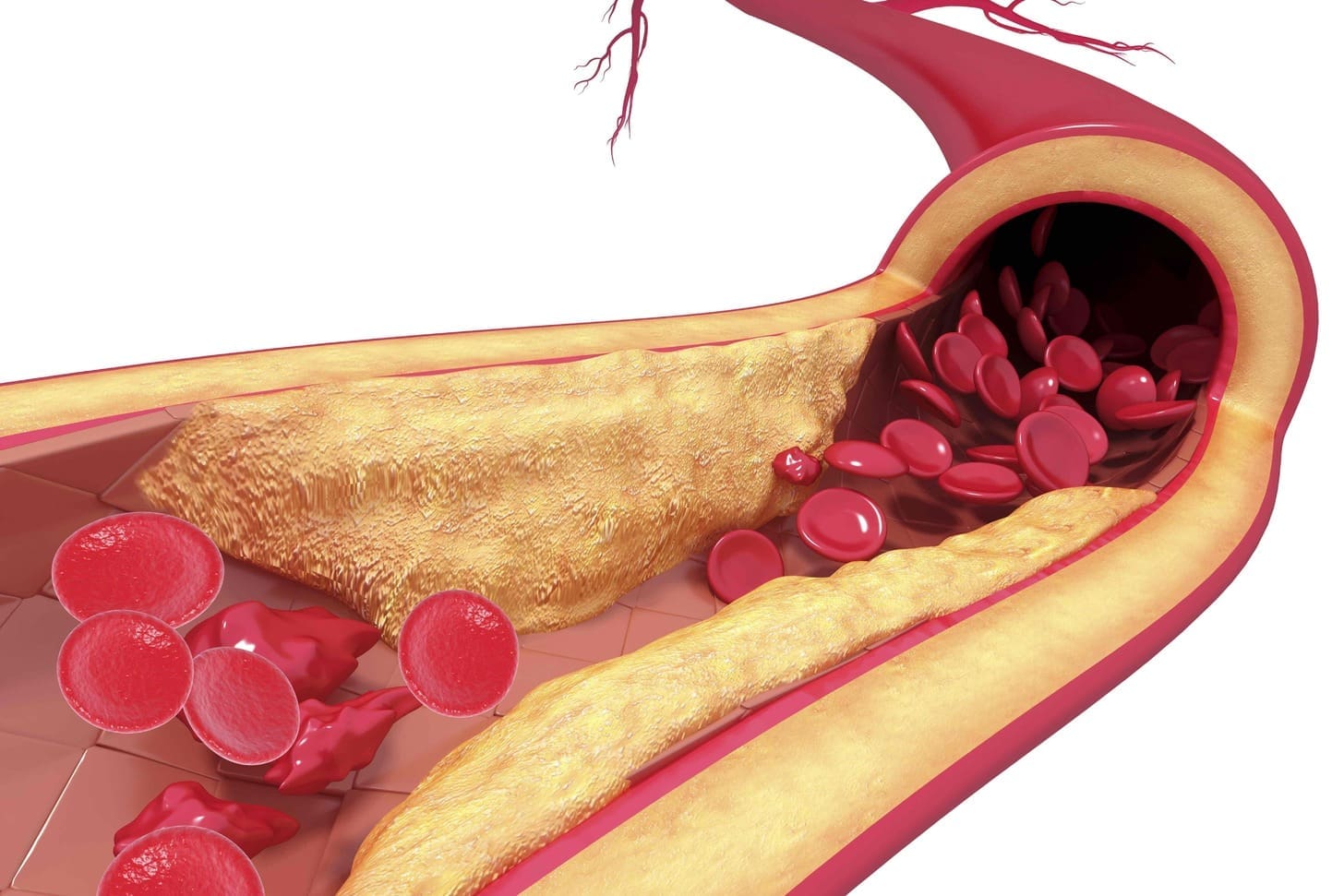
The carotid arteries can narrow or block due to plaque buildup. This is called carotid stenosis. It can lead to less blood flow to the brain. This might cause strokes or TIAs.
Definition and Classification
Carotid artery stenosis happens when plaque builds up in the carotid arteries. This plaque is made of fat, cholesterol, and more. Doctors classify stenosis based on how much the artery narrows.
Measuring Blockage Percentage
Doctors use imaging to measure how blocked the artery is. Two common methods are:
Doppler Ultrasound Measurements
Doppler ultrasound is a non-invasive test. It uses sound waves to check blood flow in the carotid arteries. It can tell how fast blood flows, showing if the artery is narrowing.
Angiographic Assessment
Angiography uses X-rays and dye to see the carotid arteries. It gives clear images of the artery’s inside. This helps doctors measure the stenosis accurately.
Progression of Stenosis
How fast carotid stenosis gets worse can vary. Risk factors like high blood pressure and smoking play a big role. Regular check-ups are key to managing the condition.
| Degree of Stenosis | Characteristics | Clinical Implications |
| Mild (1-29%) | Minimal narrowing | Low risk of stroke |
| Moderate (30-69%) | Noticeable narrowing | Moderate risk, monitoring required |
| Severe (70-99%) | Significant narrowing | High risk of stroke, intervention often necessary |
Knowing how severe carotid stenosis is helps doctors choose the right treatment. It also helps lower the risk of stroke.
The Severity of a 90% Carotid Artery Blockage
A 90% blockage in the carotid artery is very serious. It causes big changes in blood flow. This blockage is called hemodynamically significant stenosis. It greatly reduces blood to the brain and raises the chance of stroke.
Hemodynamic Impact
A 90% blockage in the carotid artery affects blood flow a lot. The internal carotid artery (ICA) gets narrower. This leads to blood flow problems and lower pressure after the blockage.
This can cause the brain to not get enough blood. It might lead to ischemia or even infarction.
Risk Classification
The risk of a 90% carotid artery blockage depends on symptoms.
Symptomatic vs. Asymptomatic Stenosis
People with symptomatic stenosis have had TIAs or strokes. This means the blockage is affecting the brain. On the other hand, asymptomatic stenosis means no symptoms yet, but it’s a big risk for stroke.
Comparison with Lesser Degrees of Blockage
A 90% blockage is much more dangerous than smaller blockages. For example, a 50-69% blockage is moderate. It raises stroke risk, but not as much as a 90% blockage.
Treatment plans vary with the blockage’s size. Severe blockages need more serious actions.
In summary, a 90% carotid artery blockage is a serious issue. It needs quick medical attention to lower stroke risk and other problems.
Causes and Risk Factors for Severe Carotid Stenosis
Severe carotid stenosis is often caused by atherosclerosis in the carotid arteries. Knowing the causes and risk factors is key to preventing and managing this condition.
Atherosclerosis Development
Atherosclerosis is a complex process. It involves the buildup of plaque in the arterial walls. This plaque is made of cholesterol, fat, and cellular debris.
Plaque Formation Process
The plaque in the carotid arteries forms over time. It starts with inflammation, then endothelial dysfunction, and the buildup of lipids. This can lead to carotid artery stenosis.
Modifiable Risk Factors
Several risk factors can be changed to prevent severe carotid stenosis. These include:
- Hypertension
- Diabetes Mellitus
- Smoking
- High Cholesterol
Lifestyle and Medical Conditions
Changing these risk factors can greatly reduce the risk of severe carotid stenosis. For example, managing hypertension and diabetes can slow carotid atherosclerosis progression.
Non-modifiable Risk Factors
Some risk factors can’t be changed, like age, gender, and family history. Knowing these is important for understanding overall risk.
| Risk Factor | Description | Impact on Carotid Stenosis |
| Age | Increased risk with advancing age | Higher incidence in older populations |
| Gender | Males are generally at higher risk | Increased risk of severe stenosis |
| Family History | History of cardiovascular disease in first-degree relatives | Potential genetic predisposition to atherosclerosis |
It’s important to know both modifiable and non-modifiable risk factors for severe carotid stenosis. By addressing these, individuals can lower their risk of this serious condition.
Recognizing Symptoms of a 90% Blocked Carotid Artery
Knowing the signs of a 90% blocked carotid artery is key to getting help fast. A blockage this severe can lead to serious health issues, like stroke. Spotting the symptoms early can help you get medical help quickly.
Warning Signs and Symptoms
The signs of a 90% blocked carotid artery can vary. They can affect your brain and body. Brain symptoms happen because of less blood flow. Body symptoms are how your body reacts to the blockage.
Neurological Manifestations
Neurological symptoms include weakness or numbness in the face or limbs. You might have trouble speaking or understanding language. Vision problems like double vision or losing vision in one eye are also signs. These symptoms mean you could be at risk for a stroke and need to see a doctor right away.
Physical Symptoms
Physical symptoms include dizziness or loss of balance. You might also have headaches. Sometimes, people faint or feel like they’re going to faint. These symptoms can last a short time or longer, depending on the blockage and your health.
Transient Ischemic Attacks (TIAs)
A Transient Ischemic Attack (TIA), or “mini-stroke,” is a short-term brain problem. It’s like a stroke but doesn’t last long, usually under 24 hours. Knowing about TIAs is important because they can be a sign of a bigger stroke problem.
Silent Stenosis: When Symptoms Are Absent
Sometimes, a 90% blocked carotid artery won’t show any symptoms, known as “silent stenosis.” This makes finding the blockage hard, relying on tests to spot it.
Knowing your risk factors and the chance of silent stenosis can help. Talking to your doctor about your risk can lead to early detection and treatment.
Diagnostic Diagnostic Diagnostic Diagnostic Diagnosis for Carotid Artery Blockage
Diagnosing carotid artery disease often uses non-invasive imaging. Carotid duplex ultrasonography and CT or MR angiography are key tools. They help doctors see how severe the blockage is.
Non-invasive Imaging Techniques
Non-invasive imaging is vital for spotting carotid artery blockages. The main methods are:
Carotid Duplex Ultrasonography
Carotid duplex ultrasonography is a non-invasive test. It combines Doppler and ultrasound to show the carotid arteries. It checks blood flow and finds blockages.
CT and MR Angiography
CT and MR angiography give detailed views of the carotid arteries. CT uses X-rays, while MR uses magnetic fields. Both are great for spotting stenosis.
| Imaging Technique | Description | Advantages |
| Carotid Duplex Ultrasonography | Combines Doppler and conventional ultrasound | Non-invasive, no radiation, cost-effective |
| CT Angiography | Uses X-rays to create detailed images | High accuracy, quick results |
| MR Angiography | Uses magnetic fields to create detailed images | No radiation, high accuracy for complex cases |
Angiography and Advanced Imaging
For some, more detailed tests like conventional angiography are needed. This test uses dye and X-rays to see the blockage.
Interpreting Test Results
Understanding test results is key to knowing how severe the stenosis is. Doctors look at images and data to plan treatment.
A medical expert said,
“Accurate diagnosis is the cornerstone of effective treatment for carotid artery disease. Advanced imaging techniques have significantly improved our ability to diagnose and manage this condition.”
Medical Treatment Options for Severe Carotid Stenosis
Medical treatment for severe carotid stenosis includes both medication and lifestyle changes. The main goal is to lower the risk of stroke and heart problems.
Medication Regimens
Medicine is key in managing severe carotid stenosis. It focuses on preventing stroke and heart issues.
Antiplatelet Therapy
Antiplatelet therapy is vital in treating carotid artery disease. Aspirin and clopidogrel are used to stop platelets from clumping and reduce the chance of blood clots.
Statins and Other Medications
Statins are important for lowering cholesterol and making plaques stable. Other drugs help manage high blood pressure and diabetes.
Lifestyle Modifications
Lifestyle changes are also critical in managing severe carotid stenosis. These changes help lower overall heart risk.
Dietary Changes and Exercise
Eating a healthy diet full of fruits, veggies, and whole grains is key. Regular physical exercise also helps. These steps manage weight, improve cholesterol, and control blood pressure.
Monitoring and Follow-up Protocols
Regular check-ups and tests are vital for those with severe carotid stenosis. They help track the disease’s progress and adjust treatment plans as needed.
Combining medication, lifestyle changes, and regular monitoring can greatly reduce stroke and heart risk for patients with severe carotid stenosis.
Surgical Interventions for a 90% Blocked Carotid Artery
A 90% blockage in the carotid artery raises the risk of stroke. This makes carotid endarterectomy and stenting key for many. These surgeries aim to improve blood flow to the brain, lowering stroke risk.
Carotid Endarterectomy (CEA)
Carotid endarterectomy removes plaque from the carotid artery. This improves blood flow to the brain.
Procedure Details and Recovery
The surgery is done under general anesthesia. The surgeon makes a neck incision, clamps the artery, and removes the plaque. Recovery takes a few weeks, with close monitoring for complications.
Success Rates and Outcomes
CEA greatly lowers stroke risk in severe stenosis. It has a high success rate, with low complication risks when done by skilled surgeons.
Carotid Artery Stenting (CAS)
Carotid artery stenting is a less invasive option. It involves placing a stent to keep the artery open.
Procedure Details and Recovery
CAS uses local anesthesia and a small groin incision. A stent is placed to improve blood flow. Recovery is faster than CEA, with most returning to normal activities in days.
Success Rates and Outcomes
CAS’s success rates are similar to CEA in reducing stroke risk. It’s often chosen for those at higher surgical risk or with specific anatomical features.
Determining the Best Surgical Approach
The choice between CEA and CAS depends on several factors. These include the patient’s health, artery anatomy, and symptoms.
Patient Selection Criteria
Criteria for patient selection include stenosis degree, symptoms, and medical history. A team evaluates these to choose the best surgery.
Complications and Prognosis with Untreated 90% Blockage
Untreated 90% carotid artery stenosis poses serious risks. It can lead to severe health issues, including a higher chance of stroke.
Stroke Risk Assessment
It’s vital to assess stroke risk in carotid artery disease. A 90% blockage greatly increases this risk due to less blood flow to the brain.
Short-term and Long-term Risks
Stroke risk falls into short-term and long-term categories. Short-term risks are high because the blockage could become complete or debris could travel to the brain.
- Short-term Risks: Immediate danger of stroke or transient ischemic attack (TIA).
- Long-term Risks: Continued risk of stroke and possible cognitive decline.
Cognitive Impairment Considerations
Cognitive impairment is a big worry for those with untreated 90% blockage. Reduced blood flow can cause cognitive decline and even dementia.
Early intervention is critical to avoid these outcomes. Keeping an eye on cognitive function is key in managing carotid artery disease.
Long-term Outlook Without Intervention
The outlook for untreated 90% carotid artery blockage is grim. Without action, the risk of stroke stays high, and other heart problems are more likely.
Mortality and Morbidity Statistics
Untreated carotid artery disease is serious. Studies show a higher death rate due to heart-related issues.
| Condition | Stroke Risk | Mortality Rate |
| Untreated 90% Carotid Blockage | High | Elevated |
| Treated Carotid Stenosis | Reduced | Lower |
Timely medical treatment is essential. Options like surgery can greatly improve outcomes for severe carotid artery stenosis.
Conclusion: Managing Life with Carotid Artery Disease
Living with carotid artery disease means making big changes in your life. You need to change your lifestyle, get medical help, and sometimes surgery. These steps help lower the chance of having a stroke or other serious problems.
One important part of treating carotid artery disease is to live healthier. Eating right, exercising often, and quitting smoking are key. These actions can really help slow down the disease and keep your heart healthy.
At times, you might need medical treatments or surgery. Procedures like carotid endarterectomy or stenting can help with big blockages. Working with your doctor, you can make a plan that’s just right for you. This plan can help you manage your disease and avoid bad outcomes.
Being active and informed about managing carotid artery disease can greatly improve your life. It helps you stay safe and enjoy life more, even with this condition.
FAQ
What is carotid artery stenosis?
Carotid artery stenosis is when the carotid arteries in the neck narrow. These arteries are key for blood flow to the brain. This narrowing is caused by plaque buildup.
How serious is a 90% blocked carotid artery?
A 90% blockage is very serious. It greatly raises the risk of stroke. This is because it severely limits blood flow to the brain.
What are the symptoms of a 90% blocked carotid artery?
Symptoms can include transient ischemic attacks (TIAs) and weakness or numbness in the face or limbs. Difficulty speaking or swallowing and vision changes are also symptoms. Some cases may not show symptoms at all.
How is carotid artery stenosis diagnosed?
Doctors use non-invasive tests like ultrasound, CT angiography, or MR angiography to diagnose. Sometimes, they use invasive angiography to check the stenosis level.
What are the treatment options for severe carotid stenosis?
Treatment includes medications and lifestyle changes. Surgical options like carotid endarterectomy (CEA) and carotid artery stenting (CAS) are also available.
What is the difference between carotid endarterectomy and carotid artery stenting?
Carotid endarterectomy removes plaque from the artery surgically. Carotid artery stenting uses a stent to keep the artery open. The choice depends on the patient’s needs.
Can carotid artery stenosis be prevented?
Some risk factors can’t be changed. But managing others like hypertension, diabetes, smoking, and high cholesterol can help prevent or slow stenosis.
What is the risk of stroke with untreated 90% carotid artery blockage?
Untreated severe stenosis greatly increases stroke risk. The narrowed artery is more likely to block completely or release emboli.
How often should someone with carotid artery stenosis be monitored?
Monitoring depends on stenosis degree and symptoms. Those with higher stenosis or symptoms need more frequent checks.
What lifestyle modifications are recommended for managing carotid artery disease?
A healthy diet, regular exercise, and quitting smoking are recommended. Managing stress and controlling conditions like hypertension and diabetes are also key.
What are the potentially complications of untreated carotid artery stenosis?
Untreated stenosis can lead to stroke, cognitive impairment, and increased cardiovascular risk. This shows why timely management is critical.
References
National Center for Biotechnology Information. Evidence-Based Medical Insight. Retrieved from https://pmc.ncbi.nlm.nih.gov/articles/PMC1014135/