Last Updated on November 26, 2025 by Bilal Hasdemir
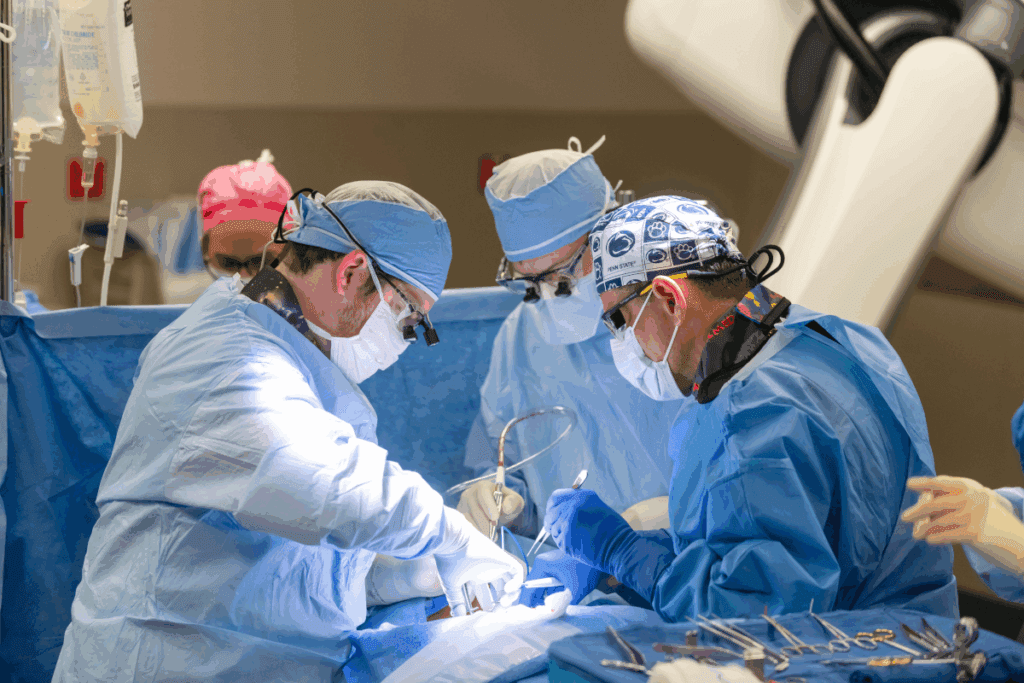
Knowing what to expect during recovery is an important part of healing after carotid artery surgery. Many patients look for carotid artery surgery recovery time pictures to understand how the healing process might look and what normal recovery signs are. Visual references can help patients feel reassured about their progress.
At Liv Hospital, we guide our patients through every step of their recovery. The typical carotid artery surgery recovery time varies from person to person, but most people return to their usual routines within 2 to 4 weeks. Seeing carotid artery surgery recovery time pictures can help set realistic expectations about incision healing, swelling, and overall recovery appearance.
Understanding the stages of healing—from the first few days of rest to gradual activity increase—is key to a smooth recovery. Our experts provide advice, follow-up care, and support to help you identify any concerns early and manage them effectively.
We’ll walk you through what to expect, explain recovery milestones, and help you interpret carotid artery surgery recovery time pictures safely. This knowledge helps you prepare for the healing journey ahead with confidence and peace of mind.
Key Takeaways
- Most individuals can resume normal activities within 2 to 4 weeks after surgery.
- Understanding the recovery timeline is key for managing expectations.
- Comprehensive care and support are provided throughout the recovery process.
- Knowing key facts and milestones helps address concerns or complications.
- A smooth healing journey is supported by guided care and patient education.
What Happens During Carotid Artery Surgery: Procedure Overview
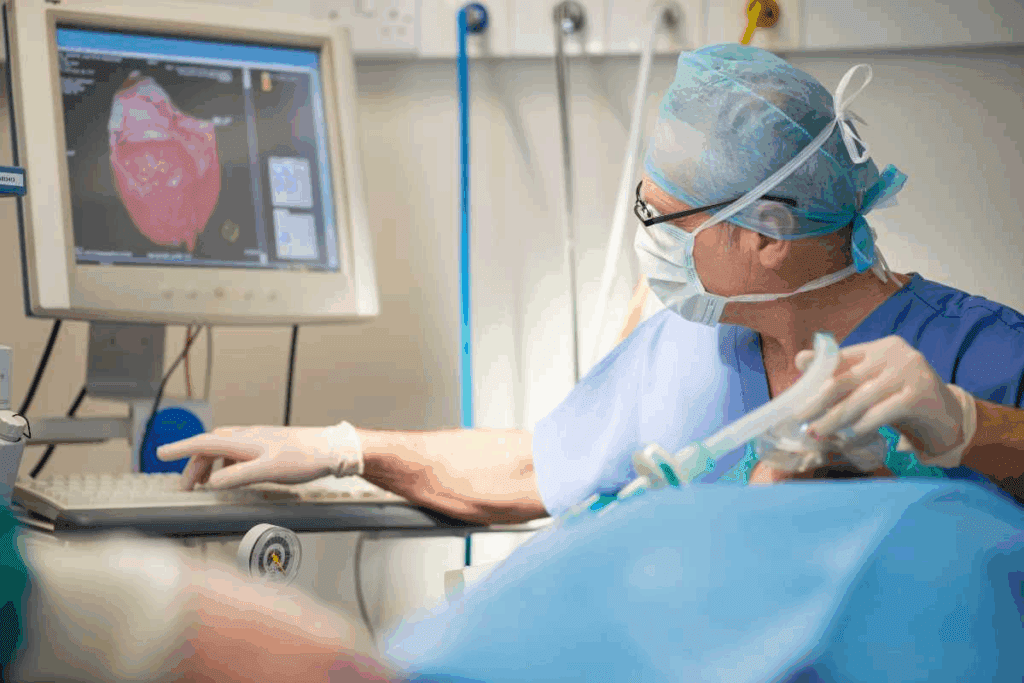
Understanding carotid artery surgery is key for patients to recover well. This surgery, also known as carotid endarterectomy, removes plaque from the carotid arteries. These arteries carry blood to the brain.
“The goal of carotid artery surgery is to prevent stroke by improving blood flow through the carotid arteries,” says Medical Expert, a renowned vascular surgeon. “By removing plaque and reducing the risk of blockage, we can significantly improve patient outcomes.”
Types of Carotid Artery Procedures
There are two main types of carotid artery procedures: carotid endarterectomy (CEA) and carotid artery stenting (CAS).
- Carotid Endarterectomy (CEA): This traditional method involves an incision in the neck to access the carotid artery. The surgeon then removes the plaque buildup, improving blood flow to the brain.
- Carotid Artery Stenting (CAS): This minimally invasive procedure involves placing a stent in the carotid artery to keep it open. CAS is often recommended for patients who are at high risk for complications from CEA.
Goals and Benefits of the Surgery
The main goal of carotid artery surgery is to reduce the risk of stroke by improving blood flow through the carotid arteries. The surgery’s benefits include:
- Reduced risk of stroke
- Improved blood flow to the brain
- Enhanced quality of life
A study in the Journal of Vascular Surgery found that carotid endarterectomy significantly reduces the risk of stroke in patients with severe carotid artery stenosis.
Pre-Surgery Preparation
Before carotid artery surgery, patients undergo tests and evaluations to prepare. These may include:
- Medical history review
- Physical examination
- Imaging tests (e.g., ultrasound, CT angiography)
- Laboratory tests (e.g., blood work)
Patients are also advised to follow specific pre-surgery instructions. This includes avoiding certain medications and fasting before the procedure.
How Long Does Carotid Artery Surgery Take: Timeline Expectations
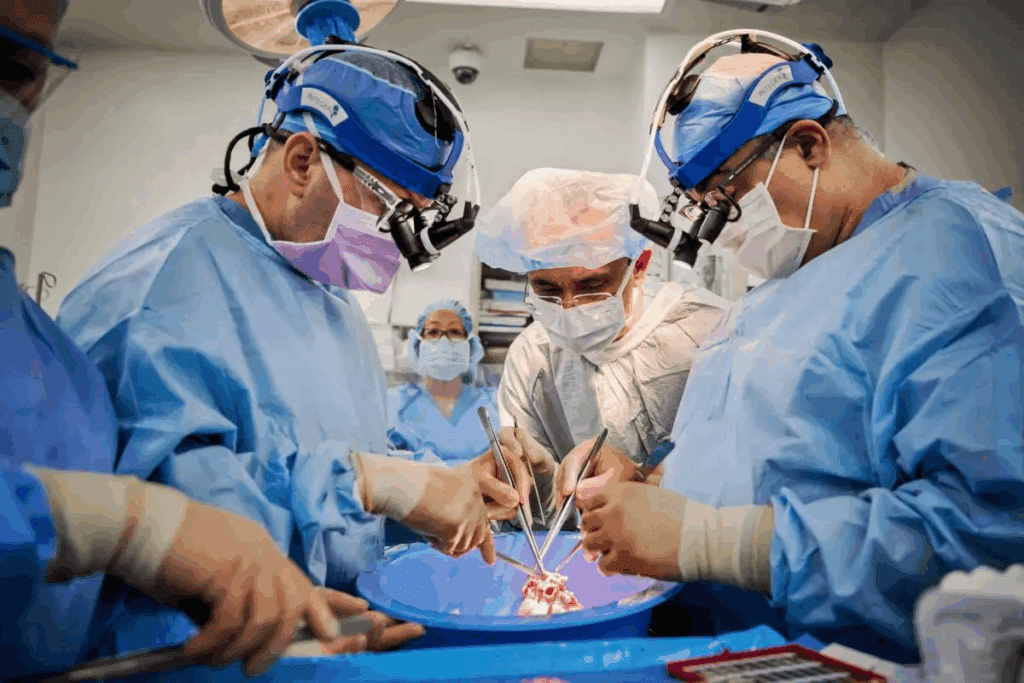
Knowing how long carotid artery surgery takes is key for those about to undergo it. We’ll walk you through what to expect, from the time in the operating room to your stay in the hospital.
Operating Room Duration: The One-Hour Procedure
The carotid endarterectomy procedure usually takes about an hour. This short time is thanks to the skilled surgical team and the well-known nature of the surgery. But, the actual time in the operating room might be longer. This is because of preparation and getting the anesthesia ready.
Total Hospital Time for Carotid Endarterectomy
Even though the surgery is quick, you’ll likely stay in the hospital for 1 to 2 days. This extra time lets doctors keep an eye on you for any issues and help with your recovery.
Factors That May Extend Surgery Time
Several things can make the surgery longer, including:
- Complex plaque buildup
- Anatomical variations
- Unexpected complications
- The need for additional procedures
Our team is ready for these challenges. We’ll talk about any worries with you before the surgery.
| Procedure Component | Typical Duration |
| Surgery Preparation | 30 minutes – 1 hour |
| Carotid Endarterectomy Procedure | 1 hour |
| Recovery Room Stay | 1-2 hours |
| Total Hospital Stay | 1-2 days |
Hospital Recovery After Carotid Endarterectomy: First 48 Hours
The first 48 hours after carotid endarterectomy are key for recovery. Healthcare professionals watch patients closely during this time. They make sure the recovery is smooth and safe.
Recovery Room Monitoring Protocol
Right after surgery, patients go to the recovery room. Our medical team checks their vital signs like blood pressure and heart rate. This helps spot any problems early.
Typical 1-2 Day Hospital Stay Experience
Patients usually stay in the hospital for 1 to 2 days. We focus on pain management and watch for stroke or other issues. This time lets our team give immediate care and support.
Managing Initial Pain and Discomfort
Pain management is a big part of recovery. We use medicines and other methods to ease pain. Patients tell us how they feel so we can adjust treatment.
By watching patients closely and meeting their needs quickly, we reduce discomfort. Our aim is to make sure patients are comfortable and stable before they go home.
Carotid Artery Surgery Recovery Time Pictures: Visual Healing Timeline
Seeing the recovery process can help patients understand what to expect after carotid artery surgery. The healing stages are different, and we’ll look at them through pictures.
Days 1-3: Initial Incision Appearance
In the first few days, the incision site looks swollen and bruised. This is normal.
The swelling and bruising are most noticeable in the first 48 hours. The body starts to heal the incision, and it will look better over time.
Week 1: Early Healing Indicators
By the end of the first week, healing signs are clear. Swelling goes down, and bruising fades. The incision starts to close, and a scar begins to form.
| Day | Expected Appearance | Healing Indicators |
| 1-3 | Swollen and bruised | Initial healing starts |
| 7 | Reduced swelling, fading bruise | Incision starts to close |
Weeks 2-4: Progressive Wound Improvement
Weeks 2-4 see the wound getting better. The scar gets clearer, and the area looks more normal.
Key improvements during this period include:
- Continued reduction in swelling
- Fading of the bruise
- Closure of the incision site
Months 1-3: Scar Formation and Maturation
In the next few months, the scar will keep maturing. It might start red and raised but will flatten and fade over time.
The scar’s final look varies by person, based on healing differences.
Key Fact #1: First Week at Home – Critical Recovery Guidelines
Coming home after carotid artery surgery is a big step. It’s important to know the key recovery tips. The first week is critical for your body to heal right.
Discharge Instructions You Must Follow
When you leave the hospital, you’ll get a list of home care tips. It’s important to stick to these because they’re made just for you. They cover things like:
- Medication management: Understanding which medications to take, their dosages, and the schedule.
- Activity levels: Knowing what activities are safe and which to avoid during the initial recovery period.
- Follow-up appointments: Scheduling and keeping follow-up appointments with your healthcare provider.
- Wound care: Instructions on how to clean and dress your wound, if applicable.
Neck Care and Wound Management
Looking after your neck and wound is key in the first week. You should:
- Keep the surgical site clean and dry.
- Avoid strenuous activities that could strain your neck.
- Follow your healthcare provider’s advice on when to resume normal activities like driving or heavy lifting.
Warning Signs Requiring Medical Attention
Knowing the warning signs is important. If you notice any of these, call your doctor right away:
- Increasing pain or swelling at the surgical site.
- Signs of infection, such as redness, warmth, or drainage.
- Neurological changes, including weakness, numbness, or difficulty speaking.
- Fever or chills.
Watching for these signs and acting fast can help your recovery a lot.
Key Fact #2: What Are The Restrictions After Carotid Artery Surgery?
Knowing what to avoid after carotid artery surgery is key to a good recovery. Patients must follow certain rules to heal right and avoid problems.
Physical Activity Limitations
Stay away from hard work like heavy lifting and bending for weeks after surgery. This helps your body heal and lowers the chance of issues. You can start with light activities like walking a few days later. But, slowly add more to your routine.
Driving Restrictions: When You Can Return to the Wheel
Don’t drive for at least 24 hours after surgery. Sometimes, it’s longer based on how you’re doing and what your doctor says. Make sure you’re fully over the anesthesia and any pain before driving again.
Bathing and Wound Care Precautions
Keep the surgery area clean and dry. Avoid getting the wound wet, like in a bath or pool, until it’s fully closed. You can wash it gently with soap and water after a few days. But, always follow the exact care instructions from your healthcare team.
Dietary and Medication Considerations
Eat a diet full of fruits, veggies, and whole grains to help you get better. Take all your medicines as directed, including any for your heart or other health issues. Drinking lots of water is also important.
By sticking to these tips, you can help ensure a smooth recovery after carotid artery surgery. Always talk to your doctor for specific advice and to clear up any questions you have while you’re getting better.
Key Fact #3: Recovery Time For Carotid Endarterectomy – Realistic Timeframes
Knowing how long it takes to recover from carotid endarterectomy is key. It helps patients plan their care after surgery. Recovery times can differ, but there are common guidelines to follow.
2-Week Milestone: Initial Recovery Phase
The first two weeks are all about resting and avoiding hard work. Most can start with light activities soon. But, always listen to your doctor’s advice.
4-Week Milestone: Returning to Normal Activities
By four weeks, you can usually go back to work and light exercise. But, start slowly to avoid problems. Keep up with your doctor’s advice on wound care and managing pain.
6-Week Milestone: Full Recovery Expectations
By six weeks, most people are back to their usual activities. The recovery time can vary, but most regain their strength by then.
Individual Factors Affecting Your Recovery Timeline
Many things can change how fast you recover. Your health, age, and any health issues you had before surgery matter. So does the surgery type and how well you follow your doctor’s instructions.
It’s important to stay in touch with your doctor. They can help with your specific recovery needs and any issues that come up.
Key Fact #4: Will I Feel Better After Carotid Artery Surgery?
Carotid artery surgery does more than just lower stroke risk. Many patients see their symptoms improve after the surgery. We know you’re curious about what to expect. Let’s look at the benefits you might see after surgery.
Symptom Improvement Expectations
After surgery, many people notice their symptoms get better. These changes can include:
- Less frequent and severe TIAs (mini-strokes)
- Improved brain function from better blood flow
- Less dizziness or feeling lightheaded
- Better overall brain function
Table: Symptom Improvement Expectations After Carotid Artery Surgery
| Symptom | Pre-Surgery Frequency | Post-Surgery Frequency |
| TIAs | Several per week | None or significantly reduced |
| Dizziness | Daily | Occasional or none |
| Cognitive Issues | Frequent | Improved or resolved |
Stroke Risk Reduction Benefits
Carotid artery surgery greatly lowers stroke risk. Research shows it can cut stroke risk by up to 50% for those with severe stenosis.
Quality of Life Changes Post-Surgery
After surgery, many patients see a big boost in their quality of life. This can mean:
- More confidence in daily tasks
- Being able to enjoy hobbies and social events again
- Less worry about stroke risk
- Feeling better overall
We hope knowing these benefits helps you make better choices for your care. It prepares you for the positive changes surgery can bring.
Key Fact #5: Managing Common Post-Carotid Surgery Complications
Dealing with post-carotid surgery complications can be tough. But knowing how to handle them can make a big difference. Carotid artery surgery is usually safe, but some people might face issues during recovery. We’ll look at these common problems and how to tackle them.
Neck Soreness and Numbness Duration
Neck soreness and numbness are common after surgery. These happen because of the cut and tissue movement during the surgery. Neck soreness usually goes away in a few weeks, but numbness might take longer.
To ease neck soreness, try over-the-counter pain meds as your doctor suggests. Gentle neck exercises, as advised by a physical therapist, can also help. They make you feel better and move easier.
Swallowing Difficulties and Voice Changes
Some people might find it hard to swallow or notice voice changes after surgery. These issues come from neck nerve irritation. Swallowing problems usually get better in a few weeks, but sometimes they last longer.
To help with swallowing, eat smaller meals more often. Avoid hard-to-swallow foods. If problems don’t go away, speech therapy might be suggested.
Headaches and Blood Pressure Fluctuations
Headaches and blood pressure changes are also possible after surgery. These can be due to blood flow or nerve issues. Keep an eye on your blood pressure and manage it with lifestyle changes or meds.
For headaches, use pain meds as your doctor advises. Always tell your medical team about any severe or ongoing headaches.
Strategies for Symptom Management
Managing post-surgery complications needs a mix of medical care, lifestyle changes, and education. Here’s a table with key strategies for common issues:
| Complication | Management Strategies |
| Neck Soreness | Over-the-counter pain medications, gentle neck exercises |
| Swallowing Difficulties | Small, frequent meals, speech therapy if needed |
| Headaches | Pain relief medications, blood pressure management |
| Numbness | Monitoring, potentially physical therapy |
Understanding these complications and using the right strategies can help patients recover better. Always follow your healthcare provider’s advice and report any concerns or worsening symptoms right away.
Key Fact #6: Factors Affecting Your Recovery Time After Carotid Surgery
Knowing what affects your recovery after carotid surgery is key. It helps you know what to expect and make smart choices about your health. Several things can change how fast you get better.
Age and Overall Health Impact
Age and health are big factors in recovery time. Younger people with fewer health problems usually get better faster. This includes looking at your heart health, diabetes, and how physically fit you are.
Pre-existing Medical Conditions
Having health issues before surgery can slow down recovery. Problems like high blood pressure, diabetes, and heart disease make things harder. People with these issues might need more watchful care and adjust their recovery plans.
Surgical Approach Differences
The type of surgery you have can also affect how long it takes to get better. Some surgeries, like traditional carotid endarterectomy, have different recovery times than others, like transcarotid artery revascularization (TCAR). The surgeon chooses based on your health and body.
Compliance with Post-Operative Care
Following your doctor’s instructions after surgery is very important. This means taking your medicine, going to check-ups, and not overdoing it. Sticking to your care plan helps avoid problems and speeds up recovery.
| Factor | Impact on Recovery Time |
| Age | Younger patients tend to recover more quickly |
| Overall Health | Better overall health leads to faster recovery |
| Pre-existing Conditions | Conditions like hypertension and diabetes can slow recovery |
| Surgical Approach | Different techniques have varying recovery times |
| Post-Operative Compliance | Following care instructions speeds up recovery |
By knowing these factors, you can get ready for your recovery. Working with your doctor helps you get the best results.
Conclusion: Your Long-Term Recovery Journey After Carotid Artery Surgery
Understanding that recovery after carotid artery surgery goes beyond the first few weeks is key. The journey to full recovery is long and requires ongoing care. It’s not just about the initial hospital stay or the first weeks at home.
We’ve looked at the different stages of recovery. This includes the immediate post-op period and the weeks and months that follow. Your recovery is unique, shaped by your health, age, and any pre-existing conditions.
Following your doctor’s instructions and attending follow-up appointments is vital. Reporting any concerns or symptoms to your healthcare provider is also important. This helps avoid complications and ensures the surgery’s benefits are maximized, improving your life quality.
Remember, patience and following your treatment plan are essential. Your healthcare team is there to support you. They will guide and care for you throughout your recovery.
FAQ
How long does carotid endarterectomy take?
Carotid endarterectomy usually takes about an hour. But, you might stay in the hospital longer because of getting ready and recovery.
What are the restrictions after carotid artery surgery?
After surgery, avoid heavy lifting and bending for weeks. You can’t drive right away. Also, follow special bathing and wound care rules.
How long is the recovery time for carotid endarterectomy?
Recovery time varies, but most people get back to normal in 4-6 weeks. Your age and health can affect how fast you recover.
Will I feel better after carotid artery surgery?
Yes, many people feel better after surgery. They have less risk of stroke. It can also improve their overall health and reduce anxiety.
What are the common complications after carotid surgery?
Common issues include neck soreness, numbness, and swallowing problems. You might also have headaches or blood pressure changes. Talk to your doctor about managing these symptoms.
How long does it take to recover from carotid artery surgery?
Recovery time varies, but it’s usually several weeks. Your age, health, and following care instructions can affect how fast you recover.
What should I expect during the hospital recovery after carotid endarterectomy?
In the hospital, you’ll be watched closely in the recovery room. You’ll likely stay 1-2 days. You might feel some pain and discomfort during this time.
Can I drive after carotid artery surgery?
You’ll have to wait a bit before driving again. Always follow your doctor’s advice on when it’s safe to drive.
How long does it take for the incision site to heal after carotid endarterectomy?
The incision site takes weeks to heal. You’ll see it get better over time. Follow your doctor’s wound and neck care instructions to help it heal.
References
- Zhang, L., et al. (2015). Systematic review and meta-analysis of carotid artery stenting versus endarterectomy for carotid stenosis: A chronological and worldwide study. Medicine, 94(26), e1060. https://journals.lww.com/md-journal/fulltext/2015/07010/systematic_review_and_meta_analysis_of_carotid.41.aspx