Last Updated on November 18, 2025 by Ugurkan Demir

Having carpal tunnel release surgery is a big step to ease carpal tunnel syndrome symptoms. At Liv Hospital, we know how key a detailed recovery process is. It helps patients get back to normal and enjoy their daily activities.
This surgery, also called carpal tunnel release, eases pressure on the median nerve. It can be done through open or endoscopic methods. Studies show that full recovery usually takes 3 to 4 months. But, some people might feel better in just 3 to 6 weeks, thanks to less invasive surgeries.
Key Takeaways
- Carpal tunnel release surgery relieves pressure on the median nerve.
- Full recovery typically takes 3 to 4 months.
- Minimally invasive procedures can lead to faster recovery times.
- Understanding the recovery process is key for patients.
- Liv Hospital offers full support during the recovery stages.
Understanding Carpal Tunnel Syndrome and When Surgery Is Needed
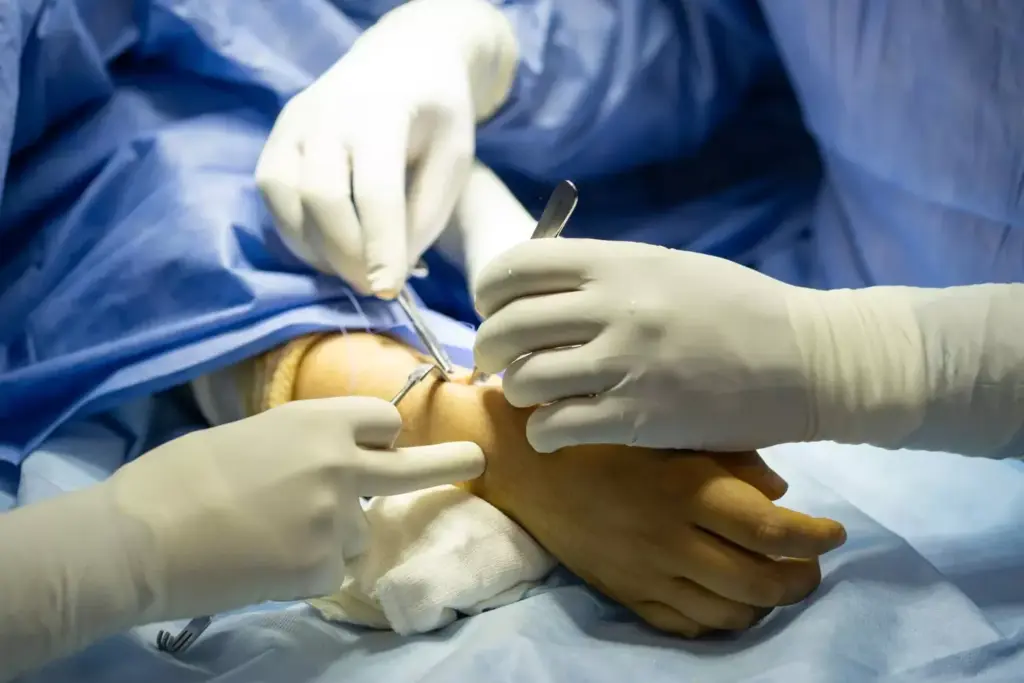
It’s important to know about carpal tunnel syndrome to find the right treatment. This condition happens when the median nerve gets squeezed in the carpal tunnel. It causes numbness and tingling in the hand.
What Causes Carpal Tunnel Syndrome
Carpal tunnel syndrome can come from many things. Repetitive motion is a big risk because it strains the wrist. Other factors include wrist anatomy, health issues like diabetes, and workplace ergonomics.
Research shows that some groups face a higher risk. This is due to their job, gender, and health conditions.
Conservative Treatments vs. Surgical Intervention
First, doctors try non-surgical ways to treat it. These include wrist splinting, physical therapy, and corticosteroid injections. The goal is to ease the pressure on the median nerve.
If these methods don’t work, surgical intervention might be needed. Surgery, like carpal tunnel release, cuts the ligament to relieve pressure.
“Surgery is considered when symptoms are severe or when conservative treatments have not provided adequate relief.”
Determining If You’re a Candidate for Surgery
To decide if surgery is right, a detailed evaluation is done. This looks at how bad the symptoms are and if other treatments worked. Tests like nerve conduction studies are also used.
A doctor will look at many things, like how much nerve damage there is and your overall health. For many, surgery is a good choice that can really help.
Types of Carpal Tunnel Release Procedures
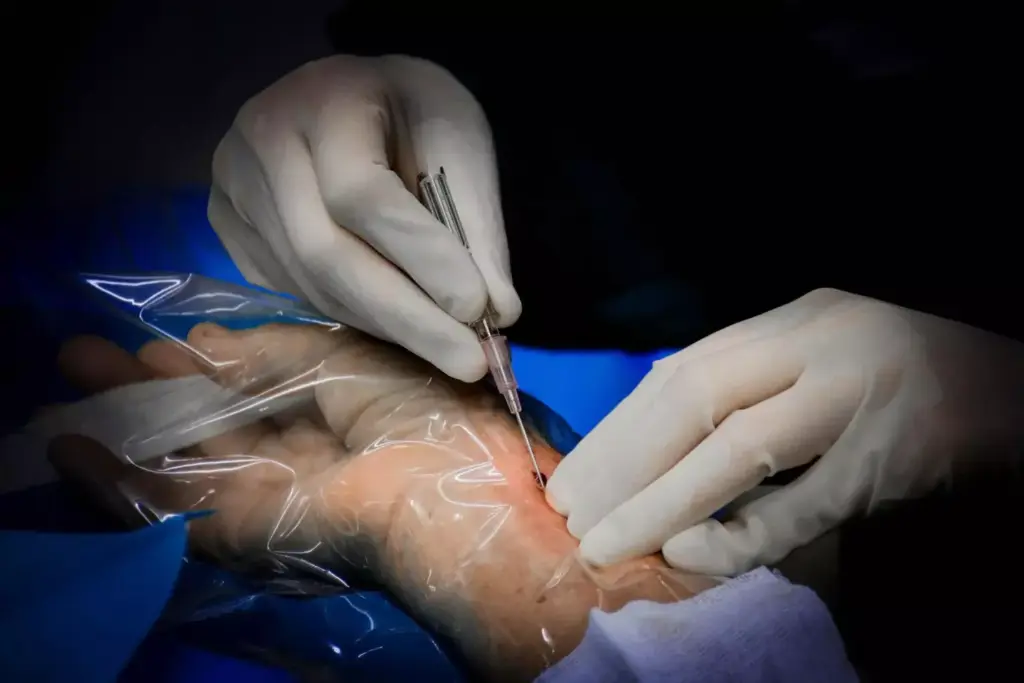
Surgical release is a common treatment for carpal tunnel syndrome. It offers two main techniques. The choice depends on the condition’s severity, patient health, and the surgeon’s preference.
Open Carpal Tunnel Release Surgery
Open carpal tunnel release surgery involves a small incision in the palm. This method lets the surgeon see the median nerve and release the compressed ligament. The open technique is often preferred for its simplicity and effectiveness.
Endoscopic Carpal Tunnel Release
Endoscopic carpal tunnel release is less invasive. It uses a small camera and instruments to release the ligament. This method causes less tissue damage and may lead to faster recovery. Patients often prefer endoscopic surgery for its minimally invasive nature.
Comparing Recovery Differences Between Procedures
Recovery from carpal tunnel release surgery varies by technique. Studies have compared open and endoscopic surgeries. While both are effective, differences in recovery time, post-operative pain, and return to normal activities are notable. Endoscopic surgery might offer a slightly faster recovery, but both have high success rates.
The choice between open and endoscopic surgery should be made with a healthcare professional. It depends on individual circumstances and preferences.
Preparing for Your Carpal Tunnel Surgery
Getting ready for carpal tunnel surgery is important. It helps you recover well. Knowing what to do and what to expect can help avoid problems and improve your results.
Pre-Surgery Medical Evaluations
Before surgery, you’ll need to have medical checks. These tests find any health issues that might affect your surgery or healing. We’ll look at your health history, do a physical check, and might do blood tests or an ECG.
We’ll also check your medicines, including vitamins and supplements. It’s important to follow our advice on which medicines to keep taking or stop before surgery.
Setting Up Your Home for Recovery
Preparing your home for recovery is key. Make a cozy recovery area with everything you need close by. Try to make your home easy to move around in without straining your hand or wrist.
- Prepare meals in advance and store them in the freezer for easy reheating.
- Ensure your living space is clear of tripping hazards and clutter.
- Have necessary items like medications, phone chargers, and reading materials within easy reach.
What to Expect with Anesthesia
Knowing about your anesthesia is important. We usually use local anesthesia with sedation to keep you comfortable. Local anesthesia numbs the area, and sedation helps you relax.
On surgery day, we’ll talk about your anesthesia choices and answer your questions. It’s important to follow our advice on eating and drinking before surgery for your safety.
Items to Bring on Surgery Day
Being prepared for surgery day is helpful. Bring a list of your medicines, insurance info, and ID. Wear comfy, loose clothes.
| Item to Bring | Purpose |
|---|---|
| Insurance cards and identification | For registration and verification purposes |
| List of current medications | To inform our medical team about your current treatments |
| Comfortable clothing | To ensure ease and comfort during and after the procedure |
By following these tips and working with our team, you can have a successful carpal tunnel surgery.
Stage 1: The Day of Surgery and First 24 Hours
Getting carpal tunnel surgery is a big step. Knowing what to expect on the day of surgery and the first 24 hours is key.
The Surgical Procedure Step-by-Step
Most surgeries are done under local anesthesia. This keeps the patient awake but pain-free. The surgery makes a small cut in the wrist to free the median nerve.
Step-by-Step Process:
- Preparation for surgery, including cleaning and sterilizing the hand and wrist.
- Administration of local anesthesia to numb the area.
- A small incision is made in the wrist to access the carpal tunnel.
- The surgeon releases the compressed median nerve by cutting the transverse carpal ligament.
- The incision is closed with sutures, and a bandage is applied.
Immediate Post-Operative Experience
After surgery, patients are watched for a bit before going home. They might feel some pain, but it gets better as they heal.
“The first 24 hours are key for managing pain and wound care. Following the surgeon’s advice closely is important to avoid problems.”
Pain Management Strategies
Managing pain well is important for a smooth recovery. Here are some ways to do it:
- Use the pain medicine as told by the doctor.
- Keep the hand up to lessen swelling.
- Use ice packs on the area.
| Pain Management Method | Description | Benefits |
|---|---|---|
| Prescribed Pain Medication | Medicine given by the surgeon to help with pain after surgery. | Helps with pain, makes it easier to feel better. |
| Elevation | Keeping the hand up above heart level. | Helps with swelling, aids in healing. |
| Ice Packs | Putting ice on the area. | Helps with pain and swelling. |
Essential Wound Care Instructions
Good wound care is vital to avoid infection and help healing. Keep the bandage dry, change it as told, and watch for infection signs.
Important Wound Care Tips:
- Keep the bandage clean and dry.
- Change dressings as the surgeon says.
- Look out for signs of infection, like redness, swelling, or more pain.
Stage 2: The First Week of Carpal Tunnel Surgery Recovery
The first week after carpal tunnel surgery is key for a good recovery. We focus on managing bandages, controlling swelling, and starting gentle exercises to help healing.
Managing Bandages and Dressings
Proper wound care is vital in the first week. Keep bandages and dressings clean and dry to avoid infection. The initial dressing usually stays on for 2-3 days after surgery.
When you change the dressing, wash your hands well. Then, gently clean the wound with mild soap and water.
Controlling Swelling and Discomfort
Swelling and discomfort are common after surgery. To reduce swelling, elevate your hand above your heart. Use ice packs wrapped in a cloth for 15-20 minutes, several times a day.
We may also give you pain medication to help with discomfort.
Initial Gentle Movement Exercises
Gentle exercises are important in the first week to prevent stiffness and promote healing. Start with simple finger exercises like bending and straightening your fingers. Do these exercises slowly and within a comfortable range.
Warning Signs That Require Medical Attention
Some discomfort and swelling are normal, but watch for warning signs. Look out for increased redness, swelling, or pain around the surgery site, fever, or discharge from the wound. If you see any of these, contact your healthcare provider right away.
By managing bandages, controlling swelling, doing initial gentle exercises, and watching for warning signs, we can ensure a smooth recovery in the first week after carpal tunnel surgery.
Stage 3: Weeks 2-3 – Suture Removal and Early Mobilization
Weeks 2-3 focus on removing sutures and starting to move the hand. This is a big step in getting better. Patients will see many changes in their healing.
The Suture Removal Process
Sutures are usually taken out between days 10 to 14 after surgery. This depends on how well the body is healing and the doctor’s plan. Removing sutures is quick and easy, done by a healthcare expert. It’s a big relief, showing the body is healing and it’s time to start moving more.
Beginning Structured Hand Exercises
After sutures are out, start doing hand exercises to get flexibility and strength back. These exercises help the hand work like it used to and stop it from getting stiff. Start with easy movements and slowly make them harder as you get more comfortable.
Some early exercises include:
- Gentle finger bending and straightening
- Wrist flexion and extension
- Forearm rotations
Scar Management Techniques
Managing scars well is key to making them less noticeable and helping them heal better. Gently massage the scar with lotion or cream in circular motions. This helps break down adhesions and improves how the tissue moves.
Gradually Resuming Light Activities
As the hand gets better, start doing light things again. This could be getting dressed, making simple meals, or using a computer. It’s important to do things slowly to avoid hurting the hand and let it keep healing.
The table below shows a sample of activities to do in weeks 2-3:
| Activity | Week 2 | Week 3 |
|---|---|---|
| Gentle Finger Exercises | 2-3 times a day | 3-4 times a day |
| Light Household Chores | Limited to simple tasks | Increased duration and complexity |
| Scar Massage | Initiated gently | Continued with increased pressure as tolerated |
It’s important to listen to your body during this stage. Adjust your activities as needed. By following these tips and talking to your doctor, you can make your recovery the best it can be.
Stage 4: Weeks 3-6 – Rehabilitation and Increasing Function
Between weeks 3 and 6, patients start formal hand therapy and strengthening exercises. These help them regain strength and function in their hands.
Formal Hand Therapy Programs
It’s important for patients to join formal hand therapy programs during this time. These programs aim to improve strength, flexibility, and hand function. A licensed therapist will make a plan that fits the patient’s needs and progress.
Key Strengthening Exercises
Strengthening exercises are key for carpal tunnel recovery. Patients should do exercises for the hand, wrist, and forearm. These include finger bends, wrist extensions, and forearm rotations. It’s important to do these exercises gently and without pain.
Examples of strengthening exercises include:
- Finger spreads: Place your hand flat on a table with fingers together, then spread them apart as far as you can.
- Wrist curls: Hold a light weight with your palm facing up and curl your wrist.
- Forearm rotations: Hold a light weight with your forearm in a neutral position and rotate your forearm.
Measuring Progress in Symptom Relief
We track patients’ progress in symptom relief during this stage. We look at pain, numbness, tingling, and hand function. Regular check-ups with the healthcare provider help adjust the treatment plan.
Adapting Daily Activities During Recovery
It’s important to adapt daily activities during recovery. Patients should avoid heavy lifting, bending, or repetitive motions. Simple changes, like using ergonomic tools or taking breaks, can help a lot.
By combining formal hand therapy, strengthening exercises, and adapting daily activities, patients can achieve significant improvements in hand function and overall recovery.
Stage 5: Months 2-3 – Advanced Recovery Milestones
The second and third months after carpal tunnel surgery are key. Patients see big improvements in hand function and strength. We’ll help you understand this stage well.
Progressive Strength Training
Months 2-3 focus on getting stronger. Keep up with a structured exercise program for your hand and wrist. Use resistance bands, grip strengthening, and wrist extensions. Don’t push too hard.
Grip and Pinch Strength Improvement
Improving grip and pinch strength is a big goal. Expect to see big changes with your exercises. Try squeezing a rubber ball, using grip devices, and doing pinch exercises. Keep track of your progress.
Return to Work Considerations
Going back to work is a big deal. Think about your job needs and talk to your boss about changes. We might suggest a slow return to work, if your job is hard on your hands. Our team will help you get back to work smoothly.
Managing Occasional Discomfort
Even with big progress, some discomfort might stay. Manage it with more exercises, good ergonomics, and therapy. We’re here to help you through any tough times.
Keep up with your rehab program as you move forward. With hard work and the right help, you’ll see big improvements. We’re here to support you every step of the way.
Stage 6 and 7: Full Return to Activities and Long-Term Outcomes
The path to full recovery from carpal tunnel surgery has key milestones in stages 6 and 7. Most patients regain a lot of hand function and are close to returning to their usual activities.
Timeline for Complete Healing
It usually takes 3 to 4 months to fully heal from carpal tunnel surgery. But, some people might see big improvements in just 3 to 6 weeks. The time it takes can depend on the surgery type and the patient’s health.
Returning to Sports and Demanding Activities
For athletes or those in demanding activities, getting back to sports after surgery needs careful thought. We tell patients to wait until their hands are strong and flexible again. This is usually around 2 to 3 months after surgery, but it can differ. A structured rehab program is key to safely getting back to activities.
Success Rates and Long-Term Expectations
Carpal tunnel surgery works well for most people, with over 90% seeing big improvements. Long-term, most patients stay symptom-free, but some might feel some discomfort now and then.
Preventing Carpal Tunnel Recurrence
To avoid carpal tunnel coming back, keeping hands and wrists healthy is important. We suggest:
- Doing regular stretching and strengthening exercises
- Making ergonomic changes to your workspace
- Avoiding injuries from repetitive strain
- Wearing wrist splints when needed
By doing these things, patients can lower the chance of carpal tunnel coming back.
In conclusion, stages 6 and 7 are very important for getting back to normal and long-term health after carpal tunnel surgery. Knowing the healing timeline, being careful when starting sports again, and preventing recurrence are all key. This way, patients can get the most out of their surgery.
Conclusion: Navigating Your Carpal Tunnel Surgery Recovery Journey
Knowing what to expect after carpal tunnel surgery is key. We’ve covered the seven main stages of recovery, from the surgery to getting back to normal. By following the doctor’s advice and doing rehabilitation, patients can make their recovery smoother.
Following these steps helps patients get the best results and avoid problems. We talked about the need for a clear recovery plan. This includes taking care of the wound, doing physical therapy, and slowly getting back to activities. This way, people can have a successful recovery from carpal tunnel surgery.
Recovering from carpal tunnel surgery takes time, effort, and the right help. Knowing what to expect at each stage helps patients manage their recovery better. This way, they can find lasting relief from carpal tunnel symptoms.
FAQ
What is carpal tunnel surgery and how is it performed?
Carpal tunnel surgery, also known as carpal tunnel release, is a procedure to relieve pressure on the median nerve in the wrist. It can be performed using either open or endoscopic techniques. Both aim to release the compressed nerve by cutting the transverse carpal ligament.
What are the differences between open and endoscopic carpal tunnel release surgery?
Open carpal tunnel release involves a larger incision in the palm. Endoscopic carpal tunnel release uses smaller incisions and a camera to visualize the area. Endoscopic surgery may result in less post-operative pain and faster recovery. But both methods have their own advantages and possible complications.
How long is the recovery period after carpal tunnel surgery?
The recovery period typically lasts several weeks to a few months. Most patients can resume light activities within a few weeks. But full recovery, including regaining strength and returning to demanding activities, can take up to 3 months.
What can I expect on the day of surgery and in the first 24 hours after?
On the day of surgery, you will undergo the procedure under local or general anesthesia. Post-operatively, you may experience pain, swelling, and numbness. These can be managed with pain medication, elevation, and ice. It’s essential to follow wound care instructions to prevent infection.
How do I manage pain after carpal tunnel surgery?
Pain management strategies include using pain medication as directed, keeping your hand elevated, applying ice to reduce swelling, and performing gentle exercises as advised by your healthcare provider.
When can I start exercising my hand after carpal tunnel surgery?
Gentle movement exercises can usually be started within the first week after surgery. Your healthcare provider will guide you on the appropriate exercises and progression based on your recovery.
What are the signs of complications after carpal tunnel surgery?
Warning signs that require medical attention include excessive pain, swelling, redness, infection, or if you experience persistent numbness or tingling. If you notice any of these symptoms, you should contact your healthcare provider.
When are sutures removed after carpal tunnel surgery?
Sutures are typically removed 7-14 days after surgery, depending on the type of surgery and your surgeon’s instructions.
Can I return to work after carpal tunnel surgery, and when?
The timing for returning to work depends on the nature of your job and your recovery progress. Many patients can return to light duty work within a few weeks. But jobs that involve heavy manual labor may require a longer recovery period.
How can I prevent carpal tunnel syndrome from recurring?
Preventing recurrence involves maintaining wrist health through ergonomic practices, regular stretching and strengthening exercises, and managing any underlying conditions that may contribute to carpal tunnel syndrome.
What are the success rates and long-term expectations after carpal tunnel surgery?
Carpal tunnel surgery has a high success rate in relieving symptoms. Most patients experience significant improvement. But some may have residual symptoms or require further treatment. Long-term expectations include regaining full hand function and preventing recurrence through proper care and management.