Last Updated on October 31, 2025 by

Seeing crystals in urine can worry you, but knowing what they mean is key to keeping your kidneys healthy. Crystals form when too many minerals and salts build up in your urine. This is called crystalluria.
At Liv Hospital, we stress the need to understand urinalysis results. This helps figure out if crystals are just a normal part of your urine or if they mean you have a health problem. Things like what you eat, how much you drink, and your body temperature can also play a role.
Knowing about the normal range of crystals in urine and what affects them is important. It helps you take steps to keep your urine healthy. Our approach focuses on you, giving you the support and advice you need.
What are the causes of crystals in urine? Learn about diet, dehydration, and underlying conditions that lead to crystal formation, and what is considered a normal range.
Key Takeaways
- Crystals in urine can be a normal finding influenced by diet and hydration levels.
- High levels of crystals may indicate underlying health issues.
- Liv Hospital provides thorough urinalysis interpretation.
- Understanding the normal range of crystals is key for urinary health.
- Personalized guidance is available to help patients maintain optimal urinary health.
Understanding Crystalluria: What Are Crystals in Urine?
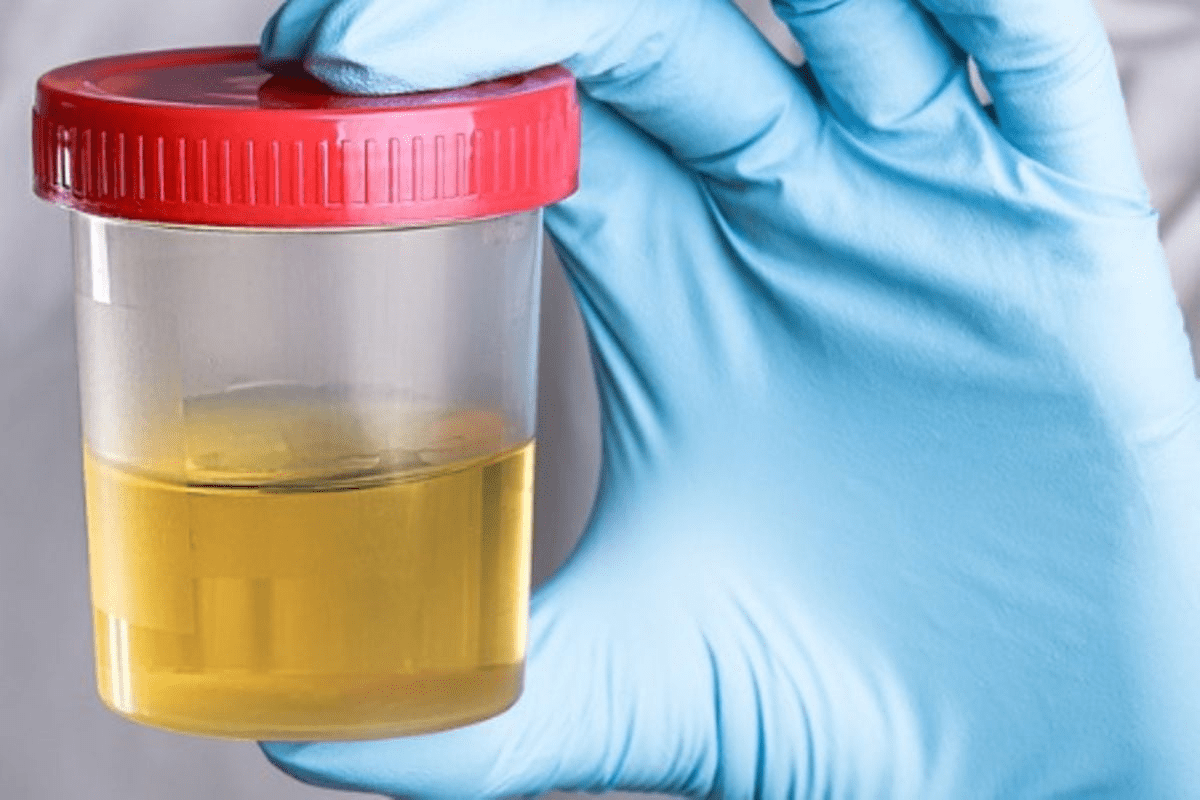
Crystalluria is when you have crystals in your urine. It can mean different things about your health. We’ll look at what crystalluria is, why it happens, and how it forms in your body.
Definition and Basic Concepts
Crystalluria happens when your urine has too many minerals and salts. This makes crystals form. You can see these crystals with a urinalysis test. Sometimes, having crystals in your urine is normal. But sometimes, it means you have a health problem.
Key factors contributing to crystalluria include:
- Concentration of minerals and salts
- pH level of the urine
- Presence of certain medical conditions
How Crystals Form in the Urinary System
Crystals form when your urine has too much of certain minerals and salts. This can happen for many reasons, like not drinking enough water or having certain health issues. Your kidneys play a big role in making these crystals.
The way crystals form is important to understand. It helps doctors figure out and treat problems related to crystalluria.
Factors Influencing Crystal Formation | Description |
Dehydration | Reduced fluid intake concentrates minerals in urine. |
Dietary Habits | High intake of certain minerals and salts can increase their concentration in urine. |
Metabolic Disorders | Conditions like hyperoxaluria can lead to increased oxalate levels, promoting crystal formation. |
Knowing what causes crystals in your urine can help you avoid health problems. This knowledge is key to keeping your urinary system healthy and your overall well-being.
The Science Behind Urine Crystal Formation

Urine crystals form due to many factors, like mineral levels and pH. Knowing these helps us understand how crystals form and what they mean for our health.
Mineral Supersaturation Process
Mineral supersaturation happens when urine has too many minerals. This can be because of not drinking enough water, what we eat, or health issues. When urine can’t hold all the minerals, crystals start to form.
Role of Urine pH in Crystal Development
The pH level of urine affects the type of crystals that form. Some crystals like acidic conditions, while others prefer alkaline. Knowing this helps figure out why crystals are forming.
Urine pH | Crystal Type | Common Associations |
Acidic | Uric Acid Crystals | Gout, Dehydration |
Alkaline | Calcium Phosphate Crystals | Urinary Tract Infections, Hyperparathyroidism |
Variable | Calcium Oxalate Crystals | Kidney Stones, Dietary Factors |
Understanding how urine crystals form helps doctors diagnose and treat related health issues. This includes knowing about mineral supersaturation and urine pH.
Common Types of Crystals Found in Urine
Urine can contain different types of crystals, each linked to health issues and diet. Knowing about these types helps spot health problems early. It also guides the right treatment steps.
Calcium Oxalate Crystals
Calcium oxalate crystals are very common in urine. They often point to kidney stones and can be linked to eating too many oxalate-rich foods. Spotting calcium oxalate crystals is key because they show a higher risk of kidney stones.
Uric Acid Crystals
Uric acid crystals are also common and linked to eating a lot of protein and gout. They show an imbalance in uric acid levels. Making diet changes can help manage these crystals.
Calcium Phosphate Crystals
Calcium phosphate crystals can appear in urine, mainly in people with certain metabolic issues or on certain meds. They’re often seen in hyperparathyroidism.
Struvite and Amorphous Crystals
Struvite crystals are linked to urinary tract infections (UTIs), mainly those caused by certain bacteria. Amorphous crystals are usually not a big deal but can show up in many urinary issues. Knowing when these crystals show up is key for correct diagnosis.
By knowing the various types of crystals in urine, doctors can better diagnose and treat conditions. This leads to better health outcomes for patients.
Normal Range of Crystals in Urine
Crystals in urine can be normal, but knowing when it’s a problem is key. Crystalluria, or the formation of crystals in urine, can be affected by diet, hydration, and health. We’ll look at what’s normal and when crystals are a sign of trouble.
What Constitutes Normal Crystalluria
Normal crystalluria means small amounts of crystals in urine without health issues. Small amounts of crystals are common in healthy people. They can be influenced by diet and how much you drink.
Eating foods high in oxalate, like spinach or beets, can lead to calcium oxalate crystals in urine. A diet rich in animal proteins can cause uric acid crystals. Usually, these crystals are not a worry and can be managed by changing your diet.
Crystal Type | Common Causes | Typical Outcome |
Calcium Oxalate | High oxalate diet, dehydration | Generally harmless, manageable through diet |
Uric Acid | High animal protein diet, dehydration | Can indicate gout or kidney stones if excessive |
Calcium Phosphate | Dietary factors, urinary tract infections | Usually harmless, but can be associated with kidney stones |
When Crystal Presence Becomes Abnormal
While small amounts of crystals are normal, large quantities or certain types of crystals can signal health problems. For instance, a lot of uric acid crystals might mean gout or kidney stones. Struvite crystals could point to urinary tract infections.
If you have severe pain, trouble urinating, or see blood in your urine, see a doctor. Early action can stop bigger problems.
Knowing the normal range of crystals in urine and when it’s abnormal is key for good urinary health. Being aware of what affects crystalluria and taking steps to prevent problems can help avoid health issues.
Causes of Crystals in Urine
Diet, how much we drink, and our metabolic health affect crystal formation in urine. Knowing these causes helps us manage and prevent crystalluria.
Dietary Factors
Our diet greatly influences crystal formation in urine. Eating too much protein, salt, or foods high in oxalate increases risk. For example, a diet rich in animal protein can lead to uric acid crystals.
Foods high in oxalate, like spinach and beets, also raise the risk of calcium oxalate crystals. It’s key to eat a balanced diet to lower this risk. Talking to a healthcare professional or dietitian about your diet can be helpful.
Dehydration and Fluid Intake
Drinking enough water is vital to prevent crystal formation. Not drinking enough makes urine more concentrated, raising the risk of crystals. Dehydration increases mineral concentration in urine, which can form crystals.
It’s important to drink at least eight glasses of water a day. But, your needs may vary based on your activity level, climate, and health.
Metabolic Disorders
Some metabolic disorders increase the risk of crystals in urine. Conditions like gout, diabetes, and renal tubular acidosis change urine composition. For instance, gout raises uric acid levels, while diabetes can increase glucose levels.
Managing these disorders is key to preventing crystals. Working with a healthcare provider to control these conditions is essential. This can include medication, diet, and lifestyle changes.
Health Conditions Associated with Crystalluria
Crystals in urine can signal several health issues. Crystalluria, or the formation of crystals in urine, is not just a simple condition. It can be a sign of serious health problems that need medical attention.
We will look at three main health conditions linked to crystalluria: kidney stones, urinary tract infections, and metabolic diseases. Knowing about these conditions is key to diagnosing and treating the causes of crystalluria.
Kidney Stones and Their Relationship to Crystals
Kidney stones are solid masses that form in the kidneys due to an imbalance in urine composition. Calcium oxalate stones are the most common, linked to high levels of calcium and oxalate in urine. The formation of kidney stones involves supersaturation of urine, reduced inhibitory activity, and sometimes urinary stasis.
The link between kidney stones and crystalluria is important. Crystals in urine can signal a higher risk of developing stones. People with recurrent kidney stones often have crystalluria, showing that managing crystal formation is vital to prevent stones from coming back.
Urinary Tract Infections
Urinary tract infections (UTIs) can also lead to crystalluria. UTIs can change the pH of urine, making it more likely for crystals to form. For example, struvite stones are linked to UTIs caused by bacteria that increase urine pH, promoting struvite crystal formation.
It’s important to manage UTIs well to prevent crystalluria and stone formation. This includes using antibiotics and preventing infections from coming back.
Metabolic Diseases
Metabolic diseases, such as gout and diabetes, can also cause crystalluria. In gout, too much uric acid leads to uric acid crystals in urine. Diabetes can also change urine composition, leading to crystalluria.
It’s vital to understand the metabolic disorders behind crystalluria for effective treatment. This may involve managing the metabolic condition and reducing crystal formation in urine.
In conclusion, crystalluria is linked to several health conditions, including kidney stones, urinary tract infections, and metabolic diseases. Recognizing these connections is essential for proper care and management of patients with crystalluria.
Diagnosing Crystals in Urine: Testing Methods
Healthcare providers use specific tests to find crystals in urine. Finding crystals is key to spotting health problems that need doctor’s care.
Urinalysis Procedure
A urinalysis is a main test for finding crystals in urine. It involves looking at a urine sample under a microscope. The urinalysis procedure also checks the urine’s pH and how concentrated it is.
The microscopic examination is very important. It helps identify the shape of the crystals. For example, calcium oxalate crystals look like envelopes or dumbbells. Uric acid crystals are often irregular or diamond-shaped.
Crystal Type | Morphology | Clinical Significance |
Calcium Oxalate | Envelope or dumbbell shape | Often associated with kidney stones |
Uric Acid | Irregular or diamond-shaped | May indicate gout or metabolic disorders |
Struvite | Coffin-lid shape | Typically associated with urinary tract infections |
24-Hour Urine Collection Test
A 24-hour urine collection test might be needed. It checks the levels of minerals and other substances in urine over 24 hours. This test helps understand how likely it is for stones to form.
This test involves collecting all urine for 24 hours in a special container. The urine is then tested for things like calcium, oxalate, uric acid, and citrate levels.
Treatment Approaches for Different Crystal Types
Dealing with crystals in urine starts with knowing what kind they are and why they’re there. We’ll look at how to treat each type. This will help you find the best way to handle crystalluria.
Managing Calcium-Based Crystals
Calcium-based crystals, like calcium oxalate, are very common. To tackle these, we suggest:
- Drink plenty of water to thin out your urine and lower mineral levels.
- Watch your calcium intake; sometimes, eating less oxalate-rich foods is key.
- Consider taking thiazide diuretics to cut down on calcium in your urine.
It’s important to talk to a doctor to figure out the best plan for you.
Addressing Uric Acid Crystalluria
For uric acid crystals, we aim to lower uric acid in your body. Here’s what we recommend:
- Drink more water to help get rid of uric acid.
- Eat a low-purine diet to make less uric acid.
- Take allopurinol to reduce uric acid levels.
These steps can stop uric acid stones from forming and help with gout.
Treatment for Struvite and Other Crystals
Struvite crystals are linked to UTIs. Their treatment is unique. We advise:
- Use antibiotics to fight the infection.
- Keep your urinary tract healthy with enough water and good hygiene.
- In some cases, surgery might be needed to remove big stones.
For other crystals, like amorphous crystals, we might need to fix metabolic issues or change your diet.
In summary, treating crystals in urine is all about the type and your health. Knowing your crystal type and working with a doctor is key to a good treatment plan.
Lifestyle Modifications to Prevent Crystalluria
Crystalluria, or the presence of crystals in urine, can often be prevented through simple yet effective lifestyle modifications. By adopting healthy habits, individuals can significantly reduce their risk of developing this condition.
Hydration Guidelines
Staying well-hydrated is essential in preventing crystalluria. Adequate fluid intake helps dilute the minerals in the urine, reducing the likelihood of crystal formation. We recommend drinking at least 8-10 glasses of water per day, though needs can vary based on climate and activity level.
A helpful guideline is to monitor the color of your urine; it should be pale yellow. Dark yellow or amber-colored urine may indicate inadequate hydration.
Dietary Adjustments
Diet plays a key role in preventing crystalluria. Reducing the intake of high-purine foods, such as certain meats and seafood, can help minimize the risk of uric acid crystal formation. Also, limiting salt intake can reduce mineral concentration in urine.
Food Category | Recommended Intake |
High-Purine Foods | Limit to 1-2 servings per week |
Salt Intake | Less than 2,300 mg per day |
Fruits and Vegetables | 5 servings per day |
“A balanced diet rich in fruits, vegetables, and whole grains can help prevent crystalluria by ensuring that the urine remains dilute and less conducive to crystal formation.”
Physical Activity and Weight Management
Regular physical activity and maintaining a healthy weight are also key. Exercise improves metabolic health, reducing the risk of metabolic disorders that can contribute to crystal formation. Aim for at least 150 minutes of moderate-intensity exercise per week.
Maintaining a healthy weight through diet and exercise can also reduce the risk of kidney stones, which are associated with crystalluria.
By incorporating these lifestyle modifications into daily routines, individuals can significantly reduce their risk of developing crystalluria and associated health issues.
Conclusion
Understanding crystals in urine is key to spotting and treating health problems. While some crystals are normal, others can signal serious issues. We’ve looked into why crystals form, their types, and how to treat them.
Crystals in urine might mean you have a metabolic disorder or are at risk for kidney stones. Staying hydrated and eating right can help prevent this. It’s also important to see a doctor if you notice unusual crystals.
In summary, knowing about crystals in urine is vital. It helps us understand what’s normal and what’s not. By staying informed, we can keep our urine healthy.
FAQ
What does it mean when there are crystals in my urine?
Crystals in urine happen when there’s too much mineral and salt in your urine. This forms crystals. It’s usually okay, but too many or certain kinds might mean you have a health issue.
What are the common types of crystals found in urine?
You’ll often see calcium oxalate, uric acid, and calcium phosphate crystals in urine. Struvite and amorphous crystals are less common. Each type is linked to different health problems.
Is it normal to have crystals in my urine?
A little bit of crystals in urine is normal. But, if you see a lot or certain kinds, it could mean you need to see a doctor.
What causes crystals to form in urine?
Eating too much protein or salt, not drinking enough water, and some health issues can cause crystals. These things make your urine more likely to have crystals.
How are crystals in urine diagnosed?
Doctors use a urinalysis to check for crystals. This involves looking at your urine under a microscope. Sometimes, they’ll ask you to collect your urine for 24 hours to see what’s in it.
What is the treatment for crystals in urine?
Treatment depends on the type of crystal and why it’s there. For calcium crystals, it’s about managing calcium and drinking water. For uric acid crystals, it’s about eating less protein and salt and taking medicine.
Can lifestyle modifications help prevent crystalluria?
Yes, living healthy can stop crystals from forming. Drinking plenty of water, eating right, and exercising regularly can help keep your urine clear.
Are crystals in urine associated with any underlying health conditions?
Yes, crystals in urine can mean you have kidney stones, infections, or metabolic diseases. Knowing this helps keep your urinary system healthy.
What is the role of urine pH in crystal development?
Urine pH affects which crystals form. Acidic or alkaline urine favors different crystals. Understanding this helps us see how crystals form.
How can I manage my diet to prevent crystals in urine?
Eating less protein and salt and drinking water helps prevent crystals. What you eat depends on the type of crystal and why it’s there.
References
- MedlinePlus. (2024, May 22). Urinalysis. Retrieved from https://medlineplus.gov/urinalysis.html