Last Updated on November 25, 2025 by
Getting ready for a PSA test is very important for getting good results. Some things you do can affect PSA levels. This can cause worry or lead to missing important health issues. We’ll also explain the causes of elevated PSA and help you understand how these causes of elevated PSA can affect your test accuracy, ensuring your PSA test is as precise as possible.
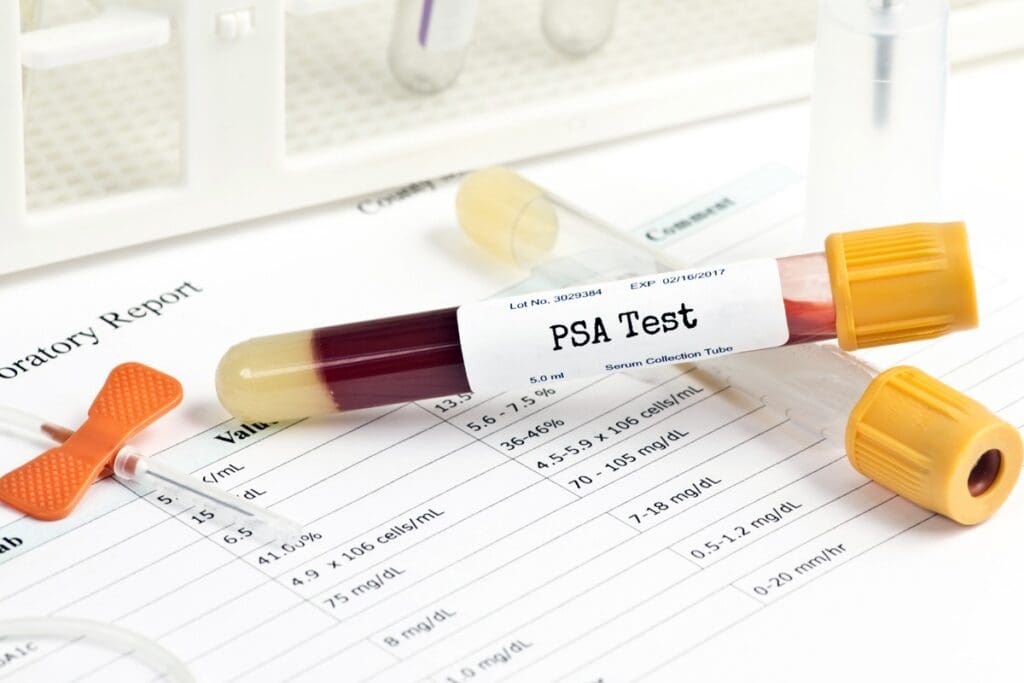
Studies say there are things you should not do before a PSA test to get accurate results. For example, activities like ejaculation, prostate massage, and heavy exercise can change PSA levels. Knowing these points is essential for reliable test outcomes.
Key Takeaways
- Avoid sexual activity and ejaculation for at least 48 hours before the test.
- Refrain from prostate massage for at least 48 hours before the test.
- Avoid heavy exercise and strenuous activities for at least 48 hours.
- Do not ride a bike or motorcycle for at least 48 hours before the test.
- Inform your doctor about all medications you are taking.
Understanding PSA Tests and Their Importance
PSA tests are key for men’s health. They help find and watch prostate issues early. A PSA test checks blood for prostate-specific antigen. High levels might show prostate problems, like prostate cancer.
image is to be corrected
What is a PSA Test?
A PSA test is a simple blood test. It looks at prostate-specific antigen levels. High levels can mean benign prostatic hyperplasia (BPH) or cancer. Remember, a PSA test is just a first step. It shows if more tests are needed.
Why PSA Test Accuracy Matters
PSA test results must be accurate for good care. Many things can change PSA levels. This can lead to wrong results.
Knowing what affects PSA levels helps men understand their test results. It’s important to talk to a doctor about any concerns. This way, test results are used right and for the best health plan.
Common Causes of Elevated PSA Levels
It’s important to know why PSA levels might be high. This helps in understanding test results better. Many things can cause PSA levels to rise, so it’s key for both patients and doctors to understand these reasons.
Natural Factors That Affect PSA
Age is a big factor in PSA levels. As people get older, their PSA levels often go up. Also, inflammation of the prostate, known as prostatitis, can raise PSA levels. It’s important to think about these natural factors when looking at PSA test results.
Benign Prostatic Hyperplasia and PSA
Benign Prostatic Hyperplasia (BPH) is a common issue that can raise PSA levels. BPH is when the prostate gets bigger but is not cancerous. Studies show that up to 86% of men with BPH have higher PSA levels. Knowing how BPH affects PSA is key for the right diagnosis and treatment.
Temporary vs. Concerning Elevations
It’s important to tell apart temporary and serious PSA level increases. Temporary increases can happen for many reasons like recent sex, prostate exams, or infections. But, if PSA levels stay high over time, it might mean a serious issue like cancer. Doctors need to look at the whole picture to figure out why PSA levels are high.
Understanding why PSA levels might go up helps everyone. It’s about knowing the natural factors and conditions like BPH. This way, patients and doctors can make the best choices about tests and treatments.
Sexual Activity: How It Affects Your Test Results
Before a PSA test, knowing how sex affects your results is key. Sex, mainly ejaculation, can temporarily raise PSA levels.
The Impact of Ejaculation on PSA Levels
Ejaculation can briefly raise PSA levels. This effect is short but important for accurate test results. Studies show a big jump in PSA after ejaculation, which can skew test results if not managed right.
To keep your PSA test results accurate, avoid sex for at least 48 hours before your test. This time lets PSA levels stabilize, giving a true reading.
The 48-Hour Abstinence Recommendation
Waiting 48 hours before your PSA test is common advice. This is because PSA levels usually go back to normal within 48 hours after ejaculation. Following this advice helps ensure your test results are not affected by recent sex.
Remember, how you react to ejaculation can vary. Some men might see bigger or longer-lasting PSA level increases. If you’re worried about sex affecting your test, talk to your doctor for specific guidance.
image is to be corrected
Knowing what affects PSA test results, like sex, helps make your test more accurate. This clarity is vital for understanding your prostate health and making smart care choices.
Exercise and Physical Activity Restrictions
Before a PSA test, knowing how exercise affects your results is key. Certain activities can change your PSA levels. It’s important to know which ones to skip before your test.
For at least 48 hours before your PSA test, avoid hard physical activities. This step is important to get accurate test results. It prevents recent exercise from affecting your results.
Why Vigorous Exercise Raises PSA
Hard exercise, like cycling or heavy lifting, can raise PSA levels. This happens because these activities put pressure on the prostate. This pressure can cause a temporary increase in PSA levels.
Cycling is known to increase PSA levels. The pressure on the prostate during cycling can cause a bit of inflammation. This leads to higher PSA readings.
Specific Activities to Avoid
To get accurate PSA test results, avoid these activities for 48 hours before your test:
- Cycling
- Heavy lifting
- High-impact aerobics
- Any activity that puts significant pressure on the prostate
By skipping these activities, you help ensure your PSA test results are accurate. This gives you a better understanding of your prostate health.
Proper PSA test preparation is essential for reliable results. Knowing how to prepare, like avoiding hard exercise, helps your healthcare provider make better decisions for your care.
Alcohol Consumption and PSA Testing
Before getting a PSA test, think about how drinking alcohol might change your results. Alcohol can really affect your PSA levels, making test results not always right.
It’s key to know what can change PSA test results. Alcohol is one thing that can lower PSA levels. This might hide problems in the prostate.
Depressing Effects on PSA Levels
Studies show that drinking alcohol can lower PSA levels. This might hide serious prostate issues. Alcohol can change how the prostate gland works and how much PSA is made.
Knowing this is important when you get your PSA test results. If you drink a lot, your doctor will need to consider this when looking at your test results.
Risk of Masking Underlying Conditions
Alcohol’s effect on PSA levels is a big concern. It might hide serious prostate problems. This is why it’s important to not drink alcohol before your test.
By knowing how alcohol affects PSA tests, we can make sure our results are accurate. This means not drinking for a while before the test.
Talking to your doctor about what to do before your PSA test is very important. They can tell you how long to avoid drinking alcohol.
Medical Procedures That Affect PSA Results
Before getting a PSA test, it’s important to know how some medical procedures can change your results. Things like digital rectal exams, prostate biopsies, or cystoscopies can raise your PSA levels. We’ll talk about these procedures and how long to wait before getting a PSA test.
Digital Rectal Exams
A digital rectal exam (DRE) is used to check the prostate gland. It’s a helpful tool but can temporarily raise PSA levels. It’s best to get your PSA test done before a DRE to avoid false highs.
Prostate Biopsies and Cystoscopies
Prostate biopsies and cystoscopies are more detailed tests that can really affect PSA levels. A biopsy takes tissue from the prostate, and a cystoscopy looks inside the bladder and urethra. Both can cause inflammation and increase PSA. It’s key to wait a bit after these tests before getting a PSA test.
Recommended Waiting Periods After Procedures
The time to wait after a procedure before a PSA test varies. For a DRE, a short wait might be okay, but for biopsies, you should wait longer. Here are some guidelines:
- For a digital rectal exam, wait at least 1-2 weeks.
- For a prostate biopsy, wait at least 6 weeks.
- For a cystoscopy, wait a few weeks, as it can vary.
Knowing how medical procedures can affect PSA levels is key for accurate results. By timing your PSA test right after these procedures, you can get a more accurate reading.
Urinary Tract Infections and Inflammatory Conditions
Urinary tract infections can make PSA levels go up and down. This might cause worry or delay in finding out if there’s a serious problem. The inflammation from a UTI can make it hard to tell if the PSA rise is from cancer or not.
Impact of UTIs on PSA Readings
UTIs can mess with PSA test results. The infection causes inflammation in the urinary tract. This can make more PSA get into the blood, leading to a higher reading.
Key factors to consider:
- The severity of the UTI
- The duration of the infection
- The individual’s overall prostate health
Proper Timing of PSA Tests After Infections
It’s important to wait the right amount of time before getting a PSA test after a UTI. We suggest waiting until the infection is gone and the inflammation has settled down. This way, we can make sure any PSA rise isn’t just from the infection.
General guidelines for waiting periods:
- Wait at least 6 weeks after the UTI clears up before getting a PSA test.
- Make sure to finish any antibiotics and clear the infection.
- Talk to a doctor to figure out the best time for your test.
Knowing how UTIs and other inflammation affect PSA levels helps us understand prostate health better. Always talk to a healthcare professional to find out when to get a PSA test, after an infection.
Conclusion: Ensuring Accurate PSA Test Results
Getting accurate PSA test results is key to knowing your prostate health. We’ve talked about things that can change PSA levels. These include sex, exercise, drinking alcohol, medical tests, and infections.
To get the best results, it’s important to prepare for your PSA test. This means avoiding certain activities and medical tests before the test. By doing this, you can help make sure your results are accurate.
Knowing how to lower your PSA levels naturally is also important. This can help avoid false or misleading results. Being informed and prepared helps ensure your PSA test results are clear. This is a big step in keeping yourself healthy.
FAQ
What is a PSA test and why is it important?
A PSA test is a blood test that checks for a protein made by the prostate gland. It helps find prostate cancer and keep an eye on prostate health. Places like Benenden Hospital stress its importance.
What are the common causes of elevated PSA levels?
Many things can raise PSA levels, like natural aging, BPH, and cancer. About 86% of men with BPH have high PSA. Knowing these reasons helps understand test results better.
How does sexual activity affect PSA test results?
Sex, mainly ejaculation, can briefly raise PSA levels. It’s best to not have sex for 48 hours before the test for more reliable results.
Can vigorous exercise affect PSA levels?
Yes, hard exercise, like cycling, can increase PSA levels because it presses on the prostate. Avoid such activities before the test.
How does alcohol consumption impact PSA test results?
Drinking alcohol can lower PSA levels, which might hide prostate issues. It’s important to know this to get accurate test results.
What medical procedures can affect PSA results?
Tests like digital exams, biopsies, and cystoscopies can change PSA levels. Wait for a while after these before getting a PSA test.
How do urinary tract infections impact PSA readings?
UTIs and inflammation can skew PSA readings. Wait until any infection clears up before getting a PSA test for accurate results.
What should I do to prepare for a PSA test?
To get ready for a PSA test, skip sex, hard exercise, and some medical tests for a bit. Also, avoid drinking too much alcohol and wait for any infections to heal.
Why is it important to follow pre-test guidelines for a PSA test?
Following pre-test rules is key for accurate PSA test results. It helps catch and track prostate health early, as Liv Hospital’s guidelines show.
How can I lower my PSA levels before a test?
Don’t try to lower PSA levels before a test. Just follow the pre-test guidelines for accurate results. If worried about PSA levels, talk to your doctor.
What are the reasons for elevated PSA levels?
High PSA levels can come from BPH, cancer, or temporary issues. Knowing these causes helps understand PSA test results correctly.
How can I reduce my PSA level?
It’s not about lowering PSA levels but ensuring the test reflects your prostate health. Stick to pre-test guidelines and talk to your doctor for the best approach.
References:
- Crawford, E. D., Ventii, K. H., & Shore, N. D. (2014). New biomarkers in prostate cancer. Oncology (Williston Park, N.Y.), 28(2), 135–142.https://pubmed.ncbi.nlm.nih.gov/24504339/
- American Urological Association. (2024). PSA Best Practices Guidelines. https://www.auanet.org/guidelines