
Prostate cancer is a big worry for men, with 1 in 8 men getting it in their lifetime. But, if caught early and treated right, many can beat this disease.
It starts in the prostate gland, which is part of the male body. While the exact causes of prostate cancer aren’t fully understood, it often grows slowly, and many don’t need treatment right away. But, some types grow fast and are tougher to treat.
Getting diagnosed early boosts the chances of living longer. Knowing about prostate cancer, including understanding the causes of prostate cancer, how it grows and treatment options, helps men make smart health choices.
Key Takeaways
- Prostate cancer is a common health issue among men.
- Early diagnosis significantly improves survival chances.
- The disease can grow at varying rates, affecting treatment urgency.
- Understanding prostate cancer basics is key to making informed health decisions.
- Many men can recover with appropriate treatment.
Understanding Prostate Cancer
It’s key to know about prostate cancer for early detection and treatment. This disease affects millions of men globally.
What is Prostate Cancer?
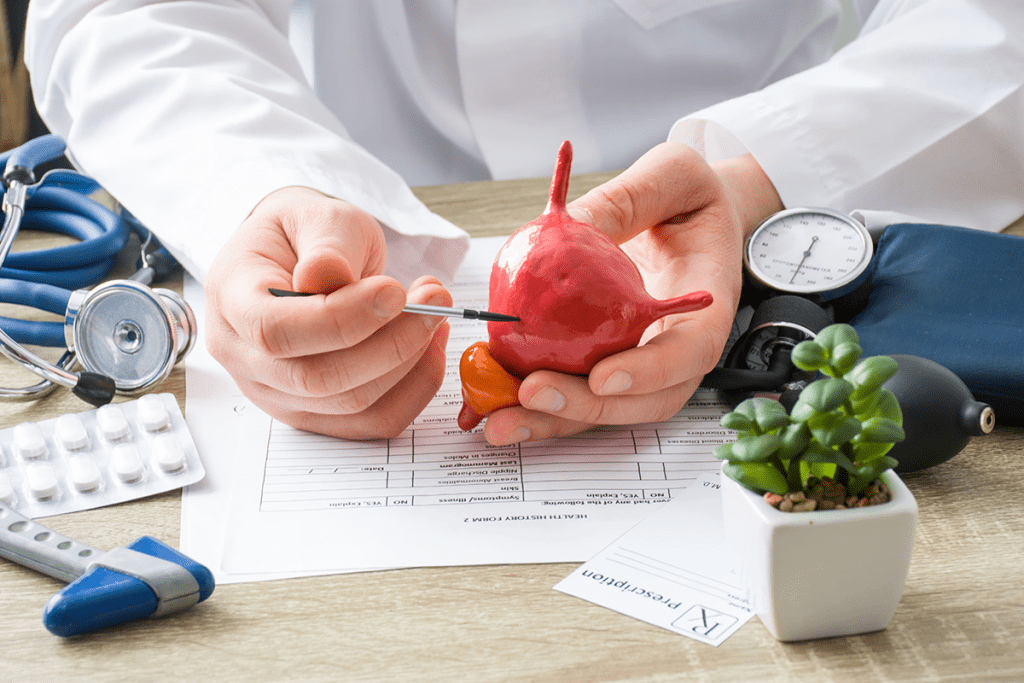
Prostate cancer happens when cells in the prostate gland grow too much. The prostate gland is small, like a walnut, and sits below the bladder and in front of the rectum in men.
How Common is Prostate Cancer?
Prostate cancer is common among men. About 80% to 85% of cases are found early, when the cancer is local or regional.
Risk Assessment
Figuring out your risk for prostate cancer involves looking at age, family history, and genetics.
| Risk Factor | Description | Impact on Risk |
| Age | The risk of prostate cancer increases with age. | High |
| Family History | Men with a family history of prostate cancer are at higher risk. | Moderate to High |
| Genetic Predisposition | Certain genetic mutations can increase the risk. | High |
Knowing these risk factors can help in catching and preventing the disease early.
The Causes of Prostate Cancer

Prostate cancer risk comes from genetic, environmental, and lifestyle factors. Knowing these causes helps in preventing and detecting prostate cancer early.
Genetic and Family Factors
Genetics play a big role in prostate cancer. Men with a family history, like a father or brother with the disease, are at higher risk. Certain genes, like BRCA1 and BRCA2, also raise the risk.
Age and Hormonal Influences
Age is a big risk factor, with most cases found in men over 65. Hormones, like testosterone, also affect prostate cancer growth.
Environmental and Lifestyle Risk Factors
Lifestyle and environment also impact prostate cancer risk. Diet and exercise are key areas to focus on.
Diet and Nutrition
What you eat can affect your risk. Eating more fruits and veggies and less animal fat is good. Some foods and nutrients might protect against prostate cancer.
Physical Activity
Staying active can lower prostate cancer risk and improve survival chances. Men who exercise regularly after diagnosis tend to do better.
Research is ongoing to understand prostate cancer causes. Knowing these can lead to better treatments and outcomes for men with the disease.
Symptoms and Diagnosis
Spotting the symptoms of prostate cancer is key to early treatment. Prostate cancer grows slowly. Catching it early can greatly improve your chances of beating it.
Early Warning Signs
Signs of prostate cancer include trouble urinating and needing to go often. You might also feel pain when you pee. Some men feel pain in their back, hips, or pelvis. Telling your doctor about any new symptoms is very important.
Screening Methods
Screening for prostate cancer usually means a PSA test and a DRE. Getting screened regularly can catch cancer early, when it’s easier to treat.
Diagnostic Procedures
If your screening shows something odd, you might need more tests. These could be MRI or CT scans.
Biopsy and Staging
A biopsy takes a small piece of prostate tissue for a closer look. It’s the best way to confirm prostate cancer. Staging shows how far the cancer has spread. This helps decide how to treat it.
“Prostate cancer can recur even many years after treatment, which is why it’s essential to keep regular doctor visits and report any new symptoms.”
Treatment Options for Prostate Cancer
Treatment for prostate cancer varies based on the cancer’s type and the patient’s health. Your doctor will guide you based on your specific situation. Many factors influence the prognosis, and your doctor will help you understand them.
Surgery (Prostatectomy)
Surgery to remove the prostate is a common treatment. There are different types, like radical prostatectomy, where the whole prostate is taken out. Robotic-assisted surgery is a modern method that improves accuracy.
Radiation Therapy
Radiation therapy uses high-energy rays to kill cancer cells. It can be used alone or with other treatments. There are two main types: external beam radiation therapy and brachytherapy, where seeds are implanted in the prostate.
Hormone Therapy
Hormone therapy, or androgen deprivation therapy, lowers male hormones that fuel cancer growth. This can be done with medications or surgery.
Active Surveillance and Watchful Waiting
For some men, active surveillance or watchful waiting is recommended. This means closely monitoring the cancer with regular tests, without immediate treatment.
Emerging Treatments and Clinical Trials
New treatments and clinical trials offer hope. These include immunotherapy, targeted therapy, and other innovative methods. Joining a clinical trial can give you access to new treatments.
Choosing a treatment depends on several factors. These include the cancer’s stage, the patient’s health, and personal preferences. It’s important to talk to a healthcare provider to find the best option for you.
Recovery After Prostate Surgery
The journey to recovery after prostate surgery has many stages. It starts with immediate care and goes to long-term rehabilitation. Knowing these stages helps manage expectations and ensures a smooth recovery.
Immediate Post-Surgery Period
The first days after surgery are very important. You might stay in the hospital for one to two days. Medical staff watch for any problems and help with pain.
It’s important to move around soon. This helps prevent blood clots and aids in healing.
Long-term Recovery Timeline
Recovery time varies, but most men get back to normal in 3 to 6 weeks. But, it can take months to a year or more for full recovery. This includes getting back to normal urinary and sexual functions.
Physical Rehabilitation
Physical rehabilitation is key in recovery. It includes Kegel exercises to strengthen muscles that control urination. Regular exercise also helps improve health and lowers the risk of complications.
Managing Urinary Function
Managing urinary function is a big part of recovery. Some men might experience incontinence or leakage. This can be managed with absorbent products and Kegel exercises.
Urinary control usually gets better over time. But, it might take months to a year or more for full recovery.
Some treatments for prostate cancer can cause bladder or bowel problems. These issues might go away for some men, but others might face long-lasting effects. It’s vital to follow up with a healthcare provider to manage these issues and any long-term side effects.
Life After Prostate Removal
Life after prostate removal brings physical and emotional changes. The loss of the prostate gland can change a man’s life a lot. It affects how he urinates, has sex, and feels emotionally.
Adjusting to Life Without a Prostate
Men must get used to new urinary habits after surgery. They might need to do Kegel exercises or use adult diapers. Following the doctor’s care instructions is key to a smooth recovery.
Sexual Function After Surgery
Prostate cancer treatment can lead to sexual problems. Men might face erectile dysfunction. This can be helped with medicine, counseling, or devices. Talking openly with a doctor is important for dealing with these issues.
Psychological Impact
The emotional side of prostate removal is big. Men might feel anxious, depressed, or have lower self-esteem.
“The emotional journey after prostate cancer surgery is just as significant as the physical recovery.”
Coping Strategies
- Seeking support from family, friends, or support groups
- Engaging in counseling or therapy
- Practicing stress-reducing activities like meditation or yoga
Adjusting to life after prostate removal takes time, support, and sometimes professional help. Understanding the changes and getting the right care helps men move forward in their lives.
| Aspect | Changes After Prostate Removal | Support Measures |
| Urinary Function | Incontinence, frequency | Kegel exercises, adult diapers |
| Sexual Function | Erectile dysfunction | Medication, counseling, devices |
| Psychological Well-being | Anxiety, depression | Counseling, support groups, stress-reducing activities |
Radiation Treatment Recovery
Recovering from radiation treatment for prostate cancer is different for everyone. It involves various side effects and ways to manage them. Knowing what to expect can help patients get ready and handle their recovery better.
Immediate Side Effects
Radiation treatment can lead to immediate side effects. These include feeling very tired, having trouble with urination, and bowel issues. These problems are usually most noticeable during and right after treatment.
- Fatigue: Feeling tired or exhausted
- Urinary issues: Increased frequency or urgency
- Bowel problems: Diarrhea or discomfort
Long-term Side Effects
Some side effects may last or show up long after treatment ends. These can include:
- Erectile dysfunction
- Urinary incontinence
- Bowel dysfunction
A study in the Journal of Clinical Oncology found that late urinary and bowel symptoms are common after prostate cancer radiation therapy. These symptoms get worse over time.
“The management of radiation side effects is key to improving the quality of life for prostate cancer survivors.”
” An Oncologist
Managing Radiation Side Effects
It’s important to manage radiation side effects well for a good recovery. Ways to do this include:
| Side Effect | Management Strategy |
| Fatigue | Rest, exercise, nutrition counseling |
| Urinary issues | Pelvic floor exercises, medication |
| Bowel problems | Dietary changes, medication |
Follow-up Care
Follow-up care is vital after radiation treatment. It helps watch for any return of cancer and manage ongoing side effects. Regular visits to healthcare providers can quickly address any concerns.
By understanding the recovery process and using effective management strategies, patients can improve their quality of life after prostate cancer radiation treatment.
Prostate Cancer Recurrence
It’s important for patients and doctors to know about prostate cancer coming back. This happens when cancer returns after treatment.
Risk Factors for Recurrence
About 20 percent to 30 percent of men will see cancer come back. How likely it is depends on the cancer’s type and how aggressive it is.
- The initial stage and aggressiveness of the cancer
- The effectiveness of the initial treatment
- Patient’s overall health and age
Signs of Recurring Cancer
Signs of prostate cancer coming back include rising PSA levels, bone pain, and trouble with urination. It’s key to watch closely for these signs.
Treatment Options for Recurrent Cancer
When prostate cancer comes back, treatment depends on where and how much it has spread. It also depends on the patient’s health. Treatments might be hormone therapy, radiation, or chemotherapy.
Monitoring After Treatment
It’s important to keep up with follow-up care to catch any signs of cancer coming back early. This includes PSA tests, digital rectal exams, and sometimes imaging tests.
| Risk Factor | Description |
| Initial Cancer Stage | The stage at which the cancer was initially diagnosed affects recurrence risk. |
| Cancer Aggressiveness | More aggressive cancers are more likely to recur. |
| Treatment Effectiveness | The success of the initial treatment impacts the likelihood of recurrence. |
Survival Rates and Prognosis
Prostate cancer survival rates are high, giving hope to those diagnosed. The 5-year survival rate is nearly 100 percent. This shows a positive outlook for prostate cancer patients.
Factors Affecting Survival
Many things can change a prostate cancer patient’s survival chances. These include the cancer’s stage, the patient’s age and health, and the treatment’s success.
Key factors affecting survival include:
- Cancer stage at diagnosis
- Patient’s age and overall health
- Effectiveness of the treatment plan
- Presence of genetic mutations
Statistics on Recovery
Recovery rate statistics offer insights into prostate cancer prognosis. The 5-year survival rate for localized prostate cancer is almost 100 percent.
| Cancer Stage | 5-Year Relative Survival Rate |
| Localized | 100% |
| Regional | 96% |
| Distant | 31% |
Quality of Life for Survivors
Survivors’ quality of life can be affected by their treatment. Many face urinary incontinence or erectile dysfunction.
Support from healthcare providers, family, and friends is key. It helps survivors manage these issues and improve their life quality.
Support Systems and Resources
Having a strong support system is essential for men with prostate cancer. There are many resources available, like support groups, counseling, and educational materials.
Some recommended resources include:
- Prostate Cancer Foundation
- American Cancer Society
- Local support groups
Living Well After Prostate Cancer
Men can live a healthy life after prostate cancer treatment. They should follow the American Cancer Society’s guidelines for early cancer detection. This helps watch for any signs of cancer coming back or new cancers.
Healthy lifestyle choices are key to living well after prostate cancer. It’s important to avoid tobacco products. Tobacco use can raise the risk of cancer coming back and other health issues.
Surviving prostate cancer is a journey that needs ongoing care and support. By focusing on health and well-being, men can thrive after their diagnosis. They can enjoy a high quality of life.
There are resources to help men living without a prostate. Support groups and healthcare providers who specialize in prostate cancer care are available. These resources help prostate cancer survivors deal with life’s challenges and stay positive.
FAQ
What is prostate cancer?
Prostate cancer is a type of cancer that happens in the prostate gland. This gland is small, like a walnut, and is in men. It makes fluid for semen.
How common is prostate cancer?
Prostate cancer is very common in men. A lot of cases are found worldwide every year.
What are the risk factors for prostate cancer?
Risk factors include age, family history, and genetics. Lifestyle choices like diet and exercise also play a part.
What are the symptoms of prostate cancer?
Symptoms include trouble urinating, needing to go often, and weak urine flow. Pain or burning while urinating is also a sign.
How is prostate cancer diagnosed?
Doctors use tests like PSA tests, DREs, and biopsies to find prostate cancer.
What are the treatment options for prostate cancer?
Treatments include surgery, radiation, hormone therapy, and watching the cancer closely. There’s also a wait-and-see approach.
What is the recovery process like after prostate surgery?
Recovery starts right after surgery. It involves a long healing time, physical therapy, and learning to manage urine issues.
How does radiation treatment affect prostate cancer patients?
Radiation can cause tiredness, urinary problems, and bowel issues. But, these can be managed with the right care.
Can prostate cancer recur after treatment?
Yes, it can come back. The risk depends on the cancer’s stage and grade.
What are the survival rates for prostate cancer?
Survival rates vary based on the cancer’s stage and grade. Treatment success also plays a big role. Many men survive the disease.
How can men live well after prostate cancer?
Living well means staying healthy, following screening guidelines, and avoiding tobacco. Support systems and resources are also key.
Does prostate cancer run in families?
Yes, it can. Men with a family history are at higher risk.
Can prostate cancer be cured?
Early detection and treatment can cure it. Cure chances depend on the cancer’s stage and grade.
What are the side effects of prostate removal?
Side effects include urinary incontinence and erectile dysfunction. These can be managed with proper care.
Can men live without a prostate?
Yes, they can. But, they might need to adjust their lifestyle and deal with side effects.
How often does prostate cancer return after surgery?
Return frequency depends on the cancer’s stage and grade. Regular check-ups can monitor this.
What is the mortality rate of prostate cancer?
Mortality rates vary based on the cancer’s stage and grade, and treatment success.
References
Kratzer, T. B. (2025). Prostate cancer statistics, 2025. CA: A Cancer Journal for Clinicians.