Last Updated on November 26, 2025 by Bilal Hasdemir
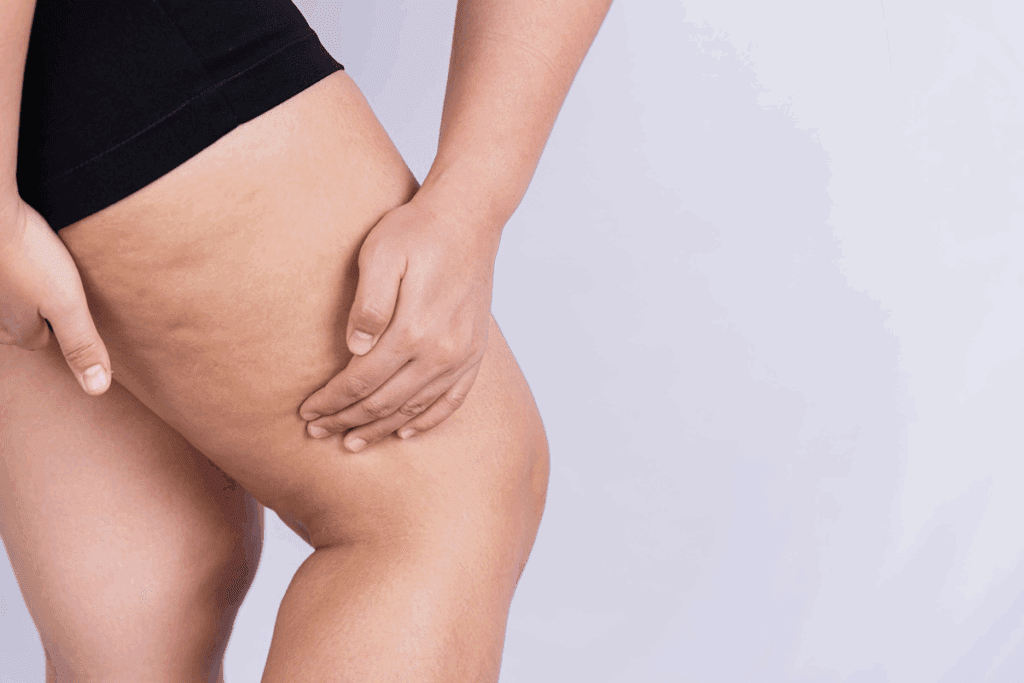
Postoperative cellulitis after an operation is a big worry because it can make recovery harder and keep you in the hospital longer. Getting a diagnosis and treatment quickly is key to avoiding more problems. Medical experts say cellulitis after an operation shows up with redness, warmth, pain, and swelling at the cut. Spotting these signs early is important for good care. At Liv Hospital, we put patient safety and the best results first. Our top-notch methods make sure we catch infections right, treat them properly, and care for our patients with kindness.
Key Takeaways
- Postoperative cellulitis can complicate recovery and increase hospital stays.
- Symptoms include erythema, warmth, pain, and swelling at the incision site.
- Timely diagnosis and treatment are critical to prevent further issues.
- Liv Hospital follows internationally recognized protocols for managing post-surgical infections.
- Effective management involves precise diagnosis, up-to-date treatment, and compassionate care.
What Is Post-Operative Cellulitis and Why Does It Matter
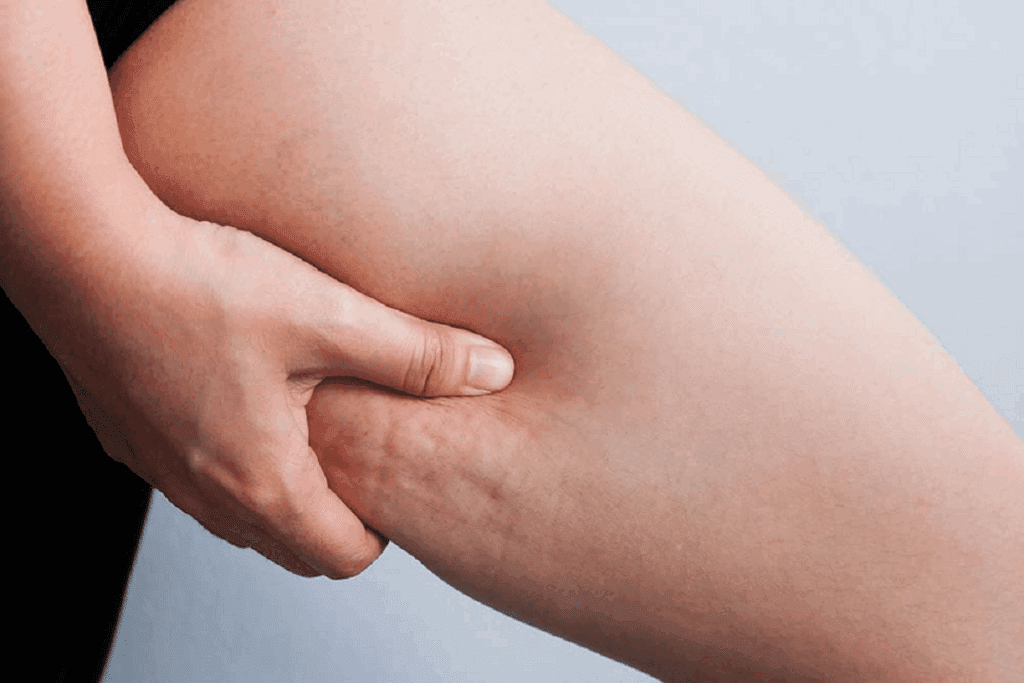
It’s important to understand post-operative cellulitis to manage and prevent complications after surgery. This infection happens in the skin and tissues under the skin after surgery. It can make recovery harder.
Definition and Pathophysiology
Post-operative cellulitis is when the skin and tissues under the skin get inflamed. This usually happens because of bacteria getting into the surgical wound. The pathophysiology is about bacteria growing and causing infection, often by Staphylococcus aureus or Streptococcus species. Knowing how it works helps in treating infections after surgery.
Impact on Recovery and Hospital Stays
Having post-operative cellulitis can make hospital stays longer and cost more.. It can slow down recovery and might need extra treatments like antibiotics. In bad cases, it might even need surgery. It’s important to manage it well to avoid these problems.
Distinguishing Features from Other Surgical Site Infections
Post-operative cellulitis is different because it affects the skin and tissues under it, not deeper tissues or the surgical site. Knowing the difference is key to the right diagnosis and treatment. Doctors use clinical assessment and diagnostic tests to tell it apart from other infections.
Essential Fact #1: Recognizing Cellulitis After Operation
Spotting post-op cellulitis early is key to avoiding serious issues and a smooth recovery. This infection happens in the skin and tissues under the skin after surgery. Catching the signs early is vital for managing them well.
Cardinal Signs: Erythema, Warmth, Pain, and Swelling
The main signs of post-op cellulitis are erythema (redness), warmth, pain, and swelling at the surgical site.. You might also feel tenderness when you touch it. Keeping an eye on these signs is important, as they show cellulitis might be starting.
Typical Timeline of Symptom Development
Symptoms of post-op cellulitis usually show up within a few days to a week after surgery. The timeline of symptom development can differ, but most cases are spotted in 2-7 days after the operation. Knowing this timeline helps catch and treat it early.
| Symptom | Typical Onset | Characteristics |
| Erythema | 2-3 days post-op | Redness around the surgical site |
| Warmth | 2-3 days post-op | Increased temperature around the affected area |
| Pain | 2-5 days post-op | Tenderness and discomfort |
| Swelling | 3-7 days post-op | Swelling around the surgical site |
Warning Signs of Progression to Deeper Infection
It’s important to watch for signs that post-op cellulitis is getting worse, like increasing pain, high fever, or purulent discharge. Seeing these signs means you need to get medical help right away to avoid serious problems.
Essential Fact #2: Diagnostic Approach to Post-Surgical Infections
Diagnosing post-surgical infections is complex. It involves clinical evaluation, lab tests, and imaging studies. Accurate diagnosis is key for good post op infection management.
Clinical Assessment Protocols
Clinical assessment starts the diagnosis. Healthcare providers look for signs like redness, warmth, swelling, and pain at the surgical site. Fever or high white blood cell count also hints at infection.
A detailed clinical check looks at symptom severity and spread. This helps decide the next steps in treatment.
Laboratory Tests and Their Interpretation
Laboratory tests are vital for confirming post-surgical infections. Common tests include:
- Complete Blood Count (CBC) to check for leukocytosis
- Blood cultures to identify bacteremia
- Wound cultures to isolate the causative organism
- Inflammatory markers such as C-reactive protein (CRP) and erythrocyte sedimentation rate (ESR)
Understanding these tests is important. For example, a high CRP level can mean infection, but it can also be raised in other conditions.
When to Consider Advanced Imaging
Advanced imaging,, as ultrasound, CT scans, or MRI, is used for deep-seated infections or abscesses. These tools help see the infection’s extent and guide treatment.
The choice to use advanced imaging depends on clinical findings and lab results. For severe infections or suspected abscesses, imaging is key for planning treatment.
Effective post-surgical infection diagnosis and management come from these diagnostic methods. They ensure treatment is on target and timely.
Risk Factors That Increase Susceptibility to Post-Op Cellulitis
Many things can make someone more likely to get post-operative cellulitis. These include things about the patient, the surgery, and how they are cared for after surgery. Knowing these can help doctors spot who is at higher risk and take steps to prevent it.
Patient-Specific Factors
Some things about a patient can really affect their chance of getting post-operative cellulitis. Advanced age, obesity, and diabetes mellitus can make it harder for wounds to heal and for the body to fight off infections. Also, people with chronic venous insufficiency or lymphedema are more at risk because their blood doesn’t move well can’t’t drain properly.
Surgical Procedure Considerations
The kind of surgery someone has can also affect their risk of getting cellulitis. Longer surgeries and those that mess with more tissue can raise the risk of infection. Also, surgeries on the lower extremities are riskier because of poor blood flow and high venous pressure.
Post-Operative Care Elements
How well a patient is cared for after surgery is very important. Bad wound care and not watching the patient closely enough can mean infections are missed or treated too late. Using invasive medical devices after surgery can also bring infection risks if not handled properly.
By knowing and dealing with these risk factors, doctors can do more to prevent post-operative cellulitis. This helps make sure patients do better after surgery.
Essential Fact #3: Current Antibiotic Guidelines for Treatment
It’s key to know the latest antibiotic guidelines for treating post-operative cellulitis. The right treatment involves choosing antibiotics carefully. This balance helps fight infection without causing resistance or side effects.
The Evidence-Based 5-Day Treatment Protocol
Guidelines suggest a 5-day course of antibiotics for simple cases of post-operative cellulitis. This time frame is usually enough to clear the infection in most patients, unless there are complications.
Choosing the right antibiotic is very important. First-line treatments target common skin pathogens. The choice should consider local resistance, patient allergies, and drug interactions.
First-Line Antibiotic Selection
Cephalexin and doxycycline are top picks for treating post-operative cellulitis. They work well against Staphylococcus aureus and Streptococcus. The choice depends on the patient’s health and any allergies.
| Antibiotic | Dose | Frequency | Duration |
| Cephalexin | 500 mg | Every 6 hours | 5 days |
| Doxycycline | 100 mg | Every 12 hours | 5 days |
When to Extend Treatment Duration
If symptoms don’t get better in 5 days, treatment might need to last longer. This is true for persistent symptoms, large infections, or health issues that slow healing.
Monitoring Therapeutic Response
It’s vital to watch how the patient reacts to antibiotics. Look for signs like less redness, warmth, pain, and swelling. If there’s no improvement, it might be time to change antibiotics or do more tests.
In summary, treating post-operative cellulitis with antibiotics needs careful planning. This includes picking the right antibiotics and watching how the patient responds. By following guidelines and considering each patient’s needs, doctors can improve outcomes and avoid problems.
Essential Fact #4: Outpatient vs. Inpatient Management Criteria
Managing post-operative cellulitis depends on whether a patient can be treated at home or needs hospital care. The choice is based on how severe the symptoms are, if there are signs of infection in the body, and the patient’s health.
Safe Outpatient Management Strategies
Patients with mild to moderate cellulitis and no signs of infection in their bodies can often be treated at home. Key strategies include:
- Watching symptoms closely for any signs of getting worse
- Using oral antibiotics based on local resistance patterns
- Keeping the affected limb up to reduce swelling
- Regular check-ups to see how treatment is working
Indications for Hospitalization
Patients showing severe infection signs like high fever, a lot of pain, or swelling need hospital care. Indications for inpatient management include:
- Signs of infection in the body (e.g., fever, fast heart rate)
- Not getting better with home treatment
- Having health problems that make treatment harder (e.g., diabetes, weakened immune system)
- Deep or complicated infections needing IV antibiotics or surgery
Transition of Care Protocols
For patients starting in the hospital, moving to home care is key. This involves:
| Transition Criteria | Description |
| Clinical Improvement | Getting better with no more signs of infection and fewer symptoms |
| Antibiotic Therapy | Switching from IV to oral antibiotics when it’s safe |
| Follow-Up | Setting up follow-up visits to check on recovery |
Understanding when to treat patients at home versus in the hospital is critical for managing post-operative cellulitis. By following these guidelines, healthcare providers can improve patient care and lower the chance of complications.
Managing Severe and Recurrent Cases of Cellulitis After Operation
Dealing with severe and recurring post-operative cellulitis needs a detailed plan. It’s important to understand the condition well and tailor the treatment approach.
Broader-Spectrum Antibiotic Approaches
For severe or recurring cellulitis, using broad-spectrum antibiotics is often necessary. Piperacillin-tazobactam and vancomycin are good examples. The right antibiotic depends on local resistance and the patient’s health.
- Use broader-spectrum antibiotics for severe infections or when initial treatment fails.
- Antibiotic choice should be based on local resistance patterns.
- Consider the patient’s allergies and health conditions.
Surgical Intervention Considerations
Surgery might be needed for severe cellulitis, like when abscesses or necrotizing fasciitis occur. Deciding on surgery should involve a team of experts, including surgeons and infectious disease specialists.
Important factors for surgery include:
- Presence of abscess or necrotizing infection.
- Failure of medical treatment.
- Significant tissue damage or death.
Multidisciplinary Team Involvement
Managing severe and recurring cellulitis greatly benefits from a team effort. A team approach ensures all aspects of care are covered for the best results.
A team might include:
- Infectious disease specialists.
- Surgeons.
- Wound care specialists.
- Primary care physicians.
Good communication and teamwork are key to a successful treatment plan.
Essential Fact #5: Optimizing Wound Care and Edema Control
Wound care and edema control are key in treating post-operative cellulitis. Good wound management helps wounds heal faster and lowers the chance of more problems.
Evidence-Based Elevation Techniques
Elevating the affected limb is a simple yet effective way to reduce swelling and aid healing. Elevation should be done above the level of the heart to help blood flow back and lessen swelling. A study in the Journal of Vascular Surgery showed that limb elevation greatly reduced swelling and improved wound healing in patients with post-operative cellulitis.
“Elevation of the affected limb is a critical part of managing post-operative cellulitis, as it helps lessen swelling and aid in healing.”
Journal of Vascular Surgery
Compression Therapy Applications
Compression therapy is also vital for controlling edema. Compression garments or bandages apply graduated pressure to reduce swelling and boost blood flow. The type of compression therapy used should match the patient’s needs, considering the severity of swelling and any vascular conditions.
| Compression Level | Application | Benefits |
| Mild Compression | Post-operative swelling | Reduces swelling, promotes healing |
| Moderate Compression | Edema management | Improves circulation, reduces edema |
| High Compression | Severe edema, venous ulcers | Significant reduction in swelling, promotes wound healing |
Advanced Wound Care Modalities
Advanced wound care options, like negative pressure wound therapy (NPWT) and bioengineered wound dressings, can help wounds heal faster in patients with post-operative cellulitis. NPWT helps by promoting tissue growth and reducing bacteria.
Choosing the right advanced wound care should depend on the patient’s wound and needs. A team approach, including wound care specialists and other healthcare professionals, can improve wound care and patient results.
Preventive Strategies to Reduce Post-Operative Infection Risk
To prevent surgical site infections, we need to take steps before, during, and after surgery. A study in the Journal of the American College of Surgeons says, “a multifaceted approach to infection prevention is key to reducing surgical site infections.”
“Implementing evidence-based practices across the continuum of care can significantly reduce the risk of surgical site infections.”
Preoperative Patient Optimization
Getting patients ready for surgery is very important. This means optimizing glycemic control in diabetic patients, cessation of smoking, and nutritional optimization. A study showed that preoperative nutritional supplements can greatly lower the chance of surgical site infections.
Intraoperative Infection Control Measures
Keeping infections away during surgery is key. This includes strict adherence to sterile technique, appropriate use of prophylactic antibiotics, and maintenance of normothermia during surgery. The Centers for Disease Control and Prevention (CDC) says proper care during surgery can greatly lower the risk of infections.
Post-Discharge Education and Monitoring
Teaching patients after they leave the hospital is very important. They need to know the signs and symptoms of infection and why they must follow their postoperative instructions. A study found that good care after discharge can lower hospital readmissions for infection.
Conclusion: Integrating the 5 Essential Facts for Optimal Management
Managing post-op cellulitis well needs a complete plan. This plan should include the 5 key facts from this article. Knowing what post-operative cellulitis is and how it works helps a lot. It also helps to spot its main signs and use the best treatments.
Handling post op cellulitis means using many strategies. These include treating and preventing it, and managing surgical wounds. Giving antibiotics is also very important.
By using these key facts, doctors can lower the chance of problems after surgery. This makes patients do better and care better. Working together, doctors, patients, and caregivers can manage and prevent post-op cellulitis well.
FAQ
What is post-operative cellulitis?
Post-operative cellulitis is a skin infection that happens after surgery. It shows as redness, warmth, pain, and swelling.
What are the cardinal signs of post-op cellulitis?
The main signs are redness, warmth, pain, and swelling at the surgery site.
When do post-op infections typically occur?
These infections usually happen soon after surgery. They often show up in the first few days or weeks.
What are the risk factors for developing post-op cellulitis?
Several things can increase your risk. These include diabetes, obesity, long surgery times, and poor wound care.
What is the recommended treatment duration for post-op cellulitis?
Doctors usually treat it for 5 days. B, treatment can last longer if the infection is severe.
When should I seek medical attention for suspected post-op cellulitis?
Get help if you notice more pain, swelling, redness, or warmth. Also, if you have a fever or chills.
Can post-op cellulitis be managed on an outpatient basis?
Yes, for mild to moderate cases, treatment can be done at home. But severe cases might need hospital care.
What are the signs of progression to deeper infection?
Look out for more pain, swelling, or redness. Also, watch for fever, chills, or feeling unwell.
How is post-op cellulitis diagnosed?
Doctors diagnose it by checking your history and doing a physical exam. They might also do blood tests.
What is the role of antibiotics in treating post-op cellulitis?
Antibiotics are key in treating this infection. They aim to get rid of the bacteria causing it.
What preventive measures can reduce the risk of post-operative infections?
To prevent infections, focus on pre-surgery preparation, keeping the surgery area clean, and educating patients after discharge.
How can wound care be optimized to prevent post-op cellulitis?
Good wound care includes using techniques to elevate the wound, applying compression, and using advanced treatments to help it heal and prevent infection.
References
- Park, S., et al. (2024). Associations of cholecystectomy with metabolic health: A large population-based retrospective cohort study. Scientific Reports, 14, 12345. Retrieved from https://www.nature.com/articles/s41598-024-53161-6