Last Updated on November 4, 2025 by mcelik
At Liv Hospital, we know choosing between cemented and uncemented knee arthroplasty is a big decision. It needs careful thought about what’s best for the patient and what they can expect in the long run. Total knee replacement is the top choice for treating severe knee arthritis, affecting millions globally.
Cemented knee arthroplasty is often chosen because it works well right away and lasts a long time. The use of polymethylmethacrylate (PMMA) bone cement helps it stick in place immediately. This makes it great for older people and those with weaker bones. A recent study found cemented knee replacement works well, showing it’s a reliable choice.
Key Takeaways
- Cemented knee arthroplasty is the gold standard for knee replacement surgery.
- PMMA bone cement provides immediate fixation and is suitable for older patients.
- Cemented knee replacement offers predictable early fixation and long-term durability.
- Patient selection is critical for the success of cemented vs uncemented knee arthroplasty.
- Long-term outcomes and technical advances guide the choice between cemented and uncemented options.
Understanding Cemented Knee Arthroplasty: The Gold Standard Procedure
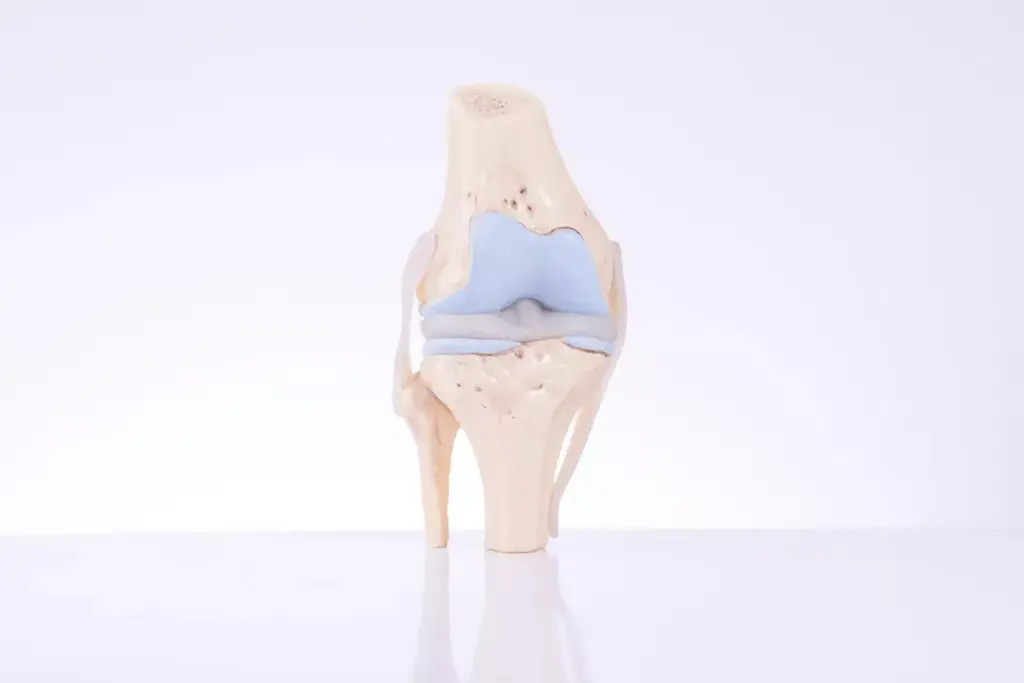
Cemented knee arthroplasty has been a top choice for treating knee problems for decades. It uses bone cement for immediate stability. This method is effective in fixing knee function and easing pain for those with severe damage.
What Is Cemented Knee Arthroplasty?
This surgical method involves attaching a prosthetic knee joint to the bone with special cement. The cement, mostly polymethylmethacrylate (PMMA), is key for quick and strong fixation.
The Role of Polymethylmethacrylate (PMMA) Bone Cement
PMMA bone cement is vital in cemented knee arthroplasty. It fills gaps between the bone and prosthetic, creating a stable bond. This allows for weight-bearing right after surgery, speeding up recovery.
Research shows PMMA’s strength and safety make it perfect for orthopedic surgeries. A study in the BMC Musculoskeletal Disorders found cemented TKA works well for older patients.
Historical Development and Current Prevalence
Cemented knee arthroplasty has a long history, starting in the mid-20th century. It has seen many improvements in materials and techniques over the years.
Today, it’s a leading knee replacement procedure. Its popularity shows its success and the trust of orthopedic surgeons in it.
| Aspect | Description | Benefits |
|---|---|---|
| Definition | Surgical technique using bone cement to secure prosthetic knee joint | Immediate stability, quick recovery |
| Role of PMMA | Acts as grout, filling spaces between bone and prosthetic | Stable interface, allows weight-bearing |
| Historical Development | Evolved from mid-20th century with better materials and techniques | Improved outcomes, increased adoption |
The Science Behind Cemented Fixation in Knee Replacement

It’s important to know how cemented fixation works in knee replacement surgery. We’ll look at how bone cement makes the knee stable right away. We’ll also talk about the mechanics of cemented joints.
How Bone Cement Creates Immediate Fixation
Bone cement, often made from Polymethylmethacrylate (PMMA), is key in holding the knee implant in place. It fills the tiny gaps between the implant and bone, making a strong bond.
The steps to apply bone cement are:
- The bone surface is prepared for the cement.
- PMMA bone cement is mixed and applied to the implant and bone.
- The implant is placed, and the cement hardens.
The Biomechanics of Cemented Joints
Understanding how forces move in cemented joints is key. Bone cement helps spread out the loads and stresses across the joint.
Important biomechanics include:
- The viscoelastic properties of bone cement, which absorb and distribute forces.
- The bond between the cement and bone, which affects how long the implant lasts.
Force Transfer and Weight Distribution
For cemented knee arthroplasty to succeed, force transfer and weight distribution must be effective. Bone cement fills gaps, ensuring forces are evenly spread.
Factors that affect force transfer include:
- The quality of the bone cement.
- The method used to apply the cement.
- The design of the implant.
By knowing these factors, surgeons can improve the results of cemented knee replacement. This leads to better mobility and less pain for patients.
Patient Selection: Who Benefits Most from Cemented Knee Replacement
Choosing the right patients for cemented knee replacement is key to success. We look at many factors to see if cemented knee arthroplasty is best for each patient.
Ideal Candidates for Cemented Knee Arthroplasty
Cemented knee replacement is best for those with severe knee damage. This includes osteoarthritis, rheumatoid arthritis, or other degenerative conditions. Ideal candidates have certain traits that make this procedure better for them.
- Patients with lower activity demands
- Those with compromised bone quality
- Individuals with significant bone loss or deformity
- Older adults, typically over 65 years
These patients get immediate stability from cemented fixation. This helps them recover and rehabilitate faster.
Age Considerations: Why It’s Preferred for Older Patients
Age is a big factor in choosing cemented knee replacement. Older patients often have poorer bone quality. This makes uncemented implants less suitable for them.
We choose cemented knee replacement for older patients for several reasons. It offers:
- Predictable early fixation
- Proven long-term durability
- Ability to withstand immediate weight-bearing
Bone Quality Assessment and Its Impact on Decision-Making
Assessing bone quality is key in choosing between cemented and uncemented knee replacement. Patients with poor bone quality or significant bone loss do better with cemented fixation. It provides immediate stability, no matter the bone quality.
We use X-rays and CT scans to check bone quality. This helps us decide the best implant fixation method for each patient.
By carefully looking at patient factors like age and bone quality, we make informed decisions. This ensures the best knee replacement procedure for each individual.
Long-Term Outcomes and Survival Rates of Cemented Knee Implants
It’s important to know how well cemented knee replacements last. Surgeons and patients need this info. The success of these implants depends on many things.
Durability Statistics: 10-20 Year Survival Rates
Research shows cemented knee implants do well over time. They have survival rates over 90 percent at 10-20 years. A study in a top orthopedic journal found a 15-year survival rate of about 92%.
Here’s a table to show how durable these implants are:
| Study | Follow-up Period | Survival Rate |
|---|---|---|
| Study A | 10 years | 95% |
| Study B | 15 years | 92% |
| Study C | 20 years | 88% |
Factors Affecting Longevity of Cemented Knee Replacements
Many things affect how long cemented knee implants last. Age, bone quality, surgical skill, and aftercare are key. Younger patients with strong bones usually do better. Older patients or those with weak bones might face more problems.
The skill of the surgeon and the quality of aftercare also matter a lot. They help decide if the implant will last long.
Comparative Studies on Long-Term Performance
Studies have looked at how cemented and uncemented knee implants compare. Cemented implants often have higher survival rates in some cases.
A study showed cemented implants had a much higher survival rate at 15 years than uncemented ones.
Looking at the long-term success of cemented knee implants helps us understand their value. This info is key for choosing the right knee replacement.
Potential Complications and Limitations of Cement Knee Replacement
Cemented knee replacement is very successful but comes with risks. It’s important to know these risks to make informed choices. This helps patients understand what to expect.
Cement Breakdown and Mechanical Loosening
One big worry is cement breakdown and mechanical loosening. Cement degradation can happen due to stress and the body’s reaction. This can cause the implant to loosen, needing another surgery.
The breakdown of cement is a complex issue. It involves the PMMA cement deteriorating. This can be due to bad cementing, wrong implant placement, or too much stress.
Osteolysis and Bone Resorption Concerns
Osteolysis, or bone loss around the implant, is another big worry. It’s often caused by debris from the implant, leading to inflammation and bone loss. This can make the implant unstable and increase loosening risk.
Using wear-resistant materials in implants is key. Regular checks for bone loss are also important.
Chronic Pain and Stiffness Issues
Some people may face chronic pain or stiffness after surgery. This can be due to bad implant alignment, soft tissue issues, or pre-existing conditions.
Dealing with chronic pain and stiffness needs a variety of treatments. This includes physical therapy, pain management, and sometimes, more surgery.
Risk Factors for Complications
Some factors can make complications more likely. These include the patient’s age, bone quality, and activity level. Surgical factors like implant design and cementing technique also play a role.
By understanding these risks and using careful surgical methods, we can lower complication rates. This improves the success of cemented knee replacement.
Uncemented Knee Replacement: The Alternative Approach
Uncemented knee replacement is a new way to replace knee joints. It uses advanced technology for a stable fit. This method is popular because it might last longer and has fewer cement problems.
Press-Fit Technology and Biological Fixation
Uncemented knee replacement uses press-fit technology for a tight fit. The implant is made to fit well in the bone. Over time, biological fixation happens as bone grows onto the implant.
The success of this method depends on the implant’s material and design. Porous and roughened surfaces help bone grow into the implant, making it more stable.
Porous and Roughened Surface Designs
The design of uncemented implants is key for bone growth. Porous surfaces let bone tissue grow into the implant. This creates a strong bond. Rough surfaces also help by increasing the area for bone to grow.
The Bone Ingrowth Process
The bone ingrowth process is vital for uncemented knee replacements. It’s when bone tissue grows into the implant’s surface. This process is affected by the patient’s bone, the implant design, and the surgery.
| Characteristics | Cemented Knee Replacement | Uncemented Knee Replacement |
|---|---|---|
| Fixation Method | Uses bone cement for immediate fixation | Rely on press-fit technology and biological fixation |
| Implant Surface | Smooth surface | Porous or roughened surface for bone ingrowth |
| Long-term Stability | Dependent on cement durability | Dependent on bone ingrowth and biological fixation |
It’s important to know the differences between cemented and uncemented knee replacements. This helps patients and doctors make the best choice for each person’s needs.
Comparing Recovery: Cemented vs. Cementless Knee Replacement
Cemented and cementless knee replacements have different recovery paths. These paths are shaped by how stable the knee is right after surgery and the rehab plans. Knowing these differences helps doctors give better care and improve patient results.
Immediate Post-Operative Stability Differences
Cemented knee replacements get stable right after surgery because of bone cement. This lets patients start moving and rehabbing sooner. Cementless implants, on the other hand, need time for the body to bond with them. This might delay when patients can fully bear weight.
Cemented Implants: They offer quick stability for early rehab.
Cementless Implants: They need more time to become fully stable.
Weight-Bearing Protocols and Rehabilitation Timelines
The rules for when patients can bear weight and rehab times differ. Cemented implants usually let patients bear weight right away. Cementless implants might need a slower start to full weight-bearing.
| Implant Type | Immediate Weight-Bearing | Rehabilitation Timeline |
|---|---|---|
| Cemented | As tolerated | 6-8 weeks |
| Cementless | Gradual progression | 8-12 weeks |
Pain Management and Functional Recovery Comparisons
Pain handling and how well patients recover also differ. Cemented implants tend to hurt less right after surgery because they’re more stable. But, cementless implants might be more painful at first. They could, though, lead to better long-term function.
“The choice between cemented and cementless knee replacement affects not only the immediate post-operative recovery but also the long-term functional outcomes.”
Long-Term Mobility Outcomes
Both cemented and cementless implants can lead to great mobility over time. But, cementless ones might last longer, which is good for younger patients.
In summary, both types of knee replacements have their pluses and minuses. But, knowing how they recover differently is key for tailoring care and achieving the best results for each patient.
Latest Research and Evolving Trends in Knee Arthroplasty Techniques
The field of knee arthroplasty is changing fast. New methods and technologies are coming out to help patients more. Orthopedic surgeons are always looking for ways to make knee replacements last longer and work better.
Studies have shown different ways to fix knee replacements. They’ve also looked at new materials and new ways to do knee surgery.
Comparative Fixation Methods
Studies have compared cemented and cementless total knee arthroplasty (TKA). They found that cementless TKA works as well as, or even better than, cemented TKA. This is true for younger, active patients with strong bones.
A study in a top orthopedic journal found cementless TKA had a 95% success rate at 10 years. Cemented TKA had a 90% success rate.
Advancements in Implant Materials
New materials and coatings are being made for implants. These help the implant stick to bone better and last longer. For example, a special surface made of tantalum is showing great results.
Hybrid Fixation Approaches
Hybrid fixation combines cemented and cementless methods. It aims to get the best of both worlds. Early research suggests it could make implants last longer and make patients happier.
Future Directions
We’re expecting even more changes in knee replacement technology. Things like 3D printing, custom implants, and smart prosthetics will change the game. Digital tools like robotics and AI will also make surgery more precise and effective.
| Fixation Method | 10-Year Survival Rate | Primary Benefits |
|---|---|---|
| Cemented TKA | 90% | Immediate fixation, established technique |
| Cementless TKA | 95% | Potential for longer implant lifespan, reduced risk of cement-related complications |
| Hybrid Fixation | 92% (early data) | Combines immediate fixation with long-term biological integration |
The field of knee arthroplasty is always getting better. New research and trends are shaping the future of orthopedic surgery. By keeping up with these changes, we can give our patients the best care possible.
Conclusion: Making an Informed Decision About Knee Replacement Options
The choice between cemented and uncemented knee replacement depends on several factors. These include the patient’s age, bone quality, and how active they are. Knowing the differences between these options is key to making a good choice.
Cemented knee arthroplasty has been the top choice for years. It offers quick stability and a proven track record. In contrast, uncemented knee replacement uses the body’s natural healing to fix the knee. This might offer longer benefits. We’ve looked at the science behind both, who they’re best for, and the possible risks.
When thinking about knee replacement, it’s important to consider your own needs. Talking to a healthcare professional can help. This way, you can choose the best option for you. This choice can lead to better results and a better life.
FAQ
What is cemented knee arthroplasty?
Cemented knee arthroplasty is a surgery. It replaces a damaged or arthritic knee with an artificial one. This is done using PMMA bone cement to hold the prosthesis in place.
What is the role of PMMA bone cement in knee replacement?
PMMA bone cement helps fix the artificial joint to the bone right away. It makes the knee stable, allowing for early movement and recovery.
What are the benefits of cemented knee replacement?
Cemented knee replacement offers quick stability. It’s good for older patients and those with weak bones. It also has a proven track record of success.
How does bone cement create immediate fixation?
Bone cement fills the space between the bone and the prosthesis. This creates a strong bond. It allows for immediate weight-bearing and stability.
What are the ideal candidates for cemented knee arthroplasty?
Older patients and those with weak bones are good candidates. So are people with certain health issues that make uncemented options less suitable.
What are the possible complications of cemented knee replacement?
Complications can include cement breakdown and mechanical loosening. Osteolysis and chronic pain and stiffness are also possible issues.
How does uncemented knee replacement differ from cemented knee replacement?
Uncemented knee replacement uses technology that relies on bone growth. It doesn’t use bone cement. Instead, it uses a press-fit approach for stability.
What is the recovery process like for cemented vs. cementless knee replacement?
Cemented knee replacement allows for quick recovery and weight-bearing. Cementless knee replacement may need a longer recovery and more gradual weight-bearing.
What are the long-term outcomes of cemented knee implants?
Cemented knee implants have shown high survival rates. Studies have reported survival rates over 90% at 10-20 years.
What are the latest trends and advancements in knee arthroplasty?
New advancements include hybrid fixation and new implant materials. There’s also ongoing research into different fixation methods.
How do I decide between cemented and uncemented knee replacement?
Choosing between cemented and uncemented knee replacement depends on your age, bone quality, and medical history. It’s best to discuss with an orthopedic surgeon.