

Central vs obstructive sleep apnea: Detailed explanation of the mechanism and causes that differentiate these two types of sleep disorders.
Knowing the difference between central and obstructive sleep apnea is key to getting the right treatment. Both conditions affect breathing during sleep. But, they have different causes.
At Liv Hospital, we focus on you, the patient. We use the latest technology and care with kindness. Obstructive sleep apnea happens when the throat blocks the airway. On the other hand, central sleep apnea is when the brain can’t send the right signals to breathe.
Key Takeaways
- Sleep apnea is classified into two primary types: central and obstructive.
- Obstructive sleep apnea is caused by physical airway blockage.
- Central sleep apnea results from the brain’s failure to send proper breathing signals.
- Both conditions disrupt breathing during sleep and cause similar symptoms.
- Understanding the difference is key to getting the right treatment.
Understanding Sleep Apnea Disorders
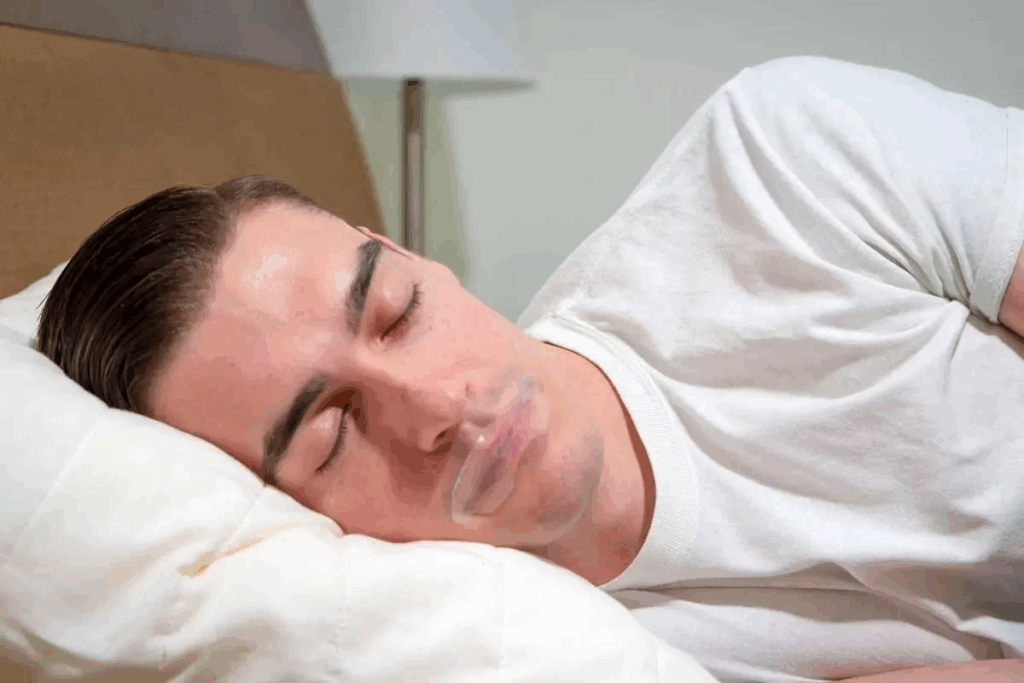
Sleep apnea disorders are complex and need a deep understanding for good management. It’s a serious sleep issue that affects millions globally. It messes with their sleep and life quality.
Definition and Classification of Sleep Apnea
Sleep apnea means breathing stops or gets shallow while sleeping. There are two main types: central sleep apnea and obstructive sleep apnea. Central sleep apnea happens when the brain can’t send the right signals to breathe. Obstructive sleep apnea occurs when the throat muscles relax and block the airway, even with the right signals.
Knowing the types of sleep apnea is key for correct diagnosis and treatment. Central sleep apnea is linked to central apnoea definition and central apnea definition. This shows it’s different from obstructive sleep apnea.
Impact on Health and Quality of Life
Sleep apnea, whether central or obstructive, badly affects health and life quality. It can cause heart problems, daytime tiredness, and brain issues if not treated.
Aspect | Central Sleep Apnea | Obstructive Sleep Apnea |
Cause | Brain fails to send breathing signals | Throat muscles block the airway |
Primary Effect | Disruption in breathing control | Physical blockage of the airway |
Common Symptoms | Frequent awakenings, morning headaches | Loud snoring, pauses in breathing |
Central vs Obstructive Sleep Apnea: The Fundamental Differences
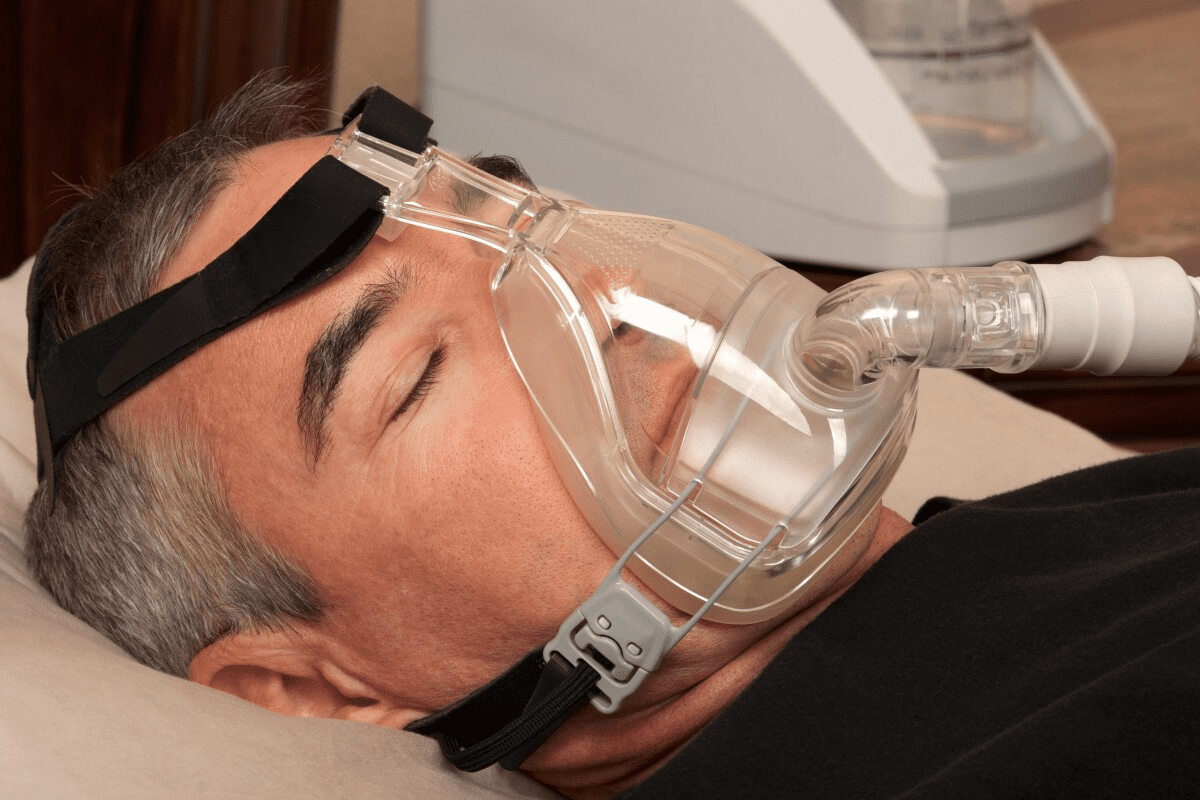
Both central and obstructive sleep apnea impact sleep quality. Yet, they work in different ways. Knowing these differences is key to finding the right treatment.
Breathing Mechanics During Sleep
During sleep, the brain controls breathing. In obstructive sleep apnea (OSA), the airway gets blocked. This happens when the throat muscles relax, narrowing or closing the airway.
On the other hand, central sleep apnea (CSA) happens when the brain doesn’t send the right signals. This leads to pauses in breathing, not because of a blockage, but because of a lack of effort to breathe.
Pathophysiology of Airway Obstruction in OSA
OSA is caused by the upper airway collapsing during sleep. This is due to several factors, like the shape of the airway, muscle tone, and how the brain controls breathing. When the airway collapses, it blocks airflow, causing breathing pauses.
Obesity, a narrow airway, and nasal congestion are major contributors to OSA. These factors increase the chance of airway blockage during sleep.
Characteristics | Obstructive Sleep Apnea (OSA) | Central Sleep Apnea (CSA) |
Cause of Apnea | Physical blockage of the airway | Lack of brain signal to breathe |
Primary Factors | Anatomical obstruction, obesity | Neurological dysfunction, heart failure |
Neural Control Dysfunction in CSA
CSA is caused by a problem with how the brain controls breathing. The brain fails to send the right signals to the muscles needed for breathing. This leads to irregular breathing or pauses.
Conditions like neurological disorders or heart failure can cause CSA. Treatment aims to fix the underlying issue and help the brain control breathing better during sleep.
Obstructive Sleep Apnea in Detail
Obstructive sleep apnea (OSA) is a complex sleep disorder. It needs a deep understanding of its causes and risk factors. OSA is influenced by many factors, including anatomy, physiology, and lifestyle.
Anatomical Factors Contributing to OSA
Anatomical factors are key in OSA. Narrowing of the airway due to enlarged tonsils or a large tongue can block air. A small jaw or a deviated nasal septum can also make breathing hard.
“The anatomy of the upper airway is a critical factor in the pathogenesis of obstructive sleep apnea.”
Risk Factors and Predisposing Conditions
Many risk factors and conditions can lead to OSA. Being overweight or obese can narrow the airway. Age, gender, and family history also play a role.
- Hypertension
- Diabetes
- Cardiovascular disease
These conditions make OSA harder to manage. It’s key to tackle these risks in treatment.
OSA Severity Classification
The severity of OSA is measured by the Apnea-Hypopnea Index (AHI). This index counts apnea and hypopnea events per hour. The higher the AHI, the more severe the OSA.
AHI Score | OSA Severity |
5-14 | Mild |
15-29 | Moderate |
30 or higher | Severe |
Knowing the severity of OSA helps choose the right treatment. It’s important for effective management.
Central Sleep Apnea: Mechanisms and Subtypes
CSA sleep apnea is a serious condition where breathing pauses during sleep. This happens because the brain doesn’t tell the body to breathe, not because of a blockage. Knowing this difference is key for the right treatment. There are different types of central sleep apnea, each with its own causes and signs.
Primary Central Sleep Apnea
Primary central sleep apnea is rare and has no known cause. It’s diagnosed when other possible causes are ruled out. People with this condition often wake up a lot and have trouble sleeping because of their breathing.
“The diagnosis of primary CSA requires a thorough check to rule out other causes of central apnea. This means looking closely at the patient’s medical history and sleep study results.”
Secondary Central Sleep Apnea
Secondary CSA is linked to other health issues or certain medicines. Heart failure, stroke, and brain disorders can cause it. Knowing the cause is important for treating it well.
Condition | Description | Association with CSA |
Heart Failure | A condition where the heart doesn’t pump blood as well as it should. | CSA can occur due to the instability of the respiratory control system. |
Stroke | An interruption of blood flow to the brain. | Can damage areas of the brain that regulate breathing, leading to CSA. |
Neurological Disorders | Conditions affecting the brain and nervous system. | Can disrupt normal breathing patterns during sleep. |
Cheyne-Stokes Breathing Pattern
Cheyne-Stokes respiration is a pattern seen in CSA. It involves cycles of deep breathing followed by pauses or shallow breathing. This pattern is common in severe heart failure or brain disorders.
It’s vital to understand the different types of central sleep apnea to give the right care. By knowing the specific traits of each type, doctors can create treatments that target the root causes and symptoms.
Mixed and Complex Sleep Apnea Syndrome
Mixed and complex sleep apnea syndrome is a tough condition. It mixes elements of obstructive sleep apnea (OSA) and central sleep apnea (CSA). This disorder needs a careful approach to diagnose and treat, as it has traits of both main sleep apnea types.
Characteristics of Mixed Apnea Events
Mixed apnea events start with an obstructive part and then a central part. They are hard to diagnose because they show signs of both OSA and CSA. Finding mixed apnea events often means there’s a deeper problem that needs a detailed check-up to figure out the right treatment.
It’s key to understand mixed apnea events to make good treatment plans. Polysomnography (PSG) is important for diagnosing mixed sleep apnea syndrome. It helps analyze sleep patterns, spotting both obstructive and central events.
Treatment-Emergent Central Sleep Apnea
Treatment-emergent central sleep apnea (TECSA) happens when OSA patients get CSA while using continuous positive airway pressure (CPAP) therapy. This shows how complex sleep apnea can be and the need for close watch during treatment. TECSA is hard to handle, needing changes in the treatment plan to tackle the new central sleep apnea events.
Handling TECSA needs a wide approach. This includes tweaking CPAP settings, looking into other treatments like adaptive servo-ventilation (ASV), and keeping a close eye on how the patient reacts to treatment. The aim is to make the patient’s sleep stable and better overall.
Epidemiology and Prevalence Rates
Sleep apnea, including OSA and CSA, affects healthcare resources. Knowing who gets these disorders helps plan for public health. It’s key to understand the demographics and how often they occur.
OSA Demographics and Frequency
Obstructive Sleep Apnea (OSA) is the most common type, making up about 90% of cases. It’s found in a big part of the adult population worldwide. The numbers vary based on who’s studied and how they’re diagnosed.
A study found OSA in about 4% of men and 2% of women. But, it’s more common in some groups, like the obese or those with heart disease. OSA is linked to being older, male, obese, and having certain facial features.
“The prevalence of obstructive sleep apnea is increasing in parallel with the rising prevalence of obesity, which is a major risk factor for this condition.”
– A leading sleep researcher
Demographic Factor | Association with OSA |
Age | Increased prevalence with older age |
Gender | More common in men |
Obesity | Strong association, particular with central obesity |
CSA Prevalence and the Central Apnea Index
Central Sleep Apnea (CSA) is less common than OSA, affecting about 0.9% of people over 40. It’s often linked to heart failure or neurological disorders.
The Central Apnea Index (CAI) is key for diagnosing CSA. It shows how many central apnea events happen per hour of sleep. A higher CAI means more severe CSA.
Knowing about OSA and CSA helps healthcare providers plan better. They can target treatments more effectively. By understanding who gets these conditions, we can help more people.
Clinical Presentation and Symptoms
Diagnosing sleep apnea needs a good understanding of its symptoms. Both Obstructive Sleep Apnea (OSA) and Central Sleep Apnea (CSA) have their own signs. But, their symptoms can sometimes look the same, making diagnosis tricky.
Shared Symptoms Between OSA and CSA
Both OSA and CSA can really affect a person’s life. They share symptoms like:
- Pauses in breathing during sleep
- Sudden awakenings with shortness of breath
- Excessive daytime sleepiness
- Morning headaches
- Difficulty concentrating
These symptoms make it hard to tell OSA and CSA apart just by looking at them. A detailed check-up is key to tell them apart.
Distinguishing Clinical Features
Even though symptoms can be similar, there are key differences. For example, OSA patients often snore loudly and choke or gasp during sleep. CSA patients might complain more about not sleeping well or waking up a lot at night.
The reasons behind central apnea, like heart problems or brain issues, help doctors figure out CSA. OSA is often linked to blockages in the airway.
It’s important for doctors to know these differences. This helps them give better care and treatment plans. By spotting both common and unique symptoms, doctors can help patients get better.
Causes and Risk Factors of Central Sleep Apnea
To understand central sleep apnea, we must look at several factors. This disorder is complex and can stem from various health issues.
Cardiovascular Conditions
Heart diseases are a big risk for central sleep apnea. Heart failure, for example, can cause CSA because it messes with the body’s breathing control.
Heart Failure and CSA: Heart failure can lead to Cheyne-Stokes respiration, a type of CSA. This breathing pattern disrupts sleep, causing poor quality and complications.
Cardiovascular Condition | Association with CSA |
Heart Failure | High risk due to Cheyne-Stokes respiration |
Atrial Fibrillation | Increased risk due to irregular heart rhythms |
Neurological Disorders
Neurological disorders can also cause central sleep apnea. These disorders affect the brainstem, where breathing control centers are. This can disrupt breathing during sleep.
Examples of Neurological Disorders linked to CSA include:
- Stroke
- Multiple System Atrophy
- Brainstem Infarction or Injury
Medication and Substance-Induced CSA
Some medications and substances can cause central sleep apnea. Opioids, for example, can depress breathing, leading to CSA.
Opioid-Induced CSA: Opioids can cause a condition called opioid-induced central sleep apnea. This condition has irregular breathing and can be severe.
Medication/Substance | Risk Level for CSA |
Opioids | High |
Benzodiazepines | Moderate |
Knowing the causes and risk factors is key to treating central sleep apnea. Healthcare providers can create better treatment plans by identifying the underlying causes.
Diagnostic Approaches and Testing
Diagnosing sleep apnea requires a detailed process. This includes several tests and tools. Getting the right diagnosis is key to finding the best treatment.
Polysomnography Parameters
Polysomnography (PSG) is a main tool for diagnosing sleep apnea. It tracks brain waves, eye movements, muscle activity, heart rate, and breathing while a person sleeps. This data helps doctors understand how severe the sleep apnea is and if it’s obstructive or central.
Important things measured during PSG include:
- Apnea-Hypopnea Index (AHI): Counts apnea or hypopnea episodes per hour of sleep.
- Oxygen Saturation: Checks the oxygen level in the blood during sleep.
- Sleep Stages: Tracks the different sleep stages, like REM and non-REM sleep.
Differentiating OSA vs CSA in Sleep Studies
It’s important to tell OSA from CSA for the right treatment. PSG monitors and records the type of apnea events. OSA shows respiratory effort during apnea, while CSA doesn’t.
The central sleep apnea index is key for CSA severity. It counts central apnea events per hour of sleep.
Additional Diagnostic Considerations
Other tools can also help diagnose sleep apnea. These include:
- Home Sleep Apnea Testing (HSAT): A portable and easy option compared to PSG.
- Actigraphy: Tracks movement to estimate sleep patterns.
- Pulse Oximetry: Monitors blood oxygen levels.
Using these methods together helps doctors accurately diagnose and treat sleep apnea.
Treatment Strategies for Sleep Apnea
Managing sleep apnea needs a detailed plan based on the type and how severe it is. It’s important to know the exact cause, whether it’s obstructive sleep apnea (OSA) or central sleep apnea (CSA).
OSA Treatment Approaches
For OSA, treatments aim to keep the airway open while sleeping. Continuous Positive Airway Pressure (CPAP) therapy is often the first choice. It sends a steady flow of air to keep the airway open. But, some people find it hard to get used to because of the mask.
Oral appliances are another option. They move the lower jaw forward to keep the airway open. These are good for those with mild to moderate OSA or who can’t use CPAP.
Changing your lifestyle is also key in managing OSA. Losing weight, avoiding alcohol and sedatives, and sleeping on your side can help. These steps can reduce airway blockage.
CSA Management Options
CSA, or central sleep apnea, needs to address its root causes, like heart failure or neurological issues. Adaptive Servo-Ventilation (ASV) is a therapy used for CSA, mainly for those with complex sleep apnea or Cheyne-Stokes respiration.
Fixing the underlying conditions is vital for CSA treatment. For example, better heart failure care can help. Sometimes, using supplemental oxygen can also help stabilize breathing during sleep.
It’s important to customize treatment plans for each patient. This means considering the type and severity of sleep apnea. Regular check-ups with healthcare providers are also necessary to adjust treatments as needed.
Conclusion
It’s important to know the difference between central and obstructive sleep apnea. Both are serious sleep disorders. They need the right diagnosis and treatment to avoid complications and improve life quality.
We’ve looked at the main differences between central and obstructive sleep apnea. This includes their causes, symptoms, and treatments. Knowing these differences helps doctors create better treatment plans for each patient.
Getting sleep apnea right is key to better health and outcomes. As we learn more about central and obstructive sleep apnea, we can help patients sleep better. This leads to better health for everyone.
FAQ
What is the main difference between central and obstructive sleep apnea?
Obstructive sleep apnea (OSA) happens when something blocks the airway. Central sleep apnea (CSA) is when the brain doesn’t tell the breathing muscles to work right.
What are the symptoms of sleep apnea?
Symptoms include loud snoring, pauses in breathing, morning headaches, and feeling tired during the day. It’s hard to tell the difference between OSA and CSA without a test.
How is sleep apnea diagnosed?
A sleep study, or polysomnography, is used to diagnose sleep apnea. It records what happens while you sleep. This test can show if it’s OSA or CSA.
What are the risk factors for developing central sleep apnea?
Risk factors for CSA include heart problems, neurological disorders, and some medications. Knowing these risks helps catch CSA early.
Can sleep apnea be treated?
Yes, sleep apnea can be treated. Treatment depends on the type and how bad it is. For OSA, treatments include lifestyle changes and CPAP therapy. CSA treatment focuses on the cause and may include special devices.
What is the difference between primary and secondary central sleep apnea?
Primary CSA has no known cause. Secondary CSA is linked to conditions like heart failure or neurological disorders.
How does Cheyne-Stokes breathing relate to central sleep apnea?
Cheyne-Stokes breathing is a pattern seen in CSA. It’s common in heart failure patients and shows how severe their condition is.
What is mixed sleep apnea?
Mixed sleep apnea, or complex sleep apnea, has both OSA and CSA features. It’s hard to diagnose and treat because of its mixed nature.
Are there different severity levels for obstructive sleep apnea?
Yes, OSA severity is based on the apnea-hypopnea index (AHI). It ranges from mild to severe, helping decide treatment.
Can medication induce central sleep apnea?
Yes, some medications, like opioids, can cause or worsen CSA. It’s important to be aware of this risk for patients on long-term medication.
References
National Center for Biotechnology Information. (2025). What Is the Difference Between Central vs Obstructive. Retrieved from https://www.ncbi.nlm.nih.gov/books/NBK578199/



 Departments
 Related Videos
 Our Doctors
 News
News