

At Liv Hospital, we use the cerebral embolization procedure to treat brain issues like aneurysms and arteriovenous malformations. This method is a big step forward in brain treatment and is much safer than traditional surgery.
With aneurysm embolization, we can repair aneurysms from inside the blood vessel, avoiding the need for major surgery. Our goal is to provide patients with the best care and the latest advances in medical technology for safer and more effective outcomes.
Key Takeaways
- Endovascular embolization is a minimally invasive technique for treating brain vascular abnormalities.
- Cerebral embolization procedure offers a safer alternative to open surgery for complex vascular conditions.
- Aneurysm embolization treats intracranial aneurysms without the need for a craniotomy.
- Liv Hospital provides advanced techniques and patient-centered care for brain embolisation treatments.
- Expert innovation and compassionate care are prioritized in the treatment of vascular conditions.
What Is a Cerebral Embolization Procedure?
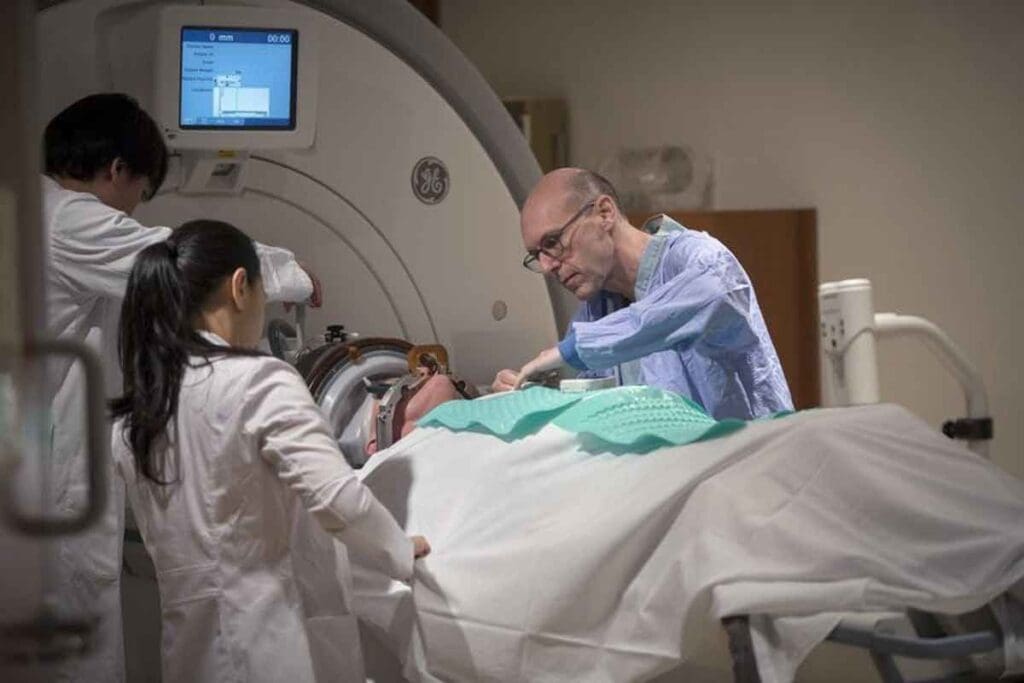
Cerebral embolization is a key procedure for treating brain aneurysms and vascular malformations. It uses neurovascular techniques to offer a safe and effective treatment. This method helps patients with cerebral vascular issues.
Definition and Purpose of Brain Embolisation
Brain embolization, or cerebral embolization, is a minimally invasive method. It aims to block or reduce blood flow to certain brain areas. The main goal is to stop bleeding or a stroke by closing off bad blood vessels.
To do this, a catheter is guided through blood vessels to the target area. Embolic materials like coils, glues, or particles are then used to block the blood vessels.
- Coils help treat aneurysms by causing clotting in the aneurysm sac.
- Liquid embolic agents are used for arteriovenous malformations (AVMs).
- Particles are used for various vascular lesions.
Evolution of Minimally Invasive Neurovascular Techniques
The field of neurovascular intervention has seen big changes over the years. The growth of minimally invasive neurovascular techniques has changed how we manage complex brain vascular conditions.
Important milestones include:
- The introduction of detachable coils for aneurysm treatment.
- The development of liquid embolic agents for AVMs.
- Advances in catheter and microcatheter technology.
- Improved imaging systems, like biplane angiography.
These advancements have made cerebral embolization safer and more effective. Now, it’s a top choice for many patients.
Key Fact #1: Understanding Brain Aneurysms and Vascular Malformations

Cerebral aneurysms and arteriovenous malformations are major brain conditions. They are important to know about if you’re thinking about cerebral embolization. These conditions often lead to the need for such procedures.
Anatomy of Cerebral Aneurysms
A cerebral aneurysm is a bulge in a brain blood vessel. It can burst, causing serious problems. These bulges happen because the blood vessel wall is weak. This weakness can come from genes or the environment.
The size, location, and shape of an aneurysm are key. They help doctors figure out the risk of it bursting. This information also guides the treatment plan.
Cerebral aneurysms are classified by their shape and size. Saccular aneurysms, or berry aneurysms, are the most common. They usually occur at blood vessel branch points. Other types, like fusiform and dissecting aneurysms, have different risks.
Arteriovenous Malformations Explained
Arteriovenous malformations (AVMs) are abnormal connections between arteries and veins in the brain. They skip the normal capillary network. This can cause symptoms like bleeding, seizures, and brain problems. AVMs are usually present at birth, but can be found at any age.
AVMs have a complex structure, with a central part called the nidus. It’s fed by arteries and drained by veins. Knowing how an AVM is structured is essential for treatment planning.
Embolization is a key treatment for AVMs. It reduces blood flow through the malformation. This lowers the risk of rupture and helps relieve symptoms. Understanding AVM anatomy helps doctors create personalized treatment plans.
Key Fact #2: The Critical Difference Between Aneurysms and Embolisms
It’s important to know the difference between aneurysms and embolisms if you’re thinking about cerebral embolization. These two issues affect blood vessels but in different ways. They also mean different things for treatment.
Aneurysms: Weakened Vessel Walls at Risk of Rupture
An aneurysm is when a blood vessel gets too big because its wall is weak. This weakness can cause it to burst, leading to serious bleeding. Aneurysms can happen anywhere in the body, but in the brain, they’re very dangerous because they can cause bleeding in the space around the brain.
The walls of an aneurysm are thin and can easily burst. The size, where it is, and any health problems you have can increase the risk of it bursting. Knowing these risks helps doctors decide the best treatment.
Embolisms: Blockages That Cause Ischemic Events
An embolism happens when something blocks a blood vessel. This can be a blood clot, an air bubble, or another object. In the brain, this blockage can cause a stroke by cutting off blood to part of the brain.
Embolisms can come from many places, like blood clots in the heart. They can travel to the brain and cause serious damage. This damage can happen because the brain doesn’t get enough oxygen and nutrients.
In short, aneurysms and embolisms are both serious but in different ways. Aneurysms are weak spots in blood vessels that can burst. Emboli are blockages that cut off blood flow. Knowing the difference is key to getting the right treatment.
Key Fact #3: How Brain Embolization Surgery Works
Brain embolization surgery is a modern, minimally invasive method to treat brain issues. It’s a safer option compared to traditional surgery. This technique has changed how we treat certain brain conditions.
The Step-by-Step Endovascular Approach
The endovascular approach is key in brain embolization surgery. We start by making a small cut in the groin to reach the femoral artery. A catheter is then guided through the arteries to the brain, using live images to find the way.
When the catheter reaches the right spot, embolization materials are used to block the problem area. This step is very important. It needs to be done carefully to avoid harming healthy tissue.
Advanced Imaging Guidance During the Procedure
Advanced imaging is vital for brain embolization surgery. Tools like digital subtraction angiography and roadmapping give us clear images of the blood vessels. This helps us guide the catheter accurately.
These technologies also let us watch the embolization process live. We can make changes as needed to get the best results.
Embolization Materials and Their Selection
The type of embolization material used depends on the problem and the patient’s health. We often use coils, liquid embolic agents, and flow diverters.
| Embolization Material | Description | Typical Use |
| Coils | Small, spiral-shaped devices that induce clotting | Aneurysm treatment |
| Liquid Embolic Agents | Fluid materials that solidify upon contact with blood | Arteriovenous malformations (AVMs) |
| Flow Diverters | Stent-like devices that redirect blood flow | Complex aneurysms |
Choosing the right embolization material is very important. Our team carefully picks the best option for each case.
Key Fact #4: Coil Embolization for Aneurysm Treatment
Coil embolization has changed how we treat aneurysms. It’s a less invasive way to manage these tricky conditions. This method is very effective, even for hard-to-treat aneurysms.
The Mechanics of Coiling an Aneurysm
Coil embolization uses soft, flexible coils to stop blood flow in an aneurysm. These coils are placed inside the aneurysm under imaging. This helps to clot the area and prevent further bleeding.
The coils are made from materials like platinum. They’re designed to show up well on imaging. This makes sure they’re placed exactly right.
Flow Diverters and Newer Coil Technologies
Flow diverters are a big step forward in treating aneurysms. They’re like stents that block blood flow to the aneurysm. This helps the aneurysm clot and reduces the chance of it bursting.
New coil technologies, like bioactive coils, help with clotting and healing. These advancements make coil embolization safer and more effective.
| Technique | Description | Advantages |
| Coil Embolization | Involves filling the aneurysm with coils to promote clotting | Minimally invasive, effective for many aneurysm types |
| Flow Diverters | Stent-like devices that divert blood flow away from the aneurysm | Promotes healing, reduces rupture risk |
| Bioactive Coils | Coils treated to enhance clotting and healing | Improved outcomes, enhanced safety |
Coil embolization, including flow diverters and new coil technologies, has greatly improved aneurysm treatment. These advancements offer safer and more effective options. This leads to better outcomes for patients.
Key Fact #5: Arteriovenous Malformation Embolization Techniques
Embolization techniques have greatly improved, giving hope to those with arteriovenous malformations. We use these advanced methods to treat AVMs well. This improves patient outcomes and lowers the risk of complications.
Liquid Embolic Agents for AVM Treatment
Liquid embolic agents are key in treating arteriovenous malformations. They block the AVM nidus and feeder vessels, cutting blood flow to the malformation. Onyx and Phil are two agents whowork well in AVM treatment.
These agents bring many benefits, such as:
- More precise occlusion of the AVM nidus
- Reduced risk of recanalization
- Improved penetration into the malformation
Choosing the right liquid embolic agent depends on the AVM’s size, location, and the patient’s health.
Multi-stage Embolization Approaches
For complex AVMs, a multi-stage embolization approach is needed. This involves doing multiple embolization procedures over time to slowly cut blood flow to the malformation. Staged embolization lets us watch how the patient responds and adjust as needed.
The benefits of multi-stage embolization include:
- Reduced risk of complications from a single, large embolization
- Improved ability to monitor and adjust treatment
- Enhanced patient safety and comfort
By using liquid embolic agents and multi-stage embolization, we can effectively treat arteriovenous malformations. This improves patients’ quality of life and lowers the risk of future complications.
Key Fact #6: Success Rates of Cerebral Embolization Procedures
Recent studies have shown that cerebral embolization is highly effective for both ruptured and unruptured aneurysms. This minimally invasive procedure has revolutionized the treatment of brain aneurysms. It offers new hope for patients worldwide.
Effectiveness for Ruptured vs. Unruptured Aneurysms
The success rates of cerebral embolization procedures vary. This depends on whether the aneurysm is ruptured or unruptured. For unruptured aneurysms, embolization has a high success rate. Studies show that over 90% of procedures result in complete or near-complete occlusion of the aneurysm.
For ruptured aneurysms, the success rate is slightly lower. This is due to the complexity of the procedure and the patient’s condition. Yet, advances in technology and technique have improved outcomes. Success rates now range from 80% to 90%.
Long-term Outcomes and Recurrence Statistics
Long-term outcomes for cerebral embolization are generally favorable. Most patients experience no recurrence of the aneurysm. Studies show that the recurrence rate for embolized aneurysms is relatively low. It ranges from 5% to 15% over several years.
Factors influencing long-term outcomes include the size and location of the aneurysm. The type of embolic material used and the patient’s overall health also play a role. Regular follow-up imaging is key to monitoring for any recurrence and ensuring the best outcome.
We continue to monitor and analyze the latest data on cerebral embolization procedures. This is to provide the most accurate and up-to-date information for patients and healthcare professionals.
Key Fact #7: Brain Embolization Side Effects
It’s important for patients to know about the side effects of brain embolization. This procedure is effective for many neurovascular conditions. But it does come with some risks.
Common Post-Procedure Symptoms
Patients might feel some common symptoms after brain embolization. These include:
- Headache
- Mild pain or discomfort at the catheter site
- Nausea or vomiting
- Fatigue
These symptoms are usually mild and short-lived. They often go away within a few days. It’s key to follow your doctor’s advice for care after the procedure. This helps reduce discomfort and lowers the chance of complications.
Serious Complications and Their Management
Though rare, serious problems can happen after brain embolization. These might include:
- Stroke or transient ischemic attack (TIA)
- Vascular injury or rupture
- Infection
- Reaction to the embolization material
We do everything we can to avoid these risks. Our medical team is ready to handle any complications. If you experience severe symptoms after the procedure, seek medical help right away.
Risk Factors for Adverse Outcomes
Some factors can make the risk of problems after brain embolization higher. These include:
- Pre-existing medical conditions, such as diabetes or heart disease
- Age and overall health status
- The complexity of the vascular lesion being treated
- Previous radiation therapy or surgery in the treated area
We look at each patient’s risk factors before starting brain embolization. By understanding these risks and taking the right steps, we aim to make the procedure safe and effective.
Ideal Candidates for Endovascular Embolization
Finding the right candidates for endovascular embolization is key to its success. We look at many factors to see who will benefit most from this treatment.
Patient Selection Criteria
We check a patient’s medical history, current health, and the details of their neurovascular issue. This helps us decide if endovascular embolization is right for them.
- Lesion Characteristics: The size, location, and shape of the aneurysm or AVM matter a lot.
- Patient’s Overall Health: We look at the patient’s age, health, and any other health issues.
- Previous Treatments: We also consider any past treatments or surgeries related to their condition.
By looking at these factors, we can find out who will likely do well with endovascular embolization.
Contraindications and Limitations
Even though endovascular embolization works well for many, there are some cases where it’s not the best choice.
- Severe Allergy to Contrast Agents: If a patient is severely allergic to contrast agents, it might not be safe.
- Renal Insufficiency: Those with kidney problems may face higher risks because of the contrast used.
- Lesion Characteristics: Some lesions, like those with a wide neck or complex shape, can be hard to treat.
Knowing these limitations helps us make better choices for our patients.
By carefully looking at who might benefit and who might not, we can make sure endovascular embolization works best for our patients.
Recovery and Aftercare Following Brain Embolisation
The recovery after brain embolisation is key to good results and avoiding problems. It’s a complex process that needs close watching and a detailed aftercare plan. This ensures the patient’s safety and health.
Hospital Stay and Immediate Recovery
Patients usually stay in the hospital for a short time after the procedure. This lets doctors watch for any quick problems and handle any symptoms right away. How long they stay depends on their needs and the procedure’s complexity.
Right after the procedure, doctors keep a close eye on the patient’s brain health. They might do more tests to see how well the treatment worked. They also start managing pain and other care needs.
“Careful post-procedure monitoring is essential to identify and address any possible issues early, ensuring the best possible outcomes for patients undergoing brain embolisation.”
Long-term Follow-up Protocol
After leaving the hospital, patients follow a long-term plan to check on their health. This includes regular visits with the healthcare team and tests to see how the treatment is doing.
| Follow-up Timeline | Assessment Components |
| 1-3 months | Clinical evaluation, imaging studies |
| 6-12 months | Clinical evaluation, imaging studies, and assessment of neurological status |
| 1-2 years | Clinical evaluation, imaging studies, and evaluation of treatment efficacy |
Effective long-term follow-up is vital to make sure the treatment lasts. It helps catch any problems early. By sticking to a detailed follow-up plan, doctors can improve patient results and adjust the treatment if needed.
Alternative Treatments to Cerebral Embolization
There are many ways to treat vascular problems other than cerebral embolization. Some patients might not be good candidates for this method. Or they might want to try something else. We’ll look at other treatments, like surgery and radiation.
Surgical Approaches for Vascular Abnormalities
Surgery is a direct way to fix vascular issues. Open surgery lets neurosurgeons go straight to the brain’s blood vessels. They can then clip aneurysms or take out AVMs. This method is great for complex cases or when other options don’t work.
Microsurgery has gotten much better, leading to better results. Doctors use new imaging and microsurgical tools to work in the brain’s tiny blood vessels. Whether to choose surgery depends on the problem’s size and location, and the patient’s health.
Radiation-Based Treatments
Radiation therapy is a non-invasive way to treat some vascular problems. Stereotactic radiosurgery (SRS) uses precise, strong radiation to close AVMs slowly. It’s good for AVMs that are hard to reach or in sensitive areas.
How well SRS works depends on the AVM’s size, location, and the radiation dose. Follow-up imaging is key to seeing how the AVM reacts to treatment and watching for any issues.
Conclusion: Advances in Neurovascular Intervention
Neurovascular intervention has made big strides, helping patients with cerebral aneurysms and vascular malformations. New cerebral embolization techniques have improved patient care and cut down recovery times.
Thanks to new, less invasive methods, we can tackle complex conditions better. Cerebral embolization stands out as a key treatment, safer than old surgeries.
We’re always pushing forward in neurovascular care, aiming for top-notch healthcare worldwide. Our goal is to give patients the best results from cerebral embolization and other treatments.
FAQ
What is cerebral embolization, and how does it work?
Cerebral embolization is a procedure to treat brain problems like aneurysms and malformations. It uses materials to block blood flow to the affected area. This helps prevent further issues.
What is the difference between an aneurysm and an embolism?
An aneurysm is a weak spot in a blood vessel that can burst, causing bleeding. An embolism is a blockage from a blood clot or other material in a vessel. It leads to an ischemic event.
How is brain embolization surgery performed?
Brain embolization surgery uses a catheter guided through blood vessels to the problem area. Advanced imaging helps place the embolization materials accurately.
What are the benefits of coil embolization for aneurysm treatment?
Coil embolization is a safe, effective way to treat aneurysms. It’s a less invasive option than open surgery. The procedure fills the aneurysm with coils to stop blood flow and reduce rupture risk.
What are the possible side effects of brain embolization?
Side effects can include headaches, nausea, and tiredness. Serious issues like stroke or infection are rare but can happen. Health and the condition’s complexity play a role in these risks.
Who is a suitable candidate for endovascular embolization?
Good candidates have vascular problems not easily fixed with open surgery. The right person depends on the aneurysm or malformation’s size, location, and complexity, along with their health.
What is the recovery process like after brain embolization?
Recovery involves a short hospital stay for monitoring. Patients follow a specific aftercare plan. This includes follow-up appointments to check the healing process.
Are there alternative treatments to cerebral embolization?
Yes, options include surgical clipping for aneurysms and radiation for certain malformations. The best treatment depends on the condition, its location, and the patient’s health.
What are the long-term outcomes of cerebral embolization procedures?
Long-term results are usually good, with a lower risk of rupture or complications. But there’s a chance for recurrence. Ongoing monitoring is key to eensuringstability.
How has cerebral embolization evolved as a treatment option?
Cerebral embolization has improved a lot. Advances in neurovascular techniques, better materials, and imaging have made it safer and more effective for complex conditions.
References
- National Institute of Neurological Disorders and Stroke (NINDS). (2021). Brain Aneurysm Information. https://www.ninds.nih.gov/health-information/disorders/brain-aneurysm



 Departments
 Related Videos
 Our Doctors
 News
News