Learning about your cervix before menstruation can help you understand your cycle better. This ultimate guide to cervical position before period reveals the surprising, essential changes and what they indicate for your cycle.
As your cycle moves toward your period, your cervix changes a lot. It gets firmer and more open because of hormone changes.
These changes tell you where you are in your cycle. The cervix usually gets lower, firmer, and a bit open to help with your period.
At Liv Hospital, we give people reliable, science-backed info about their bodies. This helps them understand their reproductive health better.
Key Takeaways
- The cervix undergoes significant changes before menstruation.
- These changes include becoming lower, firmer, and slightly open.
- Hormonal fluctuations drive these transformations.
- Understanding cervical changes can provide insights into your menstrual cycle.
- Liv Hospital provides evidence-based information on reproductive health.
Understanding Your Cervix and Its Cyclical Changes

The cervix changes a lot during the menstrual cycle, thanks to hormones. These changes are part of how our bodies work, helping with menstruation, getting pregnant, and staying healthy.
What Is the Cervix and Where Is It Located?
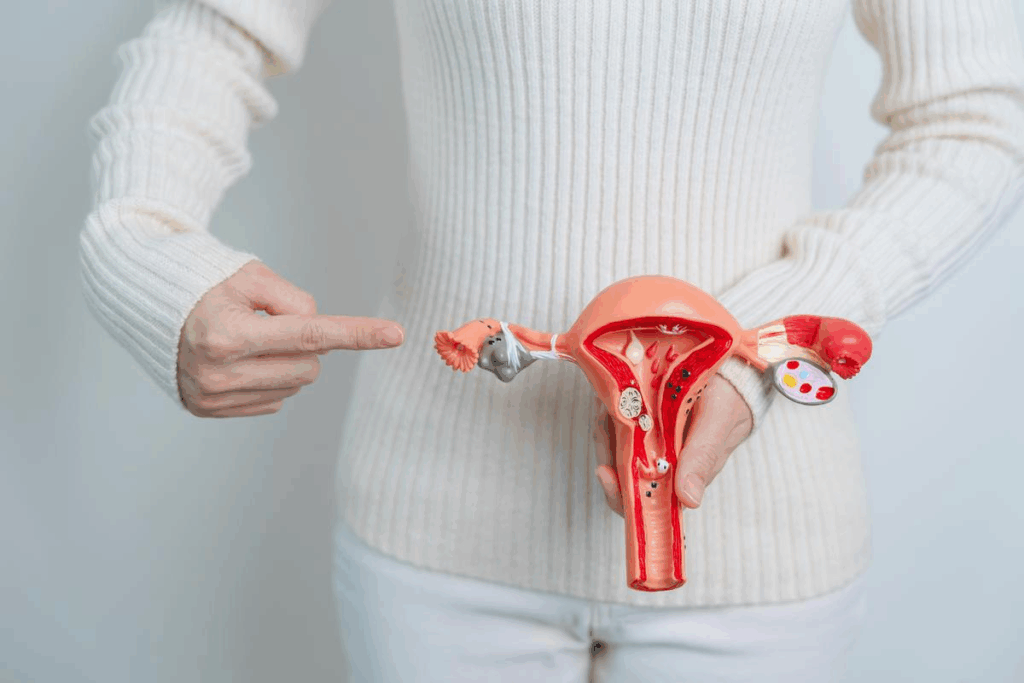
The cervix is a small, tube-like part at the bottom of the uterus. It connects the uterus to the vagina. It’s about 2-3 centimeters long and has a small opening for menstrual blood and other stuff.
Normal Cervical Changes Throughout the Menstrual Cycle
The cervix changes a lot during the cycle, thanks to hormones. It moves, gets softer, and opens up more. Knowing these changes helps women understand their bodies better and spot any problems.
During the cycle, the cervix moves up and gets softer when you’re ovulating. It goes back down and gets firmer before your period. Here’s a table showing these changes:
Menstrual Cycle Phase | Cervical Position | Cervical Texture |
Menstruation | Lower | Firmer |
Pre-ovulation | Lower to Mid-position | Softening |
Ovulation | Higher | Soft |
Post-ovulation | Mid-position to Lower | Firming |
Pre-menstruation | Lower | Firmer |
The table shows how the cervix changes with the cycle. These changes are due to hormone levels, mainly estrogen and progesterone.
“The cervix is a dynamic structure that changes in response to hormonal influences throughout the menstrual cycle.”
Understanding these changes helps women learn more about their bodies. It shows how amazing the menstrual cycle and fertility are.
Cervical Position Before Period: What to Expect

Knowing your cervix’s position before your period can help you understand your cycle better. We’ll look at the usual changes and how they can vary.
The Typical Timeline of Cervical Descent
The cervix starts to move down and get firmer 2-3 days before your period. This is your body getting ready for your period. How early or late this happens can differ from person to person.
Before your period, your cervix will drop and get firmer. It will also open a bit. This is all part of your cycle and the hormonal changes that come with it.
How Low Position Relates to Menstruation Onset
The cervix moving down is a sign your period is coming. As it drops, it gets ready for the blood flow that comes with your period. This is a good indicator that your period is near.
Days Before Period | Cervical Position | Cervical Texture |
7-10 | Variable | Soft |
2-3 | Lower | Firmer |
1 | Lowest | Firm |
By knowing these changes, you can better predict when your period will start. Remember, everyone is different, and the timing can change from one cycle to another.
Cervical Texture and Firmness Changes Pre-Menstruation
In the days before your period, your cervix gets firmer. This is because progesterone levels drop. Knowing this can help you spot signs your period is coming.
From Soft to Firm: The Pre-Period Transformation
When you ovulate, your cervix is soft and high. But as progesterone levels fall before your period, it gets firmer and lower. This is a sign your body is getting ready for your period.
The cervix doesn’t suddenly become firm. It changes slowly over a few days. Knowing this can help you guess when your period will start.
Why Your Cervix Feels Like the Tip of Your Nose
Your cervix feels like the tip of your nose before your period. This is because of the drop in progesterone, making it rigid.
Understanding this can ease worries. It helps you understand your body’s natural cycles better.
Menstrual Cycle Phase | Cervical Texture | Cervical Firmness |
During Ovulation | Soft | Soft |
Pre-Menstruation | Firm | Firm |
During Menstruation | Variable | Firm |
By noticing these changes, you can understand your menstrual cycle better. This helps you know when your period is near.
Cervical Opening Changes Before Your Period
As your menstrual cycle starts, the cervical opening changes a lot. The cervix is key in the female body and changes to help with menstruation. This is when the cervical opening is very important.
How and Why the Cervix Begins to Open
Before your period, the cervix starts to open a bit. This lets menstrual blood flow out. Hormones, like a drop in progesterone, make this happen.
This opening is a slow process. It’s how the body gets ready for your period. It’s a natural step that lets menstrual blood leave the uterus. Knowing this helps women understand their bodies better.
Distinguishing Between Pre-Period Opening and Other Cycle Phases
It’s important to know the difference between the cervical opening before your period and other times. For example, during ovulation, the cervix is higher and softer. This helps sperm get into the uterus. But before your period, it’s getting ready for menstrual flow, not for getting pregnant.
Menstrual Cycle Phase | Cervical Characteristics |
Pre-Period | Cervix is slightly open, lower, and firmer |
During Ovulation | Cervix is higher, softer, and more open |
During Menstruation | Cervix is slightly open to allow menstrual flow |
Knowing these differences helps women track their cycle and fertility. Understanding how the cervix changes at different times gives insight into reproductive health.
Cervical Mucus Characteristics Before Menstruation
Learning about cervical mucus before a period can help women understand their bodies better. Cervical mucus is key in the female reproductive system. Its changes are important to know throughout the menstrual cycle.
Changes in Consistency and Appearance
Before a period, cervical mucus gets thicker and creamier. This is a natural part of the menstrual cycle. Studies show that mucus becomes less and more sticky as menstruation approaches.
Key Characteristics of Pre-Menstrual Cervical Mucus:
Characteristic | Pre-Menstrual Change |
Consistency | Thicker and creamier |
Appearance | Less abundant, more viscous |
Function | Prepares the body for menstruation |
How Mucus Changes Signal Impending Menstruation
The changes in cervical mucus can signal when menstruation is near. When mucus is creamier and less, it means the body is getting ready for a period. This is helpful for women tracking their fertility or menstrual health.
“Observing cervical mucus can provide valuable insights into a woman’s reproductive health and help identify possible issues early on.”
Understanding these changes helps women know more about their menstrual cycle and health. It’s important to remember that everyone is different. What’s normal for one woman might not be the same for another.
The Hormonal Drivers Behind Pre-Period Cervical Changes
Hormonal changes, like the drop in progesterone, explain why our cervix changes before our period. As we get closer to our period, the fall in progesterone and the ups and downs in estrogen cause these changes.
Declining Progesterone’s Role
As the menstrual cycle moves toward menstruation, progesterone levels go down. This makes the cervix lower, firmer, and slightly open. Progesterone is important for keeping a fertilized egg in place and the uterine lining intact. When there’s no pregnancy, progesterone levels drop, starting the body’s preparation for menstruation.
Effects of Declining Progesterone:
- Cervical descent
- Increased firmness
- Slight opening of the cervix
Estrogen Fluctuations’ Impact
Estrogen changes also affect our cervix before the period. The ups and downs in estrogen levels change the cervical mucus and position. Before menstruation, these estrogen changes cause the cervical mucus we notice.
Hormone | Pre-Period Change | Effect on Cervix |
Progesterone | Decline | Cervix becomes lower, firmer, and slightly open |
Estrogen | Fluctuation | Influences cervical mucus and position |
Individual Variations in Cervical Changes
While there are general patterns, the timing and nature of cervical changes before a period can differ greatly among women. These variations are influenced by a complex interplay of hormonal fluctuations, overall health, and previous reproductive experiences.
Why Some Women Experience Earlier Cervical Descent
The rate at which the cervix descends before menstruation can vary significantly. Some women may notice this change earlier in their cycle, while others may experience it closer to the onset of their period. Factors such as hormonal sensitivity and individual differences in reproductive anatomy can contribute to these variations.
For instance, women with a history of pregnancy or childbirth may experience different cervical changes compared to those who have never been pregnant. This highlights the importance of understanding one’s own body and recognizing the unique patterns that occur throughout the menstrual cycle.
Factors That Influence Your Unique Cervical Pattern
Several factors can influence an individual’s cervical pattern, including:
- Hormonal fluctuations: Changes in estrogen and progesterone levels can affect cervical position and texture.
- Overall health: Certain medical conditions or lifestyle factors can impact hormonal balance and, consequentially, cervical changes.
- Previous reproductive experiences: Pregnancy, childbirth, and other reproductive events can alter cervical anatomy and function.
By understanding these factors and recognizing their unique cervical pattern, women can better anticipate and manage their menstrual cycle. This knowledge can also help in identifying any deviations from their normal pattern, potentially indicating underlying health issues.
How to Check Your Cervical Position at Home
Learning to check your cervical position can help you manage your reproductive health. It involves the right technique, keeping clean, and knowing your body’s changes. These changes happen throughout your menstrual cycle.
Step-by-Step Guide to Cervical Self-Examination
To do a cervical self-examination, follow these steps:
- Start by washing your hands well with soap and water.
- Find a comfy position, like squatting, sitting on the toilet, or standing with one leg on a chair.
- Put one or two fingers into your vagina, looking for the cervix at the vaginal canal’s end.
- Explore the cervix gently to see its position, texture, and opening.
Be patient and gentle. The cervix can be sensitive.
Hygiene and Safety Considerations
Keeping clean is key when checking your cervical position. Always wash your hands before and after to avoid bacteria in the vagina.
Table: Hygiene Practices for Cervical Self-Examination
Hygiene Practice | Importance |
Washing hands before examination | Prevents introduction of bacteria |
Washing hands after examination | Maintains personal hygiene |
Avoiding harsh soaps or douches | Prevents vaginal irritation |
Best Time of Day for Checking
The best time to check your cervical position is when you’re most relaxed. Many find morning or evening works best.
By following these tips and being consistent, you can understand your cervical changes better. This helps with your reproductive health.
When Cervical Changes May Indicate Health Concerns
It’s important to know the difference between normal and abnormal cervical changes. While changes in the cervix are part of the menstrual cycle, some may signal health issues. These issues need medical attention.
Normal vs. Abnormal Cervical Positioning
The position of the cervix changes throughout the menstrual cycle. But, abnormal cervical positioning can mean there’s a health problem. For example, if the cervix stays too high or low for a long time, it could mean hormonal issues or other reproductive problems.
Signs That Warrant Medical Attention
Some changes in cervical position or feeling may need a doctor’s visit. These include:
- Unusual pain or discomfort
- Irregular bleeding or spotting
- Unusual discharge or odor
- Difficulty inserting or removing tampons
If you notice any of these symptoms, seeing a healthcare provider is key. They can find out what’s wrong and how to fix it.
Conditions That Can Affect Cervical Position
Many conditions can change how the cervix feels or looks. These include:
- Hormonal imbalances, like those from polycystic ovary syndrome (PCOS)
- Infections, like pelvic inflammatory disease (PID)
- Cervical stenosis or other structural problems
- Endometriosis or other conditions that cause pelvic scarring
Knowing about these conditions helps you understand your body better. It also means you can get medical help when you need it.
Conclusion: Understanding Your Body’s Signals
Learning about cervical changes can help you manage your reproductive health. By noticing the signs and patterns, you can predict your menstrual cycle better. This also helps spot health issues early.
We’ve seen how the cervix changes during the menstrual cycle. These changes include its position, texture, and mucus. Hormonal shifts, like the drop in progesterone and the increase in estrogen, cause these changes.
Knowing about these changes can give you insights into your reproductive health. This knowledge can improve your menstrual health and overall well-being. Understanding cervical changes is key to a healthy and balanced life.
FAQ
How does the cervix feel before your period?
Before your period, the cervix drops, gets firmer, and opens a bit. It feels like the tip of your nose.
Does the cervix open during menstruation?
Yes, it does. The cervix opens to let menstrual blood flow out.
What is the typical position of the cervix before menstruation?
Before your period, the cervix moves down into the vaginal canal.
How does cervical mucus change before menstruation?
Before your period, cervical mucus gets thicker and creamier. It’s less than usual, showing your period is coming.
What hormonal changes drive pre-period cervical changes?
Hormonal shifts, like lower progesterone and changing estrogen, make the cervix drop, get firmer, and open a bit.
Can I check my cervical position at home?
Yes, you can. Just follow safety and hygiene rules, and do it at the same time each day.
What are the signs that cervical changes may indicate health concerns?
Look out for unusual pain, irregular bleeding, or odd discharge. These could mean you need to see a doctor.
How do individual variations affect cervical changes before menstruation?
Everyone is different. Hormones, health, and past experiences can change how and when your cervix changes.
Why does the cervix feel firm before menstruation?
It’s because of hormone changes. Lower progesterone makes the cervix firmer, feeling like the tip of your nose.
How can understanding cervical changes improve menstrual health?
Knowing about cervical changes helps you predict your cycle and fertility. It also lets you spot health issues early, improving your menstrual health and overall well-being.
References
National Center for Biotechnology Information. Cervical Changes Before Menstruation: A Guide to Understanding Your Cycle. Retrieved from https://www.ncbi.nlm.nih.gov/pmc/articles/PMC6180934/