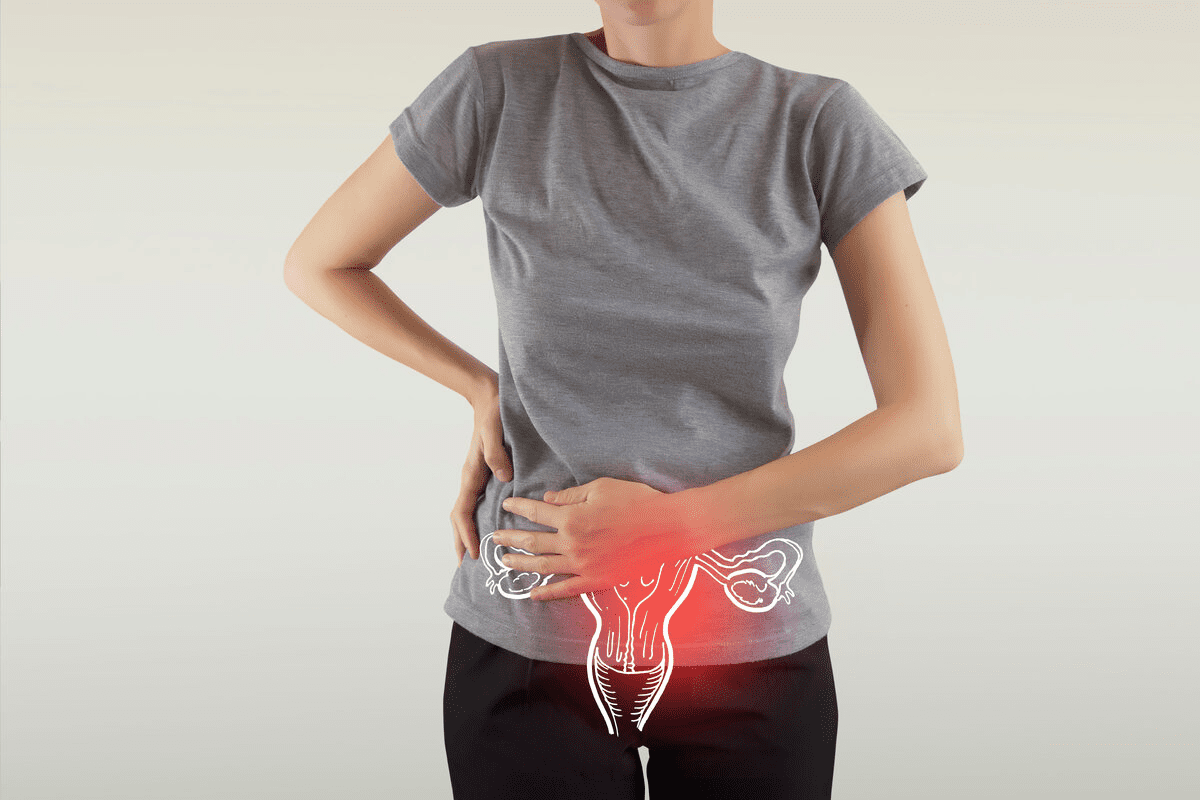
Knowing how your cervix changes before your period is key to understanding your reproductive health. Just before your period, your cervix goes through big changes. These changes show how your body’s hormones are shifting. This is the ultimate guide to your cervix position prior to period. Learn the surprising, essential changes to feel for and what they mean.
At Liv Hospital, we think that knowing more about your health helps you make better choices. Learning about your cervix and how it changes with your cycle can boost your confidence in your reproductive health.
Key Takeaways
- The cervix changes its position, texture, and openness before menstruation.
- Hormonal fluctuations significantly affect these cervical changes.
- Understanding cervical changes can enhance reproductive health awareness.
- Recognizing these patterns can empower women to make informed health decisions.
- Cervical changes are closely tied to the menstrual cycle and fertility.
Understanding the Cervix and Its Function
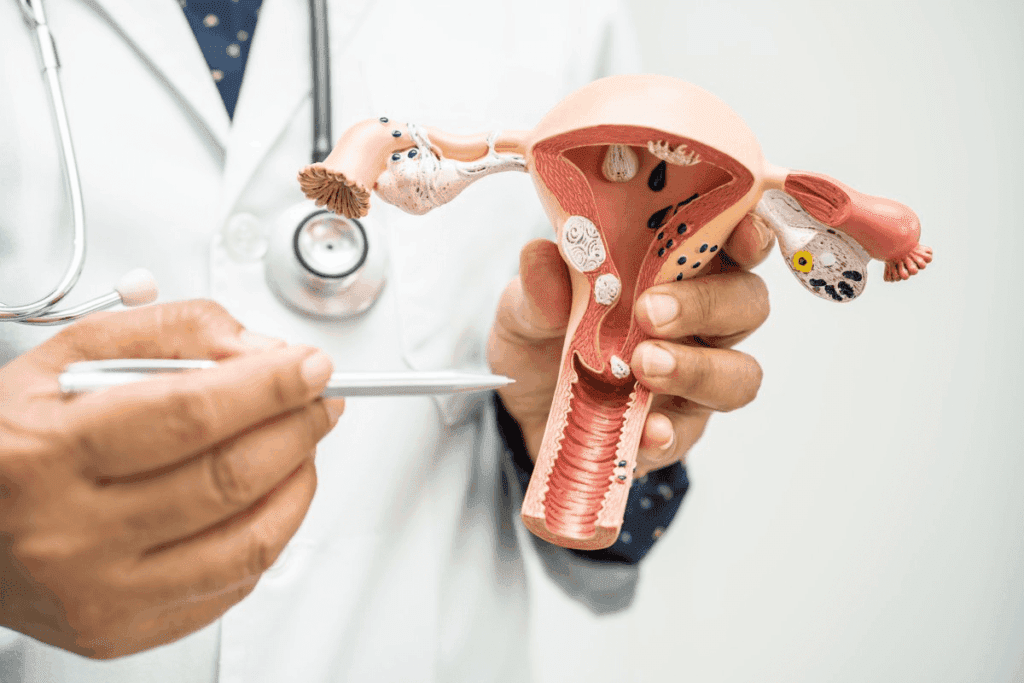
The cervix is a key part of the female body. It connects the uterus and vagina. It’s important for menstruation, getting pregnant, and giving birth.
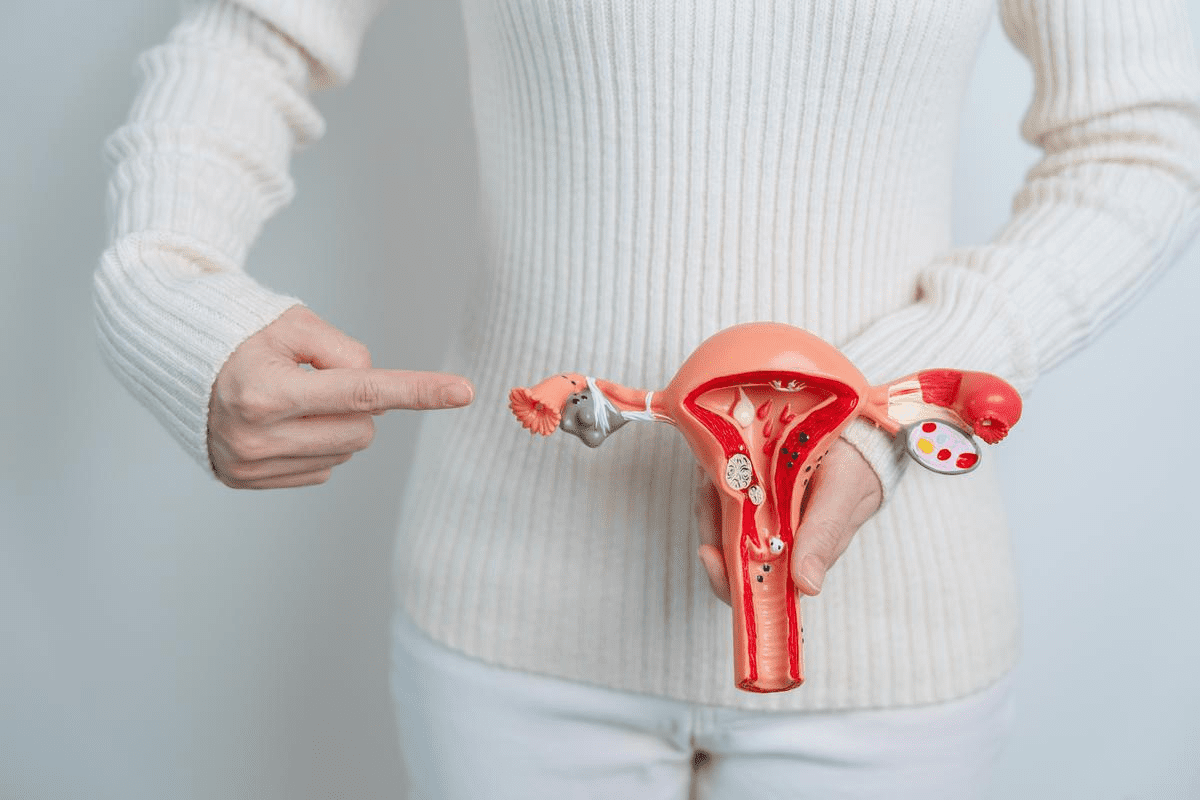
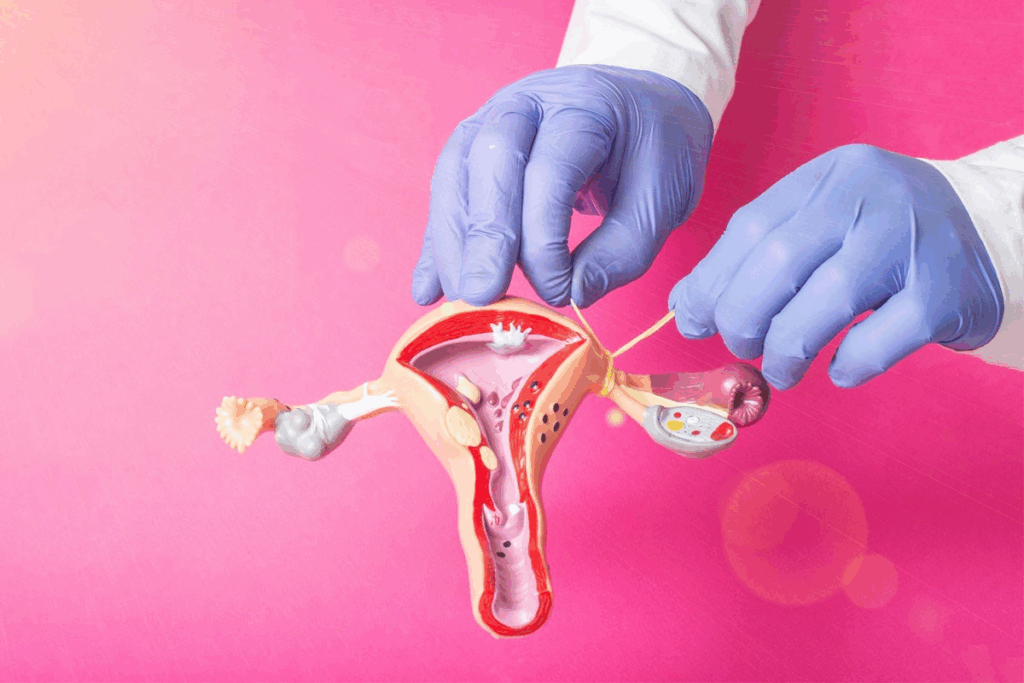
Anatomical Location and Structure
The cervix is at the bottom of the uterus, sticking into the vagina. It’s shaped like a cylinder or cone, about 2-3 cm long. Inside, there’s a narrow canal that links the vagina to the uterus.
The cervix is made of tissue that can change shape and firmness. This helps it do its job in keeping women healthy.
Role in Reproductive Health
The cervix has many roles in health. It lets menstrual blood out during periods. Before ovulation, it makes special mucus to help sperm get to the egg. During birth, it opens up to let the baby pass through.
Knowing how the cervix works helps women understand their bodies better. It lets them make smart choices about their health.
Why Cervical Awareness Matters
Knowing about the cervix is key to understanding health. It helps women track their cycles and fertility. It also helps spot health problems early.
For those trying to get pregnant or avoid it, knowing about the cervix is very helpful. It shows natural signs of fertility.
The Menstrual Cycle: Hormonal Influences on the Cervix

The menstrual cycle is a complex process. It is influenced by hormonal changes that affect the cervix. These changes are mainly due to estrogen and progesterone levels.
Estrogen and Progesterone Effects
Estrogen and progesterone are key hormones in the menstrual cycle. Estrogen increases during the follicular phase, making the cervix more mucusy and welcoming to sperm. After ovulation, progesterone rises. This makes the cervix firmer and less open.
These hormones work together to keep the reproductive system running smoothly. Estrogen helps the uterine lining grow, while progesterone keeps it in place. When progesterone drops, menstruation starts if there’s no pregnancy.
Phases of the Menstrual Cycle
The menstrual cycle has several phases, each with its own hormonal changes. It starts with the menstrual phase. Here, the cervix is firm and low due to low hormone levels.
In the follicular phase, estrogen rises. This makes the cervix more mucusy and fertile. Then, in the luteal phase, progesterone increases. The cervix becomes less open, ready for implantation or menstruation.
How Hormones Trigger Cervical Changes
Hormonal changes throughout the cycle affect the cervix. The decrease in progesterone before menstruation makes the cervix softer and more open, helping to shed the uterine lining.
Knowing how hormones change the cervix helps women understand their reproductive health. Recognizing these changes can offer insights into fertility and overall health.
Cervix Position Prior to Period: What to Expect
Knowing your cervix’s position before your period can help you understand your cycle better. It’s important to know what’s normal and how to track these changes.
Normal Positioning Changes
The cervix changes a lot during your cycle, thanks to hormones. Before your period, it drops lower and gets firmer. This is how your body gets ready for pregnancy or your period. Every woman’s cervix is different, but they usually follow a pattern with their cycle.
“The cervix is amazing because it changes with hormones,” says Medical Expert, an OB-GYN. “Knowing these changes helps women understand their health better.”
Does Your Cervix Drop Before Your Period
Yes, many women notice their cervix drops before their period. This happens because progesterone levels go down. How much it drops can differ from person to person. Things like past pregnancies or body shape can affect it too.
How to Check Your Cervical Position
Checking your cervix is easy. Here’s how to do it:
- Wash your hands well before you start.
- Pick a comfy spot, like squatting or sitting on the toilet.
- Put one or two fingers in your vagina until you find the cervix.
- Take note of its position, feel, and opening.
By tracking your cervix and other signs, you can learn more about your cycle and health. It’s important to do this regularly to know what’s normal for you.
Texture Changes of the Cervix Before Menstruation
Understanding the cervix’s texture changes before a period can help a lot. The cervix is key to a woman’s reproductive health. It changes a lot during the menstrual cycle.
From Soft to Firm: The Pre-Period Transformation
Before your period, the cervix gets firmer. It feels like the tip of your nose. This is how your body gets ready for your period.
Hormones like estrogen and progesterone play a big role. When progesterone goes up after ovulation, it gets the uterus ready for a baby. This affects the cervix’s feel.
Hard Cervix Before Period: What It Means
A hard cervix before your period is normal. It means your body is in the luteal phase. This is when the cervix gets ready for a baby or sheds its lining if there isn’t one.
This firmness comes from hormone changes. It’s usually not a worry. But knowing what’s normal helps you spot any odd changes.
Comparing Textures Throughout Your Cycle
The cervix’s texture changes with your hormones. When you ovulate, it’s softer and open. Before your period, it gets firmer and closes up.
- During ovulation: Softer and more open
- Before menstruation: Firmer and possibly more closed
Keeping track of these changes helps you understand your cycle. It’s a natural way to connect with your body’s rhythms.
Cervical Opening Before Your Period
The cervical os, or opening, changes a lot as your body gets ready for your period. These changes are key to understanding your menstrual cycle and reproductive health.
Changes in the Cervical Os
Before your period, the cervical os goes through big changes. It opens a bit to let menstrual blood leave the uterus. This is a natural part of your menstrual cycle.
Cervical Os Changes Throughout the Cycle:
Menstrual Cycle Phase | Cervical Os State |
Pre-Menstruation | Slightly Open |
During Menstruation | More Open |
After Menstruation | Closed |
Does Cervix Open During Menstruation
Yes, the cervix opens more during menstruation. This lets menstrual blood flow out. It’s important for the uterus to shed its lining.
The Biological Purpose of These Changes
The changes in the cervical opening have important roles. They help the uterus shed menstrual blood and tissue. This prepares the body for a new cycle.
The biological purpose of these changes can be summarized as follows:
- To allow menstrual blood to flow out of the uterus.
- To facilitate the shedding of the uterine lining.
- To prepare the uterus for a new menstrual cycle.
Understanding these changes helps women appreciate the complex processes of their reproductive health.
Cervical Discharge Patterns Before Menstruation
Understanding cervical discharge patterns can give us insights into a woman’s menstrual cycle and reproductive health. Cervical discharge, or cervical mucus, is key to fertility and menstrual health.
Consistency and Color Changes
Before menstruation, cervical discharge changes in consistency and color. It often becomes thicker and creamier. This is due to hormonal changes, like shifts in estrogen and progesterone levels.
Noticing these changes helps women understand their bodies better. For example, discharge may look more cloudy or white as menstruation nears.
Relationship Between Discharge and Cervical Position
The type of cervical discharge is linked to the cervix’s position and texture. As menstruation gets closer, the cervix gets firmer and lower. This is reflected in changes in cervical discharge, showing the body’s readiness for menstruation.
Knowing how cervical discharge and position relate helps women understand their fertility and menstrual health better.
What These Changes Indicate About Your Cycle
The changes in cervical discharge before menstruation show the body’s hormonal shifts and menstrual preparation. By noticing these changes, women can learn about their fertility window and when their period is coming.
Also, being aware of these patterns can help spot irregularities or health issues. This allows for timely medical advice if needed.
Comparing Cervical Changes Throughout Your Cycle
The cervix changes in position, texture, and opening throughout the menstrual cycle. These changes show different stages of fertility. Hormonal changes, like estrogen and progesterone levels, affect these changes.
High Cervix Before Period vs. During Ovulation
The cervical position changes significantly. During ovulation, the cervix is higher, softer, and more open, making it easier for sperm to enter. Before the period, the cervix is lower, firmer, and more closed.
Hormonal changes cause these differences. Estrogen peaks before ovulation, making the cervix rise and become more welcoming to sperm. After ovulation, progesterone increases, preparing the uterus for pregnancy, and the cervix becomes lower and firmer again.
Cervix Changes During Cycle: A Complete Timeline
Knowing the timeline of cervical changes helps track fertility and menstrual health. Here’s a detailed breakdown:
Stage of Cycle | Cervical Position | Cervical Texture | Cervical Opening |
During Menstruation | Low | Firm | Slightly Open |
After Menstruation | Low to Medium | Firm | Closed |
During Ovulation | High | Soft | Open |
After Ovulation | Low to Medium | Firm | Closed |
Before Menstruation | Low | Firm | Closed |
How to Recognize Your Personal Pattern
To recognize your cervical pattern, observe and track it regularly. Check your cervical position, texture, and opening at the same time each day, best in the morning before any activity.
By tracking these changes, women can understand their fertility and menstrual health better. This knowledge empowers them to make informed choices about their reproductive health.
Individual Variations in Cervical Changes
It’s important to know that cervical changes can vary from woman to woman. While we’ve talked about the usual changes in the cervix, each woman’s experience is different.
Factors Affecting Cervical Position and Feel
Many things can change how your cervix feels and where it is. Hormonal changes are a big factor, as estrogen and progesterone levels can shift. Your body’s unique shape and health also play a role.
Other things that might affect your cervix include:
- Age and reproductive stage
- Previous childbirth experiences
- Certain medical conditions
- Hormonal contraceptives or other medications
Does Your Cervix Swell During Period
Some women notice their cervix gets a bit swollen during their period. This is usually because of more blood flow and hormonal shifts. But, it’s key to watch for any unusual changes.
Factor | Potential Effect on Cervix |
Hormonal fluctuations | Changes in cervical position and texture |
Age and reproductive stage | Variations in cervical feel and position |
Previous childbirth experiences | Potential changes in cervical anatomy |
When Variations Are Normal vs. Concerning
While it’s normal for cervical changes to vary, some signs might mean you should see a doctor. Look out for:
- Unusual or persistent pain
- Abnormal bleeding
- Unusual discharge or odor
Knowing your body’s unique patterns can help you spot any problems early.
Tracking Cervical Changes for Fertility Awareness
Tracking cervical changes is a simple yet effective way for women to understand their menstrual cycle and fertility. By monitoring the position, texture, and opening of the cervix, women can gain valuable insights into their reproductive health. This helps identify their fertile windows.
Methods for Monitoring Cervical Position
There are several methods women can use to monitor their cervical position. One common approach is to check the cervix manually. This involves inserting a finger into the vagina to feel the cervix. The cervix can be felt as a small, round protrusion at the top of the vaginal canal.
By regularly checking the cervix, women can become familiar with its normal position and texture. This makes it easier to notice changes throughout their cycle.
Tips for manually checking cervical position:
- Wash your hands before checking to prevent infection.
- Check at the same time each day for consistency.
- Use a lubricant if necessary to make the check more comfortable.
Combining Cervical Tracking with Other Fertility Signs
While tracking cervical changes can be informative on its own, combining it with other fertility signs can enhance fertility awareness. Other signs include basal body temperature and cervical mucus. Basal body temperature typically rises after ovulation, while cervical mucus changes in consistency and appearance throughout the cycle.
By combining these signs, women can build a more complete picture of their fertility.
Fertility Sign | Changes During Cycle |
Cervical Position | Changes in height and openness |
Basal Body Temperature | Rises after ovulation |
Cervical Mucus | Changes in consistency and appearance |
Apps and Tools for Tracking Cervical Changes
In today’s digital age, numerous apps and tools are available to help women track their cervical changes and other fertility signs. These range from simple diary apps to more sophisticated fertility tracking devices. Some popular options include:
- Fertility apps like Clue and Flo, which allow users to log various fertility signs.
- Basal body thermometers that sync with smartphones.
By leveraging these tools and methods, women can take a proactive approach to understanding their fertility and menstrual health.
When to Consult a Healthcare Provider About Cervical Changes
Cervical changes are common in the menstrual cycle. But, some signs might mean you need to see a doctor. It’s important to know when to get medical advice to keep your reproductive health in check.
Abnormal Signs and Symptoms
Some cervical changes are normal, but others might mean there’s a problem. Abnormal signs and symptoms to watch for include:
- Unusual or foul-smelling discharge
- Severe pain during menstruation or intercourse
- Unexpected bleeding, such as between periods or after sex
- A cervical position that feels significantly different from your normal
If you notice any of these, it’s time to consult a healthcare provider. They can figure out what’s going on and how to treat it.
Preparing for Your Appointment
Before you go, make a list of questions and concerns. This might include:
- Details about your symptoms, including when they started and their severity
- Any changes in your menstrual cycle or cervical mucus
- Your medical history, including any previous cervical or reproductive health issues
Being ready will make your visit more productive and help get a correct diagnosis.
Questions to Ask Your Healthcare Provider
Don’t be shy to ask questions during your visit. Some good ones are:
- What could be causing my symptoms?
- Are there any lifestyle changes I can make to alleviate my symptoms?
- What diagnostic tests might be necessary to determine the cause of my symptoms?
- What treatment options are available, and which do you recommend?
Asking the right questions helps you understand your health better and what to do next.
Conclusion
Knowing about cervical changes is key for your reproductive health. Recognizing normal and unusual changes in your cervix can tell you a lot. It helps you understand your fertility and overall health.
By tracking these changes, you can take charge of your reproductive health. This knowledge lets you make smart choices about your body and fertility. It also helps you spot any issues that need a doctor’s attention.
Using cervical tracking with other fertility signs and apps can give you a full picture of your cycle. This knowledge is powerful for reaching your reproductive health goals. Whether you’re trying to get pregnant or just want to know your body better, it’s helpful.
Understanding cervical changes is essential for reproductive health awareness. By knowing this, you can connect more with your body. And make better choices for your health.
FAQ
How does the cervix change before a period?
Before a period, the cervix gets lower, firmer, and more closed. These changes happen because of hormonal shifts, like the drop in estrogen and progesterone.
Does the cervix open during menstruation?
Yes, the cervix opens a bit during menstruation to let blood out. But it stays mostly closed, unlike during childbirth.
What is the normal position of the cervix before a period?
The cervix is usually lower and more closed before a period. Its exact position can vary, but it’s generally lower.
How does the texture of the cervix change throughout the menstrual cycle?
The cervix feels soft during ovulation and firm before menstruation. These changes happen due to hormonal shifts, like the move from estrogen to progesterone dominance and then a drop in both hormones before menstruation.
What do changes in cervical discharge indicate about the menstrual cycle?
Changes in cervical discharge show different parts of the menstrual cycle. Before menstruation, discharge gets thicker and cloudier, signaling it’s coming.
How can I track cervical changes effectively?
To track cervical changes, check your position and texture regularly. Do this at the same time each day. You can also use fertility apps to record and spot patterns.
Are there individual variations in cervical changes?
Yes, cervical changes vary from person to person. This is due to hormonal differences, health, and body shape. While some variations are normal, big changes might need medical help.
When should I consult a healthcare provider about cervical changes?
See a healthcare provider if you notice odd signs or symptoms, like unusual discharge, severe pain, or big changes in your cycle. Keeping a record of your observations can help.
Can tracking cervical changes help with fertility awareness?
Yes, tracking cervical changes can help with fertility awareness. It helps you understand your cycle and find your fertile window. Using it with other fertility signs can make it more effective.
What are some common methods for monitoring cervical position?
Common methods include checking with your fingers, observing cervical mucus, and using fertility apps. Being consistent is key to tracking changes well.
Does the cervix swell during the period?
Some women might see a slight swelling or change in the cervix during their period. But, this is not usually a big deal. The main changes are in position, texture, and opening.
What is the relationship between cervical discharge and cervical position?
Cervical discharge and position are connected, as both change with hormonal shifts in the cycle. Watching both can give a better view of your cycle.