Last Updated on November 4, 2025 by mcelik
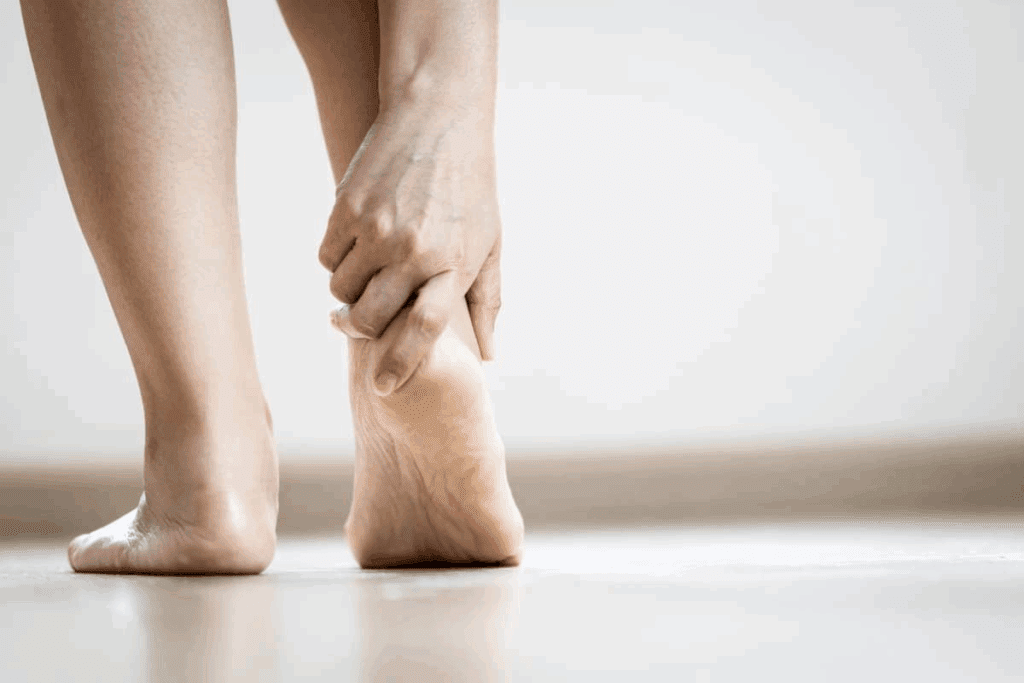
An Achilles tendon rupture is a serious injury. It can greatly affect your mobility and quality of life. The American Academy of Orthopaedic Surgeons says Achilles tendon ruptures happen in about 1 in 5,000 people each year. They often hit athletes and people over 30. Use this Simple Ultimate at-home test to check for Achilles tear accurately before seeking urgent care.
If you’re feeling a lot of pain or having trouble walking, it’s key to recognize the signs of an Achilles tendon injury. A torn Achilles tendon can be found through a physical check-up and imaging tests.
Knowing the symptoms and acting fast can stop further damage. It also helps get treatment sooner.
Key Takeaways
- Recognize the signs of an Achilles tendon injury
- Understand the importance of prompt medical attention
- Learn about the diagnostic tests for Achilles tendon rupture
- Discover the initial steps to take when suspecting an Achilles tendon injury
- Understand the impact of an Achilles tendon rupture on mobility
Understanding the Achilles Tendon: Anatomy and Function
Knowing about the Achilles tendon’s anatomy and function is key to diagnosing and treating injuries. This tendon is complex and vital, playing a big role in our mobility.
What is the Achilles Tendon?
The Achilles tendon, also known as the calcaneal tendon, is the largest tendon in the human body. It links the calf muscles (gastrocnemius and soleus) to the heel bone. This connection is essential for walking, running, and jumping.
This tendon is vital for moving the ankle. It helps transmit forces from the muscles to the bone.
Normal Function and Importance
The Achilles tendon helps move the foot downward by connecting the calf muscles to the heel bone. It’s vital for daily activities and sports. A healthy tendon is key for staying mobile and avoiding injuries.
Many things can harm the tendon, like overuse, bad training, and poor shoes. Knowing these risks helps prevent injuries.
Common Causes of Achilles Tendon Injuries
Achilles tendon injuries can come from overuse, sudden exercise changes, and bad shoes. Age, some health issues, and certain medicines also increase the risk.
| Cause | Description | Risk Factors |
| Overuse | Repetitive strain on the tendon | Athletes, runners |
| Poor Footwear | Inadequate support or cushioning | Improperly fitted shoes |
| Age | Tendon degeneration over time | Older adults |
By learning about the Achilles tendon’s anatomy, function, and injury causes, we can prevent injuries. This helps keep our tendons healthy.
Types of Achilles Tendon Injuries
It’s important to know about the different types of Achilles tendon injuries. This knowledge helps doctors diagnose and treat them correctly. The Achilles tendon can get hurt in many ways, depending on how bad the injury is.
Partial Tears vs. Complete Ruptures
Achilles tendon injuries can be either partial tears or complete ruptures. A partial tear means some of the tendon fibers are broken. But a complete rupture means the tendon is completely torn, making it hard to move the foot.
- Partial Tears: These are less severe and may not completely disable the tendon. Symptoms can include pain and swelling.
- Complete Ruptures: More severe, complete ruptures result in significant pain, swelling, and difficulty walking.
Acute vs. Chronic Injuries
Achilles tendon injuries can also be classified as acute or chronic. Acute injuries happen suddenly, often from a specific event. Chronic injuries develop over time from too much strain or overuse.
- Acute Injuries: Typically result from sudden trauma or excessive stress on the tendon.
- Chronic Injuries: Develop gradually, often due to overuse or repetitive strain on the Achilles tendon.
Severity Classification
The severity of Achilles tendon injuries is classified based on the extent of tendon damage. This helps doctors decide the best treatment.
- Mild Injuries: Involve minimal damage and may require conservative treatment.
- Moderate Injuries: Show significant tendon damage, necessitating more intensive treatment.
- Severe Injuries: Characterized by extensive damage, often requiring surgical intervention.
Knowing these classifications is key for both diagnosis and treatment. It ensures patients get the right care for their injury.
Common Causes and Risk Factors for Achilles Tears
Knowing the risk factors for Achilles tendon tears is key to preventing and treating them early. The Achilles tendon is vital for movement, and injuries can greatly affect a person’s life.
Sports and Activities Associated with Achilles Injuries

Achilles tendon injuries, like tears, often happen in sports and activities that involve running, jumping, and quick changes. Basketball, soccer, and tennis are among the sports with a higher risk.
High-risk activities include:
- Running downhill
- Jumping sports
- Sudden stops and starts
Age-Related Factors
Age is a big risk factor for Achilles tendon tears. As people get older, their tendons lose elasticity and strength, making them more prone to injury. Older adults also have less blood flow to their tendons, raising the risk even more.
Medical Conditions That Increase Risk
Some medical conditions can make you more likely to get an Achilles tendon tear. These include:
| Medical Condition | Description | Risk Level |
| Tendinopathy | Chronic tendon inflammation or degeneration | High |
| Diabetes | Chronic condition affecting blood sugar levels | Moderate |
| Hypercholesterolemia | High levels of cholesterol in the blood | Moderate |
Medication-Related Risks
Some medications, like fluoroquinolone antibiotics and corticosteroids, can increase the risk of Achilles tendon tears. People taking these should know the risks and talk to their doctor about how to prevent them.
Recognizing the Signs and Symptoms of a Torn Achilles
It’s important to know the signs of an Achilles tendon rupture early. A torn tendon can cause a lot of pain and make it hard to move. So, spotting the symptoms quickly is key.
Immediate Symptoms After Injury
When the Achilles tendon tears, people often feel a sharp pain above the heel or at the back of the ankle. They might also hear a snap or feel a pop. It’s like being kicked in the back of the ankle.
Right after the injury, it’s hard to walk or stand on tiptoes. Feeling like you can’t push off the ground with your foot is a big sign of a tear.
Swelling in Achilles Tendon Area
After an injury, the tendon area often swells up. This swelling can happen fast and might be followed by bruises. The spot might feel sore and you might see a gap where the tendon is torn.
Weakness in Achilles Tendon
Feeling weak in the tendon area is another sign of a tear. You might find it hard to point your foot down or stand on tiptoes. This weakness comes from the tendon not working right, which is needed for these actions.
In short, noticing the signs of a torn Achilles tendon, like pain, swelling, and weakness, is critical. If you’re feeling these symptoms, see a doctor right away. They can help figure out what’s wrong and how to fix it.
Limited Mobility: Functional Signs of an Achilles Tear
An Achilles tendon tear can really limit how you move. It affects your daily life a lot. The tendon is key for walking, running, and standing on tiptoes. So, when it’s hurt, you can’t do these things as well.
Difficulty Walking or Standing on Tiptoes
One big sign of an Achilles tear is trouble walking or standing on tiptoes. This is because the tendon helps you push off the ground. Without it, these actions are hard or even impossible, because of the pain.
Limited Foot Movement with Achilles Injury
An Achilles injury also limits how much your foot can move. The pain and swelling from the tear make it hard to move your foot and ankle. This can make simple tasks like walking up stairs or standing on uneven ground tough.
Changes in Gait Pattern
People with an Achilles tear often change how they walk. They might limp or walk differently to avoid pain. But, this can put extra stress on other parts of their leg and lead to more injuries.
In short, signs like limited mobility, trouble walking or standing on tiptoes, and changes in how you walk are big warnings. Spotting these signs early can help you get the right treatment sooner. This makes recovery easier.
How to Check for an Achilles Tear at Home

To check for an Achilles tear at home, you need to look, feel, and move your ankle. These steps can give you a hint about your tendon’s health. But, they’re not a full check-up.
Visual Inspection Techniques
Start by looking at your Achilles tendon area. Look for swelling, bruising, or any shape changes. Here’s how:
- Stand in front of a mirror and check your ankle and calf.
- Compare both legs to spot any differences.
- Watch for swelling, redness, or color changes around the tendon.
Achilles Tendon Palpation Test
The palpation test is about feeling the tendon for tenderness or gaps. Here’s how to do it:
- Sit on a chair or bed with your legs straight out.
- Feel the tendon with your fingers, starting from the heel and going up.
- Look for tender spots or a gap in the tendon.
Range of Motion Assessment
Check how well you can move your ankle. This is how:
- Sit on the edge of a bed or chair with your legs hanging.
- Slowly move your toes down and then up, watching your ankle.
- Compare the movement of both ankles.
Strength Testing
Strength testing checks the tendon’s power with a single-leg heel raise. Here’s how:
- Stand on one leg on a flat surface.
- Slowly lift your heel, standing on your tiptoes.
- If you feel pain or can’t lift your heel, it might be a tear.
| Test | Normal Response | Abnormal Response |
| Visual Inspection | No swelling or deformity | Visible swelling or gap |
| Palpation Test | No tenderness | Tenderness or gap |
| Range of Motion | Full range of motion | Reduced or painful movement |
| Strength Testing | Able to perform heel raise | Unable to perform heel raise |
The Thompson Squeeze Test: How to Check for Achilles Tear
The Thompson Squeeze Test is a well-known method for finding Achilles tendon tears. You can do it at home or in a doctor’s office. It helps check if the Achilles tendon is okay.
Proper Positioning for the Test
To do the Thompson Squeeze Test right, lie on your stomach. Your feet should be off the edge of a bed or table. This setup is key for checking the Achilles tendon well.
Step-by-Step Thompson Squeeze Test Procedure
Here’s how to do the Thompson Squeeze Test:
- Lie on your stomach with your feet hanging off the edge.
- Make sure your calf muscles are completely relaxed.
- Have someone squeeze your calf muscles firmly.
- See if your foot flexes downward.
Interpreting Positive Thompson Test Results
A positive Thompson Test means your foot doesn’t move when your calf is squeezed. This could mean you have a torn Achilles tendon. If your foot does flex downward, it’s likely your tendon is fine.
Limitations of Self-Testing
The Thompson Squeeze Test is helpful, but it has its limits. Don’t rely on it for a diagnosis. Partial tears or other injuries might not show up in self-tests.
If you think you’ve hurt your Achilles tendon, see a doctor. They can give a clear diagnosis and suggest the right treatment.
Additional Self-Assessment Methods for Achilles Injuries
There are many ways to check if your Achilles tendon is okay. You can use these methods along with the Thompson Squeeze Test. This helps you understand your condition better.
Single Leg Heel Raise Test
The Single Leg Heel Raise Test is a simple way to check your Achilles tendon. Stand on one leg and lift your heel, keeping your knee straight. If you feel pain or find it hard, it might mean you have an issue.
Achilles Tendon Movement Test
The Achilles Tendon Movement Test lets you see and feel your tendon move. Sit on the floor with your legs straight out. Pull your foot up and then let it go. You should feel the tendon move. Pain or anything not normal could mean an injury.
Walking and Gait Evaluation
Watching how you walk can tell you about your Achilles tendon. Walk normally and notice if you limp or step unevenly. Trouble pushing off or a different walk could mean a problem.
Achilles Tendon Injury Self-Check Checklist
Here’s a checklist to check your Achilles tendon:
| Symptom | Yes | No |
| Pain or tenderness in the Achilles tendon area | ||
| Swelling or redness around the Achilles tendon | ||
| Difficulty standing on tiptoes or pushing off with the foot | ||
| Weakness or instability in the ankle | ||
| Changes in gait or limping |
If you said “yes” to any of these, see a doctor. They can check you out and help you.
Differentiating Between Achilles Tendonitis vs Rupture
It’s important to know the difference between Achilles tendonitis and rupture. Both affect the Achilles tendon but in different ways. Knowing the difference helps in choosing the right treatment.
Symptom Comparison Chart
A symptom comparison chart can help clarify the differences between Achilles tendonitis and rupture. The following table summarizes key symptoms:
| Symptom | Achilles Tendonitis | Achilles Rupture |
| Pain Location | Gradual onset, typically above the heel | Sudden, sharp pain at the back of the ankle |
| Swelling | Gradual swelling along the tendon | Immediate swelling and bruising |
| Functionality | May walk, but with pain | Hard to walk, stand on tiptoes |
Functional Differences
The functional differences between Achilles tendonitis and rupture are significant. Achilles tendonitis allows for some activity, but with pain. An Achilles rupture makes it hard to stand on tiptoes or walk right.
Medical professionals say, “The key to managing Achilles tendon injuries lies in accurate diagnosis and appropriate treatment planning.”
“Early diagnosis and intervention can significantly improve outcomes for patients with Achilles tendon disorders.”
Pain Patterns and Progression
Pain patterns can help tell the two conditions apart. Achilles tendonitis starts with gradual pain that gets worse with activity. An Achilles rupture has sudden, sharp pain, like a kick or snap.
Recovery Expectations
Recovery times differ a lot between Achilles tendonitis and rupture. Tendonitis can get better with rest, physical therapy, and orthotics. An Achilles rupture might need surgery and a long recovery.
In conclusion, knowing the difference between Achilles tendonitis and rupture is key. Understanding symptoms, impacts, and recovery times helps both patients and doctors make the right choices.
When to Seek Immediate Medical Attention
Knowing when to get medical help is key for treating an Achilles tendon injury. If you have severe symptoms, it’s important to decide if you need an emergency room or urgent care.
Red Flag Symptoms
Some symptoms mean you should get medical help right away. These red flag symptoms include:
- Severe pain or swelling in the Achilles tendon area
- A sudden, sharp pain in the back of the ankle
- Difficulty walking or standing on tiptoes
- A popping or snapping sound at the time of injury
- Inability to push off the ground with the affected foot
If you’re showing any of these signs, get medical help fast.
Complications of Untreated Tears
Not treating an Achilles tendon tear can cause problems. These include:
- Chronic weakness in the ankle, making daily activities or sports hard.
- Persistent pain that can really affect your life.
- Increased risk of further injury because of changed walking or weak calf muscles.
These issues show why it’s important to see a doctor if you think you have a torn Achilles tendon.
Emergency vs. Urgent Care Options
It can be hard to know if you should go to the emergency room or urgent care. If you have severe symptoms like a lot of swelling, a lot of pain, or can’t put weight on the leg, go to emergency care. For milder symptoms, urgent care might be better.
In summary, knowing the signs that mean you need to see a doctor right away for Achilles tendon injuries is vital. It helps avoid long-term damage and ensures you recover well.
Professional Diagnostic Methods for Achilles Tears
Diagnosing Achilles tendon tears requires a mix of physical exams and advanced imaging. This method ensures a precise diagnosis. It’s key for choosing the right treatment.
Physical Exam for Achilles Tear
A physical exam is the first step in diagnosing an Achilles tendon tear. A healthcare professional checks for swelling, tenderness, and gaps in the tendon. The Thompson squeeze test is often used to spot Achilles tendon ruptures.
Ultrasound Test for Achilles Tendon
An ultrasound test uses sound waves to create images of the Achilles tendon. It can spot tears, tendinitis, and other issues. Ultrasound is great for finding partial tears and measuring tendon damage.
MRI for Achilles Tear Diagnosis
Magnetic Resonance Imaging (MRI) is a top tool for checking Achilles tendon injuries. MRI shows detailed images of the tendon and surrounding areas. It helps doctors see how bad the tear is and if there are other problems.
Other Imaging Options
Other tests like X-rays might also be used. X-rays can show bone spurs or other bone issues that might hurt the tendon. Even though X-rays aren’t best for seeing tendon tears, they help understand the ankle and foot’s overall health.
By using physical exams and imaging together, doctors can accurately find Achilles tendon tears. They then create a treatment plan that fits the person’s needs.
Treatment Options for Achilles Tendon Tears
Treatment for Achilles tendon tears falls into two main categories: conservative management and surgical interventions. The choice depends on the tear’s severity, the patient’s health, and their activity level.
Conservative Management Approaches
For less severe tears or those not suited for surgery, conservative management is often advised. This includes:
- Immobilization with a cast or walking boot to heal the tendon.
- Pain management through medication and physical therapy.
- Gradual exercises to regain strength and flexibility.
Conservative management works best when started early. But, it might not fit everyone, like those with complete ruptures or high activity levels.
Surgical Interventions
Surgical interventions are recommended for younger, active people or those with complete ruptures. Surgery offers benefits like:
- A quicker return to activity.
- Improved strength and function.
- Lower risk of re-rupture.
Surgical methods vary, from minimally invasive to more traditional. The choice depends on the surgeon and the patient’s condition.
Rehabilitation Protocols
Both conservative management and surgery rely on rehabilitation protocols for recovery. Rehabilitation includes:
- Initial immobilization and pain management.
- Progressive strengthening and flexibility exercises.
- Functional training to restore normal gait and activity.
A well-structured rehabilitation program is key for the best outcomes and to avoid complications.
Recovery Timeline Expectations
The recovery timeline for Achilles tendon tears varies. Generally, patients can expect:
- Several weeks of immobilization and initial recovery.
- Several months of rehabilitation before returning to full activity.
- Up to a year or more for complete recovery and return to peak performance.
Knowing the recovery timeline helps manage expectations and ensures treatment plan compliance.
Preventing Future Achilles Tendon Injuries
Achilles tendon injuries can be prevented with the right steps. This includes warm-up routines, strengthening exercises, and the right footwear. By following these tips, you can lower your risk of Achilles tendon problems.
Proper Warm-Up Techniques
Before any physical activity, a good warm-up is key. It gets your muscles and tendons ready for the stress ahead. A good warm-up for your Achilles tendon should include:
- Light cardio such as jogging or cycling
- Dynamic stretching focusing on the calf and Achilles tendon
- Specific exercises like heel raises and toe walks
Dynamic stretching is great because it gets your Achilles tendon ready for the activity. It’s better than static stretching alone.
Strengthening Exercises for Achilles Health
It’s important to strengthen the muscles around your Achilles tendon. This makes it healthier and more resilient. Good exercises include:
- Heel raises on a step or flat surface
- Eccentric heel drops
- Calf raises on a leg press machine
Do these exercises 2-3 times a week. Make sure to do them right to avoid hurting your tendon.
Footwear Considerations
The right shoes are important for preventing Achilles tendon injuries. Look for shoes that support and cushion well. Key features to look for include:
- A comfortable, roomy toe box
- Sufficient heel counter support
- Adequate arch support
Orthotics can also help, if you have foot issues that might strain your Achilles tendon.
Training Modifications for At-Risk Individuals
If you’re at risk of Achilles tendon injuries, changing your training can help. This might mean:
- Gradually increasing intensity and volume of training
- Incorporating rest days and recovery periods
- Cross-training to reduce repetitive stress on the Achilles tendon
By making these changes, you can lower your risk of Achilles tendon injuries.
Conclusion: Managing Achilles Tendon Health
Keeping the Achilles tendons healthy is key for good mobility and avoiding injuries. Knowing how the Achilles tendon works helps people take care of it better. This is important for achilles tendon care.
To manage Achilles tendon health well, you need to warm up right, do strengthening exercises, and choose the right shoes. Doing calf muscle exercises often can lower the chance of getting hurt.
People who play sports or do activities that stress the Achilles tendon should watch for early signs of injury. Acting fast is important. Taking care of your Achilles tendons can help avoid tears and ruptures.
In the end, achilles tendon care is a long-term effort. It needs focus and a dedication to keeping your muscles and bones healthy. By focusing on Achilles tendon health, you can move better and avoid injuries.
FAQ
What are the common signs of an Achilles tendon tear?
Signs include sudden pain above the heel, swelling, and weakness. You might also find it hard to walk or stand on tiptoes.
How can I check for an Achilles tear at home?
Look for visual signs and do a palpation test. Check your range of motion and strength to see if you have a tear.
What is the Thompson Squeeze Test, and how is it performed?
The Thompson Squeeze Test checks for a tendon rupture. Lie on your stomach with your feet hanging off the bed. Have someone squeeze your calf. If your foot doesn’t move, it might mean you have a rupture.
What is the difference between Achilles tendonitis and rupture?
Tendonitis is inflammation, while a rupture is a tear. Tendonitis hurts gradually, but a rupture hurts suddenly and weakens your foot.
When should I seek immediate medical attention for an Achilles injury?
Get help right away if you have severe pain, swelling, or trouble walking. Or if you think you’ve ruptured your tendon.
What are the treatment options for Achilles tendon tears?
Treatments include non-surgical and surgical methods. There are also rehabilitation plans and a recovery timeline to follow.
How can I prevent future Achilles tendon injuries?
Prevent injuries with proper warm-ups, strengthening, and the right shoes. Also, modify your training if you’re at risk.
What is the recovery timeline for an Achilles tendon tear?
Recovery time depends on the injury’s severity and treatment. It usually takes several months.
Can I continue to exercise with an Achilles tendon injury?
It’s best not to exercise with an injury. It can make things worse and lead to more problems.
How is an Achilles tendon rupture diagnosed?
Doctors use a physical exam, ultrasound, MRI, or other tests to diagnose a rupture.
What are the risks of not treating an Achilles tendon rupture?
Not treating a rupture can cause chronic pain, limited mobility, and a higher risk of it happening again.
Reference
- National Center for Biotechnology Information. (2022). Overview: Tendon overuse injuries (tendinopathy).
https://www.ncbi.nlm.nih.gov/books/NBK555501