Last Updated on November 26, 2025 by Bilal Hasdemir
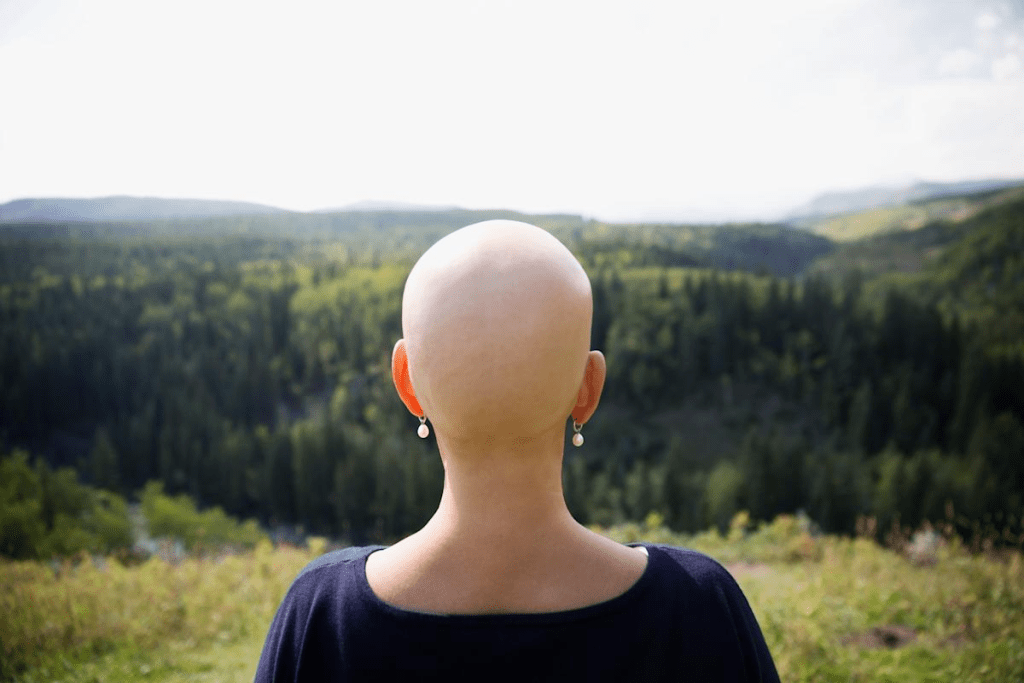
Many cancer patients worry about hair loss when they start chemotherapy. Chemotherapy can lead to hair loss, but how much depends on the treatment. We’re here to help and support you through this. We’ll guide you on what to expect, what to eat after chemo to support your health, and how to deal with hair loss so you can be ready for your treatment.
Key Takeaways
- Chemotherapy can cause hair loss, but the extent varies.
- The type and dosage of chemotherapy impact hair loss.
- Understanding hair loss helps in managing expectations.
- There are ways to cope with chemotherapy-induced hair loss.
- Support is available for those experiencing hair loss.
Understanding Chemotherapy and Its Effects on Hair
To understand why chemotherapy often leads to hair loss, we need to explore how this treatment works within the body.
How Chemotherapy Works in the Body
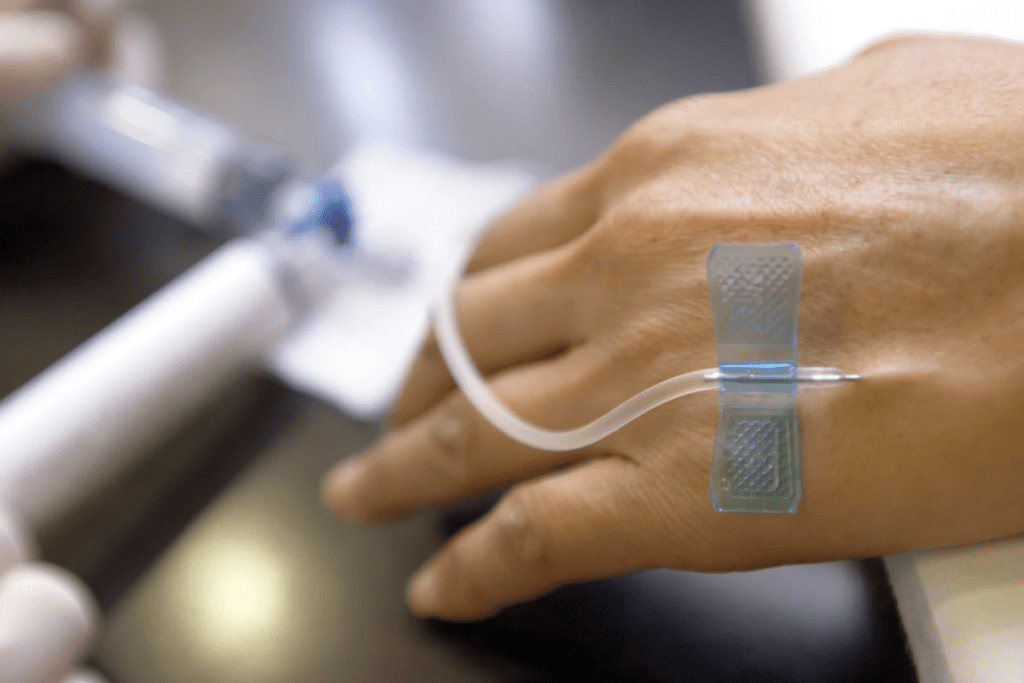
Chemotherapy targets and destroys cancer cells that grow fast. But it also affects other fast-growing cells, like hair follicles. This is because chemotherapy drugs spread throughout the body, hitting different cell types.
Chemotherapy stops cancer cells from growing by messing with their cell division. It can be given in several ways, like through veins, pills, or injections. The goal is to get the treatment to the cancer cells.
Different chemotherapy drugs affect the body in different ways. Some are more likely to cause hair loss than others, based on how they work and their strength.
Why Hair Follicles Are Vulnerable to Chemotherapy
Hair follicles grow fast, making them sensitive to chemotherapy. This sensitivity is why many people lose their hair during treatment.
This makes them vulnerable to chemotherapy’s effects.
| Chemotherapy Effect | Impact on Hair Follicles |
| Targets rapidly dividing cells | Disrupts hair growth cycle |
| Systemic treatment | Affects hair follicles throughout the body |
| Varies by drug type and potency | Different chemotherapy drugs have different effects on hair loss |
Understanding how chemotherapy works and its effects on hair follicles helps patients prepare for treatment side effects.
The Science Behind Chemo Hair Loss
Chemotherapy drugs target cells that grow fast, like hair follicles. This knowledge helps patients get ready for hair loss side effects.
Cell Division and Hair Growth Cycles
Hair grows in cycles, with the anagen phase being the active growth period. During this phase, hair follicles are especially vulnerable to chemotherapy. Chemotherapy drugs target rapidly dividing cancer cells, which also includes hair follicle cells.
Chemotherapy can stop hair growth cycles, leading to hair loss. This effect is not just on the scalp but can happen all over the body. Knowing this helps explain why some people lose more hair than others.
How Chemotherapy Disrupts Hair Production
Chemotherapy damages hair follicles, stopping hair production. When chemotherapy drugs enter the bloodstream, they reach hair follicles. This can stop hair growth, causing hair to fall out.
The severity of hair loss can vary based on the chemotherapy drugs, dosage, and individual health. Some drugs are more likely to cause hair loss. Understanding how chemotherapy affects hair can help patients prepare and find ways to manage it.
Does All Chemo Cause Hair Loss?

Not all chemotherapy causes hair loss. The risk depends on the drugs used. Chemotherapy involves many drugs, each with different side effects.
High-Risk Chemotherapy Drugs
Patients on these drugs often lose a lot of hair. Knowing this can help them prepare for this side effect.
Low-Risk Chemotherapy Drugs
Other drugs have a lower risk of hair loss. For example, bleomycin and fluorouracil are less likely to cause hair loss. The risk can change based on dosage and other drugs used.
It’s important for patients to talk to their doctor about their treatment. This way, they can prepare for any hair loss.
Factors That Influence Hair Loss Severity
Many things can affect how much hair loss happens when someone has chemotherapy. Knowing these can help people prepare and feel less worried about losing their hair.
Drug Type and Dosage
The kind and amount of chemotherapy drugs used matter a lot. Some drugs are more likely to make hair fall out. For example, doxorubicin and cyclophosphamide can cause more hair loss.
High-risk chemotherapy drugs are those that can lead to severe hair loss. These include:
- Anthracyclines (e.g., doxorubicin)
- Taxanes (e.g., paclitaxel)
- Cyclophosphamide
Combination Therapies
Using chemotherapy with other treatments, like radiation, can make hair loss worse. The effects of these treatments together can make hair loss more severe.
Individual Factors
Things like a person’s health, age, and genes can also affect hair loss. For example, younger people might lose more hair because their hair follicles are more active.
| Factor | Influence on Hair Loss |
| Drug Type | Certain drugs like doxorubicin cause more hair loss. |
| Dosage | Higher doses increase the risk of severe hair loss. |
| Combination Therapies | Combining chemotherapy with radiation can worsen hair loss. |
| Individual Factors | Age, health, and genetics can affect hair loss severity. |
Understanding these factors helps patients get ready for hair loss from chemo. It’s about being prepared, having the right attitude, and sometimes, getting medical help.
Timeline: When Does Hair Fall Out During Chemo?
Knowing when hair loss happens during chemo can help patients get ready. Chemo affects hair follicles, causing hair loss. But, when it happens can vary from person to person.
Initial Signs of Hair Thinning
Hair loss usually starts 2-4 weeks after chemo begins.” At first, you might notice thinning on your scalp, not all hair falling out at once.
Seeing hair thinning for the first time can be upsetting. But, it’s a common part of chemo for many.
Peak Hair Loss Periods
The worst hair loss usually happens 1-2 months into treatment. During this time, hair may fall out in clumps or thin out slowly. It’s important for patients to get ready for this big change.
The rate of hair loss can differ based on the chemo type and individual factors.
What to Expect Throughout Treatment
Throughout chemo, patients can expect different levels of hair loss. Some might lose almost all their hair, while others might keep some. How much hair you lose often depends on the chemo you’re getting.
| Timeframe | Expected Hair Loss |
| 2-4 weeks after starting chemo | Initial hair thinning |
| 1-2 months into treatment | Peak hair loss period |
| Throughout treatment | Varying degrees of hair loss |
As cancer support groups say, hair loss can have a big emotional impact.
“Losing your hair can be a very emotional experience, but it’s a temporary side effect of your treatment.”
By knowing when hair loss happens during chemo, patients can better prepare. It’s key to stay informed and seek support when needed.
Beyond the Scalp: Other Body Hair Affected by Chemotherapy
Chemotherapy doesn’t just affect hair on the scalp. It can also impact eyebrows, eyelashes, and other body hair. This is often overlooked, but it’s a big part of the hair loss experience.
Eyebrows and Eyelashes
Eyebrows and eyelashes can also fall victim to chemotherapy. Some people might see their eyebrows and eyelashes thin out or even disappear. This can really affect how you feel about yourself.
There are ways to deal with this loss. Some people use:
- False eyelashes
- Makeup to look like eyebrows
- Tattooed eyebrows
Talking to a healthcare provider or aesthetician can help find the right solution for you.
Body Hair Changes
Chemotherapy can also change body hair, like hair on arms, legs, and in the pubic area. How much hair is lost can vary a lot. It depends on the type and amount of chemotherapy used.
| Body Area | Common Changes | Management Tips |
| Arms and Legs | Thinning or complete loss of hair | Shaving or waxing for smoother skin |
| Pubic Area | Partial or complete hair loss | Discussing comfort and hygiene with a healthcare provider |
A healthcare professional notes, “Chemotherapy’s effect on body hair can differ a lot from person to person. It’s important to be ready for different outcomes.”
“Some chemotherapy drugs can cause hair loss on other parts of the body,” highlighting the need for comprehensive care during treatment.
Dealing with these changes needs emotional support and practical advice. It’s a good idea to talk to your healthcare team. They can help find ways to manage body hair changes during chemotherapy.
Preparing for Chemo Hair Loss
Dealing with hair loss during chemotherapy is tough, both emotionally and practically. It’s not just about losing hair; it’s about how it affects a person’s identity and self-esteem. Knowing what to do before hair loss starts can really help.
Emotional Preparation
Getting ready emotionally is key for dealing with chemotherapy hair loss. Patients can find support in counseling or groups. It’s important to face the emotional side of hair loss head-on.
Groups like Look Good Feel Better offer great advice and resources. They help patients feel more in charge of their hair loss. One patient said, “Getting ready emotionally really helped me. It made me feel more confident and less worried about treatment.”
Practical Preparation Steps
There are practical steps to take for hair loss. Patients should:
- Consider cutting their hair short before treatment starts. This can make hair loss less shocking.
- Look into head coverings like wigs, scarves, and hats. Find what makes you feel most comfortable.
- Talk to your healthcare team about what to expect and how to handle hair loss.
Being proactive about hair loss can really cut down on anxiety. It makes the experience more bearable.
When to Consider Cutting Hair Short
Deciding to cut hair short before chemotherapy is a personal choice. It can make hair loss less noticeable and reduce emotional stress.
A patient support group leader says, “Cutting your hair short can be freeing. It lets you control your look when you feel like you’re losing control.”
Methods to Potentially Reduce Chemo Hair Loss
Chemotherapy often leads to hair loss, but there are ways to lessen this effect. Patients can try different methods to reduce hair loss during treatment.
Scalp Cooling Systems
Scalp cooling systems, or cold caps, aim to lessen hair loss during chemo. They cool the scalp, which cuts down blood flow. This means less chemotherapy drugs reach the hair follicles. Studies show scalp cooling can help reduce hair loss for some, but results vary.
Minoxidil and Other Treatments
Minoxidil is another option for reducing hair loss during chemo. Originally for high blood pressure, it now promotes hair growth. It may lessen hair loss severity. Some patients see positive results, but more research is needed.
Other treatments and gentle hair care can also help. Avoiding too much heat styling is important. Talking to a healthcare provider is key to finding the right method for each patient.
Communicating With Your Healthcare Team About Hair Loss
Talking openly with your healthcare team about hair loss can help a lot during chemotherapy. It might seem like talking about hair loss is less important than the cancer. But, it’s a big part of how you feel during treatment.
Questions to Ask Your Oncologist
Knowing about hair loss is important. Here are some questions to ask your oncologist:
- What is the likelihood of hair loss with the recommended chemotherapy regimen?
- Are there any measures I can take to minimize hair loss?
- How long after starting chemotherapy might I expect to start losing hair?
- Will my hair grow back after chemotherapy is completed, and if so, how long will it take?
- Are there any resources or support available for dealing with the emotional impact of hair loss?
When to Report Hair Loss Concerns
It’s crucial to tell your healthcare team about hair loss worries. If you notice:
- Unexpected or severe hair loss
- Pain or discomfort associated with hair loss
- Any signs of infection or irritation on the scalp
you should let your oncologist or healthcare provider know. They can help, change your treatment plan, or suggest ways to manage these problems.
By keeping the lines of communication open, you can handle chemotherapy-induced hair loss better. This way, you can focus more on getting better.
Coping With Chemo Hair Loss: Emotional Support
Chemotherapy hair loss affects not just how we look but also how we feel. Losing hair can make us feel less confident and change how we see ourselves.
Psychological Impact of Hair Loss
Hair loss from chemo can make us feel anxious, sad, and unsure of who we are. It’s important to recognize these feelings and find support.
Everyone reacts differently to hair loss. Some may see a big change in how they feel about themselves. Others might not feel as affected. But having people to support us can really help.
Support Groups and Resources
There are many support groups and resources to help with the emotional side of hair loss. Programs like “Look Good Feel Better” offer workshops and help manage how cancer treatment affects our looks.
| Resource | Description | Benefit |
| Look Good Feel Better | A program offering workshops and resources to manage appearance-related side effects | Boosts confidence and provides emotional support |
| Cancer Support Groups | Groups where individuals can share their experiences and receive support | Provides a sense of community and understanding |
| Online Forums | Platforms for individuals to discuss their experiences and seek advice | Offers convenience and anonymity for those seeking support |
These resources are key in helping us deal with the emotional side of losing hair from chemo. They offer support and advice, helping us stay well during cancer treatment.
Head Covering Options During Treatment
Chemotherapy can make you lose hair, which is tough. But, there are many ways to cover your head. Finding the right one can really boost your confidence and style.
Wigs: Types, Selection, and Care
Wigs are a top pick for those losing hair. You can choose from synthetic or human hair wigs. Synthetic ones are cheaper and come in many styles. Human hair wigs look and feel more natural.
When picking a wig, think about comfort, style, and how well it stays on. It’s key to pick one that feels right.
To keep your wig looking good, clean it regularly and store it properly. Always follow the care instructions from the maker. For human hair wigs, use gentle cleaners to keep them in top shape.
Tips for Choosing a Wig:
- Think about your face shape and skin tone when picking a wig style.
- Choose a wig that’s comfy and stays put.
- Get advice from a professional stylist on picking and caring for your wig.
Scarves and Head Wraps
Scarves and head wraps are great for hiding hair loss. They let you show off your style. Pick materials like cotton or silk for comfort.
There are many ways to tie a scarf or head wrap. You can find lots of tutorials online. Some like them tight, others prefer loose.
“Scarves and head wraps have been a lifesaver for me during chemotherapy. They are comfortable, stylish, and easy to wear.” – A cancer survivor
Hats and Other Alternatives
Hats are a good choice for covering your head. They range from casual to fancy. They’re great for going outside or adding warmth.
There are also headbands and turbans. You can wear them alone or with other coverings. This gives you lots of options to match your style and needs.
Try out different head coverings to see what works best for you. Whether it’s a wig, scarf, hat, or something else, there are many ways to stay stylish and confident during treatment.
Insurance Coverage and Financial Assistance for Wigs
Dealing with the financial side of cancer treatment can be tough. This is especially true when it comes to the cost of wigs. Many patients find the price of wigs overwhelming during chemotherapy.
Many insurance plans do cover wigs, known as cranial prostheses, if a doctor prescribes them for hair loss. But, how much coverage you get can really vary. It depends on your insurance company and your policy.
Insurance Policies and Requirements
To see if your insurance covers wigs, check your policy or call your insurance company. Some might ask for a doctor’s note or prescription. This is to prove the wig is medically needed.
- Check your insurance policy for coverage of cranial prostheses.
- Ask about any specific requirements, such as a doctor’s prescription.
- Understand any out-of-pocket costs associated with obtaining a wig.
| Insurance Provider | Coverage for Wigs | Requirements |
| Provider A | Full coverage for cranial prostheses | Doctor’s prescription required |
| Provider B | Partial coverage; 80% of cost covered | Pre-approval necessary |
| Provider C | No coverage for wigs | N/A |
Non-Profit Organizations Offering Help
There are also non-profit groups that help with wig costs. The Look Good Feel Better program is one example. It helps cancer patients, including with wig costs.
Other groups might offer grants or subsidies for wigs. It’s a good idea to look into these options. Reach out to them to see if you qualify.
By looking into your insurance and non-profit help, you can manage wig costs during treatment.
Hair Regrowth After Chemotherapy
For those who have had chemotherapy, the hope of hair regrowth is a big deal. The journey through chemotherapy is tough, and losing hair is a big emotional hit. But, most of the time, hair loss from chemotherapy is only temporary.
Timeline for Hair Regrowth
Hair growth after chemotherapy varies, but it usually starts a few months after treatment stops. Doctors say hair starts growing back 3 to 6 months after chemotherapy ends. This time can change based on the chemotherapy drugs, how much was used, and the person’s health.
| Timeframe | Hair Regrowth Milestones |
| 0-3 months | Initial signs of hair regrowth may appear |
| 3-6 months | Noticeable hair regrowth; hair may be soft and fine |
| 6-12 months | Hair regrowth becomes more pronounced; texture and color may change |
Changes in Hair Texture and Color
When hair grows back after chemotherapy, it might feel or look different. Some people find their hair is curlier, straighter, or softer. Color changes can happen too, but they’re less common. Be gentle with your new hair because it’s fragile.
Tips for Managing Changes in Hair Texture and Color:
- Use gentle hair care products suitable for your new hair texture.
- Avoid excessive heat styling to prevent damage.
- Consider consulting a hairstylist for advice on managing changes in hair texture.
Caring for New Hair Growth
When new hair starts growing after chemotherapy, it’s a big step forward. It’s key to know how to take care of this new hair. This ensures it stays healthy and strong.
Gentle Products for New Growth
New hair is delicate and needs gentle care. It’s important to use mild shampoos and conditioners without harsh chemicals. Look for “sulfate-free” and “gentle” or “for sensitive scalps” labels.
Stay away from hair products with strong fragrances or dyes. These can irritate the scalp and harm new hair. Choose products with natural ingredients that nourish and protect.
| Product Type | Recommended Features | Benefits |
| Shampoo | Sulfate-free, gentle | Cleans without stripping natural oils |
| Conditioner | Moisturizing, natural ingredients | Helps detangle and add moisture |
| Styling Products | Light hold, natural ingredients | Adds style without damaging new hair |
Styling Tips for Short Regrowth
At first, new hair is short and needs special styling. Use gentle products and avoid heat styling tools to prevent damage. For short hair, a soft-bristled brush or wide-tooth comb is better for the scalp.
For volume or texture, try a lightweight styling product. Getting advice from a stylist who knows about post-chemo hair is also a good idea.
Following these gentle care and styling tips helps promote healthy new hair growth. It makes the regrowth journey more enjoyable and confident.
Special Considerations: Children and Chemo Hair Loss
Chemotherapy can cause hair loss in children, a side effect that needs special care. Kids react differently to hair loss than adults do. It can be tough for them.
Children might not get what’s happening to their bodies. So, it’s key for parents and caregivers to offer emotional support and clear explanations. We must be sensitive to the distress hair loss can bring.
Helping Children Cope With Hair Loss
Supporting kids with hair loss means emotional help, practical steps, and sometimes, professional advice. It’s important to listen to their feelings and validate them.
Practical steps to help children cope include:
- Explaining what to expect in a way they can understand
- Encouraging them to express their feelings
- Preparing them for the possibility of hair loss before it happens
- Involving them in decisions about how to manage their appearance, such as choosing a wig or head covering
School and Social Support for Children
School and social support are crucial for kids dealing with chemotherapy and hair loss. Teaching teachers, classmates, and friends about the child’s situation can create a supportive atmosphere.
| Support Strategy | Description | Benefits |
| School Education | Informing teachers and classmates about the child’s condition | Reduces teasing, promotes understanding |
| Support Groups | Connecting with other children experiencing similar challenges | Provides a sense of community, reduces feelings of isolation |
| Counseling | Professional guidance for the child and family | Helps cope with emotional impacts, develops coping strategies |
With comprehensive support, we can help kids deal with chemotherapy-induced hair loss. This way, we can lessen its emotional impact and help them become more resilient.
Conclusion: Moving Forward With Confidence
Coping with hair loss during chemotherapy can be tough. But remember, you’re not alone. Many have gone through this and come out stronger.
We’ve looked at what affects hair loss, like the type of chemotherapy and your own health. Knowing this can help you get ready and make smart choices about your care.
It’s key to take care of your whole self, body and mind. With help from doctors, family, and support groups, you can find ways to cope. This keeps you positive and strong.
By facing chemotherapy with confidence, you can overcome its challenges. Stay informed, ask for help when you need it, and focus on your health. This journey will make you stronger.
FAQ
Will I lose my hair during chemotherapy?
Not everyone loses their hair during chemotherapy. But it’s a common side effect. The chance of losing hair depends on the chemotherapy drugs used.
What causes hair loss during chemotherapy?
Chemotherapy targets fast-growing cells, like hair follicles. This can cause hair loss. It disrupts the hair growth cycle.
Are all chemotherapy drugs equally likely to cause hair loss?
No, different drugs have different risks of hair loss. Some, like targeted therapies, might have a lower risk.
Can I prevent hair loss during chemotherapy?
There’s no sure way to prevent hair loss. But scalp cooling systems and medications like minoxidil might help reduce it.
When does hair loss typically start during chemotherapy?
Hair loss usually starts a few weeks after starting treatment. But it can vary based on the treatment and person.
Will I lose all my body hair, or just my scalp hair?
Chemotherapy can cause hair loss on the scalp and other parts of the body. This includes eyebrows, eyelashes, and body hair.
How can I cope with the emotional impact of hair loss?
To cope, prepare emotionally, seek support, and explore head coverings like wigs or hats.
Will my hair grow back after chemotherapy is completed?
Yes, hair usually grows back after treatment ends. The time it takes and the new hair’s texture or color can vary.
How should I care for my new hair growth?
Use gentle products, avoid too much heat styling, and be patient. Getting advice from a stylist who knows about post-chemo hair is helpful.
Are there resources available to help with the cost of wigs or other head coverings?
Yes, some insurance covers wigs or head coverings. Non-profit organizations also offer financial help or free wigs.
How can I help a child cope with hair loss during chemotherapy?
Talk openly, offer emotional support, and let them choose head coverings or wigs. School and social support are key too.
Does hair regrowth after chemotherapy always look the same as before?
No, regrown hair might be different in texture, color, or thickness from before.
References
- Chemotherapy-induced alopecia management: clinical experience and practical guide. (2017). Journal of the European Academy of Dermatology and Venereology, 31(8), 123“130. https://www.ncbi.nlm.nih.gov/pmc/articles/PMC5540831/