Last Updated on November 26, 2025 by Bilal Hasdemir

chemo intolerance
Chemotherapy is a common way to treat cancer. But, some people can’t handle the side effects. We get it when patients can’t take chemotherapy. It’s important to look for other ways to help.
The American Cancer Society says chemotherapy can lead to side effects like tiredness, hair loss, and nausea. For some, these effects are too much to handle. They can’t keep going with their treatment.
We’re here to offer support and information. We help patients and their families deal with cancer treatment. We also help find other ways to treat when needed.
Key Takeaways
- Chemotherapy can cause severe side effects in some patients.
- Patients who are unable to tolerate chemotherapy need alternative treatment options.
- Understanding the challenges faced by these patients is crucial.
- Supportive resources are essential for patients and their families.
- Exploring alternative treatments can help improve patient outcomes.
Understanding Chemo Intolerance
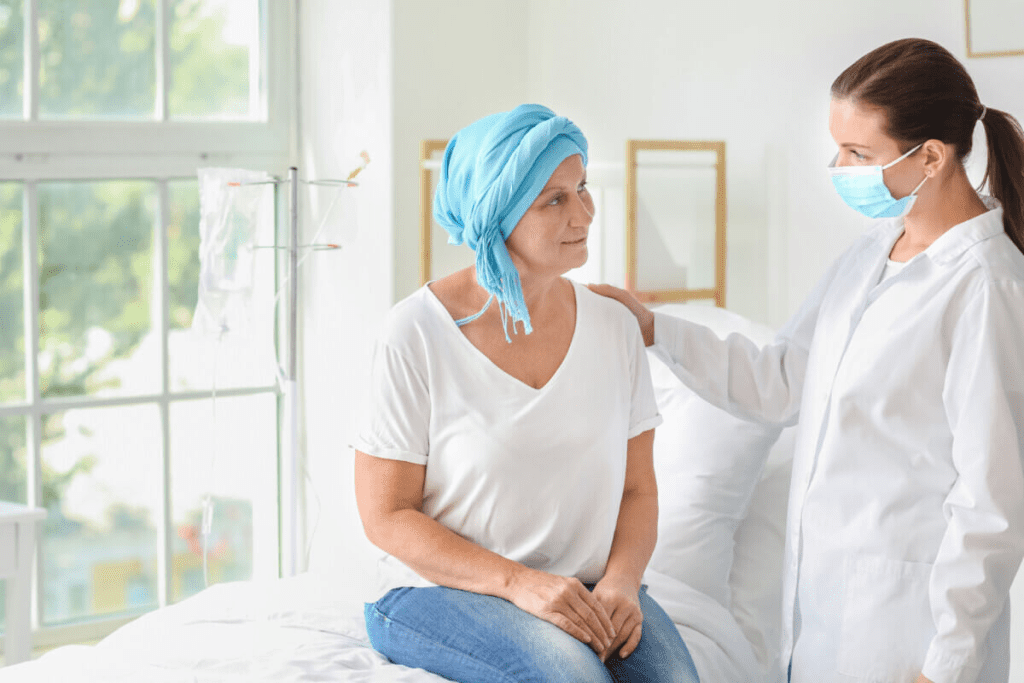
Chemotherapy intolerance, or chemo intolerance, is when patients can’t handle chemotherapy’s side effects. This makes their life quality and treatment results worse. We’ll look into what it is, how it shows up, how common it is, and what makes it happen.
Definition and Clinical Presentation
Chemo intolerance means patients can’t take chemotherapy because of its harsh side effects. A study in the Journal of Clinical Oncology found it’s a big problem for cancer patients. It affects their life quality and how well they do in treatment.
The symptoms of chemo intolerance vary a lot. They can include severe nausea, vomiting, fatigue, and neuropathy.
These symptoms can make patients need to take less or stop chemotherapy. Knowing how it shows up is key to managing it well.
Prevalence and Risk Factors
Studies show chemo intolerance is common in cancer patients getting chemotherapy. How common it is can depend on the cancer type, the chemotherapy, and the patient. Some patients are more likely to get chemo intolerance. These include older adults, those with other health issues, and patients who have had chemotherapy before.
| Risk Factor | Description | Impact on Chemo Intolerance |
| Age | Older adults | Increased risk due to decreased physiological reserve |
| Pre-existing Conditions | Presence of other health issues | Higher susceptibility to severe side effects |
| Previous Chemotherapy | History of chemotherapy treatment | Potential for cumulative toxicity and increased intolerance |
Finding out these risk factors early can help in making plans to deal with or lessen chemo intolerance.
Recognizing Severe Chemotherapy Reactions

Severe chemotherapy reactions can be very dangerous. It’s key to spot the warning signs early. Chemotherapy is a big part of cancer treatment but can cause serious side effects.
Immediate Warning Signs
Some symptoms during or right after chemotherapy need quick action. These include:
- Difficulty breathing or shortness of breath, which can mean an allergic reaction or serious issues.
- Chest pain or tightness, which could be a sign of heart problems.
- Severe allergic reactions, like hives, itching, swelling, and anaphylaxis, which is very dangerous.
The National Cancer Institute says these reactions need fast medical check-ups.
“The timely recognition of severe chemotherapy reactions is crucial for effective intervention and prevention of long-term damage or fatalities.”
Delayed Toxicity Indicators
Some side effects of chemotherapy may not show up right away. They can appear days or weeks later. It’s important to know about these delayed signs, which include:
- Blood count abnormalities, like neutropenia, which can make infections more likely.
- Gastrointestinal issues, such as severe nausea, vomiting, and diarrhea, which can cause dehydration and imbalances in electrolytes.
- Neurological symptoms, like neuropathy, confusion, or seizures, depending on the chemotherapy agents used.
Watching for these delayed effects is crucial. Early detection can greatly improve how these complications are managed and their outcomes.
We stress the need for close monitoring and talking with healthcare providers. This helps manage and reduce the risks of chemotherapy.
Medical Criteria for Stopping Chemotherapy
Healthcare providers use specific criteria to decide if chemotherapy should stop. They look at both lab results and clinical assessments. This decision is complex.
Laboratory Thresholds for Discontinuation
Laboratory tests are key in deciding to stop chemotherapy. A study in the Journal of Clinical Oncology found certain thresholds. These include:
- Severe neutropenia, which means a very low neutrophil count.
- Thrombocytopenia, a dangerously low platelet count.
- Anemia, a big drop in red blood cells or hemoglobin.
These conditions raise the risk of infections and bleeding. It’s important to stop chemotherapy to avoid complications.
| Laboratory Parameter | Threshold for Discontinuation |
| Neutrophil Count | < 500 cells/μL |
| Platelet Count | < 50,000/μL |
| Hemoglobin Level | < 8 g/dL |
Clinical Assessment Factors
Clinical assessments are also crucial. Healthcare providers look at:
- The patient’s overall health and how well they can function.
- Severe side effects or toxicities.
- How the cancer is progressing or if it’s not responding to treatment.
These factors, along with lab results, help decide if chemotherapy should continue or stop.
Healthcare providers carefully weigh lab results and clinical factors. This ensures they make the best decision for the patient’s safety and quality of life.
Common Types of Chemo Intolerance
Chemotherapy intolerance can show up in many ways, affecting different parts of the body. It’s key to understand these signs for better management and treatment changes.
Gastrointestinal Toxicities
Gastrointestinal (GI) side effects are common with chemotherapy. The American Cancer Society notes symptoms like nausea, vomiting, and diarrhea. These can really hurt a patient’s quality of life and how well they eat.
“Managing GI side effects is vital to avoid malnutrition and dehydration,” say oncology guidelines. We use both medicines and other methods to lessen these problems.
Hematologic Complications
Hematologic issues, like neutropenia, anemia, and thrombocytopenia, are big worries with chemo. They can make patients more likely to get infections, feel tired, and bleed easily.
- Neutropenia: Low white blood cell count, increasing infection risk
- Anemia: Low red blood cell count, leading to fatigue and weakness
- Thrombocytopenia: Low platelet count, increasing bleeding risk
Neurological and Cardiac Toxicities
Neurological and cardiac side effects are serious and can last a long time. Neurological issues might include neuropathy, cognitive changes, and seizures. Cardiac problems can cause heart failure or arrhythmias.
“The risk of cardiac toxicity is a significant concern with certain chemotherapy agents, necessitating careful monitoring and risk assessment.”
We need to watch patients closely for these side effects. Then, we adjust their treatment to reduce long-term harm.
Modifying Chemotherapy Approaches
Healthcare providers can make big changes to how chemotherapy is given. This can make treatment better and less harsh. Changing how chemotherapy is given is key for those who can’t handle the usual doses.
Dose Adjustments and Schedule Modifications
Changing the dose or when chemotherapy is given is very important. It helps lessen bad effects while keeping treatment effective. A study in the Journal of Clinical Oncology found these changes can make side effects less severe.
The table below shows how to adjust doses:
| Strategy | Description | Potential Benefits |
| Dose Reduction | Lowering the chemotherapy dose to minimize side effects | Reduced toxicity, improved patient tolerance |
| Schedule Modification | Altering the frequency or timing of chemotherapy administration | Enhanced patient comfort, reduced cumulative toxicity |
| Drug Holiday | Temporarily suspending chemotherapy to allow recovery | Improved patient recovery, reduced risk of long-term side effects |
Alternative Drug Formulations
New ways to make chemotherapy drugs can also help. These new forms might make drugs work better and cause fewer side effects. For example, tiny particles called nanoparticles can help drugs reach the right places in the body better.
Supportive Care Medications
Medicines for side effects are crucial. They help with symptoms like nausea and pain. This makes patients feel better and stick to their treatment plans. Drugs like antiemetics and pain relievers are often used.
Using these methods, we can make chemotherapy plans that are better for each patient. This leads to better results and a better life for those undergoing treatment.
Alternative Cancer Treatment Modalities
Looking into alternative cancer treatments is a good option for those who can’t handle chemotherapy. Cancer treatment is always changing. New ways are being found to help patients who can’t have traditional chemotherapy.
Targeted Therapy Options
Targeted therapy is a big step forward in cancer treatment. It focuses on specific parts of cancer cells that help them grow. The National Cancer Institute says it can lead to better results for patients with certain genetic changes. This method is more precise and might have fewer side effects than traditional chemotherapy.
- Monoclonal antibodies that target specific cancer cells
- Small molecule inhibitors that block cancer cell growth
- Gene therapy that corrects genetic mutations driving cancer
Immunotherapy Approaches
Immunotherapy uses the body’s immune system to fight cancer. It’s shown great promise in treating many cancers. It helps the body’s defenses fight cancer better, offering long-term protection.
- Checkpoint inhibitors that release the brakes on the immune system
- CAR-T cell therapy that engineers T cells to target cancer
- Cancer vaccines that stimulate an immune response against cancer cells
Hormone Therapy for Applicable Cancers
Hormone therapy is for cancers that are hormone-driven, like some breast and prostate cancers. This treatment lowers hormone levels or changes how hormones work in the body.
Radiation-Based Alternatives
Radiation therapy is another option for some patients. It uses high-energy particles or waves to kill or damage cancer cells. It can be used alone or with other treatments.
“Radiation therapy has become increasingly sophisticated, allowing for more precise targeting of tumors while sparing surrounding healthy tissue.”
These alternative treatments offer hope for patients who can’t have chemotherapy. Knowing about these options helps patients and doctors make the best treatment plan.
Managing Symptoms When Experiencing Chemo Intolerance
Chemotherapy intolerance can really hurt a patient’s quality of life. It’s important to manage symptoms well to avoid more problems. This helps improve how patients feel and do better overall.
Pharmacological Interventions
Medicines are key in treating chemo intolerance symptoms. The American Cancer Society says anti-nausea drugs help a lot with nausea and vomiting from chemo.
Other medicines might include:
- Anti-emetics to control nausea and vomiting
- Pain management medications to address chemotherapy-induced pain
- Growth factors to support blood cell production
Non-pharmacological Approaches
There are also non-medical ways to help manage symptoms. These can be very helpful.
- Dietary modifications to manage gastrointestinal symptoms
- Relaxation techniques such as meditation and deep breathing to reduce stress
- Physical activity tailored to the patient’s condition to improve overall well-being
Using both medicines and non-medical methods, doctors can give patients with chemo intolerance the best care. This makes patients’ lives better and more comfortable.
The Decision-Making Process
Dealing with chemotherapy intolerance is complex. It needs careful thought and a detailed plan. This plan helps find the best treatment for those who can’t handle standard chemotherapy.
Shared Decision-Making Framework
Using a shared decision-making framework is key. It brings patients, families, and doctors together. They work as a team to make choices that fit the patient’s needs and values.
A study in the Journal of Clinical Oncology shows this approach works. It leads to better treatment results and happier patients.
“Shared decision-making is more than just giving info,” says Dr. [Last Name], a top oncologist. “It’s about knowing what matters most to the patient.”
Ethical Considerations
Ethics are very important when deciding on treatment for chemo intolerance. Doctors must weigh the benefits and risks of treatment. They must think about the patient’s freedom, quality of life, and the principles of doing good and avoiding harm.
- Respect for patient autonomy
- Beneficence: doing good
- Non-maleficence: avoiding harm
- Justice: fairness in treatment decisions
Second Opinions
Getting a second opinion is a big part of the decision-making process. It can offer new insights and treatment options. It also gives patients and families peace of mind.
Doctors should be ready to talk about second opinions. They should help make it happen when it’s needed.
By working together, we can handle chemo intolerance better. This means doctors, patients, and families all playing a part. Together, they can tackle the challenges of cancer treatment.
Palliative Care Approaches
Palliative care is key in managing symptoms and improving life quality for those who can’t handle chemotherapy. It’s part of a full care plan. It focuses on the physical, emotional, and social needs of patients.
Early Integration of Palliative Services
Starting palliative care early greatly improves patient outcomes. Early involvement means patients get symptom management and support before stopping chemotherapy.
Research shows early palliative care leads to better symptom control, fewer hospital stays, and longer survival. It also makes treatment plans match what patients want and value.
Symptom-Focused Treatment
Symptom-focused treatment is central to palliative care. For those who can’t tolerate chemotherapy, managing symptoms is key to quality of life. This includes medicines, non-medical strategies, and complementary therapies.
Common symptoms like pain, nausea, fatigue, and shortness of breath are addressed. Palliative care teams tailor interventions to each patient’s needs, greatly reducing suffering.
| Symptom | Common Interventions | Goals of Care |
| Pain | Analgesics, nerve blocks, physical therapy | Reduce pain intensity, improve function |
| Nausea | Antiemetics, dietary adjustments, acupuncture | Minimize nausea, maintain nutrition |
| Fatigue | Energy conservation strategies, exercise programs, medication | Enhance energy levels, improve daily functioning |
Quality of Life Prioritization
Quality of life is at the heart of palliative care. For those with chemo intolerance, it’s about what matters most. This could be spending time with loved ones, managing symptoms, or achieving personal goals.
Palliative care teams work with patients and families to understand their unique needs. They tailor care plans that meet medical needs and support emotional, social, and spiritual well-being.
Integrating palliative care into treatment plans for chemo intolerance patients greatly improves outcomes. This approach ensures patients get the support they need to live with dignity and better quality of life.
Psychological Impact and Support
It’s important to understand how chemotherapy intolerance affects people’s minds. This can cause anxiety, depression, and emotional pain.
Emotional Responses to Treatment Changes
When chemotherapy is changed or stopped, patients feel many emotions. They might feel relieved, frustrated, scared, or unsure about new treatments. Healthcare providers need to listen and offer support.
Everyone reacts differently. Some feel relieved, while others worry about their treatment’s success. Being empathetic is crucial in helping them.
Therapeutic Interventions
There are many ways to help with the emotional side of chemotherapy intolerance. These include:
- Counseling and psychotherapy to tackle anxiety, depression, and other feelings.
- Support groups where people can share and find comfort together.
- Mind-body therapies like meditation, yoga, and mindfulness to lower stress and boost well-being.
The American Cancer Society says these help a lot. Adding them to cancer care plans is now seen as vital.
| Therapeutic Intervention | Benefits |
| Counseling/Psychotherapy | Helps with anxiety, depression, and emotional issues |
| Support Groups | Offers a sense of community and shared experiences |
| Mind-Body Therapies | Reduces stress and improves overall well-being |
By recognizing the emotional impact of chemotherapy intolerance and offering support, we can improve care for patients and their families.
Financial Navigation After Treatment Changes
Changes in cancer treatment can greatly affect a patient’s finances. It’s important to look into support options. When treatment plans change, patients face new financial challenges, including insurance and out-of-pocket costs.
Insurance Considerations
It’s crucial to understand insurance when treatment changes. Patients should check their policies for coverage under the new plan. Key aspects to consider include:
- Coverage for new medications or therapies
- Changes in copayment or deductible amounts
- Pre-authorization requirements for certain treatments
Also, talking to insurance providers is key. They can clear up any coverage doubts and explain the appeals process if claims are denied.
Patient Assistance Programs
Patient assistance programs (PAPs) offer financial help for cancer treatment. The National Cancer Institute says these programs can reduce financial stress. They provide:
| Program Type | Description | Potential Benefits |
| Manufacturer PAPs | Offered by pharmaceutical companies for their specific medications | Free or discounted medications |
| Non-profit PAPs | Provided by organizations like the Patient Access Network Foundation | Financial assistance for copays, deductibles, and other expenses |
| Government PAPs | Programs such as Medicaid and the Affordable Care Act | Eligibility for low-cost or free health coverage |
Long-term Financial Planning
Planning for the long term is vital when treatment plans change. It’s not just about managing today’s costs but also thinking about tomorrow. Strategies may include:
- Creating a budget that accounts for medical expenses
- Exploring disability benefits if treatment impacts the ability to work
- Utilizing health savings accounts (HSAs) for medical expenses
Understanding insurance, using patient assistance programs, and planning for the future can help patients manage financial challenges. This way, they can better handle changes in their cancer treatment.
Clinical Trials for Chemotherapy-Intolerant Patients
For those who can’t handle chemotherapy, clinical trials offer hope. These studies test new treatments. We’ll look at how patients can join these trials and get access to new medical options.
Finding Appropriate Studies
Finding the right clinical trial can be tough. But, there are many resources to help. The National Cancer Institute’s has a big database of trials. You can search by cancer type, treatment history, and more.
Also, many cancer centers and hospitals have special departments for clinical trials. They help patients find trials that fit their needs and health.
Key Resources for Finding Clinical Trials:
- National Cancer Institute’s clinical trials database
- Cancer center and hospital clinical trial departments
- Patient advocacy groups
Novel Approaches Under Investigation
Clinical trials are looking at new ways to help patients who can’t take chemotherapy. Some of these include:
| Therapy Type | Description | Potential Benefits |
| Immunotherapy | Boosts the body’s immune system to fight cancer | Targeted cancer cell killing with potentially fewer side effects |
| Targeted Therapy | Targets specific cancer cell characteristics | More precise treatment with reduced harm to healthy cells |
| CAR-T Cell Therapy | Genetically modifies T cells to recognize and attack cancer cells | Potent anti-cancer activity, especially in blood cancers |
A top oncologist says, “The world of cancer treatment is changing fast. Clinical trials are key in bringing new treatments to those who need them most.”
“The future of cancer treatment lies in personalized medicine and innovative therapies. Clinical trials are the bridge between current standards and tomorrow’s breakthroughs.”
An Oncologist
Practical Aspects of Trial Participation
Joining a clinical trial has practical parts to consider. Patients must meet certain criteria, like cancer type and health status.
Once in, patients are watched closely by the research team. This includes regular check-ups and tests. It’s important to know the risks and benefits and what to expect.
By understanding these aspects, patients and doctors can make smart choices about joining trials. This could lead to new and effective treatments.
Communicating With Your Healthcare Team
Talking openly with your healthcare providers can greatly improve your treatment. When facing chemotherapy intolerance, working closely with your team is key. This helps manage your condition well.
Reporting Symptoms Effectively
Telling your healthcare team about your symptoms right away is very important. Keep a detailed log of your symptoms. Note when they happen, how bad they are, and what might make them better or worse.
“The key to managing chemotherapy intolerance well is clear communication,” says a top oncologist. “By sharing your experiences, patients can get help quickly. This can greatly improve their quality of life.”
Advocating for Your Needs
It’s important to speak up for what you need when dealing with chemotherapy intolerance. This means being active in your care, asking questions, and sharing your worries with your doctors. Don’t be shy about asking for clarification on anything you don’t get.
- Be clear and specific about your symptoms and concerns.
- Ask about possible changes to your treatment plan.
- Look for help from patient advocacy groups if you need it.
Coordinating Care Across Specialists
It’s crucial to coordinate care with different specialists for full management of your condition. Make sure all your healthcare providers know about your treatment plan, including any updates or worries.
Good coordination can prevent drug interactions, ensure consistent care, and boost treatment results. “Coordinated care is not just about fighting cancer,” says a medical oncology specialist. “It’s about caring for the whole patient.”
Life After Stopping Chemotherapy
The time after chemotherapy is very important. It needs a detailed plan to handle long-term effects and watch for cancer coming back. Patients must plan carefully and get ongoing support after finishing their treatment.
Surveillance and Monitoring Plans
After treatment, surveillance and monitoring plans are key to catch cancer coming back. These plans include regular doctor visits, imaging tests, and blood work. How often and what kind of tests depend on the cancer type and treatment.
We create special plans for each patient. This might include:
- Regular check-ups with doctors
- Imaging tests like CT scans
- Blood tests to check for cancer markers
Long-term Side Effect Management
Handling long-term side effects is a big part of care after chemotherapy. Side effects can include heart problems, nerve damage, and brain changes. We help patients deal with these issues by:
- Working with teams to tackle different side effects
- Rehab programs to improve physical health
- Services to manage symptoms and improve life quality
Reclaiming Wellness
Reclaiming wellness after chemotherapy means more than just medical care. It’s also about dealing with the emotional and mental effects of treatment. We support patients in their recovery by:
- Offering mental health services
- Helping with healthy eating
- Using therapies like meditation to improve well-being
We aim to give patients the care and support they need. This helps them deal with life after chemotherapy and improves their overall quality of life.
Conclusion
Patients who can’t handle chemotherapy face big challenges in their fight against cancer. It’s key to understand why and how to spot the signs of chemo intolerance. The American Cancer Society stresses the importance of caring for these patients fully.
There are other ways to fight cancer, like targeted therapy and immunotherapy. These options are good for those who can’t take traditional chemo. It’s also vital to adjust chemo plans and manage symptoms well. New research and trials give hope for better treatments.
Healthcare teams should focus on the patient and look into other treatment paths. This way, they can help those struggling with chemo intolerance. As we keep improving cancer care, we must promise top-notch healthcare and support to patients worldwide.
FAQ
What is chemo intolerance, and how is it defined?
Chemo intolerance is when a patient can’t handle chemotherapy because of bad side effects. It happens when the side effects are so bad they affect the patient’s life or how well the treatment works.
What are the common types of chemo intolerance?
There are a few main types of chemo intolerance. These include problems with the stomach, blood, nerves, and heart. Symptoms can be severe, like constant nausea, low blood counts, nerve damage, or heart issues.
How can I recognize severe chemotherapy reactions?
Look out for signs like trouble breathing, severe pain, or sudden changes in how you feel. Also, watch for signs that show up later, like lasting tiredness, hair loss, or getting sick easily.
What are the medical criteria for stopping chemotherapy?
Doctors decide to stop chemotherapy based on lab results and how the patient is doing. They look at things like low blood counts and how well the patient is responding to treatment.
Can chemotherapy approaches be modified to reduce intolerance?
Yes, doctors can change how chemotherapy is given to make it easier to handle. They might adjust the dose, change when it’s given, or use different forms of the drug. They also use medicines to help with side effects.
What are the alternative cancer treatment modalities available?
There are other ways to treat cancer besides traditional chemotherapy. These include targeted therapy, immunotherapy, hormone therapy, and different types of radiation. Each has its own benefits and challenges.
How can symptoms associated with chemo intolerance be managed?
Doctors use medicines to help with symptoms like nausea or pain. They also suggest changes in diet, relaxation techniques, and exercise to help manage side effects.
What role does palliative care play in managing chemo intolerance?
Palliative care is very important for managing chemo intolerance. It focuses on treating symptoms and improving quality of life. This helps patients feel better and live better, even when treatment changes are needed.
How can patients navigate the financial aspects of cancer care after treatment changes?
Patients can deal with the cost of cancer care by looking at insurance options and patient assistance programs. They should also plan for the future to manage treatment costs.
Are there clinical trials available for chemotherapy-intolerant patients?
Yes, there are clinical trials for patients who can’t handle chemotherapy. These studies look at new ways to treat cancer. Patients should talk to their doctors about joining a study.
How can patients effectively communicate with their healthcare team?
Patients should tell their doctors about any symptoms they have. They should also ask for what they need and work with different doctors to get the best care.
What happens after stopping chemotherapy?
After stopping chemotherapy, patients will be closely watched and monitored. They will also deal with any lasting side effects. They can start to get back to a healthy lifestyle and focus on wellness.
Can chemo intolerance be managed with alternative therapies?
Yes, alternative therapies like targeted therapy or immunotherapy can help patients who can’t handle chemotherapy. The right choice depends on the type of cancer and the patient’s situation.
What are the benefits of stopping chemotherapy when it’s not tolerated?
Stopping chemotherapy when it’s not working can greatly improve a patient’s life. It reduces bad side effects, lowers the risk of complications, and opens up other treatment options.
References
- National Cancer Institute. (2023). Chemotherapy and You: Support for People With Cancer. U.S. Department of Health and Human Services.https://www.cancer.gov/publications/patient-education/chemotherapy-and-you
- American Cancer Society. (2025). Chemotherapy Side Effects.https://www.cancer.org/treatment/treatments-and-side-effects/treatment-types/chemotherapy/chemotherapy-side-effects.html