Last Updated on December 3, 2025 by Bilal Hasdemir

Chemo nausea relief
Chemotherapy-induced nausea and vomiting (CINV) are common side effects of cancer treatment. Managing these symptoms is crucial for maintaining the quality of life during chemotherapy.
We know that CINV can be really tough. It affects not just the body but also the mind. Effective nausea management during chemotherapy is key to ensuring that patients can undergo treatment without unnecessary suffering.
By exploring various strategies for chemotherapy nausea relief, we can help patients and caregivers better cope with the challenges of chemotherapy. Our comprehensive guide will provide insights into the causes of CINV and the most effective methods for mitigating its impact.
Key Takeaways
- Understanding the causes of chemotherapy-induced nausea and vomiting (CINV)
- Importance of managing CINV for quality of life
- Exploring effective strategies for nausea management during chemotherapy
- Improving patient outcomes through comprehensive care
- Empowering patients and caregivers with knowledge and support
Understanding Chemotherapy-Induced Nausea and Vomiting (CINV)

It’s important to understand chemotherapy-induced nausea and vomiting (CINV) well. This is because CINV is a big worry for many cancer patients getting treatment.
Chemotherapy drugs can make people feel sick and throw up. This happens because these drugs affect the body’s systems in different ways. Serotonin and dopamine play a big role in this. They work with the drugs to cause nausea and vomiting.
Why Chemotherapy Causes Nausea
Chemotherapy damages the stomach and intestines. It also releases chemicals that make the brain want to throw up. The type and amount of chemotherapy, and the patient’s health, can affect how bad the nausea and vomiting are.
The emetic potential of chemotherapy drugs varies. Some drugs are more likely to cause nausea and vomiting. Knowing which drugs are riskier helps in managing nausea better.
Different Types of CINV
CINV can be split into different types based on when and why it happens. Acute CINV happens within 24 hours of treatment. Delayed CINV starts after 24 hours and can last for days. Anticipatory CINV happens before treatment because of past experiences.
- Acute CINV: Happens in the first 24 hours after treatment.
- Delayed CINV: Starts after 24 hours and can last for days.
- Anticipatory CINV: Happens before treatment because of past experiences.
Knowing these types of CINV helps in creating a plan that fits each patient’s needs.
The Impact of Chemo Nausea on Quality of Life
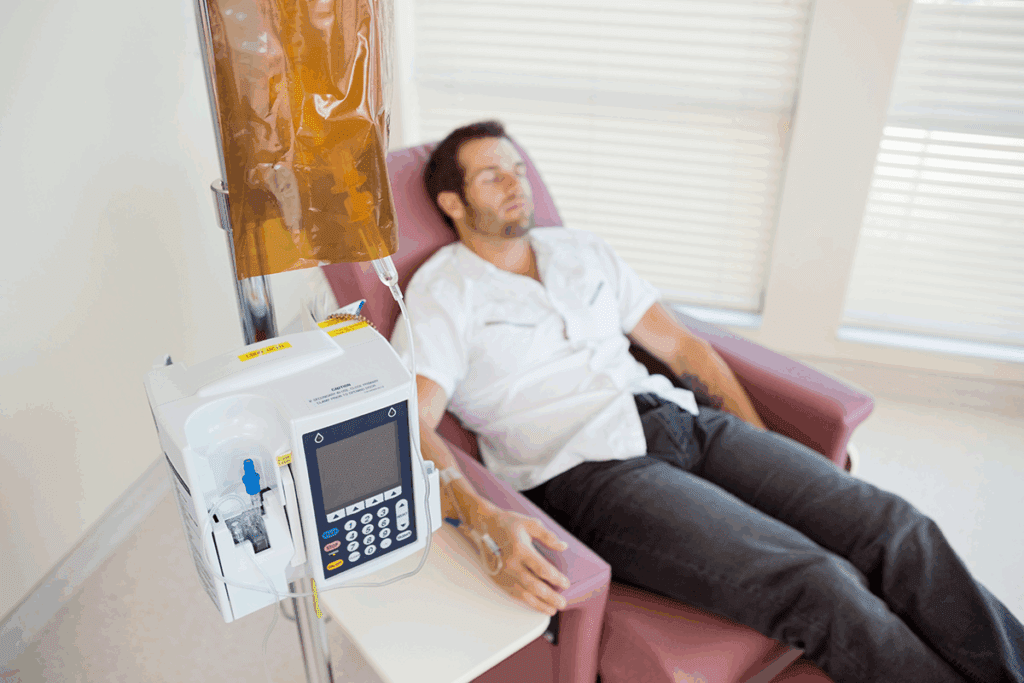
Chemotherapy-induced nausea and vomiting (CINV) can really hurt a patient’s quality of life. It causes both physical and emotional pain. How well a patient and their healthcare team manage nausea can make a big difference.
Physical Effects of Prolonged Nausea
Prolonged nausea and vomiting can cause serious physical problems. Dehydration and electrolyte imbalances often happen when patients can’t keep fluids down. This can lead to malnutrition because of a lack of appetite and poor nutrient absorption.
Also, constant nausea can make patients very tired. It’s hard for them to keep up with daily activities or follow their treatment plans. The discomfort can also weaken the immune system, making patients more likely to get sick.
Emotional and Psychological Impact
The emotional and psychological effects of unmanaged CINV are significant. Patients often feel more anxious and depressed. This is because of the physical pain and the feeling of losing control over their bodies.
The fear of nausea and vomiting can cause anticipatory nausea. This is when patients start feeling nauseous even before their chemotherapy, because they associate the treatment with the bad symptoms.
It’s very important to manage CINV well. This is not just for physical relief but also for emotional and psychological well-being. By working with their healthcare providers, patients can find ways to relieve nausea after chemotherapy and improve their quality.
Talking to Your Healthcare Team About Chemo Nausea Relief
Talking openly with your healthcare team about chemo nausea can really help. It lets them tailor their support to fit your needs. This might make nausea and vomiting from chemotherapy less severe.
Important Symptoms to Report
It’s key to track and share your symptoms with your healthcare team. Note how often, how bad, and how long nausea and vomiting last. Writing down your symptoms helps your healthcare provider understand you better.
- The timing of nausea and vomiting in relation to your chemotherapy sessions
- Any factors that seem to trigger or relieve your symptoms
- The effectiveness of any anti-nausea medications you’re currently taking
Telling them these details can help them adjust your treatment plan to manage CINV better.
Questions to Ask Your Oncologist
Being ready with questions can make your talks with your oncologist more useful. Ask about the best antiemetic options for cancer patients and how they work with your chemotherapy.
| Question | Purpose |
| What are the most common side effects of my prescribed chemotherapy? | Understanding potential side effects can help you prepare and manage them. |
| Are there any specific anti-nausea medications recommended for my type of chemotherapy? | Identifying the most effective antiemetic medications for your treatment. |
| How should I take my anti-nausea medication – before, during, or after chemotherapy? | Optimizing the timing of your medication for maximum effectiveness. |
By asking the right questions and sharing your symptoms well, you can work with your healthcare team. Together, you can create a plan to manage chemo nausea and make your treatment better.
Medical Approaches to Chemo Nausea Relief
Antiemetic medications are key in fighting CINV, making life better for patients. They target the body’s nausea and vomiting pathways.
How Antiemetic Medications Work
These drugs fight chemotherapy’s effects in different ways. Serotonin (5-HT3) antagonists block serotonin, a key trigger for nausea and vomiting. Ondansetron is a well-known drug in this group.
Neurokinin-1 (NK1) receptor antagonists block substance P, another cause of vomiting. Mixing these drugs with others can make them work better.
Common Prescription Protocols
Doctors use different plans for antiemetic drugs based on the treatment and the patient’s health. The American Society of Clinical Oncology (ASCO) sets guidelines. These include using ondansetron and other serotonin blockers.
| Antiemetic Class | Mechanism of Action | Example Medications |
| Serotonin (5-HT3) antagonists | Block serotonin receptors | Ondansetron, Granisetron |
| Neurokinin-1 (NK1) receptor antagonists | Block substance P receptors | Aprepitant, Fosaprepitant |
| Dopamine antagonists | Block dopamine receptors | Metoclopramide |
Knowing how to fight chemo nausea can help both patients and doctors. By following the latest guidelines and using the right drugs, patients can feel much better.
Types of Chemo Anti-Nausea Drugs
Chemotherapy can make people very sick, causing a lot of nausea and vomiting. Luckily, there are many types of drugs to help with these symptoms. These drugs work in different ways to stop or lessen nausea and vomiting caused by chemo.
Serotonin (5-HT3) Antagonists
Serotonin antagonists, like ondansetron, are a key group of anti-nausea drugs. They block serotonin, a natural substance that can cause nausea and vomiting.
Neurokinin-1 (NK1) Receptor Antagonists
NK1 receptor antagonists, such as aprepitant, are another important type. They stop substance P, a neurotransmitter that triggers vomiting.
Dopamine Antagonists
Dopamine antagonists, including metoclopramide, are also good at fighting chemo-induced nausea. They block dopamine receptors in the brain, which are part of the nausea and vomiting process.
| Drug Class | Mechanism of Action | Examples |
| Serotonin (5-HT3) Antagonists | Block serotonin action | Ondansetron |
| Neurokinin-1 (NK1) Receptor Antagonists | Block substance P action | Aprepitant |
| Dopamine Antagonists | Block dopamine receptors | Metoclopramide |
“The development of various anti-nausea medications has significantly improved the quality of life for cancer patients undergoing chemotherapy,” says an oncologist specializing in cancer treatment.
Creating an Effective Medication Schedule
An effective medication schedule is key to controlling CINV and improving the quality of life for patients undergoing chemotherapy. The timing and administration of anti-nausea medication can significantly impact its effectiveness.
Preventive vs. As-Needed Medication Approaches
There are two main ways to manage CINV with medication: preventive and as-needed. The preventive approach involves taking anti-nausea medication before chemotherapy to prevent nausea. This is often recommended for patients who have experienced CINV before.
The as-needed approach involves taking medication only when nausea occurs. While it works for some, it might not be enough for severe or persistent nausea.
Managing Medication Side Effects
Anti-nausea medications are crucial but can sometimes cause side effects. Common side effects include headache, dizziness, and constipation. To manage these, patients should:
- Stay hydrated by drinking plenty of fluids
- Report any side effects to their healthcare provider
- Adjust their medication schedule if necessary
By working closely with their healthcare team, patients can minimize side effects. This helps keep their anti-nausea medication regimen effective.
Nutritional Strategies for Chemo Vomiting Control
Planning your diet is key to fighting off nausea from chemotherapy. Choosing the right foods can help you feel better and live better during treatment.
Foods That Help Settle the Stomach
Some foods are gentle on your stomach and can ease nausea. These include:
- Ginger-based products, such as ginger tea or ginger ale, have natural anti-inflammatory properties.
- Bland foods like crackers, toast, and plain rice are easy to digest.
- Broths and clear soups can help maintain hydration.
- Bananas which are a good source of potassium and are easy on the stomach.
Foods and Smells to Avoid
Some foods and smells can make nausea worse. It’s best to steer clear of:
- Strong-smelling foods can trigger nausea.
- Fatty or greasy foods are difficult to digest.
- Spicy foods can irritate the stomach lining.
- Caffeine and alcohol can dehydrate the body.
The Benefits of a Bland Diet During Treatment
A bland diet is especially helpful during chemotherapy. It offers several benefits, including:
| Benefit | Description |
| Reduced Nausea | Bland foods are less likely to trigger nausea. |
| Easier Digestion | Simple, bland foods are easier for the body to digest. |
| Minimized Irritation | Avoiding spicy or fatty foods reduces stomach irritation. |
By following these nutritional tips, patients can manage their nausea and vomiting better. This can greatly improve their well-being during treatment.
Hydration Techniques During Periods of Nausea
Staying hydrated is key for chemotherapy patients, especially when they feel nauseous. Drinking enough water helps prevent dehydration and keeps electrolyte levels balanced. This is important because it can help reduce nausea and discomfort.
It can be hard to drink fluids when you’re feeling nauseous. But there are ways to make it easier. Drinking small amounts of fluid often is better than trying to drink a lot at once. Also, avoid drinking fluids with meals to avoid feeling worse.
Preventing Dehydration When You Can’t Keep Fluids Down
When you can’t drink much, it’s important to stay hydrated. Using oral rehydration solutions is a good idea. These solutions have electrolytes that help keep your body’s fluids balanced. They are also easier to drink when you’re feeling nauseous.
Trying different temperatures of fluids can also help. Some people prefer cold drinks, while others like warm or room temperature ones. Finding the right temperature can make drinking more comfortable.
| Fluid Type | Tolerance During Nausea | Electrolyte Content |
| Water | Generally well-tolerated | Low |
| Oral Rehydration Solutions | Highly recommended | High |
| Clear Broths | Can be tolerated | Moderate |
| Sports Drinks | Variable tolerance | High |
Best Beverages for Sensitive Stomachs
Choosing the right drinks can help manage nausea. Ginger-based drinks like ginger ale or ginger tea are good for the stomach. Clear broths and electrolyte-rich beverages are also helpful.
Some people find peppermint tea helps with nausea. But it might not work for everyone. It’s important to try different drinks to find what works best for you.
By using these hydration tips, chemotherapy patients can better handle nausea. It’s crucial to work with healthcare providers to create a hydration plan that fits your needs.
Effective Chemo Nausea Relief Through Natural Remedies
Chemotherapy-induced nausea and vomiting (CINV) can be tough to handle. But natural remedies offer hope for relief. It’s key to know how these natural methods can work with traditional treatments.
Ginger Preparations for Symptom Management
Ginger is known for its anti-inflammatory effects and soothing stomach properties. Ginger preparations come in many forms, such as:
- Ginger tea
- Ginger ale
- Candied ginger
- Ginger supplements
These can help with nausea. But always talk to a healthcare provider before trying new supplements.
Peppermint Options for Digestive Comfort
Peppermint is a natural remedy for digestive comfort during chemo. Peppermint oil capsules or peppermint tea can ease nausea and discomfort. Yet, use peppermint with care as it might worsen heartburn or interact with some meds.
Acupressure Points for Nausea Relief
Acupressure involves applying pressure to certain body points to ease symptoms. The Nei Kuan point (P6) on the wrist is often used for nausea relief. Gentle pressure here can lessen CINV. Patients can learn simple acupressure techniques or get help from a professional.
Adding these natural remedies to a treatment plan can help reduce medication use. This can improve life quality during chemotherapy.
Mind-Body Approaches to Chemo Nausea Prevention
Mind-body techniques are great for helping with chemo nausea. They use the mind and body connection to lower stress and relax. This can make nausea and vomiting from chemo better.
Guided Imagery and Relaxation Techniques
Guided imagery uses mental pictures to create calm. It helps patients forget about nausea and feel less anxious. Relaxation methods, like tensing and relaxing muscles, also lower stress.
Benefits of Guided Imagery:
- Reduces anxiety and stress
- Promotes relaxation
- Can be practiced anywhere
Meditation and Breathing Exercises
Meditation and breathing exercises are also good. Meditation calms the mind. Controlled breathing helps with physical discomfort and relaxes the body.
Types of Breathing Exercises:
| Technique | Description | Benefit |
| Diaphragmatic Breathing | Engages the diaphragm for deep breaths | Reduces stress, promotes relaxation |
| 4-7-8 Breathing | Involves breathing in through the nose for 4 seconds, holding for 7, and out for 8 | Promotes calmness, reduces anxiety |
Cognitive Behavioral Techniques
Cognitive behavioral therapy (CBT) is also helpful. CBT changes negative thoughts that make nausea worse.
CBT Techniques for CINV:
- Cognitive restructuring
- Exposure therapy
- Relaxation training
Using these mind-body methods can help lessen chemo nausea and vomiting. They are part of a good care plan.
Managing Chemo Motion Sickness
Some patients face more than just nausea from chemotherapy. They also deal with motion sickness. This can be caused by the drugs and how sensitive they are to motion sickness. To tackle this, we need a plan that covers all angles.
Environmental Adjustments at Home
Making your home comfortable can help a lot. Keep the air fresh and the atmosphere calm. Also, stay away from strong smells and keep it cool. Overheating can make things worse.
Travel Tips During Treatment
Traveling to treatment can make motion sickness worse. Pick the best way to travel to avoid it. Sitting in the front of the cabin on a boat helps. Take breaks on long trips and have your meds ready.
Positional Changes to Minimize Dizziness
Dizziness often comes with motion sickness. Move slowly to avoid it. Don’t lie flat when resting. Instead, elevate your head a bit to help blood flow and reduce dizziness.
Lifestyle Modifications to Reduce Nausea Severity
Making lifestyle changes can help lessen nausea from chemotherapy. By changing daily habits, patients can feel better during treatment.
Optimal Meal Timing Around Treatments
Changing when you eat can help with nausea. Eating a light meal or snack before treatment can keep your stomach stable. Avoiding big meals near treatment times can also help.
Eating smaller, more frequent meals helps digestion and prevents nausea. Keeping a food diary can help find out which foods cause or help with nausea.
Activity Levels and Rest Periods
It’s important to balance activity and rest during chemotherapy. Gentle exercises like walking or yoga can improve well-being and reduce stress. But it’s also crucial to rest enough.
Creating a routine with both activity and rest helps manage energy and nausea. For example, short walks after meals and regular rest can help balance.
Clothing and Comfort Considerations
Wearing comfortable, loose-fitting clothing can reduce physical discomfort that may cause nausea. Avoiding tight clothes around the waist or neck can improve circulation and reduce discomfort.
Keeping your home environment comfortable can also help. This includes keeping the room cool and well-ventilated. Some find aromatherapy with scents like peppermint or ginger helpful.
Complementary Therapies for Comprehensive Nausea Management
Complementary therapies add value to traditional treatments for CINV, boosting overall health. They help manage symptoms, lower stress, and improve life quality during chemotherapy.
Acupuncture and Traditional Chinese Medicine
Acupuncture is a key part of Traditional Chinese Medicine. It involves putting thin needles into specific body points. It’s thought to boost the body’s healing and has been studied for CINV management.
Research shows acupuncture can cut down nausea and vomiting in some patients.
Benefits of Acupuncture for CINV:
- Potential reduction in nausea and vomiting frequency
- Improved overall well-being
- Enhanced relaxation and reduced stress
Massage and Physical Therapy
Massage therapy works by manipulating soft tissue to relax, ease muscle tension, and boost circulation. It’s great for patients going through chemotherapy, helping with nausea and fatigue.
| Therapy Type | Benefits for CINV |
| Massage Therapy | Reduces nausea, promotes relaxation, and improves circulation |
| Physical Therapy | Enhances mobility, reduces fatigue, and improves overall physical function |
Cannabis and CBD Products
Cannabis and CBD products are getting more attention for CINV management. Some studies hint they might help with nausea and vomiting from chemotherapy.
Always talk to your healthcare provider before trying cannabis or CBD products. They can affect other medicines and have different legal rules.
Supporting a Loved One Through Chemotherapy Sickness
When a loved one is going through chemotherapy, it’s key to help them with CINV. Caregivers are vital in managing the physical and emotional effects of chemotherapy-induced nausea and vomiting.
Creating a Nausea-Friendly Environment
Making a space that avoids nausea triggers can greatly improve comfort. This means:
- Keeping away from strong smells like perfumes, cooking odors, or scented candles
- Keeping the area calm and quiet to lower stress
- Ensuring good air flow to prevent stale air buildup
These small changes can really help a patient feel better during treatment.
Practical Caregiving Tips
Caregivers can do several things to help:
- Encourage drinking small amounts of fluid often
- Help with making meals that are easy to digest
- Help manage medications, making sure antiemetic drugs are taken correctly
Self-Care for Caregivers
Remember, caring for someone through chemotherapy can be tough on you, too. Taking care of yourself is not selfish; it’s necessary to keep supporting your loved one.
- Take time to rest and recharge.e
- Look for support from friends, family, or groups
- Do things that make you happy and relaxed
By focusing on your own well-being, you’ll be better able to support your loved one during this tough time.
Conclusion: Building Your Personalized Nausea Management Plan
Managing nausea from chemotherapy needs a plan that fits you. This plan should include medical, nutritional, and lifestyle tips. We’ve looked at ways to help, like medicines, diet changes, and mind-body methods.
Working with your healthcare team is key. Together, you can create a plan that meets your needs. This way, you can live better during your treatment.
Dealing with nausea from chemo is complex. It involves knowing your treatment and making smart choices. With the right plan, you can face your treatment with more ease and confidence.
FAQ
What is chemotherapy-induced nausea and vomiting (CINV), and why is it a significant concern for patients undergoing chemotherapy?
CINV is nausea and vomiting caused by chemotherapy. It’s a big worry because it can hurt a patient’s quality of life. It can also cause physical problems and mental health issues like anxiety and depression.
What are the different types of CINV, and how do they differ?
CINV has three types. Acute nausea happens within 24 hours of treatment. Delayed nausea occurs after 24 hours. Anticipatory nausea happens before treatment because of past experiences. Knowing these types helps in making a good plan to manage it.
How can antiemetic medications help manage CINV, and what are the different classes of antiemetics?
Antiemetic meds target different ways that nausea and vomiting happen. There are serotonin (5-HT3) antagonists, neurokinin-1 (NK1) receptor antagonists, and dopamine antagonists, among others.
What are some nutritional strategies that can help manage CINV?
To manage CINV, eat foods that are easy on your stomach. Avoid foods and smells that make you feel sick. Stick to a bland diet during treatment.
How can patients stay hydrated during periods of nausea?
Drink clear liquids, electrolyte-rich drinks, and ginger tea when you’re feeling nauseous. Drinking small amounts often helps prevent dehydration.
Are there any natural remedies that can help alleviate CINV?
Yes, ginger, peppermint, and acupressure can help with CINV. Adding these to your treatment plan can be beneficial.
What lifestyle modifications can help reduce nausea severity during chemotherapy?
To lessen nausea, eat meals at the right time, stay active but rest when needed, and wear comfy clothes.
Can complementary therapies be used to manage CINV?
Yes, therapies like acupuncture, massage, and traditional Chinese medicine can help with CINV. Some people also find cannabis and CBD helpful, but more research is needed.
How can caregivers support their loved ones during chemotherapy?
Caregivers can make a sick-friendly space, offer helpful tips, and take care of themselves to avoid burnout.
Why is it essential to work closely with a healthcare team to develop a personalized nausea management plan?
A personalized plan with a healthcare team is key. It ensures patients get the best care and support, improving their quality of life during treatment.
References
Barbour, S. Y., Sullivian, M., & others. (2017). Management of Patients With Chemotherapy-Induced Nausea and Vomiting (CINV). Journal of Supportive Oncology / PMC. https://www.ncbi.nlm.nih.gov/pmc/articles/PMC6003766/