Last Updated on December 2, 2025 by Bilal Hasdemir

Nearly 70% of cancer patients feel very tired after chemotherapy. This makes simple tasks hard. We know that dealing with the cancer treatment recovery schedule can be tough. But knowing what to expect is the first step to getting better.
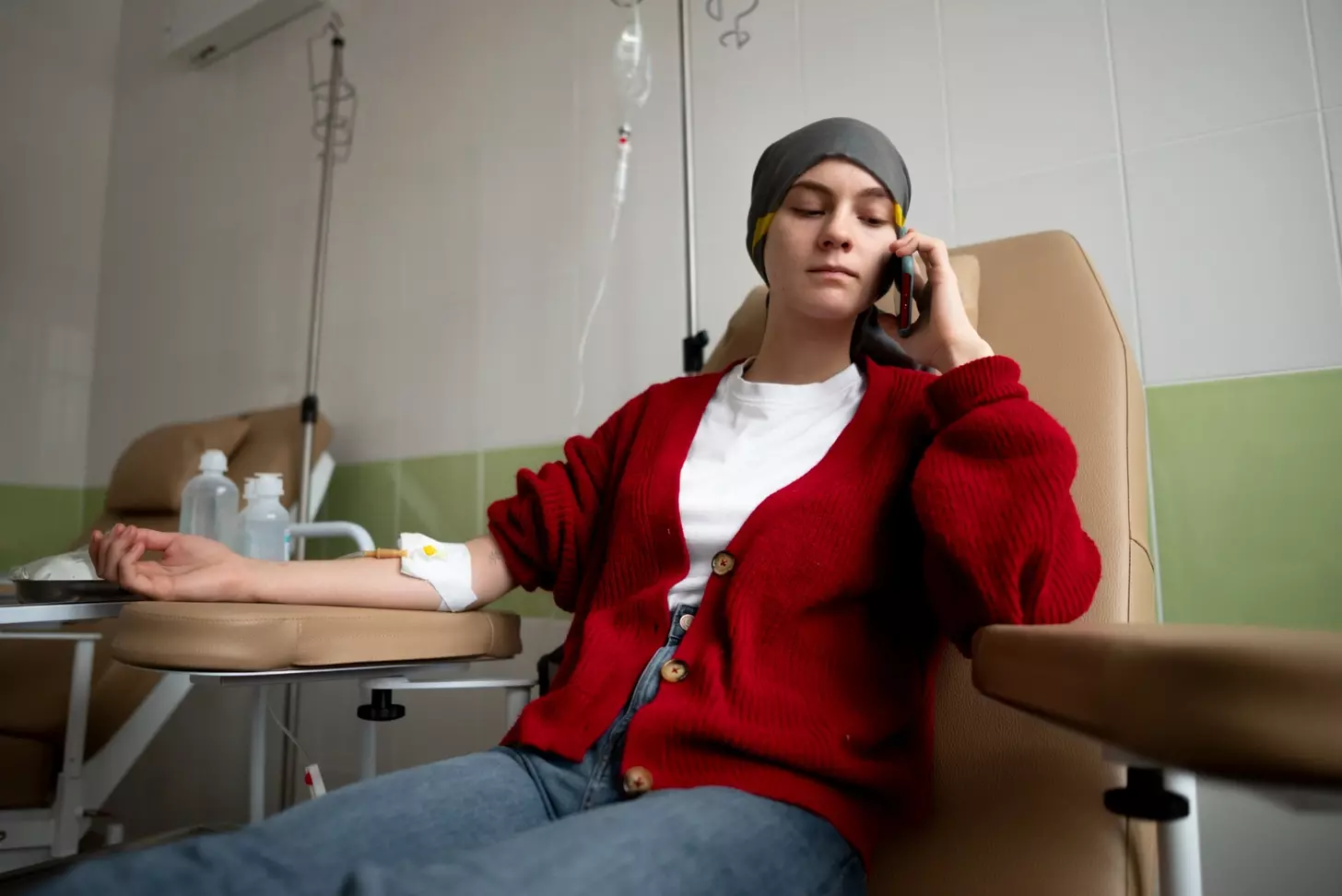
Discussing the treatment duration and outlining the general Chemo recovery timeline after a cycle.
Exploring the chemotherapy recovery stages shows that everyone’s journey is different. The chemo recovery timeline changes for each person. Knowing what to expect can offer comfort and help.Discussing the treatment duration and outlining the general Chemo recovery timeline after a cycle.
Key Takeaways
- Understanding the chemotherapy recovery process can help manage expectations.
- Fatigue is a common challenge during chemotherapy recovery.
- Each patient’s recovery journey is unique and influenced by various factors.
- Being informed about the chemo recovery timeline can provide comfort.
- Support systems play a critical role in the recovery process.
The Immediate Aftermath: Days 1-3

The first few days after chemotherapy are tough for patients. Their bodies react strongly to the treatment. It’s important to know what to expect during this time.
The First 24 Hours: Initial Physical Reactions
The first 24 hours are filled with strong physical reactions. Common symptoms include fatigue, nausea, and dizziness. These happen because the drugs affect both cancer cells and healthy cells.
Patients are told to rest and drink plenty of water. This helps manage the side effects.
Some may get an infusion reaction, like fever or rash. These are treated with medicine and go away after treatment ends. It’s key to watch for severe reactions closely.
Days 2-3: When Initial Medications Wear Off
By days 2-3, symptoms can get worse. Nausea and fatigue often peak during this time. It’s hard to do daily tasks.
Following the advice of your care team is vital. They can help manage these symptoms.
| Symptom | Day 1 | Days 2-3 |
| Fatigue | Moderate | Severe |
| Nausea | Mild to Moderate | Severe |
| Dizziness | Present | Variable |
Be careful of your health during days 2-3. If symptoms get worse, tell your doctor. They might need to change your medicine or offer more support.
The Nadir Period: When Blood Counts Drop
Chemotherapy can lead to a critical phase called the nadir period. During this time, blood counts drop significantly. This phase is key because the body is very vulnerable to infections and other issues.
Understanding Blood Count Cycles After Treatment
Blood counts after chemotherapy follow a pattern. At first, counts might stay the same or slightly go down. But as chemotherapy works, the bone marrow’s ability to make new cells is reduced, causing counts to fall. The nadir, or lowest point, usually happens within 7-14 days after treatment, depending on the chemotherapy.
This cycle can be tough for patients. One patient said, “Waiting for my blood counts to recover was agonizing. I felt like I was in limbo, not knowing when I’d be back to normal.” This emotional rollercoaster is common, and knowing the cycle can help manage expectations.
| Day Post-Chemo | Blood Count Trend | Typical Symptoms |
| 0-3 | Stable or slight decrease | Mild fatigue, nausea |
| 7-10 | Counts start to drop | Increasing fatigue, risk of infection |
| 10-14 | Nadir (lowest counts) | Severe fatigue, high infection risk |
Timing of Nadir Based on Chemotherapy Type
The nadir’s timing can vary based on the chemotherapy type. Some regimens may cause the nadir to occur earlier or later than others. Understanding the specific chemotherapy protocol is key for predicting when the nadir will happen.
- Some chemotherapy types may cause an earlier nadir, within 5-7 days.
- Other regimens might delay the nadir until 14-21 days post-treatment.
Physical Symptoms During Your Lowest Blood Counts
During the nadir, patients often face various physical symptoms. These include:
- Severe fatigue, making everyday activities challenging.
- Increased risk of infections due to low white blood cell counts.
- Bleeding or bruising easily because of low platelet counts.
- Anemia, leading to shortness of breath or dizziness.
Knowing these symptoms helps patients prepare and take precautions. This includes avoiding crowded areas to reduce infection risk and conserving energy.
Peak Nausea and Digestive Distress: Days 2-5
Chemotherapy patients often face their worst nausea and digestive problems between days 2-5. The body’s reaction to treatment can get worse, causing a lot of discomfort. Knowing what to expect and how to manage symptoms can improve life quality.
Common Timeline for Digestive Side Effects
Digestive side effects from chemotherapy don’t start right away. Usually, patients feel them within 48 hours after treatment. Nausea and vomiting often begin around day 2 and can last until day 5. How bad it is can depend on the treatment and the patient.
Other issues like diarrhea or constipation can also happen during this time. The chemotherapy type greatly affects the side effects a patient might get.
The Delayed Nausea Phenomenon
Some patients face delayed nausea, where symptoms get worse more than 24 hours after treatment. This can be hard because it happens when patients are not as closely watched as right after treatment.
Delayed nausea happens because the drugs stay in the body and upset its balance. It’s important for patients to know about this and have ways to deal with it.
Managing the Worst Days of Digestive Symptoms
Handling nausea and digestive problems needs a few steps. Patients can use medicine, change their diet, and make lifestyle changes. Anti-nausea medication is often given to help, and it works best when taken early, before symptoms get bad.
- Eating small, frequent meals can help manage nausea.
- Avoiding strong-smelling foods and choosing bland, easy-to-digest foods is helpful.
- It’s important to stay hydrated but not too much.
By knowing when digestive side effects happen and having good ways to manage them, patients can get through the tough days after chemotherapy.
Fatigue Patterns: The Energy Roller Coaster
Fatigue after chemotherapy feels like being on an energy roller coaster. It has ups and downs that are hard to handle. It’s not just feeling tired; it’s a complex side effect caused by many factors.
Immediate vs. Cumulative Fatigue Effects
Fatigue after chemotherapy comes in two forms: immediate and cumulative. Immediate fatigue happens right after treatment, due to chemotherapy’s direct effects on the body. Cumulative fatigue builds up over time, as the body gets weaker with each treatment.
Knowing the difference between these types is key to managing energy. Immediate fatigue is intense but short-lived. Cumulative fatigue, though, lasts longer and affects quality of life more.
The “Day 3-5 Crash”: Why Energy Plummets
Many patients see a big drop in energy around days 3-5 after treatment, known as the “Day 3-5 Crash.” This happens when chemotherapy’s effects peak and the body runs out of resources. It’s a time when careful management is needed to avoid exhaustion.
The crash is caused by many things, like the body’s reaction to chemotherapy, changes in blood counts, and side effects like nausea. Knowing this helps patients prepare for low energy days.
Strategies for Your Lowest Energy Days
To manage fatigue well, you need a plan, lifestyle changes, and sometimes medical help. Here are tips for low energy days:
- Prioritize Rest: Rest when you need to, as fighting fatigue can be hard.
- Conserve Energy: Do only what’s essential and let others help with less important tasks.
- Stay Hydrated: Drinking enough water is key to keeping energy up.
- Nutritional Support: Eat a balanced diet to help your body recover.
- Gentle Exercise: Do light physical activities to boost energy when you can.
By understanding post-chemo fatigue and using these strategies, patients can manage their energy better. This improves their recovery experience.
Mucositis and Mouth Sores: Days 5-10
Chemotherapy affects the body more than just the first few days. Mucositis and mouth sores become big issues around days 5-10. The mouth’s mucous membranes can get inflamed and ulcerated, causing pain and making it hard to eat and swallow.
Timeline for Oral Complications Development
Oral problems usually start around day 5 after chemotherapy. The start of mucositis can be quick, with symptoms getting worse fast. Knowing when these problems start helps patients get ready for what’s coming.
When Pain and Discomfort Typically Peak
Pain and discomfort from mucositis usually hit their peak around days 7-8. Even simple things like eating or drinking can be tough. Effective pain management is key to keeping up nutrition and feeling comfortable.
Nutritional Challenges During This Period
Nutrition is a big challenge when mucositis and mouth sores are at their worst. Patients might need to eat soft, bland foods that are easy to swallow. They should also avoid spicy or acidic foods that can make things worse. Getting enough nutrients is important for healing and recovery.
Understanding mucositis and mouth sores helps patients and caregivers manage these issues. This way, they can lessen the impact on daily life and overall health.
The Complete Chemo Recovery Timeline: What to Expect When
Going through chemotherapy can be tough. Knowing what to expect during recovery can help. Everyone recovers differently, but there are common patterns.
First Week Post-Treatment: The Acute Phase
The first week after chemo is often the toughest. You might feel very tired, sick to your stomach, and even lose your hair. It’s important to rest and drink lots of water.
Managing your symptoms is key. Eating well and drinking water is important, even if you don’t feel like it.
Weeks 2-3: The Middle Recovery Phase
Weeks 2-3 might see some small improvements. But, you might also face new challenges like mouth sores.
Keep an eye on your blood counts and adjust your care plan as needed. Having support from doctors and loved ones is very important.
One Month and Beyond: Long-Term Recovery Patterns
By the one-month mark, many start to feel better. Your energy might come back, and some side effects may lessen.
But, getting back to normal can take a long time. Long-term recovery patterns differ, and some might take months to a year or more to fully recover.
Be patient and work with your healthcare team. They can help manage any ongoing side effects and watch for new ones.
Emotional and Psychological Hard Days
Recovering from chemotherapy isn’t just about getting better physically. It’s also about dealing with the emotional ups and downs that come with treatment. Understanding and tackling these emotional and psychological hurdles is key to full recovery.
The Post-Treatment Emotional Crash
Many patients feel a big emotional drop after chemotherapy ends. This is called the “post-treatment emotional crash.” It happens because stress hormones drop suddenly, and there’s anxiety about recovery and test results. It’s important to know this crash is a normal part of getting better.
During this time, feelings of sadness, anxiety, and frustration are common. Patients might feel lost or abandoned as they move from constant medical visits to a more independent recovery. Recognizing these feelings is the first step to healing.
“The emotional rollercoaster doesn’t stop when chemotherapy ends. It’s a challenging time, but knowing what to expect can make a big difference.”
Anxiety Peaks and Patterns Throughout Recovery
Anxiety is a big part of the journey after chemotherapy. It can get worse at times, like when waiting for scan results or dealing with new symptoms. Understanding these anxiety peaks helps patients and caregivers prepare and cope better.
It’s important to know when anxiety might spike. For example, it can get worse around treatment milestones or anniversaries. Developing coping strategies, like mindfulness or seeking support, can really help with these anxiety peaks.
Coping with “Chemo Brain” Frustration
“Chemo brain,” or cognitive problems caused by chemotherapy, is a big challenge for many. It makes it hard to focus, remember things, and process information. Coping with “chemo brain” takes patience and finding ways to manage cognitive issues.
Using tools like memory aids and doing cognitive exercises can help. Talking to healthcare providers about these symptoms is also important, as they can offer more help and support.
By tackling the emotional and psychological challenges of chemotherapy recovery, patients can better handle this tough journey. With the right support and strategies, it’s possible to get through the hard days and focus on healing and recovery.
Cumulative Effects: Why Later Cycles Hit Harder
Patients going through many rounds of chemotherapy often face tougher later treatments. This is because chemotherapy harms not just cancer cells but also healthy ones. This leads to a buildup of side effects over time.
The Buildup Effect in Multiple Treatment Cycles
The buildup effect is when chemotherapy’s harmful effects on the body’s tissues and organs grow. With each round, the body finds it harder to bounce back. This makes future treatments even more challenging.
For example, chemotherapy can weaken the bone marrow, causing fewer blood cells. While the body might recover between cycles, repeated treatments can weaken the bone marrow more and more.
“The cumulative effect of chemotherapy is a critical consideration for patients and healthcare providers. It highlights the need for tailored treatment plans and supportive care.”
An Oncologist
Predicting Difficult Days in Cycles 3 and Beyond
To guess when later cycles will be tough, it helps to look at past side effects. Keeping a detailed log of side effects’ timing and severity is key. This helps both patients and caregivers prepare.
| Cycle | Common Side Effects | Peak Severity |
| Cycle 1 | Nausea, Fatigue | Days 2-5 |
| Cycle 2 | Nausea, Fatigue, Hair Loss | Days 3-7 |
| Cycle 3+ | Cumulative Fatigue, Increased Risk of Infection | Variable, often more severe |
Adjusting Your Support System for Later Treatments
As treatments go on, it’s vital to tweak your support system. This might mean more doctor visits, changing your diet, or getting more help at home.
Key adjustments to consider:
- Increased rest and relaxation techniques
- Enhanced nutritional support
- More frequent monitoring of side effects
- Emotional support from family, friends, or support groups
By grasping the cumulative effects of chemotherapy and tweaking your support system, you can tackle the hurdles of later treatment cycles better.
Delayed Side Effects: The Unexpected Challenges
Recovering from chemotherapy can take a long time. Some side effects show up weeks or months later. It’s important to know about these delayed effects to get the right care.
Side Effects That Emerge Weeks After Treatment
Some side effects appear weeks after chemotherapy ends. These can include:
- Neuropathy, or nerve damage, which can cause numbness, tingling, or pain in the hands and feet.
- Cognitive changes, sometimes referred to as “chemo brain,” which can affect memory, concentration, and decision-making.
- Emotional changes, such as mood swings, anxiety, or depression.
Managing these delayed side effects can be tough. But knowing they might happen helps patients prepare and find support.
Long-Term Effects That Develop Gradually
Chemotherapy’s long-term effects can take time to show up. These may include:
- Cardiac issues, such as heart failure or coronary artery disease, with certain chemotherapy types.
- Secondary cancers, which are rare but possible long-term risks.
- Chronic fatigue, which can last long after treatment ends.
Knowing about these long-term effects is key for ongoing care and monitoring.
When to Contact Your Healthcare Team About New Symptoms
It’s important to know when to contact your healthcare team about new symptoms. Reach out if you have:
- Severe or persistent pain.
- Unexplained fever or chills.
- Significant changes in bowel habits or urination.
- New or worsening neurological symptoms.
Your healthcare team can help manage these symptoms and guide you on what to do next.
Understanding delayed and long-term side effects helps patients navigate their recovery. It ensures they get the medical attention they need.
The Bone Marrow Recovery Process
After chemotherapy, the bone marrow struggles to make blood cells. This makes it hard for the body to fight off infections. The lack of white blood cells is a big problem.
Bone Marrow Suppression Cycles
Chemotherapy often harms the bone marrow, making it hard to make blood cells. How much and for how long it affects you depends on the treatment. Knowing about these cycles helps in recovery.
Chemotherapy hurts the bone marrow’s ability to make blood cells. This leads to fewer red blood cells, white blood cells, and platelets. Each type takes a different amount of time to get better.
Timeline for Blood Cell Regeneration by Cell Type
Each type of blood cell regenerates at its own pace. White blood cells usually recover first, followed by platelets and then red blood cells. Knowing this helps manage risks and complications.
- White blood cells: typically start to recover within 1-2 weeks
- Platelets: may take 2-4 weeks to recover
- Red blood cells: can take several weeks to months to fully recover
Infection Risk Windows and Precautions
The time after chemotherapy is risky for infections. When white blood cells are low, the body is more open to germs. To stay safe, avoid crowded places, wash hands often, and see a doctor at the first sign of illness.
To lower infection risk, patients should:
- Stay away from people who are sick
- Wash hands frequently
- Avoid undercooked foods
- Report any signs of infection to their healthcare provider immediately
Understanding the bone marrow recovery process and taking precautions helps patients deal with chemotherapy’s side effects. This way, they can reduce their risk of getting sick.
Gut Lining Regeneration: The Digestive Recovery
It’s key to know how chemotherapy harms the gut lining to handle digestive side effects. Chemotherapy fights cancer but also hurts the digestive system, causing problems.
Damage to the Digestive Tract
Chemotherapy damages the gut lining, causing digestive issues. The gut lining helps absorb nutrients. Damage can lead to malnutrition and other issues.
Chemotherapy targets fast-growing cells, including cancer and digestive tract cells. This can cause nausea, vomiting, diarrhea, and mouth sores. Symptoms vary based on the chemotherapy type and dose.
The Timeline for Gut Healing
The time it takes for the gut to heal after chemotherapy varies. Usually, the gut lining starts healing a few weeks after treatment stops. But, the digestive system fully recovers later.
In the early recovery stages, symptoms may slowly get better. It’s important to follow a healthcare provider’s advice on managing digestive side effects.
Supporting Your Digestive System
Supporting your digestive system during recovery is vital for health. This includes eating smaller, more frequent meals and avoiding irritating foods.
Also, staying hydrated and managing stress helps digestive health. Healthcare providers might suggest supplements or medications to help the gut lining recover.
By understanding chemotherapy’s impact on the gut lining and supporting digestive health, patients can manage their recovery better. This improves their overall well-being.
Managing the Hardest Days: Practical Strategies
Getting through the toughest days of chemotherapy recovery needs a proactive plan. Chemotherapy impacts people differently, but there are common strategies to help. These can make the hardest days easier.
Creating a Personalized Side Effect Calendar
One good way to handle chemotherapy side effects is by making a personal calendar. This means tracking your symptoms and how you react to treatment over time. It helps you spot patterns and know when tough days are coming.
To make this calendar, start by writing down the day you get treatment and any side effects that follow. Note how bad the symptoms are and any medicines you take. This record will help you and your healthcare team get ready for hard times.
Tips for Your Calendar:
- Note the date and time of your chemotherapy sessions
- Record any side effects, rating their severity
- Track your medication schedule
- Include any changes in your diet or physical activity
Preventative Approaches for Known Difficult Days
When you know tough days are coming, you can take steps to prevent problems. For example, if you often feel nauseous on certain days, take anti-nausea medicine ahead of time.
Talk to your healthcare team about the best ways to avoid problems for you. This could mean changing your medicine schedule, resting more on hard days, or eating differently to avoid digestive issues.
Preventative steps can really improve your life during chemotherapy recovery.
Building Your Support Team for Critical Periods
Chemotherapy is not something you face alone. Having a support team of family, friends, and healthcare professionals is key. Find out who can be there for you on the hardest days and make sure they know how to help.
Your support team can help with everything from household chores to emotional support. Be clear about what you need. Having a strong support system can greatly help you get through the toughest days of chemotherapy recovery.
By using a side effect calendar, taking preventative steps, and having a strong support team, you can manage the challenges of chemotherapy recovery better. It’s about taking charge where you can and asking for help when you need it.
When Recovery Doesn’t Follow the Expected Pattern
Recovery from chemotherapy isn’t the same for everyone. While many follow a predictable timeline, others face unexpected challenges. It’s important for both patients and doctors to understand these differences to provide the right care.
Recognizing Complications vs. Normal Recovery Variations
It’s key to know the difference between normal recovery changes and serious issues. Normal changes might include feeling tired or a bit nauseous. But, serious problems like intense pain or difficulty breathing need quick attention. As one patient said, “
It’s essential to listen to your body and not dismiss unusual symptoms as part of the normal recovery process.
Red Flags That Warrant Immediate Medical Attention
Some symptoms mean you need to see a doctor right away. These include severe pain, uncontrolled bleeding, or a fever over 101.5°F (38.6°C). Spotting these signs early can greatly improve your recovery. It’s important to know these warning signs and seek help without delay.
Adjusting Expectations for Individual Treatment Responses
Everyone reacts differently to chemotherapy. This depends on their health, how intense the treatment is, and how well they can handle it. By understanding this, patients can better plan for their recovery. Knowing that recovery is unique helps prepare for the journey ahead.
Conclusion: Navigating Your Personal Recovery Journey
Every person’s journey after chemotherapy is different. Knowing your recovery timeline is key to facing what’s ahead. We’ve looked at the recovery stages, from right after treatment to long-term healing.
Understanding how your body reacts to chemo helps you manage symptoms better. It’s important to be ready for the hardest days. This includes dealing with fatigue, digestive issues, and emotional challenges.
Knowing what to expect in your recovery helps you stay strong. Stay informed and proactive to navigate your recovery with confidence. We’re here to guide and support you through chemotherapy and towards a successful recovery.
FAQ
What are the hardest days after chemotherapy?
The toughest days after chemo usually happen from days 2 to 5. This is when side effects like nausea, tiredness, and stomach issues are at their worst. But, how long it lasts can change based on the chemo type and your health.
How long does it take for blood counts to recover after chemotherapy?
Blood counts start getting better in 2-3 weeks after chemo. But, how fast it happens can depend on the chemo type and your body. Knowing about bone marrow suppression and blood cell growth can help you understand the recovery process.
What is the nadir period, and when does it occur?
The nadir period is when your blood counts hit their lowest after chemo. It usually happens 7-14 days after treatment. The exact time can vary based on the chemo type and your health.
How can I manage nausea and digestive distress during chemotherapy recovery?
To handle nausea and stomach issues, try medications, eating small meals, and avoiding strong smells. Also, drink plenty of water to stay hydrated.
What is “chemo brain,” and how can I cope with it?
“Chemo brain” is when you feel foggy and have memory problems after chemo. To cope, stay mentally active, use memory tools, practice stress relief, and get enough sleep.
How long does it take for the gut lining to heal after chemotherapy?
The gut lining starts healing a few weeks after chemo. But, it might take longer to fully recover. Eating well, taking probiotics, and drinking water can help your gut heal.
When should I contact my healthcare team about new or worsening symptoms?
Call your healthcare team right away if you have severe symptoms like trouble breathing, chest pain, or severe stomach pain. Also, seek help for fever over 38°C (100.4°F), unusual bleeding, severe nausea or vomiting, and changes in mental status.
How can I predict and prepare for difficult days during later chemotherapy cycles?
Knowing how chemo builds up over time can help you predict tough days. Keep a symptom journal, make a side effect calendar, and adjust your support system. This way, you can better manage symptoms in later cycles.
What are some strategies for managing fatigue during chemotherapy recovery?
To fight fatigue, pace yourself, rest regularly, drink water, and eat well. Prioritize tasks, ask for help, and do gentle exercises like walking. This helps save energy.
How can I support my emotional and psychological well-being during chemotherapy recovery?
To support your emotional health, acknowledge the recovery challenges, seek support from loved ones and professionals, and use stress-reducing techniques. Stay connected with your healthcare team and share your feelings for emotional support.
References
New England Journal of Medicine. Evidence-Based Medical Insight. Retrieved from https://www.nejm.org/doi/full/10.1056/NEJMra2031035