Last Updated on November 26, 2025 by Bilal Hasdemir
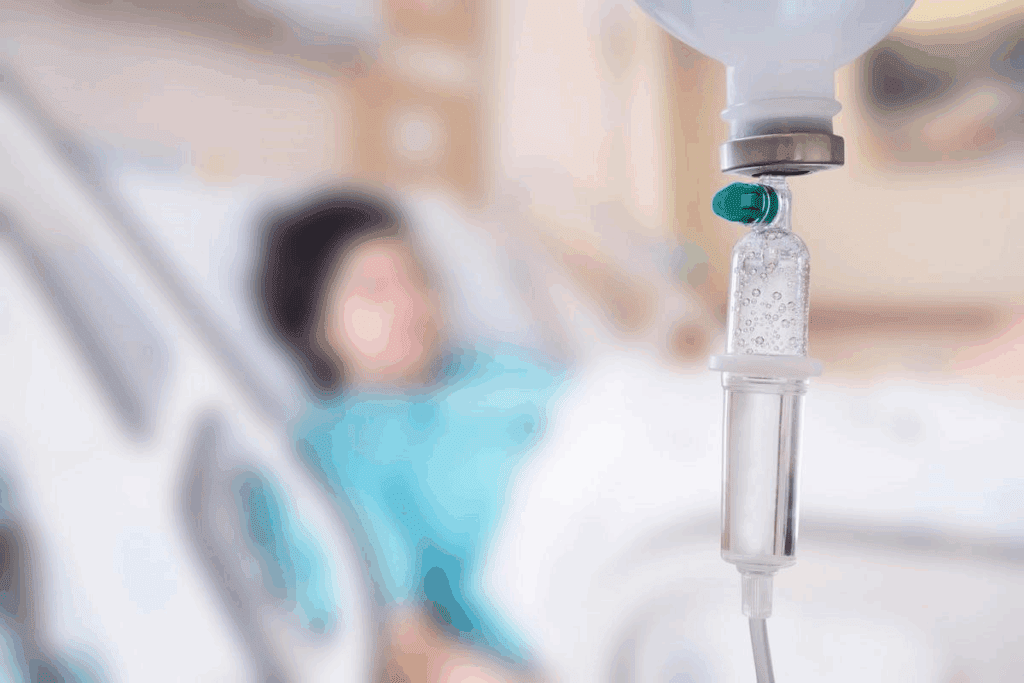
Finishing chemotherapy sessions is a big step. But the real work starts after treatment. It’s important to focus on healing and feeling good again.Learn effective tips for faster chemotherapy recovery and managing side effects.
Recovering from chemotherapy needs a full plan. This includes eating right, drinking enough water, resting, exercising gently, and managing stress. A diet full of nutrients, enough water, and rest is key to healing.
By using these strategies, people can feel better faster. They can speed up their recovery from chemotherapy.
Key Takeaways
- Nourish your body with a balanced diet rich in nutrients.
- Stay hydrated to help your body heal.
- Get sufficient rest to aid in the recovery process.
- Incorporate gentle exercise to boost your immune system.
- Manage stress through relaxation techniques.
Understanding the Chemotherapy Recovery Process
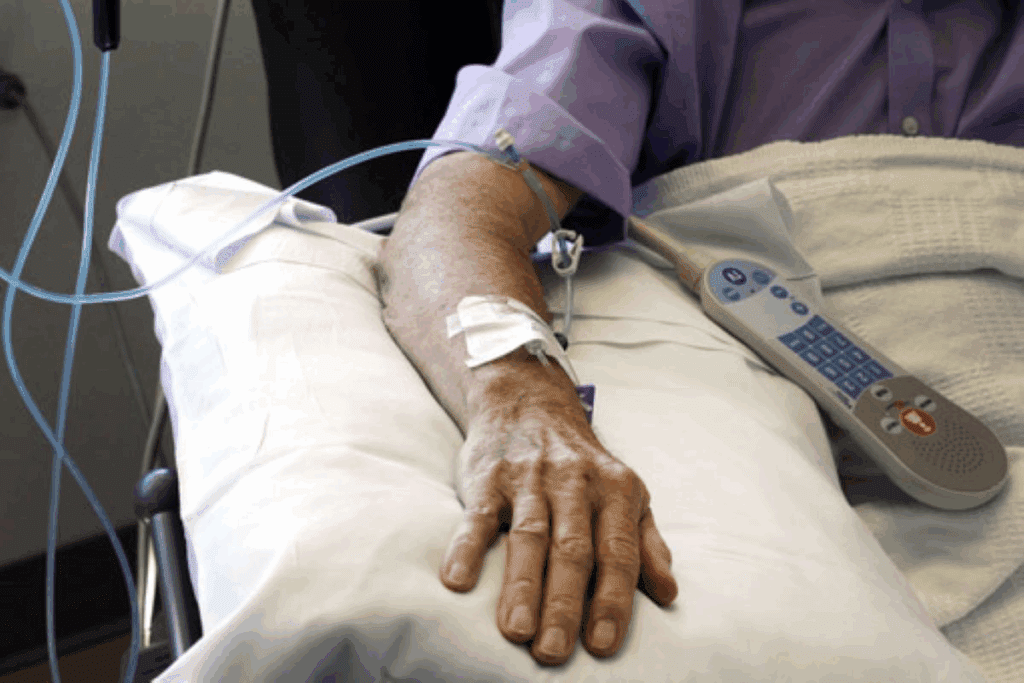
It’s key to know about the chemotherapy recovery process. This helps manage expectations and aids in healing. Chemotherapy uses drugs to kill cancer cells, but can harm healthy cells too. This leads to physical and emotional symptoms.
How Chemotherapy Affects Your Body
Chemotherapy drugs target cells that grow fast, like cancer cells and some healthy ones. This can cause fatigue, nausea, hair loss, and changes in appetite. The side effects’ severity and how long they last depend on the treatment and the person.
Some chemotherapy can cause neuropathy, leading to numbness, tingling, or pain in the hands and feet. Others might cause cognitive changes, known as “chemo brain,” affecting memory and decision-making.
“The physical and emotional toll of chemotherapy can be significant, but understanding what to expect can help patients navigate this challenging period.”
—A leading Oncologist
Timeline for Recovery After Treatment
The recovery time after chemotherapy varies a lot. People usually start feeling better in a few weeks to months after treatment. But some side effects can last or start after treatment ends, known as post-chemotherapy syndrome.
| Recovery Phase | Typical Timeline | Common Experiences |
| Immediate Post-Treatment | 0-4 weeks | Fatigue, nausea, hair loss |
| Early Recovery | 1-3 months | Energy starts to improve, “chemo brain” might start |
| Late Recovery | 3-6 months or more | Keep getting better, some side effects might stay |
It’s vital for patients to stay in touch with their healthcare team. This helps monitor recovery and tackle any issues that come up.
Nutrition Strategies to Accelerate Chemotherapy Recovery

The right nutrition can greatly help in recovering from chemotherapy. Eating foods rich in essential nutrients helps the body heal and regain energy. We’ll look at key nutrients that aid in recovery after chemotherapy.
Essential Nutrients for Healing
It’s important to eat a balanced diet full of essential nutrients during recovery. These nutrients help the body heal and regain health.
- Vitamin C: Important for immune function and tissue repair.
- Omega-3 fatty acids: Help reduce inflammation and support heart health.
- Antioxidants: Found in fruits and vegetables, they help protect cells from damage.
Make sure to include foods rich in these nutrients in your recovery diet. Oranges and grapefruits are good sources of vitamin C. Salmon is a great source of omega-3 fatty acids.
Protein-Rich Foods for Tissue Repair
Protein is key to repairing and rebuilding tissues. Eating protein-rich foods helps restore muscle and strength.
- Lean meats like chicken and turkey.
- Fish and seafood.
- Eggs and dairy products.
- Legumes, including beans and lentils.
- Nuts and seeds.
It’s wise to talk to a healthcare provider or nutritionist to find out how much protein you need during recovery.
Foods to Avoid During Recovery
Knowing what not to eat is just as important as knowing what to eat. Some foods can make side effects worse or slow down recovery.
- Processed foods: Often high in unhealthy fats, sugars, and sodium.
- High-sugar foods: Can lead to energy crashes and weight gain.
- Foods high in saturated and trans fats can negatively impact heart health.
By eating a balanced diet and avoiding harmful foods, patients can help their bodies heal better. This improves their quality of life during chemotherapy recovery.
Hydration: A Key Factor in Chemotherapy Recovery
Hydration is crucial for the body to recover from chemotherapy. The body loses fluids and nutrients during treatment. It’s important to replace them to aid in recovery.
Why Proper Hydration Matters After Chemo
After chemotherapy, staying hydrated is key. It helps flush out toxins and aids digestion. When we drink enough water, our body heals better.
Older adults should pay extra attention to their hydration. Their kidneys work differently, and they might not feel thirsty as much.
Drinking fluids helps avoid dehydration, a big risk for those on chemo. Staying hydrated helps manage side effects and supports health during recovery.
Best Fluids for Optimal Recovery
So, what fluids are best for recovery after chemo? Water is the best, and aim for eight glasses a day. Herbal teas and clear broths also help meet hydration needs.
Avoid drinks that can dehydrate you, like those with caffeine or alcohol. Choose fluids that are easy on your stomach and help replace lost electrolytes.
Creating a Daily Hydration Schedule
To stay hydrated, make a daily plan. Start by drinking a certain amount of fluid at set times. For example, drink a glass of water when you wake up and at each meal.
Use a hydration log or a phone reminder to track your intake. Prioritizing hydration supports your body’s recovery and well-being after chemo.
Rest and Sleep: Healing Your Body After Chemotherapy
Recovering from chemotherapy means focusing on rest and better sleep. Your body needs rest and sleep to heal and recharge. Chemotherapy puts a lot of stress on your body, so it’s important to create a calm sleep environment.
Creating an Optimal Sleep Environment
To sleep better, make your bedroom dark, quiet, and cool. Use blackout curtains, earplugs, or a white noise machine if needed. A good mattress and pillows can also help a lot.
Developing Healthy Sleep Routines
Having a regular sleep schedule is key. Try to sleep and wake up at the same time every day. A bedtime routine, like reading or a warm bath, can help your body know it’s time to sleep.
Tips for a Bedtime Routine:
- Avoid screens (phones, tablets, TVs) for at least an hour before bedtime.
- Limit caffeine and heavy meals close to bedtime.
- Engage in relaxing activities to calm your mind and body.
Managing Sleep Disturbances Common After Chemo
Sleep problems are common after chemotherapy. To deal with them, keep a sleep diary to track your sleep. Relaxation techniques like deep breathing or meditation can also help. If sleep issues don’t get better, talk to your doctor for help.
Safe Exercise Approaches to Support Chemo Recovery
Exercise can help a lot during chemotherapy recovery. It’s important to choose exercises that match the patient’s energy and health. This can improve physical function, reduce fatigue, and boost overall well-being.
Benefits of Gentle Movement During Recovery
Gentle exercises like walking, yoga, or stretching are great during recovery. They help patients regain strength and improve their quality of life. These exercises offer many benefits.
The benefits of gentle movement include:
- Improved circulation and cardiovascular health
- Enhanced muscle strength and flexibility
- Reduced fatigue and improved energy levels
- Better sleep quality
- Improved mental health and reduced stress
Recommended Exercise Types Based on Energy Levels
The right exercise depends on the patient’s energy and health. For those with low energy, gentle stretching and short walks are good. More energetic patients can try yoga or swimming.
Here are some recommended exercise types based on energy levels:
| Energy Level | Recommended Exercises |
| Low | Gentle stretching, short walks |
| Moderate | Yoga, light swimming, cycling |
| High | Brisk walking, jogging, and strength training |
Gradually Rebuilding Strength and Stamina
Rebuilding strength and stamina is key during recovery. Start with low-intensity exercises and slowly increase intensity and duration. Listen to your body and rest when needed.
To rebuild strength and stamina, patients can follow these steps:
- Begin with short, manageable exercise sessions
- Gradually increase the duration and intensity of workouts
- Listen to your body and rest when needed
- Stay hydrated and fuel your body with a balanced diet
By using safe exercise approaches, patients can improve their physical function, reduce fatigue, and enhance their overall well-being.
Boosting Your Immune System After Chemotherapy
Rebuilding your immune system after chemotherapy is key to getting back to health. Chemotherapy fights cancer but weakens the immune system. It does this by lowering white blood cell production, which fights infections. So, it’s important to focus on boosting your immune system for a good recovery.
Foods That Support Immune Function
Eating a balanced diet is essential for a strong immune system. Some foods are especially good for immune recovery. These include:
- Citrus fruits and berries, high in vitamin C, which can help stimulate the production of white blood cells.
- Leafy greens like spinach which are rich in antioxidants and other nutrients that support immune health.
- Nuts and seeds, such as almonds and sunflower seeds, are good sources of vitamin E, an antioxidant that helps fight off infections.
- Whole grains provide fiber and other nutrients that support overall health and immune function.
Supplements That May Help (with Medical Approval)
While a balanced diet is crucial, some supplements can also help. But always talk to your healthcare provider before taking any supplements. Some supplements that might be helpful include:
- Vitamin C supplements can help boost the production of white blood cells.
- Probiotics, which support gut health and, by extension, immune function, as a significant portion of the immune system is located in the gut.
- Zinc supplements were crucial for the proper functioning of immune cells.
| Supplement | Potential Benefits | Precautions |
| Vitamin C | Boosts white blood cell production | Consult with your healthcare provider for the appropriate dosage |
| Probiotics | Supports gut health and immune function | Choose a probiotic with multiple strains and an adequate CFU count |
| Zinc | Crucial for immune cell function | Be cautious of excessive intake, as it can cause adverse effects |
Lifestyle Factors That Impact Immunity
Other than diet and supplements, lifestyle choices also affect immune recovery. These include:
- Getting enough rest and sleep helps your body recover and rebuild its immune defenses.
- Doing regular, gentle exercise, like walking, can help stimulate immune function without overexerting yourself.
- Managing stress through techniques like meditation or deep breathing exercises, as chronic stress can weaken the immune system.
By using these dietary, supplemental, and lifestyle strategies, you can help your immune system recover after chemotherapy. This will improve your overall health and resilience.
Managing Persistent Fatigue and Energy Levels
Persistent fatigue is a big challenge for people getting over chemotherapy. It affects their daily life and well-being. This fatigue is not just feeling tired. It’s a deep exhaustion that makes it hard to do daily tasks, enjoy hobbies, and keep up relationships.
Understanding Chemo-Related Fatigue
Chemo-related fatigue is a complex issue. It’s influenced by the chemotherapy, the cancer, and the person’s health. Unlike regular tiredness, this fatigue doesn’t get better with rest. It can last throughout treatment and after.
Energy Conservation Techniques
Managing chemo fatigue means conserving energy. Patients should focus on important tasks and break them down. Taking regular breaks and pacing activities also helps save energy. Saying “no” to non-essential tasks and delegating can also reduce fatigue.
Some effective ways to conserve energy include:
- Prioritizing tasks based on importance and energy levels
- Using a planner or calendar to schedule rest periods
- Engaging in gentle exercises, like yoga or short walks, to boost energy
- Avoiding overexertion by limiting strenuous activities
| Technique | Description | Benefit |
| Prioritization | Focus on essential tasks | Reduces stress and conserves energy |
| Pacing | Balance activity with rest | Prevents overexertion |
| Gentle Exercise | Engage in low-intensity activities | Boosts energy levels and improves mood |
When to Seek Help for Extreme Fatigue
While some fatigue is normal during chemotherapy recovery, extreme fatigue needs medical help. Seek help if your fatigue is severe and lasts a long time or if you have other concerning symptoms.
It’s essential to consult with a healthcare provider if you have severe fatigue, trouble breathing, chest pain, or if it’s hard to take care of yourself.
Understanding chemo-related fatigue, using energy conservation techniques, and knowing when to seek help can help manage energy levels during recovery.
Addressing Digestive Issues During Recovery
Digestive problems are common during chemotherapy recovery. They can affect patients’ well-being and quality of life. Chemotherapy can lead to nausea, changes in appetite, constipation, and diarrhea. It’s important to manage these issues to keep nutrition up and support recovery.
Managing Nausea and Appetite Changes
Nausea and changes in appetite are common during chemotherapy recovery. To manage these symptoms, eat small, frequent meals. Avoid fatty, spicy, or hard-to-digest foods. Staying hydrated is also key to reducing nausea.
Keeping a food diary can help track which foods cause nausea. Adding ginger to your diet, through ginger tea, ale, or candies, can also help with nausea.
Coping with Constipation and Diarrhea
Chemotherapy can cause constipation or diarrhea. To manage constipation, increase fiber intake with fruits, vegetables, and whole grains. Stay hydrated and engage in regular physical activity to help with bowel movements.
To manage diarrhea, drink plenty of fluids, especially electrolyte-rich ones like broth or sports drinks. Avoid high-fiber foods, caffeine, and dairy products to help control diarrhea.
| Symptom | Management Strategy |
| Nausea | Eat small, frequent meals; avoid fatty or spicy foods; stay hydrated |
| Constipation | Increase fiber intake; stay hydrated; engage in regular physical activity |
| Diarrhea | Drink plenty of fluids; avoid high-fiber foods, caffeine, and dairy products |
Rebuilding Gut Health After Treatment
Rebuilding gut health is key after chemotherapy. Adding probiotics to your diet can help restore gut bacteria balance. Probiotics are in fermented foods like yogurt, kefir, sauerkraut, and kimchi, or as supplements with a healthcare provider’s advice.
Eating foods rich in prebiotic fibers, such as asparagus, bananas, and onions, can also support gut health. These foods feed beneficial bacteria.
Skin and Hair Care in the Chemotherapy Recovery Phase
Chemotherapy can harm your skin and hair. It’s important to take gentle care during recovery. Learning how to care for your skin and hair is key.
Gentle Skin Care Practices
Your skin might get dry, sensitive, or irritated after chemo. Here are some gentle care tips:
- Use mild, fragrance-free cleansers that are gentle on the skin.
- Avoid harsh chemicals or exfoliants that can strip your skin of its natural oils.
- Moisturize regularly to keep your skin hydrated and supple.
- Protect your skin from the sun by using a broad-spectrum sunscreen with at least SPF 30.
Gentle skin care is not just about the products you use, but also about being mindful of your skin’s needs. For example, taking shorter baths or showers with lukewarm water can help keep your skin moist.
| Skin Care Tip | Benefit |
| Using gentle cleansers | Reduces irritation and dryness |
| Moisturizing regularly | Keeps skin hydrated and supple |
| Protecting skin from the sun | Prevents further damage and promotes healing |
Supporting Hair Regrowth After Treatment
Hair loss is common after chemo. But with the right care, you can help your hair grow back. Here are some tips:
- Gently massage your scalp to stimulate blood flow.
- Use gentle, sulfate-free shampoos and conditioners.
- Avoid excessive heat styling or using harsh hair ties.
- Consider using a scalp serum or oil to nourish your scalp.
It’s a journey to regrow your hair, but with patience and the right care, you can support the process.
Recovering from chemotherapy is a holistic process. It involves caring for your skin and hair. By adopting gentle skin care practices and supporting hair regrowth, you can enhance your overall recovery and well-being.
Mental Health Support for Effective Chemotherapy Recovery
When facing chemotherapy, taking care of your mental health is key. Chemotherapy can affect your mind, causing anxiety, depression, and “chemo brain.” It’s important to tackle these issues to help patients recover fully.
Managing Anxiety and Depression
Anxiety and depression are common in chemotherapy patients. They can come from treatment stress, body image changes, and fear of the future. A variety of strategies are needed to manage these feelings.
- Professional Help: Mental health professionals can offer coping strategies and therapies.
- Support Networks: Joining support groups, online or in-person, connects patients with others facing similar challenges.
- Self-Care: Activities like meditation, yoga, or hobbies can reduce stress and improve mood.
One patient said, “Finding a support group was a lifeline for me. It showed me I wasn’t alone in this journey.” This sense of community can be incredibly empowering for those undergoing chemotherapy.
Coping with “Chemo Brain” and Cognitive Changes
“Chemo brain” is a term for cognitive changes and memory issues some patients face. Coping with these changes needs patience and creative strategies.
| Strategy | Description |
| Mental Exercises | Doing puzzles, brain games, and memory exercises can help cognitive function. |
| Organizational Tools | Using planners, reminders, and apps can help stay organized and manage tasks. |
| Physical Activity | Regular physical activity can improve brain health. |
Finding Professional Mental Health Support
Finding the right mental health support is vital for dealing with chemotherapy’s psychological challenges. Patients should talk to their healthcare provider to find the right resources.
“Mental health support is not a sign of weakness; it’s a sign of strength. It takes courage to seek help, and it’s a crucial step in the healing process.”
— A healthcare professional
We suggest patients look into therapy, support groups, and stress management techniques. By focusing on mental health, patients can improve their recovery experience.
Stress Management Techniques During Recovery
Stress management is key to a smooth recovery after chemotherapy. It helps lessen side effects and boosts well-being.
Meditation and Mindfulness Practices
Meditation and mindfulness are great for managing stress after chemo. They calm the mind, lower anxiety, and help relax. Start with short sessions, like a few minutes a day, and grow as you get more comfortable.
Guided meditation apps and videos are great for beginners. They offer structured sessions that fit your needs and likes.
Breathing Exercises for Immediate Stress Relief
Breathing exercises are quick ways to ease stress. Diaphragmatic breathing, or belly breathing, slows your heart and relaxes you. Sit comfortably, put one hand on your belly and the other on your chest. Breathe deeply through your nose, letting your belly rise while your chest stays still.
Practicing breathing exercises often makes them more effective. They give you a fast way to handle stress whenever it pops up.
Creating Boundaries to Reduce Stress
Setting boundaries is crucial for managing stress during recovery. It means knowing your limits and saying “no” to things that stress you out. By focusing on your needs and setting clear expectations with others, you can cut down on stress.
Talking about your needs and asking for help can also lighten your load. It helps manage your tasks and responsibilities, reducing stress even more.
Building a Support Network for Chemotherapy Recovery
A strong support network is key to recovering from chemotherapy. It’s not just about medical treatment. It’s also about having people who can help you through tough times.
Communicating Needs to Family and Friends
Talking openly with loved ones is vital. Let them know what you need during your recovery. This could help with daily tasks, emotional support, or just being there for appointments.
To share your needs well, try these tips:
- Be clear about what you need help with.
- Let them know how they can best support you.
- Thank them for their help to keep the relationship strong.
Finding Support Groups and Resources
Support groups are also a great help. They offer a place to share stories, get advice, and meet others facing similar issues.
Here are some resources to look into:
| Resource Type | Description | Benefits |
| Local Support Groups | Meetings with others going through chemotherapy. | Support, advice, and a sense of community. |
| Online Forums | Virtual places to share and ask questions. | Easy access, privacy, and diverse views. |
| Counseling Services | Professional help for emotional and mental health. | Personalized support, strategies, and mental health care. |
With a good support network, recovering from chemotherapy becomes easier. It helps you face challenges and improves your recovery journey.
Complementary Therapies That May Aid Recovery
Recovery from chemotherapy can be helped by using complementary therapies. These therapies can lower stress, help relax, and boost well-being.
Acupuncture and Massage Benefits
Acupuncture and massage are good for recovery after chemotherapy. Acupuncture uses fine needles to help heal and lessen pain and nausea. Massage therapy uses hands to relax muscles, ease tension, and improve blood flow.
| Therapy | Benefits |
| Acupuncture | Reduces pain and nausea, promotes healing |
| Massage | Promotes relaxation, reduces muscle tension, and improves circulation |
Gentle Yoga and Tai Chi Practices
Gentle yoga and tai chi mix movement with deep breathing. They help relax, balance, and improve flexibility. Tai chi is great for balance and lowering fall risks.
Music and Art Therapy Options
Music and art therapy offer emotional support during recovery. Music therapy uses music to calm stress and anxiety. Art therapy uses art to express feelings and heal. Both can be customized to fit individual needs.
It’s key for patients to talk to their healthcare provider before trying new therapies. Adding these therapies to their care plan can make recovery better and improve life quality.
Working with Your Healthcare Team to Optimize Recovery
Working with your healthcare team is key to getting better after chemotherapy. They guide you through recovery, tackle challenges, and create a plan just for you.
Important Symptoms to Report
Tell your healthcare team about any symptoms you have during recovery. Report any unusual or severe symptoms, like pain, fever, or trouble breathing. This helps them fix problems early and change their plan if needed.
Watch for and report these symptoms:
- Unusual fatigue or weakness
- Nausea or vomiting that lasts
- Changes in appetite or digestion
- Increased risk of infection
Questions to Ask About Your Recovery Plan
Your healthcare team is here to help you recover. Ask them anything about your plan, like:
- What are the expected outcomes of my recovery plan?
- How can I manage potential side effects?
- Are there any specific lifestyle changes I should make?
- When should I follow up with my healthcare team for a check-up?
By working with your healthcare team and staying informed, you can make your recovery from chemotherapy better. This will improve your overall health.
Conclusion: Embracing Life After Chemotherapy
After finishing chemotherapy, we start to rebuild our lives. We focus on managing side effects and improving our overall health. It’s time to embrace a new normal.
Recovering from chemotherapy takes patience, self-care, and support. By taking care of ourselves and staying connected with our healthcare team, we can face the challenges of life after chemotherapy. We can thrive.
Rebuilding our strength and managing fatigue are key. We need to stay hydrated, eat well, and exercise gently. These steps help us recover faster and live better.
It’s important to keep in touch with our healthcare team. We should report any symptoms and ask about our recovery plan. Working together, we can make our recovery successful. Embracing life after chemotherapy is a journey that requires time, effort, and support. But with the right mindset and resources, we can thrive.
FAQ
What are the most effective ways to speed up recovery from chemotherapy?
To speed up recovery, eat well, drink plenty of water, rest, and do gentle exercises. Also, manage stress.
How long does it take to recover from chemotherapy?
Recovery time varies. But most people start feeling better in a few weeks to months after treatment.
What foods should I eat to support my immune system after chemotherapy?
Eat foods rich in protein, fruits, veggies, and whole grains. They help your immune system and health.
How can I manage fatigue after chemotherapy?
Save energy, rest, and relax. If fatigue is severe, talk to a healthcare professional.
What are some effective stress management techniques during chemotherapy recovery?
Try meditation, mindfulness, and breathing exercises. Also, set boundaries and take care of yourself.
Can I exercise during chemotherapy recovery?
Yes, gentle exercises like walking, yoga, or stretching are good. Start slow and gradually increase.
How can I support my mental health during chemotherapy recovery?
Focus on mental health, seek professional help if needed, and do activities that reduce stress.
What are some tips for managing digestive issues during chemotherapy recovery?
Eat small meals often, manage nausea, and use probiotics. They help your gut health.
How can I care for my skin and hair during chemotherapy recovery?
Use gentle skin and hair products. Avoid harsh chemicals. This helps with hair regrowth.
What complementary therapies can aid in chemotherapy recovery?
Try acupuncture, massage, yoga, and tai chi. They reduce stress and improve well-being.
How can I build a support network during chemotherapy recovery?
Talk to family and friends about your needs. Join support groups for emotional support.
What should I report to my healthcare team during chemotherapy recovery?
Tell them about any symptoms or concerns. Ask about your recovery plan. Work together to solve challenges.
How can I boost my immune system after chemotherapy?
Eat a balanced diet, stay hydrated, and add immune-boosting foods and supplements. Do this under medical advice.
References
- Arends, J., Bachmann, P., Baracos, V., Barthelemy, N., Bertz, H., Bozzetti, F., … (2017). ESPEN guidelines on nutrition in cancer patients. Clinical Nutrition, 36(1), 11-48. https://www.clinicalnutritionjournal.com/article/S0261-5614(16)30181-9/fulltext
- Hendifar, A., Jiang, H., Yamamoto, M., & Knoble, N. (2020). Nutritional interventions for treating cancer-related fatigue: A systematic review. Nutrition Reviews, 78(7), 651-668. https://www.ncbi.nlm.nih.gov/pmc/articles/PMC6456409/