Last Updated on December 2, 2025 by Bilal Hasdemir

Nearly 70% of patients on chemotherapy face severe side effects. These can really hurt their quality of life. The 7 Day Rule is key in dealing with these issues. It helps both patients and doctors get ready for and lessen the toughest parts of treatment.
We will look into why the 7 Day Rule is important in chemotherapy. We’ll see how it ties to the timing and how bad chemo side effects can get. Knowing this rule can help patients get ready for treatment better and lower the chance of problems.
Key Takeaways
- The 7 Day Rule is a guideline for managing chemotherapy side effects.
- It helps patients anticipate when side effects are likely to occur.
- Understanding the 7 Day Rule can improve treatment outcomes.
- Effective management of chemo side effects enhances patient comfort.
- Knowledge of the 7 Day Rule empowers patients to take an active role in their care.
Understanding the 7 Day Rule in Chemotherapy

Knowing the 7 Day Rule is key to handling chemotherapy side effects and getting the best results. This rule is about the time, roughly seven days after treatment, when side effects are at their worst. This happens because of the nadir effect on blood counts.
Definition and Purpose
The 7 Day Rule is when a patient’s white blood cell count hits its lowest. This makes them more likely to get infections. It helps doctors take better care of patients during this time, lowering the chance of problems and improving treatment success.
Patients on neoadjuvant chemotherapy or other treatments are watched closely for signs of infection or other bad effects. Knowing about the 7 Day Rule helps plan chemotherapy before and after surgery or other treatments. It ensures patients get the right support and care.
Historical Development of the Rule
The 7 Day Rule came from observing how chemotherapy affects the body. It was noticed that the worst side effects happened about a week after treatment. This led to creating rules for taking care of patients during this time.
Research showed that the timing of chemotherapy cycles, like a 21-day chemo cycle, helps the bone marrow recover between treatments. The 7 Day Rule is key to this, marking when patients are most at risk.
| Chemotherapy Cycle | Nadir Period | Recovery Period |
| 21-day cycle | 7-10 days post-chemo | 14-21 days post-chemo |
| 14-day cycle | 5-7 days post-chemo | 10-14 days post-chemo |
By using the 7 Day Rule, doctors can make chemotherapy more effective. They can reduce complications and help patients through the toughest parts of their treatment.
The Science Behind the 7 Day Rule
To grasp the 7 Day Rule, we must explore how chemotherapy works. It targets fast-growing cancer cells but also affects other cells in the body. These include cells in the bone marrow, gut, and hair follicles.
The timing of when chemotherapy is given is key. This is because of the cell cycle. The cell cycle is how cells grow, copy their DNA, and split into two cells. Chemotherapy drugs disrupt this cycle, slowing down cancer cell growth.
Cell Cycle and Chemotherapy Timing
Chemotherapy is most effective when cells are actively dividing. The cell cycle has phases like G1, S, G2, and M. Different drugs target cells in different phases. Knowing the cell cycle helps doctors plan when to give chemotherapy to kill cancer cells while protecting normal cells.
Nadir Period Explained
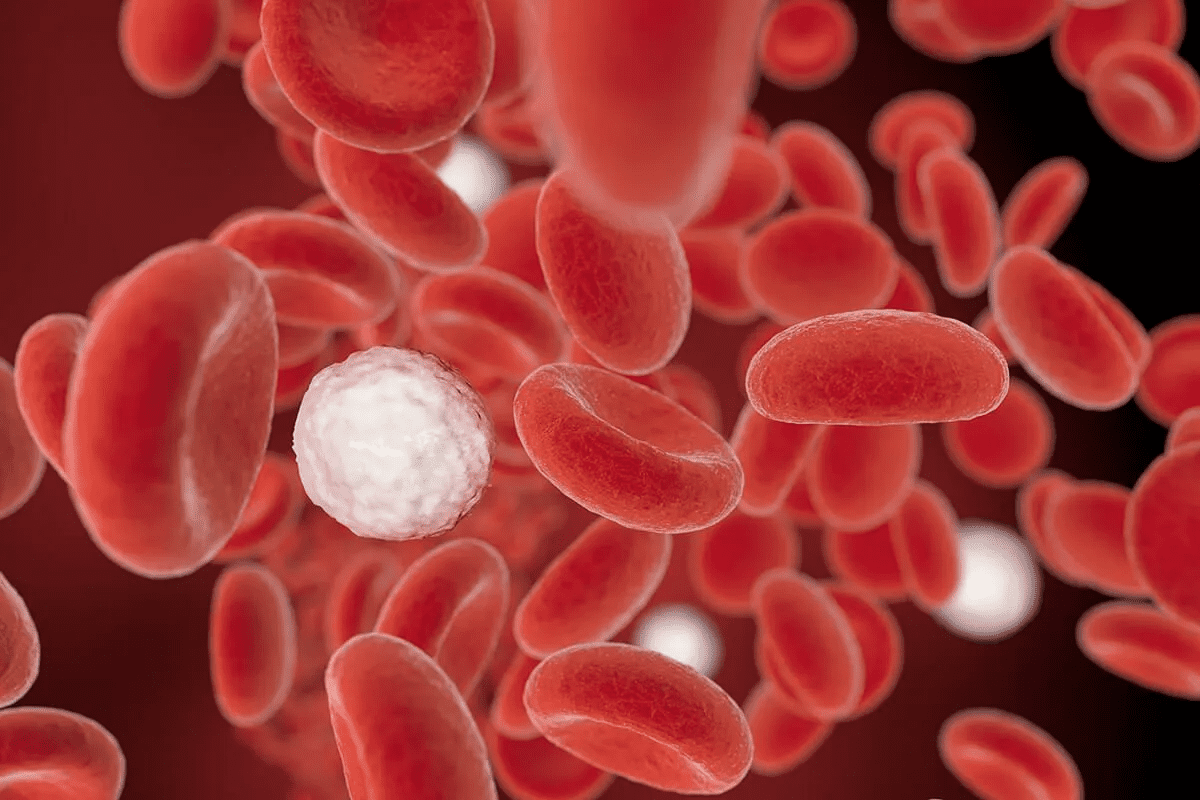
The nadir period is when blood cell counts are lowest after chemotherapy. This usually happens 7-10 days after treatment. During this time, patients are more likely to get infections because of low white blood cell counts. The nadir is a key time to manage chemotherapy side effects, as it shows the highest risk.
White Blood Cell Count Patterns
White blood cell counts, like neutrophils, show how well the body can fight off infections. After chemotherapy, these counts drop, reaching a nadir around day 7, then start to recover. Watching these counts helps doctors know the risk of infection and adjust treatments.
| Day | White Blood Cell Count | Infection Risk |
| 0 | Normal | Low |
| 7 | Low | High |
| 14 | Recovering | Moderate |
Understanding these patterns helps healthcare providers give better support during the critical week. This reduces the risk of complications and improves outcomes for patients getting chemotherapy.
Why Day 7 is Critical in Chemotherapy Treatment
Day 7 is a key moment in chemotherapy. It shows how the treatment affects blood counts and the immune system. Patients often hit their lowest blood cell counts during this time. It’s a time to watch for and manage side effects.
Blood Count Patterns After Chemotherapy
After treatment, blood cell counts follow a pattern. They start to drop and hit their lowest around Day 7 to 10. This time is when the risk of infections, anemia, and bleeding is highest.
| Blood Component | Typical Nadir Timing | Clinical Implication |
| White Blood Cells (WBC) | Day 7-10 | Increased infection risk |
| Red Blood Cells (RBC) | Day 7-14 | Anemia, fatigue |
| Platelets | Day 7-14 | Bleeding risk |
Immune System Vulnerability
The immune system is most vulnerable around Day 7. Chemotherapy-induced neutropenia makes infections more likely. Patients need to avoid getting sick.
Infection Risk Assessment
It’s important to check for infection risk during this time. The type of chemotherapy, age, and health all play a part. Does chemo make you tired? Yes, it can, due to anemia and the body’s reaction to treatment. Watch for fever, chills, or a cough, and tell your doctor right away.
Knowing the risks of chemotherapy helps patients get through this tough time. By Day 14 to 21, counts usually start to go back up. But, this can change based on the treatment and the patient.
Common Chemotherapy Side Effects During the 7 Day Period
Chemotherapy side effects can vary among patients. But, some symptoms are common during the 7-day nadir period. Knowing these side effects helps manage them better and improves patient outcomes.
Hematological Side Effects
Hematological side effects are a big concern during the 7-day period. These include:
- Neutropenia: A decrease in neutrophil count, increasing the risk of infection.
- Anemia: Reduced red blood cell count, leading to fatigue and weakness.
- Thrombocytopenia: Lowered platelet count, which can cause bruising and bleeding.
| Hematological Side Effect | Symptoms | Management Strategies |
| Neutropenia | Increased infection risk | Prophylactic antibiotics, monitoring |
| Anemia | Fatigue, weakness | Iron supplements, blood transfusions |
| Thrombocytopenia | Bruising, bleeding | Platelet transfusions, careful monitoring |
Gastrointestinal Side Effects
Gastrointestinal side effects are common, affecting the digestive system. Issues include:
- Nausea and Vomiting: Managed with antiemetic medications.
- Mucositis: Inflammation of the mucous membranes, potentially causing pain and difficulty eating.
- Diarrhea or Constipation: Depending on the chemotherapy regimen, patients may experience either.
Nausea after chemotherapy is a common complaint. While antiemetic drugs can help, some patients face significant discomfort.
Other Physical Symptoms
Other physical symptoms can greatly impact a patient’s quality of life. These include:
- Hair Loss: Hair loss chemotherapy is a well-known side effect, affecting many patients emotionally.
- Fatigue: Persistent tiredness that can be debilitating.
- Skin Changes: Rashes, dryness, or other dermatological issues.
Understanding these side effects helps patients and healthcare providers prepare and manage them better. This improves the overall chemotherapy experience.
Managing Chemotherapy Side Effects During the Critical Week
Managing side effects is key after chemotherapy. It’s important for patients and caregivers. Good management helps keep the patient’s quality of life high and treatment successful.
Medical Interventions
Doctors use medicines to help with side effects. For example, they might give drugs to stop nausea or pain. This helps patients feel better.
Common Medical Interventions:
- Anti-emetic medications
- Pain management drugs
- Growth factors to stimulate blood cell production
Self-Care Strategies
Self-care is also important. Patients can rest, eat well, and drink water. These actions help fight side effects.
Practical comfort items, such as blankets, nutritional supplements, and personal care products, can help patients manage the critical week.
Medication Management
Managing medicines is key. Patients should take their medicines as told and watch for side effects. Using a pill box or app can help keep track of medicines.
| Medication Type | Purpose | Common Side Effects |
| Anti-emetics | Prevent nausea and vomiting | Headache, dizziness |
| Pain management drugs | Relieve pain | Drowsiness, constipation |
| Growth factors | Stimulate blood cell production | Bone pain, fatigue |
By using medicines, self-care, and managing medicines well, patients can handle chemotherapy’s tough week better.
Monitoring Health During the 7 Day Window
When patients get chemotherapy, it’s key to watch their health closely for 7 days. This time is risky because the immune system is weakened. This makes it easier for infections and other problems to happen.
Important Vital Signs to Track
Patients need to keep an eye on their vital signs like temperature, blood pressure, and heart rate. A high temperature can mean an infection is starting. It’s important to know what your normal vital signs are and to notice if they change.
Checking blood pressure and heart rate can also show how the body is doing with the treatment. If these numbers are way off, tell your doctor right away.
When to Contact Your Healthcare Provider
Knowing when to call for help is vital. Look out for fever over 100.4°F (38°C), extreme tiredness, non-stop vomiting, or signs of infection like chills or a long cough. Getting help early can stop these issues from getting worse.
Make sure you have your healthcare team’s contact info. Know how to reach them if it’s after hours or on weekends.
Technology-Assisted Monitoring Options
Thanks to telehealth, there are new ways to keep an eye on health. You can use apps to track symptoms, wearables for vital signs, and even talk to doctors online. Telehealth can help by getting you the care you need without having to go to the hospital.
Talk to your doctor about what tech tools might work best for you.
Nutritional Support During the Nadir Period
Nutritional support is key during the nadir period after chemotherapy. It helps manage side effects and aids in recovery. The nadir period, 7-14 days after chemotherapy, is when blood cell counts are lowest. This makes patients more prone to infections and complications.
Recommended Foods and Supplements
During this critical time, eating nutrient-rich foods is important. We suggest:
- High-protein foods like lean meats, fish, eggs, and legumes to support muscle mass and immune function.
- Complex carbohydrates such as whole grains, fruits, and vegetables to provide energy and fiber.
- Probiotics found in yogurt and fermented foods to support gut health.
Supplements can also help meet nutritional needs. But, always talk to a healthcare provider before adding any supplements.
Foods to Avoid
Some foods can increase the risk of infection or worsen side effects during the nadir period. We advise avoiding:
- Raw or undercooked foods, including raw eggs, undercooked meat, and unpasteurized dairy products.
- High-risk foods like deli meats and hot dogs unless they are heated to steaming hot.
- Foods high in sugar, salt, and unhealthy fats that can cause discomfort or worsen side effects.
Hydration Guidelines
Staying hydrated is essential during chemotherapy, even more so during the nadir period. We recommend:
- Drinking at least 8-10 cups (64-80 ounces) of fluid per day.
- Increasing fluid intake if you experience fever, vomiting, or diarrhea.
- Avoiding caffeinated and alcoholic beverages that can act as diuretics.
Here is a summary of nutritional recommendations during the nadir period:
| Nutritional Element | Recommendation |
| Protein | Lean meats, fish, eggs, legumes |
| Carbohydrates | Whole grains, fruits, vegetables |
| Probiotics | Yogurt, fermented foods |
| Fluids | Water, clear broths |
By focusing on a balanced diet and staying hydrated, patients can better manage the nadir period. This supports their overall health during chemotherapy.
The 7 Day Rule Across Different Chemotherapy Regimens
It’s important to know how the 7 Day Rule works with different chemotherapy plans. Chemotherapy plans change a lot based on the cancer type, its stage, and the patient’s health.
Variations by Cancer Type
The 7 Day Rule changes for different cancers. For fast-growing cancers like some leukemias, doctors might use stronger treatments. This can change how they follow the 7 Day Rule.
For breast cancer, doctors often use a mix of drugs in cycles. They watch for side effects closely during the 7 Day Rule. But for lymphomas, the treatment and 7 Day Rule can change based on the type and how aggressive it is.
| Cancer Type | Chemotherapy Regimen | Application of 7 Day Rule |
| Breast Cancer | Combination Therapy | Monitoring for neutropenia |
| Leukemia | Aggressive Chemotherapy | Close surveillance for infection |
| Lymphoma | Variable Intensity | Adjusted based on lymphoma subtype |
Differences in Treatment Protocols
Chemotherapy plans can vary a lot between doctors and hospitals. These differences can affect how they use the 7 Day Rule. Some might watch patients more closely, while others might ask patients how they feel.
Personalized medicine is key in modern chemotherapy. Treatments are made just for each patient, based on their genes, health, and cancer type. This means the 7 Day Rule is adjusted for each person’s needs.
Adjustments for Individual Patient Needs
Changing the 7 Day Rule for each patient is very important. Doctors consider the patient’s age, health problems, and how well they’ve done with treatment before. This helps make the treatment and its monitoring better for each person.
Older patients might get less intense treatments because their bodies can’t handle as much. The 7 Day Rule is used carefully to keep side effects low while keeping the treatment effective.
- Assessment of patient health status
- Modification of chemotherapy dosages
- Enhanced monitoring during the 7 Day period
By tailoring the 7 Day Rule to each patient’s chemotherapy and health, doctors can improve treatment results and reduce bad side effects.
Consequences of Not Following the 7 Day Rule
Not following the 7 Day Rule in chemotherapy can have serious effects. It can harm both treatment results and patient health. Deviating from this rule can lead to many complications that affect health and recovery.
Potential Complications
Ignoring the 7 Day Rule can cause several problems, including:
- Increased risk of infection due to a weakened immune system
- Severe side effects such as nausea, fatigue, and hair loss
- Potential for chemotherapy-induced neutropenia, a condition characterized by abnormally low levels of neutrophils
These issues can be serious and might need extra medical help. This could also slow down the treatment process.
Impact on Treatment Efficacy
Not sticking to the 7 Day Rule can also harm the treatment’s success. If the treatment schedule is not followed, cancer cells might not be targeted well. This could lead to lower treatment results.
| Treatment Adherence | Treatment Efficacy |
| Following 7 Day Rule | High efficacy, better cancer cell targeting |
| Not following 7 Day Rule | Reduced efficacy, possible treatment failure |
Recovery Delays
Not following the 7 Day Rule can also cause recovery delays after chemotherapy. If the body doesn’t get enough time to rest between treatments, it can face more fatigue and infections. This can lead to other problems after treatment.
We know how important it is to follow the 7 Day Rule. It helps avoid complications and ensures the best treatment results. By sticking to the treatment schedule, patients can manage side effects better. This improves their life quality during and after chemotherapy.
Patient Experiences with the 7 Day Rule
Chemotherapy treatment is tough, but knowing the 7 Day Rule helps a lot. People’s experiences differ, yet common themes and strategies emerge.
Personal Testimonials
Many patients have shared their struggles with the 7 Day Rule. For example, Sarah, a breast cancer survivor, said, “The week after my chemotherapy was the hardest. I felt weak and sick, but knowing it was temporary helped me get through.”
These stories show how important mental prep and support are. Patients feel more in control when they know what to expect.
Coping Strategies from Survivors
Survivors find unique ways to deal with chemotherapy side effects. Some strategies include:
- Maintaining a journal to track symptoms and emotions
- Engaging in light physical activities like yoga or short walks
- Staying connected with family and friends through regular calls or video chats
- Using meditation and deep breathing exercises to manage stress
These strategies are very helpful for those going through chemotherapy.
Lessons Learned
One big lesson from patients is the value of being flexible and resilient. As one patient said, “You can’t prepare for everything, but being flexible and adaptable is key.”
Sharing these experiences and strategies helps support patients on their treatment journeys.
Support Systems for Navigating Chemotherapy Side Effects
Chemotherapy is easier with the right support. Patients face many challenges, from side effects to emotional strain. A good support system helps them deal with these issues.
Medical Support Resources
Medical support is key for chemotherapy care. Healthcare pros in oncology offer guidance on side effects and treatment. Oncology nurses are important, helping with chemotherapy and side effects.
Cancer treatment centers have multidisciplinary teams. These teams include doctors, nutritionists, and social workers. They make sure patients get all-around care.
Community and Family Support
Family and community support is also vital. They offer emotional and practical help. Family and friends can help with daily tasks and be there for emotional support.
Local cancer support groups are also helpful. They let patients share their stories and get support from others. It’s a place to learn and get advice.
Online Support Groups
Online support groups are a big help too. They let patients connect with others who get what they’re going through. It’s a place to share and get support.
Many online forums and social media groups focus on cancer support. They offer a community, advice on side effects, and emotional support. It’s a great way to connect and get help.
With these support systems, chemotherapy patients can handle their treatment better. It improves their quality of life.
Special Considerations for Different Patient Populations
It’s important to know the special needs of different patients. This includes the elderly, those with health issues, and kids. Each group has its own challenges that need a personal touch.
Elderly Patients
Elderly patients face extra hurdles with chemotherapy. They might have less energy, health problems, and take many medicines. “The elderly are more at risk for chemotherapy side effects,” a study found.
“Older adults are at higher risk for chemotherapy-related toxicity due to age-related changes in drug pharmacokinetics and pharmacodynamics.”
We need to look at their health, how well they can function, and their support system before starting treatment.
Key considerations for elderly patients include:
- Comprehensive geriatric assessment to evaluate functional status and comorbidities
- Adjustments in chemotherapy dosing based on renal function and other factors
- Close monitoring for toxicity and side effects
Patients with Comorbidities
Patients with health issues like diabetes or heart disease need special care with chemotherapy. These conditions can change what treatments are best, how much to take, and if extra support is needed. We watch them closely for any bad interactions between their health issues and treatment.
For example, heart disease patients need to be watched closely during treatment, because some treatments can harm the heart. Making treatment plans that fit their health issues is key to keeping them safe.
Pediatric Patients
Kids getting chemotherapy have special needs because of their growing bodies and the long-term effects of treatment. “Chemotherapy in kids needs careful thought about long-term effects on growth and health,” pediatric guidelines say. We work with pediatric experts to make plans that work well and are safe for the long run.
Special considerations for pediatric patients include:
- Age-specific dosing and scheduling of chemotherapy
- Monitoring for possible late effects on growth and development
- Support for the child’s educational and psychological needs during treatment
By understanding and meeting the unique needs of different patients, we can offer better and kinder chemotherapy care.
Conclusion: Empowering Yourself Through the Chemotherapy Journey
Understanding the 7 Day Rule is key for patients going through chemotherapy. It helps them manage side effects and make smart choices. This knowledge lets patients take charge of their care.
Being empowered in chemotherapy means more than just knowing facts. It’s also about getting support and advice. We’ve looked at many parts of chemotherapy, like the 7 Day Rule and how to handle side effects. With confidence, patients can make their treatment better.
Empowerment in cancer care is about controlling your health path. Patients, families, and doctors working together makes treatment easier. We urge patients to keep learning, ask questions, and get help when they need it. This way, they can have a more positive and empowering chemotherapy journey.
FAQ
What is the7 Day Rule in chemotherapy?
The7 Day Rule in chemotherapy is a key time frame. It’s around Day 7 after treatment starts. During this time, patients face a high risk of side effects due to low blood counts.
Why is Day 7 critical in chemotherapy treatment?
Day 7 is important because it’s when blood cell counts hit their lowest. This makes patients more likely to get infections and face other serious issues.
What are common chemotherapy side effects during the7 Day Period?
Side effects during this time include low white blood cell counts and issues like nausea and diarrhea. Patients also often feel tired and may lose their hair.
How can chemotherapy side effects be managed during the critical week?
Managing side effects involves medical help and self-care. Eating well and staying hydrated are key. Also, using the right medications can help lessen side effects.
What nutritional support is recommended during the nadir period?
It’s advised to eat foods rich in nutrients and avoid foods that could lead to infections. Drinking plenty of water helps the body recover from chemotherapy.
How does the7 Day Rule apply across different chemotherapy regimens?
The rule’s application varies based on the cancer type, treatment plans, and individual needs. This means each patient gets a personalized approach to care.
What are the consequences of not following the7 Day Rule?
Ignoring the7 Day Rule can increase the risk of serious complications. It can also make treatment less effective and slow down recovery.
How can patients cope with the challenges of the7 Day Rule?
Patients can find support in personal stories, coping strategies from survivors, and lessons from others who’ve gone through similar experiences.
What support systems are available for patients undergoing chemotherapy?
Support includes medical help, family and community support, and online groups. These resources offer a wide network for patients.
Are there special considerations for different patient populations?
Yes, elderly patients, those with other health issues, and children have unique needs. They require special care tailored to their specific challenges.
How can patients empower themselves throughout the chemotherapy journey?
Patients can empower themselves by understanding their treatment, managing side effects well, and using support systems. This helps them successfully navigate their chemotherapy journey.
National Center for Biotechnology Information. Evidence-Based Medical Insight. Retrieved from https://pubmed.ncbi.nlm.nih.gov/9313488/
National Center for Biotechnology Information. Evidence-Based Medical Insight. Retrieved from https://pubmed.ncbi.nlm.nih.gov/9313488/
National Center for Biotechnology Information. Evidence-Based Medical Insight. Retrieved from https://pubmed.ncbi.nlm.nih.gov/9313488/