Last Updated on November 26, 2025 by Bilal Hasdemir
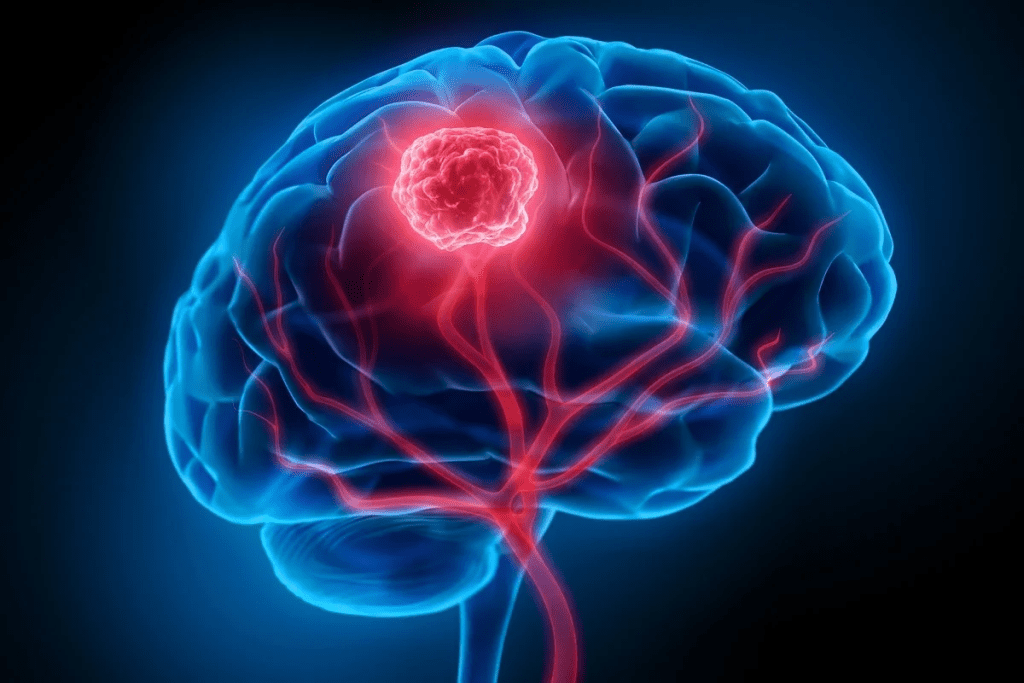
chemotherapy tumor response
Getting a cancer diagnosis can change your life. Every year, over 1.8 million people in the U.S. are diagnosed with cancer. Many will get chemotherapy as part of their treatment.
The path through cancer treatment is complex and can feel overwhelming. Chemotherapy is a common way to shrink tumors and stop cancer cells from growing. It’s important for patients and their families to understand how cancer treatment outcomes are affected by chemotherapy.
Key Takeaways
- Chemotherapy is a widely used treatment for various types of cancer.
- The effectiveness of chemotherapy can vary based on the type and stage of cancer.
- Understanding chemotherapy tumor response is key to managing cancer treatment.
- Cancer treatment outcomes depend on multiple factors, including the patient’s overall health.
- Patients should discuss their treatment options and expected outcomes with their healthcare provider.
The Fundamentals of Chemotherapy

Chemotherapy is key in fighting cancer. It targets and kills fast-growing cancer cells. This treatment gives hope to people all over the world.
How Chemotherapy Targets Cancer Cells
Chemotherapy finds and attacks cells that grow quickly, like cancer cells. Chemotherapy agents mess with cell division. This stops tumors from growing and helps ease cancer symptoms.
Different Types of Chemotherapy Agents
There are many chemotherapy agents, each fighting cancer in its own way. These include:
- Alkylating agents, which damage DNA in cancer cells to stop them from growing.
- Antimetabolites, which block DNA and RNA production needed for cell division.
- Anthracyclines, a type of antibiotic that stops DNA strands from moving, slowing cancer cells.
These agents can be used alone or together, based on the cancer type and stage. Choosing the right agent is crucial for effective treatment.
It’s important for patients to understand how chemotherapy works. By targeting fast-growing cells, it helps shrink tumors and manage cancer.
Initial Timeline: When to Expect Results

The time it takes for tumors to shrink after chemotherapy varies. Some tumors may start to shrink after just one treatment. Others might need more treatments before any changes are seen.
First Signs of Tumor Response
The first signs of a tumor responding to chemotherapy can be hard to spot. We watch for these changes closely. This includes imaging studies like CT scans or MRI, and physical exams and lab tests.
- Reduction in tumor size visible on imaging studies
- Improvement in symptoms related to the tumor, such as pain or difficulty breathing
- Normalization of tumor markers in blood tests
These early signs show that the tumor is reacting to the treatment. We then adjust the treatment plan as needed.
The Importance of Patience During Treatment
Being patient is key during chemotherapy. The process can take a while, and results may not come right away. It’s important to stick to the treatment plan and keep all appointments for check-ups.
Key factors that require patience include:
- Allowing enough time for the chemotherapy to work
- Understanding that everyone reacts differently to treatment
- Keeping in touch with your healthcare team about any issues or side effects
By being patient and sticking to the treatment plan, patients can increase their chances of success. We’re here to support our patients every step of the way, offering the care and guidance they need during chemotherapy.
Average Tumor Shrinkage Rates
Tumor shrinkage rates during chemotherapy offer insights into treatment success. These rates help patients and doctors see how well the treatment is working. This information aids in making decisions about ongoing care.
Common Response Patterns
Chemotherapy’s effect on tumors varies among patients. There are three main patterns: rapid shrinkage, gradual reduction, and stable disease.
Rapid Shrinkage: Sometimes, tumors shrink quickly in the first few cycles. This is common in cancers that respond well to treatment.
Gradual Reduction: More often, tumors shrink slowly over several cycles. This is typical for many cancers.
Stable Disease: In some cases, tumors don’t shrink but don’t grow either. This means the disease isn’t getting worse.
What Constitutes a “Good” Response
A “good” response to chemotherapy means significant tumor shrinkage or stability. The criteria depend on the cancer type and treatment goals.
| Response Category | Description |
| Complete Response | The tumor is no longer detectable. |
| Partial Response | The tumor has shrunk by at least 30%. |
| Stable Disease | The tumor size has not changed significantly. |
| Progressive Disease | The tumor has grown despite treatment. |
Understanding average tumor shrinkage rates and what makes a “good” response is key. It helps doctors tailor treatments to each patient. This approach improves outcomes and quality of life.
Understanding Chemotherapy Tumor Response Patterns
Tumors react differently to chemotherapy, and knowing these patterns is crucial. The response can vary based on the cancer type, its aggressiveness, and the chemotherapy used.
Primary vs. Secondary Response
Chemotherapy can cause two types of tumor responses: primary and secondary. A primary response is when the tumor first reacts to treatment, showing a size reduction or lower tumor markers. A secondary response happens when the tumor keeps responding over time, possibly shrinking more or staying stable.
It’s important to know the difference between these responses. This helps manage patient hopes and adjust treatment plans.
Response Duration and Sustainability
How long and well a tumor responds to chemotherapy is key to patient outcomes. A long-lasting response means the tumor stays controlled for a long time, which is usually good news.
Many things can affect how long a tumor response lasts. These include how well the chemotherapy works, how well the patient follows the treatment, and any health issues they might have.
| Response Type | Characteristics | Clinical Implications |
| Primary Response | Initial reduction in tumor size or markers | Early indication of treatment effectiveness |
| Secondary Response | Continued response over time, potentially leading to further shrinkage or stabilization | Long-term control of tumor growth |
Understanding how tumors respond to chemotherapy helps doctors evaluate treatment success. This knowledge guides decisions about ongoing care.
Factors Affecting Tumor Shrinkage Speed
The speed at which tumors shrink during chemo depends on many things. Knowing these can help both patients and doctors understand treatment results better.
Cancer Type and Stage
The type and stage of cancer greatly affect how fast tumors shrink with chemo. Some cancers, like lymphoma and leukemia, quickly respond to chemo. But, solid tumors might be harder to shrink.
Cancer stage is also key. Early-stage cancers usually shrink faster and better with chemo than those that are more advanced.
Tumor Characteristics
The size, location, and genetics of a tumor also matter. Bigger tumors take longer to shrink, even if they’re the same type as smaller ones.
The genetic profile of a tumor can make it more or less likely to shrink with certain chemo drugs. Tumors with specific genetic changes might shrink faster with certain treatments.
Patient-Specific Factors
Things like age, health, and how well someone can handle side effects also play a big role. Younger, healthier patients often do better with chemo, leading to faster tumor shrinkage.
Also, a patient’s genetic makeup can affect how their body breaks down chemo drugs. This can change how well and fast the treatment works.
Doctors can create more tailored treatment plans by considering these factors. This helps support patients going through chemotherapy more effectively.
Response Variations by Cancer Type
Different cancers react to chemotherapy in different ways. This affects how well treatment works. Knowing these differences helps doctors plan better care for each patient.
Fast-Responding Cancers
Some cancers quickly shrink when treated with chemotherapy. For example, breast cancer and lymphoma can show big changes in just a few treatments. This is because these cancers grow fast and are more likely to be affected by treatment.
A study found that over 70% of aggressive lymphoma patients saw big tumor reductions after three treatments. Quick responses can greatly improve patients’ lives and outcomes.
Moderate-Responding Cancers
Many cancers, like lung cancer and colorectal cancer, take longer to show changes. It might take months before tumors start to shrink noticeably.
- Lung cancer: The type of lung cancer affects how well it responds.
- Colorectal cancer: Using more than one treatment can help more patients.
Slow-Responding or Resistant Cancers
Some cancers don’t shrink much or take a long time to do so. Pancreatic cancer is a prime example. When this happens, doctors might try other treatments or join clinical trials.
“The variability in tumor response to chemotherapy underscores the need for personalized treatment approaches, taking into account the specific characteristics of each patient’s cancer.”
Expert Oncologist
As we learn more about fighting cancer, it’s key to understand how each cancer type reacts. This helps doctors create treatments that work best for each patient. It makes treatment more effective and improves life quality.
Measuring Tumor Shrinkage
Checking how much tumors shrink is key to seeing if chemotherapy works. We use different ways to see if the tumor size goes down. This helps us know if the treatment is effective.
Imaging Techniques
Imaging is very important for checking tumor shrinkage. We often use:
- CT scans: These give detailed pictures of the body. They help us see how big and where tumors are.
- MRI scans: They give high-quality images, especially for tumors in soft tissues.
- PET scans: These show how active tumors are. They help us see if tumors are responding to treatment.
Blood Markers and Tests
We also look at blood markers and tests to see chemo response rates. Some cancers release proteins or markers into the blood. By checking these, we can see how active tumors are and if they’re responding to chemotherapy.
Physical Examination Findings
Physical exams are also very important. They help when tumors are near the skin or can be felt. By watching for changes in these tumors, doctors can learn a lot about how well treatment is working.
By using all these methods, we can fully understand chemotherapy response assessment. This helps us make better choices about treatment.
RECIST Criteria: The Standard for Evaluating Response
The RECIST criteria are the top choice for checking how well tumors react to chemotherapy. They provide a clear way to measure if treatment is working. This makes it easier for doctors to see if chemotherapy is effective.
Complete Response vs. Partial Response
The RECIST criteria divide tumor response into types. A Complete Response means all target lesions have vanished. This shows the treatment was very successful.
A Partial Response means the size of target lesions has dropped by at least 30%. This shows the treatment is working, even if the tumors don’t disappear completely.
We use these categories to see how well a patient is doing with treatment. Knowing the difference between complete and partial responses helps doctors decide if treatment should keep going or change.
Stable Disease vs. Progressive Disease
The RECIST criteria also have Stable Disease. This is when the tumor size hasn’t changed enough to be called a partial response or progressive disease. It means the disease is being controlled, but the treatment isn’t shrinking the tumors a lot.
Progressive Disease is when the tumor size goes up by at least 20%, or new tumors appear. This shows the cancer is getting worse, even with treatment.
It’s important to understand these categories. They help doctors see if chemotherapy is working and if they need to make changes to the treatment plan.
| RECIST Category | Description | Clinical Implication |
| Complete Response | Disappearance of all target lesions | Highly successful treatment outcome |
| Partial Response | At least 30% decrease in the sum of diameters of target lesions | Positive response to treatment |
| Stable Disease | Neither sufficient shrinkage nor increase in tumor size | Disease is under control |
| Progressive Disease | At least 20% increase in the sum of diameters of target lesions, or appearance of new lesions | Cancer is worsening |
Using the RECIST criteria helps doctors consistently check how tumors react to chemotherapy. This makes it easier to find the best treatment for patients.
What Happens When Tumors Don’t Shrink
Tumors that don’t shrink with chemotherapy are a tough challenge. We need to find new ways to help. It’s important to know why they don’t respond.
Understanding Treatment Resistance
Cancer cells can develop ways to avoid chemotherapy. This can happen naturally or because of genetic changes. It’s like the cells find a way to hide from the treatment.
What makes treatment resistance happen? It depends on the cancer type, how advanced it is, and past treatments. Also, certain genetic changes play a role. Knowing this helps us find new ways to treat.
Alternative Treatment Approaches
When chemotherapy doesn’t work, we look for other options. These might include:
- Targeted therapy, which attacks specific cancer growth points.
- Immunotherapy, which uses the body’s immune system to fight cancer.
- Clinical trials, which offer new, experimental treatments.
These options give hope to those whose tumors don’t shrink with traditional treatments. By understanding why treatments fail and trying new approaches, we aim for better results in chemo tumor reduction and tumor shrinkage after chemo.
It’s key to check how well these new strategies work. We watch how patients react and change the plan if needed. This helps make chemotherapy effectiveness better.
Tumor Flare Phenomenon: When Things Look Worse Before Better
Some patients may see their tumors get worse before they get better during chemotherapy. This is called pseudo-progression or tumor flare. It can worry both patients and doctors.
The tumor flare happens when a tumor seems to grow or get more aggressive during treatment. But then, it starts to shrink or respond to the therapy. This temporary worsening can be caused by inflammation, swelling, or the body’s immune response to the tumor.
Recognizing Pseudo-Progression
It’s hard to tell if it’s pseudo-progression or real tumor growth. But, there are signs that might show its pseudo-progression:
- Temporary increase in tumor size or appearance of new lesions
- Presence of inflammation or edema around the tumor
- Improvement in symptoms or tumor markers despite apparent radiological progression
Spotting pseudo-progression is key to not stopping treatment too soon. Tools like PET-CT or MRI can help tell the difference between pseudo-progression and real growth.
When to Be Concerned
Even though pseudo-progression is usually not serious, sometimes a tumor looking worse can mean something more serious:
| Clinical Feature | Pseudo-Progression | True Progression |
| Symptoms | Stable or improving | Worsening |
| Tumor Markers | Decreasing or stable | Increasing |
| Imaging Findings | Temporary increase in size, later decrease | Progressive increase in size |
It’s important for patients to stay in close touch with their healthcare team. This way, they can keep an eye on how the chemotherapy is working and talk about any worries about tumor flare or pseudo-progression.
“Understanding the nuances of tumor response to chemotherapy is crucial for optimizing patient care. Recognizing phenomena like pseudo-progression can help clinicians make informed decisions and avoid unnecessary changes in treatment.”
” Expert Oncologist
Physical Changes During Tumor Shrinkage
When tumors shrink due to chemotherapy, patients see and feel changes. These changes depend on the cancer type, tumor location, and the patient’s health.
Visible and Palpable Changes
One key sign of successful chemotherapy is smaller tumors. Tumors near the skin may shrink and become less visible. The skin over the tumor might also feel less tight or sore.
Patients may notice:
- A decrease in swelling or inflammation
- Changes in the shape or texture of the affected area
- Reduced pain or discomfort
An oncologist, says, “When tumors shrink, it’s a big relief for patients. They feel better and look better too.”
Internal Changes and Symptoms
Not all changes are seen or felt on the outside. Some happen inside the body. For example, shrinking tumors can ease pressure on organs or nerves.
Common internal changes include:
- Improved digestion if the tumor was affecting the gastrointestinal tract
- Enhanced respiratory function if the tumor was near the lungs or airways
- Reduced neurological symptoms if the tumor was pressing on nerves or the brain
“Tumor shrinkage can have many positive effects,” explains. “It’s not just about the tumor size. It’s about improving the patient’s life.”
Managing Side Effects During Tumor Reduction
Chemotherapy aims to shrink tumors, but managing side effects is key. The journey through chemotherapy is tough, not just because of the treatment. Side effects from tumor shrinkage also play a big role.
Common Side Effects Related to Tumor Breakdown
When tumors shrink, patients face various side effects. These include fatigue, nausea, and changes in blood counts. Tumor breakdown can also lead to metabolic changes, which need close monitoring.
“The release of tumor contents into the bloodstream can cause a variety of symptoms,” says a leading oncologist. “It’s a sign that the treatment is working, but it requires careful management to prevent complications.”
Supportive Care Measures
To manage these side effects, we use several supportive care measures. These include:
- Medications to control nausea and pain
- Monitoring of blood counts and metabolic changes
- Hydration and nutritional support
- Emotional and psychological support
By tackling these side effects early, we can enhance patients’ quality of life. Effective management of side effects is crucial. It helps patients stay on track with their treatment, leading to better outcomes.
As we move forward in tumor regression chemotherapy and chemotherapy response assessment, our focus is on supporting patients. We aim to help them through every step of their journey.
Communicating with Your Healthcare Team About Response
To see how well your chemotherapy is working, it’s key to talk clearly with your healthcare team. This helps you understand your tumor response criteria and how your body is doing with the treatment.
It’s important to be active in talking about your progress with your healthcare team. You should ask the right questions and know what symptoms to report.
Questions to Ask About Your Progress
Asking the right questions can give you important insights into your treatment. Some key questions to think about include:
- What are the expected outcomes of my chemotherapy in terms of chemo response evaluation?
- How will we assess the effectiveness of the treatment?
- What are the signs of a positive response, and how will they be monitored?
- Are there any specific side effects or symptoms that I should report immediately?
Knowing how your chemotherapy effectiveness will be measured helps set realistic goals. It also prepares you for what’s next in your treatment.
Tracking and Reporting Symptoms
Keeping a record of your symptoms and any changes is very helpful. This record can include:
| Symptom | Date | Severity | Notes |
| Fatigue | 02/15 | Moderate | Increased tiredness after treatment |
| Nausea | 02/16 | Mild | Managed with medication |
| Pain | 02/17 | Severe | Required additional pain management |
Telling your healthcare team about your symptoms helps them adjust your treatment plan. This makes your treatment more effective.
By keeping the lines of communication open and tracking your symptoms, you and your healthcare team can work better together. This helps make your chemotherapy treatment better and improves your chances of success.
Modern Approaches to Enhance Tumor Response
Modern oncology has evolved a lot. We now use many strategies to make tumors respond better to chemotherapy. Our growing knowledge of cancer biology helps us create more targeted and effective treatments.
Combination Therapies
Combination therapies are a key strategy. By mixing different chemotherapy agents or adding other treatments, we can hit cancer cells harder.
This multi-faceted approach can lead to better tumor shrinkage. For example, combining chemotherapy with targeted therapy can make treatments more effective.
| Therapy Type | Mechanism of Action | Potential Benefits |
| Chemotherapy + Targeted Therapy | Combines cell-killing chemotherapy with targeted agents that specifically attack cancer cell characteristics | Enhanced tumor shrinkage, reduced side effects |
| Chemotherapy + Immunotherapy | Pairs chemotherapy with treatments that boost the immune system’s ability to fight cancer | Improved response rates, potential for long-term immune memory |
Targeted Agents and Immunotherapy
Targeted agents and immunotherapy are big steps forward in cancer treatment. Targeted agents target specific cancer cell traits. Immunotherapy boosts the immune system’s fight against cancer.
These methods can shrink tumors more effectively with fewer side effects than traditional chemotherapy. For instance, targeted therapies block specific molecular targets that help cancer grow.
Dose-Dense and Metronomic Regimens
Dose-dense and metronomic chemotherapy are new ways to give chemotherapy. Dose-dense means giving higher doses more often. Metronomic means giving low doses continuously.
These methods can attack cancer cells more consistently. Research shows they work well for some cancers.
By using these modern methods, we can make chemotherapy more effective. It’s important to know about these options to make the best treatment choices.
Patient Experiences: Real-World Tumor Shrinkage Stories
Patients who have gone through chemotherapy share their stories. These stories give us a glimpse into how cancer treatment works. They show the different ways people react to chemotherapy.
Success Stories and Timelines
Many patients have seen their tumors shrink a lot during chemotherapy. For example, a woman with stage III breast cancer saw her tumor get much smaller after three treatments. She was completely cured by the end. These success stories show how important it is to have a treatment plan that fits each person.
“I was amazed at how quickly my tumor shrunk after starting chemotherapy,” said a patient with lymphoma. “It was a huge relief to see the positive results on my scans.”
These stories give hope. But they also remind us that everyone’s experience is different. How fast a tumor shrinks depends on many things, like the type of cancer and the treatment.
Coping With Slow Response
Not everyone sees their tumors shrink quickly. Dealing with a slow response can be tough. It’s key to talk openly with your doctor about how you’re doing.
Supportive care measures help a lot. This includes managing pain, getting nutrition advice, and getting help for your mind.
If you’re not seeing results right away, talking to others who have been through it can help.
“I found solace in support groups, where I could share my fears and hopes with others who understood what I was going through,”
said a patient with ovarian cancer.
By hearing these stories, we learn more about how chemotherapy works. We see why getting the right care is so important for good results.
Conclusion: The Journey of Tumor Response to Chemotherapy
Understanding how tumors react to chemotherapy is complex and very personal. We’ve looked at many factors that affect how well chemotherapy works. These include the type of cancer, the tumor’s characteristics, and the patient’s health.
The speed at which tumors shrink with chemotherapy varies a lot. Some cancers quickly respond to treatment, while others need more time or different methods to see a big reduction.
Effective cancer treatment means tailoring it to each patient. By knowing how each person’s tumor responds, doctors can make treatment plans that work best. This approach improves care and outcomes.
Every person’s journey with chemotherapy is different. With medical knowledge and caring, we can help those with cancer get the best results.
FAQ
How does chemotherapy work to shrink tumors?
Chemotherapy targets fast-growing cancer cells. It stops them from growing and multiplying. This leads to the tumor shrinking.
What are the different types of chemotherapy agents used in cancer treatment?
There are many types of chemotherapy agents. These include alkylating agents, anthracyclines, taxanes, and antimetabolites. Each works differently to fight cancer cells.
How long does it take to see results from chemotherapy?
Seeing results from chemotherapy can take time. Most patients start noticing changes after 6-12 weeks of treatment.
What is considered a “good” response to chemotherapy?
A good response means the tumor size has significantly decreased. This is often seen on CT scans. It’s called complete or partial response.
What factors influence the speed of tumor shrinkage during chemotherapy?
Several things affect how fast tumors shrink. These include the cancer type and stage, and the patient’s health and genetics.
How do different types of cancer respond to chemotherapy?
Cancers react differently to chemotherapy. Some, like lymphomas and leukemias, respond quickly. Others, like sarcomas, may take longer or not respond at all.
How is tumor shrinkage measured during chemotherapy?
Tumor shrinkage is measured in several ways. These include CT scans, blood tests, and physical exams. They help see how well treatment is working.
What is the RECIST criteria, and how is it used to evaluate response?
The RECIST criteria is a way to measure treatment success. It looks at tumor size and other factors. It categorizes responses as complete, partial, stable, or progressive disease.
What happens when tumors don’t respond to chemotherapy?
If tumors don’t shrink, it means treatment resistance might be present. Doctors might then try different treatments, like new chemotherapy or targeted therapy.
What is tumor flare phenomenon, and when should I be concerned?
Tumor flare phenomenon is when a tumor seems to grow but is actually inflamed. It’s a concern and should be discussed with your doctor.
What physical changes can I expect as tumors shrink during chemotherapy?
Shrinking tumors can cause noticeable changes. You might see or feel them shrinking. You might also feel less pain or have better organ function.
How can I manage side effects related to tumor shrinkage during chemotherapy?
Managing side effects is important. This can include taking medication, changing your diet, and using other supportive care. It helps with pain, fatigue, and nausea.
Why is it essential to communicate with my healthcare team about my response to chemotherapy?
Talking to your healthcare team is key. It helps them see how you’re doing and adjust your treatment. This ensures you get the best care possible.
What modern approaches are being used to enhance tumor response to chemotherapy?
New ways to fight cancer are being explored. These include combining treatments, using targeted agents, and trying different chemotherapy schedules. They aim to improve how well tumors respond to treatment.
References
- EviQ Cancer Treatments Online. (2025). Safe administration of anti-cancer drugs.https://www.eviq.org.au/clinical-resources/administration-of-anti-cancer-drugs/5-safe-administration-of-anti-cancer-drugs
- Kim, K., & Park, H. (2011). Guideline adherence to chemotherapy administration standards: A systematic review. Asian Pacific Journal of Cancer Prevention, 12(3), 653-660.https://www.ncbi.nlm.nih.gov/pmc/articles/PMC3097335/