Last Updated on November 25, 2025 by Ugurkan Demir
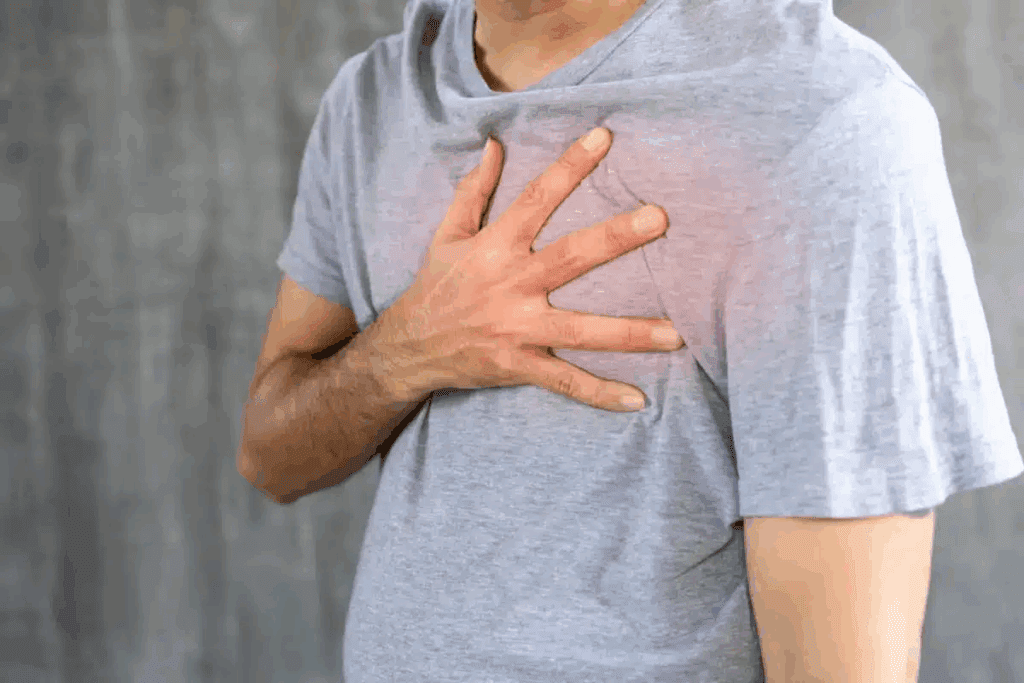
Feeling pain or discomfort in the chest area after a meal can be scary. It can really mess up your day. At Liv Hospital, we get it and want to help you figure out why it happens and how to feel better.
Chest pain after eating can be caused by many things. This includes problems with digestion and how we eat. We’ll look at seven main reasons for this pain and share ways to make it go away.
Key Takeaways
- Identify common causes of chest pain after eating, including digestive issues.
- Understand the link between eating habits and chest discomfort.
- Discover effective remedies for alleviating post-meal chest pain.
- Learn about lifestyle changes that can help prevent heartburn.
- Explore treatment options for managing heartburn and related conditions.
Why Your Chest Hurts After Eating: An Overview
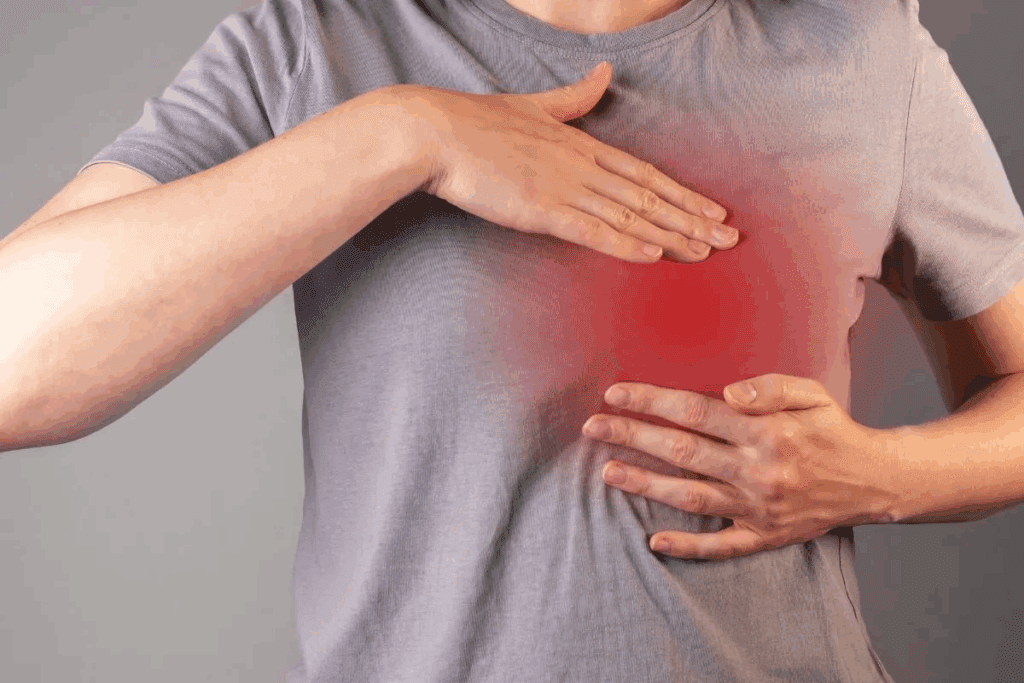
Chest pain after eating is something you should pay attention to. We’ll look at how digestive problems can cause chest pain. This will help you know when to see a doctor.
The Digestive-Chest Pain Connection
Eating can lead to chest pain through many ways. Our digestive system starts working when we eat. This can cause discomfort in some people.
What you eat, how you eat, and your digestive health matter. For example, overeating or eating spicy foods can hurt some people’s chests.
| Condition | Symptoms | Potential Causes |
| Gastroesophageal Reflux Disease (GERD) | Chest pain, heartburn, difficulty swallowing | Stomach acid reflux, weakened lower esophageal sphincter |
| Esophageal Spasms | Chest pain, difficulty swallowing | Abnormal muscle contractions in the esophagus |
| Gallbladder Disease | Right upper abdomen pain, nausea, vomiting | Gallstones, inflammation |
Distinguishing Between Serious and Benign Causes
It’s important to tell the difference between harmless and serious chest pain after eating. Some cases are just minor, but others could be serious.
Think about the pain’s intensity and how long it lasts. Also, consider any other symptoms like shortness of breath or dizziness. And look for things that make the pain worse.
Understanding these points can help you figure out if you need to see a doctor.
Gastroesophageal Reflux Disease (GERD): The Primary Culprit
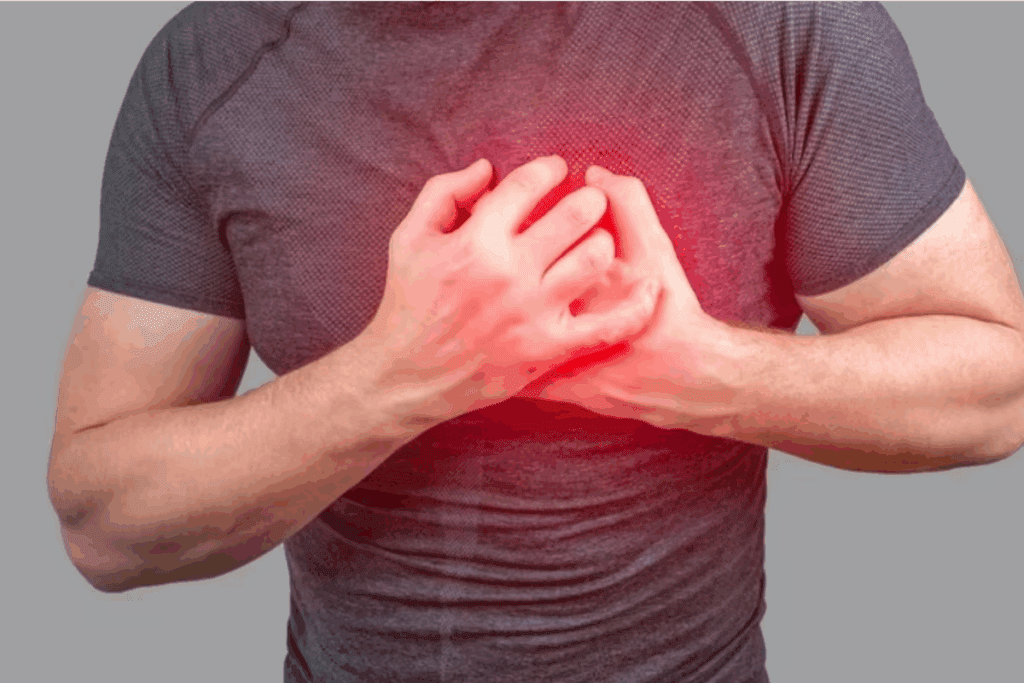
GERD is often seen as the main cause of chest pain after eating. It happens when stomach acid flows back into the esophagus, irritating its lining.
How GERD Triggers Post-Meal Chest Pain
Eating starts the digestive process. For those with GERD, the LES doesn’t close right. This lets stomach acid flow back into the esophagus. This backflow, or acid reflux, can cause a burning sensation in the chest, known as heartburn, and can lead to chest pain after eating.
Identifying GERD Symptoms vs. Heart Issues
Telling GERD symptoms from heart issues is key. Both can cause chest pain, but they come from different places. GERD pain is often with heartburn, food coming back up, and trouble swallowing. Heart pain, on the other hand, might happen when you’re active and can also include shortness of breath, dizziness, or pain in the arm or jaw.
| Symptom | GERD | Heart Issues |
| Chest Pain | Often after eating, accompanied by heartburn | May occur with exertion, not necessarily related to meals |
| Associated Symptoms | Regurgitation, difficulty swallowing | Shortness of breath, dizziness, pain in arm or jaw |
Effective GERD Management Strategies
Managing GERD well can help lessen chest pain after eating. Lifestyle changes are a good start. These include:
- Eating smaller, more frequent meals to reduce pressure on the LES
- Avoiding trigger foods that can cause acid reflux, such as citrus fruits, tomatoes, chocolate, and spicy or fatty foods
- Maintaining a healthy weight to reduce abdominal pressure
- Not lying down after eating and elevating the head of the bed
In some cases, you might need medicine to help. This can reduce acid or help the LES close better. Talking to a healthcare provider is key to finding the right treatment.
Overeating: When Too Much Food Causes Chest Discomfort
Eating too much can put pressure on our digestive system, leading to chest discomfort. This is more common than you might think. Knowing why it happens can help us manage and prevent it.
The Physiological Impact of Large Meals
Large meals make our stomach expand a lot. This expansion can press on the diaphragm. The diaphragm is the muscle between the chest and stomach.
When the diaphragm can’t move down as it should, we might feel breathless or uncomfortable in the chest. Overeating can also cause gastroesophageal reflux. This is when stomach acid flows back into the esophagus, causing irritation and pain in the chest.
Portion Control Techniques to Prevent Pain
Practicing portion control is a great way to avoid chest discomfort after eating. Here are some tips to help manage your meal sizes:
- Use smaller plates to reduce the amount of food you serve yourself.
- Measure out servings according to nutritional guidelines.
- Avoid eating in front of screens or while distracted, as this can lead to overeating.
- Stop eating when you feel satisfied, not when you’re full.
| Technique | Description | Benefit |
| Smaller Plates | Reduces the visual cue of a large meal | Less food consumed |
| Measured Servings | Follows nutritional guidelines | Balanced intake |
| Mindful Eating | Avoids distractions during meals | Better digestion |
Meal Planning for Optimal Digestive Comfort
Planning meals in advance can help prevent overeating and chest discomfort. Choosing balanced meals and snacks keeps your digestive system healthy.
“The way we eat is just as important as what we eat. Taking the time to enjoy our meals and being mindful of our hunger and fullness cues can significantly impact our digestive health.”
To ensure optimal digestive comfort, consider these meal planning strategies:
- Incorporate a variety of foods in your diet to ensure you’re getting all necessary nutrients.
- Avoid heavy meals close to bedtime, as lying down after eating can exacerbate digestive issues.
- Stay hydrated by drinking plenty of water throughout the day.
By understanding the impact of overeating and using strategies like portion control and meal planning, we can reduce chest discomfort after meals.
Eating Too Quickly: A Hidden Trigger for Chest Tightness
Eating fast is a common habit that can cause swallowing air and not chewing food well. This can lead to chest discomfort. Fast eating also means we might eat more calories than we need and face digestive issues like chest pain.
Effects on the Digestive System
Eating too fast can harm our digestive system in many ways. It means we don’t chew food enough, putting extra pressure on our stomach. Also, eating fast often means we swallow air, causing bloating and chest discomfort.
Physiological Impact:
- Inadequate chewing increases the workload on the stomach.
- Swallowing air can lead to bloating and gas.
- Rapid eating can trigger or worsen symptoms of indigestion and acid reflux.
Mindful Eating Practices
Mindful eating is a great way to fight the habit of eating too fast. Being more aware of how we eat can make meals more enjoyable and lower the chance of chest discomfort.
Tips for Mindful Eating:
- Notice the taste, texture, and smell of your food.
- Chew slowly and well.
- Avoid distractions like TV or smartphones during meals.
- Take breaks between bites.
Tools and Techniques to Slow Down
There are many tools and techniques to help us eat slower, improving digestion and reducing chest tightness risk.
| Technique | Description | Benefit |
| Mindful Eating Apps | Apps that guide you through mindful eating exercises. | Helps in being more aware of eating habits. |
| Slower Eating Utensils | Specially designed forks and knives that encourage slower eating. | Reduces eating speed. |
| Meal Planning | Planning meals in advance to avoid rushed eating. | Promotes healthier eating habits. |
“The way we eat is just as important as what we eat. By adopting mindful eating practices, we can significantly improve our digestive health and overall well-being.”
— Dr. [Last Name], Gastroenterologist
Gallbladder Problems and Right-Sided Chest Pain After Eating
Gallbladder issues can cause right-sided chest pain after eating. This symptom is both alarming and debilitating. The gallbladder stores bile to help break down fats. When it’s diseased or inflamed, it can cause a lot of discomfort.
Recognizing Gallbladder-Related Chest Discomfort
Gallbladder-related chest pain often happens after eating, mainly after fatty or greasy foods. The pain is usually in the upper right abdomen and can spread to the right chest. Symptoms also include nausea, vomiting, and fever.
To illustrate the symptoms associated with gallbladder problems, consider the following table:
| Symptom | Description |
| Pain Location | Upper right abdomen, potentially radiating to the right chest |
| Triggers | Fatty or greasy foods |
| Associated Symptoms | Nausea, vomiting, fever |
Foods That Trigger Gallbladder Pain
Certain foods can trigger gallbladder pain, mainly those high in fat. Fried foods, fatty meats, and rich desserts can cause issues. Avoiding these foods is key to managing gallbladder pain.
As a medical expert says, “Dietary changes are often the first step in managing gallbladder disease. Avoiding fatty foods and keeping a healthy weight can help reduce symptoms.”
“The key to managing gallbladder pain is understanding your body’s reaction to different foods and making informed choices to minimize discomfort.”
Treatment Options for Gallbladder Issues
Treatment for gallbladder problems varies based on the cause. For gallstones, surgery to remove the gallbladder (cholecystectomy) is often needed. For inflammation or infection, medication and dietary changes are prescribed.
- Surgical Options: Cholecystectomy for gallstones or severe gallbladder disease.
- Medications: To manage pain, inflammation, or infection.
- Dietary Changes: Avoiding fatty foods, maintaining a healthy weight.
Knowing the treatment options can help individuals make informed decisions about their care. Working closely with their healthcare provider is key to managing symptoms effectively.
Esophageal Spasms: When Your Food Pipe Causes Left Chest Pain
Left chest pain after eating can be scary. It might be due to esophageal spasms. These spasms happen when the esophagus muscles contract too hard or at the wrong time. This can feel like heart pain.
Triggers and Symptoms of Esophageal Dysfunction
Esophageal spasms often start when you eat. They can be triggered by hot, cold food, or eating too fast. Stress and some health issues can also cause them. Symptoms include:
- Chest pain that feels like squeezing
- Hard time swallowing
- Food coming back up
- A feeling of a lump in your throat
Knowing these triggers and symptoms helps us diagnose esophageal spasms right.
Diagnosing Esophageal Spasm-Related Chest Pain
To find out if you have esophageal spasms, we use different tests. We might do:
- Barium swallow: You drink a barium solution to see your esophagus on X-rays.
- Esophageal manometry: This test checks the muscle contractions in your esophagus when you swallow.
- Endoscopy: A flexible tube with a camera looks at your esophagus.
These tools help us figure out if you have esophageal spasms and rule out other chest pain causes.
Effective Management Strategies
Managing esophageal spasms means making lifestyle changes and adjusting your diet. We suggest:
- Eating smaller meals more often to ease strain on your esophagus
- Staying away from foods and drinks that trigger spasms, like very hot or cold items
- Drinking lots of water to help food move through your esophagus
- Using stress-relief methods like deep breathing or meditation
In some cases, we might prescribe medicine to relax your esophagus muscles or manage acid reflux symptoms.
By understanding esophageal spasms and using these strategies, we can lessen left chest pain after eating. This improves your digestive health too.
Peptic Ulcers: Understanding Post-Meal Chest Discomfort
Chest pain after meals can be a sign of peptic ulcers. These are sores on the stomach or duodenum’s lining. It’s important to understand and manage this condition.
Contributing Factors to Chest Pain
Peptic ulcers can cause chest pain after eating. The stomach acid breaks down food. But for those with ulcers, this acid can irritate the sore, causing pain.
Key factors that contribute to ulcer-related chest pain include:
- The size and location of the ulcer
- The amount of acid produced by the stomach
- The type of food consumed
Identifying Ulcer Symptoms
It’s important to know the symptoms of peptic ulcers. Common signs include:
- Chest pain or discomfort after eating
- Bloating and nausea
- Loss of appetite
- Vomiting
If you notice these symptoms, see a doctor for a proper diagnosis.
Treatment and Prevention Strategies
Treating peptic ulcers involves medicine and lifestyle changes. Common treatment approaches include:
- Antacids to neutralize stomach acid
- Proton pump inhibitors to reduce acid production
- Avoiding irritants like spicy foods and alcohol
- Eating smaller, more frequent meals
To prevent peptic ulcers, eat well, manage stress, and avoid NSAIDs. Knowing the causes and using these strategies can help manage ulcers and reduce chest pain after meals.
Cardiac Considerations: Heart-Related Causes of Post-Meal Chest Pain
While digestive issues are often the culprit behind chest pain after eating, it’s vital to consider heart-related causes. The link between eating and heart symptoms can be complex. Understanding this is key for proper diagnosis and treatment.
When Eating Triggers Cardiovascular Symptoms
Eating can trigger various physiological responses that may affect heart function. For some, eating can lead to heart symptoms, including chest pain. This happens because digestion diverts blood flow to the stomach, possibly reducing blood to the heart.
Key factors that contribute to heart-related chest pain after eating include:
- Increased heart rate and blood pressure
- Changes in blood distribution and circulation
- Potential for food sensitivities or intolerances to trigger inflammation
Risk Factors and Warning Signs
Certain individuals are at higher risk for heart-related chest pain after eating. These include those with heart disease, high blood pressure, or diabetes. Recognizing warning signs is key for timely medical intervention.
Warning signs that may indicate a serious cardiac issue include:
- Severe or prolonged chest pain
- Shortness of breath
- Dizziness or lightheadedness
- Pain radiating to the arm, neck, or jaw
Emergency Response and Medical Evaluation
If you experience chest pain after eating that you suspect may be heart-related, seek medical attention promptly. A healthcare professional will conduct a thorough evaluation. This may include an electrocardiogram (ECG), blood tests, and other diagnostic procedures to determine the cause of your symptoms.
In an emergency situation:
- Call local emergency services immediately
- Stay calm and avoid exerting yourself
- Provide as much information as possible to medical responders about your symptoms and medical history
Understanding the cardiac causes of post-meal chest pain and knowing when to seek help can be lifesaving. Always consult with a healthcare provider if you’re concerned about your symptoms.
Conclusion: Taking Control of Your Digestive Health
Understanding why you might feel chest pain after eating is key to better digestion. We’ve looked at many reasons, like GERD, eating too much, and gallbladder issues. Knowing what causes it helps you find ways to feel better.
Improving your digestive health means making smart choices and getting the right medical care. Eating mindfully, eating right, and handling stress can help. We suggest talking to a doctor to figure out what’s wrong and how to fix it.
By being proactive, you can take charge of your digestive health. This means managing chest pain after eating better. With the right advice, changes in your life, and a focus on wellness, you can live a healthier life.
FAQ
Why does my chest hurt after eating?
Chest pain after eating can be caused by many things. This includes digestive problems like GERD, eating too much, or eating too fast. It can also be due to gallbladder issues, esophageal spasms, peptic ulcers, or heart problems.
What is the connection between digestive issues and chest pain?
Digestive issues can cause chest pain because of how close the digestive organs are to the heart and lungs. They share nerve pathways, which can lead to pain being felt in the chest.
How can I distinguish between serious and benign causes of chest pain after eating?
To tell if the pain is serious or not, look at how bad it is, how long it lasts, and what it feels like. Also, watch for any other symptoms. If you’re not sure, it’s best to see a doctor.
Can GERD cause chest pain after eating?
Yes, GERD can cause chest pain after eating. This happens when stomach acid flows back into the esophagus. It irritates the lining and causes discomfort.
How can I manage GERD-related chest pain?
To manage GERD-related chest pain, make lifestyle and dietary changes. Avoid foods that trigger it, eat smaller meals, and keep your bed head elevated.
Can overeating cause chest discomfort?
Yes, overeating can cause chest discomfort. It puts pressure on the stomach, diaphragm, and surrounding organs. This can lead to pain and discomfort.
How can I prevent chest pain caused by overeating?
To prevent chest pain from overeating, practice portion control. Eat smaller meals and avoid foods that make you uncomfortable.
Can eating too quickly trigger chest tightness?
Yes, eating too quickly can cause discomfort, bloating, and chest tightness. This is because swallowing air can put pressure on the stomach and surrounding areas.
How can I slow down my eating pace?
To slow down your eating pace, practice mindful eating. Use tools like timers and take breaks between bites. This can help reduce discomfort.
Can gallbladder problems cause right-sided chest pain after eating?
Yes, gallbladder issues, like gallstones, can cause right-sided chest pain after eating. This is more common after eating fatty or greasy foods.
What are the treatment options for gallbladder issues?
Treatment for gallbladder issues includes dietary changes, medications, and surgery. The choice depends on the condition and its severity.
Can esophageal spasms cause left chest pain after eating?
Yes, esophageal spasms can cause left chest pain after eating. This happens when the muscles in the esophagus contract abnormally, leading to discomfort.
How can I manage esophageal spasm-related chest pain?
To manage esophageal spasm-related chest pain, avoid trigger foods and practice relaxation techniques. Using medications can also help manage symptoms.
Can peptic ulcers cause chest pain after eating?
Yes, peptic ulcers can cause chest pain after eating. The ulcer irritates the surrounding tissues, leading to discomfort.
How can I identify ulcer-specific symptoms?
Ulcer-specific symptoms include burning or gnawing pain. They are often accompanied by nausea, vomiting, and loss of appetite.
Can heart-related conditions cause post-meal chest pain?
Yes, heart-related conditions, like angina or heart attack, can cause post-meal chest pain. This is more common in people with pre-existing heart disease.
What are the risk factors and warning signs for heart-related chest pain?
Risk factors for heart-related chest pain include a history of heart disease, high blood pressure, and high cholesterol. Warning signs include severe, crushing, or radiating pain. Also, watch for shortness of breath, dizziness, or nausea.
Why does my chest hurt every time I eat?
Chest pain after eating may be related to a digestive issue like GERD. It could also be another condition that needs medical attention.
What should I do if I experience chest pain after eating?
If you experience chest pain after eating, seek medical attention. This is to determine the cause and get proper treatment.
Can stress trigger chest pain after eating?
Yes, stress can make digestive issues worse, leading to chest pain after eating. Stress-reducing techniques, like meditation or deep breathing, can help alleviate symptoms.
How can I take control of my digestive health?
To take control of your digestive health, make informed lifestyle choices. Eat a balanced diet, practice portion control, and manage stress. Seek medical attention when needed.
References
- Mwalimu, J., & Cooper, A. (2024). Multiple variations in abdominal aorta branching with special reference to the presence of accessory renal arteries from an East African female cadaver. Surgical and Radiologic Anatomy, 46(8), 929-934. https://www.ncbi.nlm.nih.gov/pmc/articles/PMC11441833/