Last Updated on November 25, 2025 by Ugurkan Demir

Feeling chest pain or tenderness when you touch your chest can be scary. At Liv Hospital, we know how to tell if it’s just muscle soreness or something more serious. Understand chest muscle ache causes, symptoms, and simple steps to find relief and recovery.
The NHS says chest pain can come from many things. This includes heart problems, lung issues, and muscle strain. We’ll look at why your chest muscle ache might happen, like from muscle strain or costochondritis.
It’s key to know the difference between cardiac and non-cardiac chest pain. Our approach is based on solid evidence and puts patients first. This way, we make sure you get the right care for chest pain.
Key Takeaways
- Chest pain can be caused by various conditions, including cardiac issues and musculoskeletal strain.
- Distinguishing between cardiac and non-cardiac chest pain is critical for timely medical attention.
- Muscle strain and conditions like costochondritis can cause chest muscle ache.
- Understanding the underlying reasons for chest pain is vital for effective care.
- Liv Hospital’s patient-centered approach ensures safe and effective care for chest pain.
Chest Muscle Ache: Common Causes and Triggers
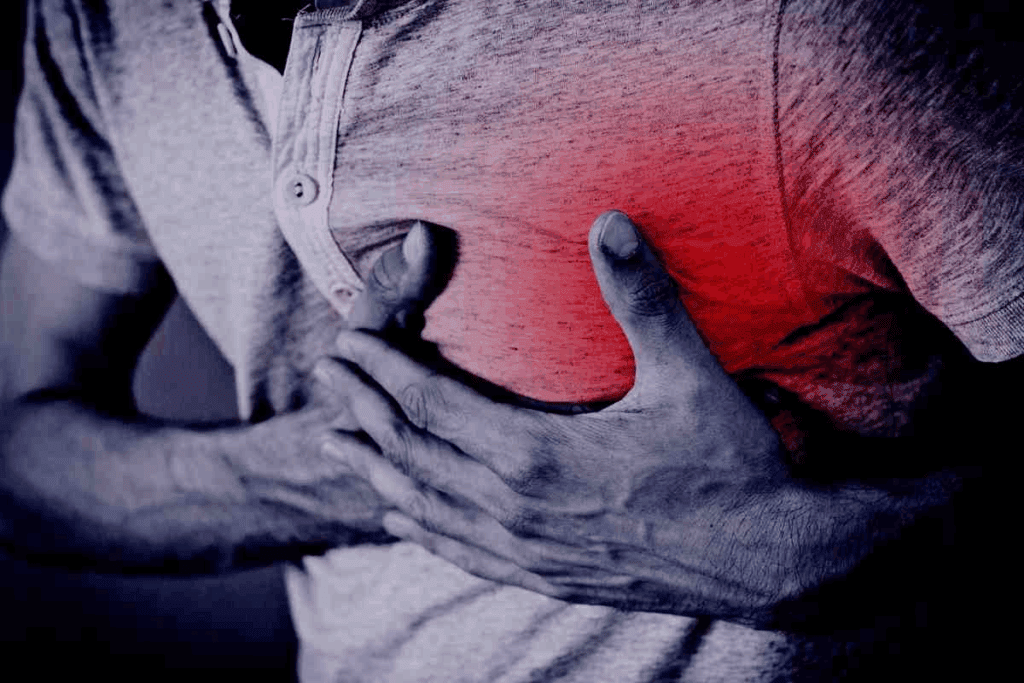
Chest muscle pain can come from many sources, like overdoing it, getting hurt, or doing the same thing over and over. When we do physical activities, our chest muscles work hard. This can cause strain or injury.
Muscle Strain from Exercise or Heavy Lifting
Muscle strain from too much exercise or heavy lifting is a big reason for chest pain. When we push too hard, our chest muscles can get stretched too far or even tear. This leads to pain and discomfort.
Some activities are more likely to cause muscle strain, including:
- Weightlifting or resistance training
- High-intensity interval training (HIIT)
- Aerobic exercises that involve significant arm movement
Trauma and Injury to the Chest Wall
Getting hurt or injured in the chest is another big reason for chest pain. This can happen from accidents, falls, or direct hits to the chest. The impact can bruise, strain, or even break muscles, causing pain that’s usually in the hurt area.
If the injury is serious or the pain doesn’t go away, you should see a doctor. Some injuries might not show up right away.
Repetitive Motion and Poor Posture
Doing the same thing over and over, or having bad posture, can also cause chest pain. Using our chest muscles in the same way, like in sports or jobs, can strain them. Bad posture can also put constant pressure on our chest muscles, causing pain and discomfort.
To fix chest muscle ache from these causes, we need to tackle the root problems. This might mean changing how we exercise, improving our posture, or taking breaks to let our muscles rest.
Costochondritis: When Rib Cartilage Becomes Inflamed
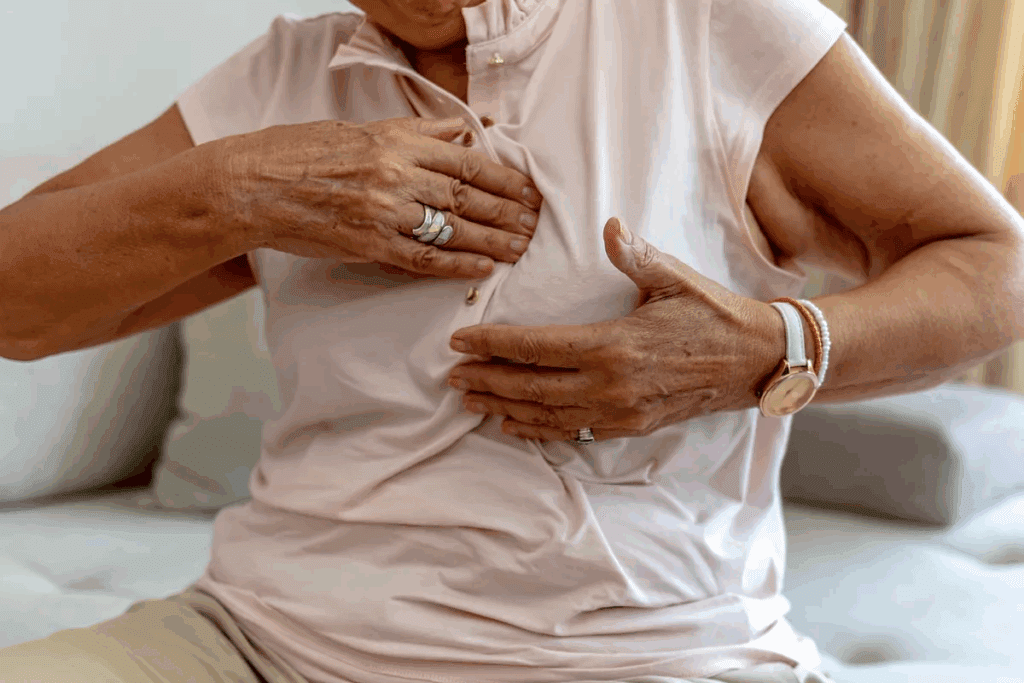
Costochondritis happens when the cartilage between the ribs and sternum gets inflamed. This causes pain and discomfort. It affects the chest area, which can worry people about heart problems because the symptoms are similar.
Symptoms and Diagnostic Criteria
The main symptom of costochondritis is chest pain. This pain can be mild or very severe. It’s sharp and usually felt where the ribs meet the sternum.
To diagnose costochondritis, a doctor will press on the chest to see if it hurts. It’s important to tell the difference between costochondritis and heart problems.
Doctors look for tenderness and pain when they press on the affected areas. Sometimes, they might use X-rays or other tests to check for other conditions.
Risk Factors for Developing Costochondritis
There are several things that can make you more likely to get costochondritis. These include:
- Repetitive strain or overuse of the chest muscles
- Trauma or injury to the chest wall
- Respiratory infections that cause severe coughing
- Arthritis or other inflammatory conditions
Knowing these risk factors can help prevent or manage costochondritis symptoms.
Tietze Syndrome vs. Traditional Costochondritis
Tietze syndrome is similar to costochondritis but involves swelling in the chest area cartilage. The main difference is the swelling in Tietze syndrome, which is not seen in costochondritis. Both cause pain and tenderness, but Tietze syndrome is more localized and affects the upper ribs.
Even though symptoms are similar, swelling is a key sign of Tietze syndrome. Treatment for both conditions usually involves managing pain and reducing inflammation.
Intercostal Muscle Strain: Pain Between the Ribs
When the muscles between your ribs get strained, it can cause pain. This is called intercostal muscle strain. It’s common in people who do a lot of twisting, bending, or heavy lifting.
Causes and Activities That Increase Risk
Intercostal muscle strain happens when these muscles get over-stretched or torn. It can be caused by:
- Sudden or severe twisting or bending
- Direct blows to the chest
- Heavy lifting or strenuous exercise
- Poor posture or repetitive motions
People who do sports or activities that make their chest move a lot are more likely to get this strain.
Recognizing Symptoms and Pain Patterns
The signs of intercostal muscle strain can differ, but often include:
- Pain or tenderness between the ribs
- Sharp pains when breathing, coughing, or moving
- Muscle tension or stiffness in the chest area
Medical Expert, a sports medicine specialist, says, “The pain from intercostal muscle strain can be really bad. It gets worse with movement or deep breathing.”
How Movement and Breathing Affect Pain Levels
Moving and breathing can change how much pain you feel from intercostal muscle strain. Activities like:
- Deep breathing or coughing
- Twisting or bending
- Reaching or lifting
can make the pain worse. It’s important to manage your activities and take breaks to rest and stretch.
“Rest, ice, compression, and elevation (RICE)” are good first steps for managing intercostal muscle strain. Sometimes, physical therapy or medicine is needed to help with pain and healing.
When Chest Tenderness May Signal Serious Conditions
Chest tenderness is often linked to muscle or bone issues. But, it can also hint at more serious problems. It’s key to know the signs that show if it’s just a minor issue or something more dangerous.
Distinguishing Dull Heart Pain from Musculoskeletal Pain
Dull heart pain feels like a heavy or squeezing feeling. It’s a sign of heart problems. On the other hand, muscle or bone pain is usually in one spot and gets worse when you move it.
Knowing the difference is important to figure out why your chest hurts.
- Characteristics of Dull Heart Pain: Often feels like it’s spreading to the arm, neck, or jaw; doesn’t change with movement; might come with shortness of breath or feeling sick.
- Characteristics of Musculoskeletal Pain: Stays in one area; gets sore when touched; gets worse with movement or deep breaths.
Warning Signs That Require Emergency Medical Care
Some symptoms with chest tenderness mean you need to see a doctor right away. The American Heart Association says it’s vital to spot these signs early to avoid serious heart problems.
- Severe or long-lasting chest pain
- Shortness of breath or trouble breathing
- Dizziness or fainting
- Fast or irregular heartbeat
- Chest pain with shivering or fever
If you or someone else has these symptoms, get emergency help fast.
Understanding Referred Pain Patterns
Referred pain is when you feel pain in a different spot than where it’s coming from. For chest tenderness, this can make finding the cause tricky. For example, heart pain might feel like it’s in your arm, neck, or jaw. Lung or pleura pain might feel like it’s in your chest.
Knowing about these pain patterns helps doctors find the real cause of chest tenderness.
Other Medical Conditions Causing Chest Tenderness
Many medical conditions can cause chest tenderness, not just muscle issues. Respiratory infections and fibromyalgia are examples. It’s important to know about these to understand all possible causes of chest pain.
Respiratory Infections and Pleurisy
Respiratory infections like pneumonia can cause chest tenderness. This is due to inflammation in the lungs and airways. Pleurisy, an inflammation of the lining around the lungs, also causes sharp chest pain.
These conditions often come with symptoms like fever, cough, and trouble breathing. If you have these symptoms, it’s important to see a doctor.
When you have chest tenderness and symptoms like coughing or trouble breathing, it might be an infection. It’s key to get medical help quickly. Untreated infections can get worse.
Chest Pain and Shivering: Identifying Possible Infections
Shivering or fever with chest tenderness could mean an infection. Pneumonia or tuberculosis can cause this. It’s important to see a doctor to figure out the right treatment.
Some infections are viral, while others are bacterial. Knowing the cause helps doctors choose the right treatment, like antiviral meds or antibiotics.
Fibromyalgia and Chronic Pain Syndromes
Fibromyalgia, a chronic pain condition, can also cause chest tenderness. People with fibromyalgia often have tender spots, including the chest. This condition also brings fatigue, sleep problems, and brain fog.
Managing fibromyalgia-related chest tenderness needs a mix of treatments. This includes medicine, lifestyle changes, and therapies like acupuncture or physical therapy. Knowing how fibromyalgia affects the chest helps in finding the right treatment.
Anxiety and Stress-Related Chest Wall Pain
Anxiety and stress can cause chest pain. This pain is often due to muscle tension and gets worse with stress. It’s important to recognize this connection for proper management.
Managing anxiety-related chest pain might include stress-reduction techniques, therapy, or medicine. It’s also important to rule out serious heart problems with a medical check-up.
Diagnosing the Cause of Your Chest Pain
Figuring out why you have chest pain involves a few steps. You need to share important details with your doctor, get a physical check-up, and possibly undergo tests. This careful process helps find out what’s causing your pain.
Important Information to Share With Your Doctor
Telling your doctor everything about your chest pain is key. Share where it hurts, how bad it is, and how long it lasts. Also, mention what makes it better or worse.
- When the pain started and how long it lasts
- Any activities or circumstances that trigger or worsen the pain
- Any associated symptoms, such as shortness of breath or dizziness
- Your medical history, including any previous heart conditions or risk factors
Physical Examination Techniques
A physical check-up is a big part of figuring out chest pain. Doctors use different methods to look at your chest and nearby areas.
Common physical examination techniques include:
| Technique | Purpose |
| Palpation | To check for tenderness or abnormalities in the chest wall |
| Auscultation | To listen to heart and lung sounds |
| Inspection | To observe the chest for any visible abnormalities or signs of injury |
Diagnostic Tests and Imaging
Tests and images are often needed to understand chest pain better. These can be simple lab tests or more complex imaging.
Common diagnostic tests include:
- Electrocardiogram (ECG) to assess heart function
- Chest X-ray to visualize the lungs and heart
- Blood tests to check for signs of heart damage or other conditions
- Advanced imaging like CT scans or MRI for detailed views of the chest
Treatment Options for Chest Pain That’s Sore to Touch
When chest pain is sensitive to touch, finding the right treatment is key. It’s important to address the pain and find out why it’s happening. The treatment plan will depend on the diagnosis, how severe it is, and how it affects your daily life.
Home Remedies and Self-Care Strategies
For mild chest pain, simple home remedies can help. Using heat or cold packs on the area can ease pain and swelling. You can also try over-the-counter pain relievers like ibuprofen or acetaminophen, but only after talking to a doctor.
Resting and avoiding hard activities are also good ideas. Keeping a good posture and taking breaks if you do repetitive tasks can also help prevent making the pain worse.
Medications for Pain and Inflammation
If the pain is more severe, a doctor might prescribe stronger pain relievers or anti-inflammatory drugs. These can be very helpful for conditions like costochondritis or Tietze syndrome.
It’s important to follow the doctor’s advice on how much to take and for how long. This helps avoid side effects and makes sure the treatment works well.
Physical Therapy and Rehabilitation Approaches
Physical therapy is also a big help in recovery. It can improve your flexibility, strength, and posture. A physical therapist will create a special exercise plan just for you.
These exercises might include stretching, strengthening your chest and back muscles, and improving your posture. All these are part of a physical therapy plan for chest pain.
When to Consider More Advanced Interventions
In some cases, you might need more serious treatments. This could be corticosteroid injections for bad inflammation or, rarely, surgery for severe costochondritis or other structural problems.
A doctor will talk about these options with you and help decide what’s best based on your situation.
| Treatment Option | Description | Benefit |
| Home Remedies | Applying heat or cold, rest, over-the-counter pain relievers | Easy to implement, minimal side effects |
| Medications | Prescription pain relievers, anti-inflammatory drugs | Effective for moderate to severe pain and inflammation |
| Physical Therapy | Personalized exercise programs for flexibility, strength, and posture | Improves long-term function and reduces pain recurrence |
| Advanced Interventions | Corticosteroid injections, surgical options for severe cases | Reserved for severe or refractory cases, can provide significant relief |
Conclusion: Prevention Strategies and Long-Term Management
Managing chest pain well means using prevention and long-term management. Knowing what causes chest pain helps people take steps to lower their risk.
Healthy living is key. This includes regular exercise and eating well to avoid muscle strain and other issues. Good posture and breaks during repetitive tasks also help.
For those with ongoing chest pain, there are many ways to manage it. This includes physical therapy, pain meds, and changing your lifestyle. It’s important to work with a doctor to create a plan that’s right for you.
Using these strategies, people can handle their chest pain better and live a fuller life. This approach helps them control their condition and prevent future pain episodes.
FAQ
What causes dull heart pain or a dull ache in the chest?
Dull heart pain or a dull ache in the chest can come from many sources. Non-cardiac causes include muscle issues like costochondritis or intercostal muscle strain. Cardiac causes might be angina or pericarditis.
Why does my chest hurt to the touch or feel sore when I touch it?
Chest pain that hurts when touched can stem from muscle strain, costochondritis, or intercostal muscle strain. It’s key to see a healthcare professional to find out why you’re feeling this way.
What is the difference between costochondritis and Tietze syndrome?
Both costochondritis and Tietze syndrome affect the rib cartilage. But Tietze syndrome often includes swelling and pain. Costochondritis might not have swelling.
How can I manage chest pain caused by intercostal muscle strain?
For chest pain from intercostal muscle strain, rest, stretch, and use pain meds. Heat or cold packs on the area can also help.
When should I seek emergency medical care for chest tenderness or pain?
Get emergency care for severe chest pain, trouble breathing, or symptoms like dizziness, nausea, or vomiting. If you have heart disease or are at risk, seek help right away.
Can anxiety or stress cause chest wall pain or tenderness?
Yes, anxiety and stress can lead to chest pain or tenderness. This is often due to muscle tension. Relaxation techniques like deep breathing or yoga can help.
What diagnostic tests may be used to determine the cause of my chest pain?
Tests for chest pain include physical exams, X-rays, MRIs, and ECGs or blood tests. Your doctor will choose the best tests based on your symptoms and history.
What treatment options are available for chest pain that’s sore to touch?
Treatment for sore chest pain depends on the cause. It might include home remedies, pain meds, physical therapy, or other treatments. Your doctor will create a plan just for you.
How can I prevent or manage chest pain in the long term?
To prevent or manage chest pain long-term, live a healthy lifestyle. This means regular exercise, a balanced diet, and managing stress. Follow your doctor’s advice and treatment plan to help symptoms and prevent future pain.
References
- Chaudhry, R. (2022). Physiology, Cardiovascular. In StatPearls. National Center for Biotechnology Information. https://www.ncbi.nlm.nih.gov/books/NBK493197/