Last Updated on November 25, 2025 by Ugurkan Demir
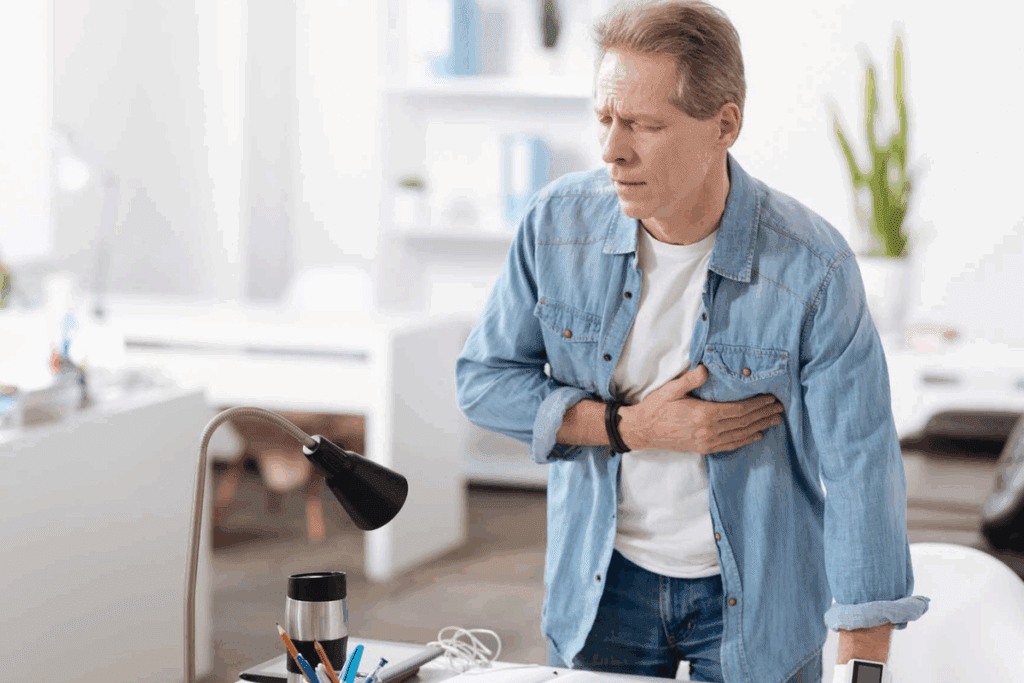
Feeling discomfort or chest pain after a meal can be scary. It’s even more worrying when it’s not heartburn. At Liv Hospital, we get how complex and concerning this can be.Understand why you get chest pain after eating not heartburn.
Chest pain after eating can come from many sources. These include esophageal spasms, functional dyspepsia, and gallbladder disease. Our team is dedicated to finding out what’s causing your pain. We want to make sure you get the care you need.
We know that digestive issues can really affect your life. Our goal is to offer top-notch healthcare to international patients. We aim to give you the support and treatment you deserve.
Key Takeaways
- Chest pain after eating is not always related to heartburn.
- Various conditions can cause this discomfort, including esophageal spasms and gallbladder disease.
- Liv Hospital offers a patient-centered approach to diagnose and treat the underlying causes.
- Our services are designed to support international patients with complete care.
- Understanding the cause of your discomfort is the first step towards relief.
Understanding Chest Pain After Eating Not Heartburn

Chest pain after eating that’s not heartburn can be confusing and scary. It’s important to know what causes it and how it differs from heartburn. We’ll look into the reasons behind non-cardiac chest pain after eating.
Differentiating Non-Cardiac Chest Pain from Heartburn
Non-cardiac chest pain after eating is different from heartburn. Heartburn usually feels like a burning in the chest and tastes sour. Non-cardiac chest pain, on the other hand, feels like pressure or discomfort without the burning.
Pain in the left side of the chest after eating can be very concerning. It might seem like a heart problem. But, it can also be caused by other issues, like stomach problems.
Prevalence and Statistics of Post-Meal Chest Discomfort
Research shows that up to 25 percent of non-cardiac chest pain is linked to stomach problems. Feeling pressure in the chest after eating is a symptom of these issues. It affects a lot of people.
Studies have found that non-cardiac chest pain is quite common. Many things can cause it. Knowing the statistics helps doctors treat people with chest pain after eating better.
When to Seek Emergency Medical Attention
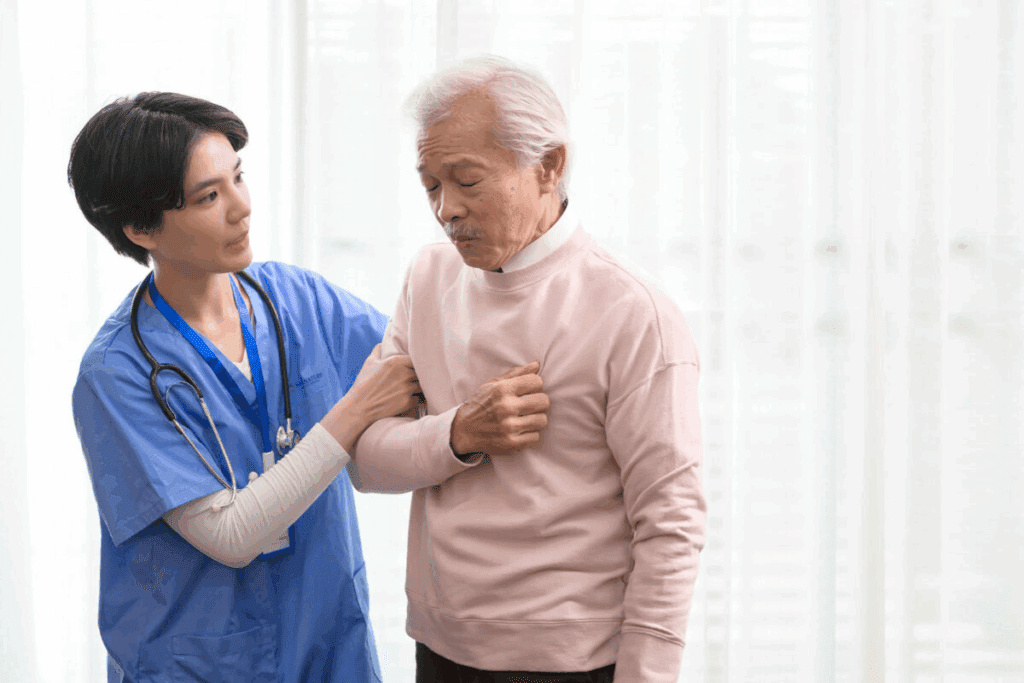
It’s important to know when chest pain after eating means you need emergency care. Sometimes, a little discomfort is okay. But other times, you need help right away.
Warning Signs That Require Immediate Care
Some chest pain symptoms need quick medical help. These include:
- Severe chest pain that doesn’t go away or gets worse
- Shortness of breath or trouble breathing
- Dizziness or lightheadedness
- Nausea or vomiting, with other bad symptoms
- Radiating pain to the arm, neck, jaw, or back
If you or someone with you has these symptoms, call for emergency help right away.
Distinguishing Between Urgent and Non-Urgent Symptoms
Not all chest pain needs emergency care. But it’s hard to tell how serious it is. Look at these points to decide:
| Symptom | Urgent | Non-Urgent |
| Chest Pain Severity | Severe, crushing, or doesn’t go away | Mild, occasional, or tied to certain foods |
| Associated Symptoms | Shortness of breath, dizziness, pain spreading | Mild nausea, belching, or slight discomfort |
| Duration | Keeps going or gets worse | Short or comes and goes |
If you’re unsure, it’s safer to get checked by a doctor. Knowing why is my chest hurting after eating helps you take care of yourself.
If you keep getting chest pain after eating, see a doctor. They can find out why and how to fix it.
Common Digestive Causes of Post-Meal Chest Pain
Eating can sometimes trigger chest pain due to underlying digestive conditions. Heartburn is a common cause of chest discomfort after meals. But other digestive issues can also cause this problem. It’s important to understand these causes for proper diagnosis and treatment.
Esophageal Spasms and Dysfunction
Esophageal spasms are abnormal contractions of the esophagus that can cause chest pain after eating. These spasms can be triggered by eating too quickly or consuming very hot or cold foods. In some cases, esophageal dysfunction can lead to chest pain without any obvious esophageal spasm.
Symptoms of esophageal spasms can be similar to those of a heart attack. It’s essential to seek medical attention if you’re unsure about the cause of your chest pain. Diagnosis typically involves tests like esophageal manometry to assess esophageal function.
Functional Dyspepsia
Functional dyspepsia is a chronic digestive disorder characterized by recurring upper abdominal symptoms, including pain or discomfort. While it mainly affects the upper abdomen, some people with functional dyspepsia may experience chest pain after eating. The exact cause of functional dyspepsia is not fully understood, but factors like eating habits and food intolerances may play a role.
Managing functional dyspepsia often involves dietary changes, such as eating smaller meals and avoiding trigger foods. In some cases, medication may be prescribed to alleviate symptoms.
Understanding the various digestive causes of post-meal chest pain is key for effective management. By identifying the underlying cause, individuals can work with their healthcare providers to develop a treatment plan that addresses their specific needs.
Gallbladder Disease as a Source of Chest Discomfort
Gallbladder issues are a common but often missed cause of chest pain after meals. The gallbladder, a small organ under the liver, helps with digestion by storing bile. When it gets sick, it can hurt, often in the chest, after eating.
We will look into how gallbladder disease and chest pain are connected. We’ll focus on the main points that lead to this issue.
Gallstones and Biliary Colic
Gallstones are hard deposits in the gallbladder that can cause biliary colic. This is a severe pain that happens when a stone blocks the bile duct. The pain is usually in the right upper abdomen but can spread to the chest, causing discomfort.
Characteristics of biliary colic include:
- Severe, sharp pain that comes and goes
- Pain that worsens after eating fatty foods
- Pain that may radiate to the right shoulder or back
Cholecystitis and Related Conditions
Cholecystitis is inflammation of the gallbladder, often due to gallstones. It can cause severe pain, fever, and other problems. Conditions linked to cholecystitis can also lead to chest pain after eating.
A study in a medical journal showed that patients with cholecystitis often feel pain after meals. This highlights the need for correct diagnosis and treatment.
| Condition | Symptoms | Treatment |
| Gallstones | Pain after eating, mostly after fatty foods | Surgery or medication to dissolve stones |
| Cholecystitis | Severe pain, fever, nausea | Antibiotics, surgery to remove gallbladder |
| Biliary Colic | Severe, sharp pain | Medication for pain, surgery for gallstones |
How Fatty Foods Trigger Gallbladder Pain
Fatty foods make gallbladder pain worse because they make the gallbladder contract and release bile. In a healthy person, this helps digest fats. But for someone with gallbladder disease, it can hurt, mainly if there are gallstones blocking the bile duct.
“Eating fatty meals is a known trigger for gallbladder pain, as it makes the gallbladder contract. In people with gallstones, this can cause biliary colic.”
It’s important to understand the connection between gallbladder disease and chest pain. Knowing the symptoms and triggers helps people get the right treatment for their discomfort.
Musculoskeletal Causes of Chest Pain After Eating
Eating can sometimes trigger or make musculoskeletal chest pain worse. This pain is not from the heart or stomach but from the muscles and bones in the chest. Knowing what causes it can help manage and ease the pain.
Costochondritis and Its Relationship to Eating
Costochondritis is when the cartilage that connects the ribs to the breastbone gets inflamed. This can cause sharp pains or discomfort in the chest. While eating doesn’t directly cause costochondritis, certain eating habits can make it worse.
For example, slouching or leaning forward while eating can strain the chest area. This can irritate the inflamed cartilage and make the pain worse. Being aware of your posture during meals can help.
Intercostal Muscle Strain
Intercostal muscle strain is when the muscles between the ribs get strained or injured. This can cause chest pain that might seem like heart problems. The pain can be sharp or a dull ache, often made worse by movement or deep breathing.
Eating a big meal can strain the intercostal muscles, making the pain worse. Knowing how intercostal muscle strain contributes to chest pain can help find better ways to manage it.
Posture-Related Discomfort During Meals
Posture is key in musculoskeletal chest pain. Poor posture during meals can strain the chest muscles and joints, leading to pain or discomfort.
Good posture while eating can prevent this pain. Simple changes, like sitting up straight or taking breaks during long meals, can make a big difference.
| Condition | Characteristics | Relation to Eating |
| Costochondritis | Inflammation of cartilage connecting ribs to breastbone | Exacerbated by poor posture during meals |
| Intercostal Muscle Strain | Strain or injury of muscles between the ribs | Can be worsened by large meals or vigorous activity after eating |
| Posture-Related Discomfort | Pain caused by poor posture | Directly related to posture during meals |
Understanding the musculoskeletal causes of chest pain after eating can help manage symptoms. It can also improve comfort during and after meals.
How Eating Habits Can Trigger Chest Pain
Our eating habits can deeply affect our body, sometimes causing chest pain not from heartburn. How much and how fast we eat, and the foods we choose, can greatly impact our digestion and comfort.
Eating Too Much or Too Quickly
Eating big meals or eating too fast can put pressure on the stomach and esophagus. This can lead to chest pain. When we eat too much, our stomach gets bigger, causing chest discomfort. Eating too fast can also make us swallow air, leading to bloating and discomfort.
To feel better, try eating smaller, more frequent meals and eating slowly. This helps with digestion and reduces discomfort.
The Impact of High-Fat and Spicy Foods
High-fat and spicy foods can cause chest pain in some people. These foods can make the lower esophageal sphincter relax, letting stomach acid flow back into the esophagus. This can cause discomfort. Spicy foods can also irritate the esophagus, leading to pain.
“Certain foods, like those high in fat and spice, can trigger symptoms in some people.”
Medical Expert, Gastroenterologist
Avoiding or cutting down on these foods can help reduce chest pain. Keeping a food diary can help find out which foods cause discomfort.
| Food Type | Potential Effect |
| High-Fat Foods | Relaxes lower esophageal sphincter, potentially causing acid reflux |
| Spicy Foods | Irritates the esophagus, leading to pain |
Food Intolerances and Allergic Reactions
Food intolerances and allergic reactions can also cause chest pain. Common ones include lactose intolerance and gluten sensitivity. When we eat foods we’re intolerant to, it can cause inflammation and discomfort in the digestive tract, sometimes feeling like chest pain.
It’s important to identify and avoid trigger foods. If symptoms don’t go away, seeing a healthcare professional for a proper diagnosis and advice is key.
Left Side Chest Pain After Eating: Specific Concerns
Feeling pain on the left side of our chest after eating can worry us about our heart. This worry is understandable, as heart problems can be serious. But, left side chest pain after eating can have many causes, not all heart-related.
Splenic Flexure Syndrome
Splenic flexure syndrome can cause left-sided chest pain after eating. It happens when gas builds up in the splenic flexure, a bend in the large intestine near the spleen. This gas can cause discomfort that feels like it’s coming from the chest, on the left side. The pain can be sharp and may be accompanied by bloating and discomfort.
Gastric Distension Effects on the Left Chest
Gastric distension, or the stretching of the stomach, is another cause of left-sided chest pain after eating. Eating a large or heavy meal can make our stomach expand. Sometimes, this expansion can put pressure on the diaphragm or surrounding structures, leading to pain in the left chest area. This pain is often linked to our eating habits and the food we eat.
Differentiating from Cardiac Concerns
Telling the difference between chest pain from the heart and other causes is key. Heart-related chest pain feels like a squeezing or pressure in the center of the chest. It may spread to the arm, neck, or jaw. On the other hand, pain from splenic flexure syndrome or gastric distension usually feels more on the left side and is linked to eating or digestive issues. If you’re feeling chest pain, it’s important to see a healthcare professional to find out why and get the right treatment.
Right Side Chest Pain After Eating: Possible Causes
Pain on the right side of the chest after eating can come from many sources. It’s important to look closely at the possible causes. This pain might be related to organs or systems on the right side of our body.
Liver and Gallbladder Involvement
The liver and gallbladder sit on the right side of the abdomen, below the ribcage. Problems with these organs can cause pain in the right chest area. Gallstones or gallbladder inflammation (cholecystitis) often cause discomfort after eating, more so after fatty meals.
Fatty foods can make the gallbladder contract, leading to pain if there are gallstones or inflammation. This pain can be felt in the right upper abdomen and may spread to the right chest or back.
Intestinal Issues Affecting the Right Side
Intestinal problems can also cause right-sided chest pain after eating. Conditions like irritable bowel syndrome (IBS) or inflammatory bowel disease (IBD) can lead to abdominal pain on the right side. This pain might also spread to the chest.
Gas or trapped air in the hepatic flexure (the bend in the colon near the liver) can also cause discomfort. This discomfort might feel like right-sided chest pain.
When to Be Concerned About Right-Sided Pain
While some right-sided chest pain after eating might not be serious, there are times when you should seek help right away. If the pain is severe, persistent, or comes with symptoms like fever, vomiting, or difficulty breathing, get emergency care.
| Symptom | Possible Cause | Action |
| Severe pain after eating fatty foods | Gallstones or cholecystitis | Seek medical evaluation |
| Right upper quadrant abdominal pain radiating to chest | Liver or gallbladder disease | Consult a gastroenterologist |
| Abdominal pain with fever and vomiting | Possible intestinal obstruction or infection | Emergency medical care |
Knowing the causes of right-sided chest pain after eating is key to managing it. If you’re experiencing persistent or severe symptoms, see a healthcare professional. They can help diagnose and treat the issue.
The Role of Anxiety and Stress in Post-Meal Chest Pain
The gut and brain are closely linked. This connection can affect how we feel chest pain after eating. This link is called the gut-brain axis.
The Gut-Brain Connection
The gut-brain connection is a two-way street between the brain and the gut. The gut has its own “second brain” that controls digestion. Stress and anxiety can mess with this connection, causing GI symptoms like chest pain after eating.
People with anxiety and stress are more likely to have GI problems. These problems can show up as chest pain after meals. Stress can change how the gut works, leading to discomfort.
“The brain-gut axis is a complex neuroendocrine network that enables the exchange of information between the central nervous system and the enteric nervous system, playing a critical role in modulating gastrointestinal function and sensitivity.”
Source: Gastroenterology Research
Panic Attacks Triggered by Eating
Eating can trigger panic attacks in some people. These attacks can feel like heart problems, with symptoms like chest pain. The link between eating and panic attacks is complex, influenced by food, meal composition, and personal factors.
| Symptom | Panic Attack | Cardiac Issue |
| Chest Pain/Tightness | Common, often accompanied by other symptoms like palpitations | Primary symptom, may be accompanied by shortness of breath |
| Onset | Sudden, often triggered by specific situations or foods | Can be sudden or gradual, often related to exertion |
| Associated Symptoms | Fear, anxiety, sweating, trembling | Shortness of breath, nausea, fatigue |
Recognizing Psychosomatic Symptoms
Psychosomatic symptoms are physical signs of mental distress. In the case of chest pain after eating, it’s important to recognize these symptoms. These symptoms can be related to anxiety or stress, not heart or digestive issues.
To manage these symptoms, it’s key to tackle both physical and mental aspects. This might include changing your diet, practicing stress-reducing activities, or seeking therapy.
Understanding the role of anxiety and stress in post-meal chest pain is key to managing it. By recognizing the signs and addressing the root causes, individuals can improve their symptoms and overall health.
Diagnosing the True Source of Your Chest Pain
To find out why your chest hurts after eating, doctors use many methods. They do medical tests, ask about your health history, and track your symptoms.
Medical Tests and Procedures
Several tests can find the cause of chest pain after eating. These include:
- Endoscopy: A way for doctors to see inside your esophagus, stomach, and small intestine.
- Imaging tests: X-rays, CT scans, or MRI scans to look at your chest and stomach.
- Electrocardiogram (ECG): To check if your heart is causing the pain.
- Manometry: To see how well your esophagus works.
These tests help doctors find the cause and plan your treatment.
What to Tell Your Doctor
Telling your doctor about your symptoms is key to finding the cause. Be ready to talk about:
- The kind and how bad your chest pain is
- When you feel pain (like after eating or doing something)
- What makes your pain better or worse
- Your health history, including any stomach problems
Remember, “A detailed patient history is essential for diagnosing non-cardiac chest pain.”
Keeping a Food and Symptom Journal
Keeping a journal of what you eat and how you feel can help a lot. Write down:
- The foods you eat
- When and how bad your symptoms are
- Anything else that might affect your symptoms (like stress)
By using tests, talking to your doctor, and tracking your symptoms, you can find out why your chest hurts. Then, you can get the right treatment.
Treatment Options for Non-Heartburn Chest Pain
Chest pain after eating, not from heartburn, can be treated in many ways. Finding the cause is the first step. Then, treatments can be chosen to fit the situation.
Medication Approaches for Different Causes
Medicines vary based on the pain’s cause. For example, if it’s from esophageal spasms, drugs that relax muscles can help.
Common Medications:
- Antacids or acid reducers for functional dyspepsia
- Muscle relaxants for esophageal spasms
- Pain relief medication for musculoskeletal causes
Dietary Modifications and Meal Planning
Changing how you eat can lessen chest pain. Try eating smaller meals and skipping foods that trigger pain.
| Dietary Change | Benefit |
| Eating smaller meals | Reduces strain on the digestive system |
| Avoiding fatty or spicy foods | Minimizes irritation to the esophagus and gallbladder |
| Increasing fiber intake | Helps prevent constipation and reduces pressure on the chest |
Lifestyle Changes That Reduce Symptoms
Some lifestyle changes can also help. Keeping a healthy weight, managing stress, and good posture are key.
Alternative and Complementary Therapies
Some people find relief in alternative therapies. Acupuncture, herbal remedies, and relaxation techniques like meditation can help.
Examples of Alternative Therapies:
- Acupuncture for pain relief
- Herbal teas for digestive issues
- Meditation for stress reduction
Combining these methods can manage chest pain well. This improves life quality for those not suffering from heartburn.
Conclusion: Managing and Preventing Chest Pain After Eating
Understanding why your chest hurts when you eat is key to feeling better. Chest pain after eating isn’t always heartburn. Finding the real cause is important for relief.
Changing your lifestyle can help a lot. Avoiding certain foods and eating habits can lessen chest pain. If pain is constant or bad, see a doctor right away.
At Liv Hospital, we focus on top-notch care for international patients. Our team helps you understand and manage your symptoms. If you’re wondering why your chest hurts after eating, talk to a doctor for a plan.
Being proactive and making smart choices can help a lot. This way, you can feel better and enjoy life more.
FAQ
Why does my chest hurt after eating too much?
Eating too much can hurt your chest for several reasons. These include stomach swelling, muscle spasms in the esophagus, or gallbladder problems. It’s best to talk to a doctor to find out why.
Why does my heart hurt after I eat?
Sometimes, people think heart pain is from eating. But, it might be from stomach issues or muscle problems. If the pain is bad or lasts a long time, see a doctor right away.
What causes pressure on the chest after eating?
Pressure in the chest after eating can be from many things. This includes muscle spasms, stomach problems, or gallbladder issues. Changing how you eat and managing stress can help.
What are the common digestive causes of post-meal chest pain?
Digestive problems like muscle spasms, stomach issues, and swelling can cause chest pain. Knowing the cause is key to fixing it.
How does gallbladder disease cause chest discomfort?
Gallbladder disease, like gallstones, can hurt your chest, mainly after fatty foods. If the pain is bad or lasts, get medical help.
Can musculoskeletal issues cause chest pain after eating?
Yes, muscle and bone problems can hurt your chest after eating. Changing your lifestyle and trying other treatments can help.
How can eating habits trigger chest pain?
Eating too much, too fast, or foods that upset your stomach can hurt your chest. Eating better and choosing your food wisely can help.
What causes left side chest pain after eating?
Left side chest pain can be from stomach swelling or other issues. It’s important to tell if it’s not heart-related.
What are the possible causes of right side chest pain after eating?
Right side pain can be from liver or gallbladder problems or stomach issues. If the pain is severe, see a doctor.
Can anxiety and stress cause post-meal chest pain?
Yes, stress and anxiety can make your chest hurt after eating. Recognizing and managing these feelings is important for relief.
How is the underlying cause of chest pain after eating diagnosed?
Doctors use tests and talk to you about your symptoms to find the cause. Keeping a food and symptom journal helps too.
What are the treatment options for non-heartburn chest pain?
Treatment includes medicines, changing your diet, lifestyle changes, and other therapies. A doctor will decide the best treatment for you.
Why does my chest hurt every time I eat?
Chest pain after eating can be from many things, like stomach or muscle problems, or stress. Seeing a doctor is important to find the cause and help you.
Can eating too fast cause chest pain?
Yes, eating too fast can make your chest hurt by swelling your stomach or swallowing air. Eating slowly can help.
How can I manage chest pain after eating?
To manage chest pain, change how you eat, manage stress, and see a doctor if it doesn’t get better. A doctor can help you feel better and live better.
References
- Lung, K., & Lui, F. (2023). Anatomy, Abdomen and Pelvis: Arteries. In StatPearls. National Center for Biotechnology Information. https://www.ncbi.nlm.nih.gov/books/NBK525959/