Last Updated on November 25, 2025 by Ugurkan Demir

Feeling chest discomfort during physical activity can be scary.chest pain on exertionSickle Cell Disease Pain ““ Causes & Management It might mean a simple muscle strain or a serious heart problem. At Liv Hospital, we know how important it is to find out why you’re feeling this way to keep you safe and healthy.
Working out can sometimes show health problems like heart, lung, stomach, or muscle issues. We’ll look at the top 10 reasons for exertional chest pain. This will help you know what to look out for when you’re active.
It’s key to know why you might feel chest pain during exercise to stay healthy and fit. We want to give you the info to know when to get medical help.
Key Takeaways
- Chest discomfort during exercise can signal various health issues.
- Identifying the causes of exertional chest pain is key for health and safety.
- Underlying conditions like heart or lung problems can show up during exercise.
- Knowing the signs can help you get medical help on time.
- Liv Hospital is dedicated to top-notch care and support for international patients.
Understanding Chest Pain During Physical Activity

It’s important to know why chest pain happens when we exercise. This pain can feel sharp or dull and can be caused by many things. It could be a serious health issue or just a muscle strain.
Knowing the difference between serious and not-so-serious symptoms is key. We’ll look at when to get medical help and what might be causing the pain.
When to Seek Immediate Medical Attention
Some symptoms with chest pain need quick medical help. These include severe pain, pain in the arm or jaw, and trouble breathing. If you have these, stop exercising and get medical help fast.
Other signs to watch for are dizziness, nausea, and palpitations. These might not always mean something serious, but they need a doctor’s check-up. This is to make sure there’s no heart problem or other health issue.
Differentiating Between Serious and Non-Serious Symptoms
Figuring out if chest pain is serious or not depends on the pain’s type and when it happens. Sharp, localized pain that goes away with rest might not be as bad as persistent, crushing pain that gets worse with activity.
Keeping a symptom journal can help. Write down when the pain happens, what it feels like, and what makes it better or worse. This info is very helpful for doctors to figure out what’s causing the pain.
Coronary Artery Disease and Angina

It’s important to know how coronary artery disease and angina are connected. Coronary artery disease damages the main blood vessels that feed the heart. This damage often comes from a buildup of cholesterol in the arteries. This buildup can block the flow of oxygen to the heart, causing angina.
How Reduced Blood Flow Affects the Heart
When the heart doesn’t get enough blood, it can hurt. This pain is called angina. During exercise, the heart needs more oxygen. But if the arteries are blocked, it can’t get enough, leading to pain.
Angina can feel different for everyone. Some might feel a tightness in their chest, while others might feel pain in their arms, back, or jaw. It’s key to notice these signs during exercise to get help quickly.
Recognizing Angina Symptoms During Exercise
Angina symptoms can be tricky to spot. They often include:
- Feeling like your chest is being squeezed or is tight
- Happening when you’re active or stressed
- Going away when you rest or take medicine
- Feeling pain in your arms, back, neck, jaw, or stomach
If you feel these symptoms while exercising, stop right away. It’s a good idea to see a doctor if you notice any of these signs.
Risk Factors and Prevention Strategies
Several things can increase your risk of coronary artery disease and angina. These include:
- High blood pressure
- High cholesterol
- Smoking
- Diabetes
- Being overweight
- Having a family history of heart disease
To lower your risk, live a healthy lifestyle. This means exercising regularly, eating well, staying at a healthy weight, and not smoking. You might also need medicine to control symptoms and prevent complications.
By understanding coronary artery disease and angina, you can take steps to protect your heart. This can help you manage your condition and improve your heart health.
Exercise-Induced Bronchospasm and Asthma
Physical activity can cause breathing problems like exercise-induced bronchospasm and asthma. These issues lead to symptoms like wheezing and chest tightness. They are common among athletes and those who do hard physical activities.
How Airway Constriction Causes Chest Tightness
When you exercise hard, your airways can get narrower, a problem called bronchospasm. This makes it harder for air to reach your lungs. You might feel chest tightness, wheezing, and shortness of breath. Exercise-induced bronchospasm is different from asthma, even though they share symptoms. Asthma is a long-term condition that can be set off by many things, including exercise.
Identifying Respiratory vs. Cardiac Symptoms
Telling the difference between breathing and heart problems is key. Breathing issues like wheezing, coughing, and chest tightness are often linked to bronchospasm or asthma. Heart problems might cause pain in the arm or jaw, dizziness, and nausea. Knowing the difference helps you get the right medical help.
Management Strategies for Athletes
Athletes with bronchospasm or asthma can manage their symptoms. Using inhalers before exercise can help prevent symptoms. Also, warming up before hard exercise and staying away from cold air or allergens can help. It’s important for athletes to work with their doctors to create a plan that fits them.
| Management Strategy | Description | Benefits |
| Pre-exercise inhaler use | Using medication before exercise to prevent bronchospasm | Reduces symptoms during exercise |
| Warming up | Gradually increasing exercise intensity | Prepares airways for intense exercise |
| Avoiding triggers | Identifying and avoiding allergens or cold air | Reduces risk of triggering symptoms |
Costochondritis: Inflammation of Chest Wall Cartilage
Costochondritis is an inflammation of the cartilage that connects the ribs to the breastbone. It’s a common cause of chest pain during exercise. This condition can lead to sharp stabbing pain, often on the left side of the chest, and is common during running or other physical activities.
Why Left Chest Pain Occurs While Running
Left chest pain while running is often due to costochondritis. The repetitive motion and strain on the cartilage connecting the ribs to the sternum cause this pain. When this cartilage becomes inflamed, it can lead to pain that might be mistaken for heart problems.
Key factors contributing to costochondritis include:
- Overuse or repetitive strain on the chest wall
- Direct blows to the chest
- Respiratory infections that cause coughing
- Arthritis conditions
Distinguishing Features from Cardiac Pain
Distinguishing costochondritis from cardiac pain is important. Cardiac pain is often described as a pressure or heaviness in the chest. Costochondritis, on the other hand, presents as sharp, stabbing pain that can be reproduced by pressing on the affected area.
Key distinguishing features include:
- Pain that worsens with movement or deep breathing
- Tenderness to the touch on the chest wall
- Pain that is localized to a specific area
Treatment and Recovery Timeline
Treatment for costochondritis aims to reduce pain and inflammation. This includes over-the-counter pain relievers, rest, and avoiding activities that make the condition worse.
Recovery typically follows this timeline:
- Initial improvement within 1-2 weeks with rest and treatment
- Full recovery can take several weeks to a few months
- Gradual return to activity to prevent recurrence
Understanding the causes, distinguishing features, and treatment options for costochondritis helps individuals manage their symptoms. This way, they can return to their normal activities.
Muscle Strain and Chest Wall Injuries
Athletes often face muscle strain and chest wall injuries. These issues can cause discomfort and affect their performance. Such injuries are common in those who do intense physical activities, like running or high-intensity interval training.
Common Causes of Sharp Stabbing Pain in Chest When Running
Sharp stabbing pain in the chest while running can stem from muscle strain and chest wall injuries. Running makes our chest muscles work harder, which can lead to strain or micro-tears. The repetitive motion of running can also cause inflammation in the cartilage connecting the ribs to the sternum, known as costochondritis.
Poor posture, inadequate warm-up or cool-down routines, and sudden changes in exercise intensity or frequency can also contribute. It’s key to find the root cause of the pain to create an effective treatment plan.
Diagnosing Exercise-Related Muscle Injuries
To diagnose muscle strain and chest wall injuries, we conduct a thorough evaluation. We look at the individual’s medical history and perform a physical examination. Sometimes, imaging tests like X-rays or MRI scans are needed to rule out more serious conditions.
Understanding the injury’s severity helps us create a tailored recovery plan. This plan may include rest, physical therapy, and adjustments to the exercise routine.
Effective Recovery Techniques
Recovering from muscle strain and chest wall injuries involves rest, rehabilitation, and preventive measures. We suggest starting with gentle stretching exercises to keep flexibility and aid in healing.
Other effective recovery techniques include:
- Applying ice or heat to reduce pain and inflammation
- Doing low-impact exercises to keep the heart rate up without worsening the injury
- Adding strengthening exercises to build muscle resilience
- Slowly going back to intense activities with a structured training plan
By understanding the causes of muscle strain and chest wall injuries, and using effective recovery techniques, we can help athletes reduce downtime and get back to their best performance.
Gastroesophageal Reflux Disease (GERD)
Many athletes face a big challenge with Gastroesophageal Reflux Disease (GERD). It causes chest tightness when they exercise. GERD is when stomach acid flows back up into the esophagus. This can hurt the lining of the esophagus, leading to discomfort.
Why Tightness in Chest When Exercising Occurs with GERD
Exercise changes the body in ways that can make GERD worse. The pressure in the stomach increases, digestion changes, and the body jolts. These factors can cause acid reflux and chest tightness.
Exercising also means breathing harder, which puts more pressure on the stomach. This can make stomach acid flow back up into the esophagus. This leads to feeling tight or uncomfortable in the chest.
Exercise Modifications to Reduce Symptoms
Athletes with GERD can make their workouts easier by changing them. Avoiding activities that trigger acid reflux, like running or jumping, helps. Instead, try lower-impact exercises like cycling or swimming.
Also, wait a bit after eating before exercising. Don’t eat too close to when you work out. Staying hydrated and keeping a healthy weight are also good strategies to manage GERD symptoms.
Dietary Considerations for Athletes with GERD
What you eat is key in managing GERD symptoms. Focus on a balanced diet that avoids foods that can make acid reflux worse. Avoid citrus fruits, tomatoes, chocolate, and spicy or fatty foods.
Eating smaller meals more often can also help. It reduces stomach pressure. Drinking plenty of water is important too. It helps with digestion and prevents dehydration, which can make GERD symptoms worse.
Hypertrophic Cardiomyopathy and Chest Pain on Exertion
Hypertrophic cardiomyopathy is a serious heart condition. It makes the heart muscle thick, leading to chest pain when you exercise. This condition makes it hard for the heart to work right, causing scary symptoms during workouts.
Recognizing Heart Pain When Working Out
It’s key to know the signs of hypertrophic cardiomyopathy when you’re active. Chest pain or discomfort is a common symptom. It can also show up as shortness of breath, dizziness, or fainting.
These symptoms happen because the thick heart muscle blocks blood flow. This is worse when you’re exercising and your heart rate goes up.
It’s important to tell normal tiredness from signs of a serious problem like hypertrophic cardiomyopathy. If you get unusual or severe chest pain, you should see a doctor right away.
Screening and Diagnosis for Athletes
Screening for hypertrophic cardiomyopathy includes looking at your medical history, doing a physical check-up, and running tests. For athletes, it’s important to screen before they start playing sports.
- Echocardiography to check the heart’s shape and how it works
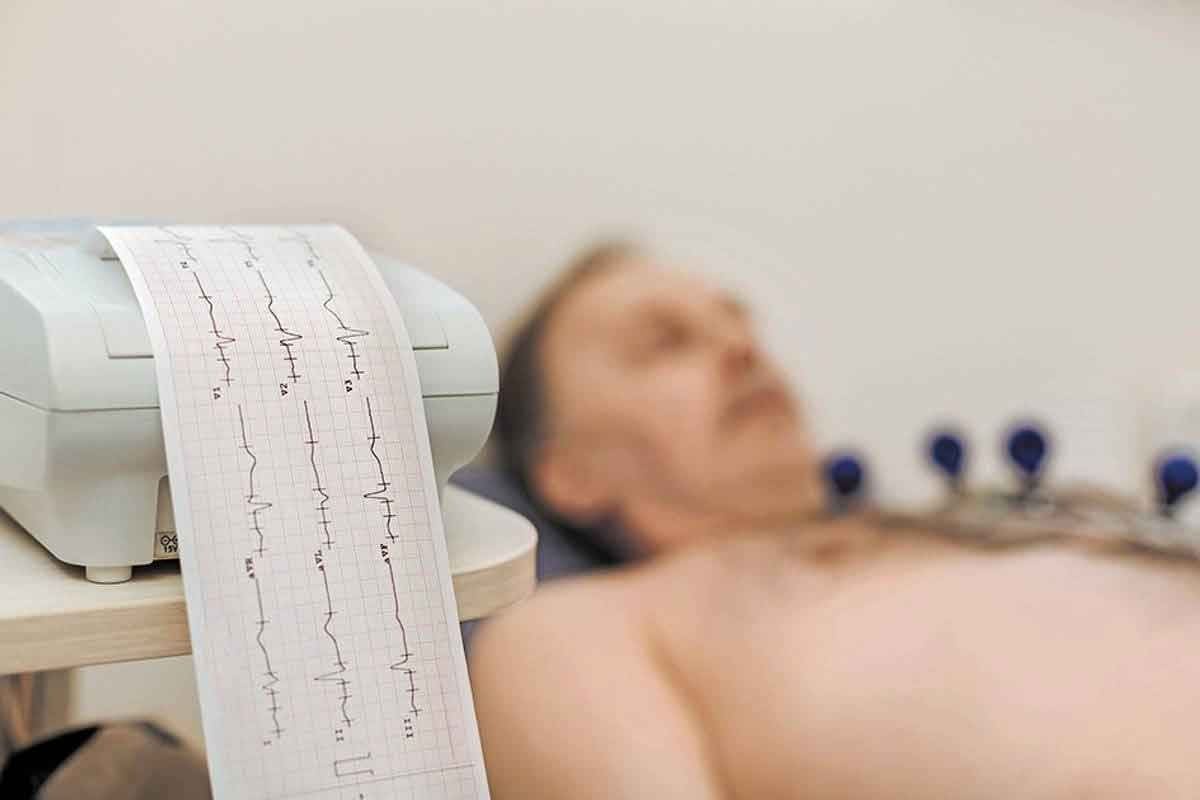
- Electrocardiography to look at heart rhythm
- Exercise stress testing to see how the heart works when you’re active
Exercise Recommendations and Restrictions
People with hypertrophic cardiomyopathy get special exercise advice based on their condition and symptoms. Some might not be able to do high-intensity sports. Others might get tips on safe exercises to lower risks.
It’s very important for athletes with hypertrophic cardiomyopathy to talk to their doctors. They need to make an exercise plan that keeps them safe and lets them stay active.
Stress-Induced Cardiomyopathy
Intense emotional stress can affect our heart in unexpected ways. This can lead to stress-induced cardiomyopathy, also known as takotsubo cardiomyopathy. It shows how our emotions can impact our physical health.
The Connection Between Emotional Stress and Physical Symptoms
Stress-induced cardiomyopathy makes the heart muscle weak suddenly. It’s often caused by intense emotional stress. Symptoms include chest pain during physical activity or even when resting.
The exact reasons are not fully known. But, stress hormones like adrenaline might “stun” the heart. This affects its ability to work right.
This condition is different from a heart attack. A heart attack is caused by blocked arteries. But, the symptoms can be similar, making it hard to diagnose.
Differentiating from Heart Attack Symptoms
Telling stress-induced cardiomyopathy from a heart attack is key for the right treatment. Both can cause heart pain during exercise or at rest. But, stress-induced cardiomyopathy often starts with a big emotional or physical stress.
- Chest pain or discomfort
- Shortness of breath
- Electrocardiogram (ECG) changes
- Minimal release of cardiac enzymes (unlike in a heart attack)
Tests like echocardiography or cardiac MRI help check the heart. They help rule out other conditions.
Recovery and Long-Term Management
Many people get better from stress-induced cardiomyopathy in days to weeks. Recovery means treating symptoms and dealing with stress. This might include counseling, stress management, and lifestyle changes.
Long-term care aims to prevent it from happening again. This includes:
- Managing stress with meditation or yoga
- Regular check-ups with a doctor
- Treating any conditions that add to stress
Understanding stress-induced cardiomyopathy helps us manage its effects on our heart. This is true during physical activity and beyond.
Pulmonary Embolism
A pulmonary embolism is a serious condition where a blood clot blocks a lung artery. It can cause chest tightness when you exercise. It’s very important to get medical help right away because it can be deadly.
Risk Factors and Causes
Many things can make you more likely to get a pulmonary embolism. These include being stuck in one place for a long time, like on a long flight. Also, having a family history of clotting problems or certain medical conditions can increase your risk. Knowing these risk factors is key to preventing and treating the condition.
Other things that can raise your risk include having cancer, being overweight, or having had a blood clot in your leg before. Knowing these can help doctors spot who is at higher risk.
Warning Signs During Exercise
Symptoms of a pulmonary embolism can be sudden and severe. They might include chest pain, trouble breathing, and even losing consciousness. If you feel these symptoms while exercising, stop right away.
Other signs might be a fast heartbeat, coughing up blood, or feeling dizzy. If you notice any of these, get medical help fast.
Treatment and Prevention
Doctors treat pulmonary embolism with medicines to stop more clots and, in some cases, to break up the clot. Getting treatment quickly is very important.
To prevent it, stay active, don’t stay in one place for too long, and wear compression socks on long trips. If you’re at high risk, your doctor might suggest medicines to prevent clots.
Aortic Dissection
Aortic dissection is a serious condition where the aorta’s inner layer tears. This tear leads to bleeding into the aorta’s wall. It can cause more tearing or even a complete rupture of the aorta.
The aorta is the biggest artery, carrying blood from the heart to the body. An aortic dissection can disrupt this, leading to severe health issues or death if not treated quickly.
Why This Condition Causes Severe Chest Pain
The chest pain from aortic dissection feels like a tearing or ripping. It often spreads to the back and is very intense. This pain comes from the aortic wall tearing and bleeding into it.
Key characteristics of the pain include:
- Sudden onset
- Severe intensity
- Tearing or ripping quality
- Radiation to the back
High-Risk Activities and Warning Signs
Some activities and conditions raise the risk of an aortic dissection. These include:
| Risk Factor | Description |
| High Blood Pressure | Uncontrolled hypertension can weaken the aortic wall. |
| Atherosclerosis | The buildup of plaque in the arteries can increase the risk of dissection. |
| Genetic Conditions | Conditions like Marfan syndrome can affect the integrity of the aortic wall. |
Emergency Response and Treatment
Aortic dissection is a medical emergency needing immediate care. The first step is to control blood pressure and heart rate. This reduces stress on the aorta. The main treatment is usually surgical repair of the aorta.
Prompt recognition of symptoms and swift medical response are critical in managing aortic dissection effectively.
Conclusion: Managing and Preventing Chest Pain During Exercise
Chest pain during exercise can be scary, but knowing why it happens helps. We’ve looked at many reasons, like heart problems and muscle strains. We also talked about breathing issues.
To handle chest pain, it’s key to know the signs and take steps to avoid it. By understanding the causes, you can prevent it. This makes exercising safer and healthier.
Preventing chest pain is vital for staying active. We stress the need to be aware of risks and act early. This keeps your exercise routine safe and enjoyable.
Managing chest pain well needs a full plan. This includes regular health checks, a good exercise schedule, and healthy living. We suggest talking to doctors to create a plan that works for you. This helps keep your heart and body healthy.
FAQ
What are the common causes of chest pain during exercise?
Chest pain during exercise can come from many sources. These include coronary artery disease and muscle strain. Other causes are costochondritis, GERD, and hypertrophic cardiomyopathy. Stress-induced cardiomyopathy, pulmonary embolism, and aortic dissection are also possible reasons.
How can I differentiate between serious and non-serious chest pain during physical activity?
To tell if chest pain is serious, look at its location, how bad it is, and how long it lasts. Severe, sharp, or tearing pain is a red flag. So is pain with dizziness, shortness of breath, or nausea. If you see these signs, get help right away.
What are the symptoms of angina during exercise?
Angina feels like tightness or discomfort in the chest. It might spread to the arms, back, or jaw. If you feel this, stop and rest. If it doesn’t get better, get medical help.
How can I manage exercise-induced bronchospasm and asthma?
To handle bronchospasm and asthma, know your symptoms. Use medicine before you exercise if you need to. Also, change your workout to avoid triggers. Warm up well and think about using a bronchodilator inhaler.
What is costochondritis, and how is it treated?
Costochondritis is a harmless condition causing chest pain. It happens when the cartilage between the ribs and breastbone gets inflamed. Treatment includes pain relief, rest, and avoiding activities that make it worse.
How can I prevent muscle strain and chest wall injuries during exercise?
To avoid muscle strain and injuries, warm up first. Use the right technique and slowly increase your workout’s intensity and length. Strengthening your chest and shoulder muscles helps too.
Can GERD cause chest tightness during exercise, and how can I manage it?
Yes, GERD can cause chest tightness during exercise. To manage it, don’t eat heavy meals before working out. Change your diet to reduce acid reflux. Also, take antacids or acid reducers as directed.
What are the risks of hypertrophic cardiomyopathy during exercise?
Hypertrophic cardiomyopathy is a serious heart condition. It can cause chest pain during exercise. If you have it, follow your doctor’s advice on exercise to avoid complications.
How can I differentiate stress-induced cardiomyopathy from a heart attack?
Stress-induced cardiomyopathy can feel like a heart attack. If you have chest pain or other symptoms, get medical help right away. A doctor will figure out what’s wrong through tests and exams.
What are the warning signs of pulmonary embolism during exercise?
Warning signs of pulmonary embolism include sudden, severe chest pain, shortness of breath, or dizziness. If you feel these, stop exercising and get medical help fast.
What is an aortic dissection, and how is it treated?
An aortic dissection is a serious condition with a tear in the aorta’s inner layer. It’s a medical emergency. Treatment usually involves emergency surgery to fix the aorta.
When should I seek immediate medical attention for chest pain during exercise?
Get immediate medical help for severe, sharp, or tearing chest pain. Also, if you have dizziness, shortness of breath, or nausea with chest pain. If you’re not sure, it’s better to be safe and talk to a doctor.
References
- Lung, K., & Lui, F. (2023). Anatomy, Abdomen and Pelvis: Arteries. In StatPearls. National Center for Biotechnology Information. https://www.ncbi.nlm.nih.gov/books/NBK525959/