Last Updated on November 25, 2025 by Ugurkan Demir

Feeling intermittent chest discomfort can really upset you and mess up your day. At Liv Hospital, we get how worried you must be. Chest pain that comes and goes for months can stem from many heart and non-heart issues.chest pain that comes and goes for months These include stomach problems, panic attacks, and others.
We know how scary tightness in the chest can be. Our aim is to give you a full picture of what might be causing it. We want to help you understand the symptoms and when to see a doctor. This way, you can take better care of your health.
Key Takeaways
- Intermittent chest pain can be caused by various factors, including cardiac and non-cardiac conditions.
- Gastrointestinal problems and panic attacks are among the possible causes.
- Understanding the underlying causes is key for the right diagnosis and treatment.
- It’s vital to see a doctor if symptoms keep coming back or get worse.
- Liv Hospital is dedicated to giving top-notch care and support to international patients.
Understanding Chest Pain That Comes and Goes for Months

Understanding chest pain that comes and goes for months is key to finding its cause. This type of pain can worry those who experience it. It’s important to understand it fully.
Common Characteristics of Intermittent Chest Pain
Intermittent chest pain can show up in different ways. Some feel sharp, stabbing pain, while others feel a dull ache. The pain can stay for a few minutes or hours.
- The location of the pain: Is it centralized or does it radiate to other areas?
- The nature of the pain: Is it sharp, dull, squeezing, or burning?
- Triggers and relievers: Does the pain occur or worsen with specific activities or positions?
Differentiating Between Acute and Chronic Recurring Chest Pain
It’s important to tell the difference between acute and chronic recurring chest pain. Acute pain comes on suddenly and can be serious. Chronic pain lasts longer and can have many causes.
The Importance of Proper Diagnosis
Getting the right diagnosis is key to treating recurring chest pain. A doctor will need your medical history, a physical exam, and tests. Keeping a symptom journal helps doctors make a correct diagnosis.
Cardiac Causes of Recurring Chest Pain

Understanding the cardiac causes of recurring chest pain is key. It helps identify risks and take action. Heart issues are a big worry for chest pain that comes and goes. Exploring these causes helps us understand the symptom better.
Angina: When Heart Muscles Don’t Get Enough Oxygen
Angina is chest pain or discomfort when the heart muscle lacks oxygen. It often happens during stress or physical activity and goes away with rest. Stable angina follows a predictable pattern, while unstable angina is more unpredictable and serious.
Angina’s common signs include:
- Chest pain or discomfort that may spread to arms, back, neck, jaw, or stomach
- Pain triggered by physical exertion or emotional stress
- Pain relieved by rest or medication
Coronary Artery Disease and Intermittent Symptoms
Coronary artery disease (CAD) damages the heart’s blood vessels. It’s often due to plaque buildup. CAD can cause angina and increase heart attack risk. Its symptoms can come and go, making it important to monitor and manage.
Key CAD aspects include:
- A buildup of plaque in the coronary arteries
- Reduced blood flow to the heart muscle
- Increased risk of heart attack
Pericarditis and Myocarditis
Pericarditis is inflammation of the heart sac. Myocarditis is inflammation of the heart muscle. Both can cause chest pain, which may be sharp or dull. The pain can be constant or intermittent.
Watch for these symptoms:
- Sharp, stabbing chest pain that improves when sitting up and leaning forward
- Fever and fatigue
- Palpitations or irregular heartbeat
Heart Valve Problems
Heart valve problems occur when valves don’t work right. This can cause chest pain, shortness of breath, and fatigue. The pain may be related to exertion or occur at rest.
Common valve issues include:
- Stenosis, where the valve opening is narrowed
- Regurgitation, where the valve doesn’t close properly, allowing blood to leak back
- Prolapse, where the valve leaflets bulge back into the atrium when the heart contracts
Digestive System Causes of Intermittent Chest Pain
The digestive system often causes chest pain that comes and goes. Many people think chest pain is always a heart problem. But, digestive issues can also cause discomfort that feels just as bad.
We’ll look at how GERD, esophageal spasms, gallbladder problems, and peptic ulcers can lead to chest pain.
Gastroesophageal Reflux Disease (GERD)
GERD happens when stomach acid flows back into the esophagus. This can irritate the esophagus lining, causing pain. Symptoms include daily chest pain that gets worse when lying down or after eating.
Esophageal Spasms and Disorders
Esophageal spasms are abnormal contractions that cause chest pain. They can be triggered by eating too fast or having very hot or cold foods. The pain from spasms can be very severe and might feel like a heart attack.
Some people feel pain in the middle of the chest that comes and goes. This pain can be linked to esophageal disorders.
| Condition | Symptoms | Triggers |
| GERD | Heartburn, chest pain, difficulty swallowing | Certain foods, lying down |
| Esophageal Spasms | Chest pain, difficulty swallowing | Hot or cold foods, eating too quickly |
Gallbladder Issues Presenting as Chest Pain
Gallbladder problems, like gallstones, can cause chest pain. The pain is usually in the upper right abdomen but can feel in the chest. This can confuse people into thinking it’s a heart problem.
If you feel why does my heart hurt sometimes and have abdominal pain or nausea, it might be gallbladder issues.
Peptic Ulcers and Their Symptoms
Peptic ulcers are sores on the stomach lining and the upper small intestine. The main symptom is burning stomach pain, but it can also go to the chest. The pain from ulcers can come and go and might be linked to eating.
Understanding your symptoms and eating habits can help diagnose peptic ulcers.
Knowing the digestive causes of chest pain helps people find the right medical care. If you have recurring chest pain, seeing a doctor is key to finding the cause and getting treatment.
Musculoskeletal Origins of Chest Pain
The musculoskeletal system is key in chest pain. Many conditions can cause discomfort. This includes muscles, bones, and cartilage in the chest wall.
Costochondritis: Inflammation of Rib Cartilage
Costochondritis is when the cartilage between ribs and the breastbone gets inflamed. This can lead to sharp or aching chest pain. It can feel like heart pain.
The exact cause is often unknown. It might be from injury, strain, or infections. Treatment includes rest, pain relievers, and sometimes physical therapy.
Muscle Strain and Chest Wall Pain
Muscle strain in the chest is another common cause. It can happen from overuse, injury, or sudden effort. The pain can be sharp or dull and usually focuses on one area.
Heavy lifting, bending, or repetitive actions can cause strain. Rest, ice, and pain relievers help. Stretching and strengthening exercises also prevent future strain.
Fibromyalgia and Chronic Pain Syndromes
Fibromyalgia is a chronic condition with widespread pain, fatigue, and tender points. Chest pain is a part of it, often feeling like a dull ache or tightness.
Managing fibromyalgia needs a mix of medicine, lifestyle changes, and alternative therapies. For chest pain, stress management and relaxation exercises are helpful.
Thoracic Spine Problems Referring Pain to the Chest
Problems with the thoracic spine can cause chest pain. This pain can be confusing, feeling like it’s from the heart or other organs.
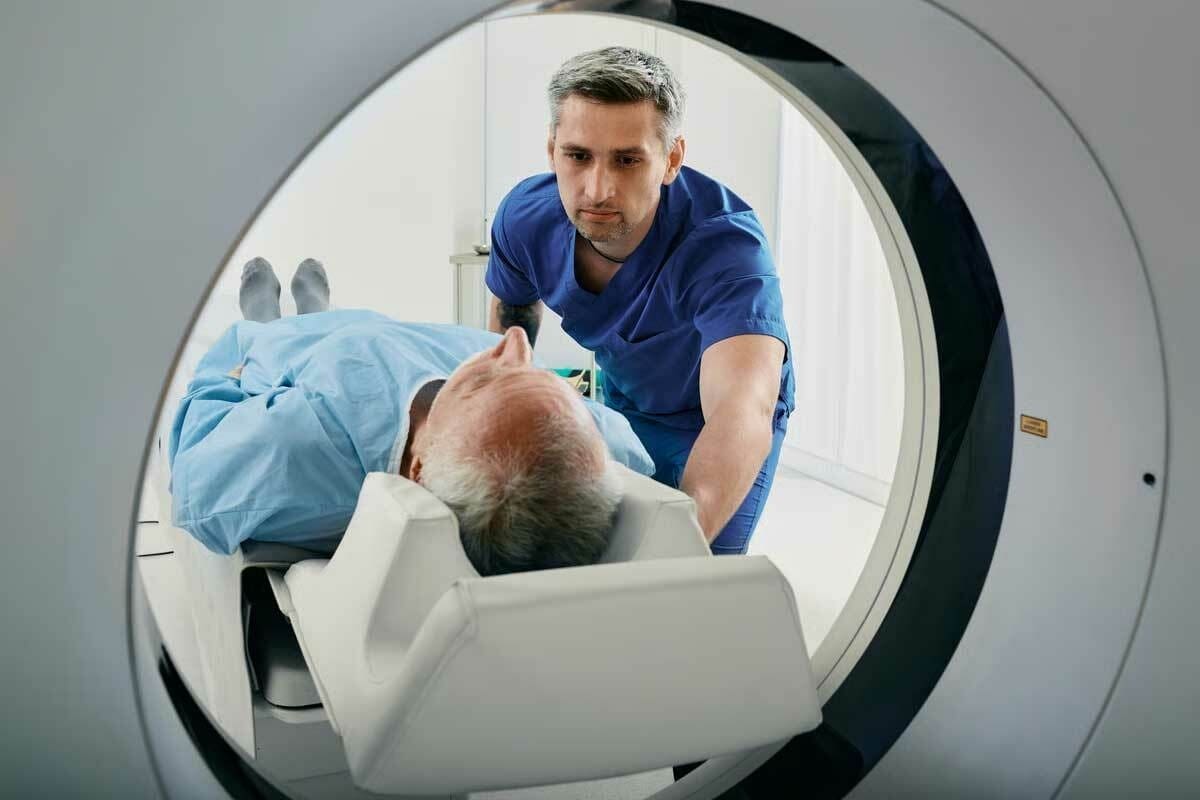
Diagnosis often includes MRI or CT scans. Treatment can be physical therapy, pain management, or surgery for severe cases.
| Condition | Common Symptoms | Typical Treatments |
| Costochondritis | Sharp chest pain, pain when breathing deeply or moving | Rest, pain relievers, physical therapy |
| Muscle Strain | Localized pain, pain with movement | Rest, ice, stretching, strengthening exercises |
| Fibromyalgia | Widespread pain, fatigue, tender points | Medication, lifestyle changes, alternative therapies |
| Thoracic Spine Problems | Referred chest pain, back pain, neurological symptoms | Physical therapy, pain management, surgery (in severe cases) |
Knowing the musculoskeletal causes of chest pain is key for right diagnosis and treatment. By finding the exact cause, doctors can create effective plans to manage symptoms and improve life quality.
Respiratory Conditions Causing On and Off Chest Pain
Many people face chest pain that comes and goes due to respiratory issues. These conditions can cause a lot of discomfort. It’s important to know how they affect chest pain for the right treatment.
Pleurisy: Inflammation of the Lung Lining
Pleurisy is when the pleura, the lung’s lining, gets inflamed. This can lead to sharp pain that gets worse when you breathe, cough, or sneeze. A pulmonologist says the pain is often sharp and stabbing.
Symptoms and Treatment: You might feel sharp chest pain, have trouble breathing, and have a fever. Doctors treat the cause, using medicines to reduce inflammation or antibiotics for infections.
Asthma and Related Breathing Disorders
Asthma makes the airways narrow, causing wheezing and shortness of breath. It can also lead to chest pain from muscle strain and severe coughing.
Managing Asthma: Asthma is managed with long-term and quick-relief medicines. Avoiding triggers and staying healthy are also key.
Pulmonary Hypertension
Pulmonary hypertension is high blood pressure in the lungs’ arteries. It causes chest pain, shortness of breath, and fatigue by straining the heart.
Causes and Symptoms: It can be genetic or caused by lung diseases and some medicines. Symptoms include shortness of breath and chest pain. Treatment aims to manage symptoms and slow disease progress.
Recurring Pneumonia or Bronchitis
Recurring infections like pneumonia or bronchitis can cause chest pain. These infections lead to cough, fever, and chest discomfort.
“Recurring respiratory infections can indicate underlying issues such as immunodeficiency or chronic lung disease, requiring thorough evaluation and management,” states a respiratory specialist.
Treatment for these infections includes antibiotics and care to manage symptoms.
Knowing about respiratory conditions that cause chest pain is key to managing them. If you have recurring chest pain, see a doctor to find the cause and get the right treatment.
Psychological Factors in Recurring Chest Pain
Many cases of recurring chest pain are linked to psychological factors. It’s important to consider how mental health affects chest pain. We’ll look at how anxiety, panic disorders, stress, depression, and psychosomatic chest pain contribute to this issue.
Anxiety and Panic Disorders
Anxiety and panic disorders often cause chest pain. Anxiety triggers our body’s “fight or flight” response. This can lead to symptoms like a fast heartbeat, tight chest, and short breath.
Panic attacks can cause sudden, intense chest pain. These attacks may also bring dizziness, sweating, and trembling. While scary, these symptoms usually don’t mean a heart problem. But, it’s key to see a doctor to check for other causes.
Stress-Related Somatic Symptoms
Stress can show up physically, causing chest pain. Chronic stress can tighten muscles, leading to chest discomfort or pain. This pain is often a dull ache or feeling of pressure.
Relaxation techniques like deep breathing, meditation, or yoga can help. It’s also good to find and deal with stress sources in your life.
Depression and Its Physical Manifestations
Depression can cause physical symptoms, including chest pain. Depression is often linked with sadness and hopelessness. But, it can also lead to physical complaints.
Studies show people with depression are more likely to have chest pain and other physical symptoms. Treating depression can often help these physical symptoms go away.
Psychosomatic Chest Pain
Psychosomatic chest pain is influenced by psychological factors. This pain is real and can be very distressing, just like pain from physical conditions.
Understanding the psychological side of chest pain helps in creating a full treatment plan. This might include therapy, stress management, and medication for psychological conditions.
| Psychological Factor | Common Symptoms | Management Strategies |
| Anxiety and Panic Disorders | Rapid heartbeat, chest tightness, shortness of breath | Cognitive-behavioral therapy, relaxation techniques, medication |
| Stress-Related Somatic Symptoms | Muscle tension, chest pain, fatigue | Stress management, relaxation techniques, lifestyle changes |
| Depression | Sadness, loss of interest, physical complaints including chest pain | Antidepressant medication, psychotherapy, lifestyle changes |
When to Seek Medical Attention for Chest Pain
Knowing when to get help for chest pain can save lives. Chest pain can mean different things, from mild to serious. It’s important to know when to seek medical help for your safety.
Warning Signs That Require Immediate Care
Certain chest pain symptoms need quick medical help. These include:
- Severe chest pain or pressure that lasts more than a few minutes or goes away and comes back
- Pain or discomfort that radiates to the arm, back, neck, jaw, or stomach
- Shortness of breath or difficulty breathing
- Lightheadedness, dizziness, or fainting
- Cold sweats or nausea
If you or someone else has these symptoms, call emergency services or get to the hospital fast.
Symptoms That Suggest Serious Underlying Conditions
Some symptoms point to serious health issues that need quick medical check-ups. These include:
| Symptom | Possible Condition |
| Chest pain with exertion or stress | Angina or coronary artery disease |
| Sharp, stabbing chest pain that worsens with deep breathing | Pleurisy or pericarditis |
| Burning chest pain or discomfort, specially after eating | Gastroesophageal reflux disease (GERD) |
Knowing these symptoms can help you figure out if your condition is serious.
Differentiating Between Emergency and Non-Emergency Situations
Telling if a situation is an emergency or not can be hard. If you’re not sure, it’s safer to get medical help.
“If you’re experiencing symptoms that are severe, worsening, or accompanied by other alarming signs like difficulty breathing or dizziness, do not hesitate to seek immediate medical care.”
Preparing for Your Doctor’s Appointment
Before your doctor’s visit, prepare by:
- Listing your symptoms, including when they occur and how long they last
- Noting any factors that relieve or exacerbate your symptoms
- Keeping a record of your medical history, including any previous heart conditions or other relevant health issues
- Listing any medications you’re currently taking
Being ready will help you get the best care at your appointment.
Diagnosis and Treatment Approaches
Diagnosing recurring chest pain involves several steps. These include clinical checks, tests, and looking at the patient’s history. This detailed approach helps doctors find the root cause of the pain. It’s key to creating a good treatment plan.
Common Diagnostic Tests for Recurring Chest Pain
There are many tests to find out why chest pain keeps coming back. Here are some:
- Electrocardiogram (ECG): This test checks the heart’s electrical activity for any issues.
- Stress Test: It sees how the heart works when stressed, usually through exercise or medicine.
- Echocardiogram: Uses sound waves to make heart images, checking its shape and how it works.
- Coronary Angiography: Shows the heart’s arteries to spot any blockages or problems.
- Blood Tests: Looks for heart damage or other reasons for chest pain.
| Diagnostic Test | Purpose |
| Electrocardiogram (ECG) | Measures heart’s electrical activity |
| Stress Test | Evaluates heart function under stress |
| Echocardiogram | Assesses heart structure and function |
Treatment Options Based on Underlying Causes
Treatment for recurring chest pain varies based on the cause. For example:
“The key to managing chest pain is identifying its cause and tailoring the treatment.”
For heart-related issues like angina or coronary artery disease, treatments might include:
- Medicines to lessen angina symptoms or manage coronary artery disease.
- Changes in lifestyle, like diet, exercise, and quitting smoking.
- Procedures like angioplasty or coronary artery bypass grafting (CABG).
For non-heart causes, like GERD or muscle problems, treatments might be:
- Medicines to cut down acid reflux or pain.
- Physical therapy for muscle issues.
- Changes in lifestyle to ease symptoms.
Lifestyle Modifications to Reduce Symptoms
Some lifestyle changes can help lessen chest pain. These include:
- Dietary Changes: Avoiding foods that trigger pain and eating heart-healthy foods.
- Regular Exercise: Doing physical activities to boost heart health.
- Stress Management: Using techniques like meditation or yoga to reduce stress.
- Smoking Cessation: Quitting smoking to lower heart risks.
Managing Chronic Chest Pain Conditions
Managing chronic chest pain needs a long-term effort. Regular check-ups with doctors are key to keep track of the condition and adjust treatments as needed.
Understanding the cause of recurring chest pain and working with doctors can help find effective ways to manage it. This improves life quality.
Conclusion
It’s important to know why chest pain comes and goes for months. We’ve looked at many reasons, like heart, digestive, muscle, and mental health issues. These can all cause recurring chest pain.
Handling chest pain needs a full plan, starting with the right diagnosis and treatment. If you keep getting chest pain, see a doctor. They can find out why and what to do next.
Knowing your health and getting the right help can really help. It’s not just about understanding chest pain. It’s also about making lifestyle changes and following treatment plans.
FAQ
What are the common causes of chest pain that comes and goes for months?
Chest pain can be caused by heart issues like angina and coronary artery disease. It can also be due to digestive problems, such as GERD and esophageal spasms. Musculoskeletal conditions, like costochondritis and muscle strain, can also cause it. Respiratory conditions, including pleurisy and asthma, and psychological factors like anxiety and depression, are other possible causes.
How can I differentiate between acute and chronic recurring chest pain?
Acute chest pain is sudden and severe, needing immediate medical help. Chronic recurring chest pain lasts or comes back over months. Knowing how long your pain lasts and when it happens can help you tell the difference.
What are the warning signs that require immediate medical care for chest pain?
Severe chest pain or pressure is a warning sign. Pain that spreads to the arm, neck, or jaw is also a sign. Difficulty breathing, dizziness, or fainting are other warning signs. If you have any of these, get medical help right away.
Can digestive issues cause chest pain that comes and goes?
Yes, digestive problems like GERD, esophageal spasms, gallbladder issues, and peptic ulcers can cause chest pain. This pain may come and go.
How do musculoskeletal issues cause chest pain?
Musculoskeletal problems like costochondritis, muscle strain, fibromyalgia, and thoracic spine issues can cause chest pain. They affect the muscles and bones in the chest area.
What diagnostic tests are used to determine the cause of recurring chest pain?
Tests like electrocardiograms (ECGs), stress tests, echocardiograms, and chest X-rays are used. CT scans, endoscopy, and blood tests may also be needed, depending on the suspected cause.
How can lifestyle modifications help reduce symptoms of chest pain?
Eating well, exercising, managing stress, not smoking, and drinking less alcohol can help. These changes can reduce chest pain symptoms.
What are the treatment options for managing chronic chest pain conditions?
Treatment depends on the cause and may include medicines, lifestyle changes, physical therapy, or surgery. Managing chronic chest pain often requires a mix of approaches tailored to the individual.
Can anxiety and depression cause chest pain?
Yes, anxiety, depression, and other mental health issues can cause chest pain. Getting the right therapy and support is key.
How can I prepare for my doctor’s appointment regarding my chest pain?
Make a list of your symptoms, including when they happen and what triggers or relieves them. Also, list your medications and be ready to talk about your medical history.
References
- White, H. J. (2023). Anatomy, Thorax, Superior Vena Cava. In StatPearls. National Center for Biotechnology Information. https://www.ncbi.nlm.nih.gov/books/NBK545255/