Last Updated on November 27, 2025 by Bilal Hasdemir
At Liv Hospital, we know how complex Chiari Malformation Type 2, also known as Arnold Chiari II, is. It’s a rare condition where the cerebellum and brainstem go into the upper spinal canal. It often comes with spina bifida, like myelomeningocele.
We’re dedicated to helping families find hope with our advanced treatments. We want to share all we know about this condition. This includes its symptoms, causes, and treatments, with both medical knowledge and care.
Key Takeaways
- Understanding Chiari Malformation Type 2 and its association with spina bifida.
- Recognizing the symptoms and causes of this rare neurological condition.
- Exploring advanced treatment options available at Liv Hospital.
- The importance of early diagnosis and expert care.
- Comprehensive support for international patients seeking treatment.
What Is Chiari Malformation Type 2?
Chiari Malformation Type 2 is a complex condition. We need to understand its definition and what it looks like in the body. It’s important to know how it’s different from other Chiari malformations.
Definition and Anatomical Characteristics
Chiari Malformation Type 2, or Arnold Chiari II malformation, is when parts of the brain move down. This happens into the neck’s spinal canal. It often comes with myelomeningocele, a type of spina bifida.
The key features of Chiari Malformation Type 2 are:
- Brain parts like the cerebellar vermis and brainstem move down into the neck.
- The fourth ventricle gets longer.
- It’s often linked with myelomeningocele and other neural tube defects.
Difference Between Type 2 and Other Chiari Malformations
Chiari Malformation Type 2 stands out from other types, like Type 1. Type 1 usually affects adults and involves the cerebellar tonsils. But Type 2 affects more brain parts and is found at birth or in early childhood.
| Characteristics | Chiari Malformation Type 1 | Chiari Malformation Type 2 |
|---|---|---|
| Age of Diagnosis | Often in adulthood | Typically at birth or early childhood |
| Structures Displaced | Cerebellar tonsils | Cerebellar vermis, brainstem, and fourth ventricle |
| Association with Spina Bifida | Rarely associated | Often associated with myelomeningocele |
Knowing these differences is key for correct diagnosis and treatment of Chiari Malformation Type 2.
The Relationship Between Chiari Malformation Type 2 and Spina Bifida
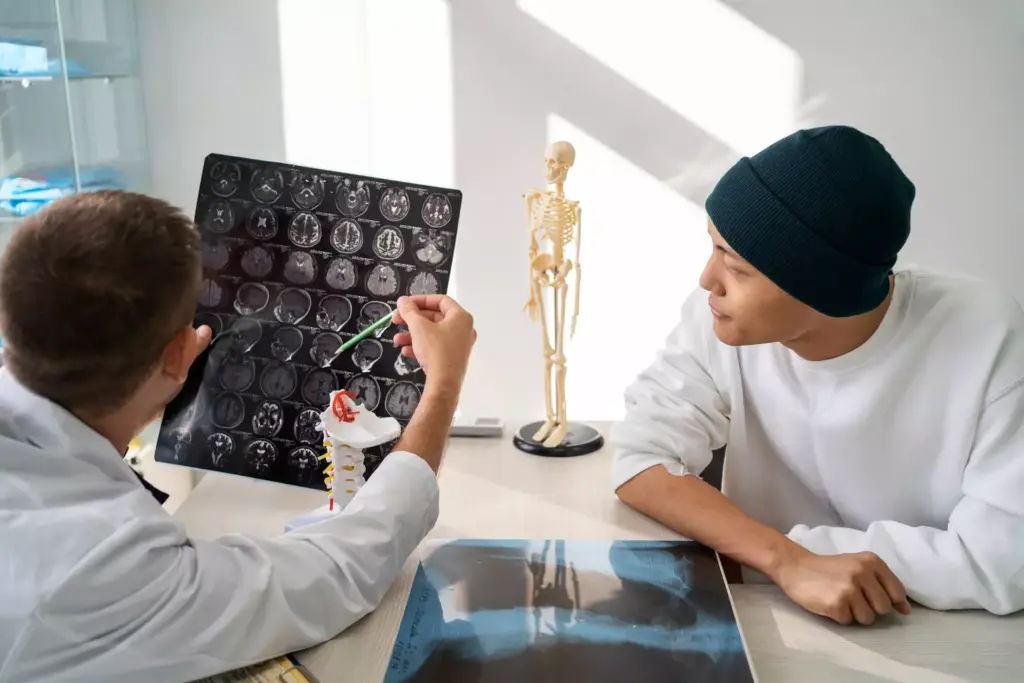
Chiari Malformation Type 2 often happens with spina bifida, like myelomeningocele. This is important to know for treating these conditions.
We’ll look at how Chiari Malformation Type 2 and spina bifida are connected. We’ll focus on myelomeningocele and other neural tube defects. We’ll also talk about the problems in fetal development that cause these issues.
Myelomeningocele and Neural Tube Defects
Myelomeningocele is when the spinal cord and meninges stick out through a spinal column hole. It’s a serious form of spina bifida, caused by a neural tube not closing right during pregnancy.
Most people with Chiari Malformation Type 2 also have myelomeningocele. Knowing this helps doctors treat both conditions better.
Embryological Development and Abnormalities
The neural tube starts forming early in pregnancy. Problems during this time can cause spina bifida and Chiari Malformation Type 2.
These issues are due to genetic and environmental problems during fetal development. Scientists are studying these to find better ways to prevent and treat these conditions.
| Condition | Description | Association with Chiari Malformation Type 2 |
|---|---|---|
| Myelomeningocele | A severe form of spina bifida where the spinal cord and meninges protrude through the vertebral column. | Strongly associated; most individuals with Chiari Malformation Type 2 also have myelomeningocele. |
| Spina Bifida | A neural tube defect characterized by incomplete closure of the spinal column. | Frequently co-occurs with Chiari Malformation Type 2. |
| Neural Tube Defects | Conditions resulting from abnormal neural tube formation during embryological development. | Chiari Malformation Type 2 is considered a hindbrain-related neural tube defect. |
It’s key to understand the link between Chiari Malformation Type 2 and spina bifida for good care. By studying the developmental problems and the nature of myelomeningocele, we can improve treatment and outcomes.
7 Key Symptoms of Chiari Malformation Type 2
Chiari Malformation Type 2 has symptoms that need quick medical help. These symptoms vary by age, which is why knowing them is key for diagnosis and treatment.
Symptoms in Infants
Infants with Chiari Malformation Type 2 face symptoms that worry families. These include:
- Noisy or abnormal breathing: This can mean serious breathing trouble, needing immediate care.
- Trouble swallowing: Babies might struggle to eat because of swallowing problems.
- Downward eye movement: Known as “sunsetting eyes,” it’s a worrying sign of the brain.
- Arm weakness: Babies may show less arm movement or weakness.
Symptoms in Children and Adults
As kids with Chiari Malformation Type 2 get older, their symptoms change. Key symptoms in older kids and adults are:
- Hydrocephalus: Fluid builds up in the brain, causing pressure.
- Scoliosis: The spine curves abnormally, needing orthopedic help.
- Hand coordination issues: Older kids and adults might find it hard to do fine motor tasks.
- Other symptoms include headaches, neck pain, and trouble with balance and coordination.
Spotting these symptoms early is vital for managing Chiari Malformation Type 2 well. It helps improve life quality for those affected.
Causes and Risk Factors of Arnold Chiari II
The causes of Chiari Malformation Type 2 are complex. They involve genetics and the environment. While we don’t know everything, research has found important clues.
Genetic Factors
Genetics play a big role in Arnold Chiari II. Studies link it to neural tube defects like myelomeningocele. Chiari Malformation Type 2 often runs in families with similar conditions. Experts say, “The genetic basis of Chiari malformations is complex and likely involves multiple genes.”
Having a family history of neural tube defects or Chiari malformations raises the risk. This points to a possible hereditary link. It’s important for prenatal diagnosis and management.
Environmental Influences During Pregnancy
Environmental factors during pregnancy also play a part. Things like maternal nutrition, toxin exposure, and gestational diabetes can affect fetal development.
“Maternal folic acid supplementation has been shown to reduce the risk of neural tube defects, which are closely associated with Chiari Malformation Type 2.”
Keeping a healthy lifestyle during pregnancy is key. It’s also vital for pregnant women to avoid harmful substances.
Knowing these risk factors helps in early detection and management of Arnold Chiari II. This can lead to better outcomes for those affected.
Diagnosing Chiari Malformation Type 2
To diagnose Chiari Malformation Type 2, we use several methods. These include prenatal detection, advanced imaging, and clinical evaluation. Our goal is to accurately identify the condition and create a treatment plan.
Prenatal Detection Methods
Ultrasound screening during pregnancy often starts the detection of Chiari Malformation Type 2. This method can show signs like a small posterior fossa or herniation of the cerebellum. But, it might not give a clear diagnosis.
We also use fetal MRI as a tool. Fetal MRI gives detailed images of the fetal brain. It helps confirm if the baby has Chiari Malformation Type 2. This is important for planning the baby’s care after birth.
Imaging Techniques
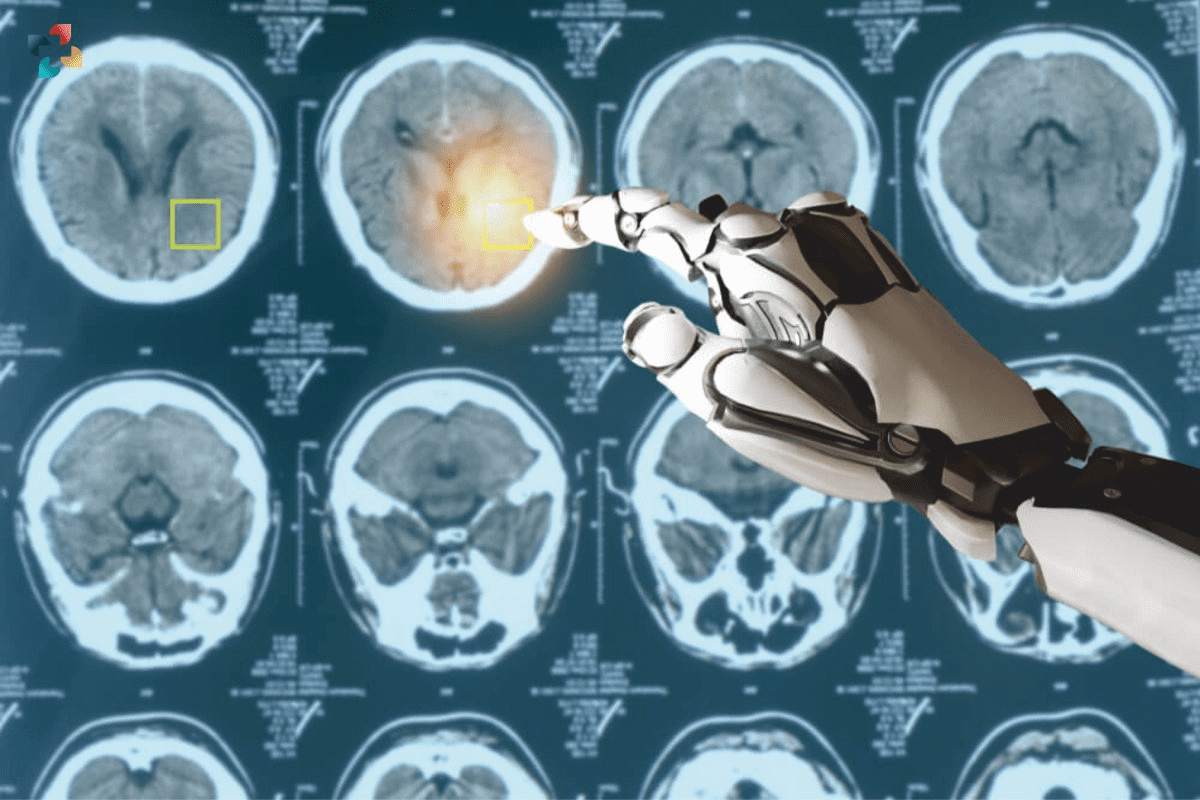
After birth, imaging is key to diagnosing Chiari Malformation Type 2. Magnetic Resonance Imaging (MRI) is the best method. MRI shows the brain and spinal cord in detail. It helps us see how much of the cerebellum is herniated.
In emergencies, Computed Tomography (CT) scans might be used. CT scans can quickly spot problems like hydrocephalus. This often happens with Chiari Malformation Type 2.
- MRI provides detailed images of the brain and spinal cord.
- CT scans are useful for detecting hydrocephalus and other complications.
- Imaging techniques are critical for planning surgery and monitoring.
Clinical Assessment
Clinical assessment is vital for diagnosing Chiari Malformation Type 2. We do a detailed neurological exam. This checks for symptoms like swallowing difficulties, breathing problems, and motor skill delays. It helps us see how the condition affects the patient’s health.
Our team works with neurosurgeons, neurologists, and rehabilitation experts. Together, we create a care plan that meets each patient’s needs.
- Neurological examination to assess symptoms and developmental delays.
- Collaboration with specialists to develop a detailed care plan.
- Ongoing monitoring to adjust treatment as needed.
Complications Associated with Chiari Type II Malformation
Chiari Malformation Type 2, also known as Arnold Chiari II, is a complex condition. It can lead to various complications. The structural abnormalities can result in neurological and systemic complications.
Neurological Complications
One significant neurological complication is syringomyelia. It’s a condition where a fluid-filled cavity forms in the spinal cord. This can cause muscle weakness, loss of reflexes, and sensory disturbances.
Other neurological complications include hydrocephalus. It’s a buildup of cerebrospinal fluid in the brain. This can increase intracranial pressure and cause headaches, nausea, and vomiting.
Respiratory and Gastrointestinal Issues
Respiratory problems are common in Chiari Type II malformation. The compression of the brainstem can affect breathing regulation. Sleep apnea is a notable concern, causing pauses in breathing during sleep.
Gastrointestinal issues can also occur. The dysfunction of the brainstem can affect the digestive system. Symptoms include difficulty swallowing, vomiting, and constipation.
The following table summarizes some of the key complications associated with Chiari Type II malformation:
| Complication | Description | Symptoms |
|---|---|---|
| Syringomyelia | Fluid-filled cavity in the spinal cord | Muscle weakness, loss of reflexes, sensory disturbances |
| Hydrocephalus | Buildup of cerebrospinal fluid in the brain | Headache, nausea, vomiting |
| Sleep Apnea | Pauses in breathing during sleep | Disrupted sleep patterns, daytime fatigue |
| Gastrointestinal Issues | Dysfunction of the digestive system | Difficulty swallowing, vomiting, constipation |
Surgical Treatments for Chiari Malformation Type 2
Surgery is often needed to treat Chiari Malformation Type 2. We will look at the main surgeries for this condition.
Posterior Fossa Decompression
Posterior fossa decompression is a surgery to relieve brain and spinal cord pressure. It removes part of the skull at the base. This makes room for the cerebellum and brainstem. The goal is to ease symptoms and stop them from getting worse.
“The surgical decompression of the posterior fossa is a critical step in managing the complex symptoms associated with Chiari Malformation Type 2,” as noted by medical professionals. This procedure can greatly improve life quality for many patients.
Shunt Placement for Hydrocephalus
Many with Chiari Malformation Type 2 also have hydrocephalus. This is when too much cerebrospinal fluid (CSF) builds up in the brain. Shunt placement is a surgery to put in a system to drain this excess CSF.
The shunt system has a catheter, a valve, and a reservoir. The valve controls how fast CSF flows out. It’s important to check the shunt often to make sure it works right and to fix any problems.
Both posterior fossa decompression and shunt placement are key surgeries for Chiari Malformation Type 2. Knowing about these surgeries helps patients and their families make better choices about their care.
Non-Surgical Management Approaches
Non-surgical methods are key in managing Chiari Malformation Type 2. They help control symptoms and improve life quality. Each patient’s needs are different. A good care plan might include medicine, physical therapy, and occupational therapy.
Medication Options
Medicines can help with pain, muscle weakness, and swallowing issues. Our doctors work with patients to find the best medicines.
Some common medicines are:
- Pain relievers for headaches and neck pain
- Muscle relaxants to lessen spasms
- Anti-seizure drugs for those with seizures
| Medication Type | Primary Use | Example Medications |
|---|---|---|
| Pain Relievers | Manage headache and neck pain | Acetaminophen, Ibuprofen |
| Muscle Relaxants | Reduce muscle spasms | Baclofen, Cyclobenzaprine |
| Anti-Seizure Medications | Control seizures | Levetiracetam, Carbamazepine |
Physical and Occupational Therapy
Physical and occupational therapy are vital for Chiari Malformation Type 2. They help patients stay functional, manage symptoms, and improve life quality.
Physical therapy boosts mobility, strength, and flexibility. Occupational therapy helps with daily tasks and keeping independence.
Multidisciplinary Care Team for Arnold Chiari II Patients
A team of experts is key for treating Arnold Chiari II. This condition needs many specialists working together. They help meet the varied needs of patients.
Medical Specialists Involved
The team for Chiari Malformation Type 2 includes neurosurgeons, neurologists, orthopedic surgeons, and rehabilitation therapists. Neurosurgeons are important for surgeries like posterior fossa decompression. This helps relieve pressure on the brain and spinal cord.
Neurologists manage neurological symptoms and complications. Orthopedic surgeons fix spinal deformities or instabilities. Rehabilitation therapists, like physical and occupational therapists, help patients regain skills and adapt to their condition.
As one expert says, “A team approach ensures all aspects of care are covered. This improves outcomes and quality of life.”
“The complexity of Chiari Malformation Type 2 requires a multifaceted treatment plan. This can only be achieved through a collaborative effort among various medical specialties.”
Coordinating Care Across Disciplines
Coordinating care among different disciplines is vital for Arnold Chiari II. Good communication among team members is essential. This ensures treatment plans are complete and fit each patient’s needs.
This teamwork helps in early detection and management of complications. It improves patient results.
- Regular team meetings to discuss patient progress and adjust treatment plans as necessary.
- Clear communication channels among specialists to ensure coordinated care.
- Patient education and support to empower them in managing their condition.
Together, the multidisciplinary care team offers top-notch, patient-focused care. They tackle the unique challenges of Chiari Malformation Type 2.
Living with Chiari Malformation Type 2: Long-term Outlook
The future for people with Chiari Malformation Type 2 can vary a lot. It depends on how severe the condition is and any other health issues. Some might stay relatively stable, while others could see their health get worse over time.
Quality of Life Considerations
How well someone lives with Chiari Malformation Type 2 depends on several things. These include spina bifida, hydrocephalus, and other brain problems. It’s important to manage these well to improve life quality.
Getting the right care is key. This means regular check-ups with a team of doctors, physical therapy to keep moving, and occupational therapy for daily tasks.
Developmental and Educational Support
People with Chiari Malformation Type 2 often need special help in growing and learning. Early programs can really help with brain and body skills.
Planning for school is also important. Some might need special help because of brain or body issues. Working together, schools, doctors, and families can make a special Individualized Education Plan (IEP) for each person.
- Regular checks to see how they’re growing
- Learning plans that fit their needs
- Support for them and their families
By focusing on life quality and the right support, we can make a big difference. This helps people with Chiari Malformation Type 2 have a better future.
Conclusion
Managing Chiari Malformation Type 2, also known as Arnold Chiari Type 2 malformation, needs a full plan. This plan includes surgery and non-surgery options, plus support care. We’ve talked about the condition’s symptoms, causes, and why early diagnosis is key.
A team of experts is vital for Chiari Type II Malformation care. They work together to offer tailored care. This includes surgery, shunt placement for hydrocephalus, and therapy. It ensures people get the help they need.
Living with Arnold Chiari Malformation Type II means more than just medical care. It also involves developmental and educational support. Knowing about the condition helps families and caregivers face its challenges.
We stress the need for a team effort to improve life for those with Chiari Type 2 Malformation. With a full care plan and support, we can greatly help those affected.
FAQ
What is Chiari Malformation Type 2?
Chiari Malformation Type 2, also known as Arnold Chiari II, is a rare condition. It happens when brain tissue moves into the spinal canal. This often goes with spina bifida and other neural tube defects.
How does Chiari Malformation Type 2 differ from Type 1?
Chiari Malformation Type 2 is more severe than Type 1. It has more brain tissue displacement and is linked to spina bifida and hydrocephalus more often.
What are the symptoms of Chiari Malformation Type 2?
Symptoms vary by age but include swallowing trouble, breathing issues, and weakness or numbness in arms or legs. Developmental delays are also common.
Is Chiari Malformation Type 2 associated with spina bifida?
Yes, Chiari Malformation Type 2 is often linked with spina bifida, like myelomeningocele. This is a neural tube defect where the spine and spinal cord don’t form right.
How is Chiari Malformation Type 2 diagnosed?
It’s usually spotted before birth with ultrasound or MRI. After birth, MRI and CT scans, along with clinical checks, help confirm it.
What are the treatment options for Chiari Malformation Type 2?
Treatments include surgery like posterior fossa decompression and shunt placement for hydrocephalus. Non-surgical methods like medication and physical therapy are also used.
Can Chiari Malformation Type 2 be managed without surgery?
Yes, some people manage symptoms with medication and physical therapy. This can improve their quality of life.
What kind of care team is needed for managing Chiari Malformation Type 2?
A team of neurosurgeons, neurologists, pediatricians, and physical and occupational therapists is key. They provide the care needed for Chiari Malformation Type 2.
How does Chiari Malformation Type 2 affect quality of life?
It can greatly affect quality of life. Complications include neurological, respiratory, and gastrointestinal issues. This highlights the need for coordinated care and support.
What support is available for individuals with Chiari Malformation Type 2?
Support includes developmental and educational help. Access to a multidisciplinary care team is also available to meet their unique needs.
Are there any environmental factors during pregnancy that can contribute to Chiari Malformation Type 2?
Yes, factors like folic acid deficiency in pregnancy may lead to Chiari Malformation Type 2 and neural tube defects.
Is there a genetic component to Chiari Malformation Type 2?
While the exact cause is not known, genetic factors might play a role in Chiari Malformation Type 2.
References
- Kuhn, J. (2024). Chiari malformation type II. In StatPearls [Internet]. StatPearls Publishing. Retrieved October 20, 2025, from https://www.ncbi.nlm.nih.gov/books/NBK557498/