Last Updated on November 14, 2025 by

Development in early childhood is complex. It involves many areas like motor, cognitive, language, social, and emotional growth. Knowing these milestones helps us support healthy growth patterns and spot issues early.
For example, by age five, kids usually sing the alphabet, count to ten, climb stairs alone, and dress by themselves. These signs show they’re developing well. Doctors and healthcare providers keep a close eye on these milestones.
Key Takeaways
- Early childhood development covers physical, cognitive, social, and emotional growth.
- Milestones like singing the alphabet and dressing alone show healthy development.
- Watching a child’s progress in different areas is key for early help.
- Healthcare providers watch these milestones to help ensure the best outcomes for life.
- Knowing about child development helps parents and caregivers support their kids better.
The Four Major Domains of Child Development
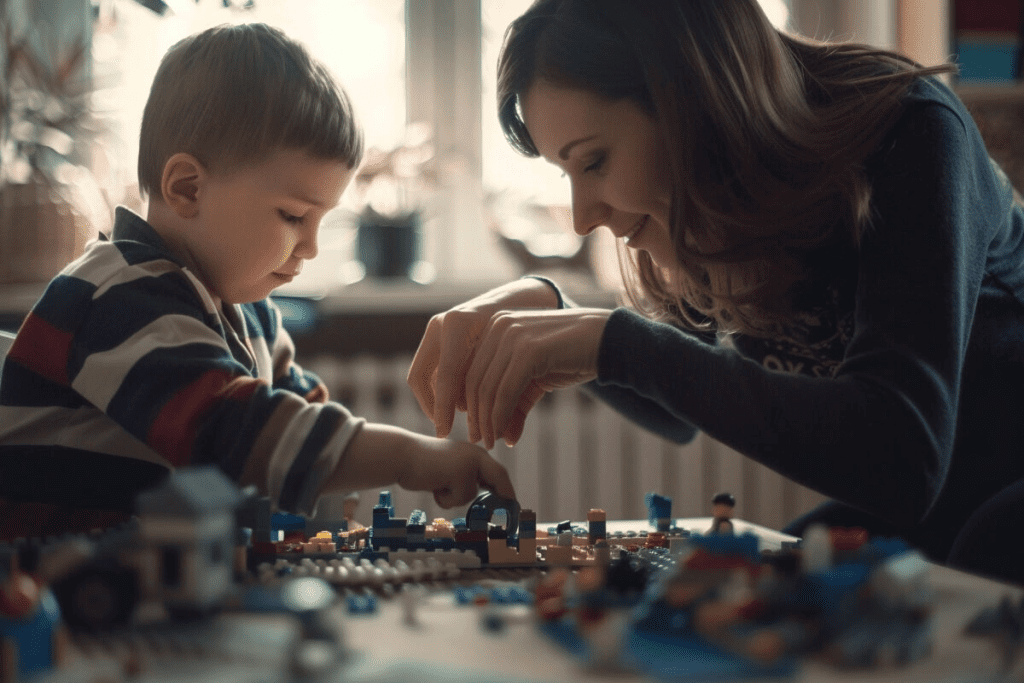
Child development is a complex journey with many important areas. These areas are vital for a child’s growth. The CDC says 75% of kids should hit certain milestones by certain ages.
Physical Development: Building Strength and Coordination
Physical development includes getting better at big and small movements. Kids start by crawling, then walking, and later running. They also get better at using their hands for detailed tasks like drawing.
Gross motor skills help with big movements. Fine motor skills are for small, precise actions. Watching how kids move helps spot any delays early.
Cognitive Development: Learning and Problem-Solving
Cognitive development is about learning, solving problems, and understanding the world. Kids go from recognizing objects to solving complex problems. This shows a big growth in thinking.
“Cognitive development is about how children think, learn, and solve problems,” says a leading child development expert. This domain is key for a child’s ability to understand and interact with their environment.
Social Development: Connecting with Others
Social development is about interacting with others, making friends, and learning social skills. Kids learn to work together, share, and talk well with others.
- Forming friendships
- Cooperating with others
- Developing empathy
Emotional Development: Understanding Feelings
Emotional development is about knowing and managing feelings and understanding others. Kids learn to identify, express, and control their emotions in a healthy way.
As the CDC guidelines say, watching these areas helps spot delays early. Knowing these four domains helps parents and caregivers support their child’s growth.
8 Remarkable Milestones in a Child’s First Year
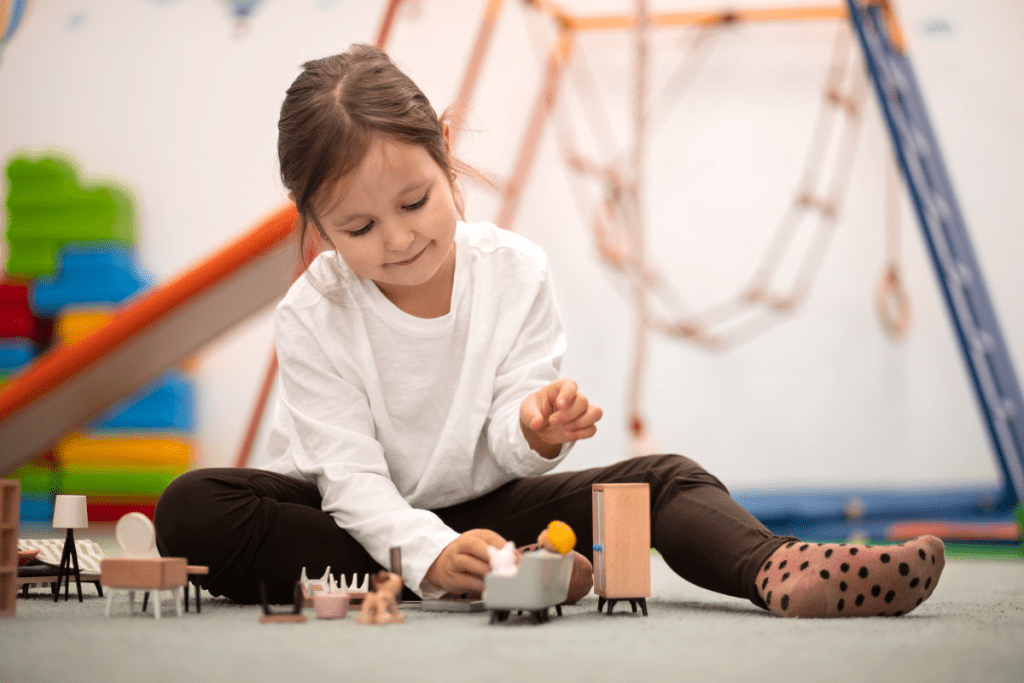
The first year of a child’s life is filled with amazing milestones. Babies grow fast, reaching important physical, cognitive, and social goals. These milestones are key for their development.
First Smiles and Social Recognition
The first smile is a joyous moment, usually seen at 6-8 weeks. It shows a baby’s first steps in social interaction. This is a big step in their growth, showing they can connect with others.
Sitting Unassisted: A Physical Triumph
Sitting without help is a big achievement, happening around 6-7 months. It shows that a baby’s muscles are getting stronger. At places like LivHospital, we watch these signs to make sure kids are growing well.
Object Permanence: Cognitive Leaps
Knowing objects exist even when not seen is a big brain milestone. Babies usually get this around 9 months. It shows they’re getting better at solving problems and remembering things. We see this as a big deal for their brain growth.
First Steps: The Journey to Walking
First steps are a huge deal, happening around 12-14 months. It’s a big win for physical growth and independence. As they start walking, they open up to new learning and adventures.
These milestones are not just fun for parents but also show that a child is growing well. By knowing and celebrating these milestones, parents can help their child grow. At Liv Hospital, we use the latest care plans to support kids at every stage. We make sure they get the care they need.
Toddler Development: Amazing Transformations Ages 1-3
Toddlerhood is a time of amazing change. Children start to be more independent, learn new words, and handle their feelings. This period, from one to three years, is key to their future growth.
Language Explosion: From Words to Sentences
One of the most amazing things about toddlers is how fast they learn to talk. They start with single words and soon make simple sentences. This language explosion is a big step in their thinking and social skills, helping them talk better with others.
According to the Michigan government, toddlers start combining words around 18-24 months. Tracking these milestones helps see how a child is growing.
Physical Independence: Climbing and Self-Feeding
Toddlers love to explore and show they can do things on their own. They start climbing, walking, and soon running. Learning to feed themselves is a big deal, showing they can do everyday tasks by themselves.
- Climbing helps improve their strength and coordination.
- Self-feeding boosts their fine motor skills and independence.
- These physical skills are important for their growth.
Emotional Development: Managing First Feelings
Emotional growth is a big part of a toddler’s life. They start to understand and handle their feelings, and even feel what others are feeling. Learning to control their emotions is a big challenge, but it’s important for them and their caregivers.
“Approximately 85% of a child’s brain development occurs by age five,” as highlighted by The Rauch Foundation, showing how early experiences matter.
By knowing and supporting these milestones, parents and caregivers are key in helping a child grow during the toddler years.
Pre-School Achievements: What a Child Can Do by Age 5
By age five, kids show amazing growth in physical, mental, and social areas. These milestones show how far they’ve come and if they’re ready for more learning.
Singing the Alphabet and Counting to Ten
By five, kids can sing the alphabet and count up to ten. This shows they’ve improved their memory and grasp of order. They start to get interested in reading and math, which helps them do well in school later.
Self-Care Skills: Dressing Without Assistance
Preschoolers also get better at taking care of themselves. Many can dress on their own. This shows they’re getting better at using their hands and feeling more independent.
Physical Abilities: Climbing Stairs Independently
Physically, kids at this age can climb stairs by themselves. This shows they’re getting stronger and more coordinated. It’s a sign of their physical growth.
Social Skills: Friendship and Cooperation
Socially, preschoolers start to make real friends and learn to work together. These skills are key to
their emotional and social growth. They learn about empathy, sharing, and solving problems.
Some important things kids can do by age five include:
- Singing the alphabet and counting to ten
- Dressing without help
- Climbing stairs by themselves
- Showing skills like making friends and working together
These preschool achievements are big developmental milestones. They show how much a child has grown and if they’re ready for more learning. Every child grows at their own pace, with some reaching milestones sooner than others.
The Science Behind a Child’s Brain Development
A child’s brain grows fast in the early years. This growth is key to their future skills. It’s shaped by their experiences and surroundings.
Early experiences are vital for brain development and future skills. By age five, about 85% of a child’s brain is developed. This shows how important the early years are.
The 85% Phenomenon: Brain Growth by Age Five
By age five, 85% of brain development is complete. This fact is key for parents and caregivers. It shows the need for a supportive environment for brain growth.
The Rauch Foundation’s research has been key in understanding early brain development. It shows how fast and important this growth is.
Critical Periods for Skill Development
There are key times for learning new skills. For example, the first three years are critical for language skills. Knowing these times helps caregivers support a child’s skill development.
How Daily Experiences Shape Neural Connections
Daily activities shape a child’s brain. Positive actions like reading and caring for them help brain connections. But negative experiences can slow development.
Understanding brain development helps us support children better. This knowledge lets us create better environments for their growth. It shapes their future abilities.
Understanding CDC’s Developmental Milestones
It’s important to know the CDC’s developmental milestones to help a child grow. The Centers for Disease Control and Prevention (CDC) gives guidelines on these milestones. They help us see if a child is developing as they should.
Using Milestones to Track Your Child’s Progress
The CDC’s developmental milestones checklist is a great tool for parents. It shows what kids should be able to do at different ages. This helps parents see how their child is doing and when to ask for help.
The CDC looks at many areas, like:
- Cognitive development: problem-solving and understanding the world
- Physical development: skills like walking and using hands
- Social and emotional development: how kids interact and manage feelings
- Language and communication: using words and gestures
When Development Doesn’t Follow Expected Patterns
Every child grows at their own pace, but big differences can mean trouble. The CDC says it’s key to watch these milestones closely. This way, we can catch any delays early and help kids catch up.
If a child isn’t meeting milestones, here’s what to do:
- Talk to a doctor to figure out what’s next
- Look into early help services for extra support
- Make a plan to meet the child’s specific needs
By using the CDC’s milestones, we can help our kids grow and get the help they need.
Professional Approaches to Supporting Child Development
Supporting child development is key. We know that a mix of methods is best for kids’ growth.
Multidisciplinary Development Support Programs
LivHospital leads in child development support. They use multidisciplinary development support programs. These bring together many healthcare experts for full care.
These programs have important parts:
- Teamwork between doctors, therapists, and psychologists
- Use of the latest care plans
- Custom plans for each child
Early Intervention Services and Their Impact
Early intervention services are vital for young kids. They help kids reach their best.
Early help brings many benefits:
- Boosts thinking and moving skills
- Helps with social and emotional growth
- Leads to better future outcomes
Personalized Development Support Strategies
Creating personalized development support strategies is vital. These plans are made with healthcare experts and parents.
Personalized support includes:
- Checking the child’s growth and needs
- Setting achievable goals and milestones
- Changing the plan as needed
Conclusion: Nurturing Your Child’s Developmental Journey
Nurturing a child’s growth is complex. It covers physical, cognitive, social, and emotional areas. By creating a supportive environment and engaging with them, we greatly influence their development.
Parents and caregivers are key in supporting a child’s growth. They do this by talking, reading, and giving kids language-rich experiences. These help with speech and language skills.
Supporting children on their journey is essential. It helps them grow and reach their full abilities. This sets them up for a life of learning and well-being.
FAQ’s:
What are the four major domains of child development?
Child development covers four main areas: physical, cognitive, social, and emotional. These areas include skills like moving and learning, interacting with others, and managing feelings.
What are some significant milestones achieved by children by age five?
By five, kids can sing the alphabet and count to ten. They can dress themselves and climb stairs on their own. They also start to make friends and work together with others.
What is the significance of brain development in early childhood?
Brain growth in early years is very important. By age five, 85% of brain development is done. This shows how early experiences shape a child’s brain and future growth.
How can parents and caregivers support a child’s developmental journey?
Supporting a child’s growth means understanding and helping in all areas. This includes creating a caring environment and engaging with them. It also means using early help programs when needed.
What are the CDC’s guidelines on developmental milestones, and how are they used?
The CDC sets milestones to track a child’s growth. These milestones show if a child is developing as expected. They help spot any delays early, so kids can get help when needed.
What is the average age range for toddler development, and what are some key milestones during this period?
Toddlerhood is from one to three years. During this time, kids learn a lot, like talking more and becoming independent. Important milestones include saying sentences, climbing, and feeding themselves.
How do healthcare institutions support child development?
Places like LivHospital help track and support child development. They use the latest care plans and work with different teams to meet each child’s needs.
What is the importance of early intervention services in supporting child development?
Early help services are key to kids’ development. They spot and address delays early. This ensures kids grow and develop healthily.
References
- Centers for Disease Control and Prevention. (2025, September 1). Milestones by 5 years | Learn the Signs. Act Early. https://www.cdc.gov/act-early/milestones/5-years.html