Last Updated on December 1, 2025 by Bilal Hasdemir

Lymphoma is a rare cancer that affects the immune system. It’s not common in kids, but 1 in 5,000 children in the U.S. get it every year.
When kids get child lymphoma illness, they might show signs that worry parents. It’s important to know these signs to catch the disease early.
This article will talk about childhood lymphoma symptoms. We’ll see how they can affect a child’s health.
Key Takeaways
- Lymphoma is a rare type of cancer in children.
- Early detection is key for good treatment.
- Spotting symptoms helps find the disease fast.
- Childhood lymphoma symptoms can differ.
- Knowing about the disease helps parents and caregivers.
Understanding Childhood Lymphoma
Lymphoma in children is a complex topic. It involves looking at its definition, how common it is, and what might increase a child’s risk. This cancer affects the immune system and can show up differently in kids than in adults.
What is lymphoma in children?
In children, lymphoma happens when lymphocytes, a type of white blood cell, grow out of control. This leads to tumors in lymph nodes or other areas of the body. Pediatric lymphoma is mainly split into two types: Hodgkin lymphoma and non-Hodgkin lymphoma.
How common is pediatric lymphoma?

Childhood lymphoma is not very common, making up about 10% of all childhood cancers. Childhood cancer research shows it’s the third most common cancer in kids. Hodgkin lymphoma is more common in older kids and teens.
Risk factors for childhood lymphoma
The exact reasons for lymphoma in kids are not known. But, some risk factors for childhood lymphoma have been found. These include genetic issues, immune system problems, and exposure to certain infections or chemicals.
Types of Childhood Lymphoma
Childhood lymphoma is divided into two main types: Hodgkin lymphoma and non-Hodgkin lymphoma. Knowing these types helps doctors choose the best treatment.
Hodgkin Lymphoma in Children
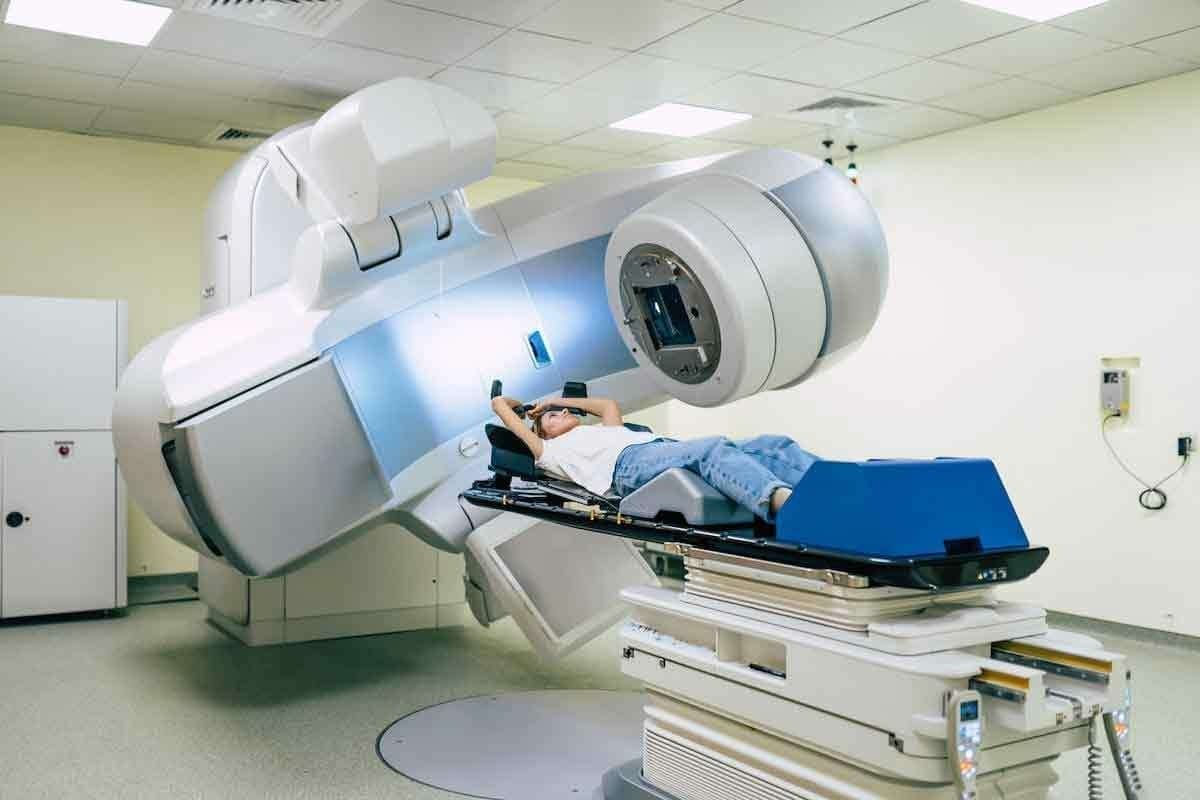
Hodgkin lymphoma, or Hodgkin’s disease, is rare in kids but common in teens. It has Reed-Sternberg cells. Children with Hodgkin lymphoma usually get chemotherapy and radiation. Early diagnosis leads to a high success rate.
Non-Hodgkin Lymphoma in Children
Non-Hodgkin lymphoma is more common in kids than Hodgkin lymphoma. It includes types like Burkitt lymphoma and lymphoblastic lymphoma. Treatment depends on the type and stage. It often involves strong chemotherapy.
Differences Between Adult and Childhood Lymphoma
Adults and kids have similar lymphoma types but big differences in how common they are and how they respond to treatment. Hodgkin lymphoma in kids usually has a better outlook than in adults. Childhood lymphoma treatment aims to avoid long-term growth and development issues. It’s important to understand these differences for the best care.
Child Lymphoma Illness: How It Affects The Body
When children get lymphoma, their immune system struggles to fight off infections. Lymphoma is a cancer that hits the lymphatic system hard. This system is key to the body’s defense.
Impact on the Immune System
The immune system keeps us safe from infections and diseases. But, in kids with lymphoma, the cancer weakens it. This makes it tough for the body to beat infections.
This can cause recurrent infections. These are a big worry for kids with lymphoma.
How Lymphoma Spreads in Children
Lymphoma can move to different body parts, like lymph nodes and the spleen. In kids, it can spread fast. This leads to symptoms like swollen lymph nodes, fever, and tiredness.
Why Symptoms Develop
As lymphoma grows, it brings on symptoms like unexplained weight loss and loss of appetite. It also makes breathing hard. These happen because the cancer messes with the body’s normal functions.
Knowing how lymphoma affects the body is key. It helps in giving the right care and support to kids with it.
Common Physical Symptoms in Children with Lymphoma
It’s important to know the signs of lymphoma in kids to get them help early. Lymphoma shows up in different ways. So, parents and caregivers need to watch for these signs.
Persistent Swollen Lymph Nodes
Persistent swollen lymph nodes are a key sign of lymphoma in kids. These nodes are usually painless. They can be found in the neck, armpits, or groin. If a child’s lymph nodes stay swollen, they should see a doctor.
Unexplained Weight Loss
Unexplained weight loss is another warning sign. If a child loses weight without a clear reason, it’s a sign to see a doctor.
Loss of Appetite and Eating Difficulties
Kids with lymphoma might not want to eat or have trouble eating. This could be because of the disease or discomfort. It’s important to watch how much they eat and their overall nutrition.
These symptoms can really affect a child’s life and health. Getting help early is key to managing lymphoma well.
Fever and Night Sweats in Children with Lymphoma
Fever and night sweats are common in kids with lymphoma. It’s important to understand these symptoms. This helps parents and caregivers know when a child might have lymphoma.
Why Lymphoma Causes Fever
Fever in kids with lymphoma happens because of the body fighting cancer cells. As lymphoma grows, it can raise the body’s temperature. This fever can keep coming back, along with tiredness and loss of appetite.
Characteristics of Lymphoma-Related Night Sweats
Night sweats from lymphoma are very severe. They can soak a child’s clothes and bedding. These night sweats don’t go away with simple changes, like adjusting the room’s temperature.
Differentiating from Common Childhood Illnesses
Fever and night sweats can also mean common childhood illnesses. But in lymphoma, they come with other signs like swollen lymph nodes and unexplained weight loss. If these symptoms last or are very bad, see a doctor.
Fatigue and Energy Levels in Childhood Lymphoma
Fatigue is a common symptom in kids with lymphoma, making their lives harder. Childhood lymphoma causes tiredness that doesn’t go away with rest. This is called cancer-related fatigue.
Understanding Cancer-Related Fatigue in Children
Cancer-related fatigue in kids is not just being tired. It’s a deep exhaustion that makes everyday tasks hard. It’s caused by the cancer, how the body reacts, and treatment side effects.
How Fatigue Affects Daily Activities and Play
Fatigue makes daily life tough for kids. Even simple things like getting dressed or playing can be hard. They might need to rest more often and do less.
Changes in Sleep Patterns
Kids with lymphoma might sleep a lot or have trouble sleeping. These sleep changes add to their tiredness.
It’s important to understand and manage fatigue in kids with lymphoma. Recognizing the signs helps parents and caregivers support them. This way, kids can better handle this tough part of their illness.
Abdominal Symptoms in Pediatric Lymphoma
Pediatric lymphoma can show itself in many ways in the abdomen. Parents should know these signs. They can tell how the disease is affecting their child.
Abdominal Swelling and Discomfort
Swelling and discomfort in the abdomen are common signs. They might happen because of big lymph nodes or other organs. Abdominal swelling in children can really bother them and make it hard to do everyday things.
Spleen and Liver Enlargement
Lymphoma can make the spleen and liver get bigger. This is called hepatosplenomegaly. It can cause pain and discomfort in the belly. It’s important for parents to watch their child’s belly and tell the doctor if they notice anything different.
Digestive Issues and Bowel Changes
Children with lymphoma might have digestive problems. They could have changes in bowel habits, feel sick, or throw up. These issues can make it hard to get enough nutrients. Eating well and talking to a doctor can help with these problems.
Spotting these signs early can help find and treat pediatric lymphoma faster. If your child shows any of these symptoms, seeing a doctor is very important.
Respiratory and Chest Symptoms
It’s important to know about respiratory and chest symptoms when dealing with lymphoma in kids. These signs can show how the disease is growing and affecting the child’s health.
Persistent Cough in Children with Lymphoma
A persistent cough in kids with lymphoma is a worrying sign. This cough might not get better with usual treatments. It could mean the disease is affecting the lungs.
Breathing Difficulties and Shortness of Breath
Children with lymphoma might have trouble breathing or feel short of breath. This is because of big lymph nodes or tumors in the chest. It can cause discomfort and worry.
Chest Pain and Discomfort
Chest pain is another symptom in kids with lymphoma. This pain might come from the tumor pressing on the chest or nearby areas.
| Symptom | Description |
| Persistent Cough | A cough that doesn’t respond to typical treatments |
| Breathing Difficulties | Shortness of breath due to lymph node or tumor enlargement |
| Chest Pain | Pain caused by tumor pressure on the chest wall |
Skin Manifestations of Childhood Lymphoma
Skin symptoms are a big part of childhood lymphoma. Parents need to know about them. These signs can seem unrelated to lymphoma at first.
Rashes and Skin Changes
Children with lymphoma might get rashes or skin changes. These can be mild redness or severe lesions. Watching for any skin changes is key, as they might signal lymphoma early.
Itchy Skin and Pruritus
Some kids with lymphoma have itchy skin or pruritus. This can really bother them and lower their quality of life. Knowing itchy skin can be a sign of lymphoma is important for getting the right medical help.
Paleness and Other Color Changes
Children with lymphoma might also show paleness or color changes. For example, pale skin can mean anemia, linked to lymphoma. Spotting these signs early is vital.
Staying alert to these skin signs can help catch childhood lymphoma early. If your child shows unusual skin changes, see a doctor right away.
Pain Symptoms in Children with Lymphoma
It’s important to spot pain symptoms in kids with lymphoma early. This helps doctors treat them quickly and plan better. Kids with lymphoma face many pain issues that affect their life a lot.
Bone and Joint Pain
Kids with lymphoma often have bone and joint pain. This pain comes from lymphoma cells in the bone marrow or nearby tissues. They might feel constant pain in their bones or joints, which can seem like normal growing pains. It’s key for parents to tell normal aches from signs of lymphoma.
Headaches and Neurological Symptoms
Headaches are a symptom of lymphoma in kids, caused by the disease’s effects on their health. Neurological symptoms can include headaches, seizures, or weakness. These need quick medical check-ups to find the right treatment.
How Children Express Pain Differently
Kids show pain in their own way, and it changes with age and development. Younger kids might not say they’re in pain and might act differently instead. Older kids can talk about their pain, but doctors need to check it carefully.
Knowing about these pain signs is vital for parents and doctors to help kids with lymphoma.
Recognizing When Your Child Is Unwell with Lymphoma
Parents are key in spotting lymphoma in kids by noticing odd signs and symptoms. Knowing how your child acts and feels can help find and treat the disease early.
Behavioral Changes to Watch For
Kids with lymphoma might act differently. They might get irritable, tired, or pull away from fun activities. Watching for these signs is important because they can mean the disease is present.
Some kids might want to be closer or seem worried. These changes can be small, so paying close attention is vital.
When to Seek Immediate Medical Attention
Some symptoms need quick medical help. Severe pain, trouble breathing, or a high fever are examples. Acting fast can help a lot with treatment.
Also, look out for unexplained bruises, losing a lot of weight, or big lymph nodes. If you see these, see a doctor right away.
Documenting Symptoms for Medical Appointments
Writing down your child’s symptoms is very helpful at doctor’s visits. Record how often, how bad, and how long symptoms last. This helps doctors figure out what’s wrong.
| Symptom | Frequency | Severity |
| Fever | Daily | High |
| Fatigue | Constant | Severe |
| Swollen Lymph Nodes | Intermittent | Moderate |
By staying alert and taking action, parents are very important in helping their child get better. If you worry about your child’s health, get medical advice.
Emotional and Psychological Effects
Lymphoma in children is more than a physical battle; it deeply affects their emotions and minds. Getting diagnosed with lymphoma is a huge shock. It impacts not just the child but also their family.
Mood Changes and Irritability
Children with lymphoma often feel moody and irritable. This is because of the stress and pain from their illness and treatment. It’s hard for parents and caregivers to handle these mood swings.
Anxiety and Fear in Children with Lymphoma
Anxiety and fear are big worries for kids with lymphoma. The unknown future and the pain from medical tests make these feelings worse.
Age-Specific Emotional Responses
How kids react to lymphoma changes with age. Young ones might become very attached or act younger. Older kids and teens might feel lonely or angry.
Diagnosing Lymphoma in Children
When a child might have lymphoma, doctors start a journey to find out for sure. They need to know the type of lymphoma and the best treatment.
The Diagnostic Journey
The first step is a detailed medical history and physical check-up. Doctors look for swollen lymph nodes, fever, and weight loss.
Tests and Procedures
To find lymphoma, doctors use several tests. These include:
- Blood tests to find abnormal cells or proteins
- Imaging tests like X-rays, CT scans, or PET scans to see the lymph nodes
- Biopsy to check a lymph node sample for cancer cells
A biopsy is key for diagnosing lymphoma. It takes a tissue sample from a lymph node. Then, it’s checked for cancer cells.
Staging and What It Means
After diagnosing lymphoma, doctors figure out its stage. Staging shows how far the cancer has spread.
| Stage | Description |
| Stage I | Cancer is in one lymph node group |
| Stage II | Cancer is in two or more lymph node groups on the same side of the diaphragm |
| Stage III | Cancer is in lymph node groups on both sides of the diaphragm |
| Stage IV | Cancer has spread to organs outside the lymphatic system |
Knowing the stage of lymphoma helps plan the best treatment. It also helps predict how well the child will do.
Treatment Approaches for Childhood Lymphoma
Treating lymphoma in children involves a mix of therapies. Each plan is made for the child’s specific needs. It considers the type of lymphoma, its stage, and the child’s health.
Common Treatment Protocols
Childhood lymphoma treatment often includes chemotherapy, radiation, and sometimes stem cell transplants. Chemotherapy is a mainstay, using drugs to kill cancer cells. The exact treatment depends on the lymphoma type and stage.
Managing Treatment Side Effects
It’s key to manage side effects to keep the child comfortable. Side effects like nausea, fatigue, and hair loss can occur. To help, supportive care like anti-nausea meds and nutrition support is given.
| Side Effect | Management Strategy |
| Nausea | Anti-nausea medication |
| Fatigue | Rest and relaxation techniques |
| Hair Loss | Emotional support and scalp cooling |
New and Emerging Therapies
New therapies offer hope for kids with lymphoma. These include targeted and immunotherapies. Targeted therapies attack specific cancer cells. Immunotherapies use the body’s immune system to fight cancer.
Treating childhood lymphoma is complex. It needs a team of healthcare experts. Knowing about treatment options helps families make informed decisions for their child’s care.
Supporting a Child Through Lymphoma Treatment
Supporting a child with lymphoma needs a full plan. It must cover their emotional, physical, and educational needs. This support is key to helping them face treatment challenges and stay well.
Emotional Support Strategies
Emotional support is essential for kids with lymphoma. Parents and caregivers should be there, listen, and understand their feelings. Encouraging open communication makes kids feel supported and understood.
Keeping things normal and routine can comfort them. Doing things they love, like hobbies or hanging out with friends, can lift their spirits.
School and Social Considerations
Missing school due to treatment can affect a child’s learning and social life. Working with their school helps them keep up with schoolwork and reduces educational loss.
It’s also important for kids to stay in touch with friends. Encourage them to visit, call, or chat online. This helps them feel connected and not alone.
Resources for Families
Families facing lymphoma can find help through support groups, counseling, and online forums. These offer valuable advice, emotional support, and connections with others facing similar issues.
Groups like the Children’s Oncology Group provide educational materials, financial aid, and advocacy. Reaching out to these organizations can guide families through treatment challenges.
Long-term Outlook and Survivorship
Children with lymphoma face a hopeful future. Understanding their prognosis and managing follow-up care is key. Thanks to better treatments, more kids are beating lymphoma. Now, we focus on making sure they live well after treatment.
Prognosis Factors for Childhood Lymphoma
The outlook for kids with lymphoma depends on several things. These include the type of lymphoma, how far it has spread, and how well it responds to treatment. Kids usually do better than adults, with many going into complete remission.
Follow-up Care and Monitoring
Keeping an eye on lymphoma survivors is vital. They need regular check-ups, scans, and blood tests. These help catch any signs of the cancer coming back or late effects early.
Late Effects and Considerations
Late effects can be physical and emotional challenges. Understanding these effects is key to providing the right support.
Returning to Normal Activities
Getting back to normal is a big part of recovery. But, it’s important to do it slowly and with doctor’s advice. This ensures the child’s health is protected.
| Aspect of Care | Description | Importance |
| Prognosis Understanding | Knowing the likelihood of recovery | Helps in planning future care |
| Follow-up Care | Regular check-ups and tests | Essential for detecting recurrence or late effects |
| Late Effects Management | Addressing physical and emotional challenges | Improves quality of life for survivors |
Support from family, healthcare providers, and support groups is vital. They offer emotional support and resources to help kids and families deal with the challenges of survivorship.
Conclusion
It’s vital to spot the signs of lymphoma in kids early. This includes Hodgkin and non-Hodgkin lymphoma. Symptoms can be physical or emotional. Look out for swollen lymph nodes, weight loss, fever, and night sweats.
Lymphoma can really affect a child’s life. It can weaken their immune system and energy. Knowing the symptoms and getting help fast is key to treatment.
It’s important to spread the word about childhood cancer. Supporting families with lymphoma is also key. Together, we can help kids with lymphoma get better and live well.
FAQ
What are the early signs of lymphoma in children?
Early signs of lymphoma in kids include swollen lymph nodes and unexplained weight loss. They might also have a loss of appetite, fever, and night sweats. Fatigue, abdominal swelling, and a persistent cough are other signs. If these symptoms last, it’s important to see a doctor.
How is childhood lymphoma diagnosed?
Diagnosing childhood lymphoma involves several tests. These include physical exams, imaging tests like X-rays and CT scans, and blood tests. A biopsy of lymph nodes or affected tissues is also done. These steps help find out if a child has lymphoma and what type it is.
What are the treatment options for pediatric lymphoma?
Treatment for pediatric lymphoma depends on the type and stage. It often includes chemotherapy and sometimes radiation therapy. In rare cases, a stem cell transplant is needed. Each child’s treatment plan is made just for them, using a mix of these therapies.
How does lymphoma affect a child’s energy levels?
Lymphoma can make kids very tired. This fatigue affects their energy and ability to do daily things. Managing this fatigue is key to helping kids feel better.
Can lymphoma cause pain in children?
Yes, lymphoma can cause pain in kids. This pain can be in bones, joints, headaches, or the belly. The pain’s type and where it is depends on the lymphoma’s location and how far it has spread.
How can families support a child with lymphoma?
Families can offer emotional support and help manage side effects. They should also make sure the child goes to all follow-up appointments. Counseling, support groups, and educational materials can also be helpful.
What is the long-term outlook for children with lymphoma?
The long-term outlook for kids with lymphoma varies. It depends on the type and stage of the disease and how well it responds to treatment. Thanks to advances in treatment, many kids with lymphoma now survive longer.
Are there any late effects of lymphoma treatment in children?
Yes, kids treated for lymphoma may face late effects. These can include growth and development issues, fertility problems, and a higher risk of getting other cancers. It’s important to have long-term follow-up care to manage these risks.
How can parents help their child return to normal activities after lymphoma treatment?
Parents can help their child get back to normal by gradually adding activities. They should watch their energy levels and make sure they get the care they need. It’s also key to address any emotional or psychological challenges they face.
Reference
National Cancer Institute (NCI) – Childhood Acute Lymphoblastic Leukemia Treatment:https://www.cancer.gov/types/leukemia/patient/child-all-treatment-pdq