Last Updated on December 1, 2025 by Bilal Hasdemir
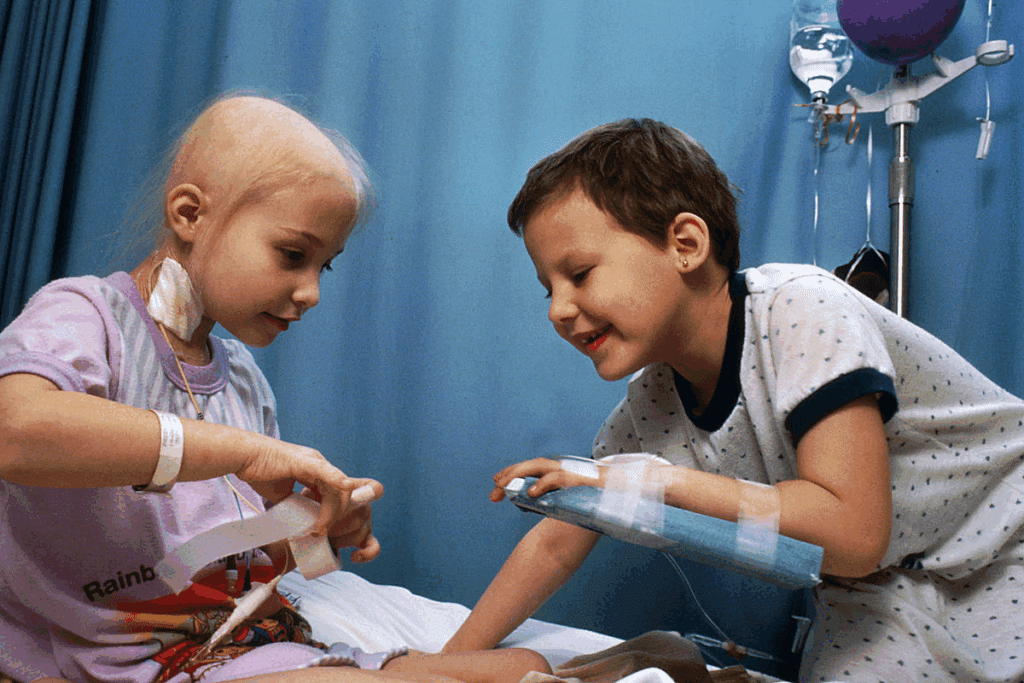
The number of pediatric cancer cases is rising fast. The National Cancer Institute says about 9,550 new cases will be found in kids from birth to 14 in the U.S. in 2025.
This news highlights the need to find out why kids are getting cancer more often. As cases keep increasing, we must look into what’s causing it.
Key Takeaways
- The incidence of pediatric cancer is on the rise.
- Understanding the causes is key for prevention and treatment.
- Research is ongoing to find out what’s behind this trend.
- The National Cancer Institute gives us important cancer stats.
- Early diagnosis and treatment are critical for better outcomes.
The Alarming Statistics of Childhood Cancer

Childhood cancer has become a big worry for public health. It’s important to know the facts to tackle this issue.
Current Incidence Rates in the United States
The National Cancer Institute reports a high rate of cancer in kids in the U.S. Leukemias, brain tumors, and lymphomas are the top cancers in kids under 15.
Trends Over the Past Three Decades
Looking back three decades shows changes in childhood cancer. Survival rates have improved, but more kids are getting cancer.
Most Common Cancer Types Among Children
The top cancers in kids are:
- Leukemias
- Brain and CNS tumors
- Lymphomas
Age Distribution Patterns
Cancer rates change with age in kids. Here’s how different cancers affect different age groups.
| Age Group | Common Cancer Types |
| 0-4 years | Leukemias, Neuroblastomas |
| 5-9 years | Leukemias, Brain and CNS tumors |
| 10-14 years | Lymphomas, Leukemias |
These numbers highlight the need for more research and awareness about childhood cancer.
Understanding Childhood Cancer Causation
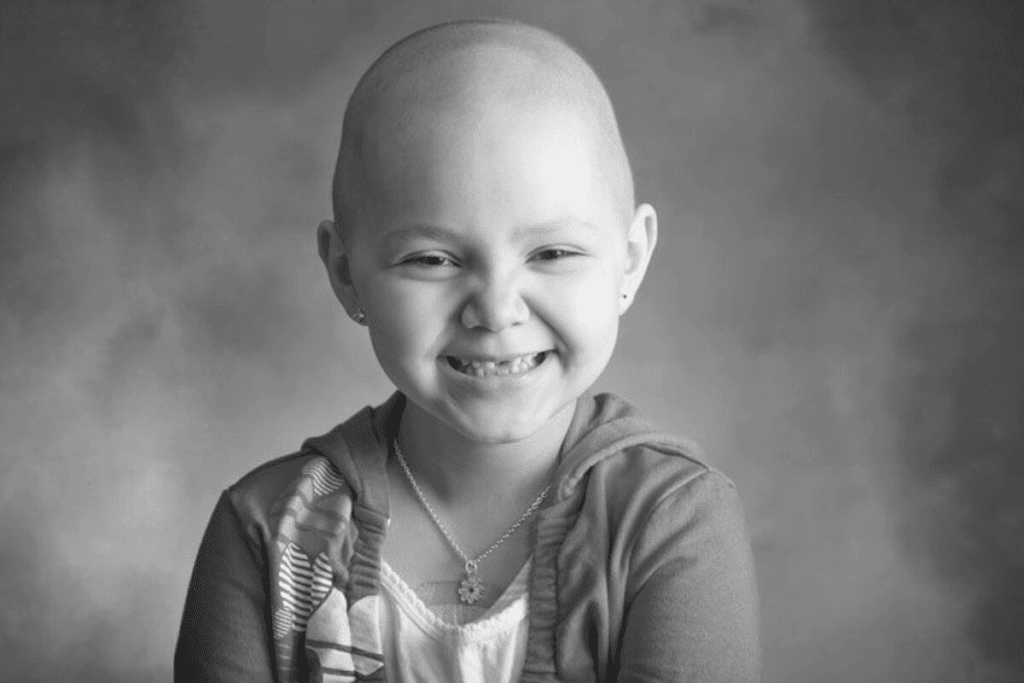
Childhood cancer has its own special traits. It’s different from adult cancers in many ways.
How Pediatric Cancers Differ from Adult Cancers
Pediatric cancers are unique compared to adult cancers. Childhood cancers tend to have fewer mutations than adult cancers. This shows different ways tumors can develop.
The Multifactorial Nature of Cancer Development
Cancer in kids is a complex issue. It’s influenced by genetics and the environment.
Cell Division and DNA Damage in Growing Bodies
In kids, fast-growing cells raise the risk of DNA damage. This is why some cancers are more common in children.
The Latency Period Between Exposure and Disease
There’s a time gap between exposure to harmful substances and cancer. Knowing this is key to spotting early risks.
| Characteristics | Pediatric Cancers | Adult Cancers |
| Typical Mutations | Fewer mutations | More mutations |
| Cancer Types | Leukemias, Brain Tumors | Carcinomas (Breast, Lung, Colon) |
| Growth Rate | Often faster growth | Variable growth rates |
The table shows the main differences between pediatric and adult cancers. It points out the special features of childhood cancer.
Environmental Toxins and Pollutants
More kids are getting cancer, and environmental toxins are a big part of the problem. Pollutants like industrial chemicals, pesticides, and radiation are all linked to childhood cancer. It’s a complex issue with many factors at play.
Industrial Chemicals in Air and Water
Chemicals from industries are making air and water dirty. Chemicals like benzene and pesticides can cause cancer. Kids might breathe in or drink these toxins from polluted air or water.
Pesticides and Agricultural Exposures
Pesticides used in farming can also cause cancer in kids. Kids living near farms might breathe in more of these chemicals. It’s important to cut down on their exposure.
Household Products and Indoor Air Quality
Household items can also pollute the air inside our homes. Using green products and keeping windows open can help. This makes the air cleaner for everyone.
Radiation Sources in Daily Life
Radiation is another risk for cancer. It comes from medical tests, space, and nuclear accidents. Try to avoid extra medical scans to lower your exposure.
It’s key to understand how toxins and pollutants affect kids’ cancer risk. By tackling these issues, we can lower the number of kids getting cancer.
Genetic and Hereditary Risk Factors
Childhood cancer often has a genetic link. This can be from inherited genes or random mutations. Knowing these risks helps find and protect children at higher risk.
Inherited Cancer Syndromes
Some kids get genes that make them more likely to get cancer. These inherited cancer syndromes cause a part of childhood cancers. About 8 to 10 percent of childhood cancers come from inherited genes.
Spontaneous Genetic Mutations
Not all genetic changes come from family genes. Some happen because of things like pollution. These spontaneous genetic mutations can also lead to cancer in kids.
Epigenetic Changes and Their Significance
Epigenetic changes are like chemical tags on DNA. They can change how genes work without changing the DNA itself. These changes can be caused by things like pollution and play a part in cancer.
Family History Considerations
A family history of cancer can hint at genetic risks. Knowing a child’s family history helps doctors figure out their risk. They can then suggest screenings or ways to prevent cancer.
| Genetic Risk Factor | Description | Impact on Childhood Cancer |
| Inherited Cancer Syndromes | Genetic mutations passed from parents to children | Increases cancer risk |
| Spontaneous Genetic Mutations | Genetic mutations occurring without inheritance | Can lead to cancer development |
| Epigenetic Changes | Chemical modifications affecting gene expression | May influence cancer risk |
Prenatal and Early Life Exposures
Research shows that prenatal and early life exposures are key in childhood cancer risk. Factors during pregnancy and early childhood greatly affect a child’s health.
Maternal Health During Pregnancy
Maternal health during pregnancy is very important. Conditions like gestational diabetes and hypertension raise childhood cancer risk. Keeping health optimal during pregnancy is essential.
Parental Age Correlation
Parental age at conception is also being looked into. Some studies find a link between older parents and higher cancer risk in kids.
Birth Weight and Developmental Factors
Birth weight and developmental factors are also studied for childhood cancer links. Low and high birth weights are tied to different cancers in kids.
| Factor | Association with Childhood Cancer |
| Maternal Health | Conditions like gestational diabetes increase risk |
| Parental Age | Older age potentially linked to higher risk |
| Birth Weight | Both low and high birth weights associated with increased risk |
Early Childhood Environmental Exposures
Early childhood environmental exposures are also being studied. This includes pollutants and radiation and their impact on childhood cancer risk.
Modern Lifestyle Influences Under Investigation
Modern lifestyle choices are being looked into for their link to rising childhood cancer rates. Researchers are checking how today’s life might add to this trend.
Dietary Patterns and Processed Foods
Diet’s role in childhood cancer is a big focus. Processed foods and unhealthy eating habits are tied to health problems. Scientists are studying if they also raise cancer risk in kids.
Physical Activity Levels
Being active is good for health, and it might help with childhood cancer risk too. Regular exercise could lower the chance of some cancers.
Screen Time and Electronic Device Usage
Sleep Patterns and Circadian Rhythm Disruption
Too much screen time can mess up sleep and body clocks. This could lead to health issues, including a possible link to cancer.
The main things being studied are:
- Dietary habits and food processing
- Levels of physical activity
- Screen time and device usage
- Sleep quality and circadian rhythm
It’s important to understand these lifestyle factors to find ways to lower childhood cancer risk.
Improved Detection vs. Actual Increase
Childhood cancer rates are rising, and experts disagree on why. They argue over whether better detection or more actual cases are to blame. The focus is on how medical tech and diagnostic practices have changed.
Advances in Diagnostic Technologies
Recently, diagnostic tech has made big strides. This means doctors can spot cancers sooner and more accurately. Tools like high-resolution imaging and molecular diagnostics have made a big difference.
Earlier and More Accurate Screening Methods
Screening methods have gotten better too. Now, doctors can catch cancers that might have been missed before. This has led to more cases being found, making it seem like cancer is more common.
Changes in Classification and Reporting Systems
How we classify and report cancers has also changed. New systems might count more cases as cancer. This could make it seem like cancer rates are going up more than they really are.
The Debate Among Epidemiologists
Epidemiologists are arguing about what’s behind the rise in childhood cancer. Some say better detection is a big part of it. But others think there’s more to it than just better tech.
| Factor | Impact on Childhood Cancer Incidence |
| Advances in Diagnostic Technologies | Increased detection of cancers |
| Earlier and More Accurate Screening Methods | Detection of cancers at earlier stages |
| Changes in Classification and Reporting Systems | Potential inflation of incidence rates |
The debate shows how complex it is to understand childhood cancer trends. We need more research to figure out what’s causing it and how tech is affecting our ability to detect it.
Immune System Development and Infectious Agents
It’s important to understand how our immune system grows and how it deals with germs. This knowledge helps us figure out why more kids are getting cancer.
The Hygiene Hypothesis
The hygiene hypothesis says that not getting enough germs in childhood might make us more likely to get immune problems. This could even raise our risk of getting cancer. It suggests that our clean environments might not help our immune system grow right.
Viral Infections Linked to Cancer Risk
Some viruses, like Epstein-Barr, can make kids more likely to get cancer. These viruses can mess with our immune system. This might cause cells to turn cancerous.
Vaccination Impact on Cancer Prevention
Vaccines can help prevent cancer by fighting off viruses that cause it. By stopping these viruses, vaccines can help lower the risk of cancer.
Microbiome Changes in Modern Children
Our microbiome, or the good bugs in us, is key for a strong immune system. Changes in our microbiome from modern living and eating habits might affect our immune system. This could also change our risk of getting cancer.
Socioeconomic and Racial Disparities
Racial and socioeconomic disparities in childhood cancer show the need for fair healthcare access. The rates and outcomes of childhood cancer differ a lot among different racial and socioeconomic groups.
Access to Healthcare and Early Diagnosis
Getting to healthcare early is key in treating childhood cancer. Kids from lower-income families often face challenges getting to the doctor on time. This can lead to late diagnosis and worse results.
Table: Comparison of Childhood Cancer Outcomes by Socioeconomic Status
| Socioeconomic Status | Survival Rate | Diagnosis Delay |
| Low | 60% | High |
| Medium | 75% | Moderate |
| High | 90% | Low |
Neighborhood Environmental Justice Issues
Environmental justice is key in understanding childhood cancer disparities. Poor neighborhoods, often home to lower-income families, face more environmental dangers.
“The relationship between environmental exposures and childhood cancer is complex and multifaceted. Communities near industrial sites are at higher risk of exposure to harmful chemicals.”
Disparities in Cancer Outcomes
There are big differences in cancer outcomes, with disadvantaged kids facing higher death rates. This is due to late diagnosis, poor treatment, and environmental factors.
Policy Implications for Vulnerable Communities
To tackle these disparities, we need policies that improve healthcare and environment for vulnerable groups. Policymakers must think about these disparities when making public health plans.
Groundbreaking Research and New Understandings
Studies are making big strides in understanding childhood cancer. They aim to improve how we diagnose and treat it. This work includes major studies, new findings in cancer biology, and global research teams.
Major Childhood Cancer Studies in Progress
Many important studies are looking into childhood cancer’s causes and biology. These studies are key to finding better treatments and raising survival rates. They explore genetic and environmental factors to find ways to prevent cancer in kids.
Recent Discoveries in Cancer Biology
New insights in cancer biology have helped us understand how childhood cancers start and grow. We’ve learned about the role of genetic mutations and the tumor environment in cancer.
Biomarker Identification for Early Detection
Finding biomarkers for early cancer detection is a major focus. Biomarkers are molecules in the body that show disease. Finding reliable biomarkers for childhood cancer could greatly improve treatment and survival rates.
International Collaborative Research Efforts
Working together globally is essential in fighting childhood cancer. By sharing resources and data, researchers can find new treatments faster. This teamwork has led to more effective and safer therapies.
| Research Area | Focus | Potential Impact |
| Cancer Biology | Understanding genetic mutations and tumor microenvironment | Improved treatment strategies |
| Biomarker Identification | Early detection through biological markers | Enhanced diagnosis and survival rates |
| Collaborative Research | International data sharing and resource pooling | Accelerated discovery of new treatments |
Practical Prevention Strategies for Families
While we don’t know the exact causes of most childhood cancers, there are steps families can take. By making smart choices about health and the environment, parents can help prevent cancer in kids.
Evidence-Based Recommendations for Parents
Parents should aim for healthier lifestyles. This means avoiding harmful chemicals, eating well, and staying active. Evidence-based recommendations also suggest breastfeeding, not smoking, and avoiding pesticides to lower cancer risk in kids.
Creating Healthier Home Environments
It’s key to make homes healthier. This means cutting down on toxins, using safe cleaners, and having good air flow. Diet and nutrition are very important in this effort.
Diet and Nutrition Guidelines
Eating a balanced diet with lots of fruits, veggies, and whole grains can help. Here are some dietary tips:
| Food Group | Recommended Intake | Benefits |
| Fruits | At least 2 servings a day | Rich in antioxidants and fiber |
| Vegetables | At least 3 servings a day | Rich in vitamins and minerals |
| Whole Grains | At least 50% of daily grains | Rich in fiber and nutrients |
“A healthy diet and lifestyle can significantly reduce the risk of many diseases, including certain types of cancer.” – American Cancer Society
When to Seek Medical Evaluation
Parents should know the signs of serious health problems. Look out for persistent fatigue, unexplained weight loss, or unusual lumps. Early medical check-ups can greatly improve treatment chances.
Conclusion: The Path Forward in Protecting Our Children
Understanding why childhood cancer happens is key to stopping it. Many things can increase a child’s risk, like pollution, genes, and lifestyle.
More research is needed to understand how these factors work together. By learning more, we can find ways to lower the risk of childhood cancer. This will help improve the lives of kids who get it.
We must use new research to protect our children. This means giving families and communities the tools they need to keep kids safe. Keeping up with the latest research is essential for better care and prevention of childhood cancer.
FAQ
What are the most common types of cancer among children?
Leukemia, brain tumors, and lymphoma are the top cancers in kids. This is based on data from the National Cancer Institute.
How has the incidence rate of childhood cancer changed over the past three decades?
Childhood cancer rates have gone up over the last 30 years. Some studies say this is real, not just because we’re finding more cases.
What is the role of environmental toxins and pollutants in childhood cancer causation?
Exposure to chemicals, pesticides, and radiation can raise a child’s cancer risk. This shows we need safer environments and stricter rules.
Are there any genetic or hereditary risk factors that contribute to childhood cancer?
Yes, some cancers run in families. This is due to inherited syndromes or random genetic changes. Knowing your family history is key.
Can prenatal and early life exposures affect a child’s risk of developing cancer?
Yes, a mom’s health during pregnancy and early life exposures can impact cancer risk. This includes parental age and environmental factors.
How do modern lifestyle influences impact childhood cancer risk?
Studies look at how diet, exercise, and screen time might affect cancer risk in kids. Some findings suggest a link to increased risk.
Is the observed increase in childhood cancer due to improved detection or an actual rise in incidence?
Experts debate this. Some say better detection and screening are behind the rise. Others believe there’s a real increase in cases.
What is the relationship between immune system development and childhood cancer risk?
The hygiene hypothesis suggests a link between a clean environment and higher cancer risk. A balanced immune system is important.
Are there socioeconomic and racial disparities in childhood cancer incidence and outcomes?
Yes, there are. Disparities in healthcare, environment, and neighborhood can affect cancer rates and outcomes. We need targeted help and policies.
What practical prevention strategies can families adopt to reduce their child’s risk of developing cancer?
Parents can make their homes healthier. Reduce toxin exposure and promote healthy habits. These steps can help lower cancer risk.
What is the current state of research into childhood cancer, and what new understandings are emerging?
Research is ongoing, with studies and collaborations worldwide. New discoveries in cancer biology offer hope for future research.
When should parents seek medical evaluation if they suspect their child may have cancer?
If you notice unusual symptoms like fatigue, weight loss, or bruising, seek medical help. Talk to your pediatrician or a specialist if worried.
References
- Navarrete-Meneses, M. del P., et al. (2024). Environmental pollution and risk of childhood cancer: A scoping review. Retrieved from https://pmc.ncbi.nlm.nih.gov/articles/PMC10970446/