Last Updated on November 14, 2025 by

Every year, about 400,000 kids and teens get cancer worldwide. Thanks to better treatments, more and more childhood cancer survivors are living longer.
Thanks to global health efforts and better treatments, more kids are beating cancer. This is a big change in pediatric cancer survivorship.
In the United States, over 500,000 childhood cancer survivors are alive today. It’s vital to know about childhood cancer survival statistics. This shows we need to keep helping and caring for these survivors.
Key Takeaways
- Approximately 400,000 children and adolescents are diagnosed with cancer globally each year.
- Advances in treatment have significantly improved pediatric cancer survivorship.
- There are over 500,000 childhood cancer survivors in the United States.
- Global health initiatives play a crucial role in improving survival rates.
- Ongoing support and care for survivors are essential for their well-being.
The Global Landscape of Childhood Cancer
It’s important to understand childhood cancer worldwide to find better treatments. This disease affects kids everywhere, with different types and outcomes. Each type needs its own approach.
Most Common Types of Childhood Cancers
The main types of childhood cancers are leukemia, brain tumors, and lymphoma. Leukemia is the top one, making up 28.1% of new cases. Each cancer type needs a special treatment plan.
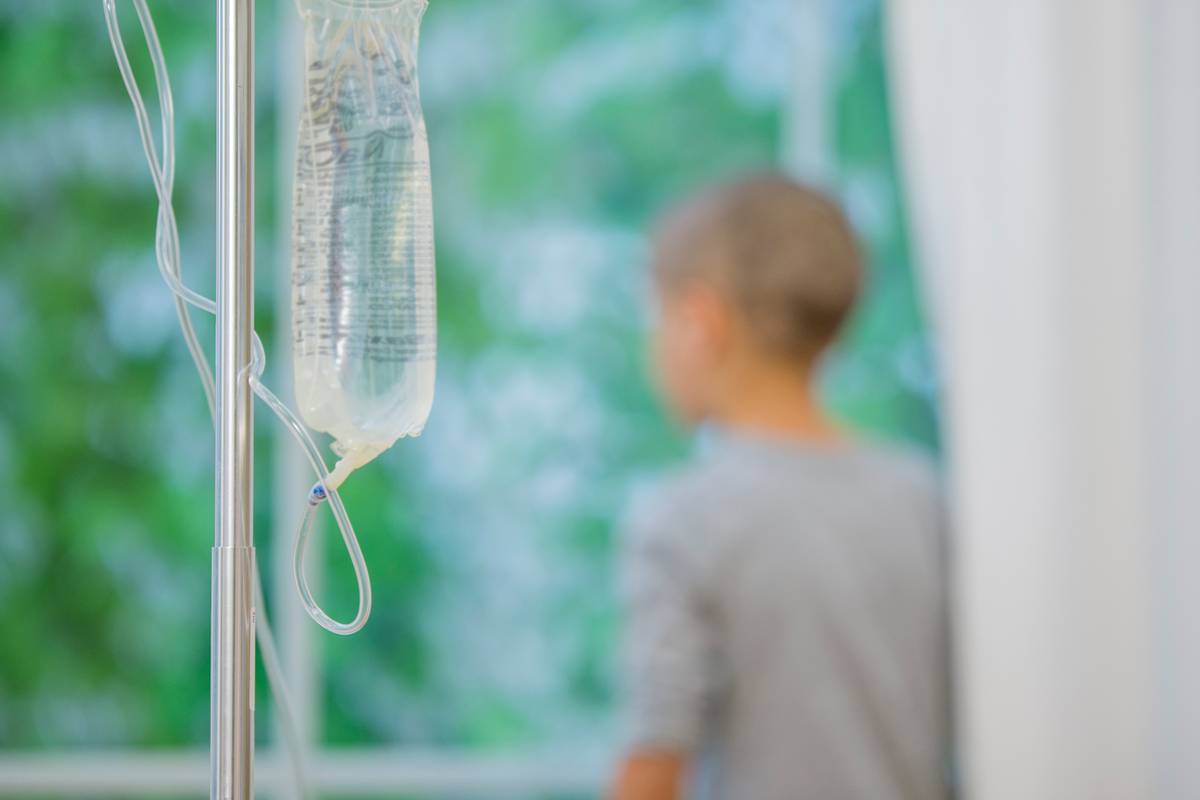
Leukemia is a blood and bone marrow cancer. It’s mainly ALL and AML. ALL is more common in kids and has a better chance of recovery. Brain tumors are diverse and need careful diagnosis and treatment.
Lymphoma is another common cancer in kids. It includes Hodgkin and non-Hodgkin types. These cancers affect the immune system and need specific treatments based on the type and stage.
Knowing about these cancers helps doctors create better treatment plans. It also helps researchers find new ways to fight cancer in kids. By understanding these cancers, we can improve care for children with cancer.
Childhood Cancer Survival Statistics: A Global Perspective
It’s key to know how well kids with cancer do around the world. This helps us see where we can do better in treating kids with cancer. The world’s numbers show big differences, because of how easy it is to get healthcare and the money available.
The global 5-year net survival rate for childhood cancer is about 37.4%. This number gives us a basic idea. But it hides the big differences in survival rates in different places and with different amounts of money.
Current Global 5-Year Net Survival Rate of 37.4%
Survival rates for kids with cancer vary a lot. Rich countries see rates over 80%, while poorer ones see rates under 30%. This big gap shows we need better healthcare and treatments in places with less money.
A recent study pointed out that survival rates for kids with cancer have gone up a lot in rich countries. But in poor countries, rates are still too low.
“Improving childhood cancer survival globally requires addressing the systemic barriers to healthcare access and quality.”
Many things cause these differences. For example:
- Not enough money for new treatments
- Bad healthcare setups in poor areas
- Not enough special care for kids with cancer
By understanding these issues, we can start to make plans to help more kids survive cancer. This way, we can make sure everyone has a fair chance at beating cancer.
Childhood Cancer Survivors in the United States
The US is seeing more kids beating cancer. By 2020, nearly 496,000 young cancer survivors were living in the country. This shows how far we’ve come in fighting childhood cancer.

Thanks to better treatments, more kids are surviving cancer. This number is growing, showing we need to keep supporting these young survivors. They need care that fits their unique needs.
Growth Trends in Survivor Population
More kids are surviving cancer thanks to better treatments and care programs. Places like St. Jude Children’s Research Hospital lead the way. They use new treatments and care to help kids live longer.
It’s important to keep supporting programs for kids who have beaten cancer. These programs help kids live better lives by focusing on their long-term health.
Knowing about childhood cancer survivors helps us plan better support. This way, we can improve their lives and outcomes.
Progress in Childhood Cancer Treatment and Outcomes
Childhood cancer treatment has made big strides. New therapies and treatments keep coming. This has led to better survival rates and outcomes for kids with cancer.
Breakthrough Treatments Improving Survival
New treatments like chemotherapy, radiation therapy, and targeted therapy have boosted survival chances. Experts say the progress in treating childhood cancer is huge. New therapies and treatment plans keep coming.
Targeted therapy is a big win, offering precise treatment with fewer side effects. Immunotherapy is also promising, using the immune system to fight cancer.
- Precision medicine approaches tailored to the genetic characteristics of the child’s cancer
- Advanced radiation therapy techniques that minimize exposure to healthy tissues
- Innovative chemotherapy protocols that reduce long-term side effects
Dr. [Last Name], a top pediatric oncologist, believes in tailoring therapies to each child. This approach is already showing great results. Many kids are now surviving long-term or even being cured.
Leukemia survivorship rates are getting better, thanks to new treatments and care. The work ahead is to keep improving these treatments. We also need to make them available to kids all over the world.
The WHO Global Initiative for Childhood Cancer
The WHO’s Global Initiative for Childhood Cancer is a big step in the fight against pediatric cancer. It’s a key move to fix the global gap in childhood cancer survival rates.
The World Health Organization aims to boost the global childhood cancer survival rate to at least 60% by 2030. The plan is to improve diagnosis, treatment, and care for kids with cancer all over the world.
Goals and Implementation Strategy
The WHO’s initiative has several main strategies:
- Early Diagnosis: Making early detection and diagnosis better in low- and middle-income countries.
- Effective Treatment: Making sure kids get the right treatment and medicines.
- Comprehensive Care: Giving kids and their families full care, including pain relief and support.
- Capacity Building: Helping healthcare systems grow through training and building skills.
By using these strategies, the WHO hopes to lessen the global childhood cancer problem and raise survival rates. The initiative also stresses the need for ongoing research in pediatric oncology to keep making progress.
Improving childhood cancer survival rates needs everyone’s help. Governments, healthcare workers, and communities around the world must work together. The WHO’s Global Initiative for Childhood Cancer is a big step towards this goal. We’re excited to see its effects in the future.
Long-term Health Considerations for Childhood Cancer Survivors
It’s vital to understand the long-term health needs of childhood cancer survivors. Medical treatments have improved, leading to more survivors. But, we must also address their unique health challenges.
Late Effects of Cancer Treatment
Survivors face risks like secondary cancers, heart diseases, and brain problems. These can greatly affect their life quality. The National Cancer Institute says it’s key to know these risks for proper care.
Late effects vary widely among survivors. It depends on the cancer type, treatment, and individual factors. For example, leukemia survivors face different challenges than those with brain tumors. Healthcare providers must tailor care to meet these specific needs.
Life Expectancy of Childhood Cancer Survivors
Studies show survivors may live shorter lives than others. This is due to treatment effects like organ damage and secondary cancers. The Childhood Cancer Survivor Study (CCSS) helps understand these outcomes, guiding care for survivors.
The Childhood Cancer Survivor Study (CCSS)
The CCSS tracks long-term outcomes of survivors. It helps identify risk factors and develop follow-up care guidelines. This info is crucial for healthcare providers to manage treatment effects.
Improving cancer treatment is important. But, we must also focus on survivors’ long-term health. This way, we can improve their quality of life and ensure they get the care they need.
International Excellence in Pediatric Oncology Care
International excellence in pediatric oncology care is driven by new approaches and high-quality services. Institutions worldwide are making big contributions. They are raising the care standard for children with cancer.
Livhospital.com is a great example. It follows the “5-star tourism healthcare” model. This model offers top medical care and a supportive environment for patients and their families.
Livhospital.com’s 5-Star Tourism Healthcare Approach
Livhospital.com is dedicated to exceptional care. It provides services tailored to pediatric oncology patients. This approach combines advanced treatments with a focus on the patient, setting a new standard in care.
The hospital’s 5-star approach includes personalized services and luxurious accommodations. It’s perfect for families looking for quality medical treatment abroad.
Innovative Treatment Approaches
Innovative treatments are key in pediatric oncology care. Institutions use new technologies and strategies to help children with cancer. This is improving survival rates and quality of life.
Some new methods include targeted therapies and advanced surgeries. These advancements are making a big difference in the fight against childhood cancer.
By embracing innovation and working together, the global pediatric oncology community is making great progress. They are fighting hard against childhood cancer.
Conclusion: The Growing Community of Childhood Cancer Survivors
The number of childhood cancer survivors is growing. Advances in medical care and global efforts have helped. Now, a global 5-year net survival rate of 37.4% shows hope for families worldwide.
Healthcare professionals and researchers are dedicated to this cause. As more kids survive, we must support their long-term health. It’s vital to keep improving research and care for these survivors.
Building a strong community for childhood cancer survivors is key. We need to ensure they get the support to thrive. Let’s keep focusing on improving outcomes for kids with cancer.
FAQ
What is the current global survival rate for childhood cancer?
The global 5-year net survival rate for childhood cancer is 37.4%. High-income countries see survival rates over 80%. But, low- and middle-income countries often have rates below 30%.
What are the most common types of childhood cancers?
Childhood cancers include leukemia, brain tumors, and lymphomas. Each type needs a specific treatment plan. Their survival rates vary.
How have advancements in medical treatments impacted childhood cancer survival rates?
New treatments and protocols have greatly boosted survival rates for childhood cancer. Ongoing research aims to keep improving these rates.
What is the WHO’s initiative doing to address global disparities in childhood cancer survival rates?
The World Health Organization’s Global Initiative for Childhood Cancer works to close the survival gap. It promotes global collaboration and supports the development of pediatric oncology care. It also aims to increase access to effective treatments in low- and middle-income countries.
What are the long-term health effects of cancer treatment for childhood cancer survivors?
Survivors may face late effects like secondary cancers and cardiovascular disease. This highlights the need for ongoing monitoring and support.
What is the Childhood Cancer Survivor Study (CCSS), and what insights does it provide?
The Childhood Cancer Survivor Study (CCSS) tracks long-term outcomes of survivors. It offers insights into late effects and guides survivor care strategies.
How are pediatric oncology care institutions contributing to improved childhood cancer survival rates?
Pediatric oncology care institutions are leading in treatment advancements. They explore innovative therapies and care models to boost survival rates and quality of life.
What is the significance of the growing community of childhood cancer survivors?
The growing survivor community shows progress in medical care. It highlights the need for continued support and research for children with cancer.
What are the implications of the increasing number of childhood cancer survivors for healthcare and support services?
The rise in survivors means a big challenge for healthcare and support services. There’s a need for specialized care, ongoing monitoring, and resources tailored to survivors’ unique needs.
What is pediatric cancer survivorship, and why is it important?
Pediatric cancer survivorship focuses on care and support for those who’ve beaten childhood cancer. It addresses their specific needs to promote long-term health and well-being.
Reference
- Medical News Today. (2019, December 23). Urinary retention: Causes, symptoms, and treatment. https://www.medicalnewstoday.com/articles/316706