Last Updated on December 1, 2025 by Bilal Hasdemir
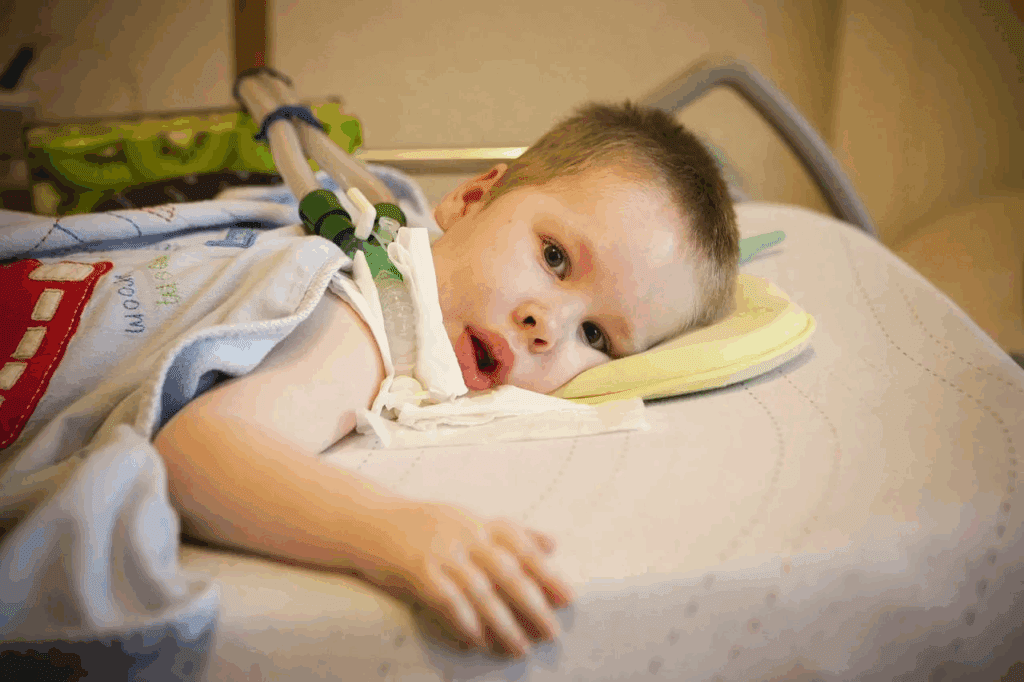
Did you know that cancer is one of the leading causes of death in children worldwide? Studies show that childhood cancer is different around the globe. Some types are more common than others. We look into the most common childhood cancer types to spread awareness and help get medical help early.
Exploring pediatric oncology research shows why knowing the most common cancer types in kids is key. It’s important for parents, caregivers, and doctors. By sharing this info, we aim to help those affected positively.
Key Takeaways
- Childhood cancer is a significant global health concern.
- Certain types of cancer are more prevalent in children.
- Pediatric oncology research is critical for better outcomes.
- Getting medical help early is essential for effective treatment.
- Knowing common childhood cancer types is vital for caregivers.
The Landscape of Pediatric Oncology
Understanding childhood cancer statistics is essential, as it reveals a wide variety of tumors, each characterized by distinct traits and age distributions. Understanding these stats is key for good diagnosis and treatment.
Pediatric oncology deals with many cancers in kids. Studies show that age matters in diagnosis. Some cancers are more common in certain age groups.
Current Statistics on Childhood Cancer
Childhood cancer is a big health issue worldwide. It’s a top cause of death in kids. The most common cancers in kids are leukemia, brain tumors, and lymphomas.
| Type of Cancer | Percentage of Total Childhood Cancers | Typical Age Group Affected |
| Leukemia | 30% | 2-5 years |
| Brain and CNS Tumors | 25% | 5-10 years |
| Lymphomas | 10% | 10-14 years |
Age Distribution of Pediatric Tumors
The age when kids get tumors varies a lot. Infants under one year often get neuroblastoma and brain tumors. As kids get older, the cancers they get change too. For example, acute lymphoblastic leukemia (ALL) is most common in kids aged 2-5 years.
Knowing these age trends helps find cancer early and plan treatment better. Medical research is making treatments for kids’ cancer better.
We need to keep finding new treatments for kids with cancer. The work on antibody-drug conjugates for osteosarcoma is a good example of new ideas in pediatric oncology.
Leukemia: The Most Common Childhood Cancer
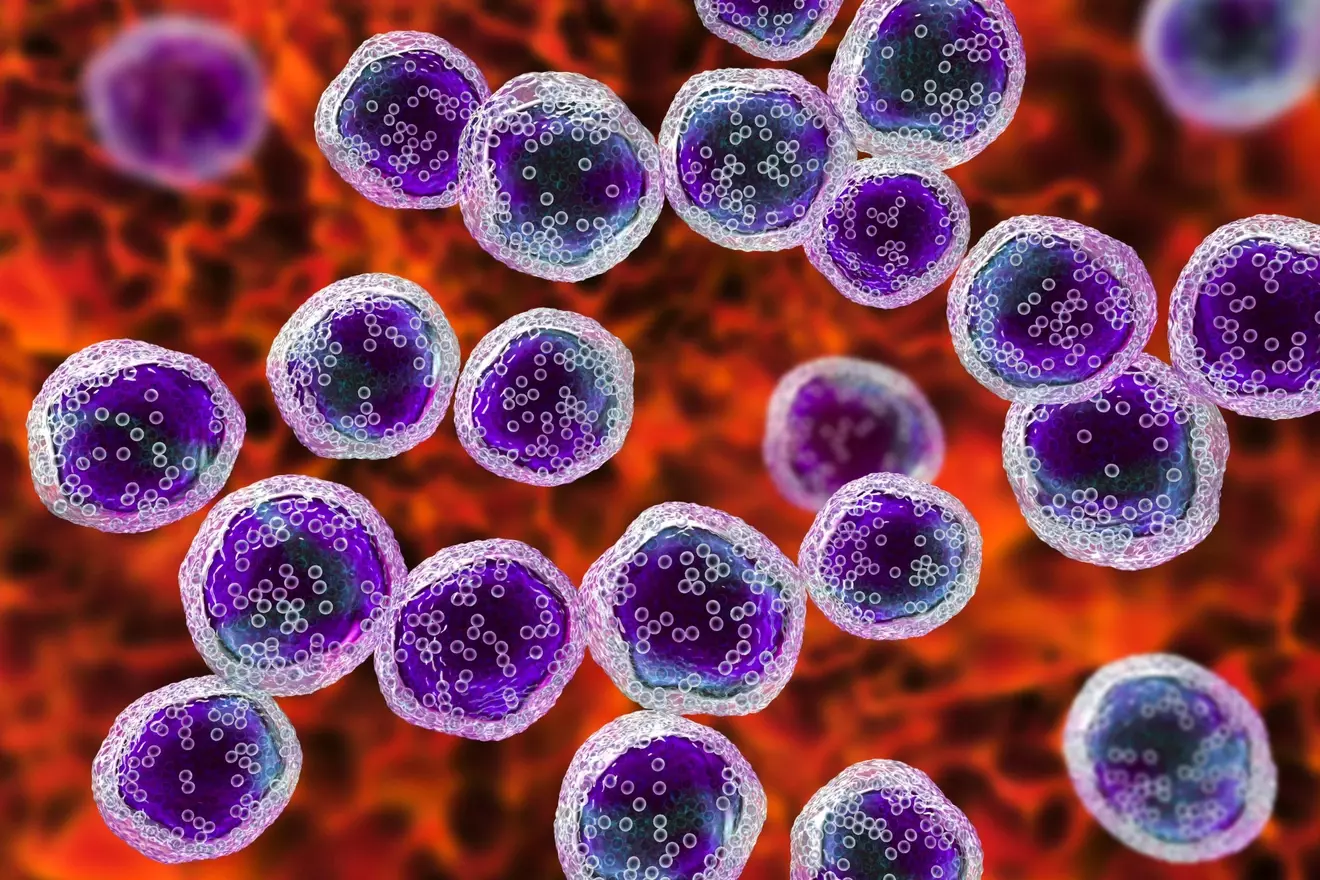
Leukemia is the most common childhood cancer. It affects the blood and bone marrow. It causes an abnormal increase in white blood cells.
Acute Lymphoblastic Leukemia (ALL)
Acute Lymphoblastic Leukemia (ALL) is the most common type of leukemia in kids. It makes up about 80% of all childhood leukemia cases. This disease progresses quickly and needs immediate treatment.
Symptoms of ALL include feeling very tired, pale skin, getting sick often, and bruising easily. Doctors use bone marrow biopsies and blood tests to diagnose it.
Acute Myeloid Leukemia (AML)
Acute Myeloid Leukemia (AML) is another common leukemia type in kids, though less common than ALL. It’s marked by the fast growth of abnormal cells in the bone marrow.
Treatment for AML usually involves strong chemotherapy. Sometimes, a bone marrow transplant is needed.
Risk Factors and Genetic Considerations
It’s important to know the risk factors and genetic aspects of leukemia. Genetic mutations are key in its development.
| Risk Factor | Description |
| Genetic Syndromes | Certain genetic syndromes, such as Down syndrome, increase the risk of developing leukemia. |
| Exposure to Radiation | High levels of ionizing radiation exposure can increase the risk of leukemia. |
| Family History | A family history of leukemia or other cancers may contribute to an increased risk. |
Recent studies have found specific genetic mutations linked to leukemia. This shows how vital genetic testing is for diagnosis and treatment planning.
Brain and Central Nervous System Tumors
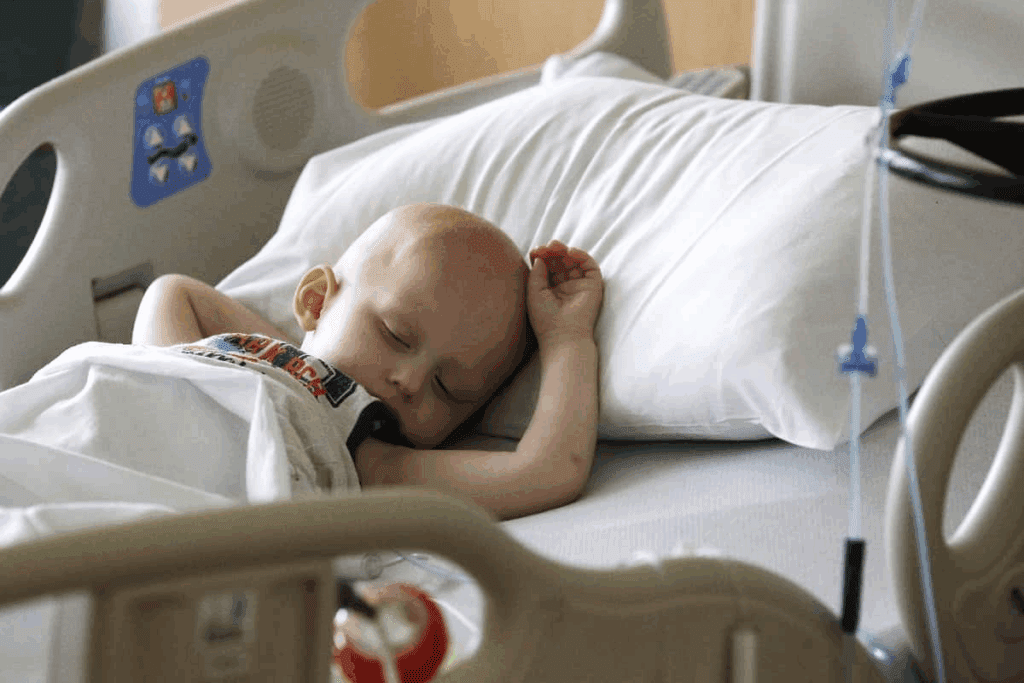
Brain and CNS tumors are a big worry for kids. They are the second most common cancer in children, after leukemia. These tumors come in many types and can show up in different ways.
Medulloblastoma
Medulloblastoma is a fast-growing brain tumor that mainly hits kids. It starts in the cerebellum or posterior fossa. It can spread through the cerebrospinal fluid (CSF).
Key characteristics of medulloblastoma include:
- Typically occurs in children under the age of 10
- Often presents with symptoms of increased intracranial pressure
- May spread to other parts of the CNS
Gliomas in Children
Gliomas are tumors from the brain’s glial cells. In kids, they can be low-grade or high-grade. The treatment depends on the tumor’s grade and where it is.
| Type of Glioma | Typical Location | Treatment Approach |
| Low-grade Astrocytoma | Cerebral hemispheres, optic pathways | Surgery, chemotherapy |
| High-grade Glioblastoma | Cerebral hemispheres, brainstem | Surgery, radiation, chemotherapy |
Ependymoma and Other CNS Tumors
Ependymomas come from cells lining the ventricles and spinal cord. They are common in kids. Other CNS tumors in children include PNETs, ATRTs, and germ cell tumors.
Diagnosing these tumors involves MRI and histopathology. Treatment plans are made based on the tumor type, grade, and location, and the child’s health.
Lymphomas in the Pediatric Population
Pediatric lymphomas include various cancers with unique traits. These traits affect how we treat and the outcomes we see. Lymphomas are a big deal in kids’ cancer, making up a large part of childhood cancers.
Hodgkin Lymphoma
Hodgkin lymphoma, or Hodgkin’s disease, is marked by Reed-Sternberg cells. It’s not very common in young kids but grows more in teens. Treatment usually involves chemo and radiation, aiming to reduce long-term side effects.
Non-Hodgkin Lymphoma
Non-Hodgkin lymphoma (NHL) in kids is a mix of different cancers. It’s more common in younger kids than Hodgkin lymphoma. Aggressive chemotherapy is often used to try and get rid of the cancer completely.
Distinguishing Features from Adult Lymphomas
Pediatric lymphomas are different from adult ones in important ways. Kids might have more aggressive cancer but can handle tough treatments better. Knowing these differences is key to creating good pediatric treatment plans.
Recent research shows the need for custom treatments for kids with lymphoma. This is because these cancers act differently in children. As we learn more, we’re getting better at treating these cancers, giving kids a brighter future.
Neuroblastoma: Understanding This Embryonal Tumor
Neuroblastoma is a complex tumor that mainly affects children. It needs a deep understanding of its signs and risk factors. Early detection and proper staging are key for managing it well.
Clinical Presentation
Neuroblastoma can show up in many ways, from a small tumor to widespread disease. Common signs include a big belly, bone pain, and bulging eyes from tumors in the eyes. Sometimes, it causes unusual symptoms like shaking and muscle weakness.
It’s important to know how neuroblastoma can appear differently. This knowledge helps doctors find and treat it quickly. The tumor can start in any part of the nervous system, often in the adrenal glands, neck, chest, or pelvis.
Staging and Risk Stratification
Getting the right stage of neuroblastoma is key for knowing how well a child will do and what treatment to use. The International Neuroblastoma Risk Group (INRG) system is used for this. It looks at how far the tumor has spread and other important factors.
When figuring out the risk, doctors look at several things. These include how old the child is, the stage of the tumor, and certain genetic markers. Children are usually put into low-risk, intermediate-risk, or high-risk groups. The treatment plan is based on the risk level.
| Risk Category | Characteristics | Treatment Approach |
| Low-Risk | Localized disease, favorable biology | Observation or surgery alone |
| Intermediate-Risk | Localized or regional disease with some adverse features | Chemotherapy and surgery |
| High-Risk | Advanced disease or unfavorable biology | Intensive chemotherapy, surgery, radiation, and immunotherapy |
Knowing the risk level is important for doctors to decide on the right treatment. It also helps them give families a better idea of what to expect.
Wilms Tumor (Nephroblastoma)
Wilms tumor, also known as nephroblastoma, is a rare kidney cancer that mainly affects children. It’s important to know about its symptoms, diagnosis, and treatment to help kids get better.
Clinical Features and Diagnosis
The signs of Wilms tumor can vary. But common symptoms include a big belly mass, pain, or blood in the urine. Early detection is key. Doctors use ultrasound, CT scans, or MRI to see how big the tumor is.
To confirm Wilms tumor, we use diagnostic approaches like biopsy and histopathological examination. These help us tell Wilms tumor apart from other kidney cancers. They also help decide the best treatment.
Treatment Approaches and Outcomes
Treating Wilms tumor involves surgery, chemotherapy, and sometimes radiation therapy. The treatment plan depends on the tumor’s stage, type, and the child’s health.
Thanks to new treatments, kids with Wilms tumor are doing much better. Tailored treatment strategies have greatly improved survival rates. This is thanks to teamwork in pediatric oncology.
It’s also important to know about the long-term outcomes and possible late effects of treatment. We keep an eye on kids who have had Wilms tumor. This helps us address any ongoing health issues they might face.
Childhood Cancer Types: A Detailed Look
Childhood cancer includes many different types of tumors. Each type has its own unique traits and patterns. Knowing about these types is key to finding better treatments and improving care for kids.
Relative Frequency of Different Tumor Types
Some childhood cancers are more common than others. Leukemia is the top type, making up about 30% of all cases. Brain and central nervous system tumors, and lymphomas, are also common. Neuroblastoma and Wilms tumor are less common but important too.
- Leukemia: 30%
- Brain and CNS tumors: 25%
- Lymphomas: 10%
- Neuroblastoma: 6%
- Wilms tumor: 5%
Knowing how common each type is helps doctors tailor treatments for each child.
Geographical and Ethnic Variations
Where you live and your ethnicity can affect your chances of getting certain cancers. For example, some lymphomas are more common in certain areas. Neuroblastoma rates can differ among different ethnic groups.
“The incidence of childhood cancer varies globally, with differences in cancer types and frequencies observed across various regions and ethnic populations.”
It’s important to understand these differences to create better public health plans and track cancer better.
Changing Epidemiology Over Time
Childhood cancer trends have shifted over the years. Better diagnosis and treatment have led to more kids surviving. But, survival rates vary by region and income level.
| Region | 5-Year Survival Rate |
| North America | 85% |
| Europe | 80% |
| Low-income countries | 40% |
These changes highlight the need for ongoing research and support in pediatric oncology. We must keep working to meet the changing needs of childhood cancer.
Rhabdomyosarcoma and Other Soft Tissue Sarcomas
Rhabdomyosarcoma and other soft tissue sarcomas are big challenges in childhood cancers. These tumors come from cells that grow into muscle, fat, and connective tissue. Rhabdomyosarcoma is a common type in kids.
Types and Classification
Rhabdomyosarcoma has different types based on how they look under a microscope. The main types are embryonal, alveolar, and spindle cell/sclerosing. Each type acts differently and needs different treatments.
Classification of Rhabdomyosarcoma:
| Subtype | Characteristics | Prognosis |
| Embryonal | Most common in young children, often found in the head and neck region | Generally favorable |
| Alveolar | More common in older children and adolescents, often associated with PAX-FOXO1 fusion | Variable, often poorer than embryonal |
| Spindle Cell/Sclerosing | Rare subtype with varying prognosis based on age and site | Generally favorable, but depends on specific characteristics |
Treatment Strategies
Treatment for rhabdomyosarcoma and other soft tissue sarcomas is a mix of surgery, chemotherapy, and radiation. The treatment plan depends on the tumor’s type, size, and where it is. It also depends on the child’s health.
Key components of treatment strategies include:
- Neoadjuvant chemotherapy to shrink the tumor before surgery
- Surgery to remove the tumor and affected tissues
- Adjuvant chemotherapy to eliminate any remaining cancer cells
- Radiation therapy to target residual disease
New discoveries in pediatric oncology have helped kids with rhabdomyosarcoma and other soft tissue sarcomas. More research is needed to keep improving survival rates and quality of life.
Retinoblastoma and Rare Ocular Tumors
Understanding retinoblastoma, a rare eye tumor, is key for early treatment. It’s a type of eye cancer that mainly hits young kids. It starts in the retina, the part of the eye that catches light.
Hereditary vs. Non-hereditary Forms
Retinoblastoma can come from genes or happen by chance. The genetic kind is linked to a mutation in the RB1 gene. This form often shows up in both eyes and can be passed down to kids.
The non-hereditary kind happens when a single cell in the retina mutates. It usually affects one eye.
Genetic counseling is vital for families with retinoblastoma history. We suggest genetic testing for families to find out if they carry the mutated gene.
Detection and Management
Finding retinoblastoma early is very important. Signs include a white glow in the pupil, crossed eyes, and vision issues. Doctors use eye exams, imaging, and sometimes genetic tests to diagnose.
Treatment depends on the tumor’s size and location. Options include chemotherapy, laser therapy, and sometimes removing the eye. New treatments like targeted therapy and intra-arterial chemotherapy aim to save vision and lessen side effects.
“The early detection and proper treatment of retinoblastoma can greatly improve survival and quality of life for kids.” –
A leading pediatric oncologist
Regular check-ups are key to watch for any return of the tumor. A team of doctors, including oncologists, ophthalmologists, and geneticists, is important for full care.
| Treatment Modality | Indications | Benefits |
| Chemotherapy | Advanced or bilateral disease | Reduces tumor size, preserves vision |
| Laser Therapy | Small, localized tumors | Destroys tumor cells, minimal side effects |
| Cryotherapy | Small, peripheral tumors | Freezes tumor cells, preserves surrounding tissue |
Hepatoblastoma and Other Liver Tumors
Hepatoblastoma is a rare liver cancer that mainly affects young children. It’s a key area of study in pediatric oncology. We will look at the risk factors, how it presents, how it’s diagnosed, and its stages.
Risk Factors and Presentation
Hepatoblastoma is linked to certain genetic syndromes and conditions. These include Beckwith-Wiedemann syndrome and familial adenomatous polyposis (FAP). Knowing these risk factors helps in early detection.
The main sign of hepatoblastoma is an abdominal mass. It can also cause loss of appetite or weight loss. Finding it early is hard because it’s rare and symptoms are not clear.
Diagnostic Approaches and Staging
To diagnose hepatoblastoma, doctors use imaging like ultrasound, CT scans, and MRI. These help see how big the tumor is and if it has spread. A biopsy is the best way to confirm the diagnosis.
Staging is key to know how serious the cancer is and plan treatment. The PRETEXT system is often used. It looks at the tumor before treatment starts.
Genetic markers are also important in treating hepatoblastoma. Experts say, “Finding specific genetic changes can really change how we treat and how well patients do.”
“The identification of specific genetic alterations can significantly impact treatment strategies and outcomes in hepatoblastoma patients.”
Expert Opinion on Hepatoblastoma
| PRETEXT Stage | Description | Typical Treatment Approach |
| I | Tumor limited to one section of the liver | Surgery, potentially followed by chemotherapy |
| II | Tumor involving two sections of the liver | Chemotherapy followed by surgery |
| III | Tumor involving three sections or major vascular involvement | Neoadjuvant chemotherapy, potentially followed by liver transplantation |
| IV | Tumor involving all four sections of the liver | Complex treatment planning, potentially including liver transplantation |
Diagnosing hepatoblastoma often means using imaging to see the tumor’s size and spread.
In conclusion, hepatoblastoma is a complex and rare liver cancer in children. It needs a detailed approach for diagnosis and treatment. Knowing its risk factors, how it presents, and its stages is key to better outcomes.
Bone Tumors in Children
Bone tumors in kids are a big worry in pediatric oncology. They need quick diagnosis and good treatment. These tumors can be harmless or very dangerous. We’ll look at the different types, how to find them, and new ways to treat them.
Osteosarcoma
Osteosarcoma is the most common bad bone tumor in teens and kids. It starts in bone cells and can spread if not treated fast. Early detection is key to save lives.
New treatments for osteosarcoma are being tested. Antibody-drug conjugates show promise in trials. They aim to fight cancer better with fewer side effects.
Ewing Sarcoma
Ewing sarcoma is a bad bone tumor that mostly hits kids and young adults. It can be in any bone but often is in the pelvis, chest, and legs. Aggressive treatment is needed to fight it.
Treatment for Ewing sarcoma includes chemotherapy, radiation, and surgery. The treatment plan depends on the tumor’s size, location, and if it has spread.
Advances in Limb-Salvage Techniques
Limb-salvage surgery is now a top choice for kids with bone tumors. It helps keep limbs working. New surgery and prosthetic tech have made it more effective.
We’re moving towards more tailored and less invasive treatments. This makes life better for kids with bone tumors. Below is a table with key facts about osteosarcoma and Ewing sarcoma.
| Characteristics | Osteosarcoma | Ewing Sarcoma |
| Common Age Group | Children and adolescents | Children and young adults |
| Typical Locations | Long bones (e.g., femur, tibia) | Pelvis, chest wall, legs |
| Primary Treatment | Surgery and chemotherapy | Chemotherapy, radiation, and surgery |
Diagnostic Approaches and Modern Treatment Strategies
Advances in how we diagnose diseases have changed pediatric oncology a lot. We now see better results in treating childhood cancers. New ways to diagnose and treat tumors are key in helping kids.
Early Detection Methods
Finding cancer early is very important in treating kids. Genetic testing and new imaging like MRI and PET scans help a lot. These tools help us find specific genetic changes that guide treatment.
Precision Medicine in Pediatric Oncology
Precision medicine is a big deal in treating childhood cancers. It means treating each child based on their tumor’s genetic makeup. Targeted therapies and immunotherapies are examples of this approach.
Survivorship and Long-Term Outcomes
Now that treatments are better, we focus more on survivors’ long-term health. We aim to reduce treatment side effects and improve survivors’ quality of life. Long-term care is vital to catch and manage any late effects.
| Diagnostic Approach | Description | Advantages |
| Genetic Testing | Identifies genetic mutations associated with cancer | Guides targeted therapy, improves diagnosis accuracy |
| Advanced Imaging | Utilizes MRI, PET scans for detailed tumor visualization | Enhances staging accuracy, monitors treatment response |
| Liquid Biopsy | Analyzes circulating tumor DNA in blood | Non-invasive, allows for real-time monitoring of tumor genetics |
Conclusion: Advances in Understanding and Treating Childhood Tumors
Research on childhood cancer has made big steps forward. This has led to better treatments and more knowledge in pediatric oncology. We’ve looked at different tumors in kids, like leukemia and brain tumors.
New discoveries in medical research have helped doctors find better ways to treat kids. It’s important to keep funding research to help more children. This will improve their treatment and quality of life.
We need to use new treatments and insights to keep moving forward. This will help us fight childhood cancer better. By working together, we can make sure every child gets the best care possible.
FAQ
What is the most common type of childhood cancer?
Leukemia is the most common childhood cancer. Acute Lymphoblastic Leukemia (ALL) is the most common subtype.
What are the different types of brain and CNS tumors in children?
Children can have different brain and CNS tumors. These include medulloblastoma, gliomas, ependymoma, and others. Each type needs a specific treatment plan.
What is neuroblastoma, and how is it diagnosed?
Neuroblastoma is a rare tumor in kids. It often starts in the abdomen. Doctors use imaging and biopsy to diagnose it.
What is Wilms tumor, and how is it treated?
Wilms tumor is a kidney cancer in kids. Treatment includes surgery, chemotherapy, and sometimes radiation. The success depends on the tumor’s size and type.
What are the different types of lymphomas that occur in children?
Kids can get Hodgkin lymphoma and non-Hodgkin lymphoma. Each type has its own treatment plan.
What is rhabdomyosarcoma, and how is it treated?
Rhabdomyosarcoma is a soft tissue cancer in kids. It’s treated with surgery, chemotherapy, and sometimes radiation. The treatment varies based on the type.
What is retinoblastoma, and how is it detected?
Retinoblastoma is a rare eye cancer in kids. It can be hereditary or not. Doctors use eye exams, imaging, and genetic tests to find it.
What are the risk factors for developing hepatoblastoma?
Hepatoblastoma is a rare liver cancer in kids. It’s more common in kids with genetic conditions, low birth weight, and certain medical issues.
What are the different types of bone tumors that occur in children?
Kids can get osteosarcoma and Ewing sarcoma. These bone tumors need different treatments like surgery, chemotherapy, and radiation.
What are the latest developments in the diagnosis and treatment of childhood cancer?
New advances in treating childhood cancer include better detection and treatment plans. These aim to improve survival rates and quality of life.
How does the prevalence of childhood cancer vary geographically and ethnically?
Childhood cancer rates differ by location and ethnicity. Some cancers are more common in certain groups.
What is the importance of genetic counseling in childhood cancer?
Genetic counseling is key in childhood cancer. It helps find genetic risks, offers family planning advice, and guides treatment choices.
Reference
- Siegel, R. L., Miller, K. D., & Jemal, A. (2025). Cancer treatment and survivorship statistics, 2025. CA: A Cancer Journal for Clinicians. Retrieved from https://pmc.ncbi.nlm.nih.gov/articles/PMC12223361/