Last Updated on November 4, 2025 by mcelik
Scoliosis is a common condition that affects millions worldwide. It causes spinal deformities, leading to discomfort, pain, and mobility issues. Did you know that approximately 3 million people are diagnosed with scoliosis in the United States each year? Chiropractic care is a key part of managing scoliosis. Is Chiropractor scoliosis treatment Amazing? The Simple truth about this Effective or Dangerous approach.
Our institution knows how complex scoliosis is. We create personalized treatment plans for each patient. Our team focuses on improving spinal alignment and overall health through chiropractic scoliosis adjustment techniques.
Key Takeaways
- Understanding the role of chiropractors in scoliosis care
- Exploring chiropractic techniques for scoliosis management
- The benefits of chiropractic care for scoliosis patients
- What to expect from chiropractor scoliosis treatment
- How chiropractic adjustments can improve spinal alignment
Understanding Scoliosis: Definition, Types, and Causes

To understand scoliosis, we need to look at its definition, types, and causes. Scoliosis is a condition where the spine curves abnormally. The degree of this curve varies among people. Knowing about scoliosis helps in managing its effects.
What Exactly is Scoliosis and How it Affects the Spine
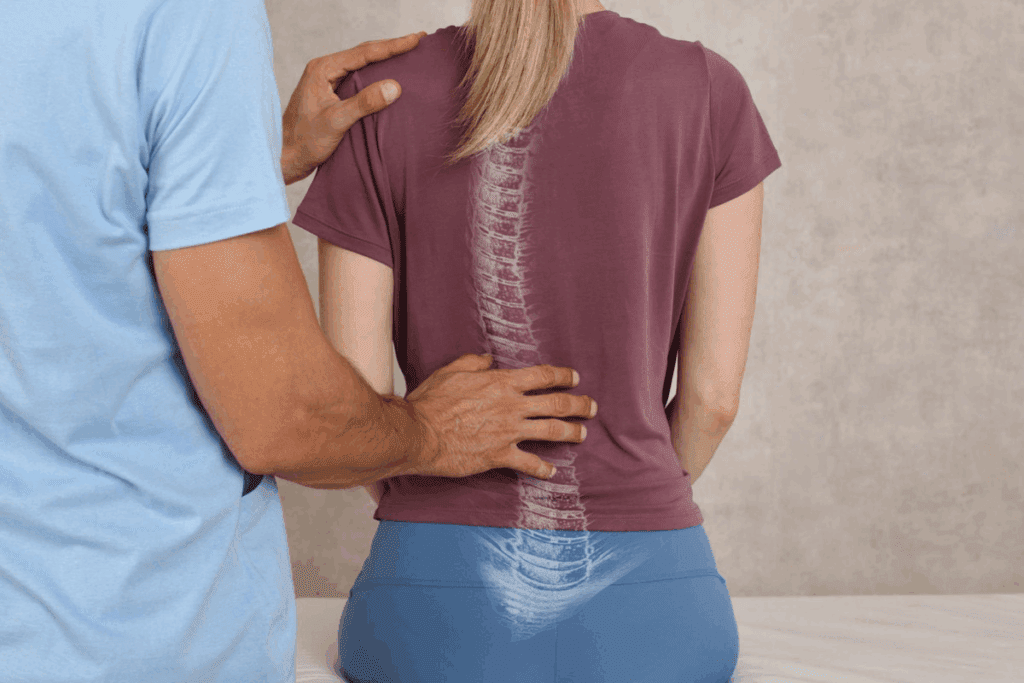
Scoliosis is more than just a spine curve. It changes the spine’s structure and function. The spine’s vertebrae stack up, but in scoliosis, they rotate and curve. This can put pressure on the spine, muscles, and nerves, causing pain and discomfort.
The spine can curve in a ‘C’ or ‘S’ shape in scoliosis. This can lead to uneven shoulders, visible curvatures, or back pain. Knowing how scoliosis affects the spine is key to finding the right treatment.
Different Types of Scoliosis: Idiopathic, Congenital, and Neuromuscular
Scoliosis is divided into types based on cause and age of onset. The most common type is idiopathic scoliosis, which makes up about 80% of cases. It happens in kids and teens without a known reason. Congenital scoliosis is present at birth due to abnormal vertebrae development. Neuromuscular scoliosis is linked to diseases like cerebral palsy or muscular dystrophy.
- Idiopathic scoliosis: The most common form, with no known cause.
- Congenital scoliosis: Present at birth, due to spinal formation issues.
- Neuromuscular scoliosis: Associated with neurological or muscular conditions.
Common Causes and Risk Factors for Spinal Curvature
While scoliosis’s exact cause is often unknown, several factors can play a role. Genetics are a big factor, with a family history increasing the risk. Age and certain medical conditions can also affect the spine.
Knowing these causes and risk factors is vital for early detection and management of scoliosis. Recognizing signs and symptoms early can help in getting the right medical care.
Diagnosing Scoliosis: Signs, Symptoms, and Medical Assessment
Healthcare professionals use a mix of patient history, physical exams, and X-rays to diagnose scoliosis. This detailed method helps them accurately assess the condition. It also guides them in choosing the right treatment.
Recognizing the Warning Signs of Scoliosis
The first step in diagnosing scoliosis is spotting its warning signs. Look for uneven shoulders, a prominent shoulder blade, an uneven waist, or a leaning posture. Some people may also feel back pain or notice clothes don’t fit right due to the spinal curve.
Key signs to look out for include:
- Visible curvature of the spine
- Uneven hips or shoulders
- Prominent ribs on one side
- Difficulty standing up straight
Physical Examination Process for Spinal Curvature
A detailed physical exam is key for diagnosing scoliosis. Healthcare providers check the patient’s posture and look for any signs of spinal curvature. They also test flexibility and range of motion. The Adam’s Forward Bend Test is often used to check for scoliosis.
Imaging Tests and Cobb Angle Measurements
Imaging tests like X-rays, CT scans, or MRI scans are vital for diagnosing scoliosis. The Cobb angle measurement from X-rays is used to measure spinal curvature. A Cobb angle of 10 degrees or more is usually used to diagnose scoliosis.
The severity of scoliosis is categorized based on the Cobb angle:
- Mild: 10-20 degrees
- Moderate: 21-40 degrees
- Severe: 41-60 degrees
- Very severe: 61 degrees or more
Knowing the diagnosis and severity of scoliosis is key for effective treatment. By combining clinical findings with imaging results, healthcare professionals can tailor care for those with scoliosis.
Conventional Medical Approaches to Scoliosis Treatment
There are many ways to treat scoliosis, each one tailored to the patient. Doctors consider how severe the scoliosis is, the patient’s age, and their health.
Observation and Monitoring Protocols
For mild scoliosis, doctors often start with observation. They check the patient every 4-6 months. X-rays help see if the curve is getting worse.
Doctors also check the spine’s health. They might suggest exercises or physical therapy to keep the spine flexible and strong.
Bracing Options: Types and Effectiveness
Bracing is a common treatment for scoliosis, mainly for kids and teens. It aims to stop the curve from getting worse. There are different braces, like:
- TLSO (Thoraco-Lumbo-Sacral Orthosis): A brace that covers the torso from the thoracic to the sacral area.
- CTLSO (Cervico-Thoraco-Lumbo-Sacral Orthosis): A brace that also covers the neck.
Bracing works well if the scoliosis isn’t too severe. It also depends on how well the patient wears the brace and when they start treatment.
Surgical Interventions: Spinal Fusion and Newer Techniques
For severe scoliosis, surgery might be needed. The most common surgery is spinal fusion. It fixes the curve by fusing vertebrae together with rods and screws.
New methods, like vertebral body tethering, are also available. This method uses a flexible cord to help the spine grow and stay flexible.
Doctors decide on surgery based on the curve’s degree, the patient’s health, and the surgery’s risks and benefits.
The Role of Chiropractors in Scoliosis Care
Chiropractors are key in managing scoliosis with a non-invasive method. They help improve spinal alignment and reduce pain. This approach boosts overall health and well-being.
Chiropractic Philosophy and Approach to Spinal Alignment
Chiropractic care sees the spine as vital for health. It affects not just muscles but also the nervous system. Chiropractors aim to correct spinal misalignments and enhance mobility for better health.
In scoliosis treatment, they use gentle adjustments. These help restore a normal spinal alignment.
Specialized Training for Scoliosis Treatment Among Chiropractors
Chiropractors get basic training in spinal care. But some get extra training for scoliosis. This training helps them use advanced techniques and understand scoliosis better.
Scope and Limitations of Chiropractic Scoliosis Care
Chiropractic care is great for mild to moderate scoliosis. It’s not a replacement for medical treatment but a helpful addition. It improves spinal flexibility, reduces pain, and enhances posture.
But, it has limits. It works best for less severe cases and when there are no other health issues needing surgery.
| Aspect of Care | Chiropractic Approach | Benefits |
| Spinal Alignment | Gentle, specific adjustments | Improved posture, reduced discomfort |
| Pain Management | Spinal manipulation, exercises | Reduced pain, improved quality of life |
| Spinal Flexibility | Stretching, strengthening exercises | Enhanced mobility, better spinal health |
Knowing how chiropractors help with scoliosis can guide treatment choices. Chiropractic care can be a valuable part of a treatment plan.
Chiropractor Scoliosis Treatment: Methods and Techniques
Chiropractic care for scoliosis includes many techniques. These range from spinal adjustments to other therapies. Chiropractors aim to improve spinal alignment and overall health.
Spinal Adjustments and Manipulations for Scoliosis
Spinal adjustments are key in chiropractic scoliosis treatment. They aim to straighten the spine, reduce curvature, and ease pain. Chiropractors use different methods, like manual adjustments and tools, based on each patient’s needs.
“Spinal manipulation is a highly effective treatment for scoliosis, improving spinal alignment and quality of life,” says a leading researcher. This method not only corrects the spine but also boosts overall spinal health.
Specialized Protocols: CLEAR, Schroth, and ScoliBrace Methods
Chiropractors use special methods to treat scoliosis. The CLEAR method focuses on spinal alignment through adjustments and exercises. The Schroth method emphasizes customized exercises for better posture and less curvature. The ScoliBrace method offers a non-invasive bracing option for spinal support.
- The CLEAR method combines spinal adjustments with corrective exercises.
- The Schroth method focuses on customized exercises for scoliosis correction.
- The ScoliBrace method provides a non-invasive bracing solution.
Complementary Therapies in Chiropractic Scoliosis Care
Chiropractors also use other therapies in scoliosis treatment. These include physical therapy, nutrition advice, and stress management. This holistic approach aims to improve treatment results and overall health.
Exploring chiropractic scoliosis treatment shows a full approach works best. By using spinal adjustments, special methods, and other therapies, chiropractors offer effective care for scoliosis patients.
Scoliosis Treatment for Children and Adolescents
Early treatment is key for scoliosis in kids and teens. It needs a plan that fits their age and growth. This approach helps their spines grow right.
Early Intervention Approaches for Growing Spines
Spotting scoliosis early is vital for kids and teens. We suggest regular spine checks during growth spurts. Early action can stop the curve from getting worse.
This helps avoid serious problems and more complex treatments later.
The early benefits include:
- Less chance of the curve getting worse
- Smaller, less invasive treatments
- Healthier spine
- Better life quality
Chiropractic Techniques Modified for Younger Patients
Chiropractic care for young scoliosis patients is special. It’s gentle and fits their growing spines. We adjust our methods to meet each child’s needs safely and effectively.
Some methods we use are:
- Soft adjustments
- Tools to help with manipulations
- Exercises to boost spine flexibility and strength
Combining Chiropractic Care with Growth Monitoring
Chiropractic care and growth tracking are key for young scoliosis patients. We team up with parents and doctors to watch the child’s spine. This helps us adjust treatments as they grow.
Growth monitoring means regular visits, X-rays, and tests. This way, we offer full care that supports the child’s health and growth.
The Science Behind Chiropractic Care for Scoliosis
Chiropractic care for scoliosis is based on solid science. It looks at how well it works, the mechanics of the spine, and its effects on the nervous system. This method is a non-invasive way to handle spinal curvatures.
Current Research on Chiropractic Scoliosis Effectiveness
Studies have shown that chiropractic care can help with scoliosis. It can improve spinal shape, lessen pain, and boost a patient’s quality of life. The Cobb angle is a key measure in these studies.
| Study | Sample Size | Outcome |
| Journal of Chiropractic Medicine, 2018 | 50 patients | Significant reduction in Cobb angle |
| Chiropractic & Manual Therapies, 2020 | 100 patients | Improved spinal flexibility and reduced pain |
Biomechanical Principles of Spinal Correction
Chiropractic care for scoliosis uses spinal adjustments to straighten the spine. Chiropractors use methods like the CLEAR method and ScoliBrace to fix spinal deformities. These methods aim to restore normal spinal function and boost the body’s healing.
Neurological Considerations in Scoliosis Treatment
Neurological factors are important in treating scoliosis. Chiropractic care tackles the physical and neurological aspects of scoliosis. It aims to improve spinal alignment to reduce nerve pressure and enhance body awareness.
In summary, chiropractic care for scoliosis is backed by science. It involves research, biomechanics, and neurological aspects. As we learn more about scoliosis, chiropractic care remains a key treatment option.
What to Expect During Chiropractic Scoliosis Treatment
When you start chiropractic scoliosis treatment, you’ll get a detailed check-up and a care plan made just for you. We know starting something new can feel scary. So, we’re here to help you know what to expect.
Initial Assessment and Complete Examination
Your first step is a detailed check-up. We’ll look at your medical history, do a physical exam, and might even use X-rays. This helps us see how bad your scoliosis is.
Here’s what we’ll do in the initial assessment:
- We’ll look at your medical history to find any other health issues.
- Then, we’ll do a physical exam to check your spine’s shape and how flexible it is.
- Lastly, we might use X-rays to see the Cobb angle and how your spine is rotating.
Customized Treatment Plan Development
After your check-up, we’ll make a treatment plan just for you. This plan might include spinal adjustments, special techniques like CLEAR or Schroth, and other therapies.
Our goal with the treatment plan is to:
- Lessen the curve in your spine.
- Make your spine more flexible and strong.
- Help your posture and reduce pain.
Typical Session Experience and Treatment Frequency
In a typical session, you’ll get spinal adjustments and special techniques. How often you need to come back depends on how bad your scoliosis is and how well you’re doing.
| Treatment Phase | Frequency of Visits | Typical Duration |
| Initial Intensive Phase | 2-3 times per week | 30-60 minutes |
| Corrective Phase | 1-2 times per week | 30-60 minutes |
| Maintenance Phase | 1-2 times per month | 15-30 minutes |
Knowing what to expect in chiropractic scoliosis treatment helps you prepare. Our aim is to give you care that improves your spine health and makes you feel better overall.
Scoliosis Exercises and Rehabilitation in Chiropractic Care
Scoliosis exercises are key in chiropractic care. They help improve spinal alignment and reduce pain. Chiropractors use different exercises to support spinal health and overall well-being.
Corrective Exercises Specific to Scoliosis
Corrective exercises are made for each scoliosis patient’s needs. They help in:
- Improving spinal flexibility
- Strengthening muscles that support the spine
- Enhancing posture and reducing curvature risk
Examples of corrective exercises target the coronal, sagittal, and transverse planes of the spine. This ensures a full approach to spinal correction.
Core Strengthening and Spinal Stabilization Techniques
Core strengthening is key in scoliosis rehab. It makes the core muscles stronger, supporting the spine and reducing curvature risk. Techniques include:
- Planks and other core exercises
- Pelvic tilts and movements for spinal flexibility
- Breathing exercises for better lung capacity and thoracic mobility
Spinal stabilization techniques are also vital. They help keep the spine corrected after chiropractic adjustments and exercises.
Home Exercise Programs for Ongoing Management
A home exercise program is vital for managing scoliosis. These programs are tailored to each patient’s needs and goals. Regular home exercises help:
- Maintain and improve chiropractic care benefits
- Boost overall spinal health
- Lower scoliosis progression risk
We help patients create a home exercise program that works well for them. This ensures they stick to it for long-term success.
Can Chiropractic Care Actually Correct Scoliosis?
Chiropractic care for scoliosis is a topic of interest. It offers a non-invasive way to manage spinal curvatures. This approach has gained attention for its effectiveness.
Realistic Expectations for Different Age Groups and Curve Types
When looking at chiropractic care for scoliosis, age and curve type matter. For young people with mild scoliosis, it can help manage the condition. It might even reduce the curvature.
In adults, chiropractic care can’t reverse the curvature. But it can ease symptoms and improve life quality.
Age Considerations:
- Children and Adolescents: Early treatment can be very helpful.
- Adults: It can manage symptoms and improve spinal health.
Factors Affecting Treatment Outcomes and Success Rates
Several things affect how well chiropractic care works for scoliosis. These include the curve’s severity, how well the patient follows treatment, and the chiropractic techniques used. The Cobb angle is key in measuring the curve’s severity and guiding treatment.
| Cobb Angle | Treatment Approach | Expected Outcome |
| 10-20 degrees | Chiropractic adjustments and exercises | Stabilization or slight improvement |
| 20-40 degrees | Intensive chiropractic care and bracing | Potential for significant improvement |
| Above 40 degrees | Surgical consultation recommended | Limited improvement with chiropractic care alone |
Documented Success Stories and Clinical Case Studies
Many case studies show the good results of chiropractic care for scoliosis. For example, a study found a big drop in Cobb angle measurements in patients treated with chiropractic care.
These stories highlight the benefits of chiropractic care in treating scoliosis. By adding chiropractic adjustments, exercises, and education, many see better spinal alignment and fewer symptoms.
Comparing Chiropractic Scoliosis Care with Other Treatment Options
Chiropractic scoliosis treatment is one of several options available. It’s important to know how it stacks up against other treatments. Scoliosis is a complex spinal condition that needs a detailed treatment plan. This plan might include different treatments.
Chiropractic vs. Physical Therapy for Scoliosis Management
Chiropractic care and physical therapy are both non-invasive ways to manage scoliosis. Physical therapy focuses on exercises to strengthen muscles and improve flexibility. Chiropractic care, on the other hand, focuses on spinal adjustments and manipulations to correct spinal alignment.
Chiropractic care can offer quick relief from pain and discomfort. Physical therapy, while it may not provide immediate relief, can lead to long-term improvements in spinal stability and strength.
| Treatment Aspect | Chiropractic Care | Physical Therapy |
| Primary Focus | Spinal adjustments and manipulations | Exercises for muscle strengthening and flexibility |
| Immediate Benefits | Pain relief and improved spinal alignment | Improved flexibility and range of motion |
| Long-term Benefits | Ongoing spinal health and maintenance | Enhanced spinal stability and strength |
Chiropractic Approaches vs. Traditional Bracing Methods
Traditional bracing is often used, mainly in adolescent scoliosis patients to stop curve progression. Chiropractic care focuses on spinal adjustments and corrective exercises. Bracing can stop curve progression but doesn’t correct the existing curvature.
Chiropractic care, when used correctly, can offer a proactive approach to managing scoliosis. It may reduce curvature and improve spinal function.
Integrating Chiropractic as Complementary to Medical Treatment
Using chiropractic care as a complementary therapy to traditional medical treatment for scoliosis can offer a multi-faceted approach. Combining chiropractic adjustments with other treatments like physical therapy or bracing can lead to better results. Patients may see improved spinal alignment, reduced pain, and better overall spinal health.
In conclusion, comparing chiropractic scoliosis care with other treatments shows the benefits of a well-rounded treatment plan. Understanding the strengths and limitations of each approach helps patients and healthcare providers make informed decisions about the best care pathway.
Benefits and Limitations of Chiropractic Scoliosis Therapy
Chiropractic care for scoliosis has both good and bad sides. It’s not the same for everyone. How well it works depends on the type and severity of scoliosis, the patient’s age, and their health.
Potential Benefits: Pain Relief, Improved Function, and Quality of Life
Chiropractic care for scoliosis can offer several benefits, including:
- Pain Relief: Chiropractic adjustments can help reduce pain by improving spinal alignment and easing pressure on sensitive tissues.
- Improved Function: Chiropractic care can make it easier to move and reduce stiffness, improving function.
- Quality of Life: Managing scoliosis symptoms through chiropractic care can greatly improve a patient’s quality of life.
These benefits come from spinal adjustments, exercises, and other chiropractic techniques tailored to each patient’s needs.
Limitations and Contraindications for Certain Patients
Chiropractic scoliosis therapy has its limits. Some patients might not be good candidates for it, like those with:
- Severe scoliosis needing surgery
- Osteoporosis or other bone-weakening conditions
- Certain neurological conditions making spinal manipulation risky
It’s important for patients to get a thorough check to see if chiropractic care is right for them.
Managing Expectations for Long-term Scoliosis Care
Setting realistic expectations is key for long-term scoliosis care. Patients should know that:
- Chiropractic care is an ongoing process needing regular visits and checks.
- Results can differ, and patience is needed to see improvements.
- Combining chiropractic care with other treatments like physical therapy might be best for managing scoliosis.
Understanding both the good and bad of chiropractic scoliosis therapy helps patients make better choices. This way, they can work towards the best possible outcomes.
Choosing the Right Chiropractor for Scoliosis Treatment
Choosing a chiropractor for scoliosis treatment is a big decision. It needs careful thought about their qualifications and experience. We’ll help you know what to look for in a chiropractor.
Qualifications and Specialized Scoliosis Training to Look For
When looking for a chiropractor for scoliosis, focus on their qualifications and training. A chiropractor with scoliosis training can offer better care. Look for certifications from trusted organizations that specialize in scoliosis treatment.
Key qualifications to look for include:
- Certifications in scoliosis-specific techniques
- Experience in treating scoliosis patients
- Continuing education in spinal deformities and chiropractic care
Essential Questions to Ask During Your Initial Consultation
The first visit is key to see if a chiropractor is right for you. Prepare a list of questions. Some essential questions include:
- What experience do you have in treating scoliosis?
- What techniques do you use for scoliosis treatment?
- Can you provide references or success stories from previous patients?
Red Flags and Warning Signs of Inappropriate Treatment Claims
Watch out for chiropractors with unrealistic claims. Be wary of promises of a “cure” or “complete correction” of scoliosis. Real chiropractors will give a realistic view of treatment outcomes.
Warning signs to watch out for:
- Overly aggressive treatment plans
- Lack of transparency about treatment risks and benefits
- Unwillingness to collaborate with other healthcare professionals
By being informed and careful, you can find a qualified chiropractor for scoliosis treatment. We’re here to help you find the best care for your needs.
Cost Considerations for Chiropractic Scoliosis Treatment
Getting chiropractic scoliosis treatment costs more than just the price per session. It’s key to know all the factors that add up to the total cost. This way, patients can be ready for their treatment journey.
Typical Fee Structures and Treatment Package Options
Chiropractors charge differently for their services. They often have package deals for long-term treatment, which can save money. Initial consultations might cost more, sometimes including tests like X-rays. It’s smart to ask about these costs early on.
Some chiropractors have customized treatment packages for scoliosis patients. These packages might include spinal adjustments, exercises, and other therapies. Knowing what’s in these packages helps patients choose the best care for them.
Insurance Coverage for Scoliosis-Specific Chiropractic Care
Insurance for chiropractic scoliosis treatment varies a lot. Some plans cover a lot, while others cover little or nothing. It’s important for patients to check their insurance benefits before starting treatment.
We suggest patients contact their insurance provider to ask about chiropractic care coverage. Knowing what your insurance covers can prevent surprise bills.
Long-term Financial Considerations and Value Assessment
When looking at the cost of chiropractic scoliosis treatment, think about the long-term costs. The initial costs might seem high, but managing scoliosis well can save money in the long run.
Patients should think about the value of the treatment in terms of health benefits, not just the upfront cost. This includes less pain, better function, and a better quality of life.
By knowing about typical costs, insurance, and long-term savings, patients can make better choices for their chiropractic scoliosis care. We aim to give clear and detailed information to support our patients on their treatment path.
Maintenance and Prevention Strategies for Scoliosis Patients
Managing scoliosis well needs a mix of maintenance and prevention. Chiropractic care is key in treating scoliosis. But keeping the spine healthy long-term is just as important.
“The key to managing scoliosis lies not just in the initial treatment, but in the ongoing care and preventive measures taken to ensure spinal health,” says a leading chiropractic specialist. This shows why a long-term plan is vital.
Ongoing Chiropractic Care for Scoliosis Management
Regular chiropractic care is essential for scoliosis management. Spinal adjustments keep the spine aligned, lowering the chance of it getting worse. It’s wise to see a chiropractor often to check on your spine and make any needed changes.
Benefits of regular chiropractic care include:
- Improved spinal alignment
- Reduced pain and discomfort
- Enhanced overall well-being
Lifestyle Modifications to Support Spinal Health
Chiropractic care is not the only thing that helps. Lifestyle changes also play a big role. Keeping a healthy weight, exercising regularly, and standing up straight are important. Also, avoid heavy lifting and bending to protect your spine.
Key lifestyle changes include:
- Incorporating exercises that strengthen core muscles
- Improving posture through awareness and ergonomic adjustments
- Avoiding activities that exacerbate spinal curvature
Preventing Progression and Maintaining Improvements
Stopping scoliosis from getting worse and keeping treatment results are key. This means ongoing chiropractic care, lifestyle changes, and regular check-ups.
By taking a proactive approach to scoliosis management, people can greatly improve their life quality.
Patient Experiences: Real Stories of Chiropractic Scoliosis Care
Many people with scoliosis have found relief through chiropractic care. They share their personal stories of change. These stories show how chiropractic care can help different ages and types of scoliosis.
Success Stories and Positive Outcomes from Various Age Groups
Patients who got chiropractic care often see big improvements. For example, a young teen with scoliosis saw their curve get smaller after a year of care.
Key benefits reported by patients include:
- Reduced pain and discomfort
- Improved spinal flexibility
- Enhanced overall well-being
One patient said, “Chiropractic care has been a game-changer for me. I feel more confident and capable of managing my scoliosis.“
Challenges, Setbacks, and Realistic Progress Reports
Not all patients have the same success with chiropractic care. It’s important to remember that treatment plans are made just for each person. Progress can vary a lot.
A patient shared, “There were times when I felt like giving up, but my chiropractor helped me stay on track and adjust my treatment plan as needed.” This shows how important a supportive team is in managing scoliosis.
Long-term Management Perspectives from Chronic Scoliosis Patients
For those with chronic scoliosis, long-term care is key. Chiropractic care helps keep the spine healthy and stops the curve from getting worse.
As a long-term patient said, “Regular chiropractic check-ups have helped me manage my condition effectively. It’s about maintaining a healthy spine and overall wellness.“
“Chiropractic care is not just about treating scoliosis; it’s about improving quality of life.” – A scoliosis patient
Conclusion: Is Chiropractic Care Right for Your Scoliosis?
Scoliosis is a complex spinal condition that needs a detailed treatment plan. Chiropractic care is a non-invasive option that can help improve spinal alignment. It also boosts overall well-being.
We’ve talked about how chiropractic care treats scoliosis, from diagnosis to treatment methods. Chiropractors use special techniques like spinal adjustments and exercises. These help correct the spine’s curvature. It’s important to know both the benefits and limits of chiropractic care.
If you’re thinking about chiropractic care for scoliosis, see a qualified chiropractor. They can help decide if it’s right for you. They’ll also create a treatment plan just for you.
In short, chiropractic care can be a key part of treating scoliosis. Knowing its benefits and limits helps you choose the best treatment. This step can lead to better spinal health and overall well-being.
FAQ
What is scoliosis and how does it affect the spine?
Scoliosis is a condition where the spine curves abnormally. This can happen in different parts of the spine. It can make the spine look different, cause back pain, and even affect breathing in severe cases.
Can chiropractic care correct scoliosis?
Chiropractic care can help manage scoliosis. It can improve spinal alignment, reduce pain, and enhance function. But, it can’t always correct scoliosis completely. This depends on the severity, the patient’s age, and the type of scoliosis.
What methods do chiropractors use to treat scoliosis?
Chiropractors use many techniques to treat scoliosis. They include spinal adjustments and specialized protocols like CLEAR, Schroth, and ScoliBrace. They also use complementary therapies. These methods aim to improve alignment, strengthen muscles, and enhance spinal health.
Is chiropractic care suitable for children and adolescents with scoliosis?
Yes, chiropractic care is good for kids and teens with scoliosis. Chiropractors can adjust their methods for younger patients. Early treatment can be very effective during growth periods.
How does chiropractic care compare to other scoliosis treatment options?
Chiropractic care is a non-invasive, holistic approach. It’s different from surgery and some bracing methods. It can be used with other treatments, like physical therapy, for a complete care plan.
What are the benefits of chiropractic scoliosis therapy?
Chiropractic therapy for scoliosis offers many benefits. It can relieve pain, improve spinal function, and enhance quality of life. It can also help prevent the curvature from getting worse and keep improvements.
How do I choose the right chiropractor for scoliosis treatment?
When choosing a chiropractor, look for qualifications and training in scoliosis care. Experience in treating scoliosis patients is also important. Ask the right questions during your first visit to ensure you’re getting the right care.
What are the cost considerations for chiropractic scoliosis treatment?
The cost of chiropractic treatment for scoliosis varies. It depends on visit frequency, techniques used, and the chiropractor’s fees. Understanding insurance and discussing treatment packages can help manage costs.
Can lifestyle modifications support spinal health in scoliosis patients?
Yes, lifestyle changes can support spinal health in scoliosis patients. Regular exercise, a healthy weight, and good posture are important. Chiropractors can guide you on making these changes.
What can I expect during chiropractic scoliosis treatment?
During treatment, you’ll have an initial assessment and a customized treatment plan. You’ll have regular sessions. The frequency and type of sessions depend on your condition and goals.
Are there any limitations or contraindications for chiropractic scoliosis care?
Chiropractic care is generally safe but has limitations and contraindications. This is true for severe scoliosis or certain health conditions. A thorough assessment by a qualified chiropractor is needed to determine if chiropractic care is right for you.
Reference
- Romano, M., Negrini, A., & Parzini, S. (2012). Manual therapy as a conservative treatment for adolescent idiopathic scoliosis: a systematic review. Complementary Therapies in Medicine, 20(6), 396–405. https://www.ncbi.nlm.nih.gov/pmc/articles/PMC3371685/