Last Updated on December 2, 2025 by Bilal Hasdemir

After undergoing hiatal hernia surgery, patients often receive specific dietary guidelines to ensure a smooth recovery. One common recommendation is to avoid consuming chocolate. But why is chocolate a concern after this type of surgery? The reason lies in how certain foods can affect the healing process and overall comfort during the recovery period.
We understand that dietary restrictions can be challenging, especially when it comes to giving up favorite treats like chocolate. However, following these guidelines is crucial for minimizing potential complications and promoting effective healing. By avoiding chocolate and other problematic foods, patients can significantly improve their recovery experience.
Key Takeaways
- Avoiding chocolate after hiatal hernia surgery can help prevent discomfort and complications.
- Dietary guidelines are provided to ensure a smooth and effective recovery.
- Following post-surgery recommendations can minimize the risk of delayed healing.
- Patient education is key to understanding the importance of dietary restrictions after surgery.
- Adhering to these guidelines promotes a better overall recovery experience.
What Is Hiatal Hernia Surgery?

For individuals suffering from severe Gastroesophageal Reflux Disease (GERD), hiatal hernia surgery can be a lifesaver. We understand that undergoing surgery can be daunting, but knowing what to expect can significantly ease the process. Hiatal hernia surgery involves repairing the diaphragm to prevent the stomach from protruding into the chest cavity, thereby alleviating symptoms associated with GERD.
Overview of the Procedure
Hiatal hernia surgery is typically performed laparoscopically, involving several small incisions in the abdomen. We use a laparoscope to visualize the area and repair the hernia. The procedure aims to strengthen the diaphragm around the esophagus, preventing stomach acid from flowing back into the esophagus and causing discomfort. Postoperative care plays a crucial role in ensuring a smooth recovery, with dietary restrictions being a key component to manage Gastroesophageal Reflux Disease (GERD) symptoms effectively.
Reasons for Surgery
Surgery is often recommended for patients with severe GERD symptoms who have not responded to other treatments. The primary reasons for undergoing hiatal hernia surgery include:
- Severe GERD symptoms that significantly impact quality of life
- Presence of a large hiatal hernia
- Failure of other treatments to manage symptoms
By correcting the underlying issue, hiatal hernia surgery can provide long-term relief from symptoms, improving overall health and well-being. We emphasize the importance of following postoperative care instructions and adhering to dietary restrictions to ensure a successful recovery and minimize potential complications.
Understanding Hiatal Hernias
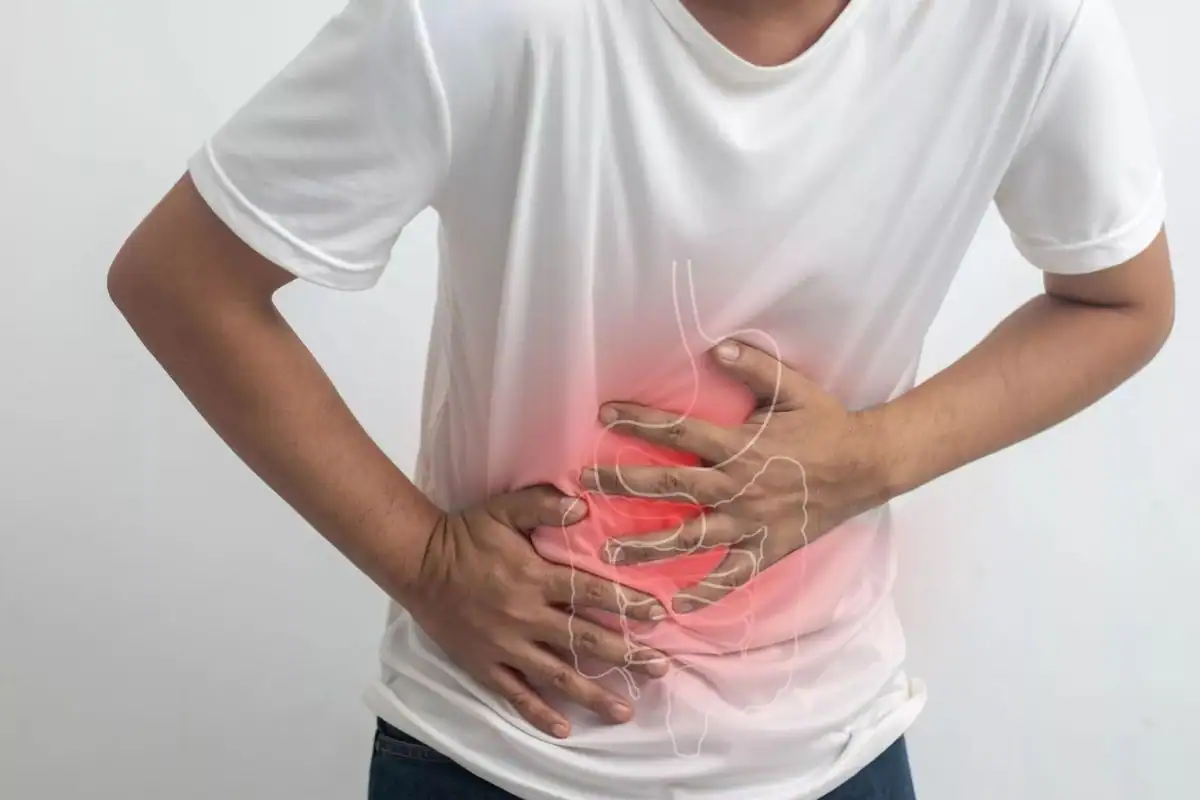
Understanding hiatal hernias is crucial for managing symptoms associated with Gastroesophageal Reflux Disease (GERD). A hiatal hernia occurs when part of the stomach bulges up into the chest through an opening in the diaphragm. This condition can lead to various complications, including GERD, a condition where stomach acid frequently flows back into the tube connecting the mouth and stomach (esophagus).
Types of Hiatal Hernias
There are primarily two types of hiatal hernias: sliding hiatal hernias and paraesophageal hernias.
- Sliding hiatal hernias occur when the stomach slides up into the chest through the hiatus, often associated with GERD symptoms.
- Paraesophageal hernias involve the protrusion of the stomach alongside the esophagus, potentially leading to more severe complications.
Symptoms of a Hiatal Hernia
The symptoms of a hiatal hernia can vary but often include heartburn, regurgitation, and difficulty swallowing. Trigger foods can exacerbate these symptoms, particularly those that irritate the stomach or cause stomach sensitivity. As noted by a medical expert, “Identifying and avoiding trigger foods is a crucial step in managing GERD symptoms associated with hiatal hernias.”
“Dietary adjustments play a significant role in alleviating the discomfort caused by hiatal hernias and associated GERD symptoms.”
Common trigger foods include citrus fruits, tomatoes, chocolate, and spicy foods. Managing these symptoms involves understanding the condition and making appropriate lifestyle adjustments.
The Role of Diet in Recovery
Proper nutrition is essential for a smooth and effective recovery after hiatal hernia surgery. During the recovery period, your body needs adequate nutrients to support tissue repair, reduce inflammation, and enhance overall healing.
Dietary choices significantly influence the healing process. By focusing on the right nutritional advice, patients can better navigate the recovery guidelines and adhere to necessary dietary restrictions.
Foods to Avoid
Certain foods can irritate the digestive system or exacerbate symptoms, hindering the recovery process. It is crucial to avoid foods that are high in fat, citrus fruits, and spicy or acidic foods, as they can cause discomfort and delay healing.
- High-fat foods: Foods high in fat can slow down digestion and put additional pressure on the stomach.
- Citrus fruits and juices: These can irritate the esophagus and stomach lining, causing heartburn and discomfort.
- Spicy or acidic foods: Such foods can exacerbate symptoms of heartburn and indigestion.
Importance of Nutrition
Nutrition plays a vital role in the recovery process. Adequate intake of proteins, vitamins, and minerals is essential for tissue repair and overall health.
“A well-balanced diet is fundamental to the healing process. Ensuring adequate nutrition helps in reducing complications and promoting a faster recovery.”
— American Journal of Surgery
We recommend focusing on nutrient-dense foods, including lean proteins, whole grains, and a variety of fruits and vegetables. Staying hydrated is also crucial, so drinking plenty of water throughout the day is advised.
By following these recovery guidelines and being mindful of dietary restrictions, patients can support their body’s healing process and achieve a smoother recovery.
How Chocolate Affects the Digestive System
Chocolate, a beloved treat for many, can have significant effects on the digestive system, particularly in the context of post-surgery recovery. We will explore how certain compounds in chocolate influence digestive health, focusing on caffeine and fat content.
The Impact of Caffeine
Caffeine is a stimulant found in chocolate that can accelerate digestion and potentially irritate the stomach lining. This irritation can lead to discomfort, especially in individuals recovering from hiatal hernia surgery. The stimulating effect of caffeine can exacerbate symptoms of acid reflux, a common concern for patients post-surgery.
To understand the impact of caffeine better, let’s consider the following:
- Caffeine can relax the lower esophageal sphincter, allowing stomach acid to flow back into the esophagus.
- It can also increase the production of stomach acid, further contributing to acid reflux symptoms.
Fat Content in Chocolate
Chocolate is known for its high fat content, which can also affect digestion. Fatty foods are known to slow down digestion, potentially causing discomfort and bloating in some individuals. After hiatal hernia surgery, the digestive system may be more sensitive to fatty foods, including chocolate.
Compound | Effect on Digestive System |
Caffeine | Stimulates digestion, can irritate stomach lining, and exacerbate acid reflux. |
Fat | Slows down digestion, potentially causing discomfort and bloating. |
As noted by a gastroenterology expert, “The consumption of chocolate post-surgery should be approached with caution due to its potential to trigger or worsen digestive discomfort.”
“The relationship between diet and digestive health is intricate. Foods like chocolate, which contain caffeine and high levels of fat, can significantly impact an individual’s comfort and recovery post-surgery.”
A gastroenterology expert
Understanding these factors can help patients make informed decisions about their diet during recovery. We recommend consulting with healthcare professionals for personalized dietary advice.
Recommended Dietary Changes Post-Surgery
Dietary choices significantly influence the healing process.
Ideal Foods for Recovery
In the initial stages after surgery, we recommend a diet rich in nutrient-dense foods that are gentle on the digestive system. These include:
- Lean proteins like chicken, fish, and tofu
- Soft, cooked vegetables such as carrots and green beans
- Fruits like bananas and applesauce
- Whole grain cereals and bread
- Low-fat dairy products
These foods provide essential nutrients while minimizing discomfort and reducing the risk of complications.
Gradual Reintroduction of Foods
As you progress in your recovery, we advise a gradual reintroduction of foods to your diet. This should be done under the guidance of your healthcare team to ensure that you’re not introducing foods that could cause discomfort or complications.
Food Group | Initial Introduction (Weeks 1-2) | Gradual Reintroduction (Weeks 3-4) |
Proteins | Lean proteins like chicken and fish | Introduction of slightly fattier proteins like pork and lamb |
Vegetables | Soft, cooked vegetables like carrots and green beans | Introduction of raw vegetables and salads |
Fruits | Fruits like bananas and applesauce | Introduction of citrus fruits and berries |
By following these guidelines and working closely with your healthcare team, you can ensure a successful recovery and make long-term dietary changes that promote overall health and well-being.
Indigestion and Heartburn After Surgery
Post-surgery, some patients may encounter indigestion and heartburn, which require careful management. We understand that these symptoms can be concerning, but with proper care and attention, they can be effectively managed.
“Effective management of post-surgery symptoms is crucial for a smooth recovery,” as emphasized by healthcare professionals. At Texas Hernia Specialists, we stress the importance of monitoring your health and communicating any concerns with your healthcare provider.
Common Causes
Indigestion and heartburn after hiatal hernia surgery can be caused by several factors, including the narrowing of the esophagus, known as esophageal stricture, due to exposure to stomach acids. Other factors may include dietary choices and the body’s response to the surgery.
Some patients may experience esophageal stricture after hiatal hernia surgery, in which the esophagus narrows as a result of exposure to stomach acids. This condition can lead to difficulty swallowing and discomfort. For more information on managing dietary choices post-surgery, you can visit our page on hernia.
Managing Symptoms
Managing indigestion and heartburn involves a combination of dietary changes, lifestyle adjustments, and, in some cases, medication. We recommend avoiding foods that trigger or worsen symptoms and adopting a diet that is gentle on the digestive system.
- Eating smaller, more frequent meals to reduce strain on the stomach
- Avoiding foods that are high in fat, citrus, or spice
- Raising the head of the bed to prevent stomach acid from flowing back into the esophagus
- Maintaining a healthy weight to reduce pressure on the stomach
It’s essential to work closely with your healthcare provider to monitor your symptoms and adjust your management plan as needed. By doing so, you can minimize discomfort and ensure a smoother recovery.
Health monitoring and communication with your provider are key to preventing complications and managing symptoms effectively. We are committed to providing you with comprehensive care and support throughout your recovery journey.
Potential Risks of Eating Chocolate Post-Surgery
Understanding the potential risks of eating chocolate post-surgery is crucial for a smooth recovery. Consuming chocolate, even in small amounts, can have significant implications on the digestive system, potentially leading to complications.
Complications from Chocolate Consumption
Eating chocolate after hiatal hernia surgery can cause discomfort and lead to complications such as diarrhea or loose stools. As stated in our previous discussion on , “Consuming chocolate can mess with stool consistency and cause diarrhea, which can slow down recovery.”
Some of the complications associated with eating chocolate post-surgery include:
- Diarrhea or loose stools
- Increased risk of dehydration
- Discomfort and pain
- Slower recovery
It’s essential to be aware of these potential complications and take steps to mitigate them. By making informed decisions about diet, patients can reduce the risk of complications and ensure a smoother recovery.
Long-Term Effects
In addition to the immediate complications, consuming chocolate post-surgery can also have long-term effects on the digestive system. Regularly eating chocolate can lead to persistent digestive issues, such as acid reflux and heartburn.
As emphasized by healthcare professionals, “A well-balanced diet is crucial for maintaining overall health and supporting the recovery process.” By choosing the right foods and avoiding potentially problematic items like chocolate, patients can promote long-term health and well-being.
To ensure the best possible outcome, it’s crucial to prioritize Complications Awareness and make informed decisions about diet. By doing so, patients can minimize the risk of complications and enjoy a smoother, more successful recovery.
For additional guidance and support, we encourage patients to consult with their healthcare professionals to develop a personalized recovery plan that addresses their unique needs and promotes optimal Emotional Support throughout the recovery journey.
Alternatives to Chocolate After Surgery
We understand that giving up chocolate can be challenging, so we’re here to guide you through some delicious alternatives after surgery. Making informed decisions about your diet is crucial for a smooth recovery. By choosing the right foods, you can support your healing process and reduce the risk of complications.
Safe Snack Options
After surgery, it’s essential to opt for snacks that are gentle on your digestive system. Some safe and healthy options include:
- Fresh fruits like bananas and apples
- Nuts and seeds, such as almonds and pumpkin seeds
- Yogurt and other dairy products that are low in fat
These snacks not only satisfy your hunger but also provide essential nutrients for recovery.
Sweet Treats Without Chocolate
If you’re craving something sweet, there are plenty of chocolate-free options available. You can try:
- Fruit-based desserts like sorbet or fruit salad
- Marshmallows or other sugar-based treats
- Cinnamon or vanilla-flavored snacks
These alternatives can help you manage your cravings while adhering to your post-surgery dietary guidelines. By making these lifestyle modifications, you can ensure a healthier and more comfortable recovery.
For additional support resources, consider consulting with a nutritionist or a healthcare professional who can provide personalized advice tailored to your needs.
Conclusion: Importance of Following Dietary Guidelines
After undergoing hiatal hernia surgery, adhering to dietary guidelines is crucial for a smooth recovery and long-term health benefits. We emphasize the importance of making long-term dietary changes to improve digestive health and overall quality of life.
Benefits of Proper Nutrition
Proper nutrition plays a vital role in the healing process, reducing the risk of complications and promoting digestive health. By avoiding certain foods, such as chocolate, and opting for a balanced diet, patients can achieve a better quality of life.
Guidance from Healthcare Professionals
It is essential to consult with healthcare professionals to determine the best dietary plan for individual needs. With the right guidance and support, patients can make informed decisions about their diet and achieve long-term health benefits. We provide comprehensive care and personalized support to ensure patients receive the best possible outcomes.
By following dietary guidelines and making informed lifestyle choices, patients can enjoy improved digestive health and a better quality of life for years to come.
FAQ
What is a hiatal hernia and how is it related to Gastroesophageal Reflux Disease (GERD)?
A hiatal hernia occurs when the stomach bulges up into the chest through an opening in the diaphragm, which can cause stomach acid to flow back up into the esophagus, exacerbating GERD symptoms.
Why is it important to avoid trigger foods after hiatal hernia surgery?
Avoiding trigger foods is crucial after hiatal hernia surgery because they can cause discomfort, acid reflux, and other complications, hindering the recovery process.
How does chocolate affect the digestive system after hiatal hernia surgery?
Chocolate can trigger acid reflux and discomfort due to its caffeine and fat content, which can relax the lower esophageal sphincter and slow digestion, making symptoms worse.
What are some ideal foods to eat during recovery from hiatal hernia surgery?
Ideal foods for recovery include bland, easily digestible foods such as yogurt, bananas, and lean proteins, which can help manage symptoms and support the healing process.
How long should I avoid chocolate and other trigger foods after surgery?
The duration for avoiding trigger foods varies depending on individual recovery and healthcare provider guidance, but generally, it’s recommended to avoid them for several weeks to a few months post-surgery.
What are some alternatives to chocolate that I can consume after surgery?
Safe alternatives to chocolate include fruit, honey, and other sweet treats that are low in fat and caffeine, which can satisfy cravings without exacerbating symptoms.
How can I manage indigestion and heartburn after hiatal hernia surgery?
Managing indigestion and heartburn involves avoiding trigger foods, eating smaller meals, and maintaining a healthy weight, as well as following healthcare provider guidance on medication and lifestyle modifications.
Why is health monitoring and communication with healthcare providers important after hiatal hernia surgery?
Health monitoring and communication with healthcare providers are crucial for preventing complications, addressing concerns, and ensuring a smooth recovery by making informed decisions about diet and lifestyle.
What are the potential long-term effects of eating chocolate after hiatal hernia surgery?
Consuming chocolate regularly after hiatal hernia surgery can lead to persistent acid reflux, discomfort, and potentially worsen GERD symptoms over time, affecting quality of life.
How can I make informed decisions about my diet after hiatal hernia surgery?
Making informed decisions involves consulting with healthcare providers, understanding the role of diet in recovery, and being aware of trigger foods and their impact on symptoms.
References
National Center for Biotechnology Information. Evidence-Based Medical Insight. Retrieved from https://pubmed.ncbi.nlm.nih.gov/33218287/