Last Updated on November 26, 2025 by Bilal Hasdemir
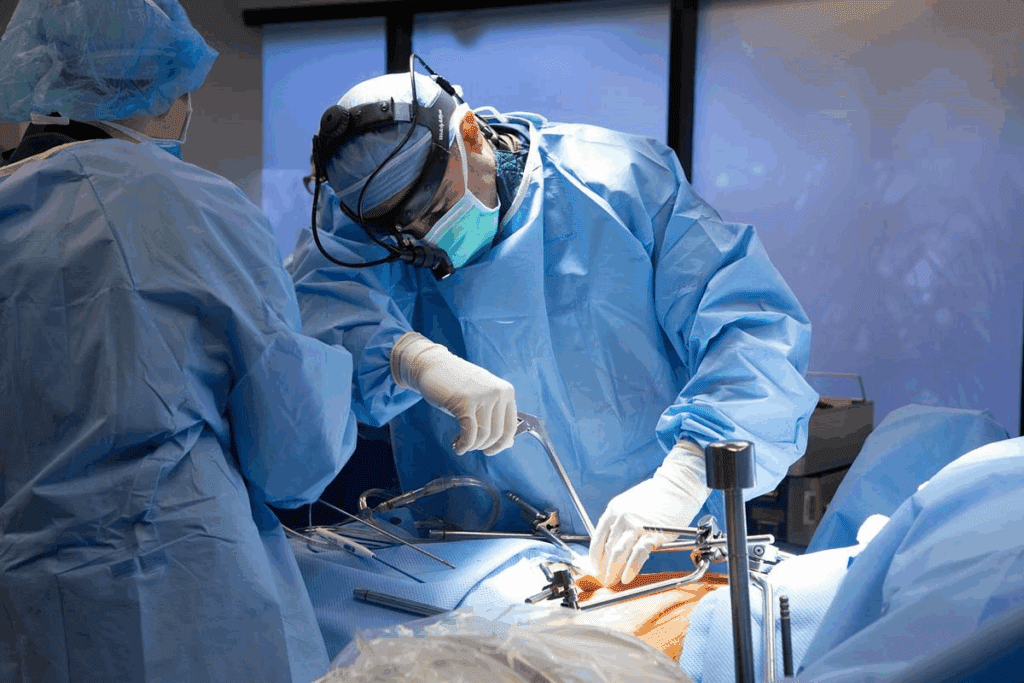
Cholangiocarcinoma is rare and aggressive; surgery is the only curative option when tumors are resectable, but only a minority qualify at diagnosis, so expert evaluation is vital. For eligible patients, cholangiocarcinoma surgery targets an R0 resection—liver resection for intrahepatic, bile duct and liver resection for perihilar, or Whipple for distal disease—with lymph node assessment as indicated. When unresectable, care focuses on palliation and flow restoration (biliary bypass or stenting) alongside systemic or locoregional therapies in specialized centers.
Key Takeaways
- Surgical resection is the only chance for a cure for cholangiocarcinoma.
- Only 25% of cholangiocarcinoma cases can be treated with surgery.
- Liv Hospital has top surgical teams.
- Bile duct surgery includes bile duct resection and biliary bypass operation.
- Expert, caring doctors are key for the best results.
Understanding Bile Duct Cancer and Surgical Candidacy
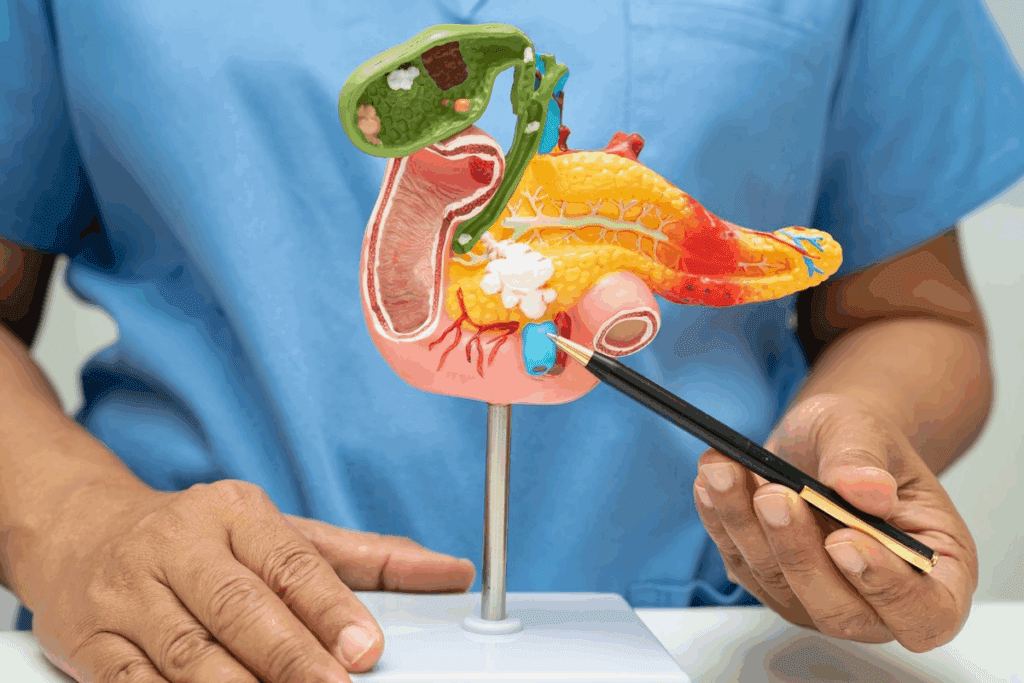
It’s important to understand cholangiocarcinoma to know if surgery is an option. This rare cancer starts in the bile duct. The bile duct is key for digestion, moving bile from the liver to the small intestine.
What is Cholangiocarcinoma?
Cholangiocarcinoma is a cancer that grows in the bile duct’s lining. It’s divided into three types: intrahepatic, perihilar, and distal. Each type needs a different treatment plan.
Diagnostic Challenges and Late Detection
Finding bile duct cancer early is hard because its symptoms are not clear. Symptoms like jaundice, weight loss, and pain in the belly often show up late. To diagnose it accurately, doctors use advanced tests like imaging and biopsies.
The 25% Rule: Limited Surgical Eligibility
Only 25% of bile duct cancer patients can have surgery when first diagnosed. Whether someone can have surgery depends on the tumor’s location, size, and if it has spread. A team of doctors works together to decide the best treatment.
| Factors Affecting Surgical Candidacy | Description |
| Tumor Location | The location of the tumor within the bile duct affects resectability. |
| Tumor Size | Larger tumors may be more challenging to resect completely. |
| Presence of Metastasis | Distant metastasis often precludes surgical resection. |
Major Types of Cholangiocarcinoma Surgery Procedures
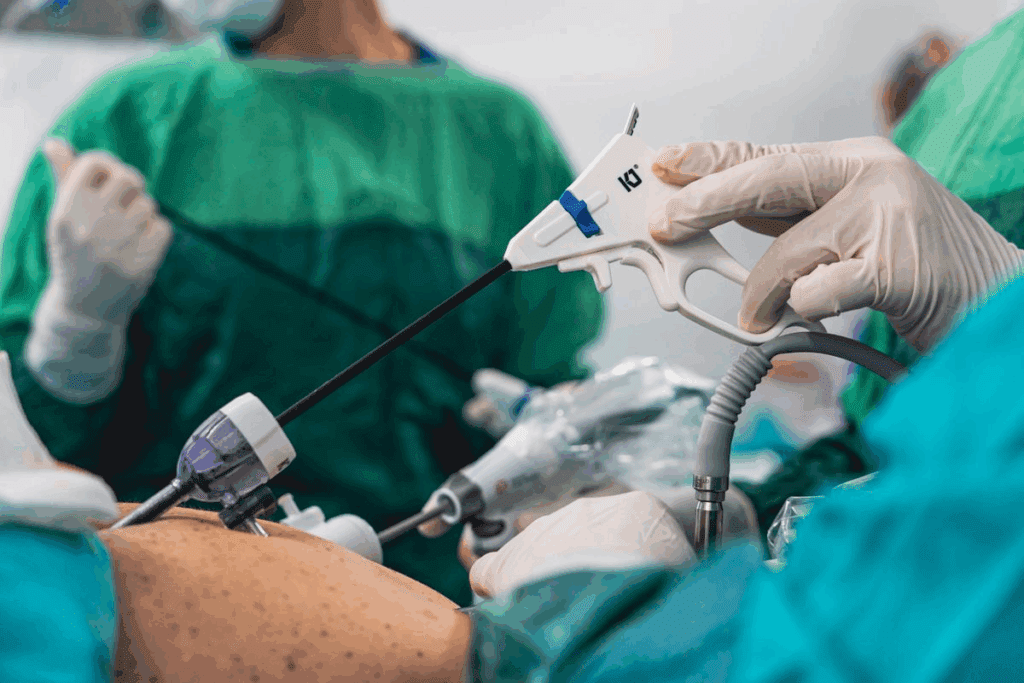
Surgery is a key part of treating cholangiocarcinoma. It offers the best chance for a cure. The type of surgery needed depends on the tumor’s size, location, and how far it has spread.
Bile Duct Resection Techniques
Bile duct resection is a key part of cholangiocarcinoma surgery. It involves removing the part of the bile duct with the tumor. Bile duct resection is often done with other surgeries to remove all cancer. Surgeons then fix the bile duct to keep bile flowing right.
Bowel Duct Surgery Approaches
In some cases, bowel duct surgery is needed to fix blocked bile ducts. This is helpful when tumors block bile flow. The team uses different methods to fix the bile flow and ease symptoms.
- Roux-en-Y hepaticojejunostomy
- Biliary-enteric anastomosis
- Bile duct reconstruction
Liver Resection for Bile Duct Tumors
Liver resection is needed for tumors in the liver or hepatic ducts. The surgery’s extent depends on the tumor’s location and the liver’s health. Sometimes, removing a big part of the liver is needed to get rid of the tumor.
Liver surgery for bile duct tumors is complex. It needs careful planning and precise surgery. The goal is to remove all cancer with no cancer left behind.
Knowing about the different surgeries helps patients and their families understand treatment options. This way, they can make informed decisions about their care.
The Complexity of Bile Duct Removal Surgery
Bile duct removal surgery is complex. It involves many challenges, like anatomy, technique, and planning before surgery. This surgery is very delicate. Surgeons need to know a lot about the patient’s body and the tumor.
Anatomical Challenges in Bile Duct Operations
The bile duct is hard to reach because of its location. It’s close to important blood vessels. Variations in bile duct anatomy also add to the difficulty. This means the surgical team needs to be very skilled and flexible.
A surgeon said, “Knowing the patient’s anatomy is key for a successful surgery.”
“The anatomy of the bile duct and its surrounding structures can vary significantly between patients, making each surgery unique.”
Technical Surgical Considerations
The surgery requires precise techniques. Surgeons must handle tissues carefully and use advanced tools. This helps avoid damage to nearby areas.
- Precise dissection techniques to avoid damaging vital structures
- Advanced surgical tools for improved precision
- Reconstruction techniques to restore bile duct function
Preoperative Planning and Assessment
Planning before surgery is very important. It includes checking the patient’s health, the tumor’s size, and imaging studies. These help understand the body’s layout.
| Preoperative Assessment | Importance |
| Imaging Studies (CT, MRI) | Understanding tumor extent and anatomy |
| Patient’s Overall Health | Assessing surgical risk |
| Tumor Biopsy | Confirming diagnosis and planning treatment |
In conclusion, bile duct removal surgery is very complex. It needs skilled surgeons and detailed planning before. Understanding the challenges helps improve patient outcomes.
Potential Complications and Risks After Bile Duct Operations
Surgeries for bile duct cancer can lead to many risks. Bile duct surgery is complex and delicate. It involves important structures, which means there are big risks.
Immediate Surgical Complications
During bile duct surgery, many complications can happen. This is because the surgery is very detailed and tricky. Some of these risks include:
- Bleeding and Hemorrhage: A lot of blood loss can happen, which might need blood transfusions.
- Injury to Surrounding Structures: The bile duct is close to important structures. This increases the chance of damage.
- Anesthetic Complications: Major surgery comes with risks from anesthesia. This can include reactions and problems with breathing or the heart.
Post-Operative Risks
After surgery, patients face many risks. These can include:
- Infection: Infections can happen at the surgical site or in the bile ducts or liver.
- Bile Leak: Leaks from the bile duct or the surgery site can cause serious infections or need more treatments.
- Liver Dysfunction: The liver might not work right after surgery. This can be temporary or last a long time.
The table below shows the complications and risks of bile duct operations:
| Complication Type | Specific Complications | Potential Consequences |
| Immediate Surgical Complications | Bleeding, Injury to surrounding structures, Anesthetic complications | Significant blood loss, Organ damage, Respiratory or cardiac issues |
| Post-Operative Risks | Infection, Bile leak, Liver dysfunction | Serious infections, Need for additional interventions, Temporary or long-term liver damage |
It’s important to know about these complications and risks. This helps manage what patients expect and their outcomes. Good planning before surgery, skilled surgery, and careful care after can help reduce these risks.
Survival Outcomes Following Cholangiocarcinoma Surgery
It’s key for patients and doctors to know about survival rates after Cholangiocarcinoma surgery. Surgery is the best hope for survival, with R0 resection being a big factor.
Understanding R0 Resection Success Rates
R0 resection means the tumor is completely removed with no cancer left behind. This is vital for better survival chances in Cholangiocarcinoma patients. Research shows those with R0 resection live longer than those with cancer left behind.
Five-Year Survival Statistics
About 30% of Cholangiocarcinoma patients live five years after surgery. This shows how critical early detection and successful surgery are. Despite the odds, new surgical methods and treatments are helping more people survive.
Prognostic Factors Affecting Outcomes
Many things can change how well someone does after surgery for Cholangiocarcinoma. These include the cancer’s stage, if it has spread to lymph nodes, and the patient’s health. Knowing these helps in choosing the best treatment and predicting results.
In summary, while surgery for Cholangiocarcinoma is tough, knowing about survival rates and what affects them can greatly improve care and planning.
Palliative Procedures for Blocked Bile Duct Management
Managing blocked bile ducts is key in palliative care for cholangiocarcinoma. It involves both surgical and non-surgical methods. The main goal is to improve bile flow, ease symptoms, and enhance life quality for patients.
Biliary Bypass Operation Techniques
Biliary bypass surgery creates a new path for bile flow around blockages. Techniques like hepaticojejunostomy connect the bile duct to the jejunum. These methods can offer lasting relief from bile duct blockages.
Bile Duct Obstruction Surgery Options
Surgeons have several options for bile duct obstruction. These include removing the tumor surgically or using palliative methods like stenting or bypass surgery. The choice depends on the disease’s extent, the patient’s health, and the blockage’s specifics.
Stenting vs. Surgical Approaches for Bile Duct Blockage
Stenting involves placing a stent in the bile duct to keep it open. This is often done through endoscopy and is less invasive. While stenting offers quick relief, it may need to be repeated due to stent blockage. Surgical methods, though more durable, carry higher risks and longer recovery times.
| Procedure | Benefits | Limitations |
| Biliary Bypass Surgery | Long-term relief, can be effective for complex obstructions | Invasive, higher risk of complications |
| Stenting | Less invasive, quick recovery | May require repeated procedures, risk of stent occlusion |
Palliative procedures for blocked bile ducts are vital in managing cholangiocarcinoma. They significantly improve patients’ quality of life. The choice between surgical and non-surgical methods depends on the patient’s needs and should be discussed with a healthcare team.
The Critical Importance of Specialized Surgical Centers
Cholangiocarcinoma surgery is complex. It needs the expertise found in specialized surgical centers. These places have the latest technology and skilled surgeons. They have done many surgeries before.
Volume-Outcome Relationship in Complex Bile Duct Surgery
Studies show a volume-outcome relationship in complex surgeries. This includes Cholangiocarcinoma operations. High-volume hospitals have better results. They have lower death rates and fewer complications.
“The relationship between hospital volume and surgical mortality is well established for many complex procedures,” a study found. This highlights the need to choose a high-volume center for Cholangiocarcinoma surgery.
Benefits of Multidisciplinary Treatment Teams
Multidisciplinary teams are key in specialized surgical centers. These teams include surgeons, oncologists, radiologists, and more. They work together to create treatment plans for each patient.
Questions to Ask When Selecting a Surgical Center
When picking a surgical center for Cholangiocarcinoma treatment, ask important questions:
- What is the center’s volume of Cholangiocarcinoma surgeries?
- What is the experience level of the surgical team?
- Is there a multidisciplinary team approach to treatment?
- What support services are available for patients and families?
Choosing a specialized surgical center with a high-volume experience and a multidisciplinary team can greatly improve outcomes.
Emerging Advances in Bile Duct Cancer Surgery
New technologies and methods are changing how we treat bile duct cancer. These advancements are making treatments better and opening up new surgical options.
Minimally Invasive Surgical Techniques
Minimally invasive surgery is becoming more popular for bile duct cancer. It has many advantages, such as:
- Shorter recovery times
- Less pain after surgery
- Smaller scars
Minimally invasive surgery is great for those who can’t have open surgery.
Combined Modality Approaches
Now, surgery is often paired with chemotherapy and radiation. Combined modality approaches aim to increase survival chances and lower the risk of cancer coming back.
Precision Medicine in Surgical Planning
Precision medicine is changing how surgeons plan for bile duct cancer surgery. It lets them tailor treatments to each patient, leading to better results.
The use of precision medicine in planning is a big leap forward in treating bile duct cancer.
Conclusion: Making Informed Decisions About Cholangiocarcinoma Treatment
Understanding Cholangiocarcinoma surgery and bile duct operations is key for patients and families. Knowing the treatment options helps them make informed decisions about their care.
Cholangiocarcinoma treatment includes various surgeries, like bile duct resection and liver resection. Each surgery has its own considerations and outcomes. Getting care at specialized centers is vital. These centers have the latest techniques and teams ready to help.
Patients should ask questions and seek the best care during their treatment. This way, they can make informed decisions about their Cholangiocarcinoma treatment. This approach can improve their chances of a successful outcome.
FAQ
What is Cholangiocarcinoma and how is it diagnosed?
Cholangiocarcinoma is a cancer that happens in the bile duct. It’s hard to diagnose because its symptoms are not clear. Doctors use imaging tests and biopsies to figure it out.
What are the surgical options for treating Cholangiocarcinoma?
To treat Cholangiocarcinoma, doctors might remove the bile duct, do surgery on the bowel, or take out part of the liver. The choice depends on where and how big the tumor is.
How complicated is bile duct removal surgery?
Taking out the bile duct is a tough surgery. It needs careful planning and skilled doctors. The surgery’s difficulty can change based on the tumor’s location and the patient’s health.
What are the possible complications and risks of bile duct operations?
Surgery on the bile duct can lead to problems right away, like bleeding or infection. There are also risks after surgery, like liver problems or damage to the bile duct.
What are the survival outcomes following Cholangiocarcinoma surgery?
If the tumor is completely removed, the patient’s chances of survival are better. The five-year survival rates have gone up thanks to better surgery and care teams.
What are the palliative procedures used to manage blocked bile ducts?
To help patients with blocked bile ducts, doctors use bypass operations and stenting. These methods can improve life quality for those with advanced Cholangiocarcinoma.
Why is it important to choose a specialized surgical center for Cholangiocarcinoma surgery?
Centers that specialize in Cholangiocarcinoma surgery offer better care. They have experienced teams and can provide more effective treatment.
What emerging advances are being made in bile duct cancer surgery?
New techniques like minimally invasive surgery and precision medicine are changing how we treat bile duct cancer. These advances bring hope for better treatment options.
Can the right lobe of the liver be removed during Cholangiocarcinoma surgery?
Yes, sometimes the right lobe of the liver is removed during surgery. This depends on the tumor’s size and the patient’s health.
What is a biliary bypass operation, and when is it used?
A biliary bypass operation creates a new path for bile flow when a duct is blocked. It’s used to help patients with advanced Cholangiocarcinoma live better.
References
- Cillo, U., Laurent, A., & Rodríguez-Perálvarez, M. (2019). Surgery for cholangiocarcinoma: The only potentially curative treatment. PMC, 10. Retrieved from https://pmc.ncbi.nlm.nih.gov/articles/PMC6563077/