Last Updated on November 27, 2025 by Ugurkan Demir

Why do I keep getting a chronic ear infection? Learn the underlying causes in both children and adults and effective long-term solutions.
Getting ear infections often can really mess up your day. If you’re an adult with chronic otitis media, you’re in good company. At Liv Hospital, we know these infections often point to bigger issues that need fixing.
Chronic otitis media means you keep getting ear infections. It could be because of how your ears are shaped, or because of infections. It might also be linked to other health problems. Our team at Liv Hospital works hard to find out why you’re getting these infections. We aim to give you treatments that really work.
Key Takeaways
- Chronic otitis media is a condition that requires a full check-up.
- Things like ear shape and health issues can lead to infections.
- Liv Hospital offers care that’s all about you and new ways to treat.
- Knowing why you get ear infections is key to feeling better.
- Getting a plan that’s just for you can lead to lasting solutions.
Understanding Ear Infections in Adults
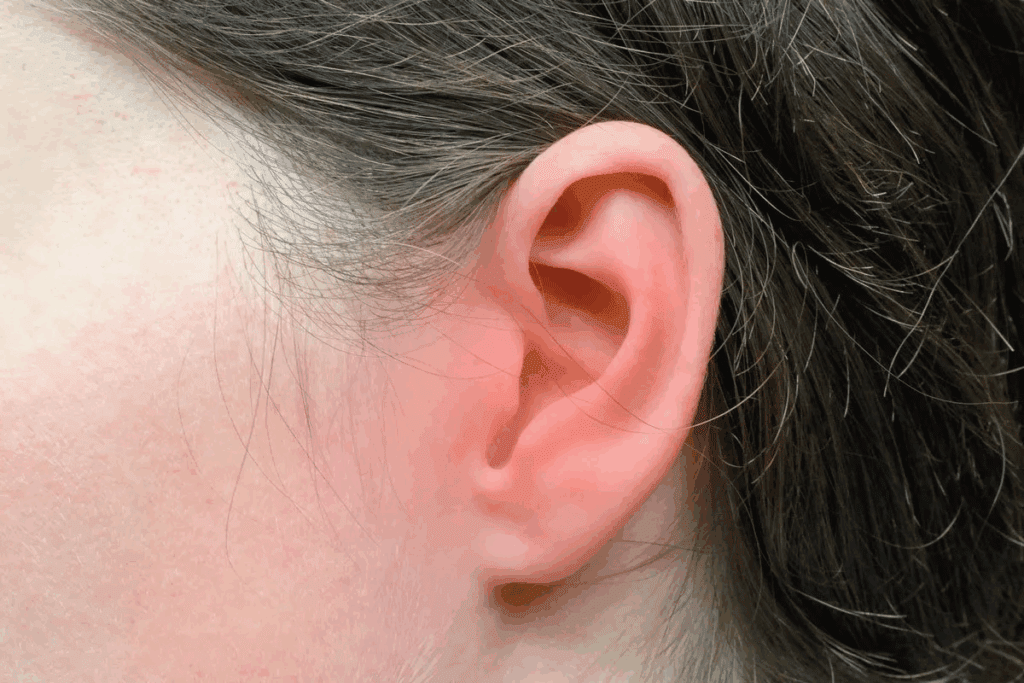
Ear infections in adults are less common than in kids but can really affect their life. We’ll look at the differences between adult and childhood ear infections. We’ll also cover the ear’s anatomy and how infections can impact daily life.
How Adult Ear Infections Differ from Childhood Ones
Adult ear infections have different causes and symptoms than kids’. Kids often get ear infections because of Eustachian tube problems and growing immune systems. Adults might get ear infections from colds, allergies, or ear shape issues.
Key differences include:
- Underlying causes: Adults face different risks like smoking or ear shape problems.
- Symptoms: Adults might feel hearing loss or ear pain more strongly.
- Treatment approaches: Adults might need different treatments, like stronger medicines or new therapies.
Anatomy of the Ear and Infection Pathways
The ear has three parts: outer, middle, and inner. Infections can happen in any part, but the middle ear is most common.
The Eustachian tube is key for ear health. It helps with air pressure and draining mucus. If it doesn’t work right, fluid can build up, raising infection risk.
Ear Part | Common Infection Type | Typical Symptoms |
Outer Ear | Otitis Externa (Swimmer’s Ear) | Itching, redness, discharge |
Middle Ear | Otitis Media | Ear pain, hearing loss, fever |
Inner Ear | Labyrinthitis | Vertigo, hearing loss, balance issues |
The Impact of Ear Infections on Daily Life
Ear infections can really mess with daily life. They can cause pain, hearing problems, and balance issues. Adults with frequent ear infections might face:
- Hearing Impairment: Hearing loss can make work or social life tough.
- Pain and Discomfort: Ear pain can be mild or severe, affecting daily tasks.
- Balance Issues: Inner ear infections can lead to vertigo or balance problems, raising fall risks.
Knowing these effects is key to managing ear infections well and improving life quality.
Types of Ear Infections You May Experience

It’s important to know about the different ear infections. They can be based on where and how long the infection lasts. Knowing these details helps in finding the right treatment.
Otitis Media (Middle Ear Infection)
Otitis media, or middle ear infection, happens when fluid builds up behind the eardrum. Symptoms include ear pain, fever, and hearing loss. We’ll look into what causes and affects otitis media.
Characteristics of Otitis Media:
- Fluid buildup behind the eardrum
- Ear pain and discomfort
- Fever and general feeling of illness
- Hearing loss or muffled hearing
Otitis Externa (Swimmer’s Ear)
Otitis externa, or swimmer’s ear, is an infection of the outer ear canal. It happens when water gets into the ear canal, creating a moist place for bacteria or fungus to grow. Symptoms include itching, redness, and discomfort in the ear canal.
Characteristics of Otitis Externa:
- Itching and irritation in the ear canal
- Redness and swelling of the ear canal
- Discomfort or pain when pulling on the outer ear
- Discharge or pus in the ear canal
Chronic vs. Acute Ear Infections
Ear infections can be either chronic or acute. Acute infections are short-term and usually get better with treatment. Chronic infections last longer and need more treatment.
Characteristics | Acute Ear Infections | Chronic Ear Infections |
Duration | Short-term, typically resolving within a few days to weeks | Long-term, persisting over weeks, months, or years |
Symptoms | Often severe, with significant pain and discomfort | May be milder, but persistent over time |
Treatment | Typically treated with antibiotics or antiviral medications | May require prolonged treatment, including antibiotics, ear tubes, or surgery |
Knowing if an ear infection is acute or chronic is key to the right treatment. We’ll work with doctors to find the best way to manage ear infections.
Recurring Ear Infections in Adults: Why They Happen
Ear infections in adults can be a sign of deeper problems. They are not just a childhood issue. Knowing why they happen is key to fixing them.
Bacterial vs. Viral Causes
Ear infections in adults can come from bacteria or viruses. Bacterial infections are usually worse and need antibiotics. Viral infections are more common and often get better on their own. But, they can sometimes cause bacterial infections.
It’s important to know if it’s a bacterial or viral infection. This helps pick the right treatment. Using antibiotics too much can make infections harder to treat in the future.
Cause | Characteristics | Typical Treatment |
Bacterial | Severe infection, often with pus or discharge | Antibiotics |
Viral | Milder symptoms, often following a cold | Symptomatic relief, antiviral medication in some cases |
The Role of Eustachian Tube Dysfunction
The Eustachian tube is vital for ear health. It helps with air pressure and draining mucus. Eustachian tube dysfunction can cause fluid buildup and lead to infections.
Things like allergies, colds, and sinus infections can cause Eustachian tube problems. Fixing these issues is important to stop ear infections from coming back.
Fluid Buildup and Drainage Issues
Fluid in the middle ear is a big problem with recurring infections. If the Eustachian tube doesn’t work right, fluid builds up. This makes it easy for infections to start.
Getting rid of fluid and improving drainage is key. This can involve medicine or changes in how you live.
Common Triggers That Lead to Ear Infections
Knowing what causes ear infections is important for staying healthy. Ear infections happen when germs infect the middle ear. Finding out what triggers them helps prevent and treat them.
Upper Respiratory Infections
URIs, or colds, are a big reason for ear infections. They block or inflame the Eustachian tube. This leads to fluid in the middle ear, perfect for germs to grow.
Key Factors:
- Cold viruses
- Influenza
- Adenovirus
Seasonal Allergies and Sinus Problems
Seasonal allergies and sinus issues also cause ear infections. Allergies can block the Eustachian tube. Sinus infections can spread to the ears, causing infection.
Common allergens include:
- Pollen
- Dust mites
- Mold
Allergen | Peak Season | Impact on Ear Health |
Pollen | Spring/Summer | Increased risk of ear infections due to nasal congestion |
Dust mites | Year-round | Chronic nasal congestion, potentially leading to Eustachian tube dysfunction |
Mold | Late Summer/Fall | Can exacerbate sinus problems, increasing the risk of ear infections |
Environmental Factors
Environmental factors also play a big role. Smoke, pollution, and sudden changes in altitude can harm the middle ear. This can lead to infection.
By knowing these triggers, we can take steps to avoid ear infections. We can manage allergies, stay away from smoke and pollution, and keep good hygiene. This helps prevent URIs.
Risk Factors Making You More Susceptible
Some things can make us more likely to get ear infections. Knowing these risk factors helps us take steps to avoid them. This way, we can lower our chances of getting ear infections again.
Compromised Immune System
A weak immune system makes us more prone to ear infections. Our body can’t fight off infections as well when it’s not strong. This is true for people with weakened immune systems, like those with HIV/AIDS or on chemotherapy.
Key factors that weaken the immune system include:
- Chronic illnesses like HIV/AIDS
- Medications such as corticosteroids
- Poor nutrition and lack of essential vitamins
Chronic Health Conditions
Some chronic health conditions raise the risk of ear infections. These include conditions that affect the Eustachian tube or cause nasal congestion. Some examples are:
- Allergies: Seasonal or environmental allergies can cause nasal congestion, increasing the risk of ear infections.
- Sinusitis: Chronic sinus infections can spread to the ears.
- Asthma: While mainly a respiratory condition, asthma can increase the risk of ear infections due to associated nasal and sinus issues.
Lifestyle Factors
Lifestyle choices also affect our risk of ear infections. For example, being around smoke can irritate the Eustachian tube. Not washing hands often can also lead to infections, including ear infections.
Some lifestyle changes can help:
- Avoiding smoke and pollutants
- Maintaining good hygiene practices
- Breastfeeding infants to boost their immune system
- Avoiding putting objects into the ears, which can push earwax deeper and potentially cause infections
By understanding and addressing these risk factors, we can lower our chances of ear infections. It’s about making smart choices and adopting healthier habits to protect our ear health.
Recognizing Symptoms of an Ear Infection
Knowing the signs of an ear infection is key to getting the right treatment early. We’ll cover the common symptoms to help you know when to see a doctor.
Pain and Discomfort Patterns
Ear infections usually cause pain or discomfort in the ear. This pain can be mild or severe and may stay the same or change. Sometimes, the pain spreads to the head or neck, making it hard to find the source. Sharp, stabbing pains are common in acute infections.
Hearing Changes and Balance Issues
People with an ear infection might notice hearing changes. They might hear things muffled or feel like their ear is full. Some might find it hard to hear certain sounds or volumes. In severe cases, balance problems can lead to dizziness or vertigo.
Discharge and Other Visual Signs
Fluid leakage from the ear is a symptom, often seen if the eardrum is damaged. The discharge can be clear, yellow, or bloody. Other signs include redness, swelling, or inflammation around the outer ear.
When Symptoms Indicate a Serious Problem
While many ear infections can be treated, some symptoms mean a serious issue. Severe pain, high fever, bloody or foul-smelling discharge, or significant hearing loss are red flags. If symptoms don’t get better or get worse, seeing a doctor is essential.
How Ear Infections Are Diagnosed
Diagnosing ear infections involves a few steps. First, we do a physical check-up. Then, we might use special tests. Accurate diagnosis is key for good treatment and avoiding problems.
Physical Examination Techniques
When you see a doctor for ear pain, they start with a physical check. They use an otoscope to look into your ear. They look for signs like redness or fluid behind the eardrum.
Key aspects of the physical examination include:
- Inspecting the ear canal for signs of inflammation or infection
- Examining the eardrum for perforation, retraction, or fluid accumulation
- Assessing the overall condition of the tympanic membrane
This first step is very important. It helps us know if you have an infection and how bad it is.
Diagnostic Tests and Procedures
Sometimes, we need more tests to be sure. These might include:
- Tympanometry: A test that checks the eardrum and middle ear muscles.
- Hearing tests: Audiometry or other tests to check for hearing loss.
- Imaging studies: CT scans or MRI might be used in rare cases.
Differentiating Between Infection Types
It’s important to know the type of ear infection. This helps us choose the right treatment. The main types are:
- Otitis Media (Middle Ear Infection)
- Otitis Externa (Swimmer’s Ear)
- Chronic vs. Acute Ear Infections
Knowing the type helps us give you the best care. We make sure the treatment fits your needs.
We focus on accurate diagnosis for ear infections. We use physical checks and tests when needed. This way, we can give you the best care for your ear infection.
Treatment Options for Recurring Infections
Dealing with recurring ear infections needs a mix of medical, home, and surgical treatments. It’s tough to handle these infections, but there are many ways to manage and prevent them.
Medication Approaches
Medicine is often the first step in treating ear infections. Antibiotics fight bacterial infections, while pain relievers like acetaminophen or ibuprofen ease pain and lower fever. Sometimes, ear drops are used to reduce pain and swelling.
Medication Type | Purpose | Common Examples |
Antibiotics | Treat bacterial infections | Amoxicillin, Azithromycin |
Pain Relievers | Reduce pain and fever | Acetaminophen, Ibuprofen |
Ear Drops | Relieve pain and inflammation | Antipyrine-benzocaine drops |
Home Remedies That Actually Work
Home remedies can also help with ear infection symptoms. Applying a warm compress to the ear can ease pain. Ear irrigation with saline solution can remove debris and lower infection risk. A healthy lifestyle, including a good diet and exercise, can also boost your immune system and reduce infections.
Surgical Interventions for Chronic Cases
For severe or chronic infections, surgery might be needed. Ear tube insertion helps with ventilation and drainage. Adenoid removal is sometimes recommended if enlarged adenoids are a problem. These surgeries can offer significant relief for those with ongoing infections.
Knowing the different treatment options helps people work with their doctors to find the best plan for managing recurring ear infections.
Effective Prevention Strategies
It’s important to use effective prevention strategies to lower the risk of ear infections. By knowing and using different preventive steps, we can cut down ear infection cases.
Daily Habits to Reduce Infection Risk
Good daily habits are key to preventing ear infections. Washing your hands often, mainly during cold and flu season, helps stop infections. Also, staying away from secondhand smoke and eating well and exercising can strengthen your immune system.
Good hygiene practices mean not sharing earbuds or headphones. Also, being careful about loud noises helps keep your ears safe.
Ear Protection During Water Activities
Water activities can lead to ear infections, like otitis externa or swimmer’s ear. Using earplugs or a swim cap stops water from getting in your ears. Custom-made earplugs from an audiologist or ENT specialist are the best choice.
After swimming or showering, dry your ears well. Tilt your head to let water drain out. You can also use a towel or a hairdryer on a low setting to dry your outer ear canal.
Managing Allergies and Respiratory Conditions
Allergies and respiratory conditions can harm your ear health. Managing allergies with medicine or immunotherapy can lower ear infection risk.
For people with asthma, keeping the condition under control is key. This helps manage symptoms and lowers ear infection risk.
Vaccination Benefits
Vaccines are key in preventing infections that can cause ear infections. The pneumococcal conjugate vaccine (PCV) and the influenza vaccine are very important. They protect against pneumococcal disease and flu, which can lead to ear infections.
Getting all recommended vaccinations is a smart way to prevent ear infections. This is true for both children and adults with certain health issues.
When to Consult a Healthcare Professional
If you keep getting ear infections, it’s important to know when to see a doctor. This can greatly improve your treatment and health.
Warning Signs That Require Immediate Attention
Some symptoms mean you need to see a doctor right away. These include:
- Severe ear pain that doesn’t go away
- Fever over 102°F (39°C)
- Discharge or fluid from the ear
- Hearing loss or changes in hearing
- Dizziness or balance issues
Spotting these signs early can help you act fast and avoid bigger problems.
Finding the Right Specialist
For ear infections, seeing an Ear, Nose, and Throat (ENT) specialist is a good idea. Here’s how to find the right doctor:
- Get recommendations from your primary care doctor or friends
- Look up online reviews and ratings
- Make sure the specialist is well-qualified and experienced
Specialist Type | Qualifications | What to Expect |
ENT Specialist | Board certification in otolaryngology | Comprehensive ear examination and diagnosis |
Primary Care Physician | General medical practice experience | Initial assessment and referral if needed |
Questions to Ask During Your Appointment
Being ready with questions can make your appointment more useful. Think about asking:
- What caused my ear infection?
- What treatment options are there?
- Are there lifestyle changes to prevent future infections?
- Are there any possible complications?
Asking these questions can help you understand your condition better and what treatment is best.
Conclusion: Breaking the Cycle of Recurring Ear Infections
Understanding the causes and taking steps to prevent and treat ear infections can help. We’ve looked at the different types of ear infections, their symptoms, and what makes them happen. By knowing the risks and triggers, we can lower the chance of getting ear infections again.
To stop chronic ear infections in adults, we need a full plan. This includes getting the right diagnosis, effective treatment, and ways to prevent them. Working with doctors to find and fix the root causes is key. This way, we can lessen the pain and worry of ear infections and live better lives.
By taking care of our ear health, we can fight off repeated ear infections. This means living healthy, managing allergies and breathing issues, and keeping our ears safe when swimming. With the right steps and support, we can overcome ear infections and have healthier ears.
FAQ
What causes recurring ear infections in adults?
Ear infections in adults can happen for many reasons. These include bacterial or viral infections, problems with the Eustachian tube, and fluid in the middle ear. Knowing the cause is key to stopping these infections.
Why do I get ear infections so often?
Getting ear infections often can be due to several reasons. These include a weak immune system, chronic health issues, and lifestyle choices. Finding and fixing these issues can help lower the number of infections.
What is chronic otitis media?
Chronic otitis media is when the middle ear keeps getting infected. It can cause hearing loss and needs medical care.
How can I stop recurring ear infections?
To stop ear infections, you need to know why they happen. This might mean getting medical help, changing your lifestyle, and taking steps to prevent infections. This includes managing allergies and protecting your ears when swimming.
Are ear infections more common in adults with certain health conditions?
Yes, people with weak immune systems or chronic respiratory issues are more likely to get ear infections. Taking care of these conditions can help lower the risk.
Can allergies cause ear infections?
Yes, allergies can lead to ear infections. This is because they can cause problems with the Eustachian tube and fluid buildup in the middle ear.
How are ear infections diagnosed?
Doctors use physical exams, tests, and your medical history to diagnose ear infections. They can tell you the type and how serious it is.
What are the treatment options for recurring ear infections?
There are many ways to treat recurring ear infections. These include medicines, home remedies, and surgery for serious cases. The best treatment often combines these methods.
Can I prevent ear infections?
Yes, you can prevent ear infections by following certain habits. These include protecting your ears when swimming, managing allergies, and taking care of your respiratory health.
When should I seek medical help for an ear infection?
You should see a doctor if your symptoms are severe, the pain doesn’t go away, or if you see discharge. A doctor can tell you the best treatment.
What questions should I ask during my appointment for an ear infection?
Ask your doctor about the cause of your infection, treatment options, and how to prevent future infections. This helps you understand your condition and make good choices for your care.
Are there any long-term complications of recurring ear infections?
Yes, untreated or poorly managed ear infections can cause hearing loss, tinnitus, and balance problems. Getting medical help and following treatment can help avoid these issues.
How can I manage chronic ear infections?
Managing chronic ear infections requires a complete plan. This includes medical treatment, lifestyle changes, and preventive steps. Working with a healthcare professional can help you create an effective plan.
References
National Center for Biotechnology Information. (2025). Why Do I Keep Getting Ear Infections Causes. Retrieved from https://pubmed.ncbi.nlm.nih.gov/12112313/