Last Updated on November 17, 2025 by Ugurkan Demir
HematologyWe often talk about the importance of knowing what’s in blood for our health. Understanding the classes of blood cells is key to knowing how our body works. Blood has plasma and cells like erythrocytes (red blood cells), leukocytes (white blood cells), and thrombocytes (platelets). Each type is vital to our health.
Erythrocytes carry oxygen around our bodies. Leukocytes help fight off infections. Thrombocytes help stop bleeding when we get hurt. Learning about the classes of blood cells helps doctors diagnose and treat diseases more effectively.
Key Takeaways
- Erythrocytes, leukocytes, and thrombocytes are the three main types of blood cells.
- Erythrocytes are responsible for oxygen transport.
- Leukocytes play a critical role in immune defense.
- Thrombocytes are involved in blood clotting.
- Understanding these cells is vital for diagnosing and treating medical conditions.
The Fundamental Role of Blood in Human Health
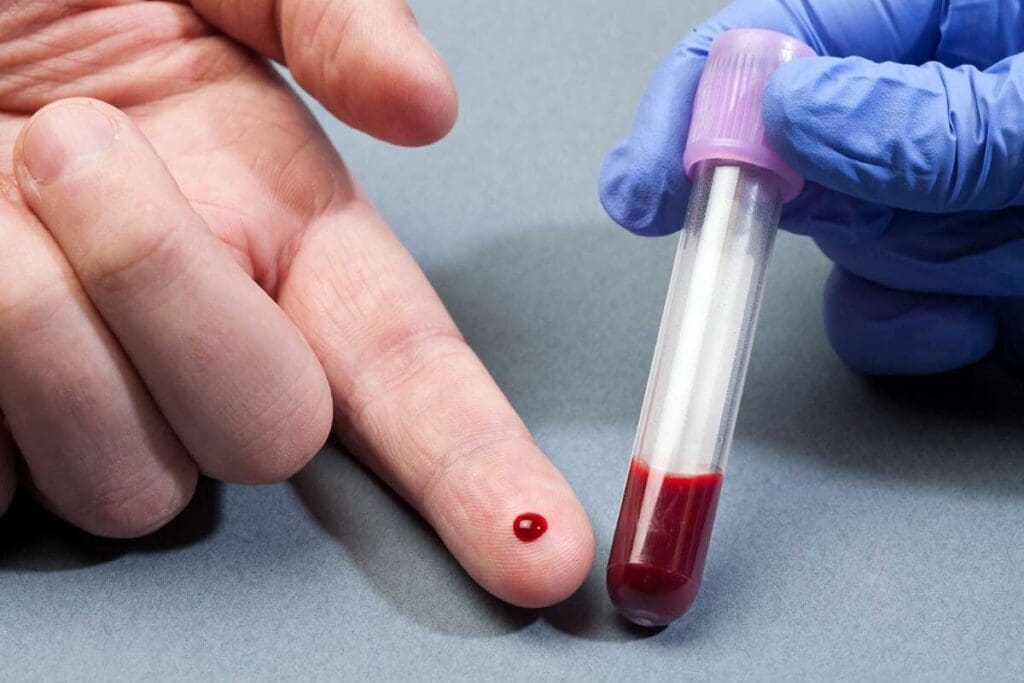
Blood is a complex fluid that keeps us alive. It supports our body’s functions by carrying oxygen, fighting infections, and stopping bleeding. Without blood, our bodies wouldn’t work right.
Blood as the Body’s Transport System
Blood is like a delivery truck for our body. It carries nutrients and oxygen to our cells and takes away waste. This is key to keeping our tissues and organs healthy.
The transport function of blood is multifaceted: it brings oxygen from the lungs to our tissues, carries nutrients from our food to our cells, and removes waste to our excretory organs.
Composition of Whole Blood: Plasma and Cellular Components
Whole blood is made up of plasma and cellular parts. Plasma is about 55% of our blood and has water, proteins, and other important stuff like nutrients and hormones. The cellular parts include red blood cells, white blood cells, and platelets, which help with different body functions.
| Component | Percentage of Blood Volume | Primary Functions |
| Plasma | 55% | Transports nutrients, hormones, and waste; maintains blood pressure |
| Red Blood Cells (Erythrocytes) | 45% | Carries oxygen from lungs to tissues |
| White Blood Cells (Leukocytes) | <1% | Provides immune defense against infections |
| Platelets (Thrombocytes) | <1% | Essential for blood clotting and stopping bleeding |
In summary, blood is vital for our health. It acts as a transport system and has different parts, like plasma and cells. Knowing about its role helps us understand its importance for our well-being.
The Three Classes of Blood Cells and Their Origins
Learning about blood cell production is key to understanding health and disease. The process, called hematopoiesis, happens mainly in the bone marrow. It’s complex and carefully controlled.
Hematopoiesis: How Blood Cells Are Produced
Hematopoiesis turns hematopoietic stem cells into three blood cell types: red, white, and platelets. These cells are essential for oxygen transport, fighting infections, and blood clotting.
Many growth factors and hormones help control this process. For example, erythropoietin boosts red blood cell production. Granulocyte-colony stimulating factor (G-CSF) helps make certain white blood cells.
The Bone Marrow as the Primary Site of Blood Cell Formation
The bone marrow is inside some bones, like the hips and thighbones. It’s where blood cells are made. It’s filled with hematopoietic stem cells and other supportive cells.
- The bone marrow is a supportive environment for stem cells to become different blood cell types.
- It’s where hematopoiesis happens, guided by many cellular signals and growth factors.
- The bone marrow also stores some immune cells.
In short, hematopoiesis is vital for blood cell production, and the bone marrow is its main location. Knowing about these processes helps us understand how our bodies stay healthy and fight off diseases.
Erythrocytes: The Oxygen Carriers
Erythrocytes are special cells that carry oxygen in our bodies. They help move oxygen from the lungs to our tissues. They also carry carbon dioxide from our tissues back to the lungs.
Unique Structural Features of Red Blood Cells
Erythrocytes, or red blood cells, have a unique shape. This shape is like a biconcave disk. It helps them exchange gases more efficiently.
Their shape and flexibility let them move through tiny capillaries. This ensures oxygen gets to our tissues well.
The cell membrane of erythrocytes is thin and flexible. This makes it easy for gases to pass through. Also, they don’t have a nucleus. This means they have more room for hemoglobin, the protein that binds oxygen.
Hemoglobin Structure and Function
Hemoglobin is a protein in erythrocytes that carries oxygen. It has four polypeptide chains and four heme groups, each with iron. The iron is key to binding oxygen.
The way hemoglobin changes shape when it binds oxygen is important. It makes hemoglobin better at carrying oxygen. This is why it’s so good at oxygen transport from the lungs to our tissues.
Red Blood Cell Lifecycle and Function
Red blood cells are made in the bone marrow and destroyed later. This journey is key to our health. Knowing how they live and die helps us see their importance.
Production and Maturation
In the bone marrow, red blood cells are made. This process starts with stem cells turning into mature red blood cells. The rate of production is carefully controlled to keep enough cells in our body.
As they mature, red blood cells change a lot. They lose their nucleus and get more hemoglobin.
Oxygen Transport and Carbon Dioxide Removal
Red blood cells carry oxygen to our body’s tissues and take carbon dioxide back to the lungs. Hemoglobin, a protein inside them, is key to this job. It binds to oxygen and carbon dioxide for transport.
| Function | Description | Key Component |
| Oxygen Transport | Transporting oxygen from the lungs to the tissues | Hemoglobin |
| Carbon Dioxide Removal | Removing carbon dioxide from tissues to the lungs | Hemoglobin |
Lifespan and Destruction
Red blood cells live about 120 days. As they age, they get ready to be removed. The spleen helps get rid of old or damaged cells, and the liver does too. The iron from broken-down cells is used to make new ones.
Learning about red blood cells shows us how our body works. It shows why they are so important for our health.
Leukocytes: The Immune System Warriors
Leukocytes, or white blood cells, are key to our immune system. They fight off diseases and keep us healthy. These cells are vital for our body’s defense.
White Blood Cell Types and Their Distribution
Leukocytes are divided into two main types: granulocytes and agranulocytes. Granulocytes have granules in their cells. Agranulocytes do not. This difference affects how they work.
Here’s a table showing the types and their percentages in our blood:
| Type of Leukocyte | Percentage in Blood | Primary Function |
| Neutrophils | 50-70% | Phagocytosis and defense against bacterial infections |
| Lymphocytes | 20-40% | Cell-mediated and humoral immunity |
| Monocytes | 5-10% | Maturation into macrophages for tissue repair and defense |
| Eosinophils | 1-4% | Defense against parasites and involvement in allergic reactions |
| Basophils | <1% | Release of histamine and involvement in inflammatory responses |
General Functions in Immune Defense
Leukocytes protect us from pathogens and harmful substances. They do this through phagocytosis and making antibodies, and chemical signals. These actions help fight off infections.
In summary, leukocytes are our first line of defense. Knowing about their types and roles helps us understand how our immune system works.
Granulocytes: Specialized White Blood Cells
Granulocytes are a key part of our immune system. They protect us from harmful substances and pathogens. These cells have granules in their cytoplasm, which are important for their work.
Neutrophils: The First Line of Defense
Neutrophils are the most common type of granulocyte. They are vital in fighting infections. These cells move fast to where they are needed.
Neutrophils can swallow and destroy harmful particles and microbes. This is how they help protect us.
Eosinophils: Targeting Parasites and Allergens
Eosinophils fight parasites and play a part in allergic reactions. They release chemicals that harm parasites. This helps get rid of them.
They also help control allergic reactions. This is important for our health.
Basophils: Mediators of Inflammatory Responses
Basophils are the least common but are very important. They are key in inflammatory responses, like allergic reactions. They release substances that cause blood vessels to swell.
This can lead to symptoms like itching and swelling. It’s part of how our body reacts to threats.
In summary, granulocytes are vital for our immune system. They come in different types, each with its own role. Knowing about them helps us understand how our body fights off infections and challenges.
Agranulocytes: Lymphocytes and Monocytes
The immune system depends on agranulocytes, like lymphocytes and monocytes, to fight off pathogens. These white blood cells lack granules and are key to the immune response.
T Lymphocytes and Cell-Mediated Immunity
T lymphocytes, or T cells, are vital for cell-mediated immunity. They can destroy infected cells or send signals to start the immune response. There are different types of T cells, each with its own job.
Types of T Cells:
- Cytotoxic T cells: Directly kill infected cells or send signals to activate the immune response.
- Helper T cells: Important for activating B cells to make antibodies and helping cytotoxic T cells.
- Regulatory T cells: Help control the immune response and prevent autoimmunity.
B Lymphocytes and Antibody Production
B lymphocytes, or B cells, make antibodies. Antibodies are proteins that find and mark specific antigens for destruction. This is key for humoral immunity.
| Cell Type | Function | Role in Immunity |
| T Lymphocytes | Directly kill infected cells or produce chemical signals. | Cell-mediated immunity |
| B Lymphocytes | Produce antibodies to recognize and bind to antigens. | Humoral immunity |
| Monocytes | Mature into macrophages, which engulf and digest cellular debris and pathogens. | Innate immunity |
Monocytes and Their Transformation into Macrophages
Monocytes are large white blood cells that turn into macrophages when they move into tissues. Macrophages are key in innate immunity, eating and breaking down debris and pathogens.
Understanding these cells is important for a healthy immune system. Knowing how lymphocytes and monocytes work helps us see how our bodies fight infections and diseases.
Thrombocytes: Blood Clotting Specialists
Thrombocytes, also known as platelets, are small blood cells. They are key in forming clots and stopping bleeding. They come from megakaryocytes in the bone marrow, a vital process for hemostasis.
Platelet Formation from Megakaryocytes
Megakaryocytes are big cells that grow and divide in a special way. They make many copies of their DNA without splitting, becoming a large cell with many nuclei. Then, they release thrombocytes into the blood. This complex process is carefully controlled to make the right number of platelets.
The Coagulation Cascade and Platelet Activation
When a blood vessel gets hurt, platelets get activated. They stick to the injury and clump together to form a platelet plug. This plug is the first step in the blood clotting process.
The coagulation cascade is a series of chemical reactions that make a fibrin clot. Platelets help by providing a place for coagulation factors to work. This leads to the creation of thrombin and fibrin, forming the clot.
Knowing about thrombocytes and their role in blood clotting is key to managing clotting disorders.
Comparing the Classes of Blood Cells: Form and Function
It’s important to know how erythrocytes, leukocytes, and thrombocytes work together. They help keep our bodies balanced, fight off infections, and stop bleeding. Each type of blood cell has its own role.
Structural and Functional Differences
Erythrocytes, or red blood cells, carry oxygen. They don’t have a nucleus and are shaped like a disk. This shape helps them exchange gases better.
Leukocytes, or white blood cells, are part of our immune system. They are bigger than red blood cells and have a nucleus. This lets them do their immune jobs.
Thrombocytes, or platelets, are small and help stop bleeding. They come from megakaryocytes and don’t have a nucleus. Their job is to form a plug at injury sites.
Variations in White Blood Cell Lifespan
Leukocytes live different lengths of time. Neutrophils, a type of granulocyte, live only a few days. Lymphocytes, though, can live for years or even a lifetime, giving us long-term protection.
Thrombocytes in Relation to Other Blood Cells
Thrombocytes are special because of their role in stopping bleeding. Unlike red blood cells, which carry oxygen, and white blood cells, which fight infections, thrombocytes are key to hemostasis. They quickly form clots to prevent too much blood loss.
| Cell Type | Primary Function | Lifespan | Nucleus Presence |
| Erythrocytes | Oxygen Transport | Approximately 120 days | No |
| Leukocytes | Immune Defense | Varies (hours to years) | Yes |
| Thrombocytes | Blood Clotting | 7-10 days | No |
In conclusion, erythrocytes, leukocytes, and thrombocytes are all vital for our health. Their unique structures and functions are key to keeping us healthy. Knowing about these differences helps doctors diagnose and treat blood-related issues.
Blood Cell Disorders and Their Clinical Implications
Blood cell disorders can really affect our health. They impact how our body makes and works with different blood cells. These issues can cause a range of problems, from mild to very serious. It’s key to understand these disorders to get the right treatment.
Anemia and Other Red Blood Cell Disorders
Anemia is when we don’t have enough red blood cells. This makes it hard for our bodies to get enough oxygen. We’ll look at different kinds of anemia and other red blood cell problems like polycythemia vera.
Red blood cell disorders can come from many things, like genes or not getting enough nutrients. Doctors use blood tests and sometimes bone marrow checks to find these issues. Treatment can be simple, like changing what we eat, or more complex.
Leukemia, Lymphoma, and White Blood Cell Abnormalities
Leukemia and lymphoma are cancers that mess with our immune system. Leukemia affects the bone marrow, making too many bad white blood cells. Lymphoma messes with the lymphatic system. We’ll talk about these cancers, their signs, how doctors find them, and how to treat them.
There are also problems with white blood cells, like having too few or too many. These can happen for many reasons, like infections or medicines. Knowing why it happens helps doctors figure out the best way to help.
Thrombocytopenia and Clotting Disorders
Thrombocytopenia means we don’t have enough platelets, which can cause bleeding. We’ll look at why this happens, like when our immune system attacks our platelets. Clotting disorders, like hemophilia, also cause big problems because they make it hard to stop bleeding.
Fixing thrombocytopenia and clotting disorders means finding and fixing the cause. This might mean treatments to make more platelets or replacing clotting factors. Sometimes, just changing how we live can help avoid bleeding problems.
Modern Diagnostic Approaches to Blood Cell Evaluation
Today’s diagnostic methods are key in checking blood cells. They help doctors spot and treat blood issues well. Checking blood cells is vital for diagnosing and managing blood-related diseases.
Complete Blood Count and Differential Analysis
A Complete Blood Count (CBC) is a common blood test. It gives important info about blood’s parts, like red and white blood cells, and platelets. The CBC shows things like hemoglobin, hematocrit, white blood cell count, and platelet count.
Differential analysis is done with CBC. It shows the types of white blood cells, like neutrophils and lymphocytes. This info is key to finding infections, inflammation, and blood cancers.
| Parameter | Normal Range | Significance |
| Hemoglobin (Hb) | 13.8-17.2 g/dL (men), 12.1-15.1 g/dL (women) | Measures the oxygen-carrying capacity of the blood |
| Hematocrit (Hct) | 40.7-50.3% (men), 36.1-44.3% (women) | Indicates the proportion of blood volume occupied by red blood cells |
| White Blood Cell Count (WBC) | 4,500-11,000 cells/μL | Helps in assessing the body’s immune response |
Flow Cytometry and Immunophenotyping
Flow cytometry is a detailed method for analyzing cells. It uses a laser beam to study cells in a fluid. This technique is great for immunophenotyping, which finds specific proteins on cells. It helps diagnose blood cancers and immune problems.
Flow cytometry can look at many cell features at once. It’s used a lot in diagnosing and tracking leukemia and lymphoma.
Genetic and Molecular Testing for Blood Disorders
Genetic and molecular testing are key in diagnosing blood disorders. Tests like PCR, FISH, and NGS find genetic mutations. These tests help spot diseases like sickle cell anemia and thalassemia.
These tests also track disease in patients with blood cancers. They’re important for checking if the disease is gone after treatment.
Conclusion: The Integrated Functions of Blood Cells in Health and Disease
It’s important to know how erythrocytes, leukocytes, and thrombocytes help our health. These cells work together to keep our body balanced, fight off infections, and fix damaged areas. Erythrocytes carry oxygen and remove carbon dioxide. Leukocytes protect us from infections. Thrombocytes help stop bleeding when we get hurt.
The integrated functions of blood cells are key to staying healthy and avoiding sickness. Problems with these cells can cause diseases like anemia or clotting issues. Knowing how these cells work is essential for diagnosing and treating blood-related problems.
Healthcare experts can improve patient care by understanding how erythrocytes, leukocytes, and thrombocytes interact. This knowledge helps them better manage health and disease, leading to better patient outcomes.
FAQ
What are the three main classes of blood cells?
The main blood cells are erythrocytes (red blood cells), leukocytes (white blood cells), and thrombocytes (platelets).
What is the primary function of erythrocytes?
Erythrocytes carry oxygen from the lungs to the body’s tissues. They also remove carbon dioxide.
What is hematopoiesis?
Hematopoiesis is how blood cells are made. It turns stem cells into different blood cells, like erythrocytes, leukocytes, and thrombocytes.
Where are blood cells produced?
Blood cells are mainly made in the bone marrow. This is the spongy tissue inside some bones.
What is the role of leukocytes in the body?
Leukocytes help fight infections and diseases. They are key to the body’s immune defense.
What are the different types of leukocytes?
Leukocytes include granulocytes (like neutrophils, eosinophils, and basophils) and agranulocytes (such as T lymphocytes, B lymphocytes, and monocytes).
What is the function of thrombocytes?
Thrombocytes help stop bleeding by forming clots. They are small, anucleated cells that play a big role in blood clotting.
What is anemia?
Anemia is when there are not enough red blood cells. This makes it hard for the body to get enough oxygen.
How are blood cell disorders diagnosed?
Doctors use tests like complete blood count, flow cytometry, and genetic testing to find blood cell disorders.
What is the significance of understanding blood cells?
Knowing about blood cells helps us understand health and how to manage blood disorders.
What is the coagulation cascade?
The coagulation cascade is a complex process. It involves platelets and clotting factors to form a blood clot.
How do different classes of blood cells differ from one another?
Erythrocytes carry oxygen, leukocytes fight infections, and thrombocytes help with clotting. Each has its own role.
Reference:
PubMed Central. Structural and mechanical properties of the red blood cell’s membrane skeleton.