Last Updated on December 1, 2025 by Bilal Hasdemir

Wilms tumor, also known as nephroblastoma, is a rare kidney cancer that mainly hits kids. It’s surprising that it makes up about 90% of all kidney cancers in kids under 15. This makes it a big worry for parents and doctors.
Knowing about the prognosis and clinical features of Wilms tumor is key for patients and their families. How long chemotherapy lasts for Wilms tumor changes based on a few things. These include the tumor’s stage and how it looks under a microscope.
We aim to give a clear picture of Wilms tumor, its treatment, and what affects chemotherapy time. Our goal is to help and support patients and their families on this path.
Key Takeaways
- Wilms tumor is a rare kidney cancer mainly affecting kids.
- The prognosis for Wilms tumor varies based on stage and histology.
- Treatment duration is influenced by several factors, including tumor stage.
- Understanding treatment options is key for patients and families.
- Nephroblastoma treatment has seen big improvements.
Understanding Wilms Tumor: An Overview

Wilms tumor, or nephroblastoma, is a cancer that starts in the kidneys. It’s most common in kids under five. Knowing about its symptoms and treatments is key to managing it well.
What is Wilms Tumor/Nephroblastoma?
Wilms tumor is a rare kidney cancer that mainly hits kids. It was named after Max Wilms, a German surgeon. This tumor grows fast in the kidneys, which filter waste and fluids from the blood.
“Wilms tumor is a complex condition that requires a multidisciplinary approach to treatment.” Doctors say early diagnosis and the right treatment can greatly help kids with Wilms tumor.
Incidence and Demographics
Wilms tumor makes up about 80% of all kidney cancers in kids. It’s most seen in children under five, with the highest rate between two and three years old. It affects about 8 kids per million worldwide each year.
Knowing who’s at risk and when to screen is vital for doctors. It helps them catch Wilms tumor early and treat it effectively.
Clinical Features of Wilms Tumor
It’s important to know the signs of Wilms tumor for early treatment. This kidney cancer mainly hits kids.
Common Signs and Symptoms
The signs of Wilms tumor can differ, but some common ones are:
- Abdominal swelling or mass
- Abdominal pain
- Hematuria (blood in the urine)
- Hypertension (high blood pressure)
- Fever
These symptoms show the tumor’s presence and its effect on the kidney and nearby tissues.
Associated Syndromes and Conditions
Some genetic syndromes raise the risk of Wilms tumor. These include:
| Syndrome/Condition | Description | Risk Association |
| WAGR Syndrome | A rare genetic disorder with Wilms tumor, Aniridia, Genitourinary anomalies, and mental Retardation. | High risk of Wilms tumor |
| Beckwith-Wiedemann Syndrome | A growth disorder that raises the risk of several tumors, including Wilms tumor. | Increased risk |
| Denys-Drash Syndrome | A rare disorder with kidney disease, genital abnormalities, and a high risk of Wilms tumor. | High risk |
Knowing these syndromes helps in early detection and management of Wilms tumor.
Diagnosis and Evaluation Process
To diagnose Wilms tumor, doctors employ various diagnostic tools, including imaging studies and lab tests, to determine the tumor’s size and type, which aid in deciding the appropriate treatment.
Imaging Studies
Imaging tests are key in finding Wilms tumor. They include:
- Ultrasound: Often the first test, it shows where and how big the tumor is.
- CT Scans: Give detailed pictures of the tumor and the areas around it, helping with staging.
- MRI: Shows more about the tumor and how it affects nearby parts.
These tests help doctors get a clear picture of the tumor. This makes it easier to plan the right treatment.
Laboratory Tests and Biopsy
Lab tests and biopsies are vital for confirming the diagnosis. They help understand the tumor’s type.
| Laboratory Test | Purpose |
| Complete Blood Count (CBC) | Checks overall health and looks for any issues. |
| Urinalysis | Looks for blood in the urine or other problems. |
| Biopsy | Gets tissue for a detailed look, confirming the diagnosis. |
A biopsy is key to knowing the tumor’s type. This type, favorable or anaplastic, affects treatment choices. It also impacts how well the patient might do.
Wilms Tumor Staging System
The Wilms tumor staging system is key for figuring out how far the disease has spread. It helps doctors decide the best treatment. This system looks at how big the tumor is and if it has spread.
Stage I Wilms Tumor
Stage I Wilms tumor is a tumor that only grows in the kidney. It’s removed during surgery without any problems. There’s no sign of the tumor spreading. People with Stage I usually do well.
Stage II Wilms Tumor
Stage II means the tumor has grown but is all removed. It might have spread to nearby areas but not too far. The tumor is not found at the edges of where it was cut out.
Stage III Wilms Tumor
Stage III shows the tumor can’t be fully removed or has spread to lymph nodes. It might also have spilled over or have small growths in the belly. This stage needs more treatment.
Stage IV Wilms Tumor
Stage IV is when the tumor has spread through the blood to other places like the lungs or liver. This is a serious case that needs strong treatment.
Knowing about Wilms tumor stages helps patients and families understand the disease. Each stage affects how the disease is treated and how well someone might do.
Treatment Approaches for Wilms Tumor
Wilms Tumor treatment involves several steps. Doctors use different methods to help patients. They consider the disease stage, patient health, and tumor details.
Surgery Options
Surgery is key in treating Wilms Tumor. The main goal is to remove the tumor fully. Radical nephrectomy, removing the affected kidney, is common. For some, nephron-sparing surgery is an option, like for those with only one kidney.
Radiation Therapy
Radiation therapy is also vital. It uses high-energy rays to kill cancer cells. The choice to use it depends on the tumor’s stage and type. External beam radiation therapy is often used.
Chemotherapy Overview
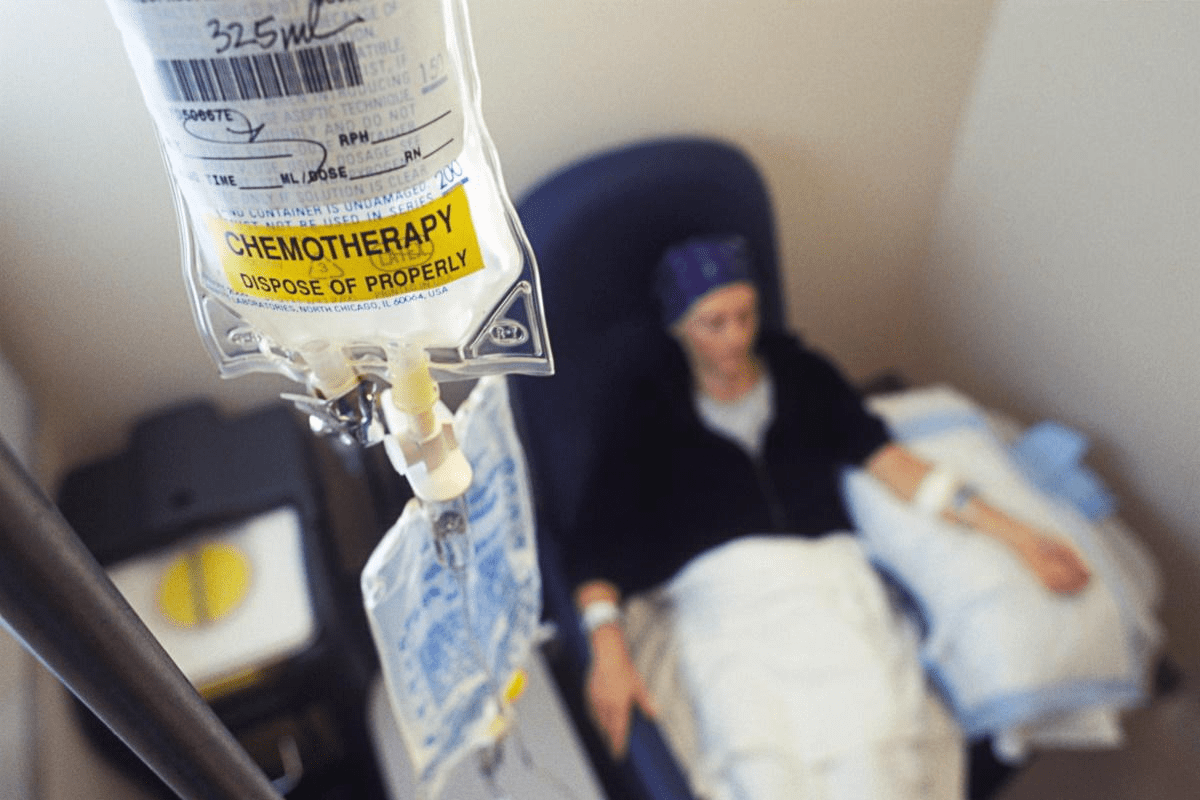
Chemotherapy uses drugs to kill cancer cells. It’s a big part of Wilms Tumor treatment. The treatment plan depends on the tumor’s stage and risk. Actinomycin D and vincristine are common drugs used.
Chemotherapy Duration for Stage I Wilms Tumor
The time needed for chemotherapy in Stage I Wilms Tumor changes a lot. This change happens because of how well the treatment works and the side effects it might cause. It’s important for patients and their families to understand this to make good choices about their care.
Standard Risk Stage I Protocol
Patients with Stage I Wilms Tumor who are at standard risk get a less tough treatment. They take a mix of chemotherapy drugs for 18 to 24 weeks. The exact time can change based on how well the patient does and any changes the doctor makes.
The aim is to keep the treatment time short while making sure the tumor is treated well.
High-Risk Stage I Protocol
Those with Stage I Wilms Tumor but at high risk get a more intense treatment. Their treatment time is usually 24 to 30 weeks or longer. This depends on the tumor and how the patient reacts to the treatment.
High-risk patients might need more chemotherapy drugs or more treatments. The doctors watch them closely and change the treatment plan if needed.
In both cases, the time for chemotherapy is planned carefully. It’s done to get the best results and avoid long-term side effects. The treatment plans keep getting better thanks to new research and trials. This helps improve survival rates and quality of life for Wilms Tumor patients.
Chemotherapy Duration for Stage II Wilms Tumor
The chemotherapy for Stage II Wilms tumor depends on the patient’s risk level. This affects how long the treatment lasts. We will discuss the chemotherapy plans for Stage II Wilms tumor, covering both standard and high-risk cases.
Standard Risk Stage II Protocol
Patients with Stage II Wilms tumor and a standard risk classification usually get chemotherapy for 18 to 24 weeks. This treatment combines vincristine and dactinomycin in a two-drug regimen.
This treatment is generally easy to handle. Doctors keep a close eye on how the patient is doing and any side effects. Below is a summary of the standard chemotherapy plan for standard risk Stage II Wilms tumor patients.
| Drug | Dosage | Frequency |
| Vincristine | 1.5 mg/m² | Weekly for 8 weeks, then every 2 weeks |
| Dactinomycin | 0.045 mg/kg | Every 3 weeks |
High-Risk Stage II Protocol
High-risk Stage II Wilms tumor patients get a more intense chemotherapy. This includes three or more chemotherapy agents, with doxorubicin added to vincristine and dactinomycin. Their treatment lasts 24 to 30 weeks.
Adding doxorubicin and possibly cyclophosphamide or etoposide aims to improve treatment outcomes for high-risk patients. Regular checks are key to adjusting the treatment plan as needed.
Knowing the chemotherapy duration and plan for Stage II Wilms tumor is vital. It helps both patients and doctors plan and manage the treatment effectively.
Chemotherapy Duration for Stage III Wilms Tumor
The treatment for Stage III Wilms tumor includes chemotherapy and radiation. We’ll talk about the usual treatment plan. We’ll also explain how chemotherapy time changes based on how the patient responds.
Standard Treatment Regimen
Stage III Wilms tumor treatment often uses vincristine, dactinomycin, and doxorubicin with radiation. This combo aims to kill all cancer cells. It’s a strong treatment to help cure the disease.
Chemotherapy for Stage III Wilms tumor lasts 24 to 32 weeks. This time can change based on how the tumor reacts to treatment. Doctors check often to see how well the treatment is working.
Duration Modifications Based on Response
Chemotherapy time can change based on how well the treatment works. If the tumor shrinks a lot, the treatment might be adjusted. But if it doesn’t shrink as much, the treatment could get stronger or last longer.
Things like the tumor’s size, the patient’s health, and side effects play a role. Our team watches these closely to decide on treatment changes.
It’s important to know that every treatment plan is unique. We work with each patient to make sure the chemotherapy fits their needs. This helps get the best results.
Chemotherapy Duration for Stage IV Wilms Tumor
Stage IV Wilms tumor spreads widely, needing a long and detailed chemotherapy plan. This stage’s treatment is more complex than earlier ones.
Initial Treatment Approach
The first step for Stage IV Wilms tumor is a mix of chemotherapy drugs. Multi-agent chemotherapy is key to fight the disease’s spread. Drugs like vincristine, dactinomycin, and doxorubicin are often used. Sometimes, cyclophosphamide or etoposide are added based on the tumor’s type and risk.
“Intensive chemotherapy has been shown to help patients with advanced Wilms tumor,” studies say. This plan is made for each patient, considering their risk and how they react to treatment.
Extended Therapy Considerations
For Stage IV Wilms tumor, deciding on more chemotherapy depends on how well the patient responds and if there’s any leftover disease. Regular checks with scans and tumor markers are vital to decide on extra treatment.
- Checking how the tumor responds after the first chemotherapy
- Looking at how metastatic sites are doing
- Thinking about surgery for any leftover disease
Treatment Duration for Metastatic Disease
How long chemotherapy lasts for metastatic Wilms tumor varies a lot. It depends on how far the disease has spread, the patient’s health, and the chemotherapy used. Treatment can last from months to over a year.
“The goal of treatment is to get rid of the disease completely while keeping long-term side effects low,” say pediatric cancer experts.
In summary, how long chemotherapy lasts for Stage IV Wilms tumor depends on each patient. It’s based on how well they respond to treatment and if they need more therapy to control the disease.
Special Considerations for Bilateral Wilms Tumor
Managing bilateral Wilms tumor is complex. It involves making tough decisions to treat the cancer while keeping as much kidney function as possible. This is a big challenge in treating kids with cancer.
Nephron-Sparing Approaches
Nephron-sparing surgery is key in treating bilateral Wilms tumor. It aims to remove the tumor and keep as much kidney tissue as possible. This helps keep the kidney working well and avoids long-term kidney problems.
We use different surgical methods to achieve this goal. These include partial nephrectomy and tumor enucleation. The choice depends on the tumor’s size, location, and the patient’s health.
Extended Chemotherapy Protocols
Bilateral Wilms tumor often needs longer and more intense chemotherapy. The treatment plan is made based on how the patient responds and the tumor’s characteristics.
We use a mix of drugs like vincristine, actinomycin D, and doxorubicin. The treatment plan is adjusted based on how well the patient can handle it and how the tumor responds.
| Treatment Component | Description | Benefits |
| Nephron-Sparing Surgery | Surgical removal of tumor while preserving kidney tissue | Maintains renal function, reduces risk of renal failure |
| Extended Chemotherapy | Prolonged use of chemotherapeutic agents | Enhances tumor control, improves survival rates |
In conclusion, treating bilateral Wilms tumor needs a careful approach. It involves both nephron-sparing surgery and extended chemotherapy. By customizing treatment, we can improve outcomes and quality of life for these patients.
Anaplastic Wilms Tumor: Treatment Duration and Intensity
It’s important to know the difference between diffuse and focal anaplasia to understand anaplastic Wilms tumor treatment. This aggressive subtype needs stronger chemotherapy.
Diffuse vs. Focal Anaplasia
Anaplastic Wilms tumor has anaplasia, which can be diffuse or focal. Diffuse anaplasia means anaplastic cells are spread out in the tumor. Focal anaplasia is found in just one area. Knowing this helps doctors plan the best treatment and predict outcomes.
Diffuse anaplasia needs a tougher treatment plan because it’s riskier. On the other hand, focal anaplasia might get a less intense treatment, but it’s more aggressive than non-anaplastic Wilms tumor.
Intensified Chemotherapy Regimens
Treating anaplastic Wilms tumor means using stronger chemotherapy. This is because the disease is very aggressive. The chemotherapy used is more powerful than for non-anaplastic Wilms tumor.
How long chemotherapy lasts for anaplastic Wilms tumor depends on the stage and how well the patient responds. Usually, patients with anaplastic Wilms tumor need to be treated longer than those with favorable histology Wilms tumor.
- Patients with diffuse anaplasia often need longer chemotherapy.
- The strength of the chemotherapy is changed based on how the patient does and can handle it.
- Checking how well the treatment is working is key to see if the stronger chemotherapy is helping.
Survival Rates and Prognosis by Stage
Wilms tumor survival rates have gotten better over time. But, the stage at diagnosis is very important. Knowing the prognosis based on the stage helps patients and their families make treatment choices.
Early Stage Prognosis
Patients with early-stage Wilms tumor usually have a good outlook. Stage I and II Wilms tumor often have survival rates over 90%. This is because of effective treatments like surgery, chemotherapy, and sometimes radiation.
The standard risk for early-stage Wilms tumor means a good chance of being cured. We’ve made big strides in treating patients with less harm while keeping survival rates high.
Advanced Stage Outcomes
Patients with Stage III and IV Wilms tumor face a tougher road. The prognosis depends on the tumor’s type and how well it responds to treatment. These stages need more aggressive therapy, like multi-agent chemotherapy and radiation.
Even so, survival rates for advanced Wilms tumor have gone up. They can range from 70% to over 80%, depending on the tumor and how well the patient responds to treatment.
Factors Affecting Survival
Many things can change a patient’s survival chances with Wilms tumor. These include:
- The stage of the tumor at diagnosis
- The tumor’s histology (favorable vs. anaplastic)
- The patient’s age and health
- How well the tumor responds to chemotherapy
- Any genetic syndromes or conditions linked to Wilms tumor
Knowing these factors helps doctors create treatment plans that fit each patient’s needs. This can improve survival chances and long-term health.
Conclusion
Wilms tumor treatment is complex and involves many steps. It’s not just about quick diagnosis and treatment. It also needs long-term follow-up to watch for late effects. For survivors, keeping an eye on them long-term is key. We must watch for late effects like kidney damage or second cancers. This way, we can help them live well. By focusing on long-term care and quality of life, we help survivors stay healthy. Our care doesn’t stop after treatment. We make sure they get the support they need to live well.
FAQ
What is Wilms tumor, and how common is it in children?
Wilms tumor, also known as nephroblastoma, is a kidney cancer found in young kids. It’s not very common but we help patients from around the world.
What are the common signs and symptoms of Wilms tumor?
Signs include swelling and pain in the belly. Some kids might have genetic conditions that raise their risk of getting Wilms tumor.
How is Wilms tumor diagnosed?
Doctors use imaging and lab tests to find the tumor. A biopsy helps figure out the tumor’s type, which guides treatment.
What is the Wilms tumor staging system, and how does it affect treatment?
The system shows how far the cancer has spread, from Stage I to Stage IV. The stage helps decide on surgery, radiation, and chemo.
What are the treatment approaches for Wilms tumor?
Treatment mixes surgery, radiation, and chemo. The plan depends on the tumor’s stage, type, and the patient’s health.
How long does chemotherapy last for Stage I Wilms tumor?
Chemotherapy time for Stage I varies. It’s shorter for standard risk patients and longer for high-risk ones.
What is the treatment approach for bilateral Wilms tumor?
Bilateral tumors need careful planning. Doctors aim to save kidney function with special treatments and longer chemo.
How does the presence of anaplasia affect treatment?
Anaplastic tumors get more intense chemo. The treatment gets stronger based on the anaplasia’s extent and type.
What are the survival rates for Wilms tumor, and how do they vary by stage?
Survival rates are high for early stages. But, later stages have a tougher outlook. Treatment response and tumor type also play a role.
Why is long-term follow-up important for Wilms tumor survivors?
Follow-up helps catch late treatment effects. It ensures survivors live well and addresses any complications.
What is the prognosis for Stage IV Wilms tumor?
Stage IV is advanced and needs aggressive treatment. The outcome depends on how well the patient responds to treatment.
How does the treatment duration vary for different stages of Wilms tumor?
Treatment time changes with each stage. Early stages get shorter treatments, while later stages need longer, more intense therapy.
References
- Green, D. M., et al. (2009). Early and late mortality after diagnosis of Wilms tumor. Journal of Clinical Oncology, 27(1), 112-119. https://www.ncbi.nlm.nih.gov/pmc/articles/PMC2667828/
- National Cancer Institute. (2025). Wilms Tumor and Other Childhood Kidney Tumors Treatment (PDQ®)–Patient Version. https://www.cancer.gov/types/kidney/hp/wilms-treatment-pdq
- Gailani, M., et al. (2022). Multidisciplinary treatment strategies for Wilms tumor: Recent advances, technical innovations and future directions. Frontiers in Pediatrics, 10, 852185. https://www.frontiersin.org/articles/10.3389/fped.2022.852185/full