

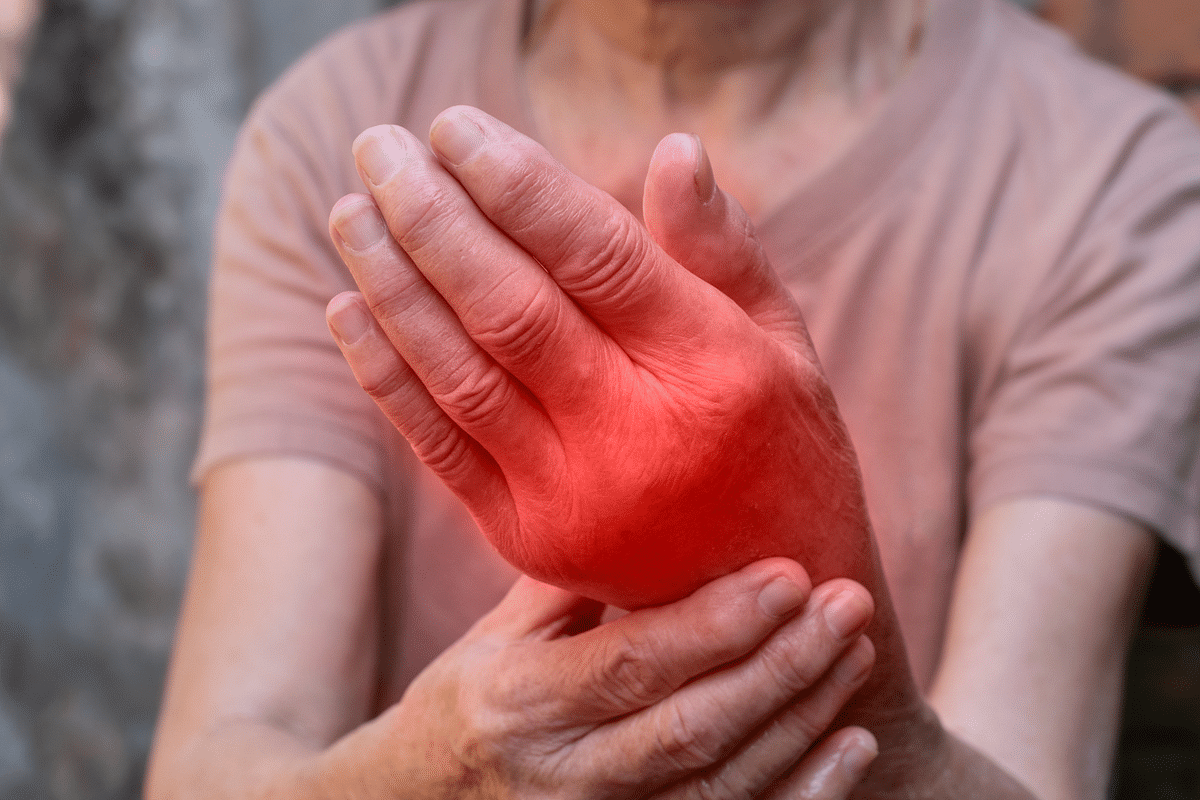
Listing the symptoms of a clot in hand (superficial or deep), focusing on localized pain, warmth, and hardness. Seeing bulging veins in hands can worry you, but knowing why they happen helps. About 1 in 3 adults face this issue. It’s often due to aging, genes, or how we live.
Medical Expert. But, they can mean something serious in some cases. Things like low body fat, working out, heat, or genes can make them show up. Getting a full check-up and a treatment plan that fits you is key.
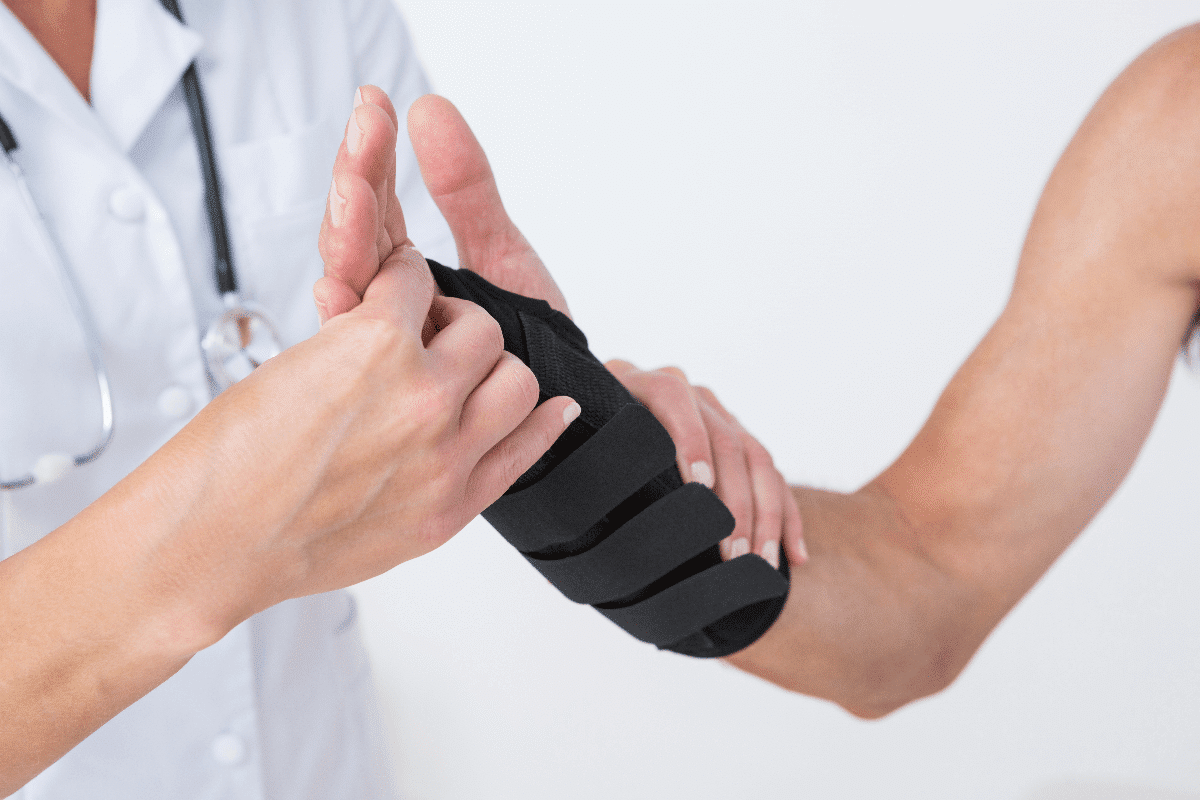
Swollen or prominent veins on the hands can come from many reasons. These include normal body variations and health issues. Medical Expert, “As we age, our skin loses collagen and gets thinner, making veins more visible.” This natural aging, along with low body fat and genetics, affects how visible hand veins are.
Visible hand veins are common, more so in older adults and those with certain lifestyle or genetic factors. Medical experts say that as we get older, our skin loses elasticity and fat, making veins more visible. Genetics also play a role, with some families more likely to have visible hand veins.
Factors contributing to visible hand veins include:
Some vein visibility is normal, like in older people or those with less body fat. But, sudden or excessive swelling is a worry. It’s important to tell normal variations from signs of health problems. Varicose hand veins are less common than leg varicose veins but can happen due to similar causes like weak vein walls or faulty valves.
“Vein bumps on hands can be a normal part of aging, but they can also indicate underlying circulatory issues or other health concerns,” says a vascular specialist.
Veins in the hands are key to the circulatory system, bringing blood back to the heart. They have a network of superficial and deep veins with valves to stop backflow. If these valves weaken or get damaged, it can cause raised veins in hands, which might show a circulatory problem.
Knowing how veins work and what affects their look is important. It helps us know when swollen hand veins might mean a health issue. Age, genetics, and overall health all play a part in vein health and visibility.

Bulging veins in hands can be caused by several factors. Knowing what causes them is key to finding ways to hide them.
As we get older, our skin and veins in our hands change a lot. The skin gets thinner and less elastic, making veins stand out more. Vein walls also weaken with age, making them bulge more easily. This is why older people often have more visible hand veins.
Genetics play a big role in how visible hand veins are. If your family has visible hand veins, you might too. Genetic predisposition can affect how thick your skin is, how big your veins are, and your vascular health. This can make swollen veins more noticeable.
People with less body fat often have more visible veins in their hands. There’s less fat to hide the veins, making them stand out. Athletes or people with low body fat often notice their veins more because of this.
Exercise and hard work can make hand veins swell up. When you work out hard, your body gets hotter and your blood vessels get bigger. This makes your hand veins more visible. Regular exercise can improve blood flow, but it might not make your hand veins less noticeable.
In summary, swollen veins in hands come from aging, genetics, low body fat, and exercise. Knowing these causes helps find the best ways to hide them.
It’s important to know the difference between harmless bulging veins and those that could be serious. Many swollen hand veins are not a problem, but some symptoms need a doctor’s check-up. This is to make sure there’s no underlying condition that needs treatment.
If you notice any of these signs, see a doctor:
Medical Expert, swelling, or tenderness around a bulging vein is a warning sign. Getting checked out quickly can find any hidden problems.
Bulging hand veins can sometimes mean a bigger health issue. These include:
|
Condition |
Symptoms |
Potential Complications |
|---|---|---|
|
Deep Vein Thrombosis (DVT) |
Pain, swelling, warmth, and redness in the affected limb |
Pulmonary embolism if the clot breaks loose |
|
Varicose Veins |
Visible, twisted veins; discomfort or pain |
Skin ulcers, bleeding, or superficial thrombophlebitis |
|
Venous Insufficiency |
Swelling, pain, and skin changes in the affected limb |
Skin ulcers, chronic swelling, and skin discoloration |
Seek medical help if you have unusual or ongoing symptoms. Catching and treating these conditions early can make a big difference.
In summary, while most swollen hand veins are okay, knowing the warning signs and serious conditions is key. If you’re not sure about your symptoms or if they’re concerning, talk to a doctor. They can give you advice tailored to your situation.
Looking to hide hand veins? Elevation and compression are good solutions. The Texas Vascular Institute says they work well.
Keeping your hands up can reduce swelling and improve blood flow. Here’s how to do it:
Compression clothes apply pressure to improve circulation and hide veins. You can choose from:
For best results, stick to a regular schedule with compression. This means:
Using elevation and compression together can make swollen hand veins less visible. Consistency is key. Regular use and proper technique are important. With time and the right approach, you can see big improvements in your hand veins.
Temperature therapy is a simple yet effective way to reduce swollen hand veins. It involves using different temperatures on the affected area. This helps improve circulation and makes veins less visible.
Cold therapy, or cryotherapy, is great for reducing swelling and inflammation. When used on the hands, cold temperatures make veins less visible by constricting them.
Warm therapy uses heat on the affected area. It helps dilate blood vessels and improve circulation.
Benefits of warm therapy include:
Contrast therapy switches between cold and warm temperatures. It’s very effective in improving circulation and reducing swollen veins.
There are many DIY temperature therapy options. These include:
Adding temperature therapy to your daily routine can help reduce swollen hand veins. It also improves overall circulation.
Exercise and movement can help with thick veins on hands. Adding specific exercises to your day can improve blood flow. This might make raised veins in your palm less noticeable.
Strengthening your hand muscles is key for better hand health. It might also make bulging veins less visible. Try finger bends, spreads, and grip strengthening. For example, use a hand grip strengthener for 5-10 seconds, then release.
Doing activities that boost blood flow can also help with hand veins. Simple actions like wrist rotations, finger extensions, and hand clenching can help. Doing these regularly can lead to healthier veins.
While exercise is good, some changes can help less visible veins. Avoid heavy lifting or activities that strain your hands. Also, make sure to exercise correctly.
It’s important to exercise correctly to avoid vein strain. For grip strengthening, don’t squeeze too hard. Instead, use gentle, controlled movements.
|
Exercise |
Benefit |
Frequency |
|---|---|---|
|
Finger Bends |
Improves finger flexibility |
3 sets of 10 |
|
Wrist Rotations |
Enhances circulation |
3 sets of 5 |
|
Grip Strengthening |
Builds hand strength |
3 sets of 10 |
Eating well and drinking enough water are key to healthy veins in your hands. What we eat and how much we drink affects vein health. By choosing the right foods and staying hydrated, we can fight swollen hand veins.
Eating foods that fight inflammation can help veins stay healthy. Omega-3 rich foods like salmon and walnuts are great. Also, fruits and veggies, full of antioxidants, help fight inflammation and support veins.
Key anti-inflammatory foods to include:
Drinking enough water is vital for vein health. It keeps blood flowing smoothly, preventing swelling. Aim for eight glasses a day, but adjust based on your activity and where you live.
Tips for optimal hydration:
Some supplements and vitamins can help veins stay healthy. Vitamin C strengthens vein walls, and vitamin E boosts circulation. Horse chestnut extract and rutin can also reduce inflammation.
Some foods can make swelling worse. Avoid foods high in salt, sugar, and unhealthy fats. Processed foods, with their high sodium, should be eaten sparingly.
Foods to limit or avoid:
When lifestyle changes aren’t enough, medical and cosmetic treatments can help. These include prescription medications, minimally invasive procedures, and cosmetic products. They are designed to reduce the appearance of bulging veins in hands.
Certain prescription medications can improve vein health and reduce swollen hand veins. These may include:
It’s essential to consult with a healthcare professional before starting any medication regimen.
For more pronounced cases, minimally invasive procedures may be recommended. These include:
According to the Texas Vascular Institute, such treatments are effective for managing bulging veins. These procedures are typically performed on an outpatient basis and have a quick recovery time.
For those looking for non-invasive solutions, cosmetic products can help. These may include:
If you’re experiencing discomfort or self-consciousness due to bulging veins in hands, it may be time to consider professional treatment. Consult with a vascular specialist to determine the best course of action for your specific condition.
By exploring these medical and cosmetic treatment options, individuals can find effective solutions. They can reduce the appearance of swollen hand veins and improve their overall vein health.
Understanding why veins swell in your hand is key to finding the right treatment. Age, genetics, and low body fat can play a role. These factors can make veins bulge in your hands.
There are many ways to make veins less noticeable in your hands. You can try elevation, compression, or temperature therapy. Exercise, diet, and staying hydrated also help. Medical and cosmetic treatments are other options.
By using these methods every day, you can make swollen hand veins less visible. It’s important to look into different treatments and talk to a doctor. They can help find the best solution for you.
To tackle swollen veins in your hands, you need a plan that covers all bases. This means addressing the root causes and using a mix of effective solutions.
Bulging veins in hands can be caused by aging, genetics, low body fat, and physical exertion. As we age, our skin and vein walls lose elasticity. This makes veins more visible.
Swollen hand veins can sometimes be a sign of a serious condition. This includes blood clots or varicose veins. If you feel pain, swelling, or see sudden changes in veins, get medical help.
To reduce swollen hand veins, try elevation and compression, temperature therapy, exercise, and diet. These methods can help.
Elevate your hands above your heart using pillows or a wedge. This can help reduce swelling and discomfort.
Exercise is good, but heavy lifting or straining can make swollen hand veins worse. Modify exercises to reduce strain and improve circulation.
Eating foods rich in omega-3 fatty acids, antioxidants, and flavonoids can help. Also, drink plenty of water to stay hydrated.
Yes, compression gloves and wraps can help by applying gentle pressure. Look for products with graduated compression and follow application guidelines.
Temperature therapy, like cold, warm, and contrast therapy, can reduce swelling and discomfort. Cold therapy constricts veins, while warm improves circulation.
Seek medical help for persistent or severe swelling, pain, or discomfort. Also, if you notice sudden vein changes, get a professional’s opinion.
Yes, vein concealers and camouflage creams can hide swollen hand veins. Choose products that match your skin tone and are made for hands.
Yes, sclerotherapy and laser therapy can treat varicose hand veins. These methods aim to reduce vein appearance and symptoms.
A healthy lifestyle, including a balanced diet, exercise, and hydration, can prevent swollen hand veins. Avoid heavy lifting or straining activities.
National Center for Biotechnology Information. Reducing Hand Vein Swelling: Causes and Solutions. Retrieved from https://www.ncbi.nlm.nih.gov/pmc/articles/PMC6307583/
