Last Updated on December 2, 2025 by Bilal Hasdemir

Laparoscopic surgery needs precision and skill. It also requires specific clothes for safety and comfort. Medical Expert, a top laparoscopic surgeon, says, “This surgery is not just technically hard but also mentally tough.”
Patients often ask what to wear for a safe and smooth surgery. The clothes worn during laparoscopic surgery help reduce risks and increase comfort.
A hospital gown is usually worn to keep the area clean. This is a key part of the surgery, making sure the patient feels safe and comfortable.
Key Takeaways
- Specific attire is required for laparoscopic surgery to ensure patient safety.
- A hospital gown is typically worn to maintain a sterile environment.
- Comfort and safety are the primary considerations for patient attire.
- Laparoscopic surgery requires careful preparation, including appropriate clothing.
- Patient comfort is a key factor in the success of the surgical procedure.
Understanding Laparoscopic Surgery Basics

Laparoscopic surgery has changed how we do operations. It’s a way to do surgery with small cuts, not big ones. This method is better for patients because it’s less invasive.
What is Laparoscopic Surgery?
Laparoscopic surgery is a minimally invasive surgery. It uses small cuts, usually 0.5 to 1.5 cm, to work inside the body. This is different from old-school surgery that needs a big cut.
This new way of surgery has many benefits. Patients feel less pain, stay in the hospital less, and heal faster. It’s also better because it leaves less scarring. Using surgical gowns for laparoscopy and sterile clothing for laparoscopy keeps everything clean during the surgery.
How it Differs from Traditional Surgery
Laparoscopic surgery is different from old surgery in many ways. The biggest difference is the size of the cuts. Old surgery needs a big cut, but laparoscopic surgery uses small ones.
Recovery is also better with laparoscopic surgery. Patients feel less pain and heal faster. This is because the small cuts cause less damage to the body.
Common Types of Laparoscopic Procedures
Laparoscopic surgery includes many types of procedures. Each one has its own use and benefits. Here are some common ones:
- Gallbladder removal (cholecystectomy)
- Hernia repair
- Appendectomy
- Gynecological procedures (e.g., hysterectomy, ovarian cyst removal)
Procedure | Description | Benefits |
Cholecystectomy | Removal of the gallbladder | Less pain, quicker recovery |
Hernia Repair | Repairing hernias through small incisions | Reduced risk of complications |
Appendectomy | Removal of the appendix | Faster recovery, less scarring |
Pre-Surgery Clothing Instructions

Choosing the right clothes for laparoscopic surgery is key for a smooth experience. The right outfit can greatly improve your comfort and readiness for the procedure.
What to Wear to the Hospital
Wear loose, comfy clothes to the hospital. This makes it easier for doctors to get you ready for surgery. Choose clothes that are easy to take off and put back on, as you’ll need to change into a hospital gown.
Clothing Items to Avoid
Stay away from tight or constrictive clothes on surgery day. Also, avoid wearing anything valuable or delicate that you can’t afford to lose or damage.
Jewelry and Accessories Restrictions
Jewelry and accessories can be risky during surgery. Take off all jewelry, including piercings, watches, and necklaces, as they can cause electrical issues or get in the way. If you have a special ring, talk to your doctor about it beforehand.
Considerations for Different Surgery Locations
The surgery location affects what you should wear. For example, if you’re having abdominal laparoscopy, wear clothes that are easy to access your belly. Here’s a quick guide for different surgeries:
Surgery Type | Clothing Considerations |
Abdominal Laparoscopy | Wear loose clothing for easy access to the abdomen. |
Gynecological Laparoscopy | Avoid tight clothing around the pelvic area. |
Urological Laparoscopy | Choose clothing that doesn’t constrict the lower abdomen. |
Following these tips can make your laparoscopic surgery day more comfortable and efficient.
Hospital-Provided Attire for Laparoscopy
The clothes you wear during laparoscopic surgery are usually given by the hospital. They make sure you’re comfortable and keep things clean. This is key for a successful surgery.
Standard Hospital Gowns
Hospitals, like Healing Hands Clinic founded by Medical Expert, give out standard hospital gowns. These are made to be comfy and easy for doctors to access. They’re also designed to be taken off when needed.
Surgical Socks and Caps
Hospitals also give out surgical socks to keep you warm and cozy. Some places might offer surgical caps too, but it depends on the hospital.
Disposable Underwear Options
For some surgeries, hospitals provide disposable underwear. This is to keep things clean and comfy. It’s useful when regular clothes might get in the way.
Regional Variations in Hospital Attire
It’s important to know that regional variations exist in what hospitals give out. Different places might have their own rules or preferences for what you wear during surgery. This can be due to local health rules or cultural reasons.
Knowing what to expect with hospital clothes can ease some of the stress of surgery. By understanding that hospitals have your back, you can focus more on getting better. And worry less about the little things.
Clothing During Laparoscopy: The Patient Experience
The experience of wearing clothes during laparoscopy is key to a patient’s surgery journey. Knowing what to expect can lower anxiety and make the process easier.
Surgical Preparation and Clothing Removal
Before surgery, patients change into a hospital gown. This is part of surgical preparation. It lets the medical team easily access the area to be operated on.
- Patients must remove all clothes, including undergarments, for a hospital gown.
- Jewelry and personal items are taken off to avoid getting in the way of surgical tools.
Positioning and Draping During Surgery
In the operating room, the patient is placed on the table as needed for the procedure. Surgical draping is used to keep the area clean and sterile.
- The surgical team positions the patient for the best access to the surgical area.
- Sterile drapes are applied to keep the area clean and reduce infection risk.
Temperature Considerations and Warming Blankets
Keeping the body temperature right is important during surgery. Hospitals use warming blankets to avoid hypothermia and keep patients comfortable.
Keeping the body warm is key for recovery and comfort. Warming blankets are used to keep patients warm and cozy during the procedure.
Modesty and Dignity Considerations
Keeping patients modest and dignified is a top priority during laparoscopic surgery. Medical staff are trained to be respectful and mindful of privacy.
- Draping techniques are used to show only the needed areas for surgery, keeping exposure low.
- Medical staff clearly explain what to expect, helping to reduce anxiety and keep dignity.
Understanding what happens during laparoscopic surgery, like clothing removal and temperature control, helps patients prepare better. This leads to a more positive experience.
Special Clothing Considerations for Different Laparoscopic Procedures
Different laparoscopic procedures need special clothes for the best results. Dr. Ashwin Porwal’s techniques show how important the right clothes are for each surgery.
Abdominal Laparoscopy Clothing Requirements
For abdominal laparoscopy, wear loose clothes for easy access. Comfortable, elastic waistbands help when changing into hospital clothes.
Key Considerations:
- Comfortable, loose-fitting clothing
- Ease of access to the abdominal area
- Avoidance of tight or constrictive garments
Gynecological Laparoscopy Attire
For gynecological laparoscopy, avoid tight clothes or accessories. Hospital gowns are provided for comfort and access.
Special Considerations:
- Avoidance of high heels or tight footwear
- Removal of jewelry or accessories near the surgical site
- Use of hospital-provided gowns and drapes
Urological Laparoscopy Clothing Considerations
Urological laparoscopy needs special clothes for urinary tract access. This includes specific undergarments or hospital gowns.
Key Features:
Clothing Item | Feature | Benefit |
Hospital Gowns | Easy access | Simplifies surgical preparation |
Specialized Undergarments | Comfortable design | Enhances patient comfort |
Thoracic Laparoscopy Special Needs
Thoracic laparoscopy needs careful clothes for chest access. Wear loose tops or shirts that can be removed or adjusted.
Important Considerations:
- Loose-fitting clothing for chest access
- Avoidance of jewelry or accessories near the surgical site
- Use of warming blankets for temperature control
What to Pack for Your Hospital Stay
Getting ready for your hospital stay? Think about what clothes and personal items will make you comfortable and help you recover. Dr. Saurabh Bansal says packing the right things can make your stay more comfortable.
Essential Clothing Items for Overnight Stays
Choosing the right clothes is key for a hospital stay. Go for loose, soft clothes like cotton. Bring a few changes, including comfy pajamas or a robe. Remember to pack undergarments and socks too.
Comfort Items for Recovery
There are many comfort items you can bring to make your stay better. Think about a favorite pillow, a cozy blanket, or a stress ball. Photos or books can also offer emotional comfort.
Storage Considerations for Personal Belongings
Think about where you’ll store your stuff in the hospital. Hospitals usually have lockers or spaces for your items. Bring a small bag or backpack under your bed or in storage. Keep valuables to a minimum and leave things you don’t need at home.
Electronics and Personal Items Management
Plan how you’ll manage your electronics and personal items. Bring a charger for your phone and a portable power bank for extra power. Check the hospital’s rules on using electronic devices.
Post-Surgery Clothing Recommendations
After laparoscopic surgery, the right clothes can really help. They make patients feel better and support their healing. Choosing the right clothes is key for a smooth recovery.
Immediate Recovery Period Attire
Right after surgery, wear comfortable, loose clothing. Clothes that don’t press on the cuts are best. It’s good to pick clothes that are easy to take on and off.
Dr. Ashwin Porwal says choose clothes that are comfy and simple. This is because you might not feel like dealing with hard clothes after surgery.
Clothing that Accommodates Incision Sites
It’s important to wear clothes that don’t bother the cuts. Soft, breathable fabrics are best. They’re gentle and help avoid irritation.
Compression Garments When Needed
Compression garments might be suggested for some patients. They help by reducing swelling and supporting the area. They’re good for some laparoscopic surgeries.
Always listen to your doctor about using compression garments. They know what’s best for you based on your surgery.
Transitioning Back to Regular Clothing
As you get better, you can start wearing regular clothes again. But, keep comfort in mind. Avoid clothes that might bother the cuts.
Pay attention to how you feel. Choose clothes that don’t stress your surgical sites too much.
Clothing During Laparoscopy: Medical Staff Perspective
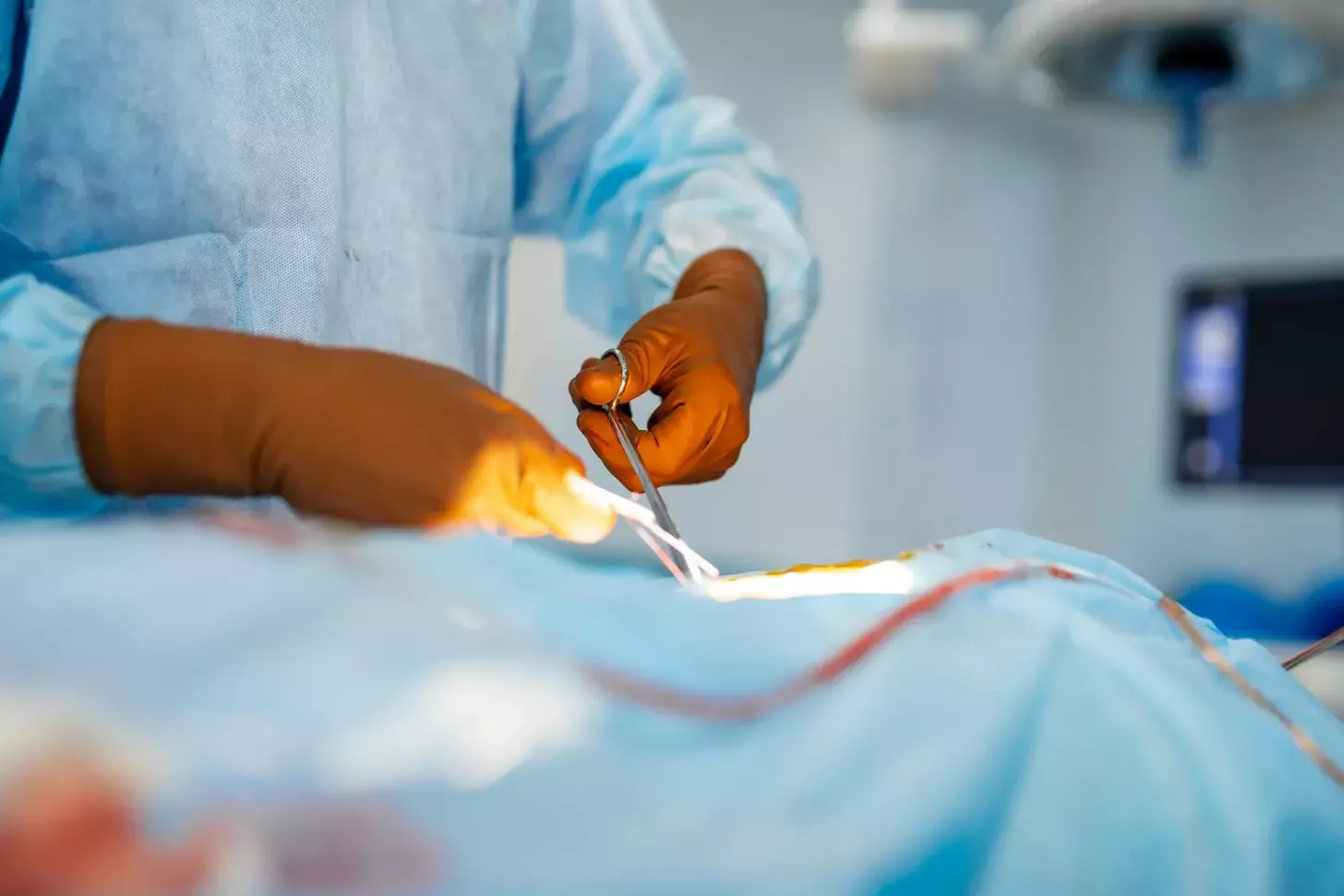
Medical staff attire is key to the success of laparoscopic surgeries. It keeps the area clean and safe for patients. Surgeons, assistants, and nurses wear special clothes to prevent infections.
Surgeon and Assistant Attire
Surgeons and their helpers wear special clothes to keep things clean. They wear sterile gowns, gloves, and masks. Dr. Saurabh Bansal says this is important to avoid infections.
Nursing Staff Clothing
Nurses also have a big role in keeping things clean. They wear clothes that match the clean environment needed for surgery. This can include non-sterile gowns and gloves, depending on their job.
Sterile vs. Non-Sterile Team Members
The surgical team is split into clean and non-clean members. Clean team members, like surgeons, wear clean clothes to work on the surgery. Non-clean team members, like nurses, wear non-sterile clothes but follow strict rules to stay clean.
Personal Protective Equipment Requirements
Personal protective equipment (PPE) is a must for medical staff during surgery. This includes gloves, masks, and eye protection. PPE stops staff from getting exposed to harmful fluids and germs. Using PPE correctly is vital for everyone’s safety.
The clothes medical staff wear during laparoscopic surgery are very important. They help keep patients safe. Knowing about these clothes helps patients understand the care they receive.
Sterile Clothing and Equipment in Laparoscopy
Keeping everything sterile is key in laparoscopic surgery. It begins with the right clothes. Sterile clothing stops infections and keeps the surgery area safe.
Purpose of Sterile Attire
The main goal of sterile clothes in laparoscopy is to cut down on infections. Sterile clothing acts as a barrier, stopping germs from the team to the patient. Dr. Ashwin Porwal’s new methods help keep things clean during surgery.
Components of Sterile Surgical Clothing
Sterile clothes include gowns, gloves, and sometimes caps or masks. These items are made to keep fluids out and stop skin cells or other dirt from getting in. The materials are picked for comfort and keeping things clean.
How Sterility is Maintained During Procedures
Keeping things sterile in laparoscopy needs the right clothes, strict rules for putting on gowns and gloves, and careful handling of tools. The team’s strict following of these rules is key to avoiding contamination.
- Strict gowning and gloving procedures
- Use of sterile drapes and equipment covers
- Minimizing movement within the sterile field
Evolution of Surgical Clothing Technology
The tech behind surgical clothes has grown a lot. New materials make clothes more comfy, strong, and good at keeping things clean. Modern gowns, for example, let air through but keep fluids out.
As laparoscopy gets better, keeping clothes and tools clean is more important than ever. New materials and tech will make these surgeries even safer and more effective.
Practical Tips for Clothing Comfort on Surgery Day
The clothes you wear on surgery day are key to your comfort. Dressing for comfort can greatly improve your experience.
Layering Strategies for Temperature Changes
Layering your clothes helps manage temperature changes in the hospital. Hospitals can be cold, even in operating rooms. This way, you can adjust your clothes as needed.
Tips for Layering:
- Start with a lightweight, breathable base layer.
- Add a warm layer like a sweater or fleece.
- Use a removable jacket or cardigan for easy changes.
Footwear Considerations
Choosing the right shoes is important for comfort and safety. You’ll need to remove your shoes before surgery. But, wearing easy-to-remove shoes can make arrival and departure more comfortable.
Footwear Tips:
- Choose slip-on shoes or sandals for easy removal.
- Avoid shoes with complicated laces.
- Make sure your shoes are comfortable for walking.
Accommodating Medical Devices and IVs
Your clothes should allow for medical devices and IVs. Wear loose, easy-to-access clothing. This makes it simpler for medical staff to place and manage these devices.
Clothing Feature | Benefit |
Loose-fitting tops | Ease of access for IV placement |
Simple, front-closure pants | Easy access for medical examinations |
Easy-to-Remove Clothing Options
Wearing clothes that are easy to remove can make preparation simpler. This can reduce stress and make the experience more comfortable for you.
Consider clothing with:
- Simple, magnetic, or Velcro closures.
- Avoid complex fastenings or delicate items that may be damaged.
By following these tips, you can improve your comfort on surgery day. Remember, your clothes are a big part of your surgical experience.
Cultural and Religious Considerations for Surgical Attire
Cultural and religious beliefs are key in choosing the right clothes for laparoscopic surgery. People from different backgrounds may have special needs. These needs should be respected to make them feel comfortable and dignified during surgery.
Communication with Medical Staff About Special Requirements
Talking openly between patients and doctors is very important. Patients should tell their doctors about their needs before surgery. This way, everyone knows what to expect and can meet the patient’s needs while keeping high standards.
Key aspects to discuss include:
- Specific clothing or attire requirements
- Modesty considerations during the procedure
- Any religious or cultural practices that need to be observed
Balancing Medical Necessity with Personal Beliefs
It’s a fine line to walk between medical needs and personal beliefs. Doctors must make sure the patient’s clothes don’t risk the surgery’s safety. Yet, they should also try to respect the patient’s cultural and religious wishes.
Consideration | Medical Necessity | Cultural/Religious Preference |
Attire Material | Sterile, disposable materials | Preference for natural fibers or specific fabrics |
Modesty | Minimal coverage for surgical access | Maximum coverage for modesty |
Documentation and Advance Planning
It’s important to write down a patient’s cultural and religious needs. This info should be in their medical file and shared with all healthcare staff. Planning ahead helps the surgical team prepare, making the experience better for the patient.
Understanding and respecting patients’ cultural and religious beliefs makes care more personal and caring. This approach not only improves the patient’s experience but also leads to better results. It reduces stress and anxiety caused by not understanding cultural or religious differences.
Children and Special Populations: Clothing Adaptations
Clothing adaptations are key for kids and special groups going through laparoscopic surgery. They have special needs to make sure the surgery goes smoothly and is comfortable.
Pediatric Laparoscopy Clothing
For kids, picking the right clothes is very important. They are smaller and might be more sensitive. Soft, comfortable clothing that’s easy to take off is best. Parents or caregivers need to help with changing clothes before and after surgery.
Some important things to think about for kids’ clothes include:
- Easy-to-remove clothes to avoid upsetting them
- Comfortable fabrics to prevent irritation
- Little to no jewelry or accessories to avoid problems
Adaptations for Elderly or Disabled Patients
Older or disabled patients might need extra help for laparoscopic surgery. Adaptive clothing that’s simple to put on and take off is very helpful. Caregivers are key in helping these patients with their clothes.
Adaptation | Benefit |
Easy-to-wear clothing | Reduces stress and discomfort |
Assistive devices for dressing | Increases independence |
Caregiver assistance | Ensures patient comfort and safety |
Caregiver Assistance with Clothing
Caregivers are very important for kids and special groups with their clothes before, during, and after surgery. A doctor says caregivers should be ready to help with clothes to make sure the patient is comfortable and safe.
Caregivers can help by:
- Bringing comfortable, easy-to-remove clothes
- Helping with dressing and undressing
- Talking to medical staff about the patient’s specific needs
Addressing Common Concerns About Surgical Clothing
Patients often have worries about their clothes during laparoscopy. Dr. Ashwin Porwal stresses the need to keep patient dignity high.
Privacy Considerations
Privacy is a big concern for patients during laparoscopic surgery. Hospitals and surgical teams work hard to keep patients modest. They use drapes to cover the patient and control who enters the operating room.
Key measures to ensure privacy include:
- Using surgical drapes to cover the patient
- Limiting access to the operating room
- Ensuring that all medical staff are aware of the importance of patient privacy
Managing Personal Dignity During Procedures
Keeping personal dignity is key during laparoscopic surgery. The surgical team is trained to treat patients with respect and care. This ensures dignity is maintained during the procedure.
Patients can also play a role by:
- Communicating their concerns to their healthcare provider
- Understanding the steps taken to maintain their dignity
- Feeling empowered to ask questions about their care
Communicating Preferences to Medical Staff
Talking to medical staff about preferences is important. Patients should feel free to share their concerns and wishes with their healthcare provider.
Effective communication involves:
- Clearly expressing concerns and preferences
- Asking questions about the surgical process
- Understanding the measures in place to address their concerns
Conclusion
Wearing the right clothes during laparoscopic surgery is key for patient safety and comfort. Experts like Dr. Saurabh Bansal and Dr. Ashwin Porwal stress its importance. They say the right clothes can make a big difference in the surgery’s success and the patient’s experience.
From what to wear before surgery to what to wear after, every detail matters. Knowing what to wear helps patients feel more prepared. This reduces their anxiety and improves their chances of a good outcome.
Patients can help make the surgery go well by choosing the right clothes. This includes wearing what the hospital provides and keeping personal comfort in mind. As medical technology gets better, keeping patients safe and comfortable is more important than ever. By focusing on these, both patients and doctors can work together to get the best results from laparoscopic surgery.
FAQ
What should I wear to the hospital for laparoscopic surgery?
Choose loose, comfy clothes that you can take off easily. Stay away from jewelry and accessories that might get in the way.
Will I be provided with clothing to wear during laparoscopic surgery?
Yes, hospitals give out gowns, socks, and caps for you to wear during surgery.
Can I wear my own clothes during laparoscopic surgery?
Usually, no. Hospital clothes are made to keep things clean and help with the surgery.
How do I prepare my clothing for laparoscopic surgery?
Pick clothes that are easy to take off. Think about wearing layers for temperature changes. Avoid anything with metal or that’s too tight.
Are there specific clothing requirements for different types of laparoscopic procedures?
Yes, some surgeries need specific clothes. For example, abdominal surgeries might require a gown that lets you easily access your belly.
What kind of clothing should I pack for my hospital stay after laparoscopic surgery?
Pack comfy, loose clothes that fit over any incisions. Don’t forget undergarments and socks.
Can I wear compression garments after laparoscopic surgery?
It depends on your surgery and what your doctor says. Some surgeries might need compression clothes to help with healing.
How do medical staff maintain sterility during laparoscopic surgery?
Doctors and nurses wear sterile clothes like gowns and gloves. They follow strict rules to keep everything clean during the surgery.
Are there cultural or religious considerations for surgical attire?
Yes, talk to medical staff about your cultural or religious needs before surgery. They’ll try to meet your requirements.
How can I maintain my dignity and privacy during laparoscopic surgery?
Talk to your medical team about your concerns. They can help keep you covered and modest during the procedure.
Are there special clothing considerations for children or special populations undergoing laparoscopic surgery?
Yes, kids and those with special needs might need special clothes or extra help from caregivers.
What type of footwear is recommended for the day of laparoscopic surgery?
Wear easy-to-remove, comfy shoes. You’ll need to take them off before surgery.
Can I wear my own underwear during laparoscopic surgery?
Generally, no. Hospitals might give you disposable underwear to keep things clean and make the surgery easier.
Reference
National Center for Biotechnology Information. Evidence-Based Medical Insight. Retrieved from https://pubmed.ncbi.nlm.nih.gov/35012345/