Last Updated on November 26, 2025 by Bilal Hasdemir

Investigate the effects of coffee on prostate health and review common coffee side effects for men that may impact well-being.
A recent study found that moderate caffeine consumption may have a positive impact on prostate health.
With prostate issues affecting a significant number of men worldwide, understanding the relationship between coffee consumption and prostate health is key.
Research suggests that caffeine may reduce the risk of prostate cancer. But, too much can cause negative side effects.
Key Takeaways
- Caffeine consumption may impact prostate health.
- Moderate coffee drinking may reduce prostate cancer risk.
- Excessive caffeine intake can have negative effects.
- Prostate issues are a significant health concern for men.
- Understanding coffee’s impact on prostate health is essential.
The Relationship Between Coffee and Prostate Health
The link between coffee and prostate health is complex. It involves many bioactive compounds that could affect prostate function. As research digs deeper, several important areas have come to light.
Current Scientific Understanding
Research shows coffee might have both good and bad effects on prostate health. Studies look into how coffee could protect against prostate cancer and other issues. Some studies suggest that drinking coffee in moderation could lower the risk of certain prostate problems.
The Complexity of Coffee’s Bioactive Compounds
Coffee is packed with bioactive compounds like caffeine, polyphenols, and diterpenes. These can affect the body in different ways. Caffeine, well-known for its effects, can change hormone levels and possibly impact prostate health. Other compounds, like kahweol and cafestol, are being studied for their antioxidant properties and health benefits.
Historical Perspectives on Coffee and Men’s Health
In the past, coffee was both praised and criticized for its effects on men’s health. Some old claims said it was bad for male reproductive health. But, modern research shows that moderate coffee drinking is usually safe for men and might even have some benefits.
Understanding Prostate Health Basics
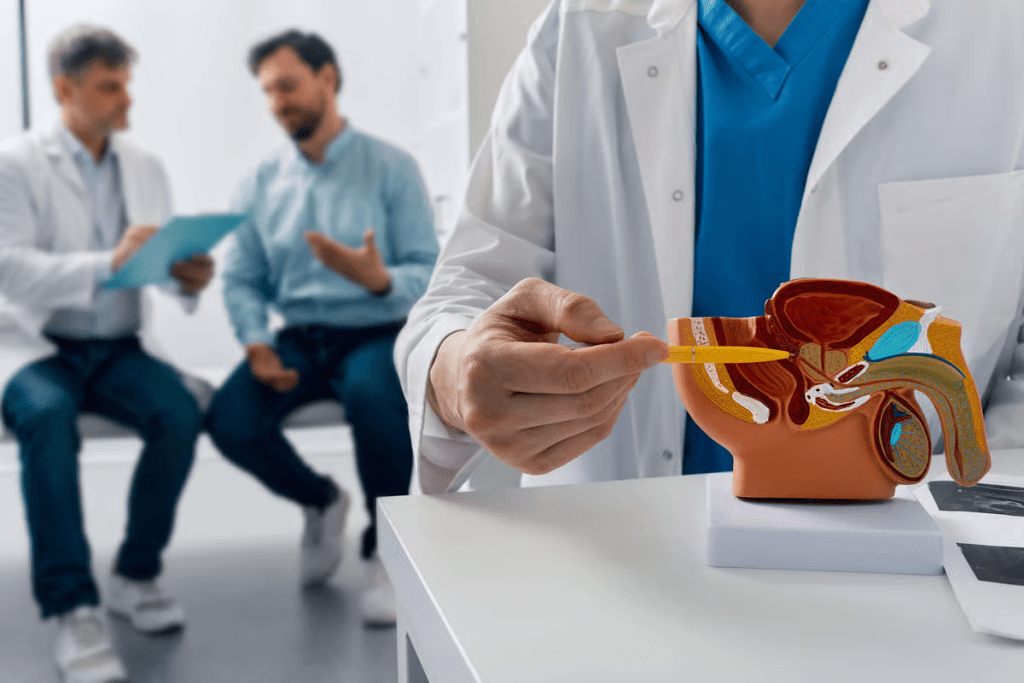
The prostate gland is key to men’s health. Knowing its basics is important. Factors like genetics, lifestyle, and environment affect prostate health.
Common Prostate Conditions and Symptoms
Many conditions can affect the prostate, like BPH, prostatitis, and cancer. Symptoms include trouble urinating, needing to go often, and pelvic pain. Spotting these signs early is vital for treatment.
Common Prostate Conditions:
- Benign Prostatic Hyperplasia (BPH)
- Prostatitis
- Prostate Cancer
Risk Factors for Prostate Issues
Some factors raise the risk of prostate problems. These include age, family history, and genetics. Diet and exercise levels also matter.
Key Risk Factors:
- Age: Risk goes up after 50
- Family History: Having a family member with prostate cancer
- Genetic Factors: Certain genetic mutations
The Importance of Prostate Monitoring
Regular checks are key for prostate health. Tests like PSA and DRE help catch issues early. Talk to your doctor about when and how often to get checked.
Benefits of Prostate Monitoring:
- Early Detection of Prostate Cancer
- Managing BPH Symptoms
- Lowering Complications
Coffee Side Effects for Men: A Complete Overview

Coffee is a big part of many men’s daily lives. But, it can affect their health in different ways, like hormonal balance and how they use the bathroom.
Drinking coffee can have big effects on men’s bodies. It’s important for those who drink it a lot to know about these effects.
General Effects of Coffee on Male Hormonal Health
Coffee can change how hormones work in men. It might affect testosterone, which is important for sex drive and making sperm. Some research says that drinking coffee in moderation might not change testosterone levels much. But, drinking too much could mess with hormone balance.
The link between coffee and hormones is complicated. Coffee has many compounds that can help or hurt hormone levels.
- Caffeine can raise cortisol levels, which might upset hormone balance.
- Other coffee compounds, like polyphenols, might help protect hormone health.
Specific Effects Related to the Urinary System
Coffee can make you pee more, which might make urinary problems worse for men.
Men with conditions like BPH might see their symptoms get worse because of coffee. It can make the bladder upset and make you pee more often.
- Coffee might make you pee more often and with more urgency.
- Drinking less coffee can help if you’re sensitive to it.
Individual Variation in Coffee Sensitivity
Men react differently to coffee, based on their genes, lifestyle, and health.
Some men might feel coffee’s effects strongly, even with a little. Others might not notice anything until they drink a lot.
Things that can affect how sensitive you are to coffee include:
- Genes that affect how you process caffeine.
- What you eat and how active you are.
- Any health issues, like problems with hormones or the urinary system.
Coffee Consumption and Prostate Cancer Risk
There’s a lot of talk about coffee and prostate cancer. Research is looking into coffee’s health effects, including its impact on prostate health. This is important for men everywhere.
Epidemiological Studies on Coffee and Prostate Cancer
Studies have been key in studying coffee and prostate cancer. They watch groups of people over time. This helps us understand how coffee might affect prostate cancer.
- A big study found that drinking moderate amounts of coffee might lower prostate cancer risk.
- Some research says coffee’s antioxidants could help protect against prostate cancer.
- But, not all studies agree. Some found no link between coffee and prostate cancer risk.
The Harvard Study on Coffee and Prostate Cancer
The Harvard School of Public Health has done a lot of work on coffee and prostate cancer. They studied a big group of men over years, looking at their coffee habits and prostate cancer.
Key findings from the Harvard study include:
- Men who drank six or more cups of coffee a day had a lower risk of deadly prostate cancer.
- The study found that coffee might be more protective against aggressive prostate cancer.
Potential Protective Mechanisms
It’s not clear how coffee might protect against prostate cancer. But, there are a few ideas:
- Coffee has lots of good stuff, like antioxidants and anti-inflammatory agents. These might help fight cancer.
- Caffeine in coffee could affect hormone levels and cell growth. This might lower cancer risk.
- Coffee’s anti-inflammatory effects might also help reduce prostate inflammation. This is thought to help prevent cancer.
In summary, while the research isn’t all the same, it looks like moderate coffee drinking might lower prostate cancer risk. This is true, mostly for aggressive types of the disease.
Caffeine and Benign Prostatic Hyperplasia (BPH)
Caffeine, found in coffee, is studied for its effect on BPH symptoms. BPH is a common issue in older men, causing frequent urination, urgency, and weak flow.
Does Caffeine Worsen BPH Symptoms?
Research on caffeine and BPH is ongoing. Some studies say caffeine can make BPH symptoms worse. This might be because it increases urine production, adding pressure on the urinary system.
But, how people react to caffeine can differ a lot. Some men might see their BPH symptoms get worse after drinking caffeine. Others might not notice a big change.
Research on Coffee’s Impact on Prostate Enlargement
Studies have looked into coffee and BPH risk. Some say moderate coffee drinking might not raise BPH risk much. But, too much coffee could make symptoms worse.
A study in the Journal of Urology found high caffeine intake linked to a higher risk of BPH surgery. This suggests caffeine could make BPH symptoms more severe.
Managing BPH Symptoms for Coffee Drinkers
Men with BPH who drink coffee need to manage their symptoms. This means making lifestyle changes and possibly cutting back on coffee.
- Watch how caffeine affects your urinary symptoms.
- Try drinking less caffeine or switch to decaf coffee to ease symptoms.
- Keep a healthy lifestyle, eat well, and exercise to help your prostate.
By paying attention to caffeine and its effects, men with BPH can manage their symptoms better. This improves their quality of life.
Coffee’s Effect on Prostate Inflammation
Learning how coffee impacts prostate inflammation can help manage prostatitis and other prostate issues. Prostate inflammation, a big part of prostatitis, is affected by diet and lifestyle.
Anti-inflammatory Properties in Coffee
Coffee has many bioactive compounds, some with anti-inflammatory effects. Polyphenols, antioxidants, can lower body inflammation. Research shows moderate coffee drinking might help reduce inflammation, helping men with prostatitis.
When Coffee Might Increase Inflammation
Even though coffee has anti-inflammatory effects, it can also increase inflammation in some cases. High caffeine can raise heart rate and blood pressure, worsening inflammation. Also, coffee additives like sugar and cream can add to dietary inflammation.
Balancing Coffee Intake for Men with Prostatitis
Men with prostatitis need to find the right balance with coffee. Moderation is key. It’s wise to watch how coffee affects symptoms and adjust intake. Some men might see improvement by cutting down or stopping coffee, while others might not notice a difference.
How Coffee Affects PSA Levels
It’s important for men to know how coffee affects their PSA levels. Prostate-Specific Antigen (PSA) tests help check prostate health. Knowing what can change these test results is key.
Understanding PSA Testing Accuracy
PSA tests measure PSA in the blood. High levels might mean prostate problems, like cancer. But, many things can change PSA levels, making tests less accurate.
PSA testing isn’t perfect. Things like some medicines, medical procedures, and even food or drinks can affect PSA levels.
Evidence of Coffee’s Influence on PSA Measurements
Research on coffee and PSA levels has mixed results. Some studies say coffee might change PSA levels. Others found no big effect.
“A study published in a leading oncology journal showed coffee might lower the risk of deadly prostate cancer. But, its effect on PSA levels is unclear.”
Recommendations Before PSA Testing
Because coffee’s effect on PSA levels is unsure, men should talk to their doctors. They might give advice based on your situation.
- Doctors might tell you to stop drinking coffee and other stimulants before the test.
- It’s important to follow your doctor’s exact instructions to get accurate test results.
Talk to your doctor about your coffee drinking before getting a PSA test.
Different Types of Coffee and Their Effects on Prostate Health
There are many types of coffee, each with its own health effects. Coffee is more than just a drink; it’s a mix of compounds that can affect our health.
Caffeinated vs. Decaffeinated Coffee
The debate between caffeinated and decaffeinated coffee is about their health impacts. Caffeinated coffee has a lot of caffeine, which can affect heart rate and blood pressure. This might also impact prostate health.
Decaffeinated coffee has less caffeine, making it better for those who are sensitive to it or worried about its effects on the prostate.
Studies show both types of coffee have health benefits. But, the caffeine in caffeinated coffee can worsen some prostate issues like BPH. Decaffeinated coffee might not have the same effect.
Brewing Methods and Their Impact
The way coffee is brewed changes its chemical makeup and health effects. Different brewing methods can lead to varying levels of compounds like diterpenes. These compounds can affect cholesterol and prostate health.
- French press coffee has more diterpenes because of the immersion brewing method.
- Drip brewing and filtered coffee have less because the filter absorbs some compounds.
- Espresso, though concentrated, has a unique mix of compounds that might be good in small amounts.
What Kind of Coffee Is Good for Prostate Health
Finding the best coffee for prostate health means looking at the beans and brewing method. Arabica beans are often better than Robusta beans. They have less caffeine and more antioxidants.
Drinking coffee in moderation, using methods that reduce harmful compounds, is a good idea. Also, watch out for additives like sugar and cream. They can add a lot of calories and harm your health, including your prostate.
Caffeine vs. Other Coffee Compounds: What Matters Most for Prostate Health
Coffee’s link to prostate health is complex, involving caffeine and other compounds. Caffeine gets a lot of attention, but antioxidants and phytochemicals are also key.
Beyond Caffeine: Antioxidants and Phytochemicals
Coffee is packed with antioxidants and phytochemicals that boost health. Antioxidants fight off cell damage from free radicals, slowing aging and disease. Phytochemicals, from plants, reduce inflammation and improve health.
Coffee is a big antioxidant source in many diets. Chlorogenic acid, found in coffee, may help fight inflammation.
The Role of Preparation Methods
How you brew coffee changes its health effects. Different methods extract different amounts of caffeine and compounds from beans.
- French press coffee has more cafestol and kahweol, linked to health benefits and drawbacks.
- Filtered coffee has less of these compounds but more caffeine and other good stuff.
Coffee Additives and Their Effects
What you add to coffee matters for its health benefits. Sugar, cream, and syrups add calories, leading to weight gain. But, a bit of healthy fats like coconut oil or butter can boost coffee’s good stuff.
Think about what you add to your coffee to get the most health benefits and avoid the bad.
Optimal Coffee Consumption for Men with Prostate Concerns
For men worried about their prostate, knowing how much coffee to drink is key. Coffee has many good compounds that might help the prostate. But, how coffee affects prostate health depends on how much you drink, when, and how your body reacts.
Recommended Intake Levels
Most studies say drinking 3 to 4 cups of coffee a day is okay for men. But, how coffee affects you can differ a lot. If you have prostate issues, talk to your doctor about how much coffee is safe for you.
Best Times to Consume Coffee
When you drink coffee can matter for your prostate. Drinking it in the morning might help you sleep better. Drinking it at different times during the day can also help avoid problems with your urinary system.
- Start with a small amount in the morning to gauge sensitivity.
- Avoid coffee consumption close to bedtime.
- Monitor how your body reacts and adjust your intake according to.
Modifications to Reduce Negative Effects
If coffee makes you go to the bathroom more or hurts, there are ways to fix it. Try decaf coffee to avoid these issues. Also, watch out for added sugars and creamers to keep your calorie intake down.
By knowing how much coffee is best and making changes, men with prostate issues can enjoy coffee. This way, they can avoid its bad effects on their prostate health.
Who Should Limit or Avoid Coffee for Prostate Health
Men with certain prostate issues might need to cut back on coffee. Coffee can be good for some, but it can make health problems worse for others.
Men with Specific Prostate Conditions
Coffee can affect men with certain prostate problems. For example, those with benign prostatic hyperplasia (BPH) or prostatitis might see symptoms get worse. This is because caffeine can make you pee more and irritate the bladder and prostate.
Research on coffee and prostate cancer is mixed. Some studies say moderate coffee drinking doesn’t raise cancer risk. But others suggest it could have benefits or risks, depending on how much you drink.
| Prostate Condition | Potential Coffee Impact | Recommendation |
| Benign Prostatic Hyperplasia (BPH) | May worsen symptoms due to caffeine | Limit or avoid coffee |
| Prostatitis | Caffeine may irritate the prostate | Reduce coffee intake |
| Prostate Cancer | Mixed evidence on coffee’s impact | Consult healthcare provider |
Individual Sensitivity Considerations
How people react to coffee and caffeine can differ a lot. Some men might feel their heart beat faster, get jittery, or need to pee more after drinking coffee. This can be a big problem for those with prostate issues.
It’s important for men to watch how their body reacts to coffee. If it makes them uncomfortable or makes prostate symptoms worse, they might want to drink less or avoid it.
Alternative Beverages for Those Limiting Coffee
For men who can’t or shouldn’t drink coffee, there are other drinks that can be just as comforting. These drinks don’t have the bad effects coffee can have on the prostate.
- Herbal teas, like peppermint or chamomile, are caffeine-free and soothing.
- Decaffeinated coffee lets you enjoy coffee’s taste without the caffeine.
- Water is key for staying hydrated and can help with some prostate problems.
Choosing wisely about coffee can help manage prostate health. Men should think about their health needs and talk to a doctor if they have concerns.
Lifestyle Factors That Complement or Counteract Coffee’s Effects on the Prostate
Many lifestyle choices can either help or hurt the prostate, along with coffee. Knowing these factors is key for men wanting to keep their prostate healthy.
Dietary Considerations
Diet is very important for the prostate, working with coffee in complex ways. Eating a balanced diet with fruits, vegetables, and whole grains can help. It might even lessen any bad effects coffee has on the prostate.
- Foods high in antioxidants, like berries and leafy greens, can reduce oxidative stress.
- Healthy fats in nuts and olive oil help with hormone balance.
- Staying away from too much processed meat and dairy is also good.
A study in the Journal of Nutrition found that eating lots of fruits and vegetables lowers prostate cancer risk.
This shows how important what we eat is for our prostate health.
Exercise and Physical Activity
Regular exercise is great for the prostate. It keeps weight in check, lowers inflammation, and boosts overall health.
- Do moderate exercises like brisk walking or cycling for 30 minutes a day.
- Strength training builds muscle and boosts metabolism.
- Yoga or Pilates can reduce stress and improve flexibility.
Studies show men who exercise often have fewer prostate problems. This shows how important exercise is in our daily lives.
Stress Management and Sleep Quality
Managing stress and getting enough sleep are also key for the prostate. Too much stress can make prostate problems worse, and bad sleep can mess with hormone balance.
- Try stress-reduction methods like meditation or deep breathing.
- Go for 7-8 hours of quality sleep each night for better health.
- Keep a regular sleep schedule to help your body’s clock.
By focusing on these lifestyle areas, men can actively support their prostate health. This can help counteract any negative coffee effects.
Conclusion: Balancing Coffee Consumption for Optimal Prostate Health
Men can enjoy coffee while keeping their prostate healthy. Studies show that drinking coffee in moderation might help protect against some prostate problems. But, how coffee affects each person can differ.
Think about the coffee you drink, how it’s made, and your lifestyle. Eating lots of fruits, veggies, and whole grains, plus exercising and managing stress, can help. These habits can work well with coffee’s benefits.
If you have prostate issues, watch how much coffee you drink. Pay attention to how it makes you feel. Making smart choices about coffee can help you live a healthy life. This includes taking care of your prostate.
FAQ
Is coffee bad for prostate health?
Drinking coffee in moderation is usually okay for the prostate. Some studies even suggest it might help protect against certain prostate problems.
Does caffeine cause prostate cancer?
There’s no solid proof that caffeine leads to prostate cancer. In fact, some research shows that drinking coffee in moderation might lower the risk of prostate cancer.
Can coffee consumption affect PSA levels?
Some studies have looked into how coffee affects PSA levels. But the results are mixed. It’s best to talk to a doctor about coffee before getting a PSA test.
Is decaf coffee better for prostate health than regular coffee?
Both regular and decaf coffee have compounds that might be good for the prostate. The choice between them depends on how sensitive you are to caffeine.
How much coffee is safe to drink with prostate concerns?
How much coffee is safe varies based on your health and caffeine sensitivity. Most men can safely drink 3-4 cups a day.
Can coffee exacerbate BPH symptoms?
Caffeine might make BPH symptoms worse by increasing urine production and irritating the bladder. But how you react to coffee and caffeine can differ.
Are there any coffee brewing methods that are better for prostate health?
The brewing method can change the health impact of coffee. Filtered coffee, for example, might be better because it has less cafestol and kahweol.
Should men with prostatitis avoid coffee?
Men with prostatitis should watch how they react to coffee and caffeine. Some might find it makes their symptoms worse, while others won’t notice a difference.
Can lifestyle factors other than coffee consumption impact prostate health?
Yes, your diet, exercise, stress levels, and sleep can all affect your prostate. A healthy lifestyle can help with the effects of coffee.
What are some alternative beverages for men who need to limit coffee?
If you can’t have much coffee, try tea, herbal infusions, or chicory root coffee. They offer similar tastes without caffeine.
Does coffee prevent cancer?
Some studies link moderate coffee drinking to a lower risk of certain cancers, including prostate cancer. But more research is needed to fully understand the benefits.
Is caffeine bad for an enlarged prostate?
Caffeine might make enlarged prostate symptoms worse by increasing urine production. Men with BPH should watch their caffeine intake and talk to a doctor.
How does coffee affect prostate inflammation?
Coffee has anti-inflammatory compounds that might help reduce inflammation. But how you react to coffee can vary, and some might see more inflammation.
Rererences
Wilson, K. M., et al. (2011). Coffee consumption and prostate cancer risk and progression in the Health Professionals Follow-up Study. Nutrition and Cancer, 63(5), 663-670.